Excelência em Éter de Celulose — Confiado por mais de 1000 empresas globalmente Obtenha Amostra Grátis
LANDERCOLL éter de celulose ajuda fabricantes de massa corrida e revestimento liso a melhorar a suavidade de aplicação, retenção de água, desempenho de nivelamento, sensação ao raspar, qualidade do acabamento superficial e estabilidade da formulação.
Da massa corrida para paredes internas ao revestimento externo, sistemas de acabamento à base de cimento e gesso — o grau certo de éter de celulose oferece desempenho confiável em todas as aplicações.

Interior · Exterior · Cimento · Gesso · Acabamento Decorativo
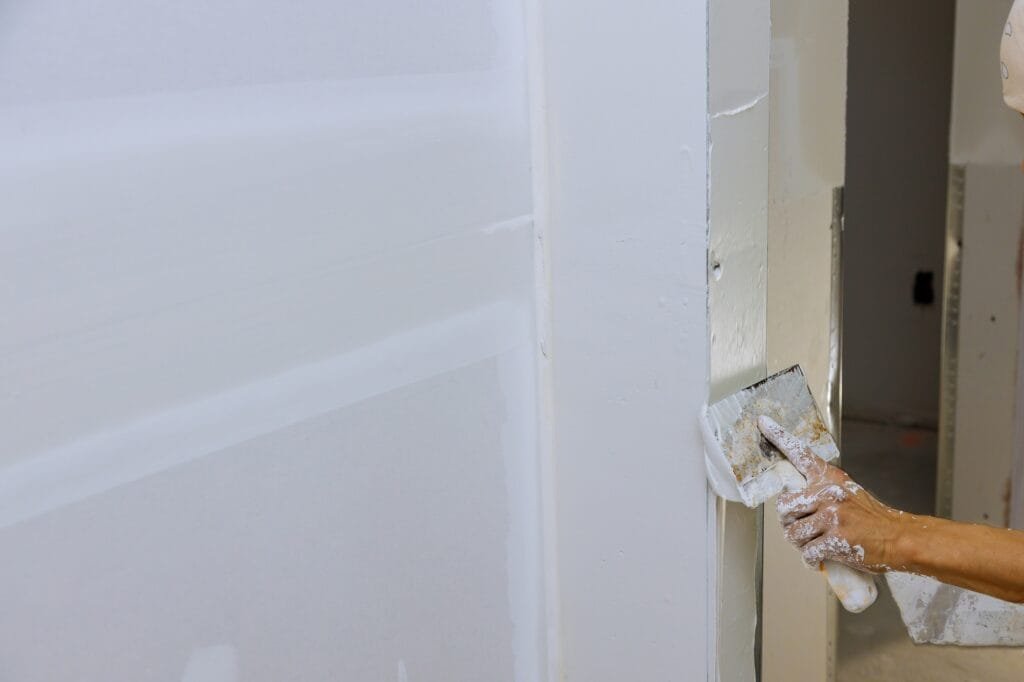
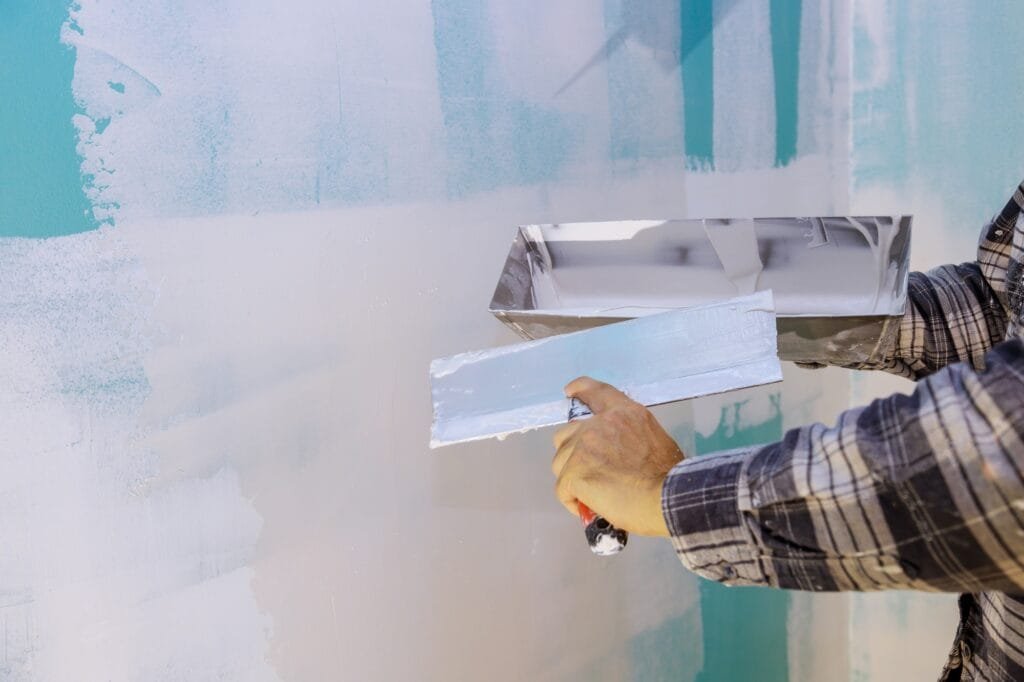

Massa corrida e reboco fino estão entre os materiais de acabamento mais utilizados na construção civil — aplicados em milhões de metros quadrados de superfícies de paredes internas e externas todos os anos. Seu desempenho depende diretamente da qualidade da formulação. Em sistemas de acabamento de paredes à base de cimento e gesso, o éter de celulose desempenha um papel central no controle da retenção de água, trabalhabilidade, sensação ao raspar, comportamento de nivelamento, suavidade da superfície e estabilidade da aplicação.
LANDERCOLL fornece HPMC e HEMC / MHEC para fabricantes de massa corrida e revestimento liso que exigem desempenho consistente e confiável em massa corrida para paredes internas, massa corrida para paredes externas, revestimento liso à base de cimento, revestimento liso à base de gesso, materiais de acabamento decorativo para paredes e produtos de acabamento seco para paredes prontos para uso.
Para fabricantes, isso significa melhor consistência do produto e maior aceitação no mercado. Para aplicadores, significa uma experiência de acabamento mais suave e controlada em cada parede — desde massa fina interna até sistemas exigentes de revestimento externo.
Massa corrida e massa fina são materiais de acabamento em camada fina aplicados em superfícies de paredes para preencher pequenos defeitos, melhorar a lisura da superfície, criar uma base uniforme e preparar as paredes para tinta ou revestimentos decorativos. Geralmente são aplicados por raspagem, desempeno ou espalhamento em uma ou mais camadas finas. Uma formulação padrão pode conter cimento, gesso, cal, cargas minerais, pós finos, pó de polímero redispersível (RDP), éter de celulose, éter de amido e aditivos funcionais.
Wall putty and skim coat must perform consistently across different substrates, binder systems, application thicknesses, climate conditions, and operator techniques. LANDERCOLL cellulose ether helps manufacturers achieve the right balance between smoothness, water retention, workability, leveling, anti-sag behavior, and surface finish quality.
LANDERCOLL provides HPMC and HEMC / MHEC cellulose ether grades designed for cement-based and gypsum-based wall finishing systems. Final grade selection should be confirmed through formulation testing.
 Versátil · Amplamente Utilizado
Versatile cellulose ether for smooth workability, water retention, leveling, and surface finish support.
Hydroxypropyl methylcellulose (HPMC) is widely used in both cement-based and gypsum-based wall putty and skim coat formulations. It provides reliable water retention, thickening, workability improvement, and surface finish support — making it suitable for a broad range of interior and exterior wall finishing products.
 Rheology · Open Time
Construction-grade cellulose ether for smooth application, open working time, anti-sag behavior, and stable wall finishing performance.
Hydroxyethyl methylcellulose (HEMC / MHEC) is especially well-suited for wall putty and skim coat formulations where smooth application feel, extended open working time, water retention, anti-sag behavior, and stable consistency are primary performance requirements. Particularly important for exterior wall putty, thick-layer applications, and demanding finishing systems.
Wall putty and skim coat formulations vary significantly by binder system, application thickness, interior or exterior use, local raw material availability, and target performance standards.
| Componente | Function in Wall Putty / Skim Coat |
|---|---|
| Cimento / Gesso / Cal | Primary binder system — type depends on formulation and application |
| Mineral Fillers | Provide volume, smoothness, texture, and cost balance |
| Fine Powders | Improve surface smoothness and finishing quality |
| Pó de Polímero Redispersível (RDP) | Improve adhesion, flexibility, and surface strength |
| Éter de Celulose (HPMC / HEMC) | Improve water retention, workability, scraping feel, and consistency |
| Éter de Amido | Support anti-sag behavior and rheology fine-tuning |
| Aditivos Repelentes de Água | Used in selected exterior or moisture-resistant systems |
| Outros Aditivos | Adjust setting time, surface hardness, sanding behavior, or special properties |
| Tipo de Aplicação | Produto Recomendado | Primary Requirements |
|---|---|---|
| Massa para parede interna | Medium-viscosity HPMC / HEMC / MHEC | Raspagem suave, acabamento superficial, retenção de água |
| Massa para parede externa | Medium to high-viscosity HPMC / HEMC / MHEC | Water retention, workability, durability support |
| Cement-Based Skim Coat | HPMC / HEMC / MHEC | Workability, leveling, controlled water loss |
| Gypsum-Based Skim Coat | HPMC / HEMC / MHEC | Aplicação suave, gerenciamento de água, consistência |
| Decorative Wall Finish | HPMC / HEMC / MHEC | Surface smoothness, stable texture, application control |
| Thin-Layer Putty (1–2 mm) | Medium-viscosity HPMC / HEMC / MHEC | Smoothness, fine surface finish, easy scraping |
| Thick-Layer Putty (3–5 mm) | Medium to high-viscosity HPMC / HEMC / MHEC | Body, anti-sag, cohesion, workability |
| Ready-Mix Dry Wall Putty | HPMC / HEMC / MHEC | Batch consistency, stable performance, usability |
These dosage ranges are starting reference points only. Final dosage must be confirmed through laboratory testing, including scraping trials, water retention evaluation, leveling assessment, surface finish testing, sanding behavior evaluation, and job-site application review.
| Aplicação | Typical Reference Dosage |
|---|---|
| Massa para parede interna | 0.2% – 0.4% |
| Massa para parede externa | 0.25% – 0.5% |
| Cement-Based Skim Coat | 0.2% – 0.5% |
| Gypsum-Based Skim Coat | 0.1% – 0.3% |
| Thin-Layer Putty | 0.2% – 0.4% |
| Thick-Layer Putty | 0.25% – 0.5% |
| Decorative Wall Finish | 0.2% – 0.5% |
| Ready-Mix Dry Wall Putty | Depends on product type and performance target |
Cellulose ether influences every stage of wall finishing — from the first scrape pass to the final surface quality. Each function below represents a distinct performance dimension that manufacturers and applicators evaluate in daily use.
Water retention is the most fundamental function of cellulose ether in wall putty and skim coat. It prevents the material from losing moisture too rapidly after mixing — supporting stable workability, controlled setting or drying behavior, and better surface finishing quality. Poor water retention leads to rapid surface drying, drag marks under the blade, rough texture, and increased cracking risk — especially on highly absorbent substrates such as unprimed concrete or AAC blocks.
Smooth scraping is one of the most commercially important performance attributes of wall putty. Applicators judge product quality largely by how the material feels under the scraper blade. Cellulose ether improves the feel under the blade by controlling viscosity, reducing internal friction, and supporting a more uniform, cohesive material body.
Good workability makes wall putty easier to mix, apply, scrape, level, and finish — reducing applicator fatigue and improving productivity on large wall areas. HPMC and HEMC / MHEC help create a more controlled, user-friendly application experience.
Wall finishing materials must level properly to create a flat, smooth surface. Cellulose ether helps control consistency and flow behavior so the material spreads evenly under the blade without becoming watery, sagging, or pulling unevenly.
A fine, uniform surface finish is the primary quality criterion for wall putty and skim coat — directly determining suitability for painting or decorative coating. Cellulose ether supports better surface quality by maintaining water retention and reducing surface drag.
In thicker application layers or on vertical wall surfaces, wall putty must remain stable after application without slumping or sagging. Medium to high-viscosity HEMC / MHEC and HPMC improve material structural body during the setting or drying period.
Cellulose ether improves the internal cohesion of wall putty after mixing, creating a more uniform, stable material body. This supports consistent scraping and leveling behavior, reduces separation or bleeding during application, and contributes to more reliable batch-to-batch performance in production.
When wall putty or skim coat performance fails on the job site, the cellulose ether grade, viscosity, or dosage is often the first variable to review.
Poor filler balance, low water retention, unsuitable viscosity grade.
Improve smoothness, workability, and blade feel.
Low water retention, absorbent substrate, hot or windy conditions.
Retain moisture and extend the workable application window.
Weak rheology, wrong water demand, unsuitable grade.
Improve consistency and flow balance.
Weak material structure, excess water, low viscosity.
Support anti-sag behavior and structural body.
Dosagem excessiva ou grau de alta viscosidade inadequado.
Adjust grade selection and dosage balance.
Rapid water loss, poor cohesion, thick application layer.
Improve water retention and internal cohesion.
Poor binder hydration, low water retention, weak formulation.
Support moisture control and surface quality.
Inconsistent mixing, poor water retention, unstable formulation.
Improve material uniformity and finishing behavior.
Excessive stickiness, wrong viscosity, unsuitable grade.
Adjust grade and dosage for better dry-film properties.
Understanding the variables that influence cellulose ether behavior in wall finishing systems helps manufacturers make better formulation decisions and select the most appropriate grade for their specific product.
Cement-based, gypsum-based, lime-based, and polymer-modified binder systems have significantly different water demand, setting behavior, and chemical interaction with cellulose ether. Grade selection should always be matched to the specific binder system in use.
Fine mineral fillers strongly influence surface smoothness, water demand, scraping feel, and surface finish quality. Finer filler systems generally require more careful cellulose ether grade selection to maintain balanced workability without excessive stickiness.
Thin-layer applications (1–2 mm) and thick-layer applications (3–5 mm) require different viscosity levels, structural body, and anti-sag performance. Thicker layers generally need higher viscosity grades and stronger material body.
Highly absorbent substrates — such as unprimed concrete, AAC blocks, or porous masonry — draw water rapidly from the applied material. Higher water retention performance helps compensate and maintain workability and surface quality.
Viscosity grade is a primary variable affecting water retention, workability, leveling, anti-sag behavior, and scraping feel. Higher viscosity improves water retention and body but may increase stickiness if overdosed.
Insufficient dosage leads to poor water retention, rough scraping, or short working time. Excessive dosage may cause stickiness, slow finishing, difficult sanding, or reduced surface hardness. Optimal dosage must be confirmed through testing.
RDP improves adhesion, flexibility, and surface strength, but also affects workability and rheology. Compatibility between RDP and cellulose ether should be evaluated during formulation development.
Water dosage strongly affects consistency, scraping feel, surface finish, leveling behavior, and drying performance. Consistent water measurement is essential for reliable batch-to-batch results.
Hot, dry, or windy conditions accelerate water evaporation and shorten the workable window. Cellulose ether grade and dosage may need adjustment for different climatic zones and seasonal conditions.
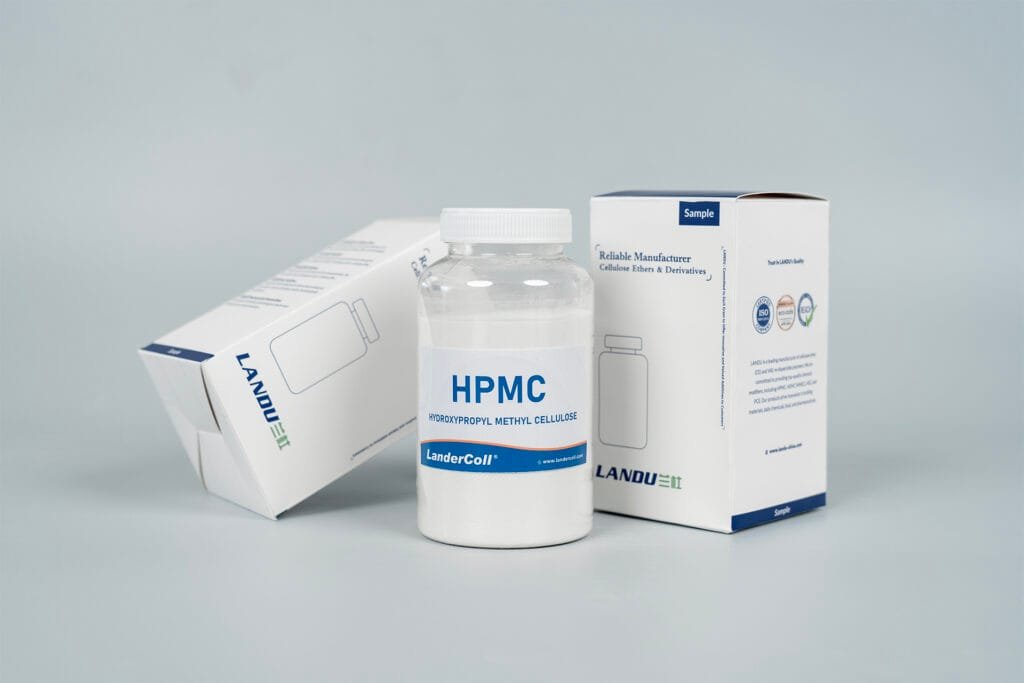
Selecting the right cellulose ether requires a systematic evaluation of water retention needs, target smoothness, scraping feel, leveling requirements, anti-sag behavior, surface finish expectations, sanding performance, and overall formulation balance.
What type of wall putty or skim coat are you producing — interior, exterior, thin-layer, or thick-layer?
Is the binder system cement-based, gypsum-based, lime-based, or polymer-modified?
What application thickness range does the product need to cover?
Is smooth scraping feel a primary market requirement in your target region?
Do you need better leveling, anti-sag behavior, or both?
What viscosity range is currently used in your formulation?
What filler particle size and binder system are you working with?
Is redispersible polymer powder included, and at what dosage?
What surface finish and sanding behavior does your market require?
What climate conditions — temperature, humidity, substrate absorption — must the product handle?
What dosage level are you targeting for cost and performance balance?
Do you require surface-treated or untreated cellulose ether for your production process?
Not sure which cellulose ether grade is most suitable for your wall putty? LANDERCOLL can recommend a practical grade for laboratory evaluation.
Solicite Recomendação de Grau


Supporting wall putty and skim coat development with complete technical documentation.
— LANDERCOLL R&D —LANDERCOLL provides a complete set of product documentation to support wall putty and skim coat formulation development, purchasing review, quality approval, and import compliance requirements.
All documents supplied upon request to support your formulation review, quality approval, and import compliance process.
HPMC and HEMC / MHEC grade selection for wall putty and skim coat
Water retention improvement and evaluation
Smooth scraping feel and workability support
Leveling behavior and surface finish quality discussion
Anti-sag performance for vertical and thick-layer applications
Viscosity direction and grade comparison
Dosage reference and adjustment guidance
Sample supply and technical documentation
Quotation and supply chain communication
If your wall putty or skim coat is experiencing rough scraping, rapid drying, poor leveling, sagging on vertical surfaces, sticky application, cracking during drying, powdering surface, or inconsistent finish quality — the cellulose ether grade or dosage may need to be reviewed.
LANDERCOLL provides technical support to help wall putty and skim coat manufacturers evaluate HPMC and HEMC / MHEC options based on binder system, filler quality, target smoothness, viscosity requirement, dosage level, and application conditions.
HPMC (hydroxypropyl methylcellulose) and HEMC / MHEC (hydroxyethyl methylcellulose) are the two main types of cellulose ether used in wall putty and skim coat formulations. Both improve water retention, smooth scraping behavior, workability, leveling performance, consistency, and surface finish quality.
HPMC improves water retention, smooth scraping feel, workability, leveling behavior, mortar consistency, and surface finishing quality in wall putty and skim coat formulations. It is widely used in both cement-based and gypsum-based wall finishing systems.
HEMC / MHEC improves water retention, smooth application feel, open working time, anti-sag behavior, mortar consistency, and surface finish quality in skim coat and wall putty systems. It is especially effective in exterior wall putty and thick-layer finishing applications.
Water retention prevents wall putty from losing moisture too quickly after mixing and during application. This maintains workability throughout the scraping and leveling window, supports stable setting or drying behavior, reduces cracking risk from rapid moisture loss, and helps achieve a smoother, more uniform surface finish — especially important on absorbent substrates or in hot, dry conditions.
A common reference dosage range is 0.2%–0.5% by weight of the dry formulation, depending on binder system, application type, target smoothness, viscosity grade, and raw material system. Gypsum-based systems typically use lower dosages (0.1%–0.3%), while cement-based and exterior systems may require higher dosages. Final dosage must always be confirmed through laboratory and application testing.
Yes. Suitable HPMC or HEMC / MHEC improves water retention, viscosity balance, workability, and scraping feel — all of which directly contribute to smoother application behavior and better surface finish quality. Filler fineness and binder system also play important roles in overall surface smoothness.
Stickiness in wall putty is typically caused by excessive cellulose ether dosage, unsuitable high-viscosity grade, high polymer powder dosage, excessive water addition, or an unbalanced filler system. Reviewing the cellulose ether grade and dosage is usually the first step in diagnosing stickiness problems.
Cellulose ether can help reduce cracking related to rapid water loss by improving water retention and internal cohesion. However, cracking performance depends on the complete formulation, application thickness, substrate condition, drying rate, and environmental conditions. Cellulose ether is one contributing factor, not the sole solution.
Both are effective, and the best choice depends on your specific formulation and application requirements. HPMC is versatile and widely used across interior wall putty, cement-based skim coat, and gypsum-based systems. HEMC / MHEC is preferred where extended open working time, anti-sag performance, and smooth application feel are primary requirements — particularly in exterior wall putty and thick-layer applications.
Start by defining your binder system, filler fineness, target smoothness, application thickness, water retention requirement, anti-sag need, and desired surface finish. Share these details with LANDERCOLL and our technical team can recommend suitable HPMC or HEMC / MHEC options for laboratory evaluation.
Whether you manufacture interior wall putty, exterior wall putty, cement-based skim coat, gypsum-based skim coat, decorative wall finishing materials, or ready-mix dry wall finishing products — LANDERCOLL can help you identify the right HPMC or HEMC / MHEC grade for better smoothness, water retention, workability, leveling performance, and surface finish quality.
Share your formulation requirements and let our technical team recommend the most suitable cellulose ether solution for your production needs and target market.
