Excelência em Éter de Celulose — Confiado por mais de 1000 empresas globalmente Obtenha Amostra Grátis


LANDERCOLL éter de celulose de grau farmacêutico apoia fabricantes de cápsulas ao fornecer desempenho polimérico confiável para melhor enchimento, formação consistente da casca, viscosidade controlada e manuseio otimizado das cápsulas.
Nossos graus de HPMC e HEC ajudam a manter a integridade das cápsulas, a uniformidade do conteúdo e a eficiência do processo — desde cápsulas duras de HPMC e cápsulas moles até sistemas de preenchimento semissólido e líquido.
— HPMC · HEC · Cápsula Dura · Cápsula Mole · Formação de Cápsula · Viscosidade de Enchimento · USP · EP · JP
 Cápsula Dura
 Cápsula Mole
 Preencher Viscosidade
 Uniformidade de Conteúdo
Aplicações de cápsulas exigem produtos de éter de celulose de grau farmacêutico adequados e documentação apropriada. Nem todo grau de éter de celulose é adequado para a fabricação de cápsulas.
Os clientes devem confirmar as especificações do produto, Ficha Técnica, Ficha de Dados de Segurança, Certificado de Análise, conformidade com farmacopeias e documentação regulatória antes da avaliação ou uso comercial.
HPMC grau farmacêutico é o principal éter de celulose para a formação da casca de cápsulas em aplicações de cápsulas duras e moles. HEC pode ser usado em sistemas de enchimento semissólido ou líquido selecionados para controle de viscosidade e estabilização. Juntos, eles suportam a integridade da casca, a uniformidade do enchimento, a reprodutibilidade do processo e a proteção do conteúdo — com o desempenho final dependendo da seleção do grau, concentração do polímero, sistema plastificante, tipo de enchimento e processo de fabricação.


 Casca · Enchimento · Uniformidade
Cápsulas — incluindo os tipos de casca dura e casca mole — são amplamente utilizadas em formas farmacêuticas para administrar formulações de medicamentos sólidas, semissólidas ou líquidas. A casca da cápsula requer um polímero que forneça resistência mecânica, flexibilidade, proteção contra umidade e propriedades de encapsulamento reprodutíveis entre os lotes de fabricação.
LANDERCOLL fornece adequado HPMC (Hidroxipropil Metilcelulose) e HEC (Hidroxietil Celulose) para cascas de cápsulas e formulações de enchimento. Nossos produtos são selecionados para garantir viscosidade consistente, processabilidade, integridade da casca, proteção do conteúdo e reprodutibilidade de fabricação.
Graus adequados de éter de celulose ajudam a manter a formação uniforme da casca entre os lotes de produção, enchimento consistente e precisão de dosagem, viscosidade controlada para manuseio ideal do processo, flexibilidade mecânica, estabilidade sob condições de armazenamento e compatibilidade com sistemas de API e excipientes.
Procurando HPMC ou HEC grau farmacêutico para sua formulação de cápsulas?
Peça uma recomendação de produtoCascas de cápsulas e soluções de enchimento requerem controle preciso sobre viscosidade, flexibilidade e estabilidade durante toda a fabricação e armazenamento. O HPMC fornece excelentes propriedades de formação de filme e gel adequadas para a produção de cascas de cápsulas duras e moles. O HEC pode ser usado em sistemas de enchimento semissólido selecionados para controlar a viscosidade, manter a uniformidade e estabilizar a forma farmacêutica.
Um sistema típico de cápsulas inclui polímeros formadores de casca, IFA, cargas, plastificantes e excipientes funcionais — cada um influenciando a qualidade da casca, o desempenho do enchimento e o comportamento da forma farmacêutica final.
| Componente | Function in Capsule Applications |
|---|---|
| HPMC / HEC | Formação da casca, controle de viscosidade, integridade estrutural |
| Ingrediente Farmacêutico Ativo (IFA) | Proporciona efeito terapêutico |
| Fillers / Diluentes | Ajusta volume e consistência do enchimento |
| Plastificantes | Melhoram a flexibilidade da casca e reduzem a fragilidade |
| Lubrificantes | Aid process flow and capsule ejection |
| Other Functional Excipients | Stabilize fill, maintain moisture content, or control release |
LANDERCOLL provides pharmaceutical-grade HPMC for capsule shell formation and selected HEC grades for semi-solid or liquid fill viscosity control. All grade selections should be confirmed through formulation testing and customer qualification.

Pharmaceutical-grade HPMC for hard and soft capsule shells
HPMC is widely used for forming capsule shells that require mechanical strength, flexibility, and controlled hydration properties. Pharmaceutical-grade HPMC ensures reproducible shell quality and supports compliance with regulatory standards. It is used as the primary shell-forming polymer in HPMC-based hard capsules and may also be used in selected soft capsule systems.

Selected HEC grades for viscosity control in soft or semi-solid capsule fills
HEC is suitable for controlling viscosity and stabilizing semi-solid fill materials in capsule dosage forms. It helps maintain formulation uniformity, prevents sedimentation of suspended ingredients, and supports reproducible capsule filling performance. Pharmaceutical-grade HEC should be selected and confirmed for capsule use.
Different capsule systems require different HPMC or HEC grade directions and formulation design strategies.
Shell formation, mechanical strength, flexibility
Shell integrity, flexibility, plasticizer compatibility
Shell dissolution, content release, process compatibility
Controlled shell behavior, release profile support
Fill viscosity, content uniformity, stability
Viscosity control, fill stability, uniformity
Moisture protection, shell integrity, stability
Non-animal origin, shell formation, regulatory compliance
HPMC and HEC dosage in capsule applications depends on shell type, fill system, capsule size, API properties, manufacturing process, and target performance requirements.
Dosage should be optimized based on shell type, fill viscosity, capsule size, API properties, process method, and desired performance. Final values should be confirmed through process trials, content uniformity testing, dissolution testing, stability evaluation, and regulatory validation.
Approximately 3%–8% w/w for shell formation, depending on process
Approximately 5%–12% w/w with plasticizer for shell integrity
Approximately 0.5%–3% w/w for viscosity control and stabilization
Depends on target viscosity, fill type, and API system
Depends on release target and formulation design
Depends on dosage form design and validation data
HPMC provides the structural foundation of the capsule shell. It supports mechanical integrity, dimensional consistency, and reproducible shell quality across production batches. A well-formed shell protects the API, maintains dosage accuracy, and supports patient handling.
HEC supports semi-solid or liquid fills by controlling viscosity and maintaining formulation uniformity. Proper viscosity ensures consistent fill weight, prevents sedimentation, and supports reliable capsule filling equipment performance.
Maintaining consistent API distribution in each capsule unit is a critical quality requirement. Proper cellulose ether selection and dosage help maintain fill uniformity, reduce content variation, and support regulatory compliance.
A well-formed HPMC capsule shell can help protect moisture-sensitive APIs from environmental humidity during storage and distribution. Shell integrity and moisture barrier performance depend on the complete formulation and storage conditions.
Capsule shells must be flexible enough to resist cracking during handling, filling, packaging, and transport. HPMC combined with suitable plasticizers helps achieve the right balance of strength and flexibility for the target capsule format.
Consistent cellulose ether performance supports reliable capsule filling, sealing, and handling during manufacturing. Reproducible polymer behavior is important for maintaining quality standards across batches and during scale-up.
When capsule shell or fill performance fails during development or production, HPMC or HEC grade, polymer level, and formulation design are often the first variables to review.
Inadequate polymer level, poor plasticizer balance, low moisture.
Adjust HPMC grade or concentration; review plasticizer system.
Low viscosity or poor stabilization in fill system.
Use suitable HEC grade and dosage for viscosity control.
Poor polymer dispersion or inconsistent fill behavior.
Optimize HPMC/HEC grade and manufacturing process.
Excess moisture or improper polymer hydration.
Adjust polymer grade, hydration method, or plasticizer content.
Low polymer content or poor process control.
Increase HPMC level or optimize manufacturing parameters.
High viscosity or poor fill formulation balance.
Review HEC grade and dosage for fill system.
Unsuitable polymer grade or coating system.
Confirm HPMC grade and dissolution behavior through testing.
Process differences, mixing variation, equipment changes.
Validate grade, dosage, and process parameters at each scale.
Understanding these variables helps formulators optimize HPMC or HEC grade selection, polymer concentration, and process parameters for target capsule performance.
Different HPMC grades provide different shell formation behavior, mechanical properties, and dissolution characteristics. Grade selection should be aligned with the target capsule type and regulatory requirements.
The amount of HPMC in the shell formulation affects mechanical strength, flexibility, moisture barrier performance, and dissolution behavior. Concentration should be optimized through formulation trials.
Plasticizers influence shell flexibility, brittleness, cracking tendency, and overall mechanical performance. The plasticizer must be compatible with HPMC and selected according to the capsule type and regulatory requirements.
For semi-solid or liquid fills, the viscosity, density, and chemical composition of the fill material affect HEC performance, content uniformity, and fill stability.
API solubility, particle size, density, hygroscopicity, and chemical reactivity can influence capsule shell behavior, fill stability, and overall dosage form performance.
Shell dipping, spreading, or injection molding processes for hard capsules, and rotary die or plate processes for soft capsules, can produce different shell properties. Process parameters must be validated alongside the formulation.
Temperature, humidity, and packaging conditions during storage affect capsule shell moisture content, flexibility, and stability. Storage conditions should be validated as part of the overall product development process.
Pharmacopoeia compliance, excipient grade requirements, and market-specific documentation needs must be confirmed for each capsule application and target market.
Choosing the right cellulose ether requires understanding the capsule type, shell requirements, fill system properties, API characteristics, manufacturing process, and regulatory documentation needs. Review these 10 key questions before grade selection.
What type of capsule are you producing (hard-shell or soft-shell)?
Is the capsule intended for immediate release or modified release?
What fill material is used (powder, granule, pellet, semi-solid, or liquid)?
What viscosity is required for the fill system?
What API properties must be considered (solubility, hygroscopicity, reactivity)?
What plasticizer system will be used with HPMC?
What manufacturing process and equipment are used?
What are the target dissolution or release specifications?
What pharmacopoeia or regulatory documentation is required?
What storage conditions and shelf life targets must be met?
LANDERCOLL can help review your capsule formulation direction and recommend suitable pharmaceutical-grade HPMC or HEC grades for evaluation.
Solicite Recomendação de GrauLANDERCOLL pharmaceutical-grade cellulose ether for capsule applications is supplied in packaging suitable for protected transportation, storage, and pharmaceutical production handling.
Because cellulose ether can absorb moisture, proper storage helps maintain powder flowability, dissolution behavior, viscosity performance, and product stability.
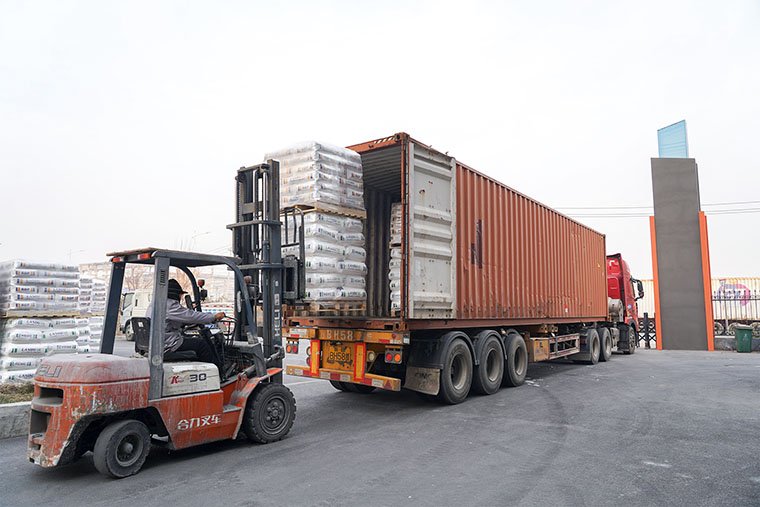
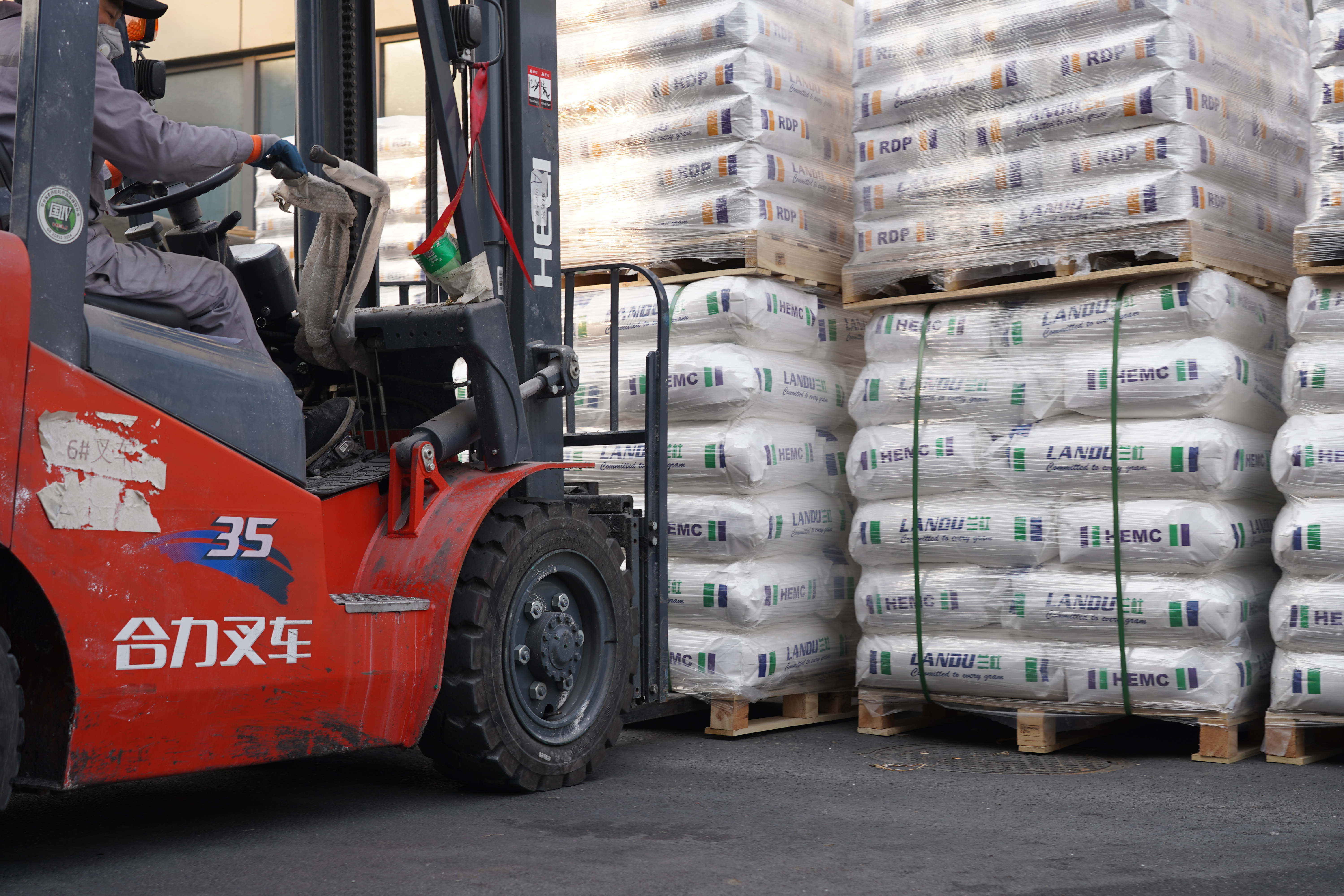 25 kg · Selado · GMP
LANDERCOLL can provide product-related documents to support pharmaceutical evaluation, purchasing review, quality assessment, and internal approval processes.
| Document Type | Finalidade |
|---|---|
| Ficha Técnica | Grade specifications, viscosity, and physical properties |
| Ficha de Dados de Segurança | Handling, storage, and safety information |
| Certificado de Análise | Batch-specific quality confirmation |
| Especificação do Produto | Detailed grade parameters |
| Pharmaceutical Grade Statement | Quando aplicável |
| Pharmacopoeia-Related Information | Quando aplicável |
| Microbiological / Heavy Metals Data | Quando aplicável |
| Informações sobre Solventes Residuais | Quando aplicável |
| Declarações de Alérgenos / OGM / EET-ESB | Quando aplicável |
| Informações de Embalagem e Armazenamento | Packaging specs and storage requirements |
| Export Documentation | Where applicable, for import/customs purposes |
LANDERCOLL provides support in selecting appropriate HPMC or HEC grades, optimizing dosage, solving formulation issues, and ensuring process reproducibility for hard and soft capsule applications.
Whether you face shell cracking, fill sedimentation, content variation, stickiness during processing, or scale-up performance shifts — we can help evaluate suitable grade directions based on your capsule type, fill system, and documentation requirements.
HPMC grade selection for capsule shell formation
HEC selection for semi-solid or liquid fill viscosity control
Shell flexibility and mechanical performance discussion
Content uniformity and fill stability guidance
Process compatibility review for hard and soft capsule manufacturing
Pharmaceutical documentation support
Comunicação de amostras e cotações
Discussão sobre fornecimento qualificado de longo prazo
Pharmaceutical-grade HPMC is the primary cellulose ether used for capsule shell formation in hard and soft capsule applications. Selected pharmaceutical-grade HEC may be used for viscosity control and stabilization in semi-solid or liquid fill systems.
HPMC acts as the main shell-forming polymer. It provides mechanical strength, flexibility, moisture protection, and reproducible shell quality. HPMC-based capsule shells are widely used as alternatives to traditional gelatin capsules and support vegetarian or vegan product positioning.
Yes. Selected pharmaceutical-grade HEC grades can stabilize semi-solid fills and control viscosity in liquid or paste-type fill systems. Final grade selection and dosage should be confirmed through formulation testing and process validation.
A general reference range is approximately 3%–8% w/w for hard-shell capsule formation, depending on the manufacturing process, target shell properties, and plasticizer system. Final concentration should be confirmed through process trials and validation.
Yes. Proper polymer selection and dosage help maintain consistent API distribution and fill uniformity in each capsule unit. Poor polymer performance or dispersion can contribute to content variation.
Yes. HPMC-based capsule shells are derived from plant cellulose and are widely used for vegetarian and vegan pharmaceutical and nutraceutical products. Regulatory and labeling requirements should be confirmed for the target market.
No. Only pharmaceutical-grade HPMC and HEC should be used for capsule applications to meet regulatory and quality standards. Industrial or construction-grade products are not appropriate for pharmaceutical use.
Consider capsule type (hard or soft), fill system (powder, semi-solid, or liquid), polymer viscosity, plasticizer content, API properties, manufacturing process, dissolution requirements, and regulatory documentation needs. LANDERCOLL can provide guidance for selecting suitable pharmaceutical-grade HPMC or HEC grades.
Whether you produce hard-shell HPMC capsules, soft capsules, immediate-release capsules, modified-release capsules, semi-solid fill capsules, ou vegetarian capsule formulations — LANDERCOLL can help you select the appropriate pharmaceutical-grade HPMC or HEC for shell formation, fill viscosity control, content uniformity, and process reliability.
Our team supports capsule manufacturers with grade recommendations, dosage guidance, documentation support, sample supply, and qualified long-term supply discussion.
Pharmaceutical-Grade HPMC & HEC for Capsule Applications · Hard Capsule · Soft Capsule · Shell Formation · Fill Viscosity · Content Uniformity · USP · EP · JP
