Excelência em Éter de Celulose — Confiado por mais de 1000 empresas globalmente Obtenha Amostra Grátis




Soluções de éter de celulose HPMC e CMC para plasticidade, lubrificação, retenção de água, ligação, resistência a verde e estabilidade de forma em processos de extrusão industrial.
HPMC e CMC éter de celulose são os principais aditivos funcionais usados na extrusão industrial para melhorar a plasticidade, lubrificação, retenção de água, ligação, resistência a verde e estabilidade de forma — ajudando a pasta a fluir suavemente pela matriz e manter seu perfil após a formação.
De bastões cerâmicos e monólitos em favo de mel a suportes de catalisador, perfis minerais, formas de grafite e extrusões de materiais de construção — a LANDERCOLL fornece graus de éter de celulose selecionados para sistemas de extrusão industrial em todo o mundo.
— HPMC · CMC · HEC · Plasticidade · Lubrificação · Resistência a Verde · Estabilidade de Forma · Fluxo de Matriz · Extrusão Industrial
 Extrusão de Cerâmica
 Favo de mel
 Portador de Catalisador
 Perfil Mineral
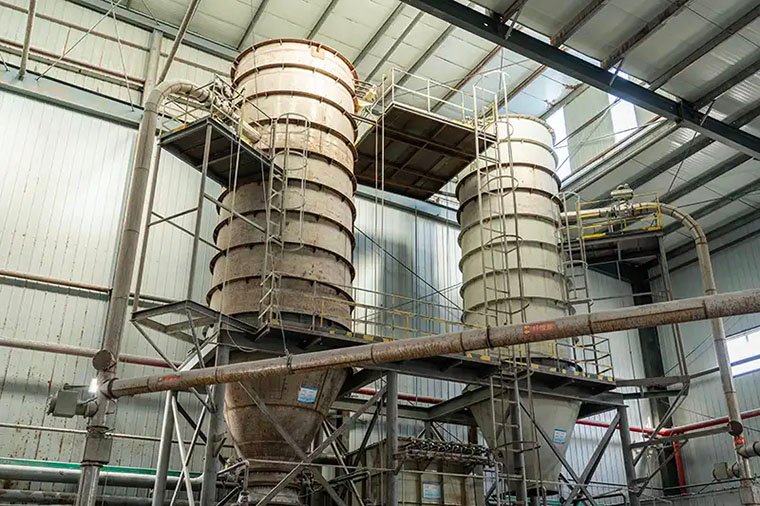 Plasticity · Lubrication · Shape Stability
Extrusion is a core forming method across ceramics, construction materials, catalyst manufacturing, graphite processing, honeycomb structures, mineral-based products, and specialty industrial applications. In every one of these systems, the extruded paste must satisfy two opposing demands at the same time: it must flow under pressure through the die, and it must hold its shape the moment it exits.
LANDERCOLL provides cellulose ether grades selected for industrial extrusion systems — HPMC for water retention, lubrication, and rheology control; CMC for binding, plasticity, and green strength; and HEC for selected water-based paste applications. Our technical team can review your formulation and recommend a starting grade for extrusion trials.
A correctly selected cellulose ether grade helps the paste flow smoothly through the die, hold its profile after forming, and deliver consistent production performance across batches — directly reducing defects, die blocking, and batch-to-batch variation.
If an extrusion paste is too dry, too weak, poorly lubricated, or unevenly hydrated, the result is cracking, surface tearing, shape collapse, die blocking, or inconsistent output. Cellulose ether addresses this challenge by building a balanced paste structure that supports both flow and form.
| Function | O Que Isso Significa na Prática |
|---|---|
| Plasticity and workability | Paste deforms under pressure without crumbling or tearing |
| Lubrication during extrusion | Reduces friction between particles and die surfaces |
| Retenção de água | Maintains consistent moisture distribution throughout the paste |
| Binding and cohesion | Holds particles together during and after forming |
| Green strength | Supports structural integrity before drying or firing |
| Shape retention | Reduces deformation or collapse after die exit |
| Surface smoothness | Reduces rough surfaces, edge defects, and tearing |
| Die flow stability | Supports consistent material flow and pressure behavior |
| Crack resistance support | Helps reduce cracking during extrusion and early drying |
| Production consistency | Supports batch-to-batch repeatability |
LANDERCOLL offers HPMC, CMC, and HEC grades selected for industrial extrusion systems. Product selection depends on material type, solids content, die design, and whether lubrication, binding, or green strength is the primary performance target.

Water retention, lubrication, rheology control, and smooth extrusion
HPMC is the most widely used cellulose ether in industrial extrusion. It dissolves in cold water to form a clear, viscous solution that acts simultaneously as a water-retaining agent and an internal lubricant — helping the paste move through the die with less resistance while maintaining enough body to hold its shape after forming.

Binding, plasticity, cohesion, and green strength support
CMC is used in extrusion systems where binding, plasticity, and green strength are the primary requirements. It helps hold particles together, supports stable shape formation after die exit, and contributes to stronger green bodies before drying or firing — particularly useful in ceramic, mineral, and catalyst carrier extrusion.

Non-ionic viscosity control and water-based paste stability
HEC may be considered in selected water-based extrusion systems where viscosity control, smooth rheology, and suspension stability are needed. Its non-ionic character provides broader compatibility with electrolytes and additives. Use should be validated through testing.
Not sure which grade fits your system? Solicite uma Recomendação de Produto →
Extrusion formulations typically include mineral or ceramic powders, water, binders, lubricants, plasticizers, dispersants, and cellulose ether as a multifunctional processing additive.
| Componente | Function in Extrusion |
|---|---|
| Mineral / Ceramic Powder | Main structural component |
| Água | Processing medium and plasticity support |
| Éter de Celulose | Binding, water retention, lubrication, plasticity, and shape stability |
| Binders | Support green strength and body cohesion |
| Plastificantes | Improve flexibility and workability |
| Lubrificantes | Reduce friction and improve die flow |
| Dispersantes | Improve particle distribution and processing consistency |
| Fillers | Adjust structure, density, or final performance |
| Functional Additives | Support specialty performance or production requirements |
| Processing Aids | Improve mixing, forming, drying, or handling behavior |
Different extrusion systems require different cellulose ether performance profiles. The table below provides a practical selection reference for formulators and production engineers.
| Tipo de Aplicação | Direção Recomendada | Principais Requisitos de Desempenho |
|---|---|---|
| Extrusão de Cerâmica | CMC / HPMC | Plasticity, green strength, water retention |
| Honeycomb Extrusion | HPMC / CMC | Shape stability, lubrication, crack resistance support |
| Catalyst Carrier Extrusion | CMC / HPMC | Binding, extrusion smoothness, dimensional control |
| Mineral-Based Extrusion | HPMC / CMC | Workability, cohesion, stable shape |
| Graphite Extrusion | Selected cellulose ether | Binding, lubrication, shape retention |
| Construction Material Extrusion | HPMC / selected grade | Water retention, smooth flow, profile stability |
| High-Solids Paste Extrusion | HPMC / CMC | Rheology balance, die flow, cohesion |
| Specialty Industrial Extrusion | HPMC / CMC / HEC | Customized rheology and processing stability |
Reference dosage ranges for cellulose ether in extrusion applications (% by dry weight). Actual dosage should be determined through formulation testing and production-scale validation.
These ranges are starting references only. Final dosage must be confirmed through paste preparation trials, extrusion pressure testing, die flow evaluation, shape retention testing, drying observation, strength testing, and final product performance validation.
| Aplicação | Typical Reference Dosage |
|---|---|
| Extrusão de Cerâmica | 0.2% – 1.2% |
| Honeycomb Extrusion | 0.5% – 2.5% |
| Catalyst Carrier Extrusion | 0.5% – 2.0% |
| Mineral-Based Extrusion | 0.2% – 1.5% |
| Graphite Extrusion | 0.3% – 1.5% |
| Construction Material Extrusion | 0.2% – 1.0% |
| High-Solids Paste Extrusion | 0.5% – 2.5% |
| Specialty Industrial Extrusion | 0.3% – 2.5% |
Cellulose ether improves paste plasticity and workability, allowing the material to deform under pressure and pass through the die more smoothly without crumbling, tearing, or losing structural integrity. Improved plasticity also reduces the risk of lamination cracks and surface defects in the extruded profile.
HPMC improves internal lubrication and reduces friction between particles and processing equipment surfaces. This supports smoother extrusion, can help reduce operating pressure, and contributes to a better surface finish — particularly important for thin-walled and precision geometries.
Uneven moisture distribution leads to inconsistent extrusion behavior, surface cracking, and shape variation. Cellulose ether retains water within the paste and supports more consistent extrusion performance across the full production run, reducing dry spots, premature stiffening, or die drag.
CMC and selected cellulose ether grades bind particles together and improve internal cohesion. This supports stronger green bodies after extrusion, reduces shape collapse risk, and helps maintain dimensional accuracy during handling and drying before firing or curing.
Extruded profiles must maintain their shape after leaving the die — especially in thin-walled or complex geometries such as honeycombs and catalyst carriers. Cellulose ether supports paste structure and helps reduce deformation, sagging, or collapse between die exit and initial drying.
A suitable cellulose ether grade improves extrusion smoothness and reduces rough surfaces, tearing, cracking, and edge defects. Surface quality is critical for catalyst carriers, honeycomb structures, and precision ceramic profiles where dimensional tolerance directly affects downstream performance.
When extrusion performance fails, the cellulose ether grade, dosage, or formulation balance is often the first variable to review. The guide below maps typical symptoms to likely causes and practical support strategies.
Low plasticity, poor moisture balance, or weak cohesion.
Improve plasticity, water retention, and binding with suitable HPMC or CMC grade.
Poor lubrication or unsuitable rheology.
HPMC supports smoother die flow and surface quality.
Weak paste structure or insufficient green strength.
CMC supports cohesion and shape stability after die exit.
Low lubrication, high solids, or poor particle packing.
Improve rheology and internal lubrication with HPMC grade optimization.
Excessive water or unsuitable polymer grade.
Adjust cellulose ether grade and dosage balance.
Low water retention or insufficient binder.
Improve water retention and cohesion with HPMC or CMC.
Poor dispersion, oversized particles, or wrong viscosity.
Optimize formulation, grade selection, and mixing process.
Poor cohesion or uneven shear during mixing.
Improve binding and mixing uniformity with CMC grade.
Unstable rheology or inconsistent water level.
Improve rheology control and water distribution.
Raw material variation or poor hydration.
Improve processing stability and batch consistency.
Understanding what influences cellulose ether behavior in an extrusion system helps with grade selection, dosage optimization, and production troubleshooting.
Ceramic powders, mineral powders, graphite, catalyst materials, and construction fillers each have different water demand, surface area, particle interaction, and binding requirements. The right cellulose ether grade depends on the specific powder system being processed.
Fine particles increase water demand and surface area, requiring more careful rheology management. Coarse particles affect packing density, die flow, and surface quality. Particle size distribution must be considered when selecting cellulose ether grade and dosage.
High-solids extrusion systems require careful rheology control to balance strength, flow, and pressure. Cellulose ether grade and dosage must be adjusted to match the solids level and target paste consistency.
Water content affects plasticity, softness, die flow, green strength, drying behavior, and surface appearance. Cellulose ether helps manage water distribution, but the overall water level must be appropriate for the formulation system.
Other binders, plasticizers, lubricants, and dispersants in the formulation can influence cellulose ether performance and paste structure. Compatibility and interaction effects should be evaluated during formulation development.
Addition sequence, hydration time, shear level, mixing temperature, and batch uniformity all affect final paste quality. Cellulose ether must be fully hydrated before extrusion to deliver its intended performance.
Die geometry, land length, wall thickness, extrusion speed, pressure, and equipment condition influence flow behavior, surface defects, and shape stability. Cellulose ether selection should account for the specific die design and pressure range in use.
Drying rate, temperature, humidity, and post-extrusion handling affect cracking, deformation, and final product quality. Cellulose ether water retention properties influence how the extrudate responds to early drying conditions.
Choosing the right cellulose ether requires balancing plasticity, lubrication, water retention, green strength, die flow, shape stability, surface smoothness, and production consistency.
LANDERCOLL can help review your extrusion formulation and recommend suitable HPMC, CMC, HEC, or selected cellulose ether grades for testing based on your specific system and production requirements.
Ceramic, mineral, catalyst, graphite, or construction material?
What powder composition and particle size distribution are used?
What solids content and water level are required?
Cracking, high pressure, rough surface, or poor shape retention?
What die design, geometry, and extrusion pressure are used?
Is green strength or surface smoothness the higher priority?
Are other binders, plasticizers, lubricants, or dispersants included?
What drying, curing, or firing process follows extrusion?
What production repeatability target is required?
Are there environmental or end-use performance requirements?
Not sure which cellulose ether grade fits your extrusion system? LANDERCOLL can recommend a practical starting grade for trials.
Solicitar recomendação de grau de extrusão
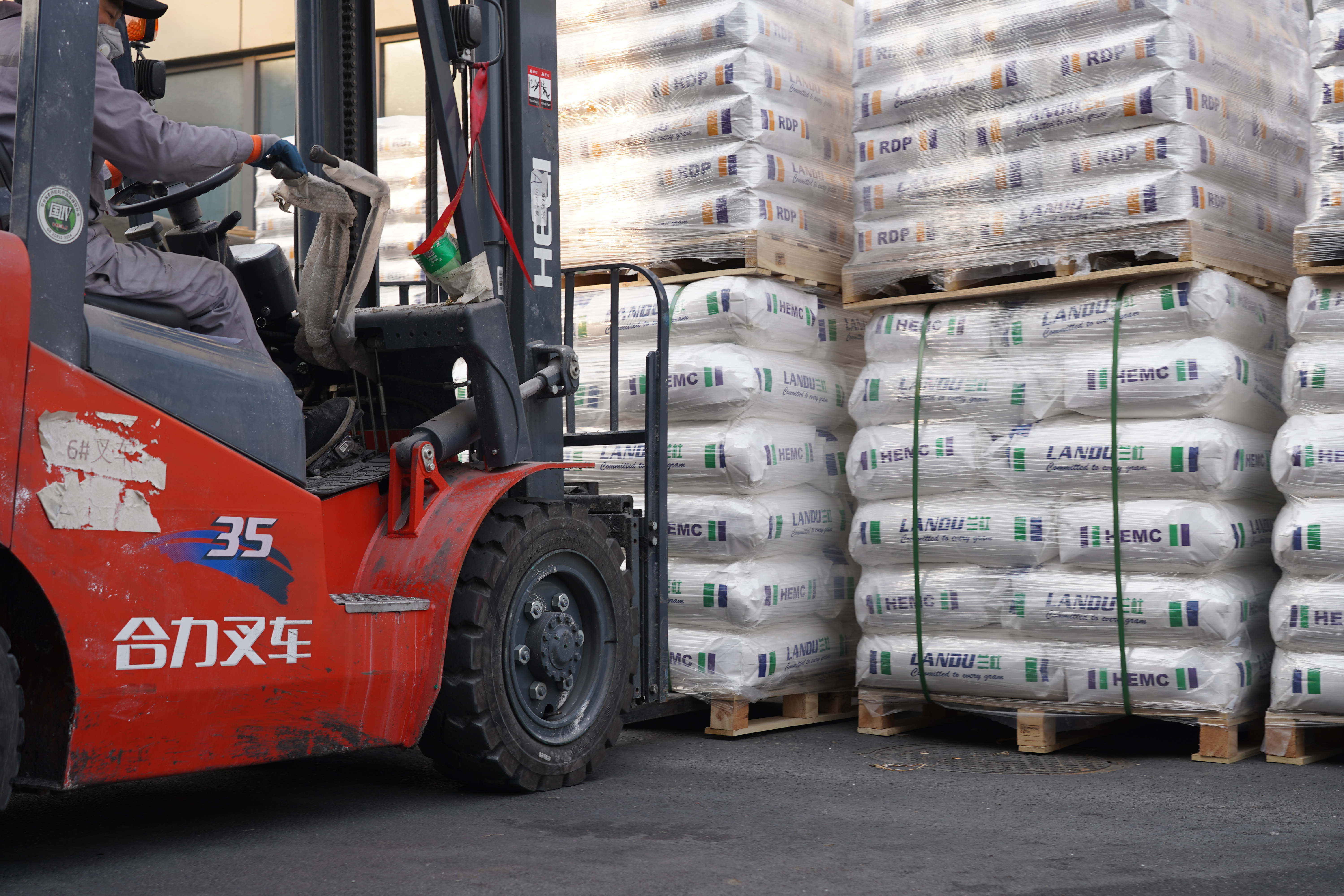 Higigroscópico · Selar Quando Não Estiver em Uso
LANDERCOLL provides product-related documentation to support extrusion formulation testing, purchasing review, production evaluation, and internal approval processes.
Solicitar documentos do produtoIf your extrusion system is experiencing cracking, rough surface finish, high extrusion pressure, poor shape retention, weak green strength, sticky paste, dry or crumbly paste, die blocking, or inconsistent production behavior — the cellulose ether grade or dosage may need to be reviewed.
LANDERCOLL can help evaluate suitable HPMC, CMC, HEC, or selected cellulose ether options based on your powder system, solids content, water level, binder system, die design, extrusion pressure, and post-processing conditions.
HPMC grade selection for lubrication and water retention
CMC grade selection for binding and green strength
Plasticity and workability improvement discussion
Shape stability and dimensional control support
Surface smoothness and defect reduction guidance
Extrusion pressure and rheology evaluation
Referência de dosagem e recomendações de ponto de partida
Providenciamento de amostras e comunicação de cotações
Technical documentation for internal review and approval
HPMC and CMC are the most commonly used cellulose ethers in industrial extrusion. HPMC supports water retention, lubrication, and rheology control. CMC supports binding, plasticity, cohesion, and green strength. HEC may be considered in selected water-based paste systems. The right choice depends on the material being extruded and specific performance requirements.
HPMC improves water retention, internal lubrication, extrusion smoothness, die flow, shape stability, and processing consistency. It reduces friction between particles and die surfaces, supports consistent moisture distribution, and helps the extrudate maintain its shape after leaving the die. HPMC is widely used in ceramic, honeycomb, mineral, and construction material extrusion systems.
CMC improves binding, plasticity, green strength, paste cohesion, and shape retention. It holds particles together during and after forming, supports stronger green bodies before drying or firing, and contributes to more stable paste behavior. CMC is commonly used in ceramic extrusion, catalyst carrier extrusion, and mineral-based extrusion formulations.
Cellulose ether can help improve plasticity, cohesion, and moisture balance, which may support better crack resistance during extrusion and early drying. However, cracking control depends on formulation composition, water level, mixing quality, extrusion pressure, die design, and drying conditions. Grade and dosage should be optimized as part of a complete formulation review.
Yes. Suitable cellulose ether grades — particularly HPMC — can support smoother die flow and better surface quality by improving lubrication, viscosity, and particle dispersion. Surface smoothness improvement depends on the specific grade, dosage, powder system, and processing conditions used.
A common reference dosage range is approximately 0.2%–2.5% by dry weight, depending on material type, powder composition, solids content, water level, extrusion method, and cellulose ether grade. Honeycomb and high-solids paste extrusion systems typically require higher dosages. Final dosage must be confirmed through extrusion trials.
High extrusion pressure may be caused by low water content, poor internal lubrication, high solids content, unsuitable particle size distribution, weak paste plasticity, or an unsuitable cellulose ether grade. Reviewing the cellulose ether grade, dosage, water level, and particle size distribution can help identify the cause and support pressure reduction.
Start by identifying the material type, powder composition, particle size, water level, solids content, die design, and target performance — including shape stability, green strength, surface quality, and production consistency. LANDERCOLL can recommend suitable HPMC, CMC, or selected cellulose ether grades and arrange samples for testing.
Yes. Share your extrusion material type, powder system, die design, current production issues, and performance targets. LANDERCOLL can recommend suitable HPMC, CMC, or HEC options and provide samples, TDS, SDS, CoA, dosage references, and technical support from initial trial through full-scale production evaluation.
Whether you produce ceramic extrusions, honeycomb structures, catalyst carriers, mineral profiles, graphite products, construction material profiles, high-solids paste extrusions, or specialty industrial extruded shapes — LANDERCOLL can help you identify the right cellulose ether grade for better plasticity, lubrication, water retention, binding, shape stability, and processing consistency.
Our technical team is available to review your formulation, recommend suitable HPMC, CMC, or HEC grades, provide dosage references, arrange samples, and support your production evaluation from initial trial through to full-scale production.
HPMC for Extrusion · CMC for Binding & Green Strength · HEC for Specialty Systems · Plasticity · Lubrication · Shape Stability · Ceramic · Honeycomb · Catalyst · Construction · Industrial Applications.
All performance data, dosage references, and formulation guidance provided on this page are for reference only. Final suitability must be confirmed through testing under your specific production conditions. LANDERCOLL reserves the right to update product information without prior notice.
