Excelência em Éter de Celulose — Confiado por mais de 1000 empresas globalmente Obtenha Amostra Grátis


Controle de viscosidade, suspensão de pigmento, ajuste de fluxo, consistência de impressão e estabilidade de armazenamento para fabricantes de tintas à base d'água.
LANDERCOLL éter de celulose — incluindo HEC, CMC e HPMC — ajuda fabricantes de tintas a melhorar a reologia, o suporte à dispersão de pigmentos, o comportamento de fluxo, a estabilidade de armazenamento e a consistência de aplicação em formulações selecionadas de tintas de impressão e revestimento à base de água.
 Pigmento · Cor
 Embalagem · Rótulo
 Laboratório de Formulação
 Têxtil · Especialidade

 Viscosity · Pigment · Flow
Water-based inks require controlled viscosity, stable pigment distribution, smooth flow, suitable drying behavior, and consistent print performance. In printing, coating, marking, packaging, and specialty ink applications, the ink system must remain stable during storage and perform reliably during application.
A suitable cellulose ether grade helps improve ink body, reduce settling, support uniform application, and maintain consistent viscosity during production, storage, and use.
Ink formulations must balance flow, viscosity, pigment stability, drying speed, and print transfer. Cellulose ether helps formulators adjust ink rheology and stabilize the formulation, supporting viscosity control, pigment suspension, smooth flow, and consistent application behavior.
| Function | O Que Isso Significa na Prática |
|---|---|
| Controle de viscosidade | Corpo estável e consistente para transferência de impressão confiável |
| Ajuste de reologia | Fluxo e estrutura equilibrados para o método de impressão |
| Suspensão de pigmentos | Sedimentação reduzida e uniformidade de cor melhorada |
| Flow and leveling support | Smoother application and more even film |
| Print consistency | Uniform transfer and appearance across runs |
| Estabilidade de armazenamento | Deriva de viscosidade e separação de fases reduzidas |
| Comportamento antisedimentação | Distribuição de pigmento mantida durante o armazenamento |
| Uniformidade de revestimento | Even film weight and appearance on substrate |
| Application control | Reliable behavior across printing equipment |
| Confiabilidade lote a lote | Desempenho consistente entre corridas de produção |
LANDERCOLL offers HEC, CMC, and HPMC cellulose ether grades for selected water-based ink applications. Product selection depends on pigment system, binder type, printing method, viscosity target, and storage stability needs.

Smooth thickening, viscosity control, and rheology adjustment
HEC is commonly used in selected water-based ink systems where smooth viscosity development, stable rheology, and good formulation compatibility are required. As a non-ionic cellulose ether, HEC can support viscosity control in pigment-based and dye-based ink systems after compatibility testing. In ink formulations, HEC helps improve body, flow control, print transfer consistency, and storage stability.

Pigment suspension, anti-settling, and viscosity support
CMC may be used in selected water-based inks where pigment suspension, anti-settling behavior, and viscosity support are important. It can help stabilize pigment particles and maintain uniform appearance during storage and use. Final use should be confirmed because CMC performance depends on pigment type, pH, electrolytes, dispersants, binders, preservatives, and processing conditions.

Specialty rheology, flow control, and film support
HPMC may be considered in specialty water-based ink or coating systems where selected thickening, film-forming support, and customized flow behavior are required. Its use should be validated through formulation testing because ink performance depends on resin system, pigment type, solvent balance, pH, drying conditions, and printing process.
Not sure which grade fits your ink system? Solicite uma Recomendação de Produto →
Water-based inks are printing or coating systems that use water as the primary carrier. They are widely used in packaging, paper printing, textile printing, label printing, decorative printing, craft inks, industrial marking, and specialty coating applications.
| Componente | Function in Ink Formulations |
|---|---|
| Água | Main carrier and processing medium |
| Pigments / Dyes | Provide color and visual effect |
| Binder / Resin | Supports film formation, adhesion, and durability |
| Éter de Celulose | Viscosity control, rheology, suspension, and stability |
| Dispersantes | Improve pigment dispersion and color uniformity |
| Humectants | Control drying and reduce premature drying in selected systems |
| Surfactants | Improve wetting, flow, and surface behavior |
| Antiespumantes | Reduce foam during mixing and printing |
| Preservatives | Protect water-based systems from microbial growth |
| pH Adjusters | Maintain formulation stability |
| Outros Aditivos | Adjust drying, adhesion, leveling, gloss, or specialty performance |
Different ink applications require different cellulose ether performance profiles. The table below provides a practical selection reference for ink formulators and printing engineers.
| Tipo de Aplicação | Direção Recomendada do Produto | Principais Requisitos de Desempenho |
|---|---|---|
| Water-Based Packaging Ink | HEC / CMC | Viscosity, pigment stability, print consistency |
| Paper Printing Ink | HEC / selected cellulose ether | Flow control, leveling, coating uniformity |
| Label Ink | HEC / CMC | Viscosity stability, pigment suspension, application control |
| Textile Printing Ink | CMC / HEC | Thickening, pigment suspension, print definition |
| Decorative Ink | HEC / HPMC | Smooth flow, texture, visual consistency |
| Industrial Marking Ink | HEC / selected grade | Viscosity control, stability, transfer behavior |
| Pigment-Based Ink | CMC / HEC | Pigment suspension, anti-settling, consistency |
| Specialty Water-Based Ink | HEC / CMC / HPMC | Reologia e estabilidade personalizadas |
Reference dosage ranges for cellulose ether in water-based ink applications. Actual dosage should be determined through laboratory and print trials.
These dosage ranges are starting references only. Final dosage should be confirmed through viscosity testing, pigment stability testing, printability evaluation, drying behavior testing, substrate compatibility testing, and storage stability trials.
| Aplicação | Typical Reference Dosage |
|---|---|
| Water-Based Packaging Ink | 0.1% – 0.8% |
| Paper Printing Ink | 0.1% – 0.6% |
| Label Ink | 0.1% – 0.8% |
| Textile Printing Ink | 0.2% – 1.5% |
| Decorative Ink | 0.2% – 1.0% |
| Industrial Marking Ink | 0.1% – 0.8% |
| Pigment-Based Ink | 0.2% – 1.2% |
| Specialty Water-Based Ink | 0.2% – 1.5% |
Cellulose ether helps adjust ink viscosity for stable printing, coating, spreading, or marking performance. Proper viscosity supports print transfer and application control across different printing methods and equipment types.
A suitable cellulose ether grade helps balance flow and structure, allowing ink to move under shear while maintaining stability during storage. This shear-thinning behavior is important for many printing processes.
CMC, HEC, and selected cellulose ether grades help support pigment or particle suspension in selected systems, reducing settling and improving color uniformity. Consistent suspension helps maintain print quality across long production runs.
Cellulose ether helps control flow behavior and may support smoother application. Final leveling depends on the complete resin, surfactant, solvent, and substrate system.
A suitable cellulose ether grade helps maintain ink viscosity, pigment distribution, and appearance during storage when compatible with the complete formulation. Stable storage behavior reduces waste and supports consistent production quality.
Cellulose ether supports stable rheology and uniform pigment distribution, helping improve batch consistency and application reliability. Consistent print performance reduces rework and production losses.
When ink performance fails, the cellulose ether grade, dosage, or formulation balance is often the first variable to review.
Low viscosity or weak thickening system.
HEC / CMC support viscosity control.
Excessive polymer or poor rheology balance.
Ajustar o grau e a dosagem do éter de celulose.
Weak suspension or poor dispersion.
CMC / HEC support pigment suspension.
Wrong viscosity, substrate wetting, or flow imbalance.
Adjust rheology and formulation balance.
Pigment separation or poor dispersion stability.
Support pigment distribution uniformity.
High viscosity or unsuitable flow behavior.
Select suitable grade and dosage.
Surfactant or mixing imbalance.
Optimize formulation and processing.
pH, preservative, electrolyte, binder, or temperature interaction.
Test compatible cellulose ether grade.
Understanding the factors that influence cellulose ether behavior in ink systems helps formulators select the right grade and dosage for their specific application.
Pigment type, particle size, surface treatment, density, and dispersion quality affect suspension stability and color uniformity. High-density or coarse pigments may require higher dosage or specific grades.
Acrylic, polyurethane, styrene-acrylic, PVA, natural resin, and other binders can influence cellulose ether compatibility and viscosity response. Compatibility testing is recommended before finalizing the formulation.
pH level, salts, preservatives, and ionic additives may affect hydration, viscosity stability, and pigment dispersion. CMC is particularly sensitive to pH and ionic conditions and should be tested accordingly.
Surfactants and dispersants influence wetting, flow, foam, pigment stability, and cellulose ether performance. Interactions between these components should be evaluated during formulation development.
Paper, film, textile, board, metal, plastic, and porous surfaces require different wetting, adhesion, and drying behavior. Substrate absorbency and surface energy affect how the ink spreads and dries.
Flexographic, gravure, screen, roller, brush, dip, or specialty printing methods require different viscosity and flow profiles. The printing method should guide cellulose ether grade selection and target viscosity range.
Temperature, airflow, humidity, substrate absorbency, and coating thickness influence drying speed and final film properties. Faster drying environments may require different formulation adjustments.
Long-term storage stability depends on pigment suspension, microbial control, viscosity retention, and additive compatibility. Testing storage stability at expected temperature and time conditions is recommended.
Choosing the right cellulose ether for inks requires balancing viscosity, pigment suspension, flow, leveling, print definition, storage stability, substrate compatibility, and drying behavior.
LANDERCOLL can help review your ink formulation and recommend suitable HEC, CMC, HPMC, or selected cellulose ether grades for testing.
What type of ink is being formulated?
Is the system pigment-based or dye-based?
What binder or resin system is used?
What printing method is used: flexographic, gravure, screen, roller, or other?
What substrate will the ink be applied to?
What target viscosity and rheology are required?
Is pigment settling or viscosity drift the main issue?
Are surfactants, dispersants, salts, or preservatives included?
What drying speed and final film properties are required?
What storage stability target is needed?
Not sure which grade fits your ink system? Ask for a technical recommendation — our team will review your requirements and suggest suitable options.
Ask for Technical RecommendationLANDERCOLL cellulose ether for ink applications is supplied in industrial packaging suitable for water-based ink, coating, printing, packaging, textile, and specialty industrial formulation use.
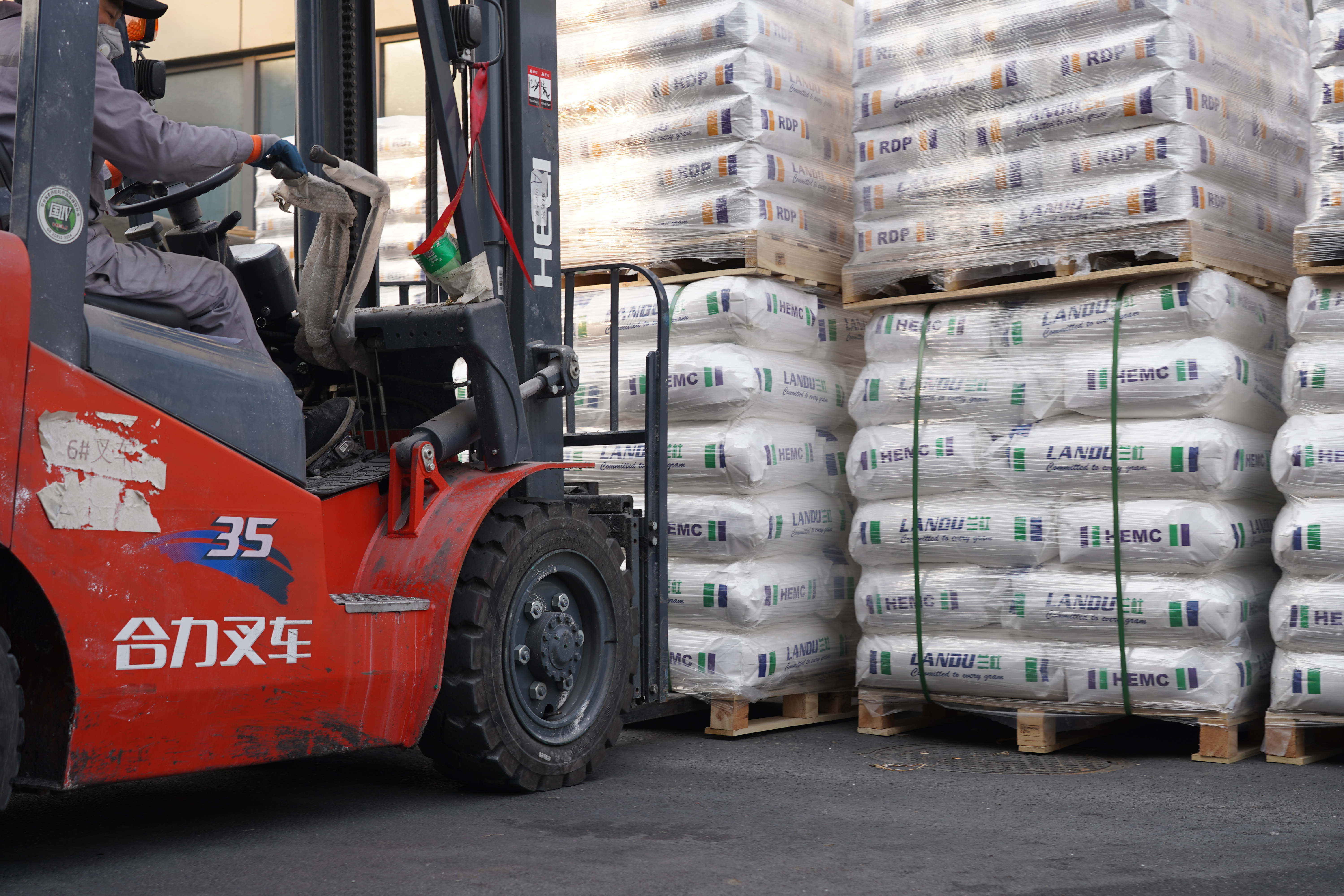
 Higigroscópico · Selar Quando Não Estiver em Uso
LANDERCOLL can provide product-related documents to support ink formulation testing, purchasing review, quality evaluation, and internal approval.
Especificações do produto, viscosidade e dados de desempenho para avaliação do grau.
Informações de segurança, manuseio e regulamentação para conformidade no local.
Confirmação de qualidade específica do lote para inspeção de recebimento.
Parâmetros detalhados de classificação e critérios de aceitação.
Overview of product range and ink applications.
Formulation and processing reference for water-based inks.
Selection support tailored to your ink formulation system.
Referência de manuseio, prazo de validade e condições de armazenamento.
Documentação de conformidade aduaneira e de importação, quando aplicável.
If your ink is too thin, too thick, settling, showing uneven color, poor print definition, poor flow, viscosity drift, or unstable storage behavior, the cellulose ether grade may need to be reviewed.
LANDERCOLL can help evaluate suitable HEC, CMC, HPMC, or selected cellulose ether options based on your pigment system, binder system, printing method, substrate, viscosity target, drying behavior, and storage requirement.
HEC selection for smooth viscosity and rheology
CMC selection for pigment suspension support
HPMC selection for specialty flow and film support
Print consistency and flow behavior discussion
Pigment settling and storage stability evaluation
Compatibility testing direction
Dosage reference
Comunicação de amostras e cotações
HEC, CMC, and HPMC may be used in selected water-based ink systems. HEC supports smooth viscosity and rheology control, CMC supports pigment suspension and anti-settling behavior, and HPMC supports specialty flow and film behavior in selected formulations.
HEC helps adjust viscosity, improve flow control, support pigment suspension, and maintain formulation consistency in selected water-based ink systems. As a non-ionic cellulose ether, it offers broad compatibility with many binder and pigment systems.
CMC helps support pigment suspension, anti-settling behavior, viscosity adjustment, and uniform appearance in selected pigment-based ink formulations. Performance depends on pH, electrolyte content, and dispersant system.
Cellulose ether can help improve suspension stability and reduce settling in selected systems. Final pigment stability depends on pigment type, particle size, dispersant system, viscosity level, and storage conditions.
Cellulose ether can support viscosity, flow, pigment distribution, and application consistency. Final print quality depends on binder system, pigment dispersion, substrate, printing equipment, drying conditions, and overall formulation balance.
A common reference dosage is around 0.1%–1.5%, depending on ink type, pigment content, viscosity target, printing method, and cellulose ether grade. Final dosage should always be confirmed through testing.
Viscosity drift may be caused by pH changes, preservative interaction, electrolyte content, pigment settling, binder compatibility issues, temperature changes, or incomplete cellulose ether hydration during preparation.
Start with ink type, pigment or dye system, binder system, printing method, substrate, target viscosity, suspension requirement, drying condition, and storage stability target. LANDERCOLL can recommend suitable HEC, CMC, HPMC, or selected cellulose ether grades for testing.
Whether you formulate water-based packaging ink, paper printing ink, label ink, textile printing ink, decorative ink, industrial marking ink, pigment-based ink, or specialty water-based ink systems, LANDERCOLL can help you choose the right cellulose ether grade for better viscosity control, pigment suspension, flow behavior, print consistency, and storage stability.
Our team can review your formulation requirements, recommend suitable HEC, CMC, or HPMC grades, provide dosage references, and support your testing process from sample to production scale.
HEC for Rheology · CMC for Pigment Suspension · HPMC for Specialty Inks · Packaging · Paper · Label · Textile · Decorative · Marking · Pigment-Based · Viscosity Control · Print Consistency · Water-Based Inks.
LANDERCOLL — Cellulose Ether for Industrial Applications. For technical inquiries, product samples, or formulation support, contact our team directly. All performance data, dosage references, and formulation guidance provided on this page are for reference only. Final suitability must be confirmed through testing under your specific ink system and production conditions.
