
TDS
Ficha Técnica
Product specifications and performance data for formulation review.
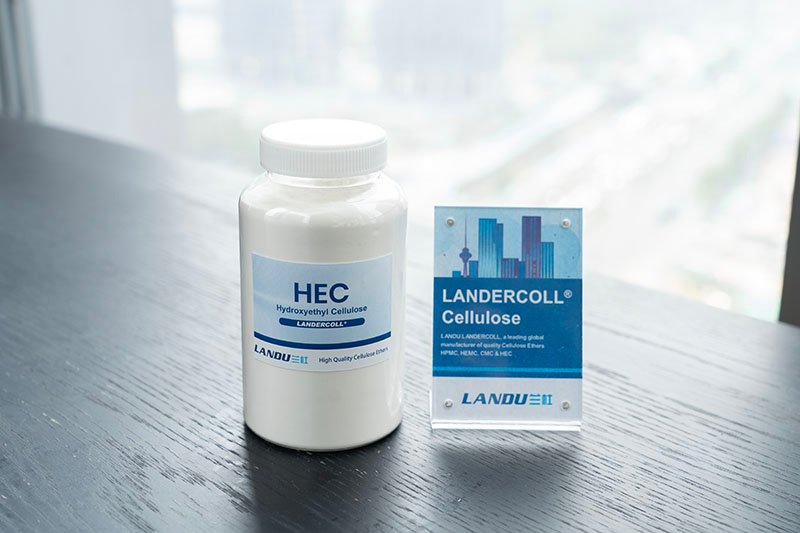
LANDERCOLL HEC éter de celulose ajuda fabricantes de limpadores neutros a alcançar controle confiável de viscosidade suave, textura de produto homogênea, comportamento de fluxo estável e consistência de formulação de longo prazo em formatos de piso, superfície, cozinha, banheiro, spray, espessados e concentrados.
De limpadores de piso e spray de baixa viscosidade a líquidos neutros espessados e sistemas concentrados de diluição — o grau certo de HEC oferece reologia previsível, aplicação fácil de usar e experiência consistente ao consumidor para fabricantes no exterior e compradores de produtos químicos.

Piso · Superfície · Cozinha · Banheiro · Spray · Espessado · Concentrado
 Resposta rápida
Resposta rápidaHidroxietilcelulose (HEC) é o principal éter de celulose utilizado em formulações de limpadores neutros. Ele proporciona controle suave de viscosidade, textura suave do produto, comportamento de fluxo controlado, estabilidade de suspensão e estabilidade de armazenamento em limpadores de piso, limpadores de superfície, limpadores em spray, limpadores espessados e sistemas de limpeza neutros concentrados. CMC e HPMC podem ser considerados em sistemas de limpadores neutros especializados ou personalizados selecionados, após testes de compatibilidade.
Referência de desempenho, compatibilidade e fornecimento para fabricantes de limpadores neutros e compradores de produtos químicos no exterior.
Procurando uma recomendação de éter de celulose para sua formulação de limpador neutro?
Peça uma recomendação de limpador neutro. Solicite um orçamento


Limpadores neutros são produtos de limpeza formulados em pH neutro ou próximo a ele — tipicamente na faixa de pH 6–8 — projetados para limpeza diária de rotina onde suavidade, compatibilidade com superfícies e aplicação amigável ao usuário são os principais requisitos. São usados em pisos, azulejos, superfícies seladas, plástico, paredes pintadas, móveis e bancadas onde limpadores ácidos ou alcalinos fortes podem causar danos.
O gerenciamento de viscosidade e reologia é central para a qualidade do limpador neutro. Éter de celulose — principalmente HEC (Hidroxietil Celulose) — fornece controle confiável de viscosidade suave, textura uniforme, comportamento de fluxo estável e desempenho consistente da formulação sem afetar a química de limpeza.
Sem espessamento eficaz, os limpadores neutros enfrentam desafios críticos: aparência aguada na embalagem, padrões de spray inconsistentes, difícil controle ao despejar, sedimentação do opacificador, variação de viscosidade entre lotes e redução do valor percebido pelo consumidor.
A LANDERCOLL fornece HEC e graus selecionados de éter de celulose para fabricantes de limpadores neutros que precisam de controle confiável de viscosidade suave, textura uniforme, comportamento de fluxo estável e desempenho consistente da formulação em diferentes formatos de limpadores e ambientes de produção.
A HEC constrói uma rede de viscosidade e reologia suave e estável que permite ao limpador neutro manter a viscosidade adequada, fluir suavemente durante a aplicação, apresentar corpo estável na embalagem e fornecer textura consistente entre os lotes de produção.
LANDERCOLL offers HEC as the primary cellulose ether recommendation for neutral cleaner applications, with CMC and HPMC available for selected specialty systems.
Primary · Non-Ionic · HEC
Non-ionic cellulose ether for mild viscosity control, smooth texture, and stable neutral cleaner rheology.
HEC is a non-ionic, water-soluble cellulose ether widely used in water-based neutral cleaner formulations. It builds mild viscosity in the water phase, helps create a stable and smooth product body, supports controlled flow during application, and maintains consistent texture during storage and use. Suitable for neutral floor cleaners, surface cleaners, kitchen cleaners, bathroom cleaners, and selected spray cleaner systems.
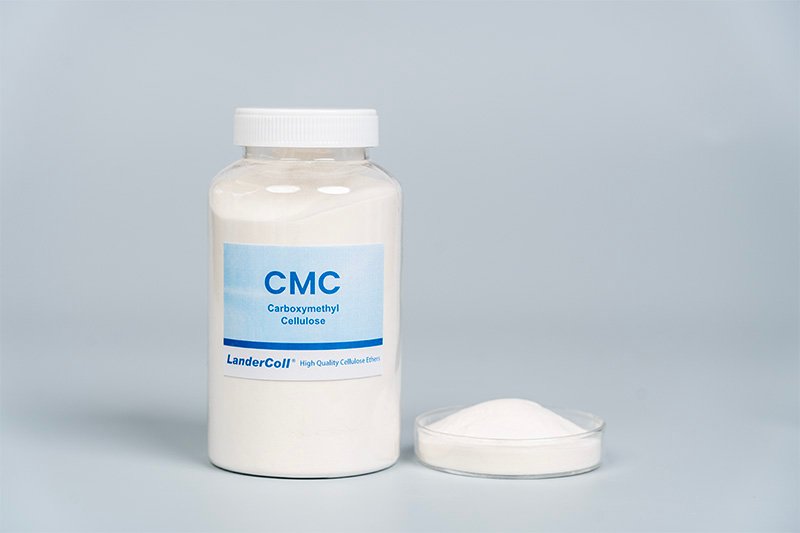 Anionic · CMC · Selected Systems
Carboxymethyl Cellulose for selected suspension support, product body, and formulation consistency needs.
CMC may be considered in selected neutral cleaner formulations where suspension support, viscosity contribution, or cost-performance balance is a priority. Important: CMC is an anionic polymer; compatibility with electrolytes, salts, surfactants, and other formulation ingredients must be confirmed through testing before use.
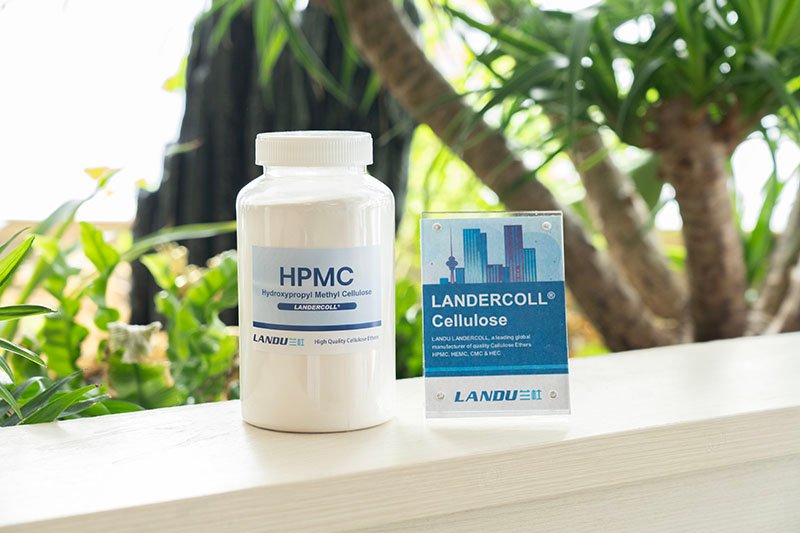 Specialty · HPMC · Gel Systems
Hydroxypropyl Methylcellulose for specialty thickening, controlled rheology, and customized cleaner texture.
HPMC may be considered in specialty neutral cleaners or gel-type household cleaning products where specific rheology behavior, film-forming properties, or customized gel texture is required. Final performance must be confirmed through formulation testing, as surfactant type, solvent level, electrolyte content, and production method can all influence HPMC performance.
Neutral cleaner formulations vary by product format, target surface, and cleaning requirement. The table below provides a general reference for common components.
| Componente | Function in Neutral Cleaners |
|---|---|
| Água | Main solvent and carrier phase |
| Mild Surfactants | Provide wetting, cleaning, and soil removal |
| Cellulose Ether (HEC / CMC / HPMC) | Improve viscosity, texture, flow, suspension, and stability |
| Solvents | Support grease removal and drying behavior in selected systems |
| Chelating Agents | Support water hardness control and cleaning efficiency |
| pH Adjusters | Maintain near-neutral pH and formulation stability |
| Preservatives | Protect water-based formulations from microbial growth |
| Fragrance | Provide product scent |
| Colorants / Opacifiers | Improve appearance in selected products |
| Outros Aditivos | Adjust foam, clarity, wiping feel, or special performance |
| Neutral Cleaner Type | Produto Recomendado | Main Requirements |
|---|---|---|
| Limpa Pisos Neutro | HEC | Mild viscosity, dilution stability, smooth flow |
| Neutral Surface Cleaner | HEC / selected cellulose ether | Product body, wiping feel, formulation consistency |
| Neutral Kitchen Cleaner | HEC | Texture, grease-cleaning system compatibility |
| Limpador Neutro para Banheiro | HEC / selected cellulose ether | Controlled flow, stable appearance |
| Sprayable Neutral Cleaner | Low viscosity HEC | Sprayability, low residue feel, stable viscosity |
| Neutralizador Espessante Limpador | HEC | Product body, controlled flow, surface contact time |
| Limpador Neutro Concentrado | HEC / selected cellulose ether | High-active compatibility, viscosity balance |
| Limpador Neutro Opaco | HEC / selected CMC | Suspension support, stable opaque appearance |
These ranges are starting references only. Final dosage must be confirmed through viscosity testing, spray testing, dilution stability testing, surface wiping evaluation, compatibility testing, storage stability evaluation, and consumer-use trials.
| Neutral Cleaner Application | Typical Reference Dosage |
|---|---|
| Limpa Pisos Neutro | 0.05% – 0.4% |
| Neutral Surface Cleaner | 0.1% – 0.6% |
| Neutral Kitchen Cleaner | 0.1% – 0.6% |
| Limpador Neutro para Banheiro | 0.1% – 0.7% |
| Sprayable Neutral Cleaner | 0.05% – 0.3% |
| Neutralizador Espessante Limpador | 0.2% – 0.9% |
| Limpador Neutro Concentrado | 0.2% – 0.8% |
| Limpador Neutro Opaco | 0.2% – 0.8% |
Cellulose ether influences mild viscosity development, smooth texture, controlled flow, suspension stability, wiping performance support, and long-term storage performance in water-based neutral cleaner systems.
HEC helps adjust neutral cleaner viscosity to create a stable, user-friendly product body without making the cleaner too heavy, stringy, or difficult to apply. This is especially important where the mild surfactant system may not contribute significantly to product viscosity on its own.
A smooth and uniform texture improves product appearance in the bottle and consumer acceptance during use. Cellulose ether helps reduce the watery feel of low-surfactant formulations and supports consistent, pleasant flow behavior across different temperatures.
Neutral cleaners may be poured, sprayed, wiped, or diluted before use. Cellulose ether helps create flow behavior that matches the intended application method — fluid enough for spraying or pouring, yet stable enough to maintain body during storage.
Some neutral cleaners contain opacifiers, fragrance droplets, particles, colorants, or functional additives that require stable distribution throughout the product. Cellulose ether can support suspension stability when properly matched with the complete formulation system.
Cellulose ether helps improve product handling during wiping or spreading on surfaces. Final residue behavior, streaking tendency, and surface feel depend on the complete formulation design, dosage level, and the specific surfaces being cleaned.
A suitable cellulose ether grade helps maintain stable appearance, viscosity, and suspension during storage — reducing separation, viscosity drift, settling, and inconsistent performance across different temperatures and conditions.
When neutral cleaner fails viscosity, flow, or stability targets, cellulose ether grade, dosage, hydration, or compatibility is often the first variable to review.
Low viscosity or weak thickening system.
HEC supports mild viscosity control and product body.
Unsuitable rheology or excessive thickening.
Adjust grade selection and dosage level.
Poor suspension or formulation imbalance.
Support suspension stability through grade selection.
Viscosity too high or wrong rheology profile.
Use lower viscosity grade and optimize dosage.
Excessive polymer dosage or unsuitable grade.
Adjust dosage and full formulation balance.
Surfactant, solvent, electrolyte, or temperature interaction.
Test compatible grade with full formulation system.
Poor dispersion or hydration method.
Improve addition sequence and mixing process.
Ingredient incompatibility or poor storage stability.
Review full formulation compatibility.
Neutral cleaner formulations, while milder than acidic or alkaline cleaners, still contain multiple ingredients that can influence cellulose ether performance.
Neutral cleaners are typically formulated in the pH 6–8 range. While generally favorable for cellulose ether stability, the exact pH, buffering system, and pH adjuster type can still affect viscosity development and long-term product stability.
Surfactant type, concentration, and combination affect cleaning performance, foam behavior, product clarity, viscosity response, and cellulose ether compatibility. Mild surfactant systems common in neutral cleaners may require careful grade selection to achieve the desired viscosity profile.
Solvents may support cleaning performance and quick-drying behavior but can also influence cellulose ether hydration, product clarity, viscosity development, and long-term stability. Solvent type and concentration should be evaluated during formulation testing.
Salts, chelating agents, and builders can influence viscosity response, product clarity, and long-term stability. High-electrolyte systems may require specific HEC grades with appropriate substitution levels.
Sprayable, pourable, concentrated, thickened, and ready-to-use neutral cleaners each require different viscosity targets and flow profiles. Grade selection must match the intended product format and application method.
Neutral cleaners are often used on multiple surface types. Wiping feel, residue behavior, streaking tendency, and surface finish quality should all be tested on the target surfaces before finalizing the formulation.
Fragrance oils and preservatives can influence product clarity, viscosity stability, and long-term storage performance. Compatibility should be confirmed during formulation development.
Addition sequence, dispersion quality, hydration time, mixing speed, and water temperature all affect cellulose ether dispersion and final viscosity development. Poor dispersion leads to lumps, fish eyes, and inconsistent viscosity across production batches.
Choosing the right cellulose ether requires balancing viscosity target, application method, surface compatibility, wiping feel, sprayability, suspension stability, product clarity, and storage performance.
 Grade Selection Guide
LANDERCOLL can review your neutral cleaner formulation direction and recommend suitable HEC, CMC, or selected cellulose ether grades for testing.
Sprayable, pourable, thickened, concentrated, or ready-to-use?
What target viscosity is required for the intended format?
What surfactant system and loading level are used?
What is the final pH range of the formulation?
Are solvents, chelating agents, or salts included?
Clear, opaque, or does it contain suspended particles?
Is low residue or streak-free wiping important?
What surface types will the cleaner be used on?
What fragrance and preservative system is used?
What temperature range and shelf life are expected?
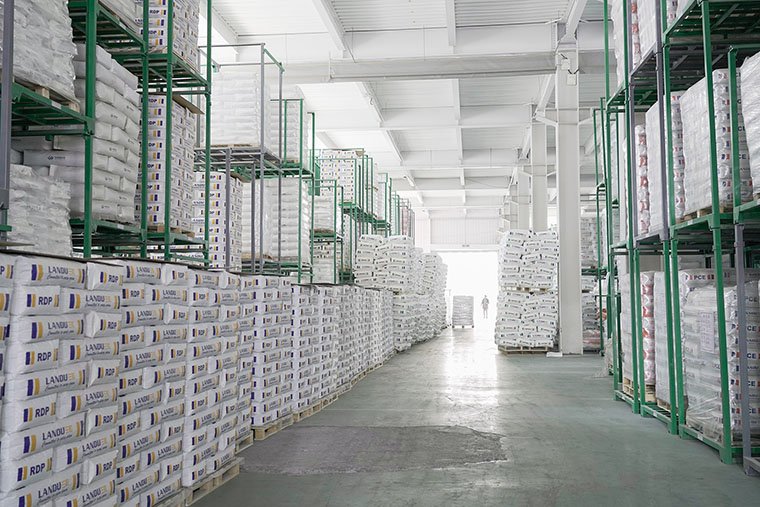
LANDERCOLL provides product-related documentation to support neutral cleaner formulation testing, purchasing review, quality approval, and import compliance.
 Formulation & Performance Evaluation
Supporting neutral cleaner development with complete technical documentation.
— LANDERCOLL R&D —Product specifications and performance data for formulation review.
Safety, handling, and regulatory information (SDS / MSDS).
Batch quality confirmation supplied per shipment.
Overview of cellulose ether range and application areas.
Formulation guidance and usage recommendations.
Grade recommendation for specific neutral cleaner applications.
Referência de manuseio, prazo de validade e condições de armazenamento.
Available where applicable for international orders and import compliance.
All documents supplied upon request to support formulation review, quality approval, and import compliance.
Solicitar documentos do produtoHEC grade selection for mild viscosity control and smooth texture
Sprayable or thickened neutral cleaner rheology adjustment
Suspension stability discussion and testing direction
Wiping feel, flow control, and surface contact support
Compatibility review for different surfactant and pH systems
Dosage reference for different neutral cleaner types
Sample provision and quotation communication
If your neutral cleaner is too thin, unstable during storage, difficult to spray, sticky during wiping, separating in the bottle, forming lumps, or showing viscosity drift between batches or over time, the cellulose ether grade or dosage may need to be reviewed.
LANDERCOLL can help evaluate suitable HEC, CMC, and selected cellulose ether options based on your product format, surfactant system, pH, solvent level, viscosity target, surface requirement, and storage condition.
HEC (Hydroxyethyl Cellulose) is the most commonly used cellulose ether in neutral cleaner formulations. It provides mild viscosity control, smooth texture, rheology adjustment, and formulation stability. CMC and HPMC may be considered in selected customized systems after compatibility testing.
HEC dissolves in the water phase and builds mild viscosity, product body, and a stable rheology profile. In neutral cleaners, this improves smooth texture, supports controlled flow during spraying or wiping, helps suspend opacifiers and particles, and maintains stable consistency during storage.
Yes. Low viscosity HEC or selected cellulose ether grades may be used in sprayable neutral cleaners. Dosage must be carefully controlled — typically in the range of 0.05%–0.3% — to maintain good sprayability and avoid nozzle performance issues.
Cellulose ether primarily supports viscosity, texture, suspension, and application stability — not cleaning chemistry. Cleaning performance depends on surfactants, solvents, chelating agents, pH, water quality, and application conditions. However, improved flow control may support longer surface contact time during cleaning.
A common reference dosage range is approximately 0.05%–0.9% by formulation weight, depending on product format, target viscosity, surfactant system, solvent level, and cellulose ether grade. Spray and floor cleaners typically use lower dosages; thickened and concentrated formats use higher dosages. Final dosage must be confirmed through testing.
Separation may be caused by poor suspension system design, surfactant incompatibility, solvent effects, electrolyte level, temperature fluctuations, preservative interaction, or an unsuitable cellulose ether grade. A full formulation compatibility review is recommended.
Sticky feel may be caused by excessive cellulose ether dosage, an unsuitable viscosity grade, poor surfactant balance, high polymer solids, or insufficient wiping performance optimization in the formulation design.
Start by defining your product format, target viscosity, application method, pH, surfactant system, solvent level, clarity or suspension requirement, surface compatibility, storage conditions, and production process. LANDERCOLL can review your formulation direction and recommend suitable HEC or selected cellulose ether grades for evaluation and testing.
Whether you produce neutral floor cleaner, neutral surface cleaner, neutral kitchen cleaner, neutral bathroom cleaner, sprayable neutral cleaner, thickened neutral cleaner, concentrated neutral cleaner, or opaque neutral cleaner — LANDERCOLL can help you choose the right cellulose ether grade for better mild viscosity control, smooth texture, controlled flow, suspension stability, and formulation consistency.
Our team can provide grade recommendations, dosage references, technical data sheets, samples, and quotations to support your formulation development and purchasing process.
LANDERCOLL cellulose ether products are manufactured for industrial and commercial use. All formulation data, dosage references, and application guidance provided are for general reference only. Final product performance must be confirmed through testing under your specific formulation, process, and storage conditions.