Excelência em Éter de Celulose — Confiado por mais de 1000 empresas globalmente Obtenha Amostra Grátis

Graus de HEC, CMC e HPMC para controle de viscosidade, uniformidade de revestimento, estabilidade do ligante e suspensão em formulações de revestimento, ligante e tratamento para não tecidos.

Need a starting grade or dosage reference for your non-woven formulation?
Peça uma recomendação Solicite um orçamento
Coating · Binder · Treatment · Rheology
HEC, CMC, and HPMC cellulose ether are used in selected non-woven coating, binder, and treatment formulations to improve viscosity control, rheology adjustment, coating uniformity, additive suspension, binder stability, and processing consistency. A correctly selected grade helps the treatment bath or coating formulation remain stable during preparation, storage, pumping, and application — delivering more consistent wet pickup, surface coverage, and product quality across production runs.
Non-woven materials are widely used in hygiene products, wipes, filtration media, medical materials, industrial fabrics, packaging, automotive interiors, construction membranes, and specialty technical textiles. Many non-woven manufacturing and finishing processes rely on water-based binders, functional coatings, surface treatments, or impregnation formulations — all of which require stable viscosity and consistent application behavior.
LANDERCOLL provides cellulose ether grades selected for non-woven applications. HEC is recommended for smooth viscosity control and rheology adjustment in water-based coating and treatment systems. CMC is recommended for suspension support, filler distribution, and formulation consistency. HPMC may be considered in specialty systems where water retention, selected film-forming behavior, or controlled coating rheology is required.
Non-woven coating and treatment formulations must remain stable during preparation, storage, pumping, and application. If the viscosity is too low, too high, or unstable — or if particles and additives settle during the treatment bath — the result is uneven surface treatment, inconsistent binder distribution, poor coating weight control, and variable product quality. Cellulose ether helps build a stable, controlled water-based formulation structure.
| Function | O Que Isso Significa na Prática |
|---|---|
| Controle de viscosidade | Adjusts treatment bath body for the application method |
| Ajuste de reologia | Balances flow and structure for spraying, dipping, or coating |
| Binder formulation stability | Supports stable binder distribution during mixing and storage |
| Uniformidade de revestimento | Helps deliver consistent surface coverage and appearance |
| Additive suspension | Keeps pigments, fillers, and functional particles in suspension |
| Pigment and filler distribution | Supports uniform distribution of solid components |
| Treatment bath stability | Maintains consistent formulation behavior during production |
| Wet pickup control support | Helps manage the amount of treatment absorbed by the substrate |
| Surface treatment consistency | Reduces variation in treatment depth and coverage |
| Confiabilidade lote a lote | Supports repeatable formulation behavior across production runs |
LANDERCOLL offers HEC, CMC, and HPMC cellulose ether grades for non-woven coating, binder, and treatment systems. Product selection depends on binder chemistry, application method, target viscosity, wet pickup requirements, and whether coating uniformity, suspension stability, or specialty rheology is the primary performance need.

Smooth viscosity control, rheology adjustment, and water-based stability
Hydroxyethyl Cellulose (HEC) is the most widely used cellulose ether in water-based coating and treatment formulations for non-woven applications. It provides smooth, consistent viscosity development with good compatibility across polymer dispersions, binders, surfactants, and functional additives — making it a versatile thickening option for most non-woven treatment systems. HEC helps improve coating body, application consistency, suspension support, and stable flow behavior during spraying, dipping, padding, coating, or impregnation.

Suspension stability, binder support, and formulation consistency
Carboxymethyl Cellulose (CMC) may be used in selected non-woven formulations where additive suspension, pigment stability, binder support, or viscosity contribution is needed. It can help stabilize fillers, pigments, functional particles, or solid additives in water-based treatment systems, reducing settling and improving formulation uniformity. CMC use should be confirmed through compatibility testing with binder chemistry, pH, electrolyte content, surfactant type, preservative system, and processing conditions.

Water retention, coating behavior, and specialty rheology
Hydroxypropyl Methylcellulose (HPMC) may be considered in specialty non-woven coating, finishing, or functional treatment systems where water retention, selected film-forming behavior, or controlled coating rheology is required. Its water-retention properties can support more uniform drying behavior and help maintain coating integrity during the transition from wet application to dried film. HPMC use should be validated through formulation testing with substrate fiber type, binder system, drying conditions, application method, pH, and additive compatibility.
Not sure which grade fits your non-woven system? Solicite uma Recomendação de Produto →
Non-woven treatment formulations typically include water, polymer binder, cellulose ether, fillers, surfactants, dispersants, and functional additives designed to meet specific coating, bonding, and finishing requirements.

| Componente | Function in Non-Woven Systems |
|---|---|
| Água | Main carrier and processing medium |
| Polymer Binder | Supports fiber bonding, coating, and finish durability |
| Éter de Celulose | Viscosity, rheology, suspension, and coating stability |
| Fillers / Pigments | Adjust appearance, cost, opacity, or functional properties |
| Surfactants / Wetting Agents | Improve wetting and penetration into non-woven substrates |
| Dispersantes | Improve particle distribution and formulation uniformity |
| Softeners | Adjust hand feel in selected systems |
| Crosslinkers | Improve durability in selected binder systems |
| Preservatives | Protect selected water-based formulations during storage |
| Functional Additives | Add absorbency, repellency, flame resistance, or filtration properties |
| Antiespumantes | Reduce foam during mixing and application |
Different non-woven treatment systems require different cellulose ether performance profiles. The table below provides a practical selection reference for formulation engineers and non-woven finishing specialists.
| Tipo de Aplicação | Direção Recomendada | Principais Requisitos de Desempenho |
|---|---|---|
| Non-Woven Binder Formulation | HEC / CMC | Viscosity, binder stability, application consistency |
| Non-Woven Coating | HEC / HPMC | Coating uniformity, flow control, surface finish |
| Wipe Treatment Formulation | HEC / selected cellulose ether | Mild viscosity, wetting, stable treatment bath |
| Filtration Media Treatment | HEC / CMC | Additive distribution, coating consistency, stability |
| Medical Non-Woven Treatment | Selected grade after testing | Stability, consistency, application control |
| Hygiene Non-Woven Treatment | HEC / selected grade | Uniform treatment, smooth processing, stability |
| Industrial Non-Woven Finish | CMC / HEC / HPMC | Suspension, coating body, customized rheology |
| Specialty Functional Treatment | HPMC / HEC / CMC | Film support, rheology, additive suspension |
Reference dosage ranges for cellulose ether in non-woven applications (% by formulation weight). Actual dosage should be determined through viscosity testing, coating trials, wet pickup evaluation, and final product performance validation.
These ranges are starting references only. Final dosage must be confirmed through viscosity testing, coating trials, wet pickup evaluation, drying performance testing, substrate compatibility testing, storage stability testing, and final product performance validation.
| Aplicação | Typical Reference Dosage (% by formulation weight) |
|---|---|
| Non-Woven Binder Formulation | 0.1% – 0.8% |
| Non-Woven Coating | 0.2% – 1.2% |
| Wipe Treatment Formulation | 0.05% – 0.5% |
| Filtration Media Treatment | 0.1% – 1.0% |
| Medical Non-Woven Treatment | Subject to grade and compliance review |
| Hygiene Non-Woven Treatment | 0.05% – 0.6% |
| Industrial Non-Woven Finish | 0.2% – 1.2% |
| Specialty Functional Treatment | 0.2% – 1.5% |
Cellulose ether helps adjust viscosity in non-woven binder, coating, finishing, and treatment formulations, supporting stable application behavior and controlled wet pickup. The target viscosity depends on the application method — spraying typically requires lower viscosity, while dipping, padding, and coating may require a higher, more structured body.
A suitable cellulose ether grade helps balance flow and structure, allowing the formulation to pump, coat, spray, dip, or impregnate more consistently. Proper rheology management reduces dripping, uneven coverage, and application weight variation across the non-woven substrate.
Non-woven substrates often require uniform distribution of binder, functional treatment, or coating across the full surface area. Cellulose ether supports stable formulation body and coating consistency, reducing the risk of thin spots, heavy patches, or uneven surface appearance.
Formulations containing pigments, fillers, flame retardants, absorbency modifiers, or other functional particles require effective suspension support. CMC, HEC, and selected cellulose ether grades can help reduce settling in compatible systems, maintaining uniform particle distribution throughout the treatment bath during production.
Cellulose ether helps stabilize binder formulations and may support more uniform distribution of the polymer binder on or within the non-woven fiber structure. Final bonding performance and durability depend on the binder system, crosslinker, and curing process — cellulose ether contributes to the physical formulation stability that enables consistent binder delivery.
A suitable cellulose ether grade helps maintain viscosity, suspension, and formulation appearance during storage when compatible with the complete formulation system — including binders, preservatives, surfactants, and functional additives.
When non-woven treatment performance fails, the cellulose ether grade, dosage, or formulation balance is often the first variable to review. The guide below maps typical symptoms to likely causes and practical support strategies.
Low viscosity or weak thickening system.
HEC / CMC support viscosity control.
Excessive polymer or poor rheology balance.
Ajustar o grau e a dosagem do éter de celulose.
Poor viscosity control or substrate wetting imbalance.
Improve rheology and coating consistency.
Weak suspension or poor particle dispersion.
CMC / HEC support suspension stability.
Incompatible polymer, pH, or preservative system.
Test compatible cellulose ether grade.
Wrong viscosity or application condition.
Adjust viscosity and flow behavior.
Excessive binder, coating weight, or polymer.
Optimize dosage and full formulation balance.
pH, electrolytes, temperature, or binder interaction.
Review grade compatibility and formulation balance.
Surfactant and polymer interaction.
Optimize defoamer and mixing conditions.
Raw material variation or poor hydration.
Improve mixing procedure and hydration control.
Understanding what influences cellulose ether behavior in a non-woven formulation helps with grade selection, dosage optimization, and troubleshooting during production.
Polypropylene, polyester, viscose, cellulose fiber, glass fiber, and blended fibers have different surface energy, wetting behavior, absorption capacity, and interaction with water-based formulations. The fiber type influences how the treatment penetrates, distributes, and bonds to the substrate.
Acrylic, styrene-acrylic, VAE, polyurethane, latex, starch, and other binders can influence cellulose ether compatibility, viscosity response, and formulation stability. Compatibility between the cellulose ether grade and the binder system must be confirmed through testing.
Spraying, dipping, padding, knife coating, roll coating, impregnation, printing, and foam application each require different viscosity profiles and flow behavior. The target viscosity range depends directly on the application method and equipment design.
Surfactants, wetting agents, substrate porosity, fiber surface treatment, and bath viscosity all affect how deeply and uniformly the treatment penetrates the non-woven structure. Viscosity must be balanced with wetting to achieve the target penetration depth.
Flame retardants, pigments, mineral powders, absorbency modifiers, repellency agents, and filtration additives can affect suspension requirements, viscosity behavior, and overall formulation stability. Cellulose ether grade and dosage should be evaluated with the full additive package.
pH, salts, preservatives, and ionic additives may influence cellulose ether hydration rate, viscosity stability, and compatibility with other formulation components. The pH range and electrolyte content should be characterized during formulation development.
Temperature, airflow, dwell time, humidity, and curing conditions influence how the binder sets, how the coating dries, and how the final product performs. Cellulose ether water-retention properties can influence drying uniformity and coating integrity.
Long-term treatment bath stability depends on viscosity retention, microbial control, suspension behavior, and compatibility between all formulation ingredients. Preservative selection and storage temperature should be considered alongside cellulose ether grade selection.
Choosing the right cellulose ether for non-woven systems requires balancing viscosity, wet pickup, coating uniformity, binder compatibility, additive suspension, substrate penetration, drying behavior, storage stability, and final product performance.
LANDERCOLL can help review your non-woven formulation direction and recommend suitable HEC, CMC, HPMC, or selected cellulose ether grades for testing.
What type of non-woven material is being treated — hygiene, wipes, filtration, medical, industrial, or specialty?
What fiber type and substrate structure are used?
What is the application method — spraying, dipping, padding, coating, printing, or impregnation?
What binder or polymer system is included in the formulation?
What target viscosity and wet pickup are required for the application?
Are pigments, fillers, flame retardants, or functional additives included?
Is suspension stability or coating uniformity the primary concern?
What drying temperature, airflow, and curing conditions are used?
What final hand feel, strength, absorbency, repellency, or surface property is required?
What storage stability and shelf life requirement must the formulation meet?
Not sure which cellulose ether grade fits your non-woven system? LANDERCOLL can recommend a practical starting grade for laboratory testing.
Solicite recomendação de aplicação para não tecidoLANDERCOLL cellulose ether for non-woven applications is supplied in industrial packaging suitable for textile, coating, binder, hygiene, filtration, and specialty industrial formulation use.
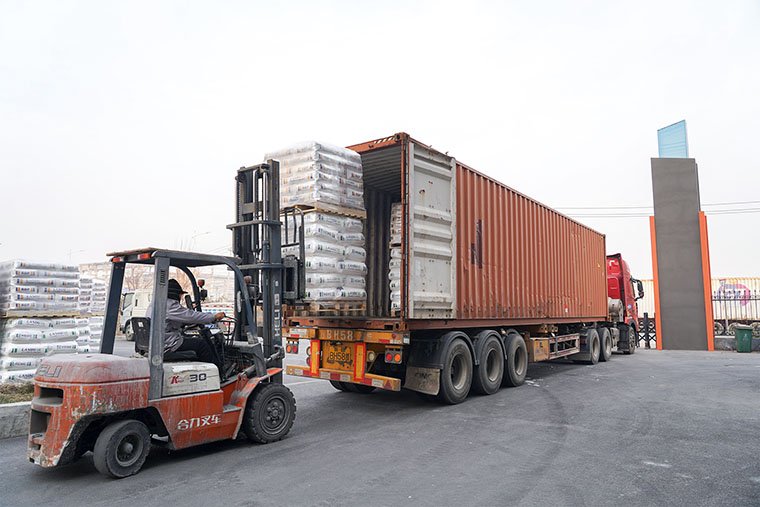 Higroscópico · Selar Quando Não Estiver em Uso · Sacos Industriais de 25 kg
LANDERCOLL can provide product-related documentation to support non-woven formulation testing, purchasing review, quality evaluation, and internal approval processes.
Especificações do produto, viscosidade e dados de desempenho para avaliação do grau.
Informações de segurança, manuseio e regulamentação para conformidade no local.
Confirmação de qualidade específica do lote para inspeção de recebimento.
Parâmetros detalhados de classificação e critérios de aceitação.
Overview of product range and non-woven applications.
Formulation and processing reference for non-woven applications.
Grade selection support for your non-woven system.
Referência de manuseio, prazo de validade e condições de armazenamento.
Documentação de conformidade aduaneira e de importação, quando aplicável.
If your non-woven treatment formulation is too thin, too thick, settling, showing uneven coating, poor wet pickup control, binder instability, poor hand feel, foam problems, or viscosity drift during production — the cellulose ether grade or dosage may need to be reviewed.
LANDERCOLL can help evaluate suitable HEC, CMC, HPMC, or selected cellulose ether options based on your fiber type, binder system, application method, target viscosity, additive content, drying process, storage requirement, and final product performance target.
HEC grade selection for smooth viscosity control and treatment bath stability
CMC grade selection for suspension support and formulation consistency
HPMC grade evaluation for specialty coating and water-retention needs
Coating uniformity and wet pickup discussion
Binder and additive compatibility evaluation direction
Suspension stability and particle distribution support
Referência de dosagem e recomendações de ponto de partida
Providenciamento de amostras e comunicação de cotações
Technical documentation for internal review and approval
HEC, CMC, and HPMC may each be used in selected non-woven coating, binder, and treatment formulations. HEC is the most commonly used grade for smooth viscosity control and broad binder compatibility. CMC is used for suspension support and formulation consistency. HPMC may be considered in specialty systems requiring water retention or controlled coating behavior.
HEC provides smooth, consistent viscosity control, rheology adjustment, coating body, and treatment bath stability in selected water-based non-woven systems. Its non-ionic character gives it broad compatibility with polymer dispersions, binders, surfactants, and functional additives commonly used in non-woven treatment formulations.
CMC helps support suspension of fillers, pigments, functional particles, and solid additives in selected non-woven treatment formulations. It also contributes to viscosity adjustment and formulation consistency, helping maintain uniform treatment appearance and reducing settling during production.
Yes. Cellulose ether can help control viscosity and rheology, which supports more uniform coating or treatment application across the non-woven substrate. Final coating uniformity depends on the substrate structure, application method, binder system, wet pickup level, and drying conditions.
Selected cellulose ether grades may be used in wipe or hygiene-related treatment systems. Final suitability depends on the specific product grade, formulation design, safety documentation, and market-specific regulatory requirements. Grade selection for hygiene and medical applications should include a full compliance review.
A common reference dosage range is approximately 0.05%–1.5% by formulation weight, depending on the formulation type, target viscosity, application method, binder system, and cellulose ether grade. Wipe and hygiene treatments typically use lower dosages, while specialty functional coatings and industrial finishes may require higher dosages. Final dosage must be confirmed through formulation testing.
Viscosity loss in non-woven treatment formulations may be caused by pH changes, electrolyte content, binder incompatibility, preservative interaction, temperature variation, shear during pumping, poor initial hydration, or an unsuitable cellulose ether grade for the specific formulation system. A full formulation review including pH, ionic content, and binder compatibility can help identify the cause.
Start by defining the fiber type, binder system, application method, target viscosity, wet pickup requirement, additive suspension needs, drying conditions, final product performance requirements, and storage stability target. LANDERCOLL can recommend suitable HEC, CMC, HPMC, or selected cellulose ether grades for your specific non-woven formulation system and arrange samples for testing.
Se você desenvolve non-woven binder formulations, coating systems, wipe treatment formulations, filtration media treatments, hygiene non-woven treatments, medical non-woven treatments, industrial non-woven finishes, ou specialty functional treatment systems, LANDERCOLL can help you identify the right cellulose ether grade for better viscosity control, coating uniformity, suspension stability, binder distribution, and consistent processing performance.
Our technical team is available to review your non-woven formulation, recommend suitable HEC, CMC, or HPMC grades, provide dosage references, arrange samples, and support your evaluation from initial formulation testing through to full production scale-up.
HEC for Coating & Rheology · CMC for Suspension · HPMC for Specialty Finishes · Coating Uniformity · Binder Stability · Wet Pickup Control · Wipes · Filtration · Hygiene · Medical · Industrial Finish · Non-Woven Applications.
All performance data, dosage references, and formulation guidance provided on this page are for reference only. Final suitability must be confirmed through testing under your specific formulation system and production conditions. LANDERCOLL reserves the right to update product information without prior notice.
