Excelência em Éter de Celulose — Confiado por mais de 1000 empresas globalmente Obtenha Amostra Grátis
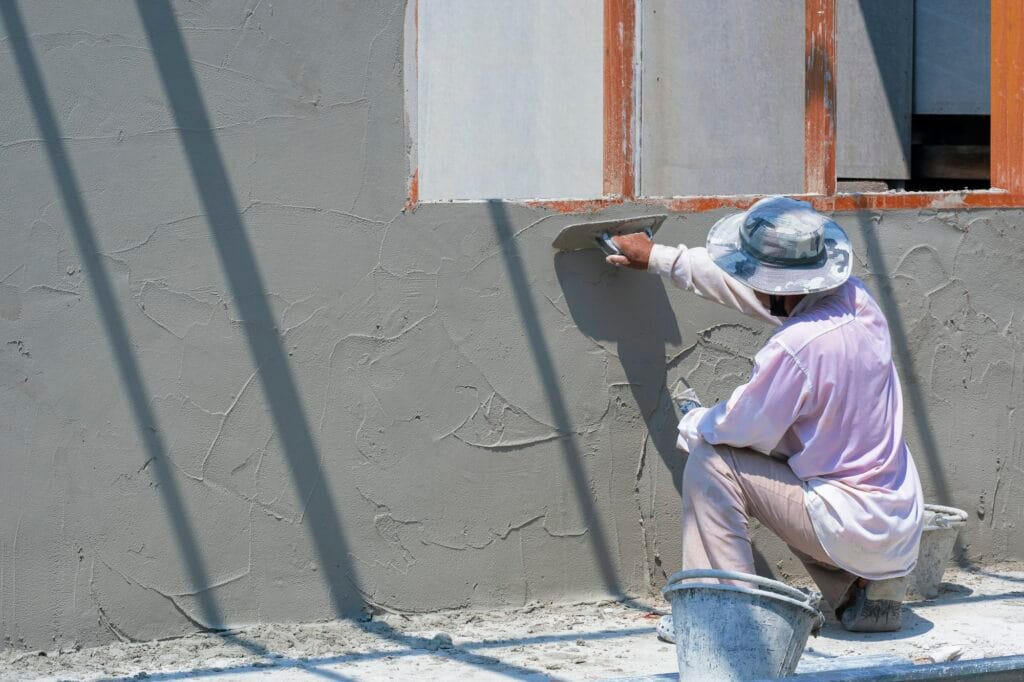


O éter de celulose LANDERCOLL ajuda fabricantes de revestimentos e argamassas de cimento a melhorar a consistência da argamassa, a suavidade da aplicação, a retenção de água, o tempo de trabalho aberto, a qualidade da superfície e o desempenho no canteiro de obras.
Do reboco de nivelamento interno ao revestimento externo de fachada, o grau certo de éter de celulose proporciona espalhamento mais suave, construção vertical estável, perda controlada de umidade e comportamento de acabamento mais previsível.
HPMC · HEMC / MHEC · Reboco Manual · Reboco Projetado · Antifluência · Acabamento de Superfície · Argamassa Seca
 Reboco Interno
 Render Exterior
 Sistema de Pó Seco
 Mortar Additive

 Retention · Workability · Finish
Cement render and cement plaster are widely used for wall leveling, surface protection, facade finishing, masonry surface preparation, and decorative or protective coating systems. These materials must be easy to mix, smooth to spread, stable on vertical surfaces, and reliable during finishing.
LANDERCOLL provides HPMC e HEMC / MHEC products for cement render and plaster manufacturers who need better water retention, workability, spreadability, anti-sag performance, mortar consistency, and surface finishing.
A suitable cellulose ether grade can improve the application feel of cement plaster, reduce rapid water loss, support smoother spreading, improve cohesion, and help the material remain workable during application. This is important for both manual plastering and machine-applied render systems.
A typical cement render or plaster formulation may include cement, sand, fillers, lime, redispersible polymer powder, cellulose ether, air-entraining additives, water-repellent additives, and other functional materials. After mixing with water, it must provide good workability, spreadability, adhesion-related behavior, water retention, surface finish, and vertical stability.
Cement render and plaster are often applied over absorbent substrates such as concrete, brick, block, or masonry surfaces. These substrates can absorb water from the mortar quickly, causing rapid drying, poor workability, weak surface finishing, or inconsistent hydration. Cellulose ether helps improve moisture balance and rheology so the mortar spreads smoothly, retains water longer, and maintains better consistency during application.
LANDERCOLL provides HPMC and HEMC / MHEC cellulose ether grades designed for cement-based plaster and render systems. Final grade selection should be confirmed through formulation testing based on application thickness, substrate absorption, finishing requirement, and manual or machine application method.

Versatile cellulose ether for water retention, spreadability, and workability
HPMC is widely used in cement render and plaster formulations because it provides strong water retention, thickening, workability improvement, and mortar consistency. It helps the mortar retain water after mixing and remain workable during spreading and finishing.
In manual and machine-applied plaster systems, HPMC can help improve smoothness, reduce harshness, and support more stable surface finishing.

Construction-focused cellulose ether for smooth application, open time, and stable render performance
HEMC / MHEC is suitable for cement render and plaster systems where smooth application, anti-sag behavior, water retention, open working time, and stable consistency are important.
It helps improve the internal structure of the mortar, allowing the material to spread under tool pressure while maintaining enough body to stay on vertical surfaces.
Cement render and plaster formulations vary by substrate, application thickness, climate, performance level, and local raw materials. The following table provides a general reference for common formulation components.
| Componente | Function in Cement Render / Plaster |
|---|---|
| Cimento | Main hydraulic binder |
| Sand | Provides structure, volume, and mechanical strength |
| Fillers | Adjust consistency, workability, and cost balance |
| Lime | Improves workability and plasticity in selected systems |
| Pó de Polímero Redispersível | Supports adhesion, flexibility, and durability |
| Éter de Celulose | Improves water retention, workability, spreadability, and consistency |
| Aditivos Incorporadores de Ar | Improve workability and reduce density in selected systems |
| Aditivos Repelentes de Água | Improve water resistance in exterior render systems |
| Outros Aditivos | Adjust setting, strength, rheology, or special performance |
Different render and plaster systems require different cellulose ether performance. The table below provides a practical selection reference.
| Tipo de Aplicação | Direção Recomendada do Produto | Principais Requisitos de Desempenho |
|---|---|---|
| Interior Cement Plaster | HPMC / HEMC / MHEC de média viscosidade | Workability, spreading, water retention |
| Exterior Cement Render | HPMC / HEMC / MHEC de média a alta viscosidade | Water retention, durability support, anti-sag |
| Manual Plastering Mortar | HPMC / HEMC / MHEC | Smooth application, open time, consistency |
| Machine-Applied Render | HPMC / HEMC / MHEC Selecionados | Pumpability, sprayability, workability, stability |
| Thick-Layer Render | HPMC / HEMC / MHEC de média a alta viscosidade | Anti-sag, body, cohesion |
| Thin-Layer Cement Plaster | HPMC / HEMC / MHEC de média viscosidade | Smoothness, spreadability, surface finish |
| Polymer-Modified Render | HPMC / HEMC / MHEC | Workability, polymer compatibility, consistency |
| Exterior Facade Render | HEMC / MHEC / HPMC | Open time, anti-sag, surface quality, stability |
The dosage of cellulose ether in cement render and plaster depends on formulation design, application thickness, target water retention, viscosity grade, raw material quality, application method, and job-site conditions.
These dosage ranges are starting references only. Final dosage should be confirmed through laboratory testing, water retention testing, workability trials, sag resistance evaluation, machine application testing where applicable, and job-site performance assessment.
| Aplicação | Typical Reference Dosage |
|---|---|
| Interior Cement Plaster | 0.15%–0.35% |
| Exterior Cement Render | 0.2%–0.4% |
| Manual Plastering Mortar | 0.15%–0.4% |
| Machine-Applied Render | 0.15%–0.35% |
| Thick-Layer Render | 0.2%–0.45% |
| Thin-Layer Cement Plaster | 0.15%–0.3% |
| Polymer-Modified Render | 0.2%–0.4% |
| Facade Render | 0.2%–0.45% |
Water retention helps cement render and plaster retain enough moisture during application and early hydration. This supports workability, surface finish, and more stable curing behavior. Poor water retention may cause rapid drying, rough finishing, reduced working time, weak hydration, or inconsistent surface quality.
Good workability makes cement plaster easier to mix, carry, spread, level, and finish. HPMC and HEMC / MHEC help improve plasticity and reduce harshness during application.
Cement render must spread smoothly over masonry, concrete, or block surfaces. Cellulose ether helps improve the flow under tool pressure while maintaining stable body after application.
Open working time is important for plastering and rendering because applicators need enough time to spread, level, adjust, and finish the surface. Cellulose ether helps maintain workable consistency for a longer period.
In vertical and thick-layer applications, cement render must stay in place after application. Suitable cellulose ether grades help improve structure and reduce sagging.
A smooth and uniform surface finish is important for both decorative quality and further coating application. Cellulose ether supports better finishing behavior by improving water retention, consistency, and workability.
Cellulose ether helps improve mortar cohesion and internal stability. This supports more predictable application behavior and reduces separation or uneven consistency.
Fresh mortar issues are often linked to water retention, rheology, viscosity direction, raw materials, or application method. This guide maps common symptoms to likely causes and practical cellulose ether support.
Low water retention, absorbent substrate, hot weather
Improve water retention and working time
Poor sand grading, low workability, unsuitable viscosity
Improve smoothness and spreadability
Weak structure, excessive water, low viscosity
Improve anti-sag behavior and body
Rapid water loss, rough filler system, unstable consistency
Support smoother finishing
High substrate absorption, low cellulose ether dosage
Maintain workable consistency longer
Poor rheology, incorrect water dosage, unbalanced formula
Improve consistency and stability
Excessive cellulose ether or unsuitable grade
Adjust viscosity direction and dosage balance
Wrong rheology, poor pumpability, unstable hydration
Optimize grade selection and dispersion behavior
Understanding the variables that influence cellulose ether behavior helps manufacturers select a more suitable viscosity direction, dosage range, and product grade for their target plaster or render system.
Different cement sources affect hydration, water demand, setting behavior, and interaction with cellulose ether.
Sand particle size distribution strongly affects spreadability, consistency, surface finish, and water demand.
Fillers influence smoothness, density, water demand, and final application feel.
Lime may improve plasticity and workability in selected systems, but it also affects water demand and rheology.
Thin-layer and thick-layer renders require different viscosity, body, and sag resistance.
Concrete, brick, block, and masonry surfaces absorb water differently. Highly absorbent substrates may require stronger water retention.
Viscosity affects water retention, consistency, spreadability, anti-sag behavior, and finishing quality.
Too little cellulose ether may lead to poor water retention or rough application. Too much may cause sticky feel, difficult spreading, or slower finishing.
Machine-applied render requires special attention to pumpability, sprayability, and rheology stability.
Hot, dry, or windy environments accelerate water loss and may shorten working time.
Choosing the right cellulose ether for cement render and plaster requires balancing water retention, workability, spreadability, open working time, anti-sag behavior, and surface finish.
LANDERCOLL can help review your cement render or plaster formulation direction and recommend a suitable HPMC or HEMC / MHEC grade for testing.
What type of cement render or plaster are you producing?
Is it for interior or exterior use?
Is the application manual or machine-applied?
Qual espessura de aplicação é necessária?
Do you need better water retention or smoother spreading?
Is anti-sag performance important?
What cement, sand, and filler system is used?
Is lime or redispersible polymer powder included?
What viscosity range are you currently using?
What climate and substrate conditions are common in your market?
Share your formulation direction and LANDERCOLL can recommend a practical HPMC or HEMC / MHEC grade for laboratory evaluation.
Solicite Recomendação de Grau
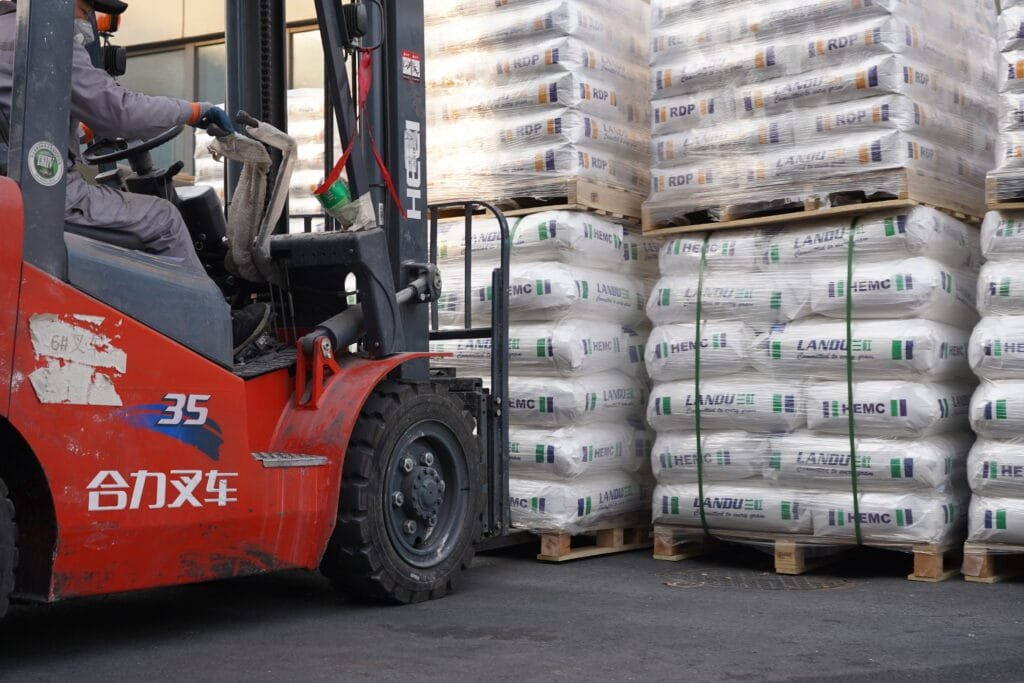 Keep Dry · Seal After Opening
LANDERCOLL can provide product-related documents to support cement render and plaster formulation testing, purchasing review, internal approval, and export communication.
Core technical, commercial, and packaging documents for cement render and plaster grade evaluation.
If your cement render or plaster dries too quickly, spreads poorly, sags on vertical surfaces, feels rough, separates after mixing, has poor surface finish, or performs inconsistently, the cellulose ether grade may need to be reviewed.
LANDERCOLL can help evaluate suitable HPMC and HEMC / MHEC options based on your render type, plaster system, application thickness, raw materials, target workability, and job-site conditions.
HPMC and HEMC / MHEC selection
Water retention improvement
Spreadability and workability support
Anti-sag performance discussion
Surface finish improvement
Machine application support
Recomendação de direção de viscosidade
Comunicação de amostras e cotações
HPMC and HEMC / MHEC are commonly used in cement render and plaster to improve water retention, workability, spreadability, anti-sag behavior, consistency, and surface finish.
HPMC helps improve water retention, workability, spreadability, mortar consistency, and surface finishing in cement plaster formulations.
HEMC / MHEC helps improve water retention, open working time, anti-sag behavior, smooth application, and mortar stability in cement render systems.
Water retention helps cement plaster remain workable and supports cement hydration. Poor water retention can cause rapid drying, rough finishing, cracking risk, and short working time.
A common reference dosage is around 0.15%–0.4%, depending on formulation type, application thickness, raw materials, and target performance. Final dosage should be confirmed through testing.
Yes. Suitable HPMC or HEMC / MHEC can improve consistency, workability, and smooth spreading behavior in cement render and plaster.
Yes. Suitable cellulose ether grades can improve mortar structure and support anti-sag behavior, especially in vertical or thick-layer applications.
Stickiness may be caused by excessive cellulose ether dosage, unsuitable viscosity grade, high polymer dosage, excessive water, or unbalanced filler and sand grading.
For machine-applied render, consider pumpability, sprayability, water retention, viscosity, anti-sag behavior, and application thickness. LANDERCOLL can help recommend suitable HPMC or HEMC / MHEC options for testing.
Whether you produce interior cement plaster, exterior render, manual plastering mortar, machine-applied render, facade render, thin-layer plaster, or thick-layer cement render systems, LANDERCOLL can help you choose the right HPMC or HEMC / MHEC grade for better water retention, workability, spreadability, and surface finish.
Share your formulation requirements and let our technical team recommend the most suitable cellulose ether solution for your production and market needs.
HPMC for Cement Plaster · HEMC / MHEC for Exterior Render · Water Retention · Workability · Spreadability · Anti-Sag · Surface Finish · Machine-Applied Render · Construction Cellulose Ether Supplier.
