
01
Espessamento Eficaz
Builds coating body and viscosity for proper in-can appearance and controlled flow.




Hidroxietilcelulose (HEC) é o principal éter de celulose utilizado em tintas industriais à base de água. Ele proporciona aumento de viscosidade, controle reológico, suspensão de pigmentos e cargas, suporte antiescorrimento e estabilidade de armazenamento no recipiente em uma ampla gama de sistemas de tintas industriais, incluindo primers, tintas para metais, tintas de proteção, tintas de manutenção e sistemas anticorrosivos.
LANDERCOLL HEC ajuda fabricantes de revestimentos industriais a obter espessamento confiável, reologia controlada, suspensão de pigmentos e cargas, comportamento anti-escorrimento e desempenho de aplicação consistente em primers à base de água, revestimentos protetivos, revestimentos metálicos, sistemas de manutenção, formulações de alto PVC e revestimentos anticorrosivos.
De primers industriais e revestimentos metálicos a sistemas de manutenção protetiva e formulações especializadas de alta viscosidade — o grau certo de HEC proporciona controle confiável de viscosidade, suspensão estável e desempenho previsível na aplicação com pincel, rolo e spray.
— HEC · Controle de Viscosidade · Reologia · Suspensão de Pigmentos · Anti-Escorrimento · Tintas Industriais · À Base de Água
 HEC · Revestimentos Industriais
Desempenho de viscosidade, reologia e suspensão para revestimentos industriais à base de água.
O HEC faz a ponte entre a estabilidade na lata e a aplicação exigente em campo — desde o armazenamento de alto teor de sólidos até a aplicação com spray, pincel e rolo, até a película protetora final.
Os revestimentos industriais abrangem uma ampla gama de aplicações exigentes — máquinas, substratos metálicos, superfícies de madeira, contêineres, componentes estruturais, sistemas de proteção, primers, revestimentos de manutenção, sistemas anticorrosivos e formulações de alto teor de sólidos. Esses sistemas devem proporcionar viscosidade controlada, fluxo estável, suspensão confiável de pigmentos e cargas, aplicação suave e desempenho consistente na embalagem durante longos períodos de armazenamento.
Os revestimentos industriais operam em condições desafiadoras e devem proporcionar viscosidade controlada, fluxo estável, suspensão confiável de pigmentos e cargas, aplicação suave com pincel, rolo e pistola, além de desempenho consistente na embalagem durante longos períodos de armazenamento.
A LANDERCOLL fornece HEC (Hidroxietilcelulose) para fabricantes de revestimentos industriais que necessitam de espessamento confiável, controle de reologia, suspensão de pigmentos e cargas, e comportamento de aplicação consistente em sistemas industriais à base de água.
Em formulações especiais selecionadas de alto teor de sólidos, certos graus de HPMC também podem ser considerados; no entanto, o HEC continua sendo a solução de éter de celulose primária e mais amplamente adotada para sistemas de revestimentos industriais à base de água.
Revestimentos industriais são sistemas de revestimento protetivo e decorativo à base de água ou solvente aplicados em metal, madeira, concreto, máquinas, contêineres ou componentes estruturais. Eles proporcionam decoração, proteção contra corrosão, resistência química, resistência às intempéries ou outro desempenho funcional dependendo do ambiente de uso final.
Os revestimentos industriais à base de água devem permanecer estáveis no recipiente e fluir de forma consistente durante a aplicação com pincel, rolo e spray. Sem o espessamento e controle de reologia adequados, os fabricantes enfrentam baixa viscosidade, sedimentação de pigmentos e cargas, escorrimento, nivelamento deficiente, marcas de rolo e pincel, separação durante o armazenamento e inconsistência na pulverização.
O LANDERCOLL HEC aborda esses desafios construindo viscosidade, estabilizando pigmentos e cargas em suspensão, controlando a reologia para aplicação suave, melhorando o desempenho antiescorrimento e mantendo a estabilidade consistente no recipiente durante todo o armazenamento.

LANDERCOLL HEC helps industrial coatings achieve effective thickening, controlled rheology, pigment and filler suspension, anti-sag support, application consistency, storage stability, uniform coating body, and versatility across high-solid water-based systems.
Builds coating body and viscosity for proper in-can appearance and controlled flow.
Balanced flow behavior for brush, roller, or spray application.
Stabilizes pigments and fillers; reduces settling in high-PVC systems.
Improves vertical surface application; prevents dripping or sagging.
Uniform coating performance across different application methods.
Maintains viscosity and suspension; reduces phase separation or sedimentation.
Supports uniform film build and surface quality.
Suitable for high-solid, water-based, or specialty industrial systems.
Structured viscosity keeps pigments, fillers, and corrosion inhibitors suspended during storage and transport.
Controlled pseudoplastic flow supports brush, roller, and spray application with anti-sag recovery.
Industrial coating performance depends on balancing high-solids suspension, application method requirements, and storage stability across demanding end-use environments.
Low viscosity — poor body, dripping, and application defects
Pigment / filler settling — uneven color, texture, and performance
Sagging on vertical surfaces — runs and drips before film dries
Spray inconsistency — uneven atomization and film build
HEC (Hydroxyethyl Cellulose) is widely used in water-based industrial coatings to provide consistent viscosity, suspension of pigments and fillers, balanced flow, anti-sag behavior, and stable performance during both storage and application.
 HEC · Non-Ionic · Water-Soluble
HEC is a non-ionic, water-soluble polymer derived from cellulose. It is compatible with a broad range of coating additives, resins, and pigment systems. Its pseudoplastic rheology profile makes it particularly effective in industrial coatings where both in-can stability and smooth application are required simultaneously.
In industrial coatings, HEC helps build viscosity, stabilize pigments and fillers including corrosion inhibitors, support balanced flow during brush, roller, and spray application, and maintain consistent in-can performance throughout storage.
The complexity of industrial coating formulations — high PVC, dense filler loadings, and corrosion-inhibitor pigments — makes reliable thickening and suspension performance critical.
| Componente | Function |
|---|---|
| Polymer Emulsion / Resin Dispersion | Main film-forming binder. |
| Pigments (incl. corrosion inhibitors) | Color, opacity, corrosion resistance. |
| Fillers / Extenders | Adjust coating body, texture, cost, and opacity. |
| Água | Primary solvent / dispersion medium. |
| Dispersantes | Aid pigment and filler dispersion. |
| Wetting Agents | Improve surface wetting and pigment dispersion. |
| Antiespumantes | Reduce foam during production and application. |
| Preservatives | Support in-can stability. |
| pH Modifiers | Adjust formulation pH and stability. |
| Coalescing Agents | Support film formation in selected systems. |
| Rheology Modifiers | Improve flow, leveling, and sag resistance. |
| Cellulose Ether (HEC) | Improves viscosity, rheology, suspension, and application consistency. |
| Outros Aditivos | Leveling, wetting, anti-settling, corrosion protection, or special functions. |
Selecting the right HEC grade depends on coating type, target viscosity, solids loading, PVC level, application method, and storage requirements.
| Coating Type | Recommended HEC Direction | Principais Requisitos de Desempenho |
|---|---|---|
| Revestimentos Industriais à Base de Água | HEC de viscosidade média | Controle de viscosidade, estabilidade de suspensão, aplicação suave. |
| Primers Industriais | HEC de baixa a média viscosidade | Controle de fluxo, penetração, viscosidade consistente. |
| Revestimentos de Proteção | HEC de viscosidade média | Corpo, suspensão de pigmentos, resistência ao escorrimento, estabilidade de aplicação. |
| Revestimentos Metálicos | HEC de viscosidade média | Suspensão de pigmentos/cargas, controle de fluxo, nivelamento. |
| Revestimentos para Manutenção | HEC de viscosidade média a alta | Corpo, aplicação suave com rolo/pincel, suspensão. |
| High-PVC Industrial Coatings | HEC de viscosidade média a alta | Suspensão de carga, suporte anti-sedimentação e espessamento. |
| Water-Based Anti-Corrosion Coatings | HEC de viscosidade média | Dispersão de inibidor de corrosão, corpo, estabilidade. |
| Industrial Texture / Heavy-Bodied | HEC de alta viscosidade | Suspensão, corpo, antiescorrimento, retenção de textura. |
The following dosage ranges serve as general references for formulation starting points. Final dosage must be determined based on viscosity targets, pigment and filler loadings, binder type, PVC level, application method, and storage requirements.
HEC influences every stage of industrial coating performance — from thickening and pigment suspension to rheology control, anti-sag support, application consistency, and long-term storage stability.
HEC builds viscosity to provide proper coating body, in-can appearance, and controlled flow behavior. Adequate viscosity is essential for preventing dripping during application and maintaining a uniform film build on both horizontal and vertical surfaces.
HEC provides balanced pseudoplastic flow during brush, roller, or spray application. The coating flows smoothly under shear during application but recovers viscosity quickly at rest — preventing sagging and maintaining film integrity.
Industrial coatings often contain high levels of pigments, extender fillers, and corrosion-inhibitor pigments. HEC supports even dispersion and suspension, reducing settling during storage and ensuring consistent color, opacity, and performance.
On vertical or inclined surfaces, coatings must resist sagging and dripping after application. HEC improves yield value and structural viscosity, particularly important for thick-film industrial and protective coating systems.
HEC ensures uniform coating performance across brush, roller, and spray methods. Consistent viscosity and flow behavior reduce application defects and support a smooth, even finish.
HEC maintains viscosity and suspension stability during storage, reducing phase separation, sedimentation, or viscosity drift. This is particularly important for industrial coatings with high solids content and dense filler systems.
When water-based industrial coatings lack suitable thickening and rheology control, formulation and application performance failures become common across production and end-use.
Insufficient thickener or poor hydration.
Poor body, dripping, application defects.
Weak suspension or high solids loading.
Uneven color, texture, and performance.
Low body or high film thickness.
Runs and drips on vertical surfaces.
Unbalanced rheology.
Uneven surface appearance.
Improper viscosity profile.
Poor finish quality.
Weak structure or incompatible additives.
Phase separation, inconsistent performance.
Low viscosity, poor flow control.
Uneven atomization and film build.
The performance of HEC in any given industrial coating formulation is influenced by multiple interacting variables. Understanding these factors helps formulators optimize grade selection and dosage.
Different binders and resin concentrations affect compatibility and viscosity response in industrial coating systems.
Pigment and filler density and loading influence suspension requirements and HEC dosage.
Corrosion inhibitor pigments may interact with HEC hydration and performance in anti-corrosion systems.
Higher PVC typically requires higher HEC dosage or higher viscosity grades for adequate suspension.
Formulation pH affects HEC hydration rate and long-term stability.
May influence HEC solution viscosity and compatibility with the complete additive system.
Coalescing agents and solvents can affect HEC compatibility and rheology performance.
Proper dispersion and full hydration are essential for HEC to deliver target viscosity.
Spray, brush, and roller application each require different target viscosity and flow profiles.
Porosity and surface energy affect coating behavior and application requirements.
Must be optimized for each specific formulation to balance thickening, flow, and storage stability.
Selecting the correct HEC grade is not a one-size-fits-all decision. The right grade depends on target viscosity, coating type, solids loading, pigment and filler system, application method, PVC level, pH, and storage requirements.
Define KU, ICI, and low-shear viscosity requirements for your system.
Identify primer, topcoat, maintenance, anti-corrosion, texture, or heavy-bodied system.
Higher solids and PVC typically require higher viscosity or dosage.
Spray, brush, or roller application have different rheology needs.
Dense or heavy fillers require stronger suspension support.
Temperature range and shelf life requirements affect grade selection.
Laboratory evaluation under actual formulation conditions is always recommended.
LANDERCOLL can recommend suitable HEC grades for evaluation and testing based on your specific industrial coating requirements. Contact our technical team with your formulation parameters to receive a targeted product recommendation.
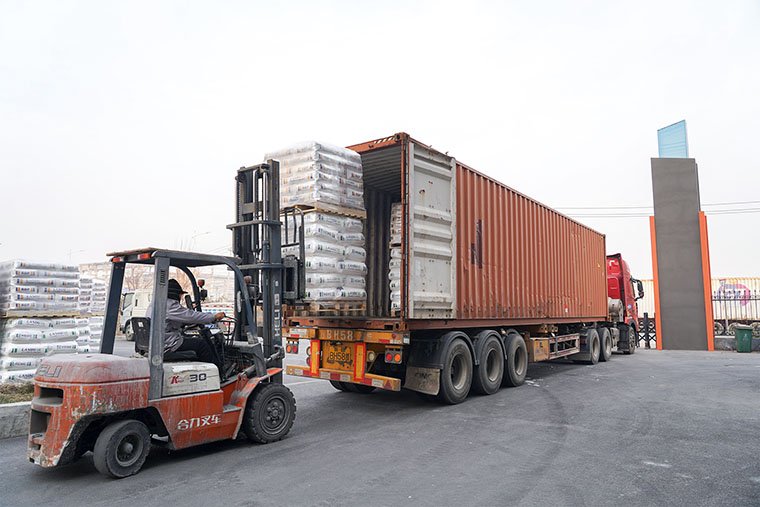
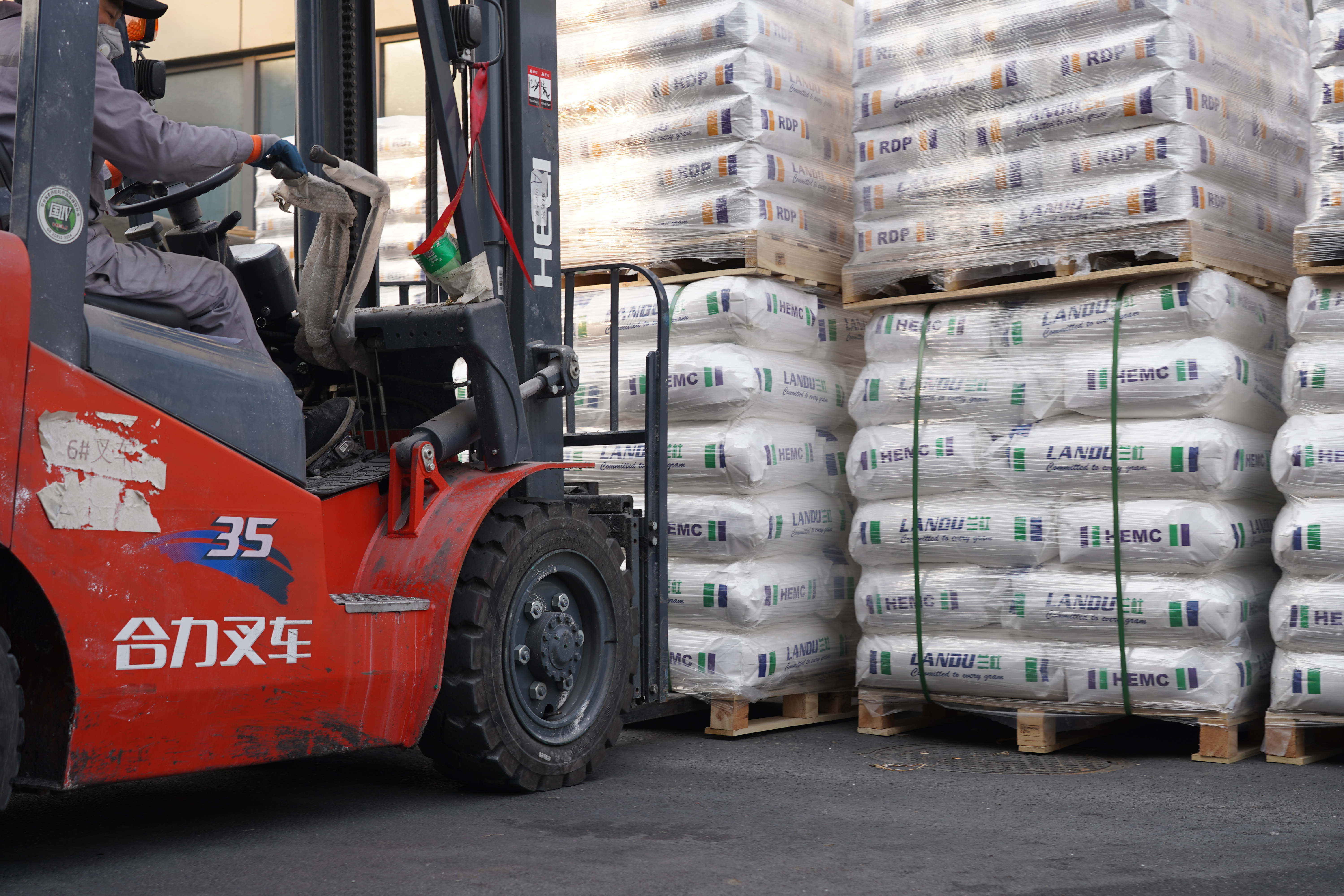
Request a Grade RecommendationLANDERCOLL HEC for industrial coatings is supplied in standard packaging suitable for industrial use, with full technical documentation available on request.


LANDERCOLL provides full technical documentation to support procurement, formulation, and quality assurance processes for industrial coating manufacturers.
LANDERCOLL provides formulation guidance and technical support for industrial coating manufacturers working with water-based systems. If your coating has low viscosity, pigment or filler settling, sagging, poor leveling, spray inconsistency, or storage separation, the HEC grade or dosage may need to be reviewed.
Our team can help evaluate suitable HEC options based on your binder system, pigment and filler loading, PVC level, application method, and storage stability requirements.
Grade selection based on coating type, viscosity, and application requirements.
Dosage guidance for different industrial coating systems.
Flow and rheology improvement recommendations.
Storage stability and suspension performance guidance.
Troubleshooting for thickening and rheology-related defects.
Anti-corrosion and high-PVC formulation support.
Sample and quotation communication.
TDS, SDS, COA, and application guides on request.
HEC (Hydroxyethyl Cellulose) is the primary cellulose ether used in water-based industrial coatings. It provides viscosity control, rheology balance, pigment and filler suspension, anti-sag support, and storage stability across a wide range of industrial coating systems.
HEC builds viscosity, stabilizes pigments and fillers in suspension, supports balanced flow during application, improves anti-sag performance on vertical surfaces, and maintains in-can storage stability. It helps ensure consistent coating body and application performance across brush, roller, and spray methods.
Dosage typically ranges from 0.1% to 1.0% by weight depending on coating type, solids content, PVC level, and application requirements. Water-based industrial coatings typically use 0.1%–0.6%, while high-PVC or heavy-bodied systems may require 0.3%–1.0%. Final dosage should always be confirmed through laboratory testing.
Without adequate thickening and rheology control, water-based industrial coatings may experience pigment and filler settling, sagging on vertical surfaces, poor leveling, uneven application, and viscosity instability during storage. HEC addresses all of these issues by providing controlled viscosity, suspension stability, and balanced flow behavior.
Grade selection depends on your target viscosity, coating type, solids and PVC loading, pigment and filler system, application method, pH, and storage conditions. LANDERCOLL can provide grade recommendations and technical guidance based on your specific formulation requirements.
Yes. HEC is generally compatible with corrosion inhibitor pigments and is widely used in high-PVC industrial coating systems. However, compatibility and performance should always be confirmed through laboratory evaluation, as specific pigment types, pH levels, and additive combinations may affect HEC hydration and performance.
Whether you produce water-based industrial coatings, protective coatings, metal coatings, maintenance coatings, industrial primers, or anti-corrosion systems, LANDERCOLL HEC helps you achieve optimal viscosity control, pigment and filler suspension, anti-sag behavior, and consistent application performance.
Our team provides grade selection support, dosage guidance, and technical assistance to help industrial coating manufacturers develop reliable, high-performance water-based formulations. Contact us today to receive an HEC grade recommendation, request samples, or get a competitive quote.