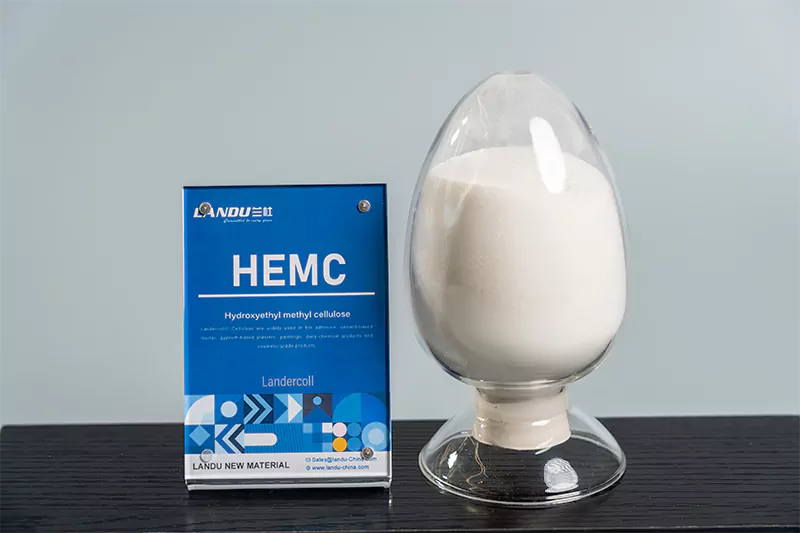
What is HEMC / MHEC used for?
HEMC / MHEC (CAS 9032-42-2) is primarily used as a functional additive in drymix construction materials. It improves water retention, workability, open time, anti-sag performance, mortar consistency, and application behavior in tile adhesive, wall putty, skim coat, cement plaster, gypsum plaster, masonry mortar, EIFS / ETICS mortar, waterproof mortar, repair mortar, and ready-mix dry mortar systems.
Is HEMC the same as MHEC?
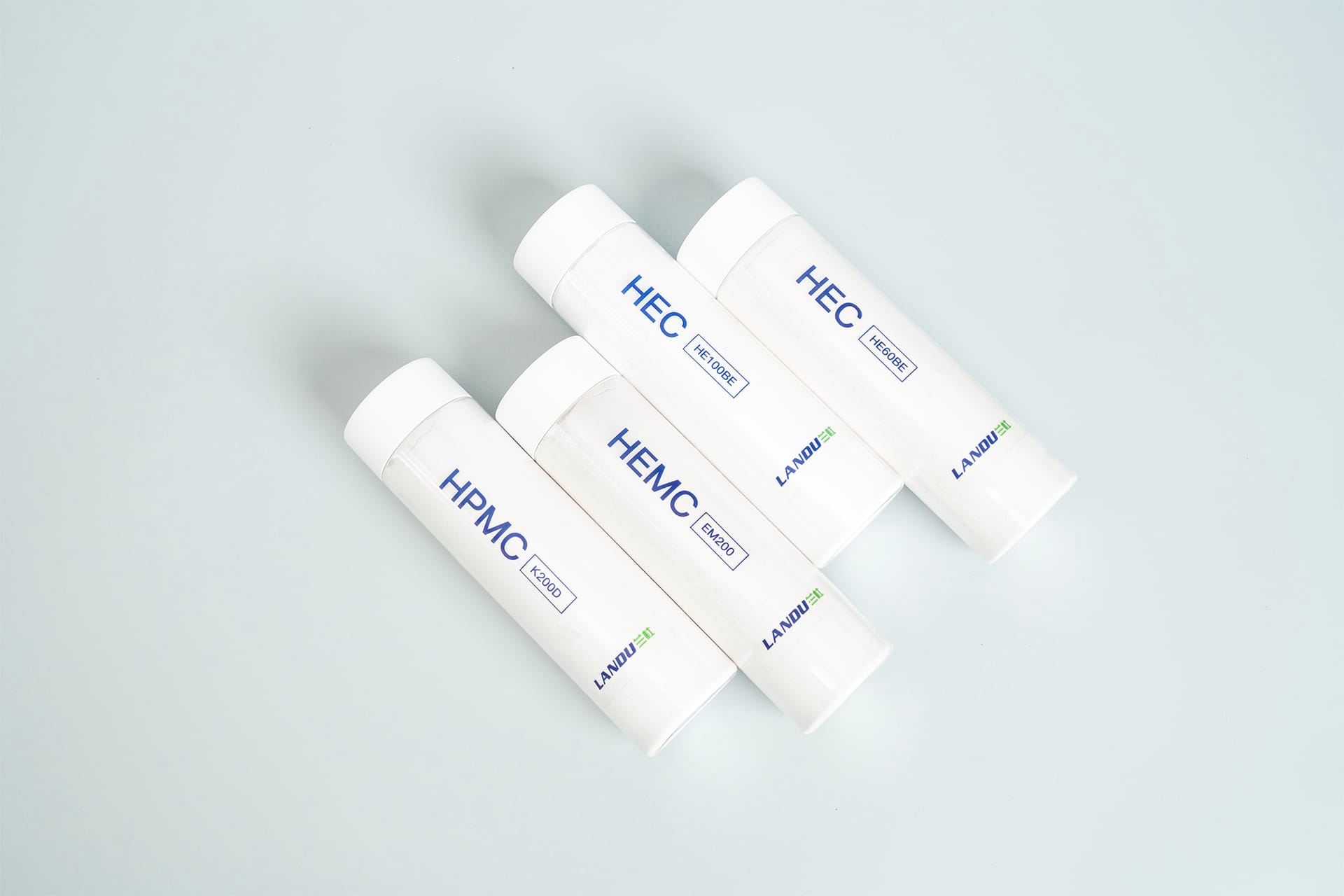
Yes. HEMC (Hydroxyethyl Methyl Cellulose) and MHEC (Methyl Hydroxyethyl Cellulose) are two names for the same product family. The difference is only in naming convention — HEMC emphasizes the hydroxyethyl group first, while MHEC emphasizes the methyl group first. Both refer to the same chemical substance (CAS 9032-42-2) and are widely used in the cellulose ether and construction materials industry.
What is the CAS number of HEMC / MHEC?
The commonly referenced CAS number for HEMC / MHEC is 9032-42-2.
What does HEMC / MHEC do in tile adhesive?
In tile adhesive, HEMC / MHEC improves water retention to support cement hydration and bond strength, extends open time to give installers more working time for tile positioning, provides anti-slip behavior to prevent tiles from sliding on vertical surfaces, and improves troweling feel and application consistency. High to extra-high viscosity grades are typically used at dosages of 0.2%–0.4% of the dry mix weight.
cURL Too many subrequests by single Worker invocation. To configure this limit, refer to https://developers.cloudflare.com/workers/wrangler/configuration/#limits