Cellulose Ether Excellence — Trusted by 1000+ Enterprises Globally Get Free Sample
LANDERCOLL cellulose ether helps ready-mix dry mortar manufacturers worldwide improve water retention, workability, open time, rheology control, anti-sag performance, and reliable job-site application across cement-based, gypsum-based, and polymer-modified drymix systems.
From tile adhesive and wall putty to cement render, repair mortar, and insulation mortar — the right HPMC or HEMC / MHEC grade ensures wet mortar behaves consistently during mixing, spreading, troweling, and finishing.
— HPMC · HEMC / MHEC · Water Retention · Open Time · Anti-Sag · Workability · Ready-Mix Dry Mortar · Drymix Mortar Manufacturers
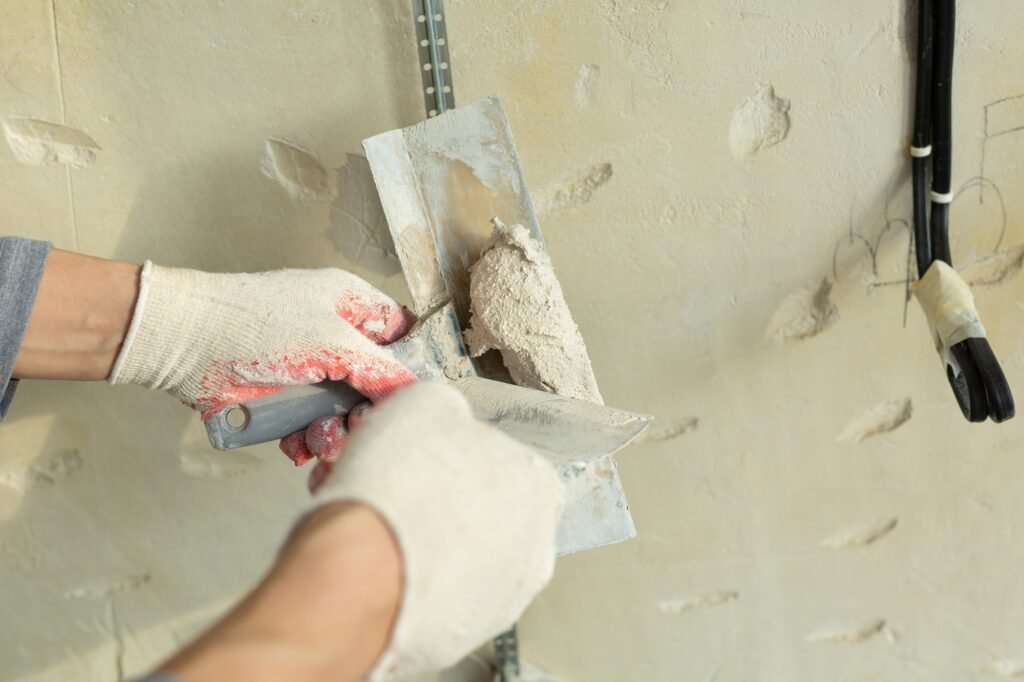 Tile AdhesiveWall PuttyRender & Plaster
 Repair Mortar
Cellulose ether — primarily HPMC (Hydroxypropyl Methylcellulose) and HEMC/MHEC (Hydroxyethyl Methylcellulose) — is a key functional additive used in ready-mix dry mortar to improve water retention, workability, open time, consistency, anti-sag behavior, and fresh mortar stability across cement-based, gypsum-based, and polymer-modified drymix systems.

Ready-mix dry mortar is a factory-produced powder material manufactured by blending cement, gypsum, lime, sand, fillers, redispersible polymer powder, cellulose ether, and other additives under controlled formulation conditions. It is supplied in bags or bulk silos and mixed with water on-site before application.
Unlike traditional site-mixed mortar, ready-mix dry mortar delivers more consistent raw material proportioning, better formulation control, improved construction efficiency, and more predictable application performance — but only when the additive system, including cellulose ether, is correctly selected and dosed.
A suitable cellulose ether grade ensures that after water addition, the wet mortar behaves consistently during mixing, spreading, troweling, scraping, filling, leveling, and finishing. It reduces rapid water loss, supports open working time, controls rheology, and helps manufacturers deliver products that perform reliably across different substrates, climates, and construction methods.
Without suitable cellulose ether, ready-mix dry mortar may exhibit a range of fresh-state performance problems that directly affect job-site application quality and applicator satisfaction.
Common problems include mortar drying too quickly on absorbent substrates, short open time limiting tile setting or rendering windows, poor workability making spreading and troweling difficult, sagging on vertical surfaces, inconsistent batch-to-batch performance, rough surface finish, and mortar separation or bleeding during application.
Cellulose ether helps ready-mix dry mortar manufacturers control the fresh mortar properties that applicators notice most directly — water retention, workability, open time, consistency, anti-sag behavior, rheology control, mortar cohesion, surface finish, suspension stability, and batch-to-batch reliability.
Cellulose ether helps ready-mix dry mortar manufacturers control the fresh mortar properties that applicators notice most directly on the job site. The right HPMC or HEMC / MHEC grade supports consistent performance across tile adhesive, plaster, render, grout, repair mortar, and other drymix systems.
Reduces rapid moisture loss to absorbent substrates and air, supporting hydration and stable application.
Extends the workable window for tile setting, plastering, rendering, and finishing operations.
HPMC and HEMC / MHEC are the two primary cellulose ether product lines for ready-mix dry mortar. Each offers distinct performance advantages depending on application type, binder system, and target performance requirements.

HPMC (Hydroxypropyl Methylcellulose) provides water retention, thickening, workability improvement, consistency control, and fresh mortar stability across a broad range of cement-based and gypsum-based drymix systems.
LANDERCOLL HPMC is suitable for tile adhesive, wall putty, skim coat, cement plaster, gypsum plaster, masonry mortar, repair mortar, waterproof mortar, joint filler, and other standard dry mortar products.
HEMC / MHEC (Hydroxyethyl Methylcellulose) is selected for ready-mix dry mortar systems where open time, anti-sag behavior, smooth workability, vertical surface stability, and stronger fresh mortar structure are critical performance requirements.
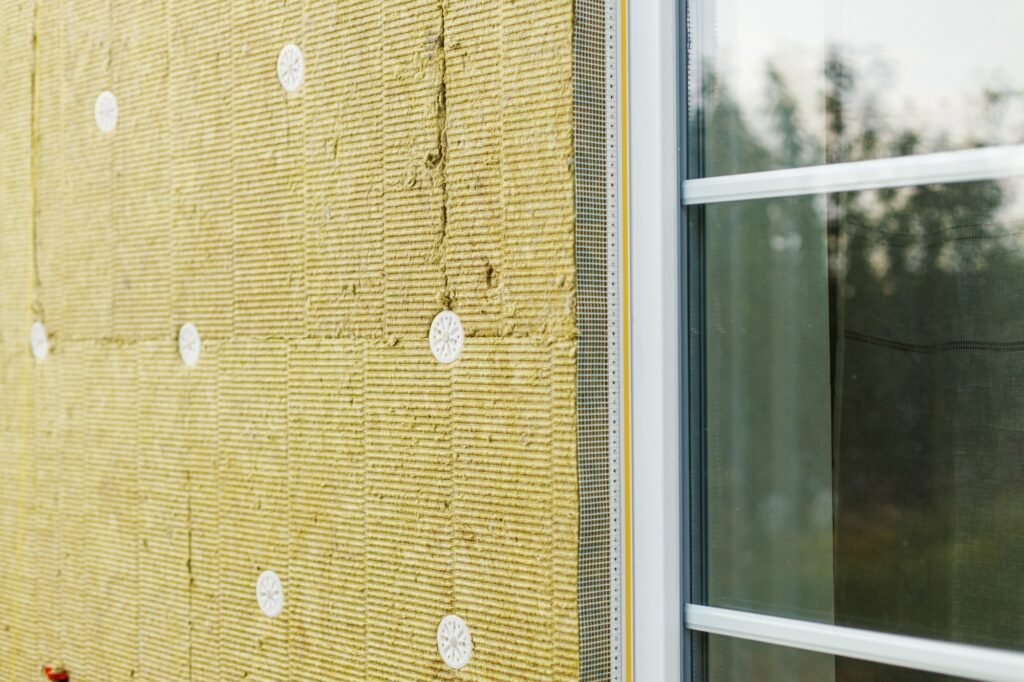
LANDERCOLL HEMC / MHEC is often used in tile adhesive, EIFS / ETICS mortar, cement render, repair mortar, waterproof mortar, insulation mortar, wall putty, and other demanding drymix systems.
Ready-mix dry mortar formulations vary widely depending on application type, binder system, raw material availability, performance target, and local standards.
| Component | Function in Ready-Mix Dry Mortar |
|---|---|
| Cement / Gypsum / Lime | Main binder system depending on product type. |
| Sand / Aggregates | Provide structure, volume, strength, and application body. |
| Fillers / Fine Powders | Adjust consistency, smoothness, density, and cost balance. |
| Redispersible Polymer Powder | Supports adhesion-related behavior, flexibility, and durability. |
| Cellulose Ether (HPMC / HEMC) | Improves water retention, workability, open time, rheology, and consistency. |
| Starch Ether | May support anti-sag behavior and rheology control. |
| Fibers | Support crack resistance and reinforcement in selected systems. |
| Hydrophobic Additives | Support water resistance in exterior or waterproof systems. |
| Air-Entraining Additives | Improve workability and density control in selected systems. |
| Set-Control Additives | Adjust setting time and strength development. |
| Other Additives | Adjust special performance, processing, or surface quality. |
Different dry mortar products require different cellulose ether performance profiles. This table provides a practical selection reference for common ready-mix dry mortar systems.
| Dry Mortar Type | Recommended Product | Main Performance Requirements |
|---|---|---|
| Tile Adhesive | HPMC / HEMC / MHEC | Water retention, open time, troweling, anti-slip. |
| Tile Grout | HPMC / HEMC / MHEC | Filling smoothness, consistency, surface finish. |
| Wall Putty / Skim Coat | HPMC / HEMC / MHEC | Smooth scraping, water retention, leveling. |
| Cement Render / Plaster | HPMC / HEMC / MHEC | Workability, spreadability, anti-sag. |
| Gypsum Plaster | HPMC / HEMC / MHEC | Smooth application, water management, finish. |
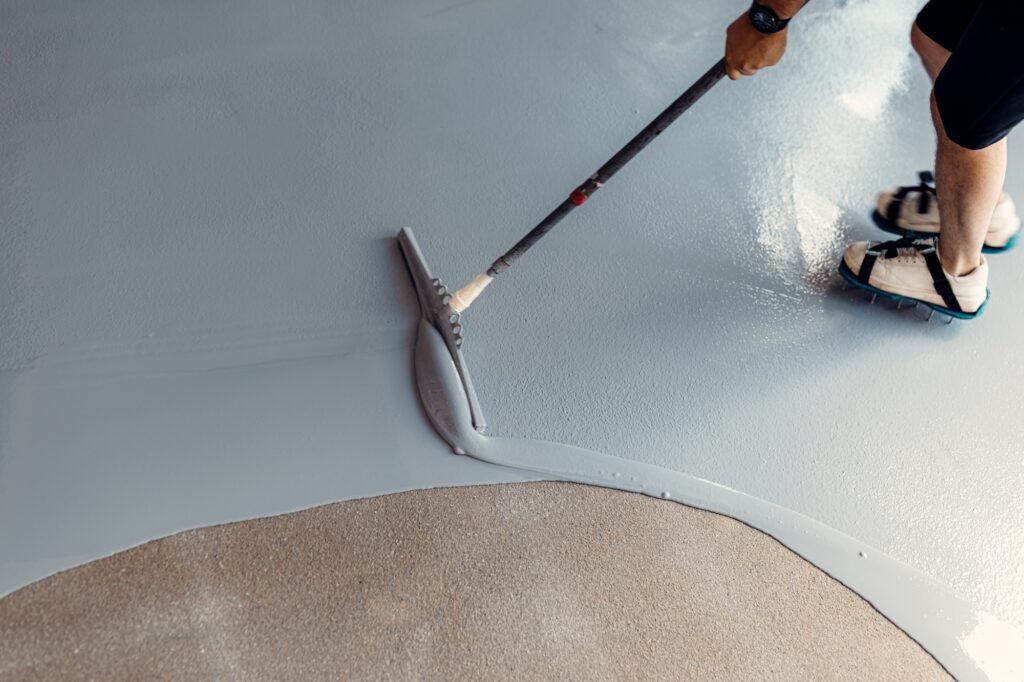
| Self-Leveling Compound | Low–medium viscosity HPMC / HEMC | Flow stability, suspension, anti-segregation. |
| Masonry Mortar | HPMC / HEMC / MHEC | Board life, spreadability, water retention. |
| Repair Mortar | HEMC / MHEC / HPMC | Anti-sag, shape retention, cohesion. |
| Waterproof Mortar | HPMC / HEMC / MHEC | Spreadability, water retention, layer stability. |
| Insulation Mortar | HPMC / HEMC / MHEC | Lightweight aggregate stability, anti-sag, cohesion. |
| Joint Fillers | HPMC / HEMC / MHEC | Smooth filling, shape retention, surface finish. |
The dosage of cellulose ether in ready-mix dry mortar depends on product type, viscosity grade, target performance, binder system, raw material quality, application method, and local job-site conditions.
In ready-mix dry mortar formulations, cellulose ether supports water retention, workability, open time, rheology, anti-sag behavior, mortar cohesion, and surface finish — the properties applicators evaluate most directly on the job site.
Water retention is one of the most critical functions of cellulose ether in ready-mix dry mortar. It helps the wet mortar retain moisture after mixing, supporting cement hydration, gypsum setting behavior, workability duration, and stable application performance — particularly on absorbent substrates such as brick, block, aerated concrete, or dry drywall.
Good workability makes dry mortar easier to mix, spread, scrape, trowel, fill, level, and finish. HPMC and HEMC / MHEC improve application comfort, reduce harshness from coarse sand or filler systems, and help applicators work more efficiently on-site.
Open time is especially important in tile adhesive, EIFS / ETICS mortar, plaster, render, and other systems where applicators need sufficient time to apply, adjust, position, and finish the material. Cellulose ether helps extend the workable window by slowing moisture loss.
Cellulose ether helps control the flow and structural behavior of wet mortar. This pseudoplastic (shear-thinning) behavior allows the material to flow and spread under tool pressure while remaining stable and in place after the tool is removed.
Vertical construction applications — including tile adhesive, render, repair mortar, waterproof mortar, and insulation mortar — require sufficient mortar body to stay in position after application. Suitable cellulose ether grades, particularly HEMC / MHEC, help improve anti-sag resistance and reduce material slippage.
Cellulose ether improves wet mortar cohesion and helps the material remain uniform during mixing, application, and finishing. For wall putty, plaster, joint filler, grout, and finishing mortar, cellulose ether supports smoother surface formation by improving water retention, consistency, and workability — resulting in better final surface appearance and reduced rework.
Many fresh mortar performance issues are related to water retention, workability, rheology, and consistency — areas where cellulose ether grade and dosage selection directly affect results.
Rapid water loss, absorbent substrate, hot or windy conditions.
Improve water retention and extend workable time.
Harsh sand or filler, unsuitable viscosity, poor water balance.
Improve smoothness and application comfort.
Weak rheology, excessive water, low viscosity grade.
Improve anti-sag behavior and mortar body.
Low dosage, unsuitable grade, highly absorbent substrate.
Improve moisture control and retention.
Poor rheology, excessive water, unstable particle system.
Improve consistency and suspension stability.
Excessive dosage or unsuitable high-viscosity grade.
Adjust grade and dosage balance.
Poor filler grading, rapid water loss, unstable consistency.
Support smoother finishing behavior.
Raw material variation, poor dispersion, wrong additive balance.
Improve formulation stability and reliability.
Understanding the variables that influence cellulose ether behavior helps manufacturers make better formulation decisions and avoid common performance issues.
Tile adhesive, wall putty, plaster, self-leveling compound, repair mortar, and waterproof mortar each require different viscosity, water retention, and rheology profiles from the cellulose ether.
Cement, gypsum, lime, calcium aluminate cement, and blended binders affect hydration behavior, setting time, water demand, and cellulose ether interaction. Gypsum-based systems require careful viscosity selection to avoid over-retardation.
Particle size distribution, shape, fineness, and absorption characteristics influence water demand, workability, surface finish, and consistency. Coarser or more angular sands typically require higher cellulose ether dosages.
Polymer powder affects adhesion behavior, flexibility, durability, and rheology. Compatibility with cellulose ether should be evaluated during formulation development.
Viscosity grade directly affects water retention capacity, consistency, anti-sag behavior, spreadability, open time, and surface finish. Higher viscosity grades generally provide stronger water retention but may increase stickiness if overdosed.
Too little cellulose ether leads to poor water retention or weak workability. Too much may cause stickiness, reduced flow, delayed finishing, or difficult application. The correct dosage must be confirmed through testing.
Dry blending uniformity, water addition sequence, mixing time, rest time, and remixing all affect cellulose ether hydration and final wet mortar behavior.
Moisture exposure, poor packaging seal, high humidity storage, and extended storage time may degrade dry mortar quality and reduce additive effectiveness.
Hot, dry, windy, or highly absorbent conditions accelerate water loss and reduce working time. Higher cellulose ether dosages or higher-viscosity grades may be needed in these environments.
Selecting the correct cellulose ether grade requires matching product type, viscosity, water retention performance, rheology profile, application method, and target performance requirements.
What type of dry mortar are you producing?
Is the system cement-based, gypsum-based, or polymer-modified?
Do you need stronger water retention or longer open time?
Is anti-sag behavior a critical requirement?
Do you need smooth scraping, troweling, filling, or leveling performance?
What binder, sand, filler, and polymer system is used?
What application thickness is required?
What climate and substrate conditions are typical in your market?
What viscosity range and dosage level are you targeting?
Do you require surface-treated (delayed-dissolution) or untreated cellulose ether?
LANDERCOLL can help review your ready-mix dry mortar formulation direction and recommend suitable HPMC or HEMC / MHEC grades for testing.
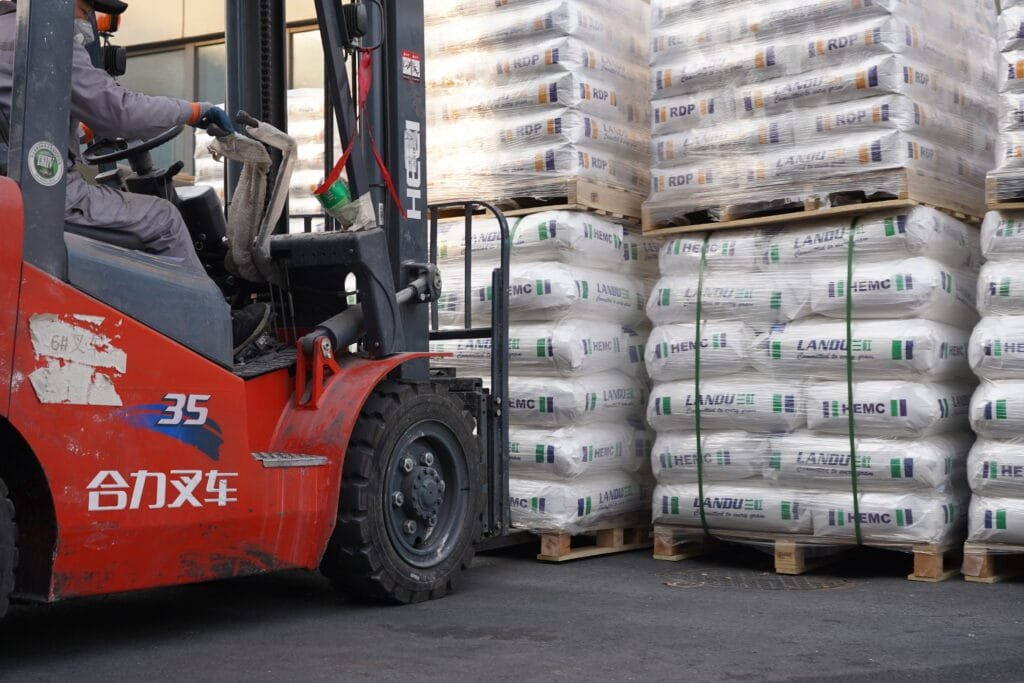
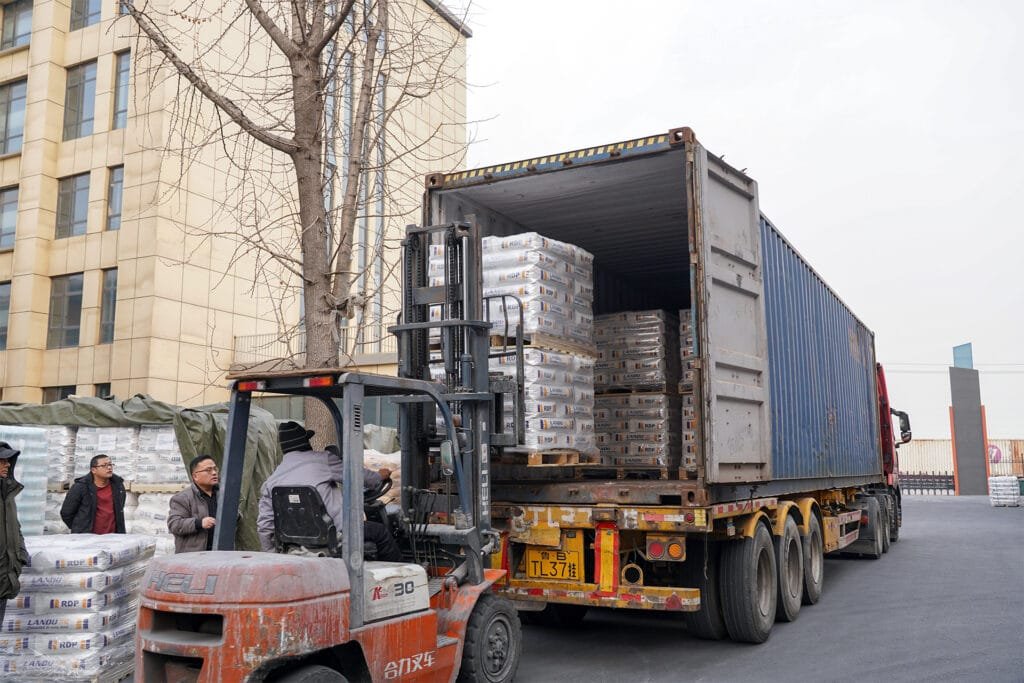
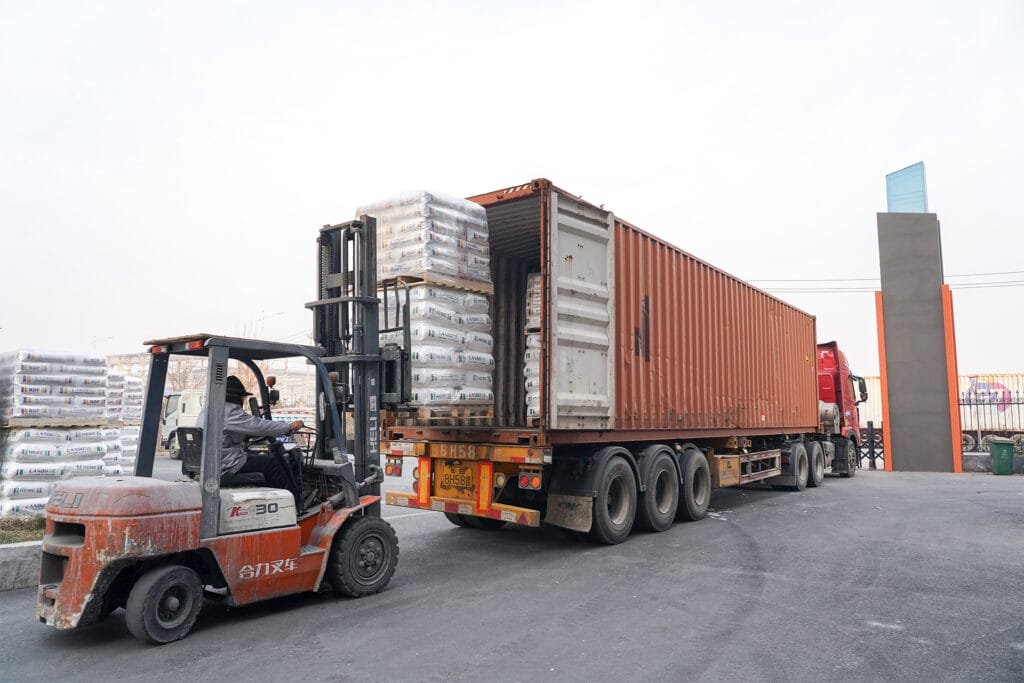
Ask for Technical SupportLANDERCOLL cellulose ether for ready-mix dry mortar is supplied in industrial packaging suitable for drymix mortar production, transportation, and storage.
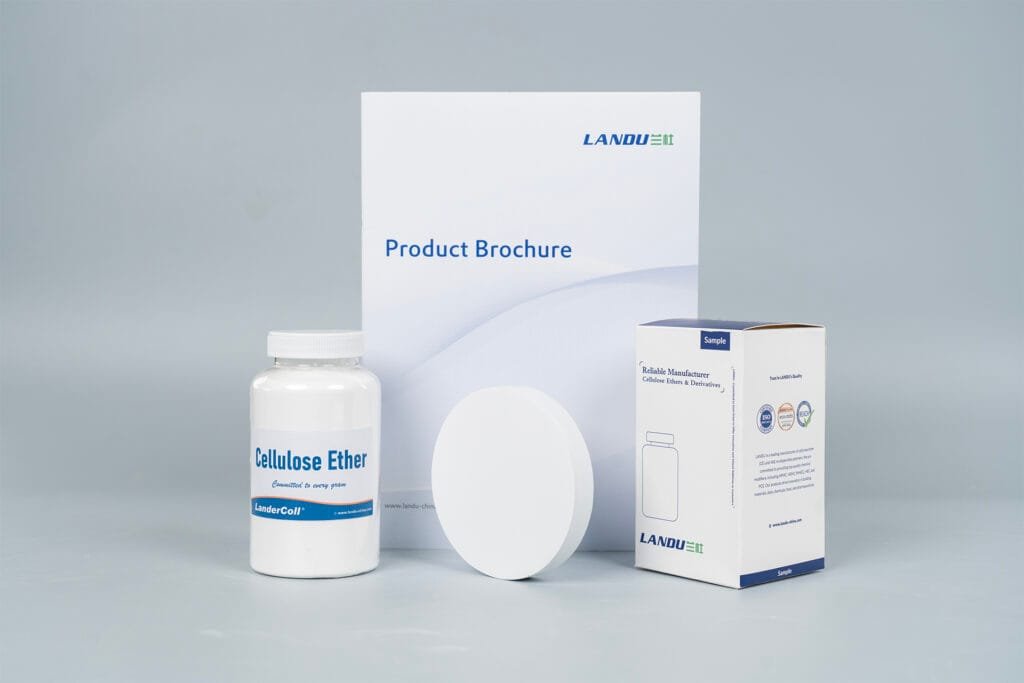
LANDERCOLL provides product-related documentation to support dry mortar formulation testing, purchasing review, and internal approval processes.
If your ready-mix dry mortar dries too quickly, has short open time, poor workability, sagging on vertical surfaces, sticky application feel, rough surface finish, mortar separation, or inconsistent batch-to-batch performance, the cellulose ether grade or dosage may need to be reviewed.
LANDERCOLL provides technical support to help drymix mortar manufacturers evaluate suitable HPMC and HEMC / MHEC options based on product type, binder system, target water retention, open time, anti-sag requirements, and job-site application conditions.
HPMC and HEMC / MHEC product selection for ready-mix dry mortar.
Water retention and open time improvement strategy.
Anti-sag and rheology control support.
Workability, troweling, and surface finish improvement.
Viscosity grade direction and dosage recommendation.
Formulation review for tile adhesive, plaster, render, grout, and repair mortar.
Sample arrangement and technical evaluation support.
TDS, SDS, COA, and quotation communication.
HPMC and HEMC / MHEC are the most commonly used cellulose ethers in ready-mix dry mortar. They improve water retention, workability, open time, consistency, anti-sag behavior, and surface finishing across cement-based, gypsum-based, and polymer-modified drymix systems.
HPMC improves water retention, workability, consistency, troweling or scraping feel, and application stability in cement-based and gypsum-based dry mortar systems. It is versatile and widely used across tile adhesive, wall putty, plaster, masonry mortar, repair mortar, waterproof mortar, and joint filler formulations.
HEMC / MHEC improves water retention, open time, anti-sag behavior, smooth application feel, and vertical surface stability. It is often selected for demanding drymix systems such as tile adhesive, EIFS / ETICS mortar, cement render, repair mortar, waterproof mortar, and insulation mortar.
The typical reference dosage range is 0.05%–0.60% by weight of dry mortar, depending on the mortar type, viscosity grade, binder system, and target performance. Tile adhesive and wall putty typically use 0.20%–0.50%, while self-leveling compounds use lower dosages of 0.05%–0.20%. Final dosage must always be confirmed through formulation testing.
Cellulose ether is used in tile adhesive, tile grout, wall putty, skim coat, cement plaster, gypsum plaster, cement render, masonry mortar, repair mortar, waterproof mortar, insulation mortar, joint filler, and self-leveling compounds — covering virtually all major ready-mix dry mortar product categories.
HPMC is versatile and suitable for a broad range of dry mortar systems. HEMC / MHEC is typically selected where stronger open time, anti-sag behavior, and vertical application stability are critical requirements. Both can be used in many of the same systems — the final choice depends on your specific performance targets, binder system, and application conditions.
Cellulose ether primarily improves fresh mortar properties such as water retention, workability, consistency, and application stability. Final hardened strength depends on the complete formulation, binder content, water-to-binder ratio, curing conditions, and raw material quality — not cellulose ether dosage alone.
Stickiness is typically caused by excessive cellulose ether dosage, an unsuitable high-viscosity grade, high redispersible polymer powder content, excessive water addition, or an unbalanced filler and sand system. Reviewing the viscosity grade and reducing the dosage incrementally usually resolves this issue.
Yes. Share your product type, formulation direction, target performance, viscosity requirement, dosage level, and raw material system. LANDERCOLL can help recommend suitable HPMC or HEMC / MHEC grades for testing and provide supporting technical documentation.
Whether you produce tile adhesive, tile grout, wall putty, cement plaster, gypsum plaster, masonry mortar, repair mortar, waterproof mortar, insulation mortar, joint filler, self-leveling compound, or other ready-mix dry mortar products, LANDERCOLL can help you identify the right HPMC or HEMC / MHEC grade for better water retention, workability, consistency, open time, anti-sag performance, and application reliability.
Our team can review your formulation direction, recommend suitable grades for testing, and provide technical documentation to support your purchasing and product development process.
 English English
  العربية
 Deutsch
 Українська
 Ελληνικά
 Español
 Español de Perú
 Français
 Magyar
 Bahasa Indonesia
 Italiano
 Português
 Türkçe
 Русский
 Nederlands
 Slovenčina
 Svenska
 Български
 Čeština
 Dansk
Dansk
 Eesti
Eesti
 Suomi
Suomi
 日本語
日本語
 한국어
한국어
 Lietuvių kalba
 Latviešu valoda
 Norsk bokmål
 Polski
 Português do Brasil
 Română
 Slovenščina
