
TDS
Technical Data Sheet
Product specifications and performance data for formulation review.
LANDERCOLL cellulose ether helps toothpaste manufacturers improve paste structure, thickening performance, abrasive suspension, water retention, smooth extrusion, and consistent formulation performance across standard, silica, whitening, herbal, children’s, sensitive, tooth gel, and premium oral care formats.
From calcium carbonate pastes to clear tooth gels — the right CMC, HPMC, or HEC grade delivers predictable paste body, stable abrasive distribution, and reliable tube dispensing for overseas oral care manufacturers and toothpaste formulators.

Standard · Silica · Whitening · Herbal · Children’s · Sensitive · Tooth Gel · Premium
 Quick Answer
Quick AnswerCellulose ether — primarily CMC — is used in toothpaste as a thickener, binder, water-retention agent, and abrasive suspension aid. It builds paste body, supports smooth extrusion from the tube, and maintains consistent texture during storage and use. HPMC and HEC may also be considered in selected tooth gel or customized oral care systems.
Key performance, compatibility, and supply reference for overseas toothpaste manufacturers and oral care formulators.
Looking for a cellulose ether recommendation for your toothpaste formulation?
Ask for a Toothpaste Recommendation Request a Quote


Toothpaste is an oral care product used with a toothbrush to clean teeth, support oral hygiene routines, and provide a fresh mouthfeel. It is typically formulated as a paste or gel and may contain abrasive particles, humectants, surfactants, flavors, sweeteners, active ingredients, thickeners, preservatives, and water.
LANDERCOLL provides cellulose ether products for toothpaste manufacturers, with CMC (Carboxymethyl Cellulose) as the primary recommendation for thickening, binding, water retention, abrasive suspension, and paste structure. Selected HPMC and HEC grades may also be considered in customized oral care systems where special rheology, gel texture, or formulation stability is required.
Without a suitable thickener and binder, toothpaste may separate into liquid and solid phases, lose structural integrity, show unstable extrusion, fail to maintain smooth paste texture, or allow abrasive particles to settle during storage. Cellulose ether helps build internal paste structure and supports consistent production performance.
Toothpaste and oral care applications require suitable product grades, appropriate documentation, and formulation testing before commercial use. Not every industrial cellulose ether grade is suitable for oral care formulations. Customers should confirm the exact product grade, technical data, safety data, certificate of analysis, quality requirements, and any market-specific documentation before evaluation or commercial production.
LANDERCOLL provides CMC, HPMC, and HEC cellulose ether grades for toothpaste manufacturers who need dependable paste structure, abrasive suspension, water retention, smooth extrusion, and formulation consistency across different oral care product types and production environments.
Toothpaste contains solid abrasive particles, humectants, liquids, surfactants, and flavor systems that must remain uniformly distributed. LANDERCOLL cellulose ethers help build paste body, support abrasive suspension, control water movement, and contribute to stable, smooth, consistent oral care products.
LANDERCOLL offers CMC as the primary cellulose ether for toothpaste applications, with HPMC for selected specialty rheology and HEC for selected tooth gel systems.
 Primary · Anionic · CMC
Key cellulose ether for toothpaste thickening, binding, abrasive suspension, and paste structure.
CMC (Carboxymethyl Cellulose) is one of the most widely used cellulose derivatives in toothpaste formulations worldwide. It helps provide paste body, smooth texture, water retention, binding, and stable suspension of abrasive particles such as calcium carbonate or hydrated silica. In toothpaste systems, CMC supports stable extrusion from the tube, reduces phase separation, and helps maintain uniform consistency during storage and use.
 Specialty · HPMC · Gel Rheology
Selected cellulose ether for special rheology, gel texture, film support, and formulation stability.
HPMC may be considered in selected toothpaste, tooth gel, and oral care formulations where special rheology, smooth gel texture, film-forming behavior, or controlled viscosity is required. Its use should be validated through formulation testing because toothpaste performance depends on abrasive type, humectant system, surfactant system, pH, flavor, active ingredients, and processing method.
Selected · Non-Ionic · HEC
Non-ionic cellulose ether option for selected gel texture and viscosity control.
HEC may be considered in selected tooth gel or oral care gel systems where smooth viscosity, transparent gel texture, or water-based rheology control is required. HEC is not usually the first choice for traditional high-abrasive toothpaste systems, but it may support selected gel formulations where compatibility and texture requirements are suitable.
Toothpaste formulations vary by abrasive system, humectant level, active ingredients, and market positioning. The table below provides a general reference for common components.
| Component | Function in Toothpaste |
|---|---|
| Abrasives | Support mechanical cleaning and paste structure |
| Humectants | Help retain moisture and reduce drying |
| Water | Solvent and formulation medium |
| Cellulose Ether (CMC / HPMC / HEC) | Thickening, binding, water retention, suspension, and paste stability |
| Surfactants | Support foaming, wetting, and cleaning feel |
| Flavors | Provide taste and freshness |
| Sweeteners | Improve taste profile |
| Active Ingredients | Support selected oral care functions depending on product design |
| Preservatives | Support product protection where needed |
| Colorants / Opacifiers | Improve product appearance |
| pH Adjusters | Maintain formulation pH and stability |
| Application Type | Recommended Product Direction | Main Performance Requirements |
|---|---|---|
| Standard Toothpaste | CMC | Paste structure, abrasive suspension, smooth extrusion |
| Calcium Carbonate Toothpaste | CMC | Binding, water retention, stable paste body |
| Silica Toothpaste | CMC / selected HPMC | Suspension, smooth texture, consistency |
| Tooth Gel | HPMC / HEC / selected CMC | Gel texture, clarity, controlled viscosity |
| Whitening Toothpaste | CMC / selected HPMC | Abrasive suspension, paste stability, smooth extrusion |
| Herbal Toothpaste | CMC / selected cellulose ether | Particle suspension, uniform appearance, texture |
| Children’s Toothpaste | Suitable oral care grade CMC / HPMC | Smooth texture, stable consistency, extrusion behavior |
| Sensitive Toothpaste | CMC / selected HPMC | Active compatibility, paste body, stable texture |
| High-Viscosity Toothpaste | High viscosity CMC | Strong body, structure, extrusion control |
| Premium Toothpaste | CMC / selected HPMC | Smooth texture, stable body, consumer-friendly feel |
These dosage ranges are starting references only. Final dosage must be confirmed through viscosity testing, extrusion testing, abrasive suspension testing, storage stability testing, phase separation evaluation, texture assessment, and production trials.
| Application Type | Typical Reference Dosage |
|---|---|
| Standard Toothpaste | 0.5% – 1.5% |
| Calcium Carbonate Toothpaste | 0.6% – 1.8% |
| Silica Toothpaste | 0.4% – 1.5% |
| Tooth Gel | 0.5% – 2.0% |
| Whitening Toothpaste | 0.6% – 1.8% |
| Herbal Toothpaste | 0.5% – 1.8% |
| Children’s Toothpaste | 0.4% – 1.5% |
| Sensitive Toothpaste | 0.5% – 1.5% |
| High-Viscosity Toothpaste | 0.8% – 2.0% |
| Premium Toothpaste | 0.5% – 1.8% |
Cellulose ether influences thickening, binding, abrasive suspension, water retention, smooth extrusion, texture consistency, and long-term storage performance in toothpaste and oral care systems.
CMC helps build toothpaste viscosity and paste body. Proper thickening supports tube stability, controlled extrusion, and a consistent product texture that consumers expect. Viscosity level can be adjusted by selecting the appropriate CMC grade and dosage.
Cellulose ether helps bind formulation components together and supports internal paste cohesion. This reduces instability, prevents phase separation, and improves product uniformity across batches and during storage.
Calcium carbonate, hydrated silica, and other abrasive particles must remain evenly distributed throughout the paste. Cellulose ether helps suspend these particles and maintain consistent texture during storage and use.
Humectants and water must be balanced to maintain toothpaste moisture and stability. Cellulose ether supports water retention and helps reduce drying or syneresis risk over the product shelf life.
Toothpaste should extrude smoothly from the tube without being too watery, too stiff, or too stringy. The right cellulose ether grade helps balance structure and flow to deliver a clean, controlled ribbon of paste.
A suitable cellulose ether grade helps maintain toothpaste consistency, appearance, and structure during storage when compatible with the complete formulation system including abrasives, humectants, surfactants, and active ingredients.
When toothpaste fails paste structure, extrusion, suspension, or stability targets, cellulose ether grade, dosage, hydration, or compatibility is often the first variable to review.
Low binder level or weak thickener system.
CMC supports paste body and viscosity.
Excessive thickener or high solids content.
Adjust grade and dosage.
Poor water retention or formulation imbalance.
Improve water binding and stability.
Weak suspension or poor rheology.
Support abrasive suspension.
Wrong viscosity profile or high solids imbalance.
Adjust cellulose ether grade and dosage.
Unsuitable rheology or excessive polymer.
Optimize grade and polymer level.
Poor dispersion, abrasive imbalance, or weak hydration.
Improve processing and formulation balance.
pH, electrolytes, humectants, surfactants, or temperature interaction.
Test compatible grade and formulation stability.
Toothpaste formulations combine abrasives, humectants, surfactants, and active ingredients in a complex paste system. Multiple factors influence how cellulose ether performs and how stable the product remains over time.
Calcium carbonate, hydrated silica, and other abrasive systems have different particle size, density, and suspension requirements. The abrasive system significantly influences the required cellulose ether grade and dosage.
Sorbitol, glycerin, propylene glycol, and other humectants influence water retention, viscosity, texture, and extrusion behavior. High humectant levels may affect cellulose ether hydration and final paste consistency.
Water level affects hydration, paste body, viscosity, drying tendency, and phase stability. Insufficient water can impair cellulose ether hydration; excess water may reduce paste body.
Surfactants affect foaming, wetting, flavor release, viscosity, and compatibility with cellulose ether. Some surfactants may interact with cellulose ether and require compatibility evaluation.
Fluoride, whitening ingredients, sensitivity-support ingredients, herbal extracts, or other actives may affect compatibility and stability. Final claims depend on the complete formulation and applicable requirements.
pH can influence thickener performance, preservative efficiency, flavor stability, and active ingredient compatibility. CMC performance can be affected by pH extremes.
Addition sequence, dispersion quality, hydration time, vacuum mixing, shear, and temperature affect cellulose ether hydration and final paste texture. Proper dispersion before hydration is critical.
Tube, pump, sachet, or gel packaging affects the target viscosity, extrusion force, and product structure. Different packaging formats may require different cellulose ether grades or dosage levels.
Choosing the right cellulose ether requires balancing paste structure, viscosity, abrasive suspension, water retention, extrusion behavior, texture, and storage stability across the complete toothpaste formulation system.
 Grade Selection Guide
LANDERCOLL can review your toothpaste formulation direction and recommend suitable CMC, HPMC, HEC, or selected cellulose ether grades for testing.
Paste, gel, whitening, herbal, or children’s toothpaste?
Calcium carbonate, silica, or another abrasive?
What humectant system and water level are used?
What target viscosity and extrusion behavior are required?
Smooth paste body or transparent gel texture?
What surfactant system is included?
Are active ingredients or functional particles included?
What pH range is required?
Tube, pump, sachet, or gel packaging?
What storage stability requirement is needed?
What production process and hydration method are used?
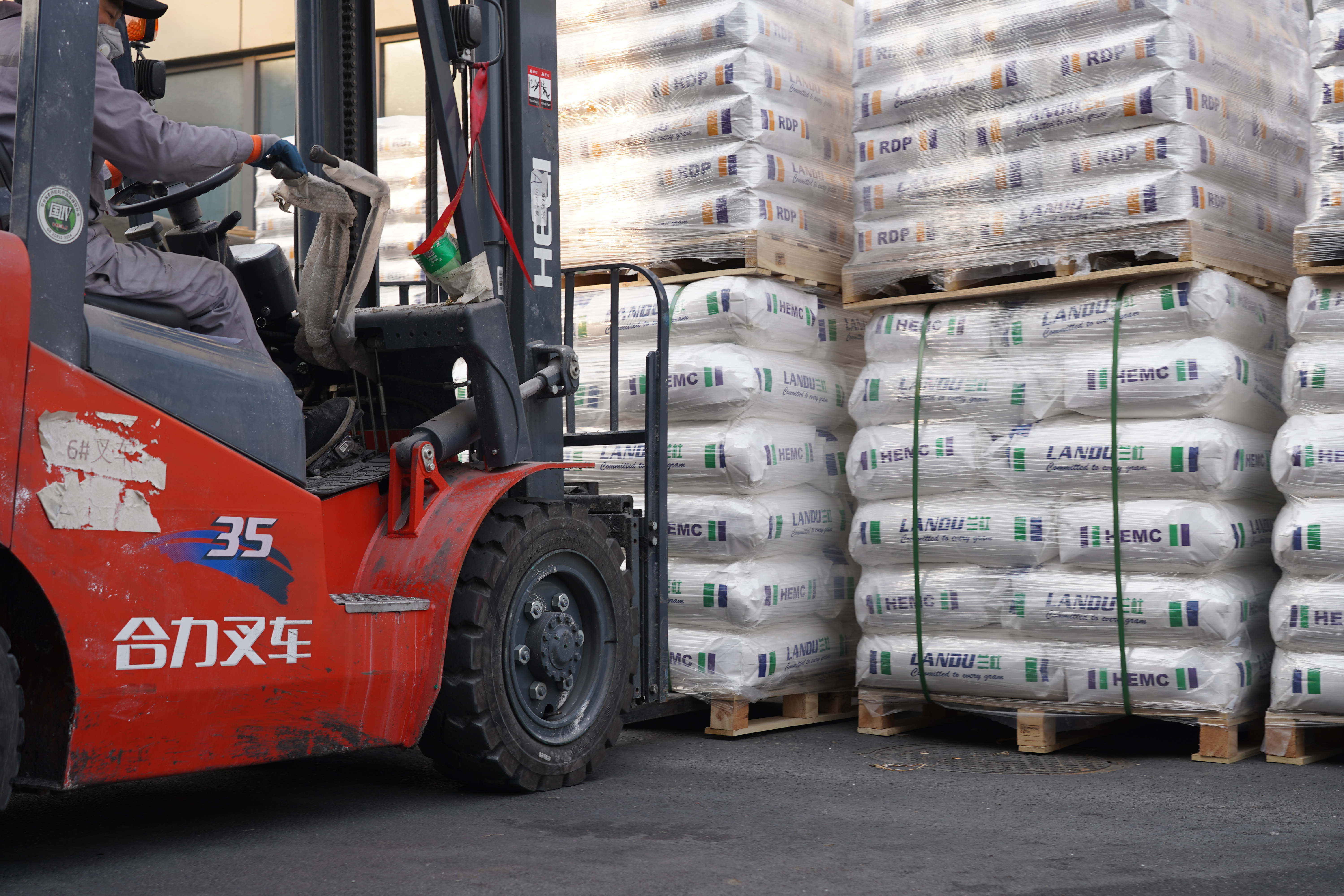
LANDERCOLL provides product-related documentation to support toothpaste formulation testing, purchasing review, quality approval, and import compliance.
 Formulation & Performance Evaluation
Supporting toothpaste and personal care product development with complete technical documentation.
— LANDERCOLL R&D —Product specifications and performance data for formulation review.
Safety, handling, and regulatory information (SDS / MSDS).
Batch quality confirmation supplied per shipment.
Detailed product specification for quality and formulation review.
Formulation guidance and usage recommendations.
Grade recommendation for specific toothpaste applications.
Handling, shelf life, and storage condition reference.
Quality-related documents for suitable grades and export-related documents where applicable for international orders.
All documents supplied upon request to support formulation review, quality approval, and import compliance.
Request Product DocumentsIf your toothpaste is too thin or too stiff, shows water separation, abrasive settling, poor extrusion, stringy or grainy texture, or viscosity drift over time — the cellulose ether grade or dosage may need to be reviewed.
 Formulation Support
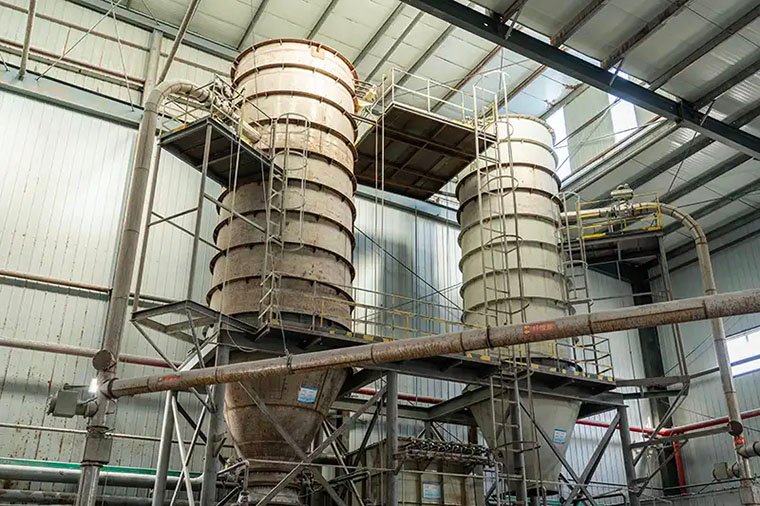
CMC grade selection, abrasive suspension, and extrusion optimization for toothpaste manufacturers.
— LANDERCOLL Technical Team —CMC selection for toothpaste structure and paste body
Abrasive suspension support and grade recommendation
Water retention and phase stability discussion
Smooth extrusion improvement
Tooth gel rheology adjustment
Compatibility testing direction
Dosage reference and starting point guidance
Sample and quotation communication
CMC is the most commonly used cellulose ether in toothpaste for thickening, binding, water retention, abrasive suspension, paste structure, and smooth extrusion. HPMC and HEC may be considered in selected tooth gel or customized oral care systems where special rheology or gel texture is required.
CMC helps build paste body, suspend abrasive particles such as calcium carbonate and hydrated silica, improve water retention, support smooth extrusion from the tube, and maintain toothpaste consistency during storage and use.
HPMC may be used in selected toothpaste or tooth gel systems where special rheology, gel texture, film-forming support, or viscosity control is required. Compatibility testing with the complete formulation — including abrasives, humectants, surfactants, and active ingredients — is recommended before commercial use.
HEC may be considered in selected water-based tooth gel systems where smooth viscosity and gel texture are needed. Final suitability depends on formulation compatibility, quality requirements, and applicable documentation for the target market.
A common reference dosage is around 0.4%–2.0%, depending on toothpaste type, abrasive system, humectant level, target viscosity, and cellulose ether grade. Final dosage should always be confirmed through formulation testing and production trials.
Water separation in toothpaste may be caused by insufficient thickener level, poor water retention, abrasive system imbalance, humectant system issues, poor dispersion during manufacturing, or an unsuitable cellulose ether grade. Reviewing the cellulose ether grade and dosage is a recommended first step.
Difficult extrusion may be caused by excessive viscosity, high solids content, unsuitable cellulose ether grade, poor hydration during processing, or an unbalanced abrasive and humectant system. Adjusting the cellulose ether grade or dosage can help improve extrusion behavior.
Cellulose ether mainly supports paste structure, viscosity, suspension, and stability. Cleaning effect depends primarily on the abrasive system, surfactants, brushing action, active ingredients, and complete formulation design.
Start with toothpaste type, abrasive system, humectant system, target viscosity, extrusion behavior, pH, active ingredients, packaging format, and storage stability requirement. LANDERCOLL can recommend suitable CMC or selected cellulose ether grades based on your specific formulation direction.
Whether you produce standard toothpaste, calcium carbonate toothpaste, silica toothpaste, tooth gel, whitening toothpaste, herbal toothpaste, children’s toothpaste, sensitive toothpaste, or premium oral care formulations — LANDERCOLL cellulose ether can help you achieve better paste structure, abrasive suspension, smooth extrusion, water retention, and formulation stability.
Our team can review your formulation direction, recommend the most suitable CMC, HPMC, or HEC grade, and support your evaluation with technical data, samples, and documentation.
LANDERCOLL cellulose ether products are manufactured for industrial and commercial use. Toothpaste and oral care applications require suitable product grades and appropriate documentation. All formulation data, dosage references, and application guidance provided are for general reference only. Final product performance must be confirmed through testing under your specific formulation, process, and storage conditions.
 English English
  العربية
 Deutsch
 Українська
 Ελληνικά
 Español
 Español de Perú
 Français
 Magyar
 Bahasa Indonesia
 Italiano
 Português
 Türkçe
 Русский
 Nederlands
 Slovenčina
 Svenska
 Български
 Čeština
 Dansk
Dansk
 Eesti
Eesti
 Suomi
Suomi
 日本語
日本語
 한국어
한국어
 Lietuvių kalba
 Latviešu valoda
 Norsk bokmål
 Polski
 Português do Brasil
 Română
 Slovenščina