Cellulose Ether Excellence — Trusted by 1000+ Enterprises Globally Get Free Sample
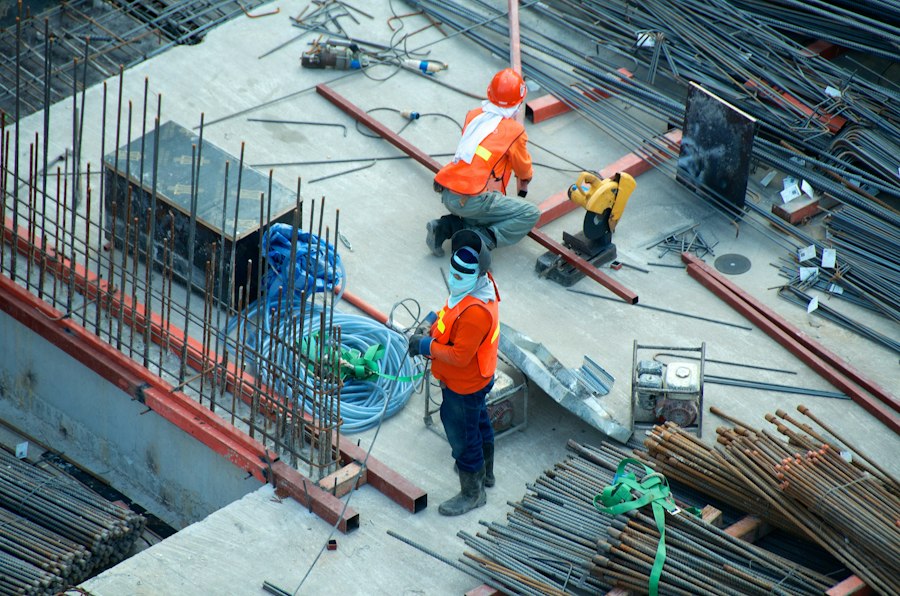


The right cellulose ether grade makes mortar easier to mix, smoother to spread, more stable on vertical surfaces, and more reliable under varying job-site conditions.
LANDERCOLL construction grade cellulose ether helps improve water retention, workability, open time, anti-sag performance, mortar consistency, surface finish, and application stability in cement-based and gypsum-based formulations.
— HPMC · HEMC / MHEC · Trusted by drymix manufacturers and formulators worldwide.
 Tile Adhesive
 Plaster
 Mortar
 EIFS / Facade
 Grade Matters
Construction grade cellulose ether is an essential performance additive for drymix building materials. It is widely used in cement-based and gypsum-based formulations to improve water retention, workability, consistency, open time, anti-sag behavior, and overall application performance.
LANDERCOLL construction grade cellulose ether is based on two primary product families: HPMC (Hydroxypropyl Methylcellulose) and HEMC / MHEC (Hydroxyethyl Methylcellulose). These product families help manufacturers develop more stable and user-friendly formulations for tile adhesive, wall putty, skim coat, cement plaster, gypsum plaster, masonry mortar, EIFS / ETICS mortar, waterproof mortar, repair mortar, and other drymix construction systems.

Construction grade cellulose ether refers to cellulose ether products specifically designed for building material formulations, especially drymix mortar systems. These products are selected for their ability to control water retention, viscosity, rheology, workability, open time, anti-sag behavior, and surface finishing performance.
The most widely used construction grade cellulose ethers are HPMC and HEMC / MHEC. Both are non-ionic, water-soluble cellulose ethers that can be uniformly dispersed into drymix powder formulations and activated after water is added on-site.
After mixing with water, cellulose ether forms a hydrated polymer network inside the mortar matrix. This network improves water retention, controls consistency, and supports better application behavior throughout the working period.
Two primary product families cover the full spectrum of drymix construction applications — from tile adhesive to EIFS mortar, from wall putty to repair mortar. Both are non-ionic, water-soluble, and suitable for uniform dispersion in drymix powder systems.
HPMC is the most widely used cellulose ether in construction materials. It provides a strong balance of water retention, thickening, workability improvement, film formation, and formulation stability. HPMC is suitable for a broad range of drymix systems where stable performance and wide application compatibility are required.
HEMC / MHEC is especially suitable for drymix construction materials where water retention, open time, anti-sag performance, anti-slip behavior, and smooth workability are critical requirements. It is commonly used in tile adhesive, wall putty, plaster, EIFS / ETICS mortar, insulation mortar, waterproof mortar, and repair mortar.
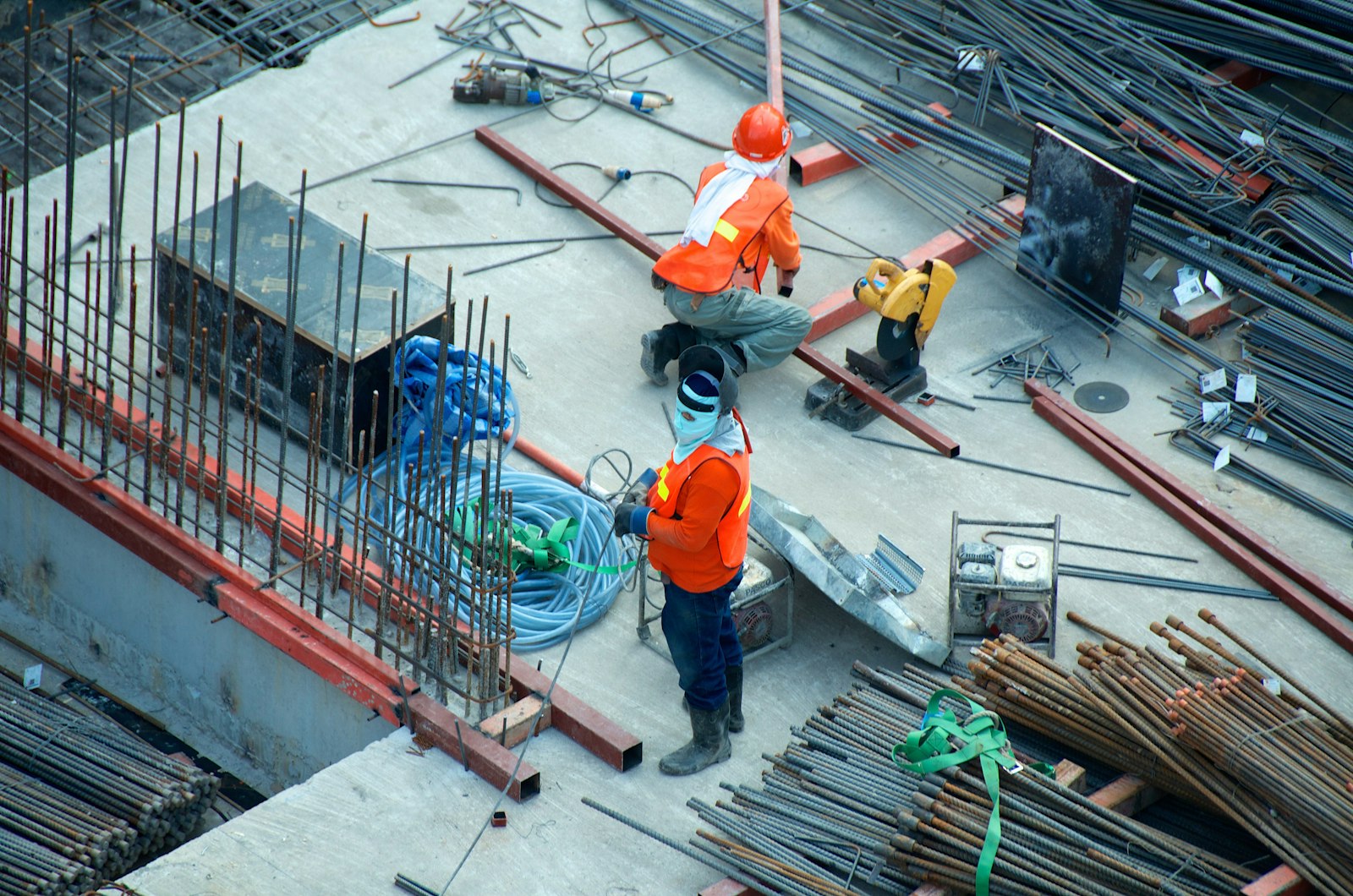
From tile adhesive on bathroom walls to EIFS mortar on building facades, construction grade cellulose ether plays a critical functional role in how drymix products perform on-site. Each application has its own requirements — water retention level, open time target, anti-sag need, surface finish expectation, and substrate type.
 Tile Adhesive
Cellulose ether helps maintain workability, improves spreading under the trowel, and supports reliable application on wall and floor surfaces.
Wall Putty / Skim Coat
The right HPMC or HEMC / MHEC grade can reduce rapid drying, improve leveling, and make the product easier to apply uniformly.
Cement Render / Plaster
Cellulose ether helps reduce harshness, improves spreadability, and supports more uniform surface finishing across large areas.
Gypsum Plaster
A suitable grade supports better application comfort, more uniform finishing, and improved stability throughout the gypsum working period.
 Masonry Mortar
Cellulose ether allows mortar to stay usable for longer and supports easier handling under real job-site conditions during brick and block laying.
 EIFS / ETICS
HEMC / MHEC and HPMC support insulation board bonding, mesh embedding, and finishing coat application with better job-site reliability.
 Waterproof Mortar
In waterproofing formulations, application quality is closely linked with final performance. Workability and consistency are critical.
 Self-Leveling Compounds
Low to medium viscosity grades can support water retention and system stability without excessively reducing the required flow performance.
Repair Mortar
Especially useful for vertical repair, patching, leveling, and surface restoration systems. Cellulose ether improves workability and anti-sag stability.
Different construction materials require different cellulose ether performance profiles. The table below provides a general reference for selecting HPMC or HEMC / MHEC by application type. Use this as a starting point — final selection should always be confirmed through formulation testing.
| Application | Recommended Product Direction | Main Performance Requirements |
|---|---|---|
| Tile Adhesive | High viscosity HPMC / HEMC / MHEC | Water retention, open time, anti-slip, troweling |
| Wall Putty / Skim Coat | Medium to high viscosity HPMC / HEMC / MHEC | Smooth scraping, surface finish, water retention |
| Cement Render / Plaster | Medium to high viscosity HPMC / HEMC / MHEC | Workability, spreadability, water retention |
| Gypsum Plaster | Medium viscosity HPMC / HEMC / MHEC | Smooth application, water management, consistency |
| Tile Grout | Medium viscosity HPMC / HEMC / MHEC | Smooth filling, workability, stable curing behavior |
| Masonry Mortar | Medium viscosity HPMC / HEMC / MHEC | Board life, consistency, water retention |
| Self-Leveling Compounds | Low to medium viscosity HPMC / HEMC / MHEC | Flow control, stability, water management |
| EIFS / ETICS Mortar | High viscosity HPMC / HEMC / MHEC | Open time, anti-sag, application stability |
| Waterproof Mortar | Medium to high viscosity HPMC / HEMC / MHEC | Uniform coating, workability, consistency |
| Repair Mortar | Medium to high viscosity HPMC / HEMC / MHEC | Anti-sag, workability, finishing control |
The dosage of construction grade cellulose ether depends on the application, formulation design, target water retention, viscosity grade, raw material quality, local climate, and job-site conditions. The following ranges are general starting points for laboratory evaluation only — they are not fixed usage standards.
These dosage levels are reference starting points only. Final dosage must be confirmed through laboratory testing, production trials, application testing, and job-site performance evaluation under real conditions.
 Lab Testing Recommended
| Application | Reference Dosage |
|---|---|
| Tile Adhesive | 0.2% – 0.5% |
| Tile Grout | 0.1% – 0.3% |
| Wall Putty / Skim Coat | 0.2% – 0.5% |
| Cement Render / Plaster | 0.15% – 0.4% |
| Gypsum Plaster | 0.1% – 0.3% |
| Masonry Mortar | 0.1% – 0.3% |
| Self-Leveling Compounds | 0.05% – 0.2% |
| EIFS / ETICS Mortar | 0.2% – 0.5% |
| Waterproof Mortar | 0.15% – 0.4% |
| Repair Mortar | 0.15% – 0.4% |
| Ready-Mix Dry Mortar | Depends on product type |
Construction grade cellulose ether contributes to multiple performance dimensions simultaneously. Understanding the specific functional contribution helps formulators select the right grade and dosage for each drymix system design.
Retains water in cement and gypsum systems. Supports proper hydration, extends open time, maintains workability — especially critical on porous substrates.
Improves smoothness, spreadability, scraping feel, and troweling behavior of drymix materials after mixing — making products easier and more comfortable to apply.
Maintains workable consistency for longer. Critical for tile adhesive, wall putty, plaster, and EIFS systems — giving applicators more time to adjust and position.
Improves mortar structure on vertical applications. Reduces sagging and slipping after application — especially important for tile adhesive and EIFS mortar on walls.
Balances flow and structural integrity. Allows mortar to spread freely under tool pressure while maintaining enough body to stay in place after application.
In wall putty, skim coat, plaster, and finishing materials — cellulose ether improves smoothness, leveling behavior, and final surface quality.
Contributes to mortar cohesion and improves internal consistency, application stability, and handling behavior throughout the full working period.
Both HPMC and HEMC / MHEC are widely used in drymix construction materials. In many systems, both can be considered viable options. The right choice depends on the specific formulation requirements and performance priorities.
HPMC is often selected for broad application versatility and cost-effective performance across many drymix systems. It provides a strong balance of water retention, thickening, workability improvement, and film formation.
HEMC / MHEC is especially strong where open time, anti-sag behavior, and construction handling performance are key priorities. Particularly valued in demanding vertical and facade applications.
Choosing the right construction grade cellulose ether requires a clear understanding of the drymix formulation and the final application environment. The best grade should balance water retention, viscosity, workability, open time, anti-sag behavior, and surface finish requirements.
If you are not sure which grade is suitable for your formulation, LANDERCOLL can help review your application requirements and recommend a practical HPMC or HEMC / MHEC grade for initial testing.
Ask for a Recommendation
Not sure where to start? LANDERCOLL can help review your formulation requirements and recommend a practical grade direction.
Ask for Grade RecommendationWhat product are you producing — tile adhesive, wall putty, plaster, EIFS, or other?
Is the system cement-based or gypsum-based?
What viscosity range does your formulation require?
Do you need stronger water retention performance?
Is open time a key requirement for your application?
Do you need anti-sag or anti-slip performance for vertical applications?
Is smooth scraping or troweling important for your end users?
What temperature and humidity conditions are common in your target market?
Are you using redispersible polymer powder, starch ether, or other functional additives?
Do you need surface-treated or untreated cellulose ether?
LANDERCOLL construction grade cellulose ether is supplied in industrial packaging suitable for drymix production environments, long-distance transportation, and warehouse storage.
Because cellulose ether powder can absorb moisture from the environment, proper storage conditions help maintain powder flowability, dispersion behavior, viscosity performance, and application stability throughout the product shelf life.
25 kg per bag — industrial packaging standard for drymix production
Moisture-protective inner liner — protects from humidity during transport
Palletized packaging available upon request for container loading
Customized packaging for long-term cooperation and specific requirements
 Industrial drymix storage environment
Proper storage conditions are essential for maintaining product performance and shelf life of cellulose ether powder throughout the supply chain.
LANDERCOLL can provide product-related technical and commercial documents to support product evaluation, purchasing review, formulation testing, and internal approval processes for construction grade cellulose ether.
These documents help manufacturers, formulators, and procurement teams review the product effectively — covering technical performance, safety, quality consistency, and application guidance.
 Documentation
Construction applications typically require TDS, SDS, COA, and product recommendation documents for purchasing and quality review. Contact LANDERCOLL to request specific documents for your evaluation.
Document availability may vary by product grade and market. Contact our team to confirm which documents are available for your specific product inquiry.
If your drymix product is experiencing performance issues, the cellulose ether grade may need to be reviewed or optimized. Common issues include:
Construction grade product selection and comparison
HPMC and HEMC / MHEC performance comparison for your application
Water retention improvement strategy
Open time and anti-sag performance discussion
Viscosity direction recommendation
Application matching and formulation guidance
Dosage optimization discussion
Sample arrangement and quotation communication
Construction grade cellulose ether is a functional polymer additive designed for cement-based and gypsum-based building materials. It helps improve water retention, workability, open time, anti-sag behavior, and mortar consistency in drymix construction systems. The most common types used in construction are HPMC and HEMC / MHEC.
HPMC (Hydroxypropyl Methylcellulose) and HEMC / MHEC (Hydroxyethyl Methylcellulose) are the most commonly used cellulose ethers in drymix construction materials. They are used in tile adhesive, wall putty, plaster, mortar, EIFS / ETICS, waterproof mortar, and repair mortar, among other applications.
In tile adhesive, cellulose ether improves water retention, extends open time, enhances troweling performance, reduces tile slip (anti-slip behavior), and supports stable mortar consistency. These functions help applicators work more efficiently and achieve better bonding results.
In wall putty, cellulose ether improves water retention, scraping smoothness, workability, surface finish quality, and application stability. It helps the product spread more evenly and reduces rapid drying on porous substrates.
Neither is universally better — the right choice depends on the specific application and performance requirements. HPMC is versatile and widely used across many drymix materials. HEMC / MHEC is especially strong in construction systems that require longer open time, better anti-sag performance, and stable mortar handling. Both can be considered for many applications.
For most drymix construction materials, cellulose ether dosage typically ranges from 0.1% to 0.5% by weight of the dry blend, depending on the application type and performance target. Self-leveling compounds may use lower dosages, while tile adhesive and EIFS mortar may require higher dosages. Final dosage should always be confirmed through formulation testing.
Yes. HPMC and HEMC / MHEC help retain water within the mortar matrix and maintain workable consistency for a longer period. This can significantly improve open time in tile adhesive, plaster, wall putty, and EIFS systems — giving applicators more time to work with the material.
Yes. Suitable HPMC and HEMC / MHEC grades can help improve mortar rheology and structural integrity, reducing sagging or slipping on vertical surfaces. This is particularly important for tile adhesive, EIFS mortar, and repair mortar applications on walls.
Start by identifying your application type, formulation system (cement-based or gypsum-based), viscosity target, water retention requirement, open time need, anti-sag requirement, and local job-site conditions. LANDERCOLL can help recommend suitable HPMC or HEMC / MHEC grades based on your specific requirements.
HPMC provides versatile water retention, thickening, film forming, and workability improvement across a wide range of drymix systems. HEMC / MHEC is particularly valued in construction applications for its strong open time performance, anti-sag behavior, and stable mortar handling. Both are non-ionic, water-soluble cellulose ethers suitable for drymix formulations.
Whether you produce tile adhesive, wall putty, skim coat, cement plaster, gypsum plaster, masonry mortar, EIFS / ETICS mortar, waterproof mortar, or repair mortar — LANDERCOLL can help you identify the right HPMC or HEMC / MHEC grade for better drymix performance.
Our team can provide product recommendations, technical guidance, sample arrangements, and quotations based on your specific application requirements and formulation targets.
Construction Grade HPMC and HEMC / MHEC Supplier for Tile Adhesive, Wall Putty, Plaster, Mortar, EIFS, Waterproof Mortar, and Drymix Building Materials.
Technical support available. Samples on request. Product documents provided for qualified inquiries.
 English English
  العربية
 Deutsch
 Українська
 Ελληνικά
 Español
 Español de Perú
 Français
 Magyar
 Bahasa Indonesia
 Italiano
 Português
 Türkçe
 Русский
 Nederlands
 Slovenčina
 Svenska
 Български
 Čeština
 Dansk
Dansk
 Eesti
Eesti
 Suomi
Suomi
 日本語
日本語
 한국어
한국어
 Lietuvių kalba
 Latviešu valoda
 Norsk bokmål
 Polski
 Português do Brasil
 Română
 Slovenščina
