Cellulose Ether Excellence — Trusted by 1000+ Enterprises Globally Get Free Sample



LANDERCOLL pharmaceutical-grade cellulose ethers provide reliable performance in oral films, supporting uniform polymer distribution, film formation, controlled dissolution, adhesion to mucosal surfaces, and rapid or sustained release of active ingredients.
From fast-dissolving pediatric strips and mucoadhesive buccal films to modified-release sublingual systems — selecting the right HPMC viscosity grade and polymer level is critical to achieving consistent film quality, mechanical integrity, and predictable API release.
— HPMC · Oral Thin Film · Fast-Dissolving · Mucoadhesive · Buccal · Sublingual · USP · EP · ChP
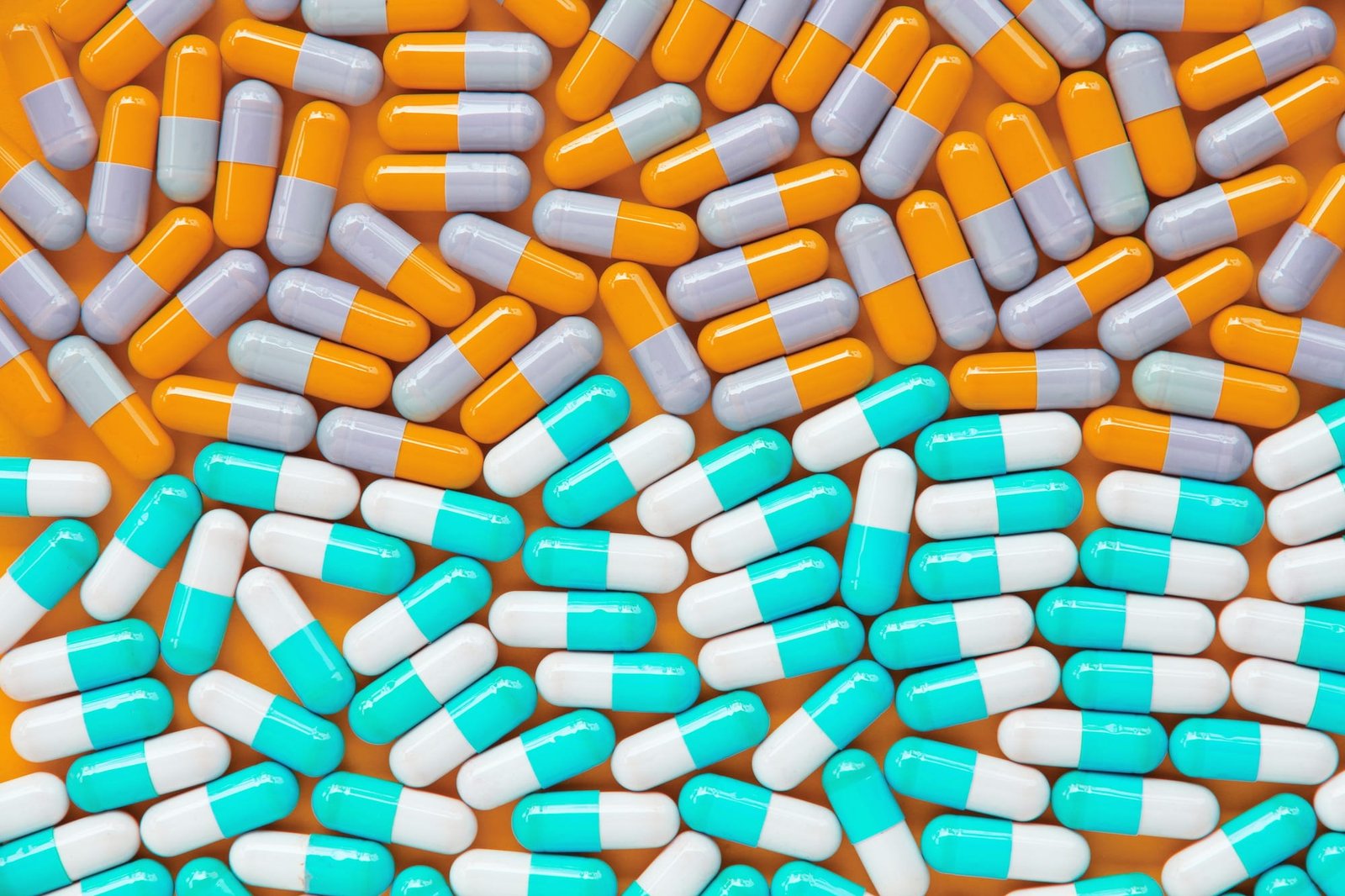 Fast-Dissolving
 Mucoadhesive
 Oral Thin Film
 Sublingual
Not all cellulose ether grades are suitable for oral film formulations. Pharmaceutical-grade HPMC must be selected and qualified.
Before evaluation or commercial application, confirm product specifications, Technical Data Sheet (TDS), Safety Data Sheet (SDS), Certificate of Analysis (CoA), and regulatory compliance information relevant to the dosage form.
Pharmaceutical-grade HPMC (Hydroxypropyl Methylcellulose) is the most widely used film-forming polymer in oral film formulations. It provides uniform film formation, mechanical strength, mucoadhesion to the oral mucosa, and controlled dissolution — with final performance depending on viscosity grade, polymer concentration, plasticizer type, film thickness, and the complete formulation system.
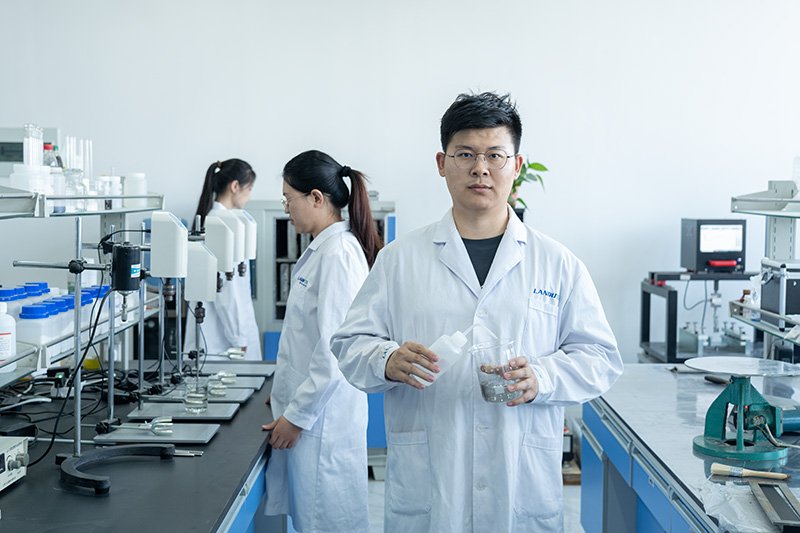
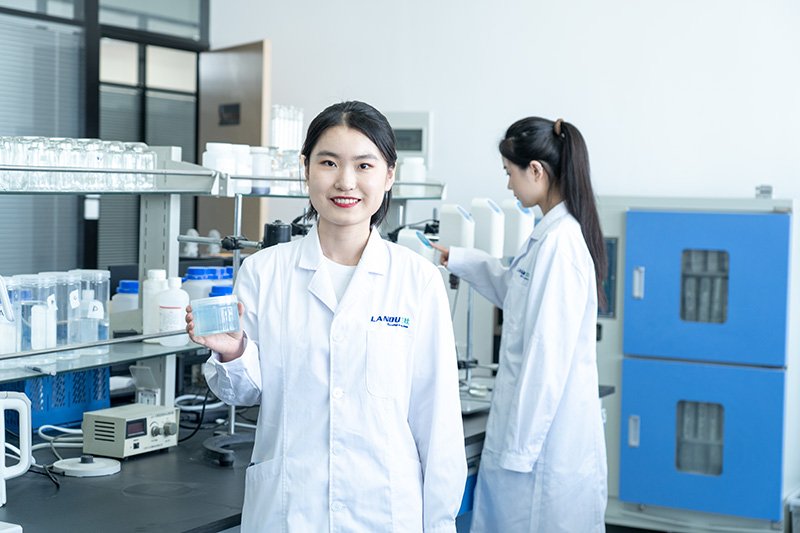
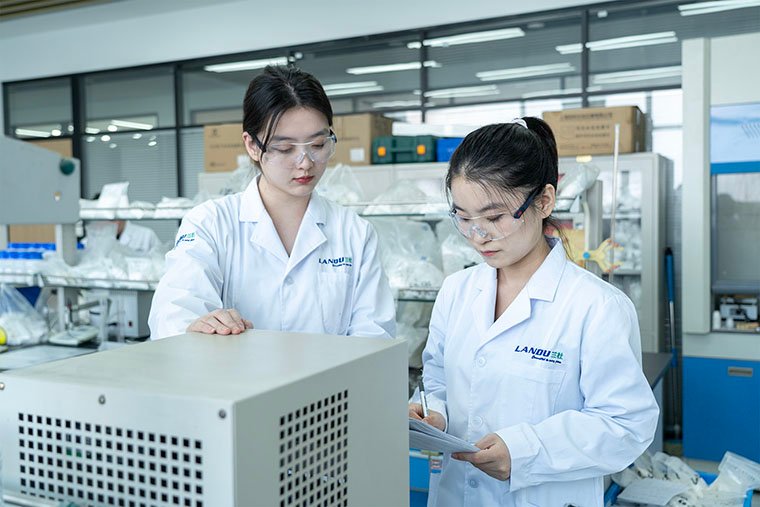 Film · Mucoadhesion · Dissolution
Oral films are thin polymeric strips designed to deliver active ingredients via buccal, sublingual, or oral cavity routes. They require polymers that form uniform, flexible, and rapid-dissolving films.
LANDERCOLL provides pharmaceutical-grade HPMC (Hydroxypropyl Methylcellulose), which is widely used in oral film formulations for its excellent film-forming properties, water solubility, mucoadhesion potential, and controlled dissolution performance. HPMC can support both immediate-release and modified-release oral film formulations.
Whether you are developing a fast-dissolving strip for pediatric compliance, a mucoadhesive buccal film for systemic delivery, or a modified-release sublingual system, the selection of the right cellulose ether grade is critical to achieving consistent film quality, mechanical integrity, and predictable API release.
Looking for pharmaceutical-grade HPMC for your oral film formulation?
Ask for a Product RecommendationHPMC acts as the primary film-forming polymer in oral film formulations. Without suitable cellulose ether, oral films may exhibit cracking, poor flexibility, uneven dissolution, inconsistent API delivery, or inadequate mucosal adhesion.
Uniform polymer distribution supports film integrity, mucoadhesion, and predictable API release in buccal and sublingual systems.
Immediate ReleaseMucoadhesivePediatric OTFSublingualOral films are manufactured primarily via solvent casting or hot-melt extrusion, both of which require polymers with well-defined viscosity, hydration behavior, and film-forming characteristics — all properties that pharmaceutical-grade HPMC reliably delivers.
| Component | Function |
|---|---|
| HPMC | Film formation, mechanical strength, mucoadhesion |
| Active Pharmaceutical Ingredient (API) | Therapeutic effect |
| Plasticizer | Improves film flexibility, reduces brittleness |
| Flavoring / Sweeteners | Enhance patient acceptability |
| Colorants | Provide visual identity and differentiation |
| Other Functional Excipients | Modify dissolution rate, adhesion, or stability |
Pharmaceutical-grade HPMC is the primary cellulose ether for oral films. Selected grades support rapid hydration, flexibility, film integrity, mucoadhesion, and controlled dissolution. LANDERCOLL HPMC is manufactured under GMP-compliant conditions with full pharmaceutical documentation.
 Primary · Film-Forming Polymer
Fast-dissolving, mucoadhesive, and functional oral film formulations
Pharmaceutical-grade HPMC is the primary cellulose ether for oral films. Selected grades support rapid hydration, flexibility, film integrity, mucoadhesion, and controlled dissolution. LANDERCOLL HPMC is available with full pharmaceutical documentation, including TDS, SDS, CoA, and pharmacopoeia-related compliance information (USP/NF, Ph. Eur., ChP).
Understanding the role of each component in an oral film system is essential for successful formulation development.
| Component | Function |
|---|---|
| HPMC | Film-forming polymer, mechanical integrity, mucoadhesion |
| API | Active ingredient delivery |
| Plasticizer (e.g., PEG, glycerin) | Film flexibility, prevents brittleness |
| Sweeteners / Flavors | Improve palatability and patient compliance |
| Colorants | Visual identification and brand recognition |
| Other Excipients | Modify dissolution rate, mucoadhesion, or stability |
The following reference concentration ranges apply to HPMC in oral film formulations. Actual levels should be determined through formulation development and pilot-scale trials.
Dosage levels may require adjustment based on API solubility, film thickness, intended release rate, plasticizer type, and process conditions. Contact LANDERCOLL technical support for grade-specific guidance.
depending on thickness and API load
depending on desired dissolution control
to support adhesion and hydration
HPMC provides uniform, smooth, and flexible polymeric films suitable for handling and patient use. Its controlled hydration behavior ensures consistent film thickness and surface quality across production batches.
Properly selected HPMC grades ensure films resist tearing, folding, or cracking during processing, storage, and administration. Mechanical strength is particularly critical for films that undergo die-cutting or individual unit packaging.
HPMC supports adhesion to the oral mucosa — including buccal and sublingual surfaces — allowing targeted or sustained release of APIs directly at the absorption site. Mucoadhesive performance depends on polymer grade, molecular weight, and concentration.
HPMC controls hydration and dissolution rate, enabling formulators to achieve either rapid disintegration for immediate-release systems or extended hydration for modified-release applications. Viscosity grade selection is the primary lever for dissolution tuning.
HPMC maintains consistent viscosity and handling behavior during solution preparation, mixing, and casting operations. This supports process reproducibility and reduces batch-to-batch variability in film properties.
Early-stage formulation screening with appropriate HPMC grades can prevent most development issues before scale-up. LANDERCOLL’s technical team is available to support troubleshooting and grade selection.
Low polymer content or improper plasticizer.
Adjust HPMC grade or plasticizer concentration.
Insufficient polymer or plasticizer.
Use higher HPMC level or suitable plasticizer.
Inadequate polymer dispersion or thickness variation.
Ensure proper HPMC dispersion and casting uniformity.
Low polymer viscosity or poor adhesion properties.
Select appropriate HPMC grade for mucoadhesion.
Low polymer content or absence of plasticizer.
Increase HPMC content and optimize plasticizer ratio.

Proper storage is essential to maintain the quality and performance of pharmaceutical-grade HPMC for oral film applications.
Because cellulose ether can absorb moisture, proper storage helps maintain powder flowability, dissolution behavior, viscosity performance, and product stability.
 25 kg · Sealed · GMP
LANDERCOLL provides technical guidance for HPMC grade selection, polymer concentration optimization, film flexibility, dissolution behavior, mucoadhesion performance, and process reproducibility in oral film formulations.
Our technical team can assist with grade selection, concentration optimization, mucoadhesion assessment, process parameter guidance for casting and drying, and full documentation support including TDS, SDS, CoA, and regulatory compliance information.
Grade selection based on target dissolution profile and film thickness
Concentration optimization for mechanical strength and flexibility
Mucoadhesion performance assessment for buccal and sublingual systems
Process parameter guidance for casting, drying, and packaging
Documentation support — TDS, SDS, CoA, pharmacopoeia compliance
Sample and quotation communication
Long-term qualified supply discussion
LANDERCOLL provides comprehensive pharmaceutical documentation to support your qualification, regulatory submission, and quality assurance processes.
Pharmaceutical-grade HPMC (Hydroxypropyl Methylcellulose) is the most widely used film-forming polymer in oral film formulations. It provides the combination of film formation, mechanical strength, mucoadhesion, and dissolution control required for buccal, sublingual, and oral cavity dosage forms.
HPMC directly controls film formation uniformity, mechanical strength, flexibility, mucoadhesion to the oral mucosa, and dissolution rate. The viscosity grade and concentration of HPMC are the primary formulation variables used to tune these performance attributes.
Typical reference levels range from 1–8% w/w, depending on the application: immediate-release films generally use 1–5% w/w, modified-release films 3–8% w/w, and mucoadhesive films 2–6% w/w. Final levels should be confirmed through formulation development and pilot trials.
Yes. Selected pharmaceutical-grade HPMC grades provide adequate adhesion to the oral mucosa, supporting buccal and sublingual delivery systems where prolonged contact with the mucosal surface is required for effective API absorption.
Yes. Only pharmaceutical-grade HPMC that meets recognized pharmacopoeia standards (such as USP/NF, Ph. Eur., or ChP) should be used in oral film formulations. Industrial or food-grade cellulose ethers do not meet the purity, safety, and documentation requirements for pharmaceutical dosage forms.
Grade selection should consider the desired film thickness, API physicochemical properties, plasticizer type, mucoadhesion requirements, and target dissolution profile. LANDERCOLL’s technical team can provide grade-specific recommendations based on your formulation parameters and performance targets.
Whether you are developing immediate-release, modified-release, or mucoadhesive oral films — LANDERCOLL can help you select the suitable pharmaceutical-grade HPMC for uniform film formation, mechanical strength, mucoadhesion, and dissolution performance.
Our pharmaceutical-grade HPMC portfolio is supported by full GMP documentation, pharmacopoeia compliance information, and dedicated technical support — giving your formulation team the confidence to move from development to commercial scale.
Pharmaceutical-Grade HPMC for Oral Film · Fast-Dissolving · Mucoadhesive · Buccal · Sublingual · Oral Thin Film · USP/NF · Ph. Eur. · ChP
 English English
  العربية
 Deutsch
 Українська
 Ελληνικά
 Español
 Español de Perú
 Français
 Magyar
 Bahasa Indonesia
 Italiano
 Português
 Türkçe
 Русский
 Nederlands
 Slovenčina
 Svenska
 Български
 Čeština
 Dansk
Dansk
 Eesti
Eesti
 Suomi
Suomi
 日本語
日本語
 한국어
한국어
 Lietuvių kalba
 Latviešu valoda
 Norsk bokmål
 Polski
 Português do Brasil
 Română
 Slovenščina
