Cellulose Ether Excellence — Trusted by 1000+ Enterprises Globally Get Free Sample



CMC, HPMC, and HEC cellulose ether solutions for slurry stability, water retention, fluid-loss control, viscosity adjustment, and pumpability in cement slurry systems.
CMC, HPMC, and HEC cellulose ether are used in selected cementing systems to improve slurry stability, water retention, fluid-loss control, viscosity adjustment, solids suspension, and pumpability balance — helping the cement slurry remain stable during mixing, pumping, and placement.
From oilfield well cementing and construction grouting to mining cementing, repair cementing, and specialty industrial cement-based applications — LANDERCOLL provides cellulose ether grades selected for cementing formulations worldwide.
— CMC · HPMC · HEC · Water Retention · Slurry Stability · Fluid-Loss Control · Pumpability · Cementing
 Oilfield Cementing
 Construction Grouting
 Slurry Lab
 Mining · Repair


 Water Retention · Slurry Stability · Pumpability
CMC, HPMC, and HEC cellulose ether are used in selected cementing systems to improve slurry stability, water retention, fluid-loss control, viscosity adjustment, solids suspension, and pumpability balance. A correctly selected grade helps the cement slurry remain stable during mixing, pumping, and placement — and reduces the risk of free water separation, solids settling, or excessive filtrate loss before setting.
Cementing systems are used across oilfield well cementing, construction grouting, mining cementing, repair cementing, and specialty industrial cement-based applications. In every case, the cement slurry must remain stable and workable throughout the full operational window — from initial mixing through pumping, placement, and early hydration.
LANDERCOLL provides cellulose ether grades selected for cementing applications. CMC is recommended for fluid-loss control support and suspension. HPMC is recommended for water retention, viscosity adjustment, and consistency. HEC may be considered in selected systems where non-ionic thickening or specialty rheology behavior is required.
A cement slurry that loses water too quickly, separates, sediments, or becomes unstable during pumping creates serious risks — poor placement quality, weak zone isolation, reduced compressive strength development, and unpredictable field performance. Cellulose ether helps build a more stable and controllable cement slurry structure that performs reliably from mixing through placement.
| Function | What It Means in Practice |
|---|---|
| Water retention | Reduces water migration and supports stable hydration |
| Fluid-loss control support | Reduces excessive filtrate movement into formations or substrate |
| Slurry stability | Maintains uniform distribution of cement particles and additives |
| Viscosity adjustment | Balances pumpability with suspension and stability requirements |
| Solids suspension | Keeps weighting materials, fillers, and particles in uniform suspension |
| Anti-settling behavior | Reduces risk of solids settling during static periods |
| Free water reduction | Supports reduction of bleed water in selected formulations |
| Pumpability balance | Maintains workable flow profile without excessive thickening |
| Consistency control | Supports repeatable slurry behavior batch to batch |
LANDERCOLL offers CMC, HPMC, and HEC grades selected for cementing systems. Product selection depends on cement type, water-to-cement ratio, temperature, pressure, and whether fluid-loss control, water retention, viscosity, or suspension is the primary performance requirement.

Fluid-loss control support, slurry stability, and consistency
Carboxymethyl Cellulose (CMC) may be used in selected cementing systems where fluid-loss control support, slurry stability, and suspension behavior are important. It helps reduce excessive water migration, supports stable distribution of cement particles and functional additives, and contributes to filtration control and slurry consistency when compatible with cement chemistry and the full additive package. Different CMC grades may be selected depending on the required viscosity contribution, filtration control level, and compatibility with cement type, salinity, and temperature conditions.

Water retention, viscosity adjustment, and pumpability balance
Hydroxypropyl Methylcellulose (HPMC) is widely used in cement-based materials for water retention, workability, and viscosity control. In selected cementing systems, HPMC may help improve slurry stability, reduce water separation, support consistent placement behavior, and maintain workable viscosity during pumping. HPMC use in cementing should be validated through testing, as performance depends on cement type, water-to-cement ratio, temperature, pressure, additives, salinity, and placement conditions.

Non-ionic rheology, viscosity control, and suspension support
Hydroxyethyl Cellulose (HEC) may be considered in selected cementing, grouting, or water-based slurry systems where non-ionic thickening, smooth viscosity development, and stability support are required. Its non-ionic character provides broader compatibility with salts, pH conditions, and divalent ions compared to anionic grades. HEC should be tested with cement, salts, pH conditions, dispersants, accelerators, retarders, and other additives before commercial use.
Not sure which grade fits your cementing system? Ask for a Product Recommendation →
Cementing formulations typically include cement, water, cellulose ether, fluid-loss additives, dispersants, retarders or accelerators, and other functional additives designed to meet specific placement and performance requirements.
| Component | Function in Cementing |
|---|---|
| Cement | Main binding and hardening material |
| Water | Hydration and slurry medium |
| Cellulose Ether | Water retention, viscosity, suspension, and fluid-loss control support |
| Fluid-Loss Additives | Reduce filtrate loss in selected systems |
| Dispersants | Adjust slurry flow and reduce excessive viscosity |
| Retarders | Extend setting time where required |
| Accelerators | Shorten setting time where required |
| Weighting Materials | Increase slurry density in selected applications |
| Lightweight Fillers | Reduce density or adjust performance |
| Defoamers | Reduce entrapped air and foam |
| Other Additives | Adjust stability, setting, strength development, or placement behavior |
Different cementing systems require different cellulose ether performance profiles. The table below provides a practical selection reference for cementing engineers and formulation specialists.
| Application Type | Recommended Direction | Main Performance Requirements |
|---|---|---|
| Oilfield Cementing Slurry | CMC / selected cellulose ether | Fluid-loss control, slurry stability, pumpability |
| Construction Cementing | HPMC / CMC | Water retention, workability, consistency |
| Grouting Cement Slurry | HPMC / HEC / CMC | Stability, viscosity, suspension |
| Mining Cementing | CMC / HPMC | Pumpability, anti-settling, slurry stability |
| Lightweight Cementing | CMC / HPMC | Filler suspension, water control, consistency |
| High-Density Cementing | CMC / selected grade | Solids suspension, filtration control, stability |
| Repair Cementing | HPMC / CMC | Water retention, adhesion support, workability |
| Specialty Cement-Based Slurry | HPMC / CMC / HEC | Customized rheology and stability |
Reference dosage ranges for cellulose ether in cementing applications (% by cement weight). Actual dosage should be determined through laboratory testing and field performance validation.
These ranges are starting references only. Final dosage must be confirmed through fluid-loss testing, rheology testing, free water testing, thickening time evaluation, pumpability testing, stability testing, and final performance validation.
| Application | Typical Reference Dosage (% by cement weight) |
|---|---|
| Oilfield Cementing Slurry | 0.1% – 0.8% |
| Construction Cementing | 0.1% – 0.6% |
| Grouting Cement Slurry | 0.1% – 0.8% |
| Mining Cementing | 0.1% – 0.8% |
| Lightweight Cementing | 0.2% – 1.0% |
| High-Density Cementing | 0.2% – 0.8% |
| Repair Cementing | 0.1% – 0.6% |
| Specialty Cement-Based Slurry | 0.1% – 1.0% |
Cellulose ether — particularly HPMC — helps retain water in the cement slurry, supporting more stable hydration, improved slurry consistency, and reduced water separation. Adequate water retention is essential for maintaining the water-to-cement ratio throughout the placement process and supporting uniform strength development.
CMC can support fluid-loss control in selected cement slurry systems by reducing the rate of excessive filtrate movement into permeable formations, substrates, or surrounding materials. Effective fluid-loss control helps maintain slurry integrity, supports zone isolation, and reduces the risk of premature dehydration.
A suitable cellulose ether grade helps maintain uniform slurry structure and supports stable distribution of cement particles, fillers, and weighting materials throughout the mixing, pumping, and placement process. Stable slurry behavior reduces the risk of channeling, poor zone coverage, and inconsistent set quality.
Cellulose ether helps adjust slurry viscosity and rheology to balance suspension performance with pumpability and placement requirements. The viscosity contribution depends on the grade selected, dosage, cement type, water ratio, temperature, and the full additive system.
Cementing systems may contain dense weighting materials, lightweight fillers, or specialty particles that are prone to settling during static periods. Cellulose ether can support suspension stability and reduce settling risk in selected formulations, helping maintain uniform slurry density from top to bottom.
Cement slurry must remain stable and suspending but not too viscous to pump efficiently over the required distance and time. Cellulose ether grade and dosage should be selected to maintain a workable, pumpable flow profile without compromising suspension or water retention performance.
When cementing slurry performance fails, the cellulose ether grade, dosage, or formulation balance is often the first variable to review. The guide below maps typical symptoms to likely causes and practical support strategies.
Weak filtration control or poor additive balance.
CMC supports fluid-loss control in selected systems.
Low water retention or unstable slurry.
HPMC / CMC support water retention and stability.
Poor suspension or high-density solids.
Improve viscosity and suspension support.
Low viscosity or insufficient stabilizer.
Adjust cellulose ether grade and dosage.
Excessive polymer or poor dispersant balance.
Optimize dosage and dispersant system.
Wrong viscosity profile or unstable rheology.
Balance cellulose ether grade with flow additives.
Additive incompatibility or temperature effect.
Confirm full formulation compatibility through testing.
Cement variation, water quality, or temperature changes.
Test under representative operating conditions.
Poor slurry stability or channeling.
Improve slurry uniformity and placement consistency.
Excessive polymer dosage or hydration interference.
Optimize dosage and confirm through strength testing.
Understanding what influences cellulose ether behavior in a cementing system helps with grade selection, dosage optimization, and troubleshooting under field or production conditions.
Different cement types and mineral compositions — including API Class A, C, G, H, and specialty cements — affect hydration rate, viscosity response, setting behavior, and compatibility with cellulose ether. Grade selection should account for the specific cement being used.
Water level directly affects slurry viscosity, free water tendency, pumpability, hydration quality, and final strength development. Cellulose ether performance is influenced by the water content available for hydration and polymer dissolution.
Elevated downhole temperature and pressure conditions can affect thickening time, polymer thermal stability, fluid-loss behavior, and slurry rheology. Grade selection and dosage should be evaluated under the expected temperature and pressure range.
Freshwater, brine, calcium-containing water, and contaminated mix water can influence cellulose ether hydration rate, viscosity development, and filtration performance. Anionic grades such as CMC are more sensitive to high salinity and divalent ions.
Dispersants, retarders, accelerators, defoamers, weighting agents, and fluid-loss additives can interact with cellulose ether and affect slurry behavior. Full additive compatibility should be confirmed through laboratory testing before field use.
Weighting materials, lightweight fillers, and fine cement particles influence suspension requirements, settling risk, viscosity demand, and slurry stability. The solids loading must be considered when selecting cellulose ether grade and dosage.
Mixing speed, shear intensity, hydration time, and addition sequence affect polymer dispersion quality and final slurry consistency. Cellulose ether should be properly dispersed and hydrated before use.
Pumping distance, placement method, annular geometry, temperature gradient, and total operation time all affect final cementing performance. Slurry properties must be validated under conditions representative of the actual placement operation.
Choosing the right cellulose ether for cementing requires balancing water retention, fluid-loss control support, viscosity, suspension, pumpability, thickening time compatibility, and full additive system compatibility.
LANDERCOLL can help review your cementing system and recommend suitable CMC, HPMC, HEC, or selected cellulose ether grades for laboratory testing and field evaluation.
What cementing application — oilfield, construction, mining, grouting, or repair?
What cement type and water-to-cement ratio are specified?
What fluid-loss or free-water control target is required?
What viscosity and pumpability profile are needed for placement?
What temperature and pressure conditions are expected downhole or on site?
Are salts, weighting materials, fillers, or special additives included?
What setting time or thickening time target is required?
Is slurry stability, suspension, water loss, or pumpability the primary concern?
What testing method or performance standard is used — API, ISO, or internal specification?
What field or production validation process is planned before commercial use?
Not sure which cellulose ether grade fits your cementing system? LANDERCOLL can recommend a practical starting grade for laboratory testing.
Ask for Cementing Grade Recommendation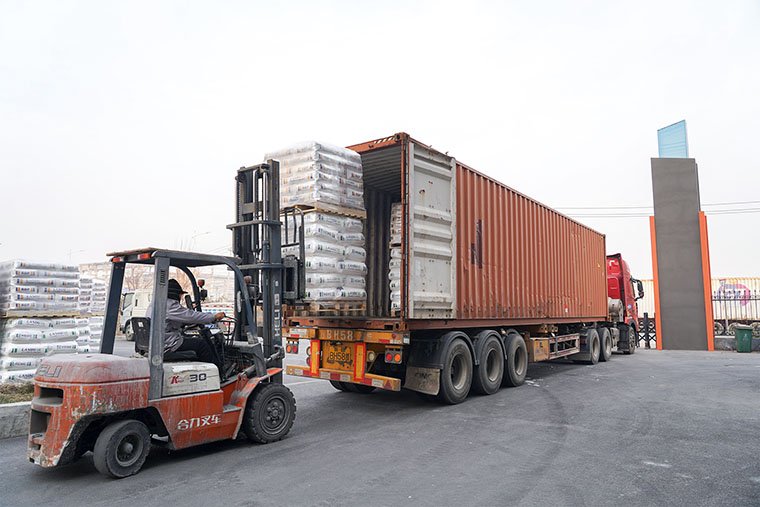
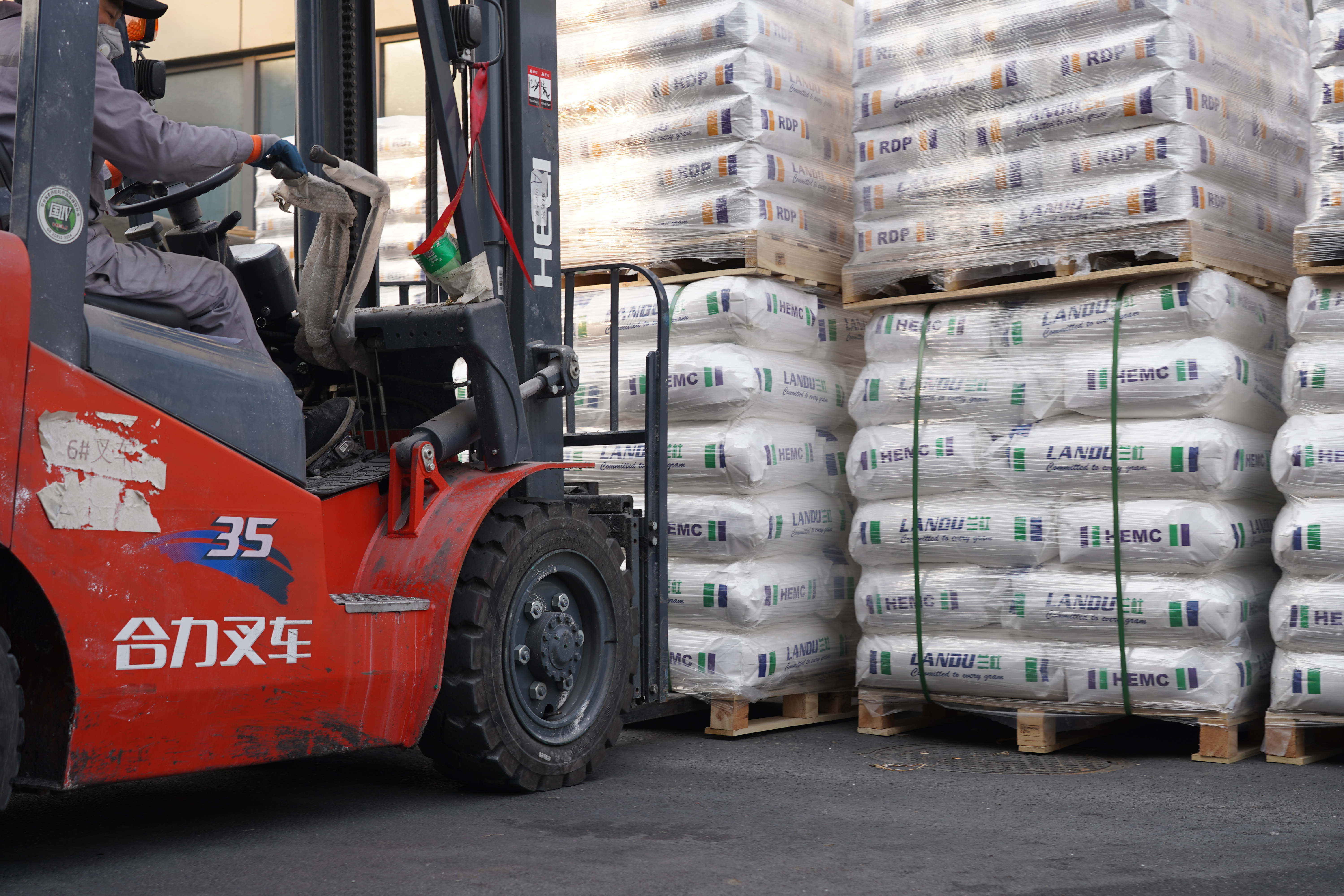 Hygroscopic · Seal When Not in Use
LANDERCOLL provides product-related documentation to support cementing formulation testing, purchasing review, quality evaluation, and project approval processes.
Request Product DocumentsIf your cementing slurry is experiencing excessive fluid loss, free water separation, solids settling, unstable viscosity, poor pumpability, inconsistent thickening time, or unpredictable field performance — the cellulose ether grade or dosage may need to be reviewed.
LANDERCOLL can help evaluate suitable CMC, HPMC, HEC, or selected cellulose ether options based on your cement type, water-to-cement ratio, temperature, pressure, salinity, additive package, fluid-loss target, viscosity target, and pumpability requirement.
CMC grade selection for fluid-loss control and suspension support
HPMC grade selection for water retention and slurry consistency
HEC evaluation for selected specialty cementing systems
Viscosity and rheology adjustment discussion
Free water and bleed water reduction support
Solids and filler suspension guidance
Pumpability and thickening time balance evaluation
Additive compatibility direction
Dosage reference and starting point recommendations
Sample arrangement and quotation communication
Technical documentation for project review and approval
CMC, HPMC, and HEC may each be used in selected cementing systems depending on the application and performance requirements. CMC is primarily used for fluid-loss control support and suspension. HPMC is used for water retention, viscosity adjustment, and consistency. HEC may be considered in selected systems where non-ionic thickening or broader electrolyte compatibility is needed.
CMC helps support fluid-loss control, viscosity adjustment, solids suspension, and slurry stability in selected cementing systems. It reduces excessive water migration into permeable formations or surrounding materials, supports uniform particle distribution, and contributes to consistent slurry behavior during mixing, pumping, and placement.
HPMC helps improve water retention, viscosity control, slurry consistency, and free-water reduction in selected cement-based slurry systems. It is particularly useful in construction cementing, grouting, and repair applications where workability, water retention, and stable placement behavior are important.
Cellulose ether — particularly HPMC and CMC — can help improve water retention and slurry stability, which may reduce free water bleed in selected formulations. Final results depend on cement chemistry, water-to-cement ratio, additive package, temperature, and testing conditions.
Cellulose ether can help adjust viscosity and suspension behavior to support workable pumpability. However, excessive dosage may increase viscosity beyond the pumpable range. Grade selection and dosage must be carefully tested and balanced with dispersants and other flow-control additives.
A common reference dosage range is approximately 0.1%–1.0% by cement weight, depending on the cementing application, cement type, water ratio, viscosity target, fluid-loss target, and cellulose ether grade. Lightweight and specialty systems may require higher dosages. Final dosage must be confirmed through laboratory testing.
Cellulose ether may influence hydration behavior, thickening time, and early strength development depending on grade, dosage, and cement system. Some grades may slightly retard setting at higher dosages. Final performance — including thickening time, compressive strength, and set quality — must be confirmed through cementing laboratory tests under representative conditions.
Start by defining the cementing application, cement type, water-to-cement ratio, temperature, pressure, salinity, additive package, fluid-loss target, viscosity target, pumpability requirement, and final performance criteria. LANDERCOLL can recommend suitable CMC, HPMC, HEC, or selected cellulose ether grades for your specific cementing system and arrange samples for laboratory evaluation.
Whether you develop oilfield cementing slurry, construction cementing systems, grouting cement slurry, mining cementing systems, lightweight cementing, high-density cementing, repair cementing, or specialty cement-based slurry formulations — LANDERCOLL can help you identify the right cellulose ether grade for better water retention, slurry stability, fluid-loss control support, solids suspension, and consistent cementing performance.
Our technical team is available to review your cementing system, recommend suitable CMC, HPMC, or HEC grades, provide dosage references, arrange samples, and support your evaluation from initial laboratory testing through to field application.
CMC for Fluid-Loss Control · HPMC for Water Retention · HEC for Specialty Systems · Slurry Stability · Pumpability · Free Water · Oilfield · Construction · Grouting · Mining · Lightweight · High-Density · Repair Cementing.
All performance data, dosage references, and formulation guidance provided on this page are for reference only. Final suitability must be confirmed through testing under your specific cementing system and operating conditions. LANDERCOLL reserves the right to update product information without prior notice.
 English English
  العربية
 Deutsch
 Українська
 Ελληνικά
 Español
 Español de Perú
 Français
 Magyar
 Bahasa Indonesia
 Italiano
 Português
 Türkçe
 Русский
 Nederlands
 Slovenčina
 Svenska
 Български
 Čeština
 Dansk
Dansk
 Eesti
Eesti
 Suomi
Suomi
 日本語
日本語
 한국어
한국어
 Lietuvių kalba
 Latviešu valoda
 Norsk bokmål
 Polski
 Português do Brasil
 Română
 Slovenščina
