Cellulose Ether Excellence — Trusted by 1000+ Enterprises Globally Get Free Sample
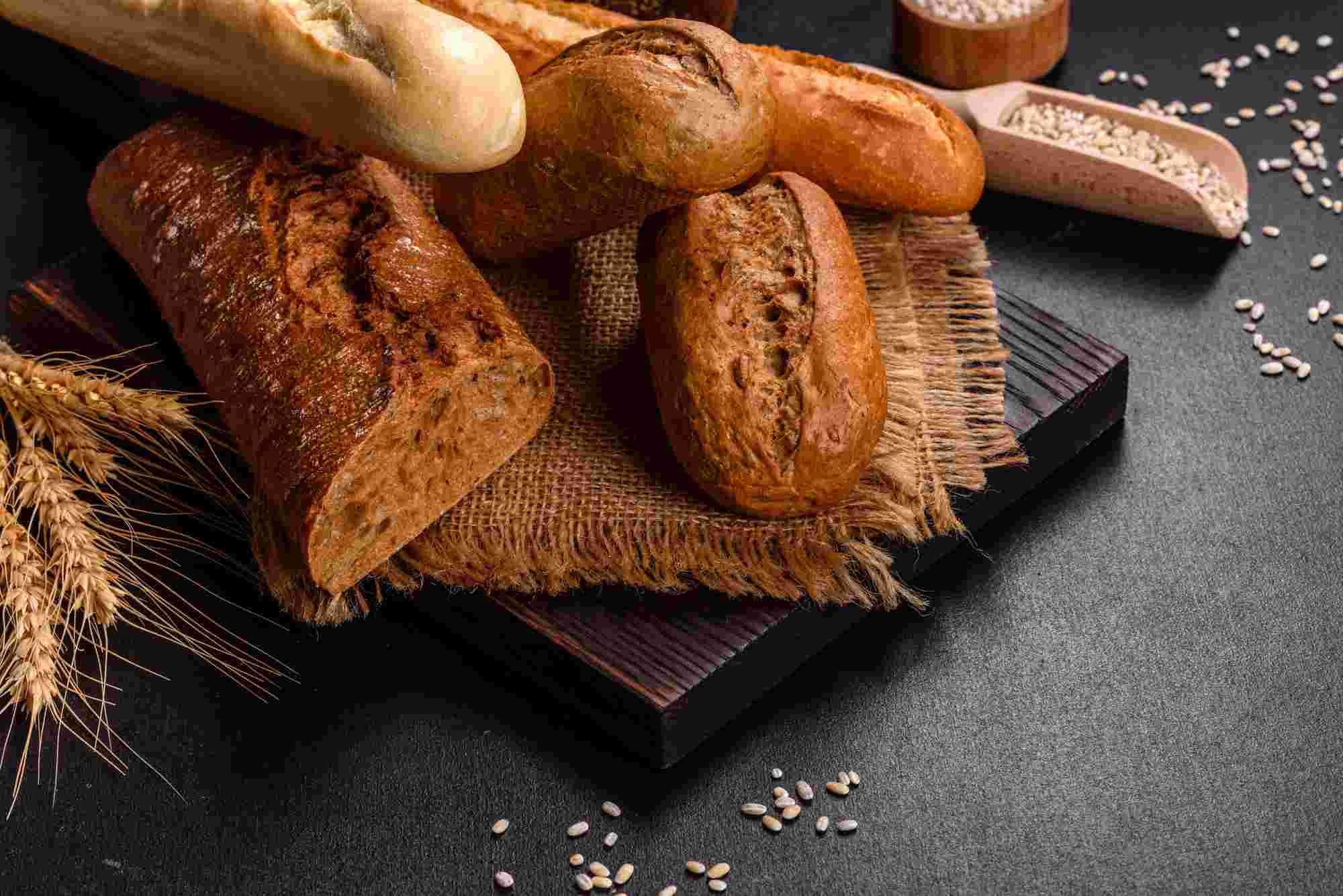


Food-grade HPMC and CMC solutions for moisture retention, dough stability, texture improvement, volume support, and shelf-life performance in bakery products.
LANDERCOLL food-grade cellulose ether helps bakery manufacturers improve dough handling, batter viscosity, moisture control, crumb softness, structure stability, and product consistency in bread, cakes, pastries, gluten-free bakery, and frozen bakery systems.
— Food-Grade HPMC · CMC · Bread · Gluten-Free · Cakes · Frozen Dough · Moisture Retention · Texture Control
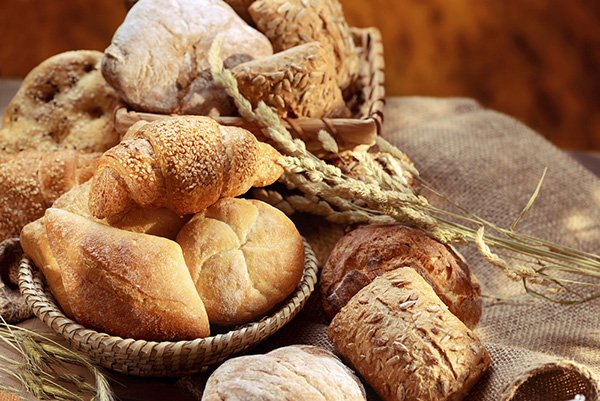 Bread
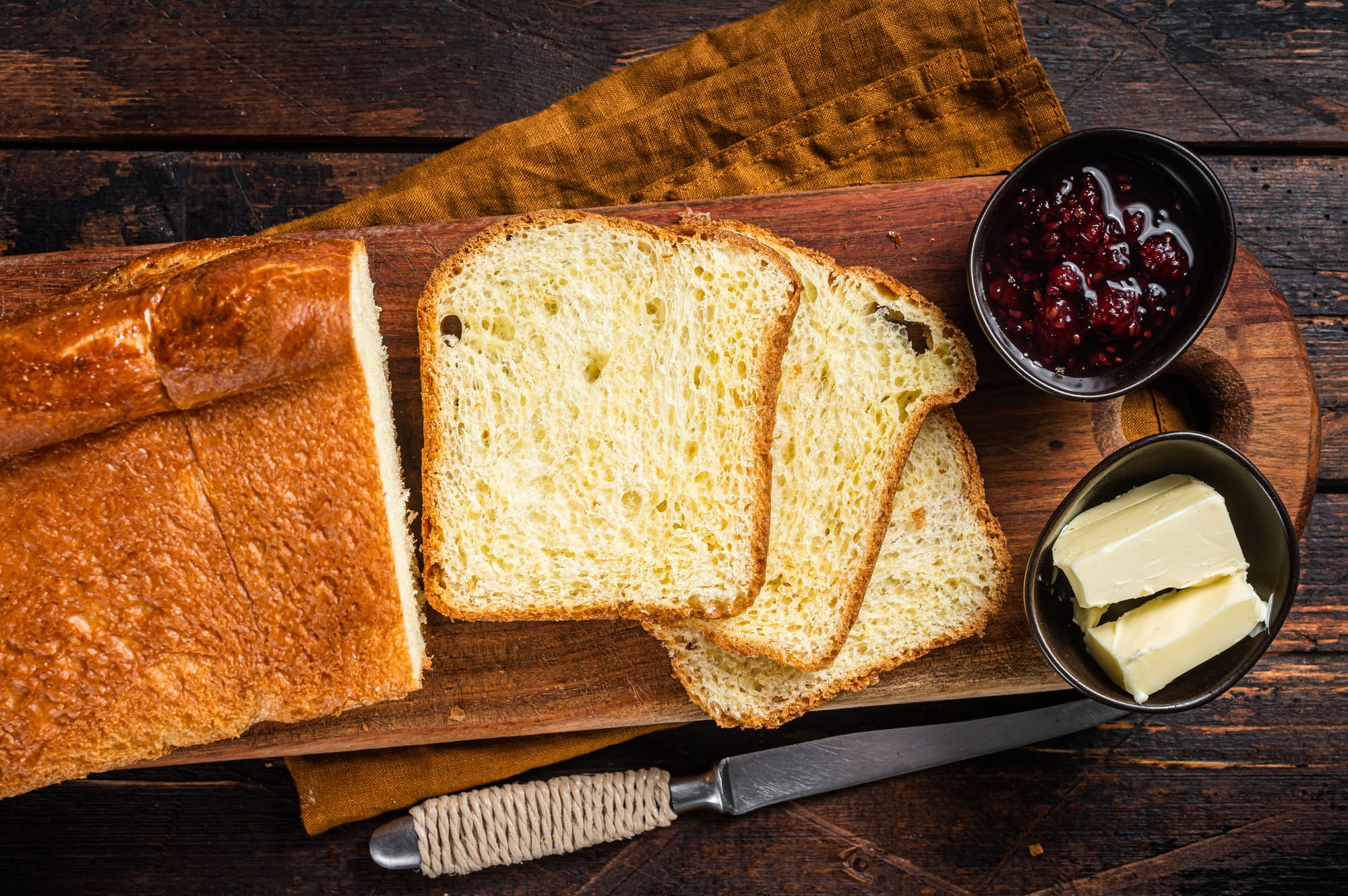
Bread Gluten-Free
 Cakes
Cakes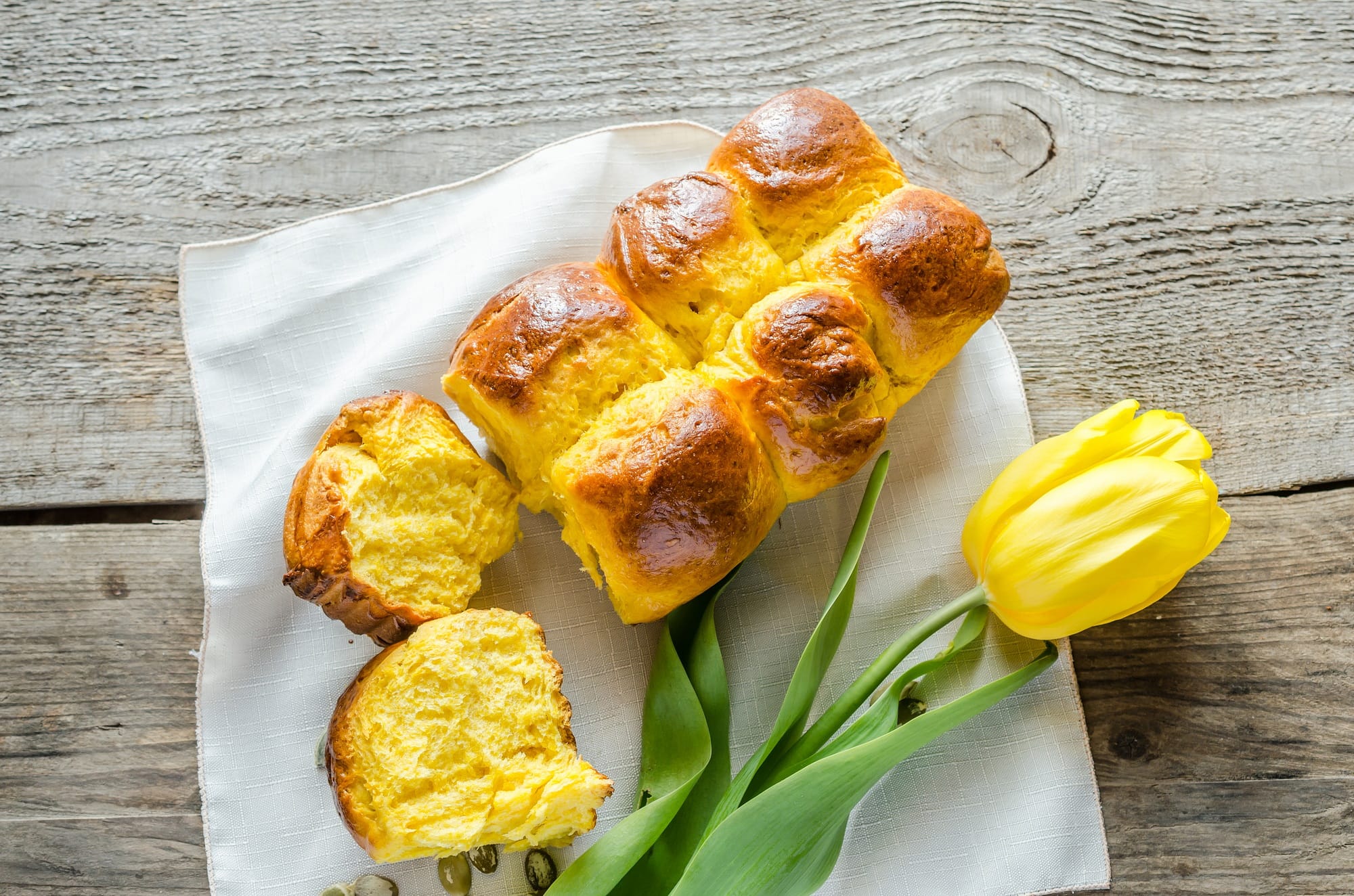 Frozen Dough
Food applications require suitable food-grade cellulose ether products and appropriate documentation. Not every cellulose ether grade is suitable for food use.
Before evaluation or commercial application, customers should confirm product specifications, food-grade status, Technical Data Sheet, Safety Data Sheet, Certificate of Analysis, regulatory compliance information, allergen statements, GMO information, and any documents required by the target market and final food category. Final suitability must be confirmed through customer testing, food safety review, regulatory review, and production validation.
Food-grade HPMC and CMC are the primary cellulose ethers used in selected bakery products. HPMC is widely used for water retention, dough viscosity, structure support, and gluten-free bakery performance — including thermal gelation behavior during baking. CMC supports moisture retention, viscosity control, and texture stabilization in fillings, batters, flatbread, and selected dough systems. Typical starting dosages range from 0.2%–2.0%, depending on product type and texture target.
Moisture · Texture · Structure
Bakery products require balanced water control, dough strength, batter viscosity, gas retention, crumb structure, softness, and processing stability. In many bakery systems, cellulose ether can help improve moisture retention, texture, shape stability, and formulation consistency.
LANDERCOLL provides suitable food-grade HPMC and CMC for selected bakery applications. HPMC is especially useful in gluten-free bakery, bread, cakes, and structured bakery systems because it can help improve water retention, viscosity, thermal gel behavior, and crumb structure. CMC may be used in selected bakery formulations where moisture retention, viscosity control, and texture stabilization are required.
A suitable cellulose ether grade can help bakery manufacturers improve dough handling, reduce dryness, support volume, improve softness, stabilize batter systems, and maintain more consistent quality during production and storage.
Looking for food-grade cellulose ether for your bakery formulation?
Ask for a Product RecommendationDifferent bakery product categories present distinct formulation challenges in water management, structure formation, texture, and processing stability.
| Product Category | Key Formulation Challenges |
|---|---|
| Bread | Moisture retention, softness, volume, shelf life |
| Gluten-Free Bread | Structure support, gas retention, crumb cohesion |
| Cakes and Muffins | Batter viscosity, softness, moisture balance |
| Pastries | Texture stability, moisture retention, handling |
| Buns and Rolls | Softness, dough handling, shelf-life support |
| Tortillas / Flatbread | Flexibility, moisture retention, anti-cracking |
| Frozen Dough | Freeze-thaw stability, moisture control |
| Bakery Fillings and Toppings | Viscosity, stability, texture control |
| Reduced-Fat Bakery | Mouthfeel, moisture balance, structure |
Bakery products must maintain good processing behavior and final eating quality throughout production, distribution, and storage. Food-grade cellulose ether helps improve water binding, viscosity, dough stability, and texture control — with HPMC supporting structure through thermal gelation during baking, and CMC improving moisture retention in batters, fillings, and dough systems.
LANDERCOLL provides food-grade HPMC and CMC for selected bakery applications. All grade selections should be confirmed through baking trials, sensory evaluation, and customer food safety qualification.

Food-grade hydroxypropyl methyl cellulose for water retention & structure
HPMC is a key cellulose ether for selected bakery applications. It helps control water, improve viscosity, support structure formation, and maintain product softness. Its thermal gelation behavior — forming a gel upon heating and re-dissolving upon cooling — can help support structure during baking. In gluten-free bakery, HPMC is one of the most widely used hydrocolloids for dough viscosity, gas retention support, and crumb structure.

Food-grade carboxymethyl cellulose for moisture & texture control
CMC may be used in selected bakery formulations where moisture control, viscosity adjustment, and texture stability are required. It can help improve product softness, reduce moisture loss, and support more consistent texture in cakes, fillings, toppings, tortillas, and selected dough systems.
Different bakery systems require different cellulose ether functions and grades. The table below provides a practical selection reference for bakery formulators and product developers.
Moisture retention, softness, volume support
Structure support, gas retention, crumb improvement
Batter viscosity, softness, moisture control
Texture stability, moisture retention, handling
Softness, dough handling, shelf-life support
Flexibility, moisture retention, anti-cracking
Freeze-thaw stability, dough handling, moisture control
Viscosity, stability, texture control
Texture improvement, mouthfeel support, moisture balance
Bakery formulations vary by product type, flour system, gluten level, fat level, moisture content, processing method, and shelf-life target.
| Component | Function in Bakery Products |
|---|---|
| Flour / Starch | Main structure and bulk |
| Water | Hydration, dough formation, texture |
| Sugar | Sweetness, browning, tenderness, fermentation support |
| Fat / Oil | Softness, mouthfeel, flavor, shelf-life support |
| Yeast / Leavening Agents | Gas generation and volume |
| Salt | Flavor and dough strength adjustment |
| Proteins / Gluten | Structure and elasticity where used |
| Emulsifiers | Texture, softness, gas retention support |
| Cellulose Ether (HPMC / CMC) | Water retention, viscosity, texture, structure support |
| Enzymes | Dough handling, softness, processing support |
| Preservatives | Shelf-life support where applicable |
| Flavors / Colors | Taste and appearance |
| Other Functional Ingredients | Adjust texture, nutrition, stability, or processing behavior |
Cellulose ether dosage in bakery products depends on product type, water level, flour or starch system, texture target, processing method, and desired shelf-life support.
These dosage ranges are starting references only. Final dosage should be confirmed through dough testing, batter viscosity testing, baking trials, texture analysis, sensory evaluation, freeze-thaw testing where applicable, and shelf-life evaluation.
Cellulose ether helps retain water in dough, batter, and finished bakery products. Better water retention can help reduce dryness, support a softer crumb, and extend the perception of freshness during storage — particularly important in bread, cakes, and gluten-free products.
HPMC and CMC help adjust dough or batter viscosity. Proper viscosity supports processing stability, shape control, uniform distribution of ingredients, and consistent behavior during mixing, sheeting, molding, and depositing operations.
In selected bakery systems — especially gluten-free formulations — HPMC can help support gas retention and crumb structure through its thermal gelation behavior during baking. Final volume and structure depend on the complete formulation and baking process conditions.
Cellulose ether can help maintain a softer crumb by improving moisture balance and texture stability in selected bakery products. This is particularly relevant for bread and cake products where crumb softness is a key consumer quality attribute.
Cellulose ether helps improve texture uniformity, reduce crumbling, improve bite quality, and support more consistent eating experience across production batches and storage periods.
In frozen dough and par-baked systems, cellulose ether may help support moisture control and processing stability during freezing, thawing, proofing, and baking — reducing quality loss associated with freeze-thaw stress.
In selected reduced-fat bakery formulations, cellulose ether can help improve mouthfeel, moisture balance, and structure where fat reduction adversely affects texture and eating quality.
Cellulose ether can help improve many bakery texture and processing issues, but final product quality depends on flour or starch system, gluten level, water addition, mixing, proofing, baking, cooling, packaging, storage, and complete formulation design.
Moisture loss, low water retention, starch retrogradation.
Improves water retention and softness support.
Weak structure, poor gas retention, gluten-free challenge.
HPMC supports structure and gas retention in selected systems.
Weak binding, poor moisture balance, low structure.
Supports texture cohesion and moisture balance.
Excess water, unsuitable hydrocolloid dosage.
Adjust grade and dosage for handling balance.
Low gluten, weak structure, poor viscosity.
Supports dough viscosity and structural integrity.
Weak batter stability, poor viscosity, excess moisture.
Supports batter viscosity and structure stability.
Moisture loss, poor flexibility, weak formulation.
CMC or HPMC supports moisture retention and flexibility.
Freeze-thaw stress, moisture migration.
Supports water control and processing stability.
Understanding the key variables that influence cellulose ether behavior in bakery systems is essential for successful formulation development.
Wheat, rice, corn, tapioca, and gluten-free blends interact differently with cellulose ether.
Gluten-free systems require more structural support from cellulose ether.
Affects hydration, dough handling, viscosity, and final texture.
Influence tenderness, moisture balance, viscosity, and eating quality.
Proper dispersion of cellulose ether is important for consistent performance.
Oven temperature, time, and humidity affect structure formation and water loss.
Frozen systems require evaluation under actual freeze-thaw and baking conditions.
Too little may be insufficient; too much may create gummy texture or processing difficulty.
Choosing cellulose ether for bakery applications requires matching product type, processing method, water level, texture target, and regulatory requirements. The following questions guide early-stage selection.
What bakery product are you producing — bread, gluten-free bread, cake, muffin, pastry, flatbread, frozen dough, or filling?
What flour or starch system is used?
Is the product gluten-containing or gluten-free?
What texture target is required — softness, elasticity, chewiness, or volume?
What water level and fat level are used in the formulation?
Is the product fresh, frozen, par-baked, or shelf-stable?
What processing method and baking conditions are used?
What food-grade documentation is required for the target market?
Are there allergen, GMO, Halal, or Kosher requirements to consider?
LANDERCOLL can help review your bakery formulation direction and recommend suitable food-grade HPMC or CMC grade options for evaluation.
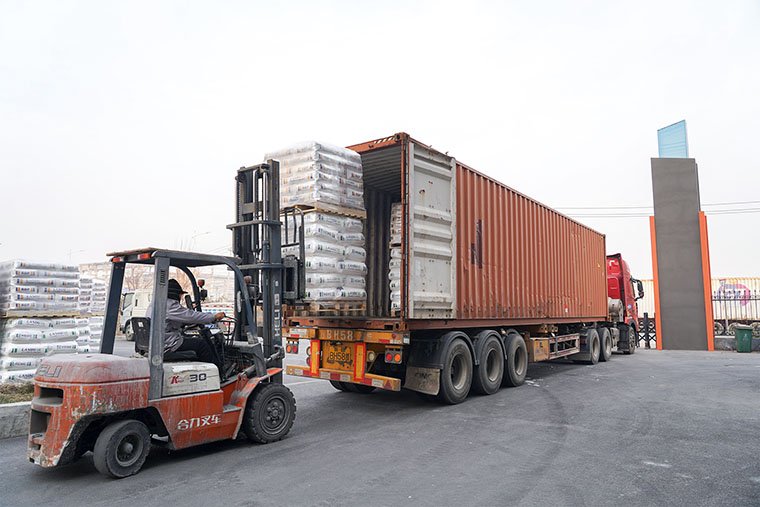
Ask for Grade RecommendationLANDERCOLL food-grade cellulose ether for bakery applications is supplied in packaging suitable for protected transportation, storage, and food production handling.
| Parameter | Reference |
|---|---|
| Standard Pack Size | 25 kg per bag or drum (depending on grade) |
| Inner Liner | Moisture-protective inner liner |
| Palletized Packaging | Available upon request |
| Custom Packaging | Available for qualified supply cooperation |
 25 kg · Sealed · Food Grade
If your bakery product has dry crumb, poor volume, weak structure, sticky dough, crumbly texture, cake collapse, flatbread cracking, or frozen dough instability, the cellulose ether type, grade, and dosage may need to be reviewed.
LANDERCOLL can help evaluate suitable food-grade HPMC and CMC options based on your product type, flour or starch system, water level, processing method, baking condition, and texture target.
Food-grade HPMC and CMC grade selection for your specific bakery application
Dosage reference based on product type and processing conditions
Moisture retention support for crumb softness and shelf-life improvement
Dough and batter viscosity discussion for processing stability
Gluten-free bakery structure support for bread and cake development
Frozen dough stability discussion for freeze-thaw performance
Documentation support including TDS, SDS, CoA, and food-grade compliance information
Sample and quotation communication for evaluation and commercial planning
LANDERCOLL provides comprehensive food-grade documentation to support bakery formulation testing, supplier approval, quality review, and regulatory assessment.
| Document | Availability |
|---|---|
| Technical Data Sheet (TDS) | Available |
| Safety Data Sheet (SDS) | Available |
| Certificate of Analysis (CoA) | Available |
| Product Specification | Available |
| Food-Grade Statement | Where applicable |
| Allergen Statement | Where applicable |
| GMO Statement | Where applicable |
| Halal / Kosher Information | Where applicable |
| Heavy Metals Information | Where applicable |
| Microbiological Data | Where applicable |
| Packaging and Storage Information | Available |
| Export-Related Documents | Where applicable |
Food-grade HPMC and CMC are the primary cellulose ethers used in selected bakery products. HPMC is widely used for water retention, dough viscosity, structure support, and gluten-free bakery performance. CMC is used in selected systems for moisture retention, viscosity control, and texture stabilization — particularly in fillings, toppings, flatbread, and selected dough systems.
HPMC helps improve water retention, dough or batter viscosity, structure support, crumb softness, and gluten-free bakery performance. Its thermal gelation behavior — forming a gel upon heating and re-dissolving upon cooling — can help support structure and gas retention during the baking process in selected formulations.
CMC can support moisture retention, viscosity control, texture stability, softness, and flexibility in selected bakery systems. It is particularly useful in bakery fillings, toppings, icings, tortillas, and flatbread where moisture control and texture consistency are important.
Yes. HPMC is one of the most commonly used hydrocolloids in gluten-free bakery formulations. It can help improve dough viscosity, gas retention support, crumb structure, and final texture in gluten-free bread and cake systems. Final results depend on the complete formulation, flour or starch blend, and baking process.
Cellulose ether can support moisture retention and texture stability, which may help maintain crumb softness and freshness perception during storage. Final shelf-life performance depends on formulation design, packaging, water activity, storage temperature, and humidity conditions.
Typical starting reference ranges are 0.2%–2.0%, depending on product type, cellulose ether grade, water level, and texture target. Gluten-free bread systems generally require higher levels (0.5%–2.0%) compared to conventional bread (0.2%–1.0%). Final dosage should always be confirmed through baking trials and sensory evaluation.
No. Food applications require suitable food-grade cellulose ether with appropriate food safety documentation, regulatory compliance information, and customer qualification. Industrial-grade materials do not meet the purity, safety, and documentation requirements for food use.
Start with product type, flour or starch system, gluten level, water level, fat level, processing method, baking conditions, texture target, and required food-grade documentation. LANDERCOLL can help recommend suitable grade directions for evaluation based on your specific bakery application.
Whether you produce bread, gluten-free bakery products, cakes, muffins, pastries, buns, flatbread, frozen dough, bakery fillings, or reduced-fat bakery products — LANDERCOLL can help you choose suitable food-grade HPMC or CMC for moisture retention, structure support, texture control, and processing stability.
Our food-grade cellulose ether portfolio is supported by full technical documentation, food safety compliance information, and dedicated application support — helping your bakery development team achieve more consistent product quality from trial to commercial production.
Food-Grade Cellulose Ethers for Bakery, Dairy, Sauces & Dressings, Frozen Foods, Beverage Systems, and Specialty Food Applications.
 English English
  العربية
 Deutsch
 Українська
 Ελληνικά
 Español
 Español de Perú
 Français
 Magyar
 Bahasa Indonesia
 Italiano
 Português
 Türkçe
 Русский
 Nederlands
 Slovenčina
 Svenska
 Български
 Čeština
 Dansk
Dansk
 Eesti
Eesti
 Suomi
Suomi
 日本語
日本語
 한국어
한국어
 Lietuvių kalba
 Latviešu valoda
 Norsk bokmål
 Polski
 Português do Brasil
 Română
 Slovenščina
