Cellulose Ether Excellence — Trusted by 1000+ Enterprises Globally Get Free Sample
LANDERCOLL supplies paint-grade HEC and selected HPMC cellulose ether for manufacturers producing interior wall paint, exterior wall paint, latex paint, emulsion paint, texture coatings, architectural coatings, and water-based industrial systems.
From latex and emulsion paint to texture and architectural coatings — the right cellulose ether grade delivers dependable viscosity control, stable rheology, and consistent roller, brush, and spray application performance.

Interior · Exterior · Latex · Emulsion · Texture · Architectural



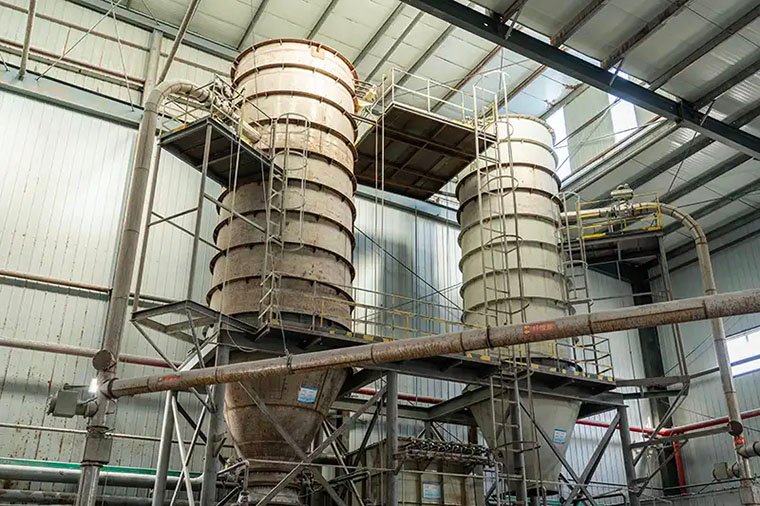
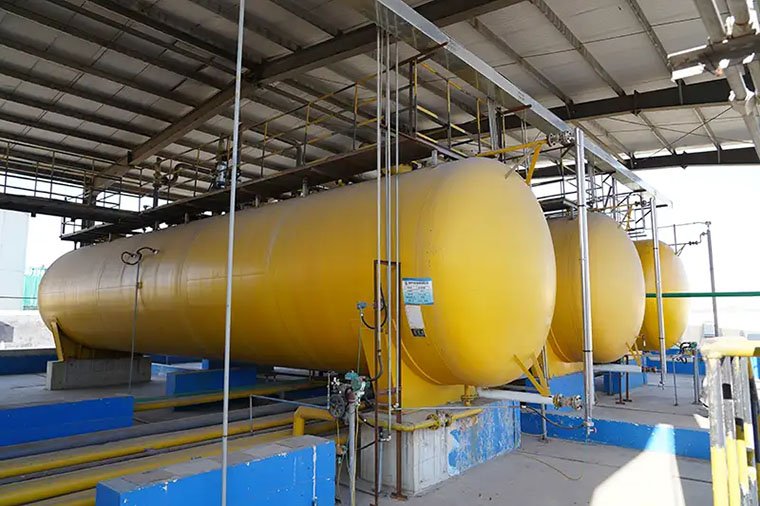

HEC and selected HPMC cellulose ether are widely used in water-based paint and coating formulations to improve thickening efficiency, viscosity control, rheology behavior, pigment suspension, storage stability, and application performance. A correctly selected grade helps paint remain uniform and stable during production, storage, transportation, and application.
LANDERCOLL provides paint-grade HEC, HPMC, and selected cellulose ether products for interior wall paint, exterior wall paint, latex paint, emulsion paint, water-based coatings, texture coatings, architectural coatings, and selected industrial coatings.
Choosing the right cellulose ether depends on formulation type, target viscosity, thickening efficiency, emulsion compatibility, pigment and filler loading, pH conditions, storage stability requirements, application method, and final paint performance targets.
Cellulose ether builds viscosity in the water phase, supports pigment and filler suspension, controls rheology for roller, brush, and spray application, and helps maintain formulation uniformity throughout the product shelf life — typically at dosage levels between 0.2% and 1.0% by formulation weight.
Cellulose ether is used in water-based paint systems to improve viscosity, rheology, suspension stability, and application consistency. It helps paint remain uniform and processable throughout the entire product lifecycle — from the mixing tank through storage and transportation to the final application on the substrate. Without a suitable cellulose ether, paint may show poor viscosity stability, pigment settling, water separation, weak roller behavior, excessive splashing, sagging, poor leveling, or inconsistent batch performance.
Smooth roller and brush feel · Anti-sag · Splash reduction · Leveling support
| Performance Property | What It Means for the Paint Product |
|---|---|
| Thickening efficiency | Builds the target viscosity at practical dosage levels |
| Viscosity control | Maintains stable viscosity during production and storage |
| Rheology behavior | Balances flow and structure for the target application method |
| Pigment suspension | Keeps pigments uniformly distributed during storage |
| Filler stability | Reduces settling of mineral fillers and extenders |
| Storage stability | Maintains viscosity and uniformity over the shelf life |
| Roller and brush application | Supports smooth, controlled application without drag or splashing |
| Anti-sag behavior | Helps paint stay on vertical surfaces after application |
| Splash reduction | Reduces paint throw during roller application |
| Batch-to-batch consistency | Supports repeatable viscosity and performance across production runs |
LANDERCOLL cellulose ether grades are matched to specific water-based paint and coating types — supporting viscosity control, rheology stability, pigment suspension, and storage performance across interior, exterior, latex, emulsion, texture, architectural, and selected industrial systems.
Stable viscosity, smooth roller and brush application, good leveling, and reliable storage stability.
HEC / Selected HPMCStable rheology under varying temperatures, pigment suspension, and outdoor storage stability.
HEC / Selected HPMCClean dissolution and broad compatibility with polymer emulsions, pigments, and paint additives.
HECEfficient thickening, stable dispersion, controlled flow, and versatile application performance.
HEC / Selected HPMCHigher body, anti-sag behavior, particle suspension, and workable application stability.
HEC / HPMCReliable thickening and emulsion compatibility for viscosity control and pigment suspension.
HECBalanced rheology, workability, smooth application, and stable storage across climates.
HEC / Selected HPMCViscosity control, suspension support, and application stability through compatibility testing.
Selected HEC / HPMCSelected HEC grades as protective colloids or stability aids — confirmed by process testing.
Selected HECNot sure which grade fits your paint system? Ask for a Paint Grade Recommendation →
LANDERCOLL supports paint manufacturers with practical, formulation-focused technical support — from initial HEC or HPMC grade selection through sample evaluation and production-scale validation.
We help identify HEC grades that match your paint type, emulsion system, target viscosity, pigment loading, and application method — for latex paint, emulsion paint, and general water-based coatings.
For texture coatings and construction-related coating systems, we recommend suitable HPMC grades where higher body, anti-sag behavior, and rheology structure are the primary requirements.
A suitable cellulose ether grade helps paint maintain more consistent viscosity during production, storage, and transportation — supporting batch stability and reducing variation across production runs.
Paint formulations are affected by emulsion type, dispersant, defoamer, preservative, pH, and filler loading. LANDERCOLL helps evaluate cellulose ether compatibility within the complete additive package.
For manufacturers sourcing cellulose ether internationally, stable supply and clear documentation are essential. LANDERCOLL supports sample evaluation, quotation communication, and product document requests.
Share your paint type, emulsion system, target viscosity, and performance targets — we will suggest a suitable HEC or selected HPMC grade and dosage direction.
Ask for Paint Grade RecommendationLANDERCOLL supplies paint-grade HEC and selected HPMC cellulose ether for water-based paint and coating manufacturers. HEC is the primary thickener for latex and emulsion paint; selected HPMC grades support texture coatings and construction-related coating systems where higher body and anti-sag behavior are required.
 Primary Thickener
Widely used in latex, emulsion, and water-based paint systems
Hydroxyethyl Cellulose (HEC) is the most commonly used cellulose ether in paint and coating formulations. It provides efficient thickening, clean water solubility, stable viscosity control, pigment and filler suspension support, and storage stability for interior wall paint, exterior wall paint, latex paint, emulsion paint, and general water-based coatings.
Selected Systems
Viscosity control, body, and rheology in specific coatings
Hydroxypropyl Methylcellulose (HPMC) may be used in selected paint and coating systems where water-based thickening, body, and rheology control are required — particularly in texture coatings and construction-related coating systems. Suitability in standard latex paint should be confirmed through compatibility testing.
Not sure which cellulose ether grade fits your paint formulation? Share your paint type, emulsion system, and performance targets.
Ask for Product RecommendationThe table below provides a practical selection reference for paint manufacturers and formulation engineers. Final product selection must be confirmed through paint formulation testing with your specific emulsion, pigment system, and additive package.


| Paint or Coating Type | Recommended Direction | Main Performance Goal |
|---|---|---|
| Interior Wall Paint | HEC / Selected HPMC | Viscosity control, smooth application, stability |
| Exterior Wall Paint | HEC / Selected HPMC | Rheology control, pigment suspension, stability |
| Latex Paint | HEC | Thickening, emulsion compatibility, storage stability |
| Water-Based Coatings | HEC / Selected HPMC | Flow control, viscosity stability, application |
| Texture Coatings | HEC / HPMC | Body, anti-sag behavior, particle suspension |
| Emulsion Paint | HEC | Viscosity control, pigment suspension, stability |
| Architectural Coatings | HEC / Selected HPMC | Workability, rheology, batch consistency |
| Industrial Water-Based Coatings | Selected HEC / HPMC | Compatibility, viscosity, suspension support |
| Emulsion Polymerization | Selected HEC | Protective colloid and system stability support |
Continue below for dosage references, key formulation functions, troubleshooting, evaluation steps, packaging, documents, FAQ, and technical support.
The dosage of cellulose ether in paint and coating formulations depends on target viscosity, formulation solids content, emulsion type, pigment volume concentration (PVC), filler loading, thickening system design, and application requirements.
| Paint or Coating Type | Typical Reference Dosage (% by formulation weight) |
|---|---|
| Interior Wall Paint | 0.2% – 0.6% |
| Exterior Wall Paint | 0.2% – 0.7% |
| Latex Paint | 0.2% – 0.6% |
| Water-Based Coatings | 0.2% – 0.8% |
| Texture Coatings | 0.3% – 1.0% |
| Emulsion Paint | 0.2% – 0.6% |
| Architectural Coatings | 0.2% – 0.7% |
| Industrial Water-Based Coatings | Subject to formulation target |
| Emulsion Polymerization | Subject to system design |
Cellulose ether supports multiple formulation functions in water-based paint — from viscosity development in the mixing tank to application feel on the substrate.



Builds and maintains suitable viscosity for production, filling, storage, and application — supporting stable viscosity development during dissolution and consistent shelf-life performance.
Balances high-shear flow during roller, brush, spray, or airless spray application with low-shear structure during storage — reducing sagging, splashing, and poor leveling.
Helps titanium dioxide, mineral fillers, extenders, and functional pigments remain uniformly distributed — particularly in high-PVC formulations with significant filler loading.
Supports viscosity stability and formulation uniformity over months of storage — reducing thickener degradation, phase separation, and viscosity drift.
Contributes to application feel — reducing roller splash, improving brush drag behavior, supporting smooth leveling, and maintaining anti-sag performance on vertical surfaces.
LANDERCOLL can discuss viscosity targets, thickening efficiency, and grade options based on your paint type and emulsion system.
Ask for Technical SupportWhen paint viscosity, suspension, or application performance fails in production or storage, the cellulose ether grade, dosage, or formulation balance is often the first variable to review.
Insufficient thickener, wrong grade, poor hydration.
Improve viscosity development with suitable grade.
Poor compatibility, pH drift, additive imbalance.
Support stable rheology with compatible grade selection.
Weak suspension, high filler loading, low viscosity.
Improve suspension stability.
Wrong rheology, low body, poor formulation balance.
Improve application consistency and flow behavior.
Low structure, excessive water, unsuitable thickener.
Improve body and anti-sag behavior.
Low rheology control, poor viscosity balance.
Support better flow control and splash reduction.
Excessive viscosity, wrong thickener balance.
Adjust grade and dosage direction.
Incompatible additives, poor dispersion, weak thickening.
Improve viscosity and suspension support.
Excessive dosage or unsuitable grade.
Adjust grade and dosage balance.
Raw material variation or poor dissolution process.
Improve dissolution procedure and grade consistency.
Cellulose ether performance in water-based paint is influenced by the complete formulation environment — not just the thickener grade alone.
The polymer emulsion — acrylic, styrene-acrylic, VAE, PVA, or other types — influences how cellulose ether behaves. Compatibility between the grade and emulsion system must be confirmed through testing.
Most cellulose ether grades perform within defined pH ranges. pH drift during storage — from additives, preservatives, or CO₂ absorption — can affect viscosity stability. Formulation pH should be characterized and controlled.
Dispersants and surfactants for pigment and filler dispersion can interact with cellulose ether, affecting viscosity development, thickening efficiency, and storage stability. The complete additive package should be evaluated together.
Higher PVC formulations with significant filler loading place greater demands on suspension stability and viscosity. Grade and dosage should be evaluated at the actual PVC level of the formulation.
Biocides and preservatives can interact with cellulose ether. Compatibility between the preservative system and the cellulose ether grade should be confirmed — particularly for long shelf-life products.
Cellulose ether must be properly dissolved and hydrated during manufacturing. Addition sequence, mixing speed, water temperature, and hydration time all affect final viscosity development and batch consistency.
Temperature fluctuations during storage and transportation can affect viscosity stability. Grade selection should consider the expected storage temperature range for the target market.
Before selecting a cellulose ether grade for production, paint manufacturers should evaluate it in their own formulation and under their own process conditions. Performance in a standard reference test may differ from performance in a specific production system with a particular emulsion, dispersant, and preservative combination.
Define the paint type and identify primary performance targets — viscosity level, thickening efficiency, storage stability, application behavior, or suspension performance.
Select a grade direction — HEC or selected HPMC — based on paint type and compatibility requirements.
Evaluate dissolution and hydration behavior in actual process water at the planned addition point in the manufacturing sequence.
Test viscosity development after mixing and confirm target viscosity at the planned dosage.
Check pigment and filler suspension stability after storage at ambient and elevated temperatures.
Evaluate application behavior — roller, brush, or spray — and assess splashing, leveling, and sag resistance.
Conduct storage stability testing over the target shelf life period and confirm viscosity retention.
Confirm compatibility with emulsion, dispersant, defoamer, and preservative system before production scale-up.
Paint manufacturers often ask when to use HEC and when to use HPMC. HEC is the primary cellulose ether for most water-based paint systems; selected HPMC grades support specific coating types where higher body and structure are required.
Hydroxyethyl Cellulose (HEC) is the most commonly used cellulose ether in water-based paint, latex paint, emulsion paint, interior wall paint, exterior wall paint, and general water-based coating formulations. It provides efficient thickening, clean water solubility, stable viscosity control, pigment and filler suspension support, and broad compatibility with emulsions, dispersants, and other paint additives. Final selection should be confirmed through formulation testing in the specific paint system.
Hydroxypropyl Methylcellulose (HPMC) may be used in selected water-based coating, texture coating, and construction coating systems where viscosity control, body, and rheology support are needed. HPMC can offer higher structure and anti-sag behavior in texture coatings. Its use in standard latex or emulsion paint should be confirmed through compatibility testing with the specific emulsion, dispersant, defoamer, and preservative system.
Need help choosing between HEC and HPMC? Ask for a Paint Grade Recommendation →
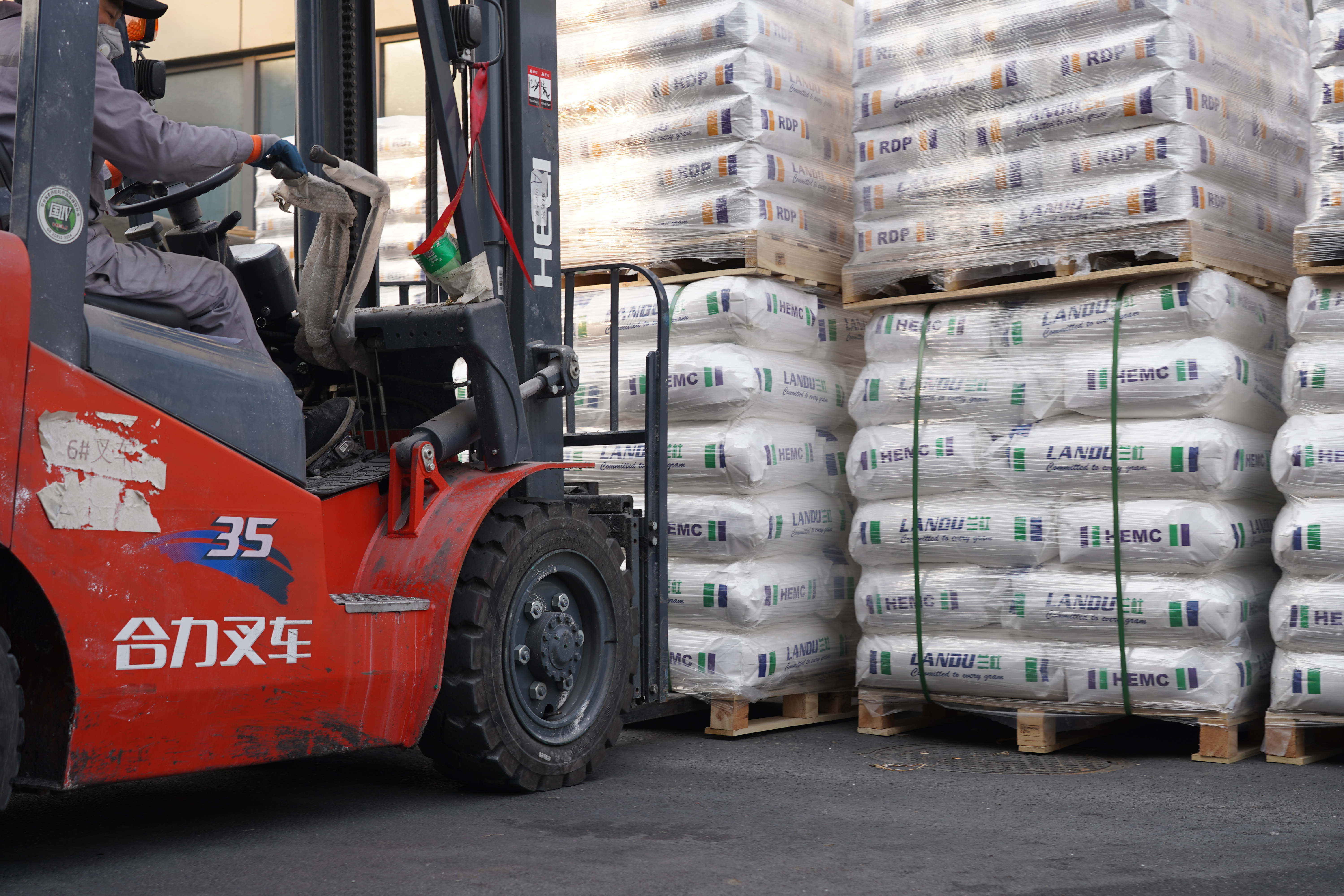
LANDERCOLL cellulose ether for paint and coating production is supplied in industrial packaging suitable for factory use, transportation, and storage.

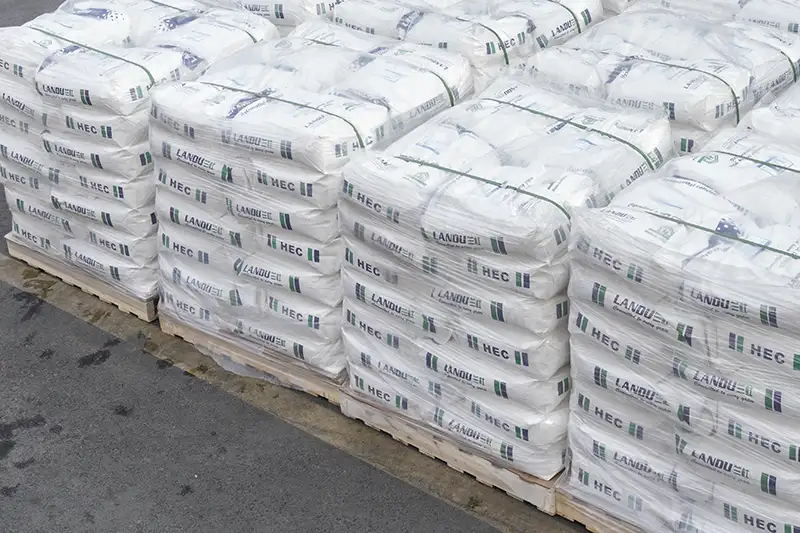
LANDERCOLL can provide product-related documentation to support paint formulation testing, purchasing review, and internal approval processes.
Product specifications, viscosity, and performance data for grade evaluation.
Safety, handling, and regulatory information for site compliance.
Batch-specific quality confirmation for incoming inspection.
Detailed grade parameters and acceptance criteria.
Overview of product range and paint applications.
Formulation and processing reference for paint systems.
Grade selection support for your paint formulation.
Handling, shelf life, and storage condition reference.
Customs and import compliance documentation where applicable.
If your paint formulation is experiencing low viscosity, poor viscosity stability, pigment settling, sagging, excessive splashing, poor roller application, poor storage behavior, or inconsistent batch performance, the cellulose ether grade may need to be reviewed.
LANDERCOLL can help evaluate suitable HEC and selected HPMC options based on your paint type, emulsion system, pigment and filler loading, target viscosity, application method, production process, and storage requirements.
HEC grade selection for water-based and latex paint systems
Selected HPMC recommendation for texture and construction coatings
Viscosity direction and thickening efficiency discussion
Pigment and filler suspension support
Rheology and application behavior improvement
Storage stability evaluation support
Compatibility discussion with emulsion, dispersant, and preservative systems
Dosage reference and formulation testing direction
Sample arrangement and quotation communication
Technical document support for purchasing and quality review
HEC is the most commonly used cellulose ether in water-based paint, latex paint, and emulsion paint. It provides efficient thickening, stable viscosity control, pigment suspension support, and broad compatibility with emulsions and other paint additives. Selected HPMC grades may also be used in texture coatings and construction coating systems.
HEC helps improve viscosity control, rheology behavior, pigment and filler suspension, storage stability, and application performance in water-based paint formulations. It dissolves cleanly in water and is compatible with most emulsion types, dispersants, and other paint additives commonly used in latex and emulsion paint systems.
HPMC can be used in selected water-based coating, texture coating, and construction coating systems where viscosity control, body, and rheology support are needed. Its use in standard latex or emulsion paint should be confirmed through compatibility testing with the specific emulsion, dispersant, and additive system.
A common reference dosage range is approximately 0.2%–1.0% by formulation weight, depending on paint type, target viscosity, thickening system design, solids content, and application requirements. Texture coatings typically require higher dosages. Final dosage must be confirmed through viscosity testing and formulation evaluation.
Viscosity changes during storage may be caused by thickener incompatibility with other additives, pH drift, poor initial dispersion, microbial degradation of the thickener, temperature fluctuations, or an unsuitable cellulose ether grade for the specific formulation. Suitable grade selection combined with proper pH control and preservative system can support better viscosity stability.
Cellulose ether can help improve viscosity and suspension stability, which supports pigment and filler distribution during storage. Final settling resistance depends on the complete formulation, pigment and filler particle size, dispersant system, and storage conditions. Cellulose ether is typically one component of a broader suspension management approach.
Start by defining the emulsion type, target viscosity, pigment volume concentration, filler loading, pH range, dispersant system, defoamer, preservative, application method, and storage stability target. LANDERCOLL can recommend suitable HEC grades for testing based on your specific latex paint formulation and performance requirements.
Yes. Share your paint type, emulsion system, target viscosity, pigment and filler loading, pH range, additive package, application method, and storage stability requirement. LANDERCOLL can recommend suitable HEC or selected HPMC grades for evaluation and arrange samples for formulation testing.
Whether you produce interior wall paint, exterior wall paint, latex paint, emulsion paint, texture coatings, architectural coatings, water-based coatings, or selected industrial coatings, LANDERCOLL can help you select suitable HEC and cellulose ether grades for better thickening efficiency, viscosity control, pigment suspension, storage stability, and application performance.
Our technical team is available to review your paint formulation, recommend suitable grades, provide dosage references, arrange samples, and support your evaluation from initial laboratory testing through to full production scale-up.
HEC & HPMC for Water-Based Paint · Thickening · Viscosity Control · Pigment Suspension · Storage Stability · Latex Paint · Emulsion Paint · Interior Wall Paint · Exterior Wall Paint · Texture Coatings · Architectural Coatings.
All performance data, dosage references, and formulation guidance provided on this page are for reference only. Final suitability must be confirmed through testing in your specific paint formulation and production conditions. LANDERCOLL reserves the right to update product information without prior notice.
 English English
  العربية
 Deutsch
 Українська
 Ελληνικά
 Español
 Español de Perú
 Français
 Magyar
 Bahasa Indonesia
 Italiano
 Português
 Türkçe
 Русский
 Nederlands
 Slovenčina
 Svenska
 Български
 Čeština
 Dansk
Dansk
 Eesti
Eesti
 Suomi
Suomi
 日本語
日本語
 한국어
한국어
 Lietuvių kalba
 Latviešu valoda
 Norsk bokmål
 Polski
 Português do Brasil
 Română
 Slovenščina
