Cellulose Ether Excellence — Trusted by 1000+ Enterprises Globally Get Free Sample



LANDERCOLL pharmaceutical-grade cellulose ether supports controlled-release formulation development by helping build hydrophilic matrix structure, control hydration behavior, maintain tablet integrity, and support predictable release profile design.
From sustained-release matrix tablets to extended-release and modified-release systems — selecting the right HPMC viscosity grade and polymer level is foundational to achieving target dissolution behavior and regulatory confidence.
— HPMC · Hypromellose · Matrix Tablets · Sustained Release · Extended Release · Gel Layer · USP · EP · JP
 Sustained Release
 Extended Release
 Matrix Tablets
 Modified Release
Controlled-release drug products require carefully selected pharmaceutical-grade excipients, validated formulation design, and appropriate quality documentation. Not every cellulose ether grade is suitable for controlled-release pharmaceutical use.
Before testing or commercial application, customers should confirm product specifications, viscosity grade, Certificate of Analysis, Safety Data Sheet, Technical Data Sheet, pharmacopoeia-related information, and any additional regulatory or quality documents required for the target dosage form and market.
HPMC (hypromellose) is the most widely used cellulose ether in controlled-release matrix tablets. After contact with aqueous media, HPMC hydrates, swells, and forms a gel layer that regulates water penetration, drug diffusion, and matrix erosion — together determining the drug release profile over time. Final release behavior depends on HPMC viscosity grade, polymer concentration, API solubility, and the complete formulation system.


 Matrix · Gel Layer · Release Control
Controlled-release formulations are designed to release active pharmaceutical ingredients over a defined period rather than immediately after administration. These systems can help manage release rate, support dosage convenience, and improve formulation performance when properly designed and validated.
LANDERCOLL provides suitable pharmaceutical-grade HPMC (Hydroxypropyl Methylcellulose), also known as hypromellose, for controlled-release matrix systems. HPMC is widely used in hydrophilic matrix tablets because it can hydrate, swell, and form a gel layer that helps regulate drug diffusion and matrix erosion.
A suitable HPMC grade can help formulators design sustained-release, extended-release, modified-release, and controlled-release tablets. The final release behavior depends on HPMC viscosity, polymer concentration, API solubility, tablet hardness, excipient compatibility, manufacturing process, and dissolution conditions.
Looking for pharmaceutical-grade HPMC for your controlled-release formulation?
Ask for a Product RecommendationHPMC is one of the most important cellulose ethers for controlled-release matrix tablets because it provides hydration, swelling, gel-layer formation, viscosity control, and matrix structure — helping regulate how the active ingredient is released over time.
A typical controlled-release tablet formulation includes the API, release-control polymer, fillers, and functional excipients — each influencing the final release profile and manufacturing performance.
| Component | Function in Controlled-Release Tablets |
|---|---|
| Active Pharmaceutical Ingredient | Provides therapeutic function |
| HPMC / Release-Control Polymer | Forms hydrophilic matrix and gel layer |
| Fillers / Diluents | Adjust tablet weight, compressibility, and structure |
| Binder | Improves powder cohesion and granule strength |
| Lubricant | Reduces friction during tablet compression |
| Glidant | Improves powder flow |
| pH Modifiers | Adjust microenvironment in selected formulations |
| Disintegrant | Used selectively depending on release concept |
| Other Functional Excipients | Adjust release profile, stability, or processability |
LANDERCOLL provides pharmaceutical-grade HPMC for controlled-release matrix systems, with selected CMC grades for specialized modified-release applications. All grade selections should be confirmed through formulation testing and customer qualification.

Hypromellose for hydrophilic matrix tablets and modified-release systems
HPMC is the primary LANDERCOLL cellulose ether for controlled-release applications. Suitable pharmaceutical-grade HPMC hydrates and forms a gel layer that regulates drug diffusion and matrix erosion. Lower viscosity grades may hydrate and erode faster; higher viscosity grades form stronger gel layers for longer release profiles.

Selected cellulose derivative for viscosity, swelling, and matrix support
CMC is not usually the primary cellulose ether for standard HPMC-based controlled-release matrix tablets, but suitable pharmaceutical-grade CMC may be considered in selected modified-release systems where swelling, viscosity, suspension, or matrix support is required.
Different controlled-release systems require different HPMC viscosity directions and matrix design strategies.
Gel-layer formation, matrix integrity, release control
Strong gel layer, longer release profile, tablet stability
Release profile adjustment, hydration control, process compatibility
Stronger diffusion barrier and matrix control
Balanced hydration, erosion behavior, release uniformity
Content uniformity, tablet integrity, release consistency
Granule strength, matrix formation, release profile control
Tailored release behavior and matrix performance
HPMC dosage in controlled-release matrix tablets depends on API solubility, target release time, polymer viscosity, tablet size, excipient system, manufacturing process, and desired matrix strength.
Controlled-release polymer level is typically developed through staged formulation trials. Final dosage must be confirmed through dissolution testing, tablet hardness testing, friability testing, stability evaluation, manufacturing trials, and regulatory validation.
Lower to medium polymer level, depending on API solubility and release target
Medium to higher polymer level, depending on target release duration
Often requires stronger gel matrix design with higher viscosity HPMC
Requires balanced hydration and erosion control through grade optimization
Depends on powder flow, compressibility, and target release profile
Depends on granule properties and final tablet dissolution performance
Depends on polymer ratio and combined release mechanism
Depends on dosage form design and validation data requirements
After hydration, HPMC forms a gel layer around the tablet surface. This gel layer acts as a physical barrier that helps control water penetration into the matrix, drug diffusion outward, and the rate of matrix erosion — the central mechanism of hydrophilic controlled-release systems.
Controlled-release tablets need sufficient structural integrity to maintain a consistent release mechanism throughout the dissolution period. HPMC helps support hydrated matrix strength when properly selected and used at a suitable concentration level.
HPMC viscosity grade and polymer concentration can influence the release profile shape and duration. Higher viscosity grades generally provide stronger gel layers and slower release. The final release pattern must always be confirmed through dissolution testing.
The hydrated HPMC matrix helps regulate how quickly water enters the tablet core. Controlled water uptake is critical for predictable and reproducible drug release behavior across batches and storage conditions.
Drug release from HPMC matrix tablets may involve diffusion through the gel layer, matrix erosion, or a combination of both mechanisms. Formulation design should balance these according to the desired release profile and API properties.
HPMC can support internal tablet cohesion and matrix structure, helping tablets maintain more stable physical behavior during hydration and dissolution — reducing the risk of cracking, rapid disintegration, or dose dumping.
Suitable HPMC grades can be used in direct compression or granulation processes depending on formulation design, particle properties, and manufacturing conditions — providing flexibility for different production environments.
When controlled-release performance fails during development or scale-up, HPMC grade, polymer level, and matrix design are often the first variables to review.
Low polymer level, low viscosity grade, or weak gel layer formation.
Select higher viscosity grade or optimize polymer level for stronger gel matrix.
Excessive polymer, high viscosity grade, or poor API diffusion through gel layer.
Adjust viscosity grade or polymer concentration to accelerate target release.
Weak matrix structure or unsuitable excipient balance.
Improve gel strength and matrix integrity through grade and level optimization.
Poor content uniformity, variable compression, or hydration differences.
Support consistent matrix formation when properly selected and process-validated.
Weak tablet structure or poor compression balance.
Improve cohesion and matrix design for stable hydrated tablet behavior.
Poor powder flow or granulation behavior.
Review HPMC grade and process compatibility for improved flow and uniformity.
Unsuitable excipient balance or polymer particle properties.
Adjust excipient system and HPMC grade direction for better compression.
Process differences, mixing variation, or compression changes during scale-up.
Validate grade, dosage, and process parameters across development and production scales.
Understanding these variables helps formulators optimize HPMC grade selection, polymer level, and process parameters for target release profiles.
Higher viscosity grades generally form stronger gel layers and may support longer release profiles; lower grades may hydrate and erode more quickly.
Strongly affects matrix strength, hydration rate, gel-layer thickness, and release behavior — typically the primary optimization variable.
Highly soluble drugs may diffuse quickly and often require stronger release-control strategies; poorly soluble drugs need different matrix balance.
High drug loading can affect tablet structure, matrix continuity, and release uniformity. The HPMC-to-API ratio is a critical design parameter.
Compression force and hardness affect porosity, water penetration rate, and dissolution behavior — optimize alongside polymer level.
Lactose, MCC, dicalcium phosphate, and other excipients influence hydration, erosion, compressibility, and release performance.
Lubricants such as magnesium stearate can affect water penetration and dissolution if used at unsuitable levels. Over-lubrication is a common cause of release variability.
Direct compression, wet granulation, dry granulation, and roller compaction can produce different matrix structures and release performance.
Medium, pH, agitation speed, temperature, and test method all influence release data. Methods should reflect the intended physiological environment.
Choosing the right HPMC requires a thorough understanding of API properties, target release profile, tablet design, and manufacturing process constraints. Review these 11 key questions before grade selection.
What type of controlled-release dosage form are you developing?
What release duration or dissolution profile is required?
Is the API highly soluble, moderately soluble, or poorly soluble?
What drug loading is planned in the matrix tablet?
What HPMC viscosity range is being considered?
What polymer concentration is expected in the formulation?
Will the formulation use direct compression or granulation?
What fillers, binders, lubricants, and other excipients are included?
What tablet hardness and size are required?
What dissolution method and acceptance criteria will be used?
What pharmaceutical documentation is required for qualification?
LANDERCOLL can review your controlled-release formulation direction and recommend suitable HPMC grade options for laboratory evaluation.
Ask for Grade RecommendationLANDERCOLL pharmaceutical-grade cellulose ether for controlled-release applications is supplied in packaging suitable for protected transportation, storage, and pharmaceutical production handling.
Because cellulose ether can absorb moisture, proper storage helps maintain powder flowability, hydration behavior, viscosity performance, and product stability.
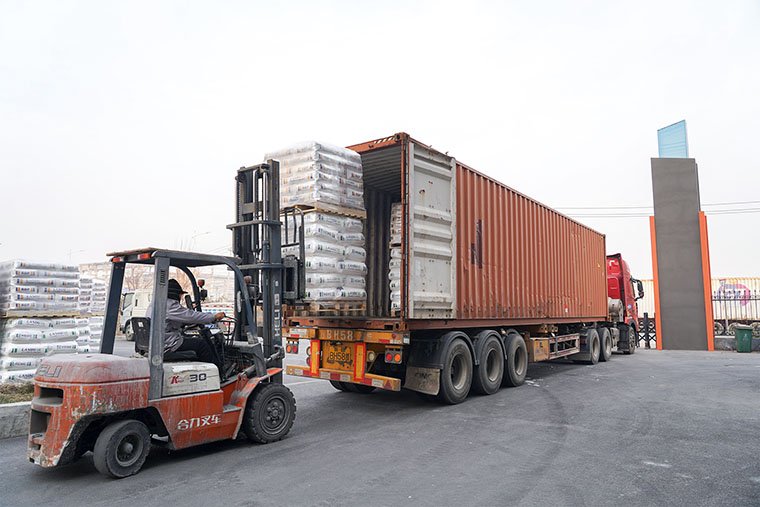
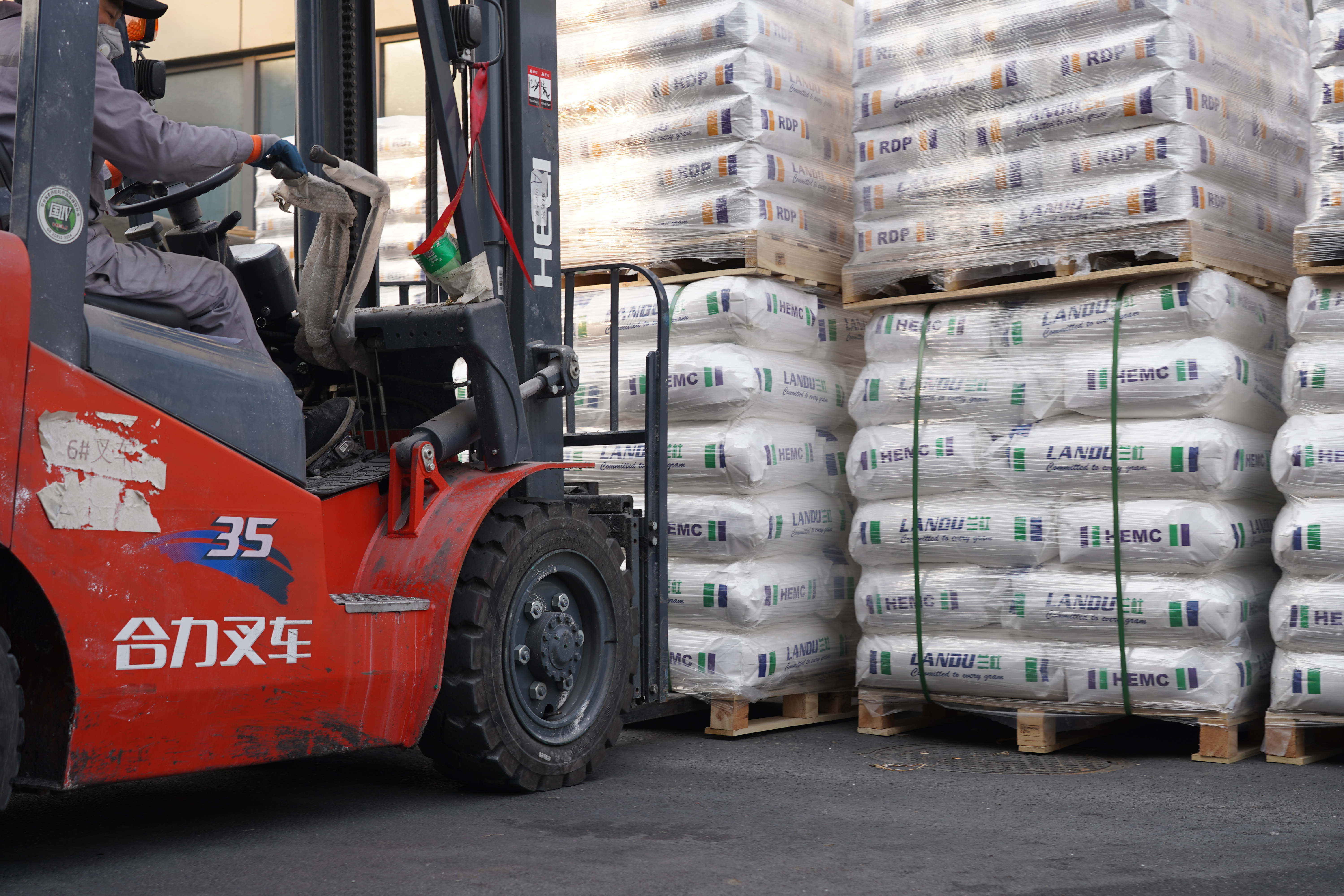 25 kg · Sealed · GMP
LANDERCOLL can provide product-related documents to support pharmaceutical evaluation, formulation development, quality review, and internal approval processes.
| Document Type | Purpose |
|---|---|
| Technical Data Sheet | Grade specifications, viscosity, and physical properties |
| Safety Data Sheet | Handling, storage, and safety information |
| Certificate of Analysis | Batch-specific quality confirmation |
| Product Specification | Detailed grade parameters |
| Pharmacopoeia-Related Information | Where applicable |
| Microbiological / Heavy Metals Data | Where applicable |
| Allergen / GMO / TSE-BSE Statements | Where applicable |
| Packaging & Storage Information | Packaging specs and storage requirements |
| Export Documentation | Where applicable, for import/customs purposes |
If your controlled-release tablet releases too quickly, releases too slowly, shows inconsistent dissolution, loses matrix integrity, has poor compressibility, or changes performance during scale-up — the HPMC grade and formulation design may need to be reviewed.
LANDERCOLL can help evaluate suitable HPMC grade directions based on API solubility, release target, viscosity requirement, polymer level, manufacturing process, and documentation needs.
HPMC grade selection for controlled-release matrix design
Controlled-release viscosity direction discussion
Matrix tablet formulation evaluation support
Release profile development guidance
Direct compression and granulation compatibility review
Pharmaceutical documentation support
Sample and quotation communication
Long-term qualified supply discussion
HPMC, also known as hypromellose, is the most widely used cellulose ether in controlled-release matrix tablets. It hydrates, swells, and forms a gel layer that helps regulate drug diffusion and matrix erosion.
HPMC helps form a hydrophilic matrix and gel layer after contact with aqueous media, supporting controlled water penetration, drug diffusion, matrix erosion, and tablet integrity.
Higher viscosity HPMC grades generally form stronger gel layers and may support longer release profiles, while lower viscosity grades may hydrate and erode more quickly.
The required level depends on API solubility, target release time, HPMC viscosity grade, tablet size, excipient system, and manufacturing process. Final dosage must be developed through dissolution testing and formulation validation.
Yes. Suitable pharmaceutical-grade HPMC may be used in direct compression matrix tablets, depending on powder flow, compressibility, API properties, and release target.
Yes. Suitable HPMC grades may be used in wet granulation systems, but the granulation process can influence matrix structure and release behavior. Formulation and process parameters should be validated together.
Possible causes include insufficient HPMC level, low viscosity grade, weak gel layer formation, high API solubility, or excessive matrix erosion. Reviewing polymer level and viscosity grade is the recommended starting point.
No. HPMC supports controlled-release matrix design, but the final release profile must be confirmed through formulation development, dissolution testing, stability testing, and regulatory validation.
No. Controlled-release pharmaceutical applications require suitable pharmaceutical-grade HPMC with appropriate specifications, documentation, and customer qualification.
Start with API solubility, target release duration, dose loading, tablet size, manufacturing process, desired viscosity grade, excipient system, and documentation requirements. LANDERCOLL can help recommend suitable pharmaceutical-grade HPMC directions for evaluation.
Whether you develop sustained-release matrix tablets, extended-release tablets, modified-release systems, direct-compression matrix tablets, or wet-granulated controlled-release formulations — LANDERCOLL can help you choose suitable pharmaceutical-grade HPMC for matrix formation, gel-layer control, and release profile development.
Our team supports pharmaceutical formulators with grade recommendations, viscosity direction guidance, documentation support, sample supply, and qualified long-term supply discussion.
Pharmaceutical-Grade HPMC for Controlled Release · Matrix Tablets · Gel-Layer Formation · Sustained Release · Extended Release · Modified Release · Hypromellose · USP · EP · JP
 English English
  العربية
 Deutsch
 Українська
 Ελληνικά
 Español
 Español de Perú
 Français
 Magyar
 Bahasa Indonesia
 Italiano
 Português
 Türkçe
 Русский
 Nederlands
 Slovenčina
 Svenska
 Български
 Čeština
 Dansk
Dansk
 Eesti
Eesti
 Suomi
Suomi
 日本語
日本語
 한국어
한국어
 Lietuvių kalba
 Latviešu valoda
 Norsk bokmål
 Polski
 Português do Brasil
 Română
 Slovenščina
