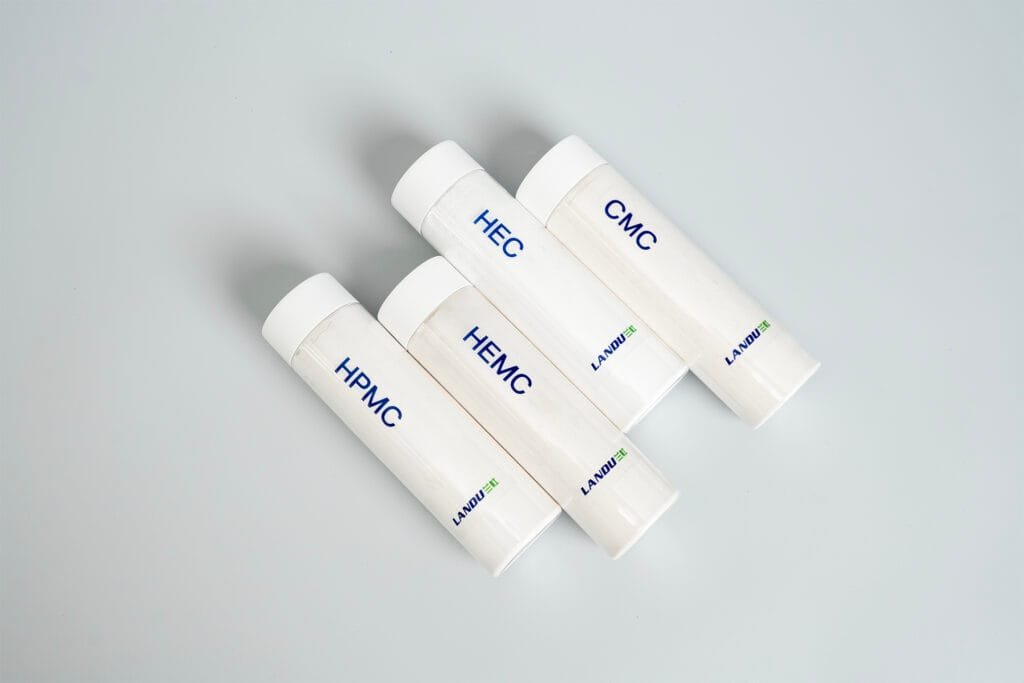
水性塗料におけるヒドロキシエチルセルロース(HEC)の理解

ヒドロキシエチルセルロース(HEC) は、水溶性塗料の製造に広く使用される変性セルロース誘導体です。主に 増粘剤, 分散剤、および スタビライザーHECの独自の水溶性と優れた増粘特性により、塗料の粘度、流動特性、レベリング性を向上させる上で欠かせない成分となっています。さらに、HECは分散した顔料や充填剤の安定性を高め、顔料の沈降を防ぎ、塗料の保存期間を改善します。
一般的な水系配合において、HECは流動性の制御、塗布特性の向上、そして最終的な塗膜が筋引きや発泡などの問題なく滑らかに表面に付着することを保証する上で重要な役割を果たします。
Step 1: Selecting the Right HEC and Formulation Design
The selection of HEC grade is essential in achieving the desired paint properties. Factors like molecular weight および degree of substitution determine the rheological performance and thickening efficiency of the paint.
- Molecular Weight: Higher molecular weight HEC enhances viscosity and stabilizes the dispersion of pigments and fillers, while lower molecular weight HEC provides improved flow and leveling.
- Degree of Substitution: This refers to the number of hydroxyethyl groups added to the cellulose structure. A higher degree of substitution enhances water solubility and the thickening power of HEC.
Formulation Design: In the formulation process, it is crucial to balance the HEC concentration with other ingredients like binders, pigments、および additives. The right balance ensures the final product achieves the required 粘度, flowability、および stability during application.
Step 2: Dissolving HEC for Optimal Viscosity
Proper dissolution of HEC is crucial to achieving the desired consistency. If not dissolved correctly, HEC may form lumps or clumps, compromising the paint’s quality.
- Gradual Addition: Slowly add HEC into water to avoid agglomeration. Adding it all at once can lead to clumps that are difficult to break up.
- Mixing Method: Use a high-shear mixer or mechanical stirrer to ensure that the HEC is uniformly distributed in the solution. This prevents the formation of gel-like clusters.
- 温度制御: Heat the water to 30-40°C to expedite dissolution, but avoid exceeding 50°C to prevent the breakdown of HEC.
- Dissolution Time: Allow 30 minutes to 2 hours for complete dissolution, continuously stirring the mixture to ensure a smooth solution.
Step 3: Dispersion of Pigments and Fillers
HEC enhances the dispersion of pigments and fillers, ensuring that they remain uniformly distributed in the paint without settling.
- Pigment Dispersion: After HEC is dissolved, introduce pigments and fillers (such as titanium dioxide, 炭酸カルシウム、または silica) into the mixture. Employ a high-speed disperseror bead mill to break up agglomerates and ensure a smooth, even dispersion.
- Dispersing Agents: Consider adding dispersing agents to enhance the uniformity of pigment dispersion. These agents lower the energy required for dispersal and reduce the likelihood of pigment aggregation.
- Viscosity Monitoring: During pigment dispersion, viscosity tends to increase. Continuously monitor and adjust the HEC content to achieve the desired consistency for optimal application.
Step 4: Emulsion Incorporation and Binder Selection
The emulsion serves as the binder in water-based paint formulations, forming a solid, durable film upon drying.
- Emulsion Selection: Choose an appropriate emulsion, such as acrylic, polyurethane、または vinyl acetate, depending on the desired characteristics like adhesion, flexibility, and water resistance.
- Timing: Incorporate the emulsion after the pigments and fillers are uniformly dispersed. Adding the emulsion too early can cause phase separation or instability in the mixture.
- Emulsion Mixing: Gradually blend the emulsion into the pigment-HEC mixture while stirring to avoid breaking the emulsion structure and ensure a homogeneous blend.
Step 5: Fine-Tuning Rheological Properties
One of the key benefits of using HEC in water-based paints is its ability to modify rheological properties.
- 粘度制御: Depending on the desired application characteristics, adjust the viscosity to achieve smooth spreadability, ease of brush application, and resistance to sagging. For thicker paints, increase HEC concentration; for thinner paints, reduce it.
- Flow and Leveling: The viscosity must be optimized to ensure the paint flows evenly across the surface, preventing issues such as brush marks and roller streaks.
Step 6: pH Adjustment and Stability Maintenance
The solubility and performance of HEC can be significantly affected by the pH of the formulation.
- Optimal pH Range: Maintain a pH between 7 and 9to ensure maximum solubility and efficient thickening of HEC. pH levels outside this range can result in instability and reduced performance.
- pH Adjustment: If necessary, adjust the pH using citric acidor ammonium hydroxide while monitoring its effects on viscosity and stability.
- Buffering Agents: In some cases, buffering agents may be used to stabilize the pH, ensuring consistent performance throughout the product’s shelf life.
Step 7: Adding Functional Additives for Performance Optimization
Enhance the performance and durability of your water-based paint by incorporating functional additives.
- 保存料: Use preservatives to prevent microbial contamination and extend the paint’s shelf life.
- 消泡剤: Eliminate air bubbles formed during mixing by incorporating defoamers, which ensures a smooth finish without imperfections.
- Flow and Leveling Agents: These additives improve the paint’s ability to spread evenly and level out during application, contributing to a high-quality finish.
Step 8: Rigorous Quality Control and Final Testing

Before packaging and distribution, the formulation must undergo rigorous quality control to ensure consistency and performance.
- Viscosity Testing: Use a viscometer to measure viscosity and confirm that it falls within the desired range for optimal application.
- Stability Testing: Perform tests for stability, such as shelf-life testing and pigment settling, to ensure the paint maintains its integrity over time.
- Application Testing: Evaluate the paint’s performance in real-world applications, assessing spread rate, ease of application, drying time, and finish quality.
Partnering with Landercoll for Premium HEC Solutions
Creating high-quality water-based paints with ヒドロキシエチルセルロース(HEC) requires precision and expertise. By following the outlined steps—from formulation to final testing—you can achieve the perfect balance of viscosity, stability, and performance.
当社は、 Landercoll, we are proud to offer superior HEC products that cater to the diverse needs of the coatings and paint industries. With decades of experience and a commitment to continuous innovation, we ensure that our HEC products deliver exceptional water solubility, viscosity enhancement、および stability. Whether you’re improving pigment dispersion, optimizing flow properties, or enhancing the overall durability of your paint, Landercoll provides reliable solutions that meet your specific needs.
As a leading HEC manufacturer, we offer both standard and custom formulations to ensure your water-based paints perform at their best. Contact us today to learn more about our HEC products and how we can support your product development efforts, elevating your water-based paint formulations to the next level.