セルロースエーテルの卓越性 — 世界中の1000以上の企業に信頼されています 無料サンプルを入手
LANDERCOLLセルロースエーテルは、石膏プラスターのメーカーが塗布性能、水分管理、施工の滑らかさ、モルタルの粘稠度、オープンタイム、最終的な表面品質を向上させるのに役立ちます。
手作業の石膏プラスター、機械吹付の石膏プラスター、石膏スキムコート、軽量石膏プラスター、およびレディミックス石膏乾式プラスターシステム向けに設計されています。

滑らかな壁面、優れた表面品質、信頼性の高い作業時間、そして制御された仕上げ挙動。
石膏プラスターは、現代建築において最も広く使用される内装仕上げ材の一つであり、滑らかな施工性、優れた表面品質、速い硬化特性、そして壁や天井への効率的な設置性能が評価されています。

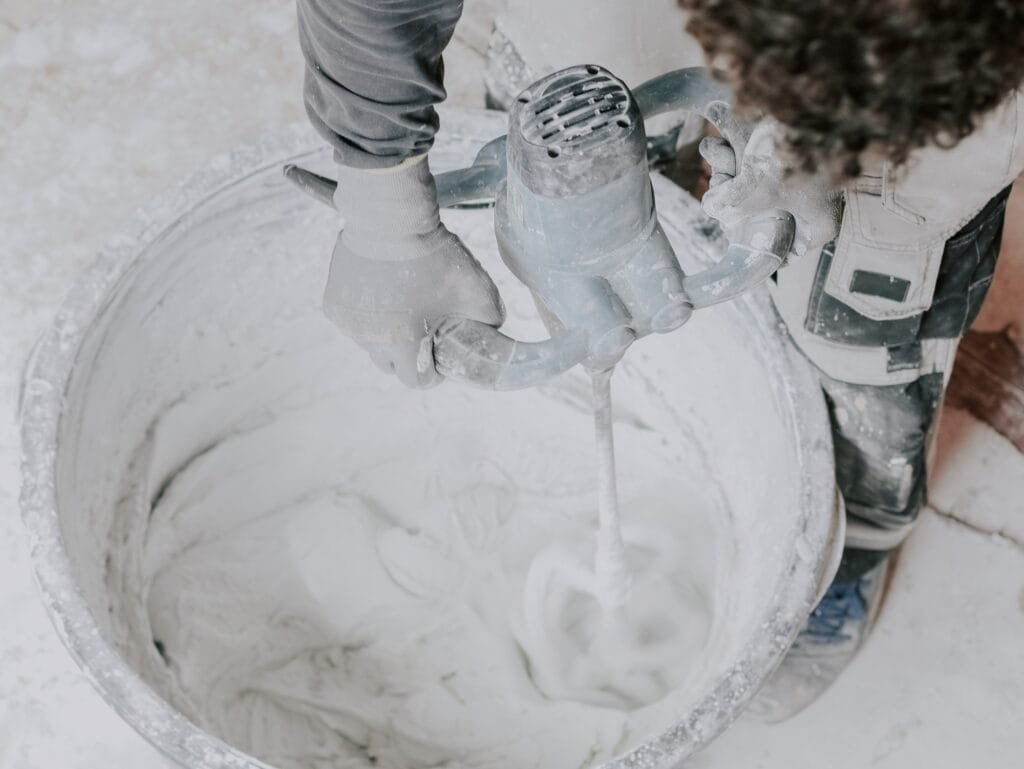
一貫した高品質の石膏プラスターを実現するには、保水性、作業性、塗り広げやすさ、表面仕上げの精密な制御が必要です。セルロースエーテルは、これを可能にする主要な機能性添加剤の一つです。
LANDERCOLLは、手塗り用石膏プラスター、機械吹付用石膏プラスター、石膏スキムコート、石膏ジョイントフィラー、軽量石膏プラスター、厚塗り石膏システム、およびレディミックス石膏乾式プラスター製品向けにHPMCおよびHEMC/MHECを供給しています。
The right cellulose ether grade helps gypsum plaster mix uniformly, spread smoothly, retain moisture during the application window, maintain workable consistency before setting, and deliver a fine, uniform surface finish.
Gypsum plaster is a gypsum-based finishing material used to create smooth, fine-textured interior wall and ceiling surfaces. It is applied over masonry, concrete blocks, AAC panels, gypsum board, or other suitable substrates, typically in one or more layers depending on the required finish quality and application thickness.
Compared with cement-based systems, gypsum plaster generally provides finer surface texture, faster setting behavior, lower shrinkage, and better workability for interior finishing applications.
A standard gypsum plaster formulation typically contains gypsum binder, mineral fillers, retarders, cellulose ether, starch ether, lightweight aggregates, air-entraining agents, and other functional additives.
Even at a dosage of 0.1%–0.35%, cellulose ether significantly determines how the plaster mixes, spreads, behaves during application, and finishes before setting.

Gypsum plaster requires carefully controlled water behavior and stable rheology throughout the application window. LANDERCOLL cellulose ether helps manufacturers balance water retention, smooth spreading, workability, open working time, anti-sag behavior, and surface finish quality.
LANDERCOLL provides HPMC and HEMC / MHEC cellulose ether grades for gypsum plaster systems requiring reliable water management, smooth application, stable consistency, and fine finishing behavior.
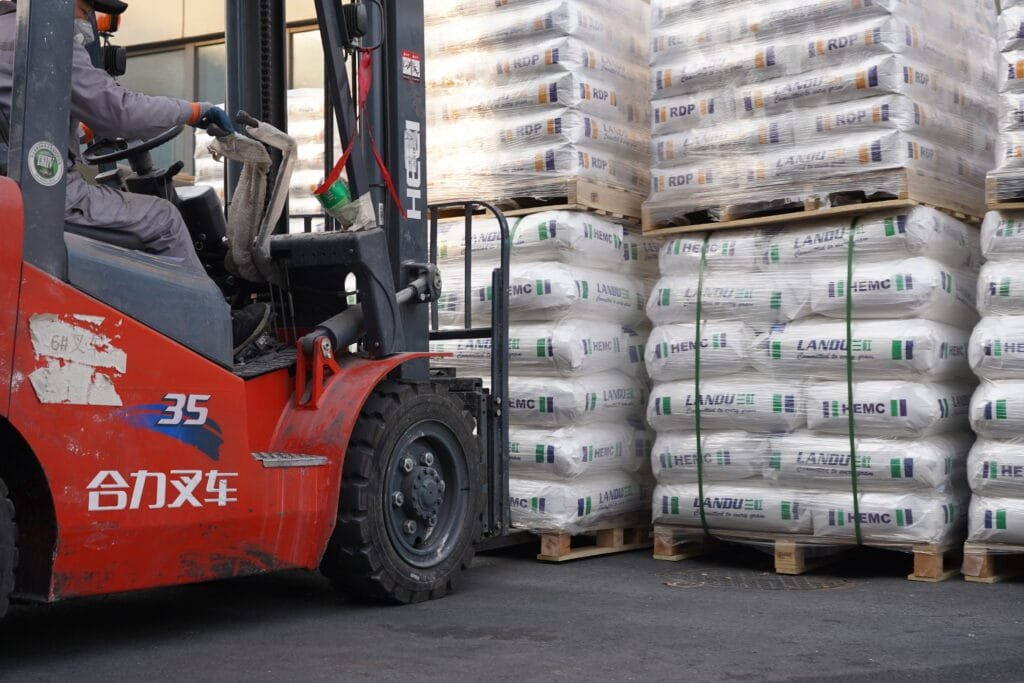
HPMC is widely used in gypsum plaster formulations because it delivers reliable water retention, thickening, workability improvement, and stable consistency across a broad range of gypsum-based products.
In manual and machine-applied gypsum plaster systems, HPMC improves application comfort, reduces roughness under the trowel, supports uniform surface quality, and helps maintain consistent mortar behavior across substrate absorption levels.
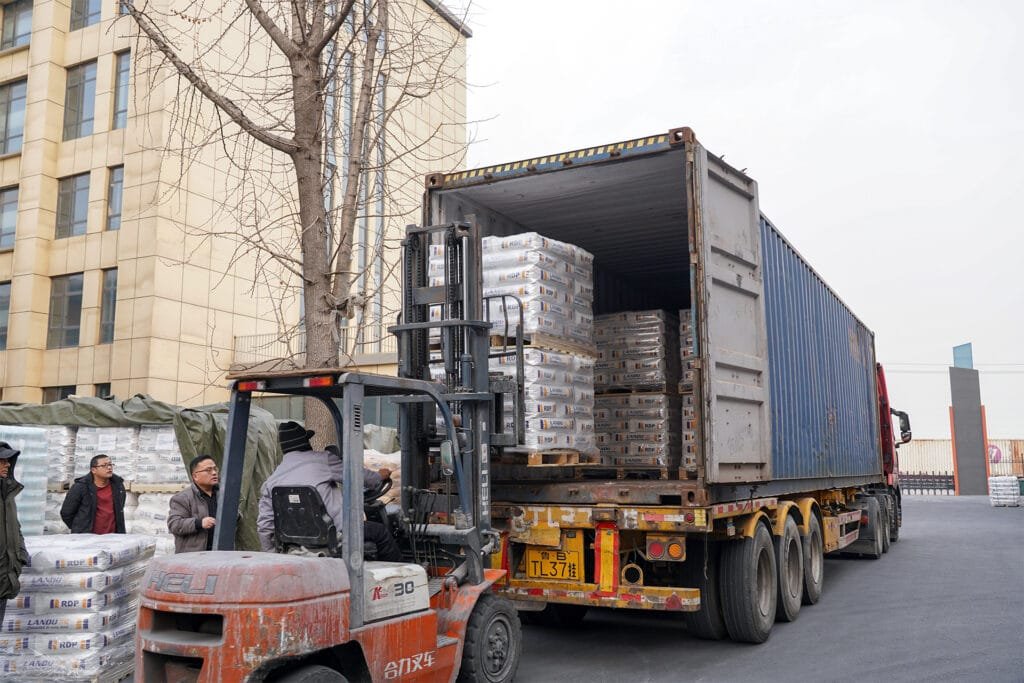
HEMC / MHEC is especially well-suited for gypsum plaster systems where smooth application feel, extended open working time, water retention, anti-sag behavior, and stable mortar consistency are primary requirements.
It helps create a balanced plaster structure that spreads easily under trowel or machine pressure while maintaining enough body to stay stable on vertical surfaces and thick-layer applications.
Gypsum plaster formulations vary by gypsum binder quality, setting time target, application thickness, application method, and local market requirements.
| 成分 | Function in Gypsum Plaster |
|---|---|
| Gypsum Binder | Primary setting binder; provides strength and surface hardness. |
| 鉱物フィラー | Adjust consistency, density, smoothness, and cost balance. |
| Lightweight Aggregates | Reduce density and improve application properties in selected systems. |
| セルロースエーテル(HPMC / HEMC) | Improve water retention, workability, spreading, and consistency. |
| 遅延剤 | Control and extend setting time for application flexibility. |
| スターチエーテル | Support anti-sag behavior and rheology fine-tuning. |
| Air-Entraining Agents | Improve workability and reduce density in selected lightweight systems. |
| その他の添加剤 | Adjust setting behavior, surface hardness, strength, or special properties. |
Different gypsum plaster systems have different cellulose ether performance priorities. The table provides a practical selection reference for each application type.
| 用途タイプ | 推奨製品 | Primary Performance Requirements |
|---|---|---|
| Manual Gypsum Plaster | 中粘度 HPMC / HEMC / MHEC | Smooth spreading, water retention, workability. |
| Machine-Applied Gypsum Plaster | 選定されたHPMC / HEMC / MHEC | Pumpability, sprayability, consistency, stability. |
| 石膏スキムコート | HPMC / HEMC / MHEC | Smooth scraping, fine surface finish, water management. |
| Gypsum Joint Filler | HPMC / HEMC / MHEC | Filling behavior, consistency, surface finish. |
| Lightweight Gypsum Plaster | HPMC / HEMC / MHEC | Workability, density balance, stable consistency. |
| Thick-Layer Gypsum Plaster | 中~高粘度 HPMC / HEMC / MHEC | Body, anti-sag, open working time. |
| Thin-Layer Gypsum Finish | 中粘度 HPMC / HEMC / MHEC | Smoothness, leveling, fine surface quality. |
| Ready-Mix Gypsum Dry Plaster | HPMC / HEMC / MHEC | Batch consistency, application reliability. |
Gypsum systems generally require lower cellulose ether dosages than cement-based systems due to different binder chemistry and water demand characteristics. Final dosage must be confirmed through testing.
Cellulose ether directly influences how gypsum plaster retains water, spreads, stays workable, resists sagging, and finishes before setting.
Water retention prevents plaster from losing moisture too rapidly to absorbent substrates or surface evaporation. This supports stable workability, controlled setting behavior, and better surface finishing quality throughout the application window. Poor water retention can lead to rapid surface drying, shortened working time, rough texture, and inconsistent setting behavior.
Smooth spreading is a commercially valued attribute. Cellulose ether controls viscosity, reduces internal friction, and creates a cohesive plaster body that moves predictably under tool pressure.
Maintains workable plaster consistency long enough for spreading, leveling, adjustment, and finishing before the plaster begins to stiffen.
Improves mixing, applying, leveling, and finishing while reducing applicator fatigue on large interior surfaces.
Medium to high-viscosity grades improve structural body and cohesion for vertical and thick-layer applications.
Maintains water retention during finishing, reduces surface drag, and supports fine texture before painting.
Supports pumpability, sprayability, and rheological stability under pump pressure while reducing excessive slumping, rebound, or surface irregularities.
Improves internal cohesion after mixing, reducing separation, water bleeding, and inconsistent consistency for more predictable application behavior.
Many fresh gypsum plaster issues are linked to water retention, viscosity grade, dosage balance, setting control, substrate absorption, or machine application rheology.
Low water retention, absorbent substrate, hot or dry conditions.
Improve water retention and extend the workable window.
Poor filler quality, unsuitable viscosity grade, low workability.
Improve smoothness and application feel.
Fast-setting gypsum, low water retention, insufficient retarder.
Support workable consistency during the application window.
Weak plaster structure, excess water, low viscosity.
Improve structural body and anti-sag behavior.
Rapid water loss, inconsistent plaster body, rough filler system.
Support smoother finishing behavior.
Excessive dosage or unsuitable high-viscosity grade.
Adjust grade selection and dosage balance.
Wrong rheology, unstable hydration, poor pumpability.
Optimize grade selection and dispersion profile.
Gypsum variation, retarder imbalance, water demand fluctuation.
Improve consistency and formulation stability.
Rapid moisture loss, poor cohesion, thick layer without support.
Improve water retention and internal cohesion.
Understanding the variables that influence cellulose ether behavior helps manufacturers make better formulation decisions and select the most appropriate grade for their product and market.
Gypsum source, calcination method, and purity level affect setting behavior, water demand, strength development, and chemical interaction with cellulose ether.
Retarders and accelerators define the working time and setting profile. Cellulose ether should be selected with the full setting control system in mind.
Mineral fillers influence surface smoothness, density, water demand, and application feel.
Thin-layer finishes and thick-layer applications require different viscosity levels, structural body, and anti-sag performance.
Highly absorbent substrates such as AAC panels or porous masonry draw water rapidly from gypsum plaster.
Viscosity affects water retention, plaster body, spreading behavior, anti-sag performance, and surface finish quality.
Insufficient dosage may cause poor water retention or rough spreading; excessive dosage may cause stickiness or slow finishing.
Machine-applied gypsum plaster requires pumpability, sprayability, hydration behavior under pressure, and wet mortar stability.
Water dosage affects consistency, setting feel, spreading behavior, surface finish, and strength development.
Selecting the right cellulose ether requires systematic evaluation of water retention needs, target spreading behavior, setting time compatibility, anti-sag performance, surface finish expectations, and application method.
Manual, machine-applied, skim coat, joint filler, or lightweight?
Thin-layer finishing or thick-layer plaster?
What gypsum source and quality are you working with?
What retarder system and working time are required?
What filler particle size and system are included?
Water retention, smoother spreading, or anti-sag behavior?
Concrete, AAC, masonry, or gypsum board?
Surface-treated or untreated cellulose ether?
LANDERCOLL can review your gypsum plaster formulation direction and recommend a suitable HPMC or HEMC / MHEC grade for laboratory evaluation.
グレード推奨を依頼する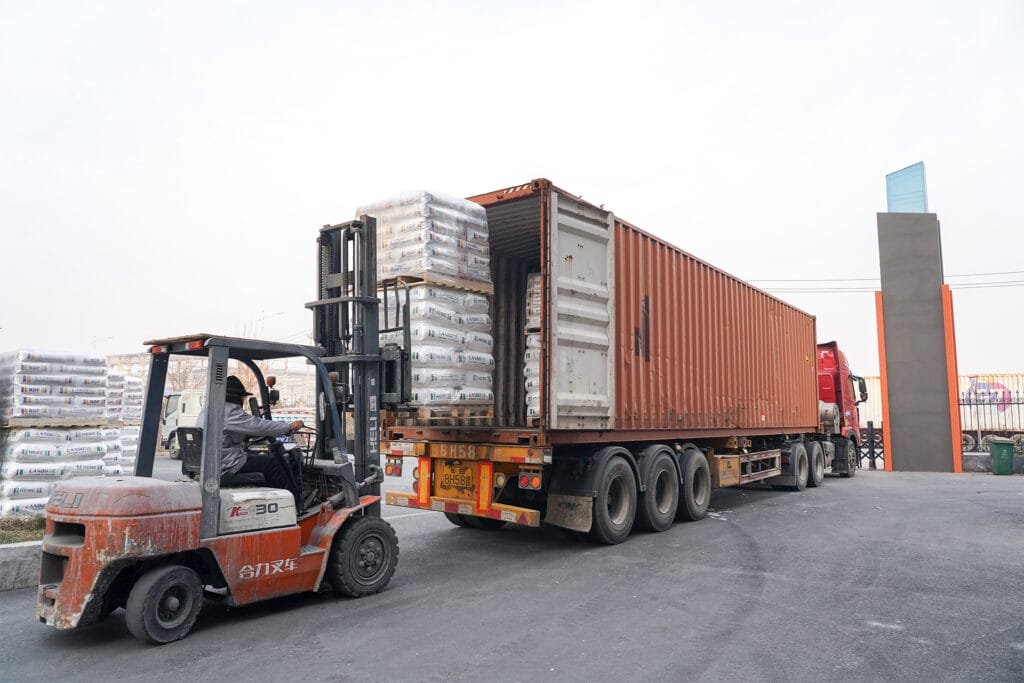
LANDERCOLL provides a complete set of product documentation to support gypsum plaster formulation development, purchasing review, quality approval, and import compliance requirements.
If your gypsum plaster is spreading poorly, drying too quickly, producing inconsistent setting behavior, sagging in thick-layer applications, feeling sticky, delivering rough surface finish, or performing unreliably in machine application, the cellulose ether grade or dosage may need to be reviewed.
LANDERCOLL helps gypsum plaster manufacturers evaluate HPMC and HEMC / MHEC options based on gypsum binder system, retarder profile, filler quality, application method, target consistency, surface finish requirement, and local market conditions.
HPMC and HEMC / MHEC grade selection for gypsum plaster.
Water retention improvement and evaluation.
Smooth spreading and workability support.
Setting time compatibility and open working time discussion.
Anti-sag performance for thick-layer and vertical applications.
Surface finish quality improvement.
Machine application performance support.
Viscosity direction, dosage reference, samples, documents, and quotation communication.
Schema-ready Q&A content for Google Featured Snippets and AI search indexing.
HPMC and HEMC / MHEC are the two main types of cellulose ether used in gypsum plaster formulations. Both improve water retention, smooth spreading, workability, mortar consistency, anti-sag behavior, and surface finish quality.
HPMC improves water retention, smooth spreading, workability, plaster consistency, and surface finishing quality in manual gypsum plaster, machine-applied systems, skim coat, and lightweight gypsum plaster.
HEMC / MHEC improves water retention, smooth application feel, open working time, anti-sag behavior, plaster consistency, and surface finish quality in gypsum-based plaster systems.
Water retention prevents gypsum plaster from losing moisture too quickly to absorbent substrates or evaporation, helping maintain workability, controlled setting behavior, and fine surface finish.
A common reference dosage range is 0.1%–0.35% by weight of the dry formulation, depending on gypsum binder quality, application type, target workability, viscosity grade, and setting time system.
Yes. Suitable HPMC or HEMC / MHEC improves water retention, viscosity balance, and workability, all of which contribute to smoother spreading and better surface finish quality.
Cellulose ether primarily improves water retention, viscosity, and workability. Setting time is mainly controlled by gypsum binder quality, retarder type and dosage, accelerators, and the complete formulation system.
Stickiness is typically caused by excessive cellulose ether dosage, unsuitable high-viscosity grade, excessive water addition, high additive loading, or an unbalanced filler system.
Both are effective. HPMC is versatile for many systems, while HEMC / MHEC is preferred where extended open working time, anti-sag performance, and smooth application feel are primary requirements.
Consider pumpability, sprayability, rheological stability under pump pressure, water retention, anti-sag behavior after spraying, and consistent hydration behavior.
Whether you manufacture manual gypsum plaster, machine-applied gypsum plaster, gypsum skim coat, gypsum joint filler, lightweight gypsum plaster, thick-layer gypsum systems, or ready-mix gypsum dry plaster products, LANDERCOLL can help you identify the right HPMC or HEMC / MHEC grade for better water retention, smooth spreading, consistent workability, and fine surface finish quality.
Share your formulation requirements and let our technical team recommend the most suitable cellulose ether solution for your production needs and target market.
