
TDS
技術データシート
Product specifications and performance data for formulation review.
LANDERCOLLセルロースエーテルは、歯磨き粉メーカーが標準タイプ、シリカタイプ、ホワイトニング、ハーブ、子供用、敏感歯用、歯用ジェル、プレミアムオーラルケア製品において、ペースト構造、増粘性能、研磨剤の懸濁性、保水性、スムーズな押し出し、一貫した配合性能を向上させるのに役立ちます。
炭酸カルシウムペーストから透明な歯磨きジェルまで、適切なCMC、HPMC、またはHECグレードが、予測可能なペーストの粘性、安定した研磨剤の分散、そして海外のオーラルケアメーカーや歯磨き粉処方者にとって信頼性の高いチューブ充填を実現します。

スタンダード・シリカ・ホワイトニング・ハーブ・子供用・敏感歯用・トゥースジェル・プレミアム
 クイックアンサー
クイックアンサーセルロースエーテル(主にCMC)は、歯磨き粉において増粘剤、結合剤、保水剤、研磨剤懸濁助剤として使用されます。ペーストのボディを形成し、チューブからのスムーズな押し出しをサポートし、保管中および使用中の一貫したテクスチャーを維持します。HPMCおよびHECは、特定の歯用ジェルやカスタマイズされたオーラルケアシステムで検討されることもあります。
海外の歯磨き粉メーカーおよびオーラルケア処方者向けの主要な性能、適合性、供給に関する参考情報。


歯磨き粉 は、歯ブラシと共に使用して歯を清掃し、口腔衛生習慣をサポートし、爽快な口当たりを提供するオーラルケア製品です。通常、ペーストまたはジェルとして処方され、研磨粒子、保湿剤、界面活性剤、香料、甘味料、有効成分、増粘剤、防腐剤、水を含むことがあります。
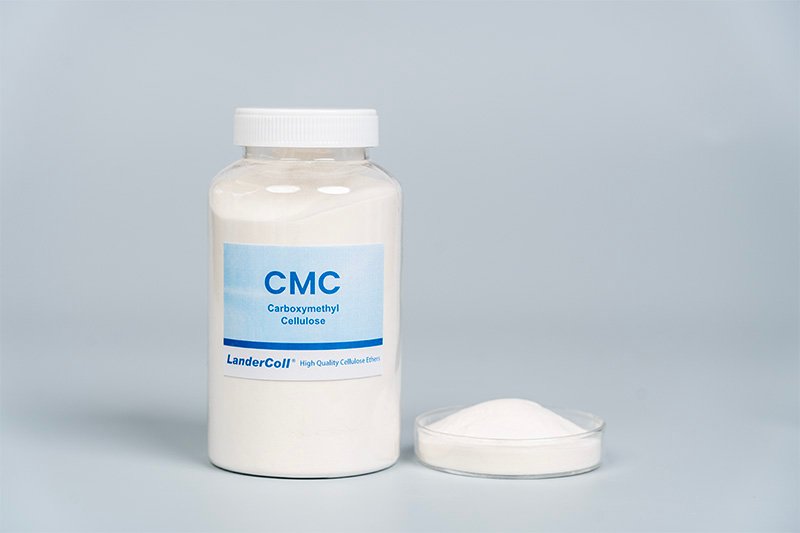
LANDERCOLLは、歯磨き粉メーカー向けにセルロースエーテル製品を提供しており、 CMC(カルボキシメチルセルロース) を増粘、結合、保水、研磨剤懸濁、ペースト構造の主要な推奨品としています。特殊なレオロジー、ジェルテクスチャー、または配合安定性が必要なカスタマイズされたオーラルケアシステムでは、選択された HPMC および HEC グレードも検討される場合があります。
適切な増粘剤と結合剤がないと、歯磨き粉は液体と固体の相に分離し、構造的完全性を失い、押し出しが不安定になり、滑らかなペーストテクスチャーを維持できず、保管中に研磨粒子が沈降する可能性があります。セルロースエーテルは、内部のペースト構造を構築し、一貫した生産性能をサポートします。
歯磨き粉およびオーラルケア用途では、商業使用前に適切な製品グレード、適切な文書、および配合テストが必要です。すべての工業用セルロースエーテルグレードがオーラルケア配合に適しているわけではありません。お客様は、評価または商業生産の前に、正確な製品グレード、技術データ、安全データ、分析証明書、品質要件、および市場固有の文書を確認する必要があります。
LANDERCOLLは、信頼性の高いペースト構造、研磨剤懸濁、保水、スムーズな押し出し、およびさまざまなオーラルケア製品タイプと生産環境にわたる配合の一貫性を必要とする歯磨き粉メーカー向けに、CMC、HPMC、およびHECセルロースエーテルグレードを提供しています。
セルロースエーテルが必要なのか?歯磨き粉には、均一に分散された状態を保つ必要がある固体の研磨粒子、保湿剤、液体、界面活性剤、香料システムが含まれています。LANDERCOLLのセルロースエーテルは、ペーストボディの構築、研磨剤懸濁のサポート、水分移動の制御、そして安定した滑らかで一貫性のあるオーラルケア製品に貢献します。
LANDERCOLL offers CMC as the primary cellulose ether for toothpaste applications, with HPMC for selected specialty rheology and HEC for selected tooth gel systems.
Primary · Anionic · CMC
Key cellulose ether for toothpaste thickening, binding, abrasive suspension, and paste structure.
CMC (Carboxymethyl Cellulose) is one of the most widely used cellulose derivatives in toothpaste formulations worldwide. It helps provide paste body, smooth texture, water retention, binding, and stable suspension of abrasive particles such as calcium carbonate or hydrated silica. In toothpaste systems, CMC supports stable extrusion from the tube, reduces phase separation, and helps maintain uniform consistency during storage and use.
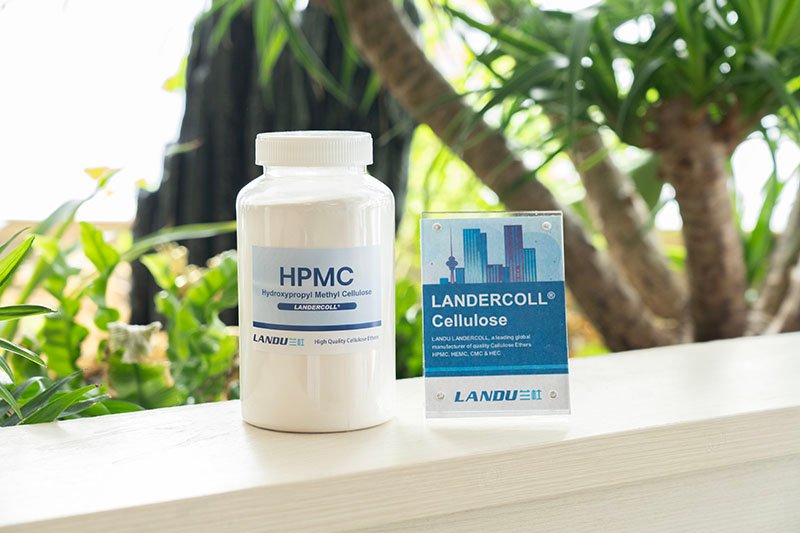 Specialty · HPMC · Gel Rheology
Selected cellulose ether for special rheology, gel texture, film support, and formulation stability.
HPMC may be considered in selected toothpaste, tooth gel, and oral care formulations where special rheology, smooth gel texture, film-forming behavior, or controlled viscosity is required. Its use should be validated through formulation testing because toothpaste performance depends on abrasive type, humectant system, surfactant system, pH, flavor, active ingredients, and processing method.
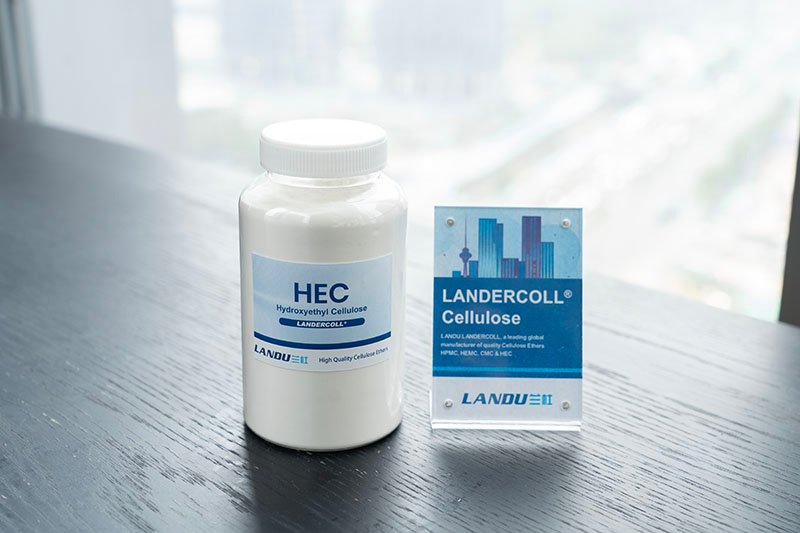 Selected · Non-Ionic · HEC
Non-ionic cellulose ether option for selected gel texture and viscosity control.
HEC may be considered in selected tooth gel or oral care gel systems where smooth viscosity, transparent gel texture, or water-based rheology control is required. HEC is not usually the first choice for traditional high-abrasive toothpaste systems, but it may support selected gel formulations where compatibility and texture requirements are suitable.
Toothpaste formulations vary by abrasive system, humectant level, active ingredients, and market positioning. The table below provides a general reference for common components.
| 成分 | Function in Toothpaste |
|---|---|
| Abrasives | Support mechanical cleaning and paste structure |
| 保湿剤 | Help retain moisture and reduce drying |
| 水 | Solvent and formulation medium |
| Cellulose Ether (CMC / HPMC / HEC) | Thickening, binding, water retention, suspension, and paste stability |
| Surfactants | Support foaming, wetting, and cleaning feel |
| Flavors | Provide taste and freshness |
| Sweeteners | Improve taste profile |
| Active Ingredients | Support selected oral care functions depending on product design |
| 保存料 | Support product protection where needed |
| Colorants / Opacifiers | Improve product appearance |
| pH調整剤 | Maintain formulation pH and stability |
| 用途タイプ | 推奨製品方向性 | 主な性能要件 |
|---|---|---|
| 標準歯磨き粉 | CMC | Paste structure, abrasive suspension, smooth extrusion |
| Calcium Carbonate Toothpaste | CMC | Binding, water retention, stable paste body |
| シリカ歯磨き粉 | CMC / selected HPMC | Suspension, smooth texture, consistency |
| 歯用ジェル | HPMC / HEC / selected CMC | Gel texture, clarity, controlled viscosity |
| ホワイトニング歯磨き粉 | CMC / selected HPMC | Abrasive suspension, paste stability, smooth extrusion |
| ハーブ歯磨き粉 | CMC / 選別されたセルロースエーテル | Particle suspension, uniform appearance, texture |
| 子供用歯磨き粉 | Suitable oral care grade CMC / HPMC | Smooth texture, stable consistency, extrusion behavior |
| 知覚過敏用歯磨き粉 | CMC / selected HPMC | Active compatibility, paste body, stable texture |
| High-Viscosity Toothpaste | High viscosity CMC | Strong body, structure, extrusion control |
| プレミアム歯磨き粉 | CMC / selected HPMC | Smooth texture, stable body, consumer-friendly feel |
These dosage ranges are starting references only. Final dosage must be confirmed through viscosity testing, extrusion testing, abrasive suspension testing, storage stability testing, phase separation evaluation, texture assessment, and production trials.
| 用途タイプ | 標準的な参考添加量 |
|---|---|
| 標準歯磨き粉 | 0.5% – 1.5% |
| Calcium Carbonate Toothpaste | 0.6% – 1.8% |
| シリカ歯磨き粉 | 0.4% – 1.5% |
| 歯用ジェル | 0.5% – 2.0% |
| ホワイトニング歯磨き粉 | 0.6% – 1.8% |
| ハーブ歯磨き粉 | 0.5% – 1.8% |
| 子供用歯磨き粉 | 0.4% – 1.5% |
| 知覚過敏用歯磨き粉 | 0.5% – 1.5% |
| High-Viscosity Toothpaste | 0.8% – 2.0% |
| プレミアム歯磨き粉 | 0.5% – 1.8% |
Cellulose ether influences thickening, binding, abrasive suspension, water retention, smooth extrusion, texture consistency, and long-term storage performance in toothpaste and oral care systems.
CMC helps build toothpaste viscosity and paste body. Proper thickening supports tube stability, controlled extrusion, and a consistent product texture that consumers expect. Viscosity level can be adjusted by selecting the appropriate CMC grade and dosage.
Cellulose ether helps bind formulation components together and supports internal paste cohesion. This reduces instability, prevents phase separation, and improves product uniformity across batches and during storage.
Calcium carbonate, hydrated silica, and other abrasive particles must remain evenly distributed throughout the paste. Cellulose ether helps suspend these particles and maintain consistent texture during storage and use.
Humectants and water must be balanced to maintain toothpaste moisture and stability. Cellulose ether supports water retention and helps reduce drying or syneresis risk over the product shelf life.
Toothpaste should extrude smoothly from the tube without being too watery, too stiff, or too stringy. The right cellulose ether grade helps balance structure and flow to deliver a clean, controlled ribbon of paste.
A suitable cellulose ether grade helps maintain toothpaste consistency, appearance, and structure during storage when compatible with the complete formulation system including abrasives, humectants, surfactants, and active ingredients.
When toothpaste fails paste structure, extrusion, suspension, or stability targets, cellulose ether grade, dosage, hydration, or compatibility is often the first variable to review.
Low binder level or weak thickener system.
CMC supports paste body and viscosity.
Excessive thickener or high solids content.
Adjust grade and dosage.
Poor water retention or formulation imbalance.
Improve water binding and stability.
Weak suspension or poor rheology.
Support abrasive suspension.
Wrong viscosity profile or high solids imbalance.
セルロースエーテルのグレードと添加量を調整。
Unsuitable rheology or excessive polymer.
Optimize grade and polymer level.
Poor dispersion, abrasive imbalance, or weak hydration.
Improve processing and formulation balance.
pH, electrolytes, humectants, surfactants, or temperature interaction.
Test compatible grade and formulation stability.
Toothpaste formulations combine abrasives, humectants, surfactants, and active ingredients in a complex paste system. Multiple factors influence how cellulose ether performs and how stable the product remains over time.
Calcium carbonate, hydrated silica, and other abrasive systems have different particle size, density, and suspension requirements. The abrasive system significantly influences the required cellulose ether grade and dosage.
Sorbitol, glycerin, propylene glycol, and other humectants influence water retention, viscosity, texture, and extrusion behavior. High humectant levels may affect cellulose ether hydration and final paste consistency.
Water level affects hydration, paste body, viscosity, drying tendency, and phase stability. Insufficient water can impair cellulose ether hydration; excess water may reduce paste body.
Surfactants affect foaming, wetting, flavor release, viscosity, and compatibility with cellulose ether. Some surfactants may interact with cellulose ether and require compatibility evaluation.
Fluoride, whitening ingredients, sensitivity-support ingredients, herbal extracts, or other actives may affect compatibility and stability. Final claims depend on the complete formulation and applicable requirements.
pH can influence thickener performance, preservative efficiency, flavor stability, and active ingredient compatibility. CMC performance can be affected by pH extremes.
Addition sequence, dispersion quality, hydration time, vacuum mixing, shear, and temperature affect cellulose ether hydration and final paste texture. Proper dispersion before hydration is critical.
Tube, pump, sachet, or gel packaging affects the target viscosity, extrusion force, and product structure. Different packaging formats may require different cellulose ether grades or dosage levels.
Choosing the right cellulose ether requires balancing paste structure, viscosity, abrasive suspension, water retention, extrusion behavior, texture, and storage stability across the complete toothpaste formulation system.
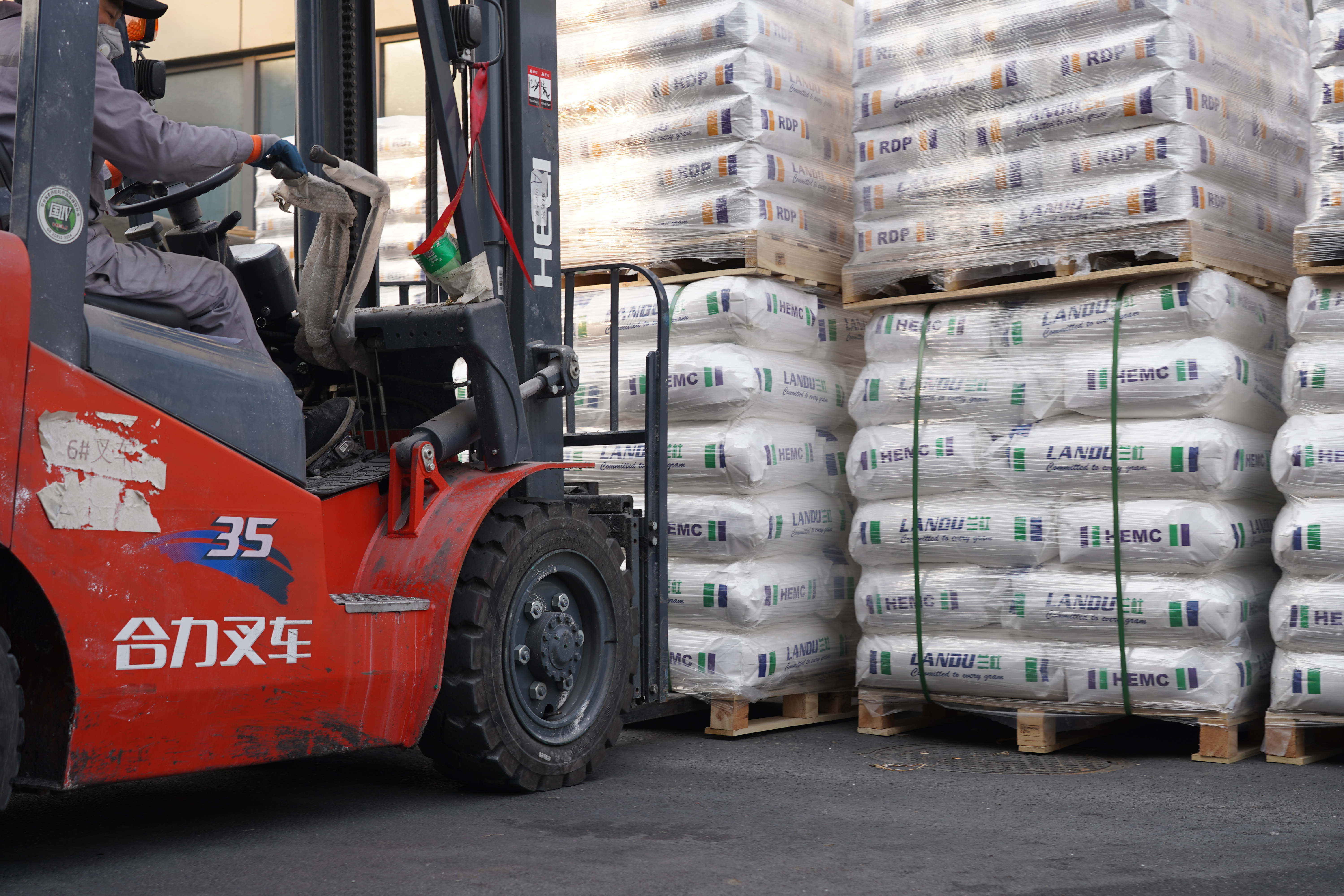 Grade Selection Guide
LANDERCOLL can review your toothpaste formulation direction and recommend suitable CMC, HPMC, HEC, or selected cellulose ether grades for testing.
Paste, gel, whitening, herbal, or children’s toothpaste?
Calcium carbonate, silica, or another abrasive?
What humectant system and water level are used?
What target viscosity and extrusion behavior are required?
Smooth paste body or transparent gel texture?
What surfactant system is included?
Are active ingredients or functional particles included?
What pH range is required?
Tube, pump, sachet, or gel packaging?
What storage stability requirement is needed?
What production process and hydration method are used?

LANDERCOLL provides product-related documentation to support toothpaste formulation testing, purchasing review, quality approval, and import compliance.
 Formulation & Performance Evaluation
Supporting toothpaste and personal care product development with complete technical documentation.
— LANDERCOLL R&D —Product specifications and performance data for formulation review.
Safety, handling, and regulatory information (SDS / MSDS).
Batch quality confirmation supplied per shipment.
Detailed product specification for quality and formulation review.
Formulation guidance and usage recommendations.
Grade recommendation for specific toothpaste applications.
取り扱い、保存期間、および保管条件の参考情報。
Quality-related documents for suitable grades and export-related documents where applicable for international orders.
All documents supplied upon request to support formulation review, quality approval, and import compliance.
製品資料を請求するIf your toothpaste is too thin or too stiff, shows water separation, abrasive settling, poor extrusion, stringy or grainy texture, or viscosity drift over time — the cellulose ether grade or dosage may need to be reviewed.
 Formulation Support
CMC grade selection, abrasive suspension, and extrusion optimization for toothpaste manufacturers.
— LANDERCOLL Technical Team —CMC selection for toothpaste structure and paste body
Abrasive suspension support and grade recommendation
Water retention and phase stability discussion
Smooth extrusion improvement
Tooth gel rheology adjustment
適合性試験の方向性
Dosage reference and starting point guidance
サンプルと見積もりの連絡
CMC is the most commonly used cellulose ether in toothpaste for thickening, binding, water retention, abrasive suspension, paste structure, and smooth extrusion. HPMC and HEC may be considered in selected tooth gel or customized oral care systems where special rheology or gel texture is required.
CMC helps build paste body, suspend abrasive particles such as calcium carbonate and hydrated silica, improve water retention, support smooth extrusion from the tube, and maintain toothpaste consistency during storage and use.
HPMC may be used in selected toothpaste or tooth gel systems where special rheology, gel texture, film-forming support, or viscosity control is required. Compatibility testing with the complete formulation — including abrasives, humectants, surfactants, and active ingredients — is recommended before commercial use.
HEC may be considered in selected water-based tooth gel systems where smooth viscosity and gel texture are needed. Final suitability depends on formulation compatibility, quality requirements, and applicable documentation for the target market.
A common reference dosage is around 0.4%–2.0%, depending on toothpaste type, abrasive system, humectant level, target viscosity, and cellulose ether grade. Final dosage should always be confirmed through formulation testing and production trials.
Water separation in toothpaste may be caused by insufficient thickener level, poor water retention, abrasive system imbalance, humectant system issues, poor dispersion during manufacturing, or an unsuitable cellulose ether grade. Reviewing the cellulose ether grade and dosage is a recommended first step.
Difficult extrusion may be caused by excessive viscosity, high solids content, unsuitable cellulose ether grade, poor hydration during processing, or an unbalanced abrasive and humectant system. Adjusting the cellulose ether grade or dosage can help improve extrusion behavior.
Cellulose ether mainly supports paste structure, viscosity, suspension, and stability. Cleaning effect depends primarily on the abrasive system, surfactants, brushing action, active ingredients, and complete formulation design.
Start with toothpaste type, abrasive system, humectant system, target viscosity, extrusion behavior, pH, active ingredients, packaging format, and storage stability requirement. LANDERCOLL can recommend suitable CMC or selected cellulose ether grades based on your specific formulation direction.
Whether you produce standard toothpaste, calcium carbonate toothpaste, silica toothpaste, tooth gel, whitening toothpaste, herbal toothpaste, children’s toothpaste, sensitive toothpaste, or premium oral care formulations — LANDERCOLL cellulose ether can help you achieve better paste structure, abrasive suspension, smooth extrusion, water retention, and formulation stability.
Our team can review your formulation direction, recommend the most suitable CMC, HPMC, or HEC grade, and support your evaluation with technical data, samples, and documentation.
LANDERCOLL cellulose ether products are manufactured for industrial and commercial use. Toothpaste and oral care applications require suitable product grades and appropriate documentation. All formulation data, dosage references, and application guidance provided are for general reference only. Final product performance must be confirmed through testing under your specific formulation, process, and storage conditions.