セルロースエーテルの卓越性 — 世界中の1000以上の企業に信頼されています 無料サンプルを入手


CMCおよび選定されたセルロースエーテル溶液は、セラミック釉薬システムにおける釉薬の懸濁、粘度調整、結合、保水性、表面塗布、および加工安定性に使用されます。
LANDERCOLLセルロースエーテルは、壁タイル、床タイル、磁器、衛生陶器、および特殊セラミック釉薬システムにおいて、釉薬スラリーの安定性、塗布の一貫性、表面被覆性、懸濁挙動、および生産信頼性を向上させるのに役立ちます。
スプレー釉薬や浸漬釉薬から、着色釉薬、不透明釉薬、特殊処方に至るまで、適切なセルロースエーテルグレードが、安定した懸濁性、制御された粘度、そして焼成前の一貫した表面塗布を支えます。
— CMC · HPMC · HEC · 懸濁安定性 · 粘度調整 · 結合 · 表面被覆 · セラミック釉薬 · 工業用セルロースエーテル
 壁タイルの釉薬
 床タイル用グレーズ
 色釉
色釉
 スプレーグレーズ


 サスペンション · 粘度 · 表面被覆
セラミック釉薬の調合には、鉱物粒子、顔料、フリット、機能性添加剤の安定した懸濁が必要です。製造および塗布の過程では、釉薬スラリーが適切な粘度、滑らかな流動性、良好な表面被覆性、そして焼成前のセラミック素地への安定した付着性を維持しなければなりません。
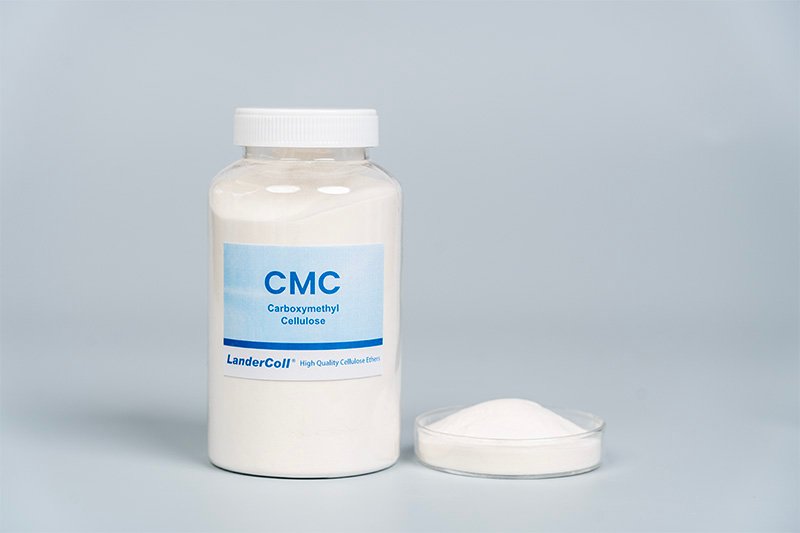
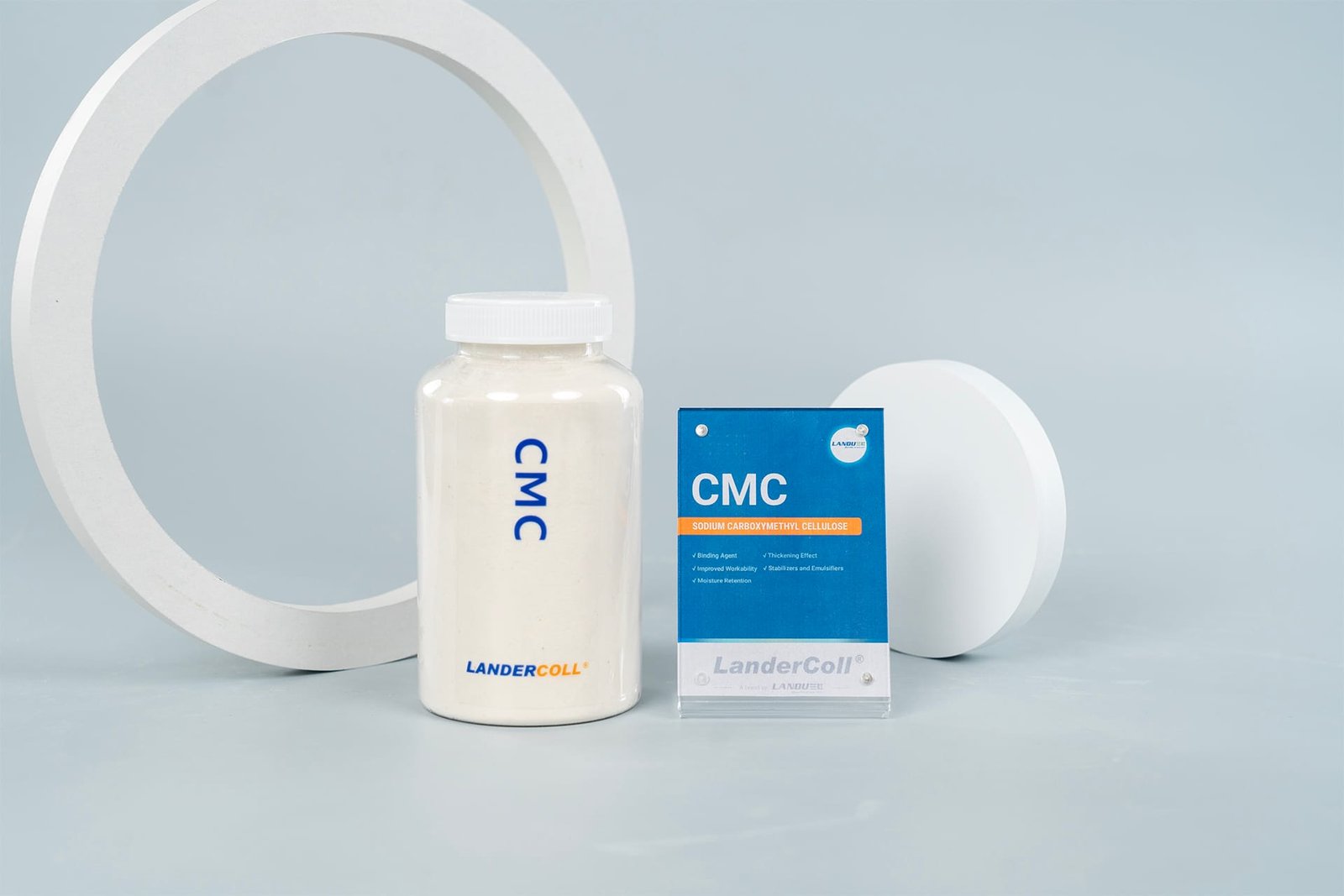
LANDERCOLLは、セラミックグレーズ用途向けにセルロースエーテル製品を提供しています — CMC(カルボキシメチルセルロース) 懸濁安定性、結合性、粘度調整、保水性、および釉薬の塗布挙動の向上における主要グレードとして。特殊なレオロジー、流動制御、または加工安定性が求められるカスタマイズ釉薬システム向けには、選定されたHPMCおよびHECグレードも利用可能です。
適切なセルロースエーテルグレードは、釉薬の均一性向上、沈降低減、表面施工性の改善、安定した生産性能の維持に寄与し、歩留まり向上、表面欠陥の低減、より信頼性の高い焼成釉薬品質に直接つながります。
セラミック釉薬システムには、微細な鉱物粒子、顔料、不透明化剤、フリット粒子が含まれており、これらは製造と塗布の全工程で均一に分散された状態を維持する必要があります。釉薬スラリーが不安定だと、粒子が沈降したり、バッチ間で粘度が変動したり、塗布が不均一になったり、最終的な焼成面にピンホール、ハガレ、色むら、光沢の不均一などの欠陥が生じる可能性があります。
LANDERCOLLは、セラミック釉薬用途に特化したセルロースエーテル製品群を提供しています。製品の選択は、釉薬の種類、塗布方法、顔料システム、および特定の性能目標によって異なります。

懸濁安定性、粘度制御、結合性、釉薬塗布性能
CMCは、セラミック釉薬配合で最も一般的に使用されるセルロースエーテルです。釉薬粒子を均一に分散させ、保管中および製造中のスラリー性能を安定して維持するのに役立ちます。沈降を低減し、未焼成釉薬層の接着性を向上させ、バッチ間で一貫した釉薬厚みを維持します。

特殊なレオロジー調整、保水性、塗布制御
HPMCは、特殊な保水性、レオロジー改質、またはカスタマイズされた塗布挙動が必要とされる特定のセラミック釉薬システムで検討される場合があります。その使用は、フリットの種類、顔料システム、固形分、および塗布方法に基づき、配合試験を通じて常に検証される必要があります。

水性セラミックシステムにおける非イオン性粘度調整と懸濁支持
HECは、粘度調整や懸濁支持が必要な特定の釉薬スラリーや特殊セラミックコーティングシステムで使用されることがあります。HECは非イオン性であるため、一般的に電解質の干渉に対する感受性が低く、pHや可溶性塩分含有量が変動するシステムで有用です。
セルロースエーテルは、焼成前の懸濁安定性、粘度調整、結合性、保水性、および安定した施工性能をサポートする機能性添加剤として使用されます。
| 成分 | Function in Ceramic Glaze |
|---|---|
| フリット | Main glass-forming component |
| Feldspar | Fluxing and glaze formation support |
| Quartz / Silica | Supports glaze structure and fired surface properties |
| Clay / Kaolin | Suspension, adhesion, and processing support |
| 顔料 | Provide color and decorative effect |
| Opacifiers | Improve opacity and visual appearance |
| 水 | Processing medium for glaze slurry |
| セルロースエーテル | Suspension, viscosity control, binding, and water retention |
| 分散剤 | Improve particle dispersion and slurry flow |
| その他の添加剤 | Adjust rheology, surface behavior, drying, or application performance |
Different ceramic glaze systems require different cellulose ether performance profiles. The table below provides a practical selection reference for ceramic glaze formulators and production engineers.
| 用途タイプ | 推奨方向性 | 主な性能要件 |
|---|---|---|
| 壁タイルの釉薬 | CMC | Suspension, surface coverage, application stability |
| 床タイル用グレーズ | CMC | Viscosity control, adhesion, uniform coating |
| Porcelain Tile Glaze | CMC / 選別されたセルロースエーテル | Fine particle suspension, stable slurry, smooth surface |
| 色釉 | CMC | Pigment distribution, color uniformity, suspension |
| Opaque Glaze | CMC / 選択グレード | Opacifier suspension, viscosity, stable appearance |
| スプレーグレーズ | CMC / selected low-viscosity grade | Sprayability, viscosity balance, surface coverage |
| Dipping Glaze | CMC | Slurry stability, adhesion, coating control |
| Specialty Glaze | CMC / HPMC / HEC | Customized rheology, suspension, application control |
The following table provides reference dosage ranges for cellulose ether in ceramic glaze applications. Actual dosage should be determined through formulation testing and production-scale validation.
These dosage ranges are starting references only. Final dosage should be confirmed through slurry viscosity testing, suspension testing, application trials, drying evaluation, surface inspection, firing trials, and production-scale validation.
| 用途 | 標準的な参考添加量 |
|---|---|
| 壁タイルの釉薬 | 0.05% – 0.30% |
| 床タイル用グレーズ | 0.05% – 0.30% |
| Porcelain Tile Glaze | 0.05% – 0.35% |
| 色釉 | 0.05% – 0.35% |
| Opaque Glaze | 0.08% – 0.40% |
| スプレーグレーズ | 0.03% – 0.25% |
| Dipping Glaze | 0.05% – 0.35% |
| Specialty Glaze | 0.08% – 0.50% |
CMC helps keep glaze particles, pigments, frits, and opacifiers uniformly dispersed throughout the slurry. This supports more stable glaze slurry during storage and production, and more consistent application behavior — reducing the need for frequent re-mixing and preventing defects caused by particle segregation.
Cellulose ether helps adjust glaze slurry viscosity to match the requirements of the target application method — whether spraying, dipping, bell glazing, curtain glazing, or roller application. Proper viscosity control is essential for achieving consistent coating thickness and surface uniformity.
Before entering the kiln, the unfired glaze layer must adhere firmly to the ceramic body to prevent chipping, cracking, or detachment during handling and transport on the production line. CMC supports binding and helps improve the cohesion and mechanical integrity of the unfired glaze layer.
Cellulose ether helps manage water movement in the glaze layer during application and drying. Controlled water retention supports more stable drying behavior, reduces the risk of surface cracking, and helps maintain consistent glaze thickness from application to firing.
A suitable cellulose ether grade helps improve coating uniformity and surface coverage by supporting consistent flow, leveling, and adhesion behavior during application. Final surface quality depends on the complete glaze formulation, application equipment, and firing process.
Cellulose ether supports stable slurry behavior and helps reduce production variation caused by settling, viscosity drift, or poor particle distribution — contributing to higher production yields, fewer surface defects, and more reliable batch-to-batch glaze quality.
When ceramic glaze processing or surface quality fails, the cellulose ether grade, dosage, or system compatibility is often the first variable to review. The guide below maps typical symptoms to likely causes and practical cellulose ether support strategies.
Poor suspension or uneven particle distribution in glaze slurry.
CMC supports suspension stability — review grade selection and dosage level.
Poor viscosity control or application imbalance during spraying or dipping.
Improve rheology and application consistency with a suitable CMC grade.
Weak binding or low cohesion of the unfired glaze layer on the ceramic body.
CMC supports binding and unfired layer strength before kiln entry.
Dispersant, solids, pH, or electrolyte interaction affecting additive performance.
Test compatible cellulose ether grade and optimize dispersant-additive balance.
Poor dispersion or weak suspension in colored glaze systems.
Support pigment distribution and stability with properly matched CMC grade.
Viscosity too high or unsuitable rheology for spray glaze application.
Use suitable low-viscosity grade and optimized dosage for spray systems.
Drying stress or uneven moisture distribution in the glaze layer.
Support water retention and layer cohesion through grade optimization.
Raw material variation or poor additive balance across production batches.
Improve slurry stability and batch consistency through grade and dosage control.
Understanding the key variables that influence cellulose ether behavior in glaze systems is essential for successful formulation and production optimization.
Frits, feldspar, quartz, clay, pigments, and opacifiers influence suspension, viscosity, and adhesion.
Fine and coarse particles affect settling tendency, slurry flow, and surface smoothness.
High-solids systems require careful viscosity and rheology control.
Strongly influence slurry flow, particle distribution, and cellulose ether performance.
pH and soluble salts affect hydration, viscosity response, and suspension stability.
Spraying, dipping, bell glazing, and roller application require different viscosity profiles.
Speed, temperature, humidity, and layer thickness influence cracking and surface uniformity.
Kiln temperature, firing curve, and cooling behavior affect final fired glaze appearance.
Choosing the right cellulose ether requires balancing suspension stability, viscosity, application method, binding, water retention, surface coverage, drying behavior, and production consistency.
LANDERCOLL can help review your ceramic glaze formulation direction and recommend suitable CMC or selected cellulose ether grades for testing.
Wall tile, floor tile, porcelain, sanitaryware, or specialty glaze?
Spraying, dipping, bell glazing, curtain glazing, or another method?
What solids content and target viscosity are required?
Are pigments, opacifiers, or heavy frit particles included?
Is settling, viscosity drift, or poor surface coverage occurring?
What dispersants or deflocculants are used in the glaze?
What drying and firing conditions are required?
What production consistency and reliability targets apply?
Are there specific fired glaze appearance or surface requirements?
Not sure which cellulose ether grade is most suitable for your ceramic glaze? LANDERCOLL can recommend a practical grade for laboratory evaluation.
セラミックグレーズのおすすめを教えてください
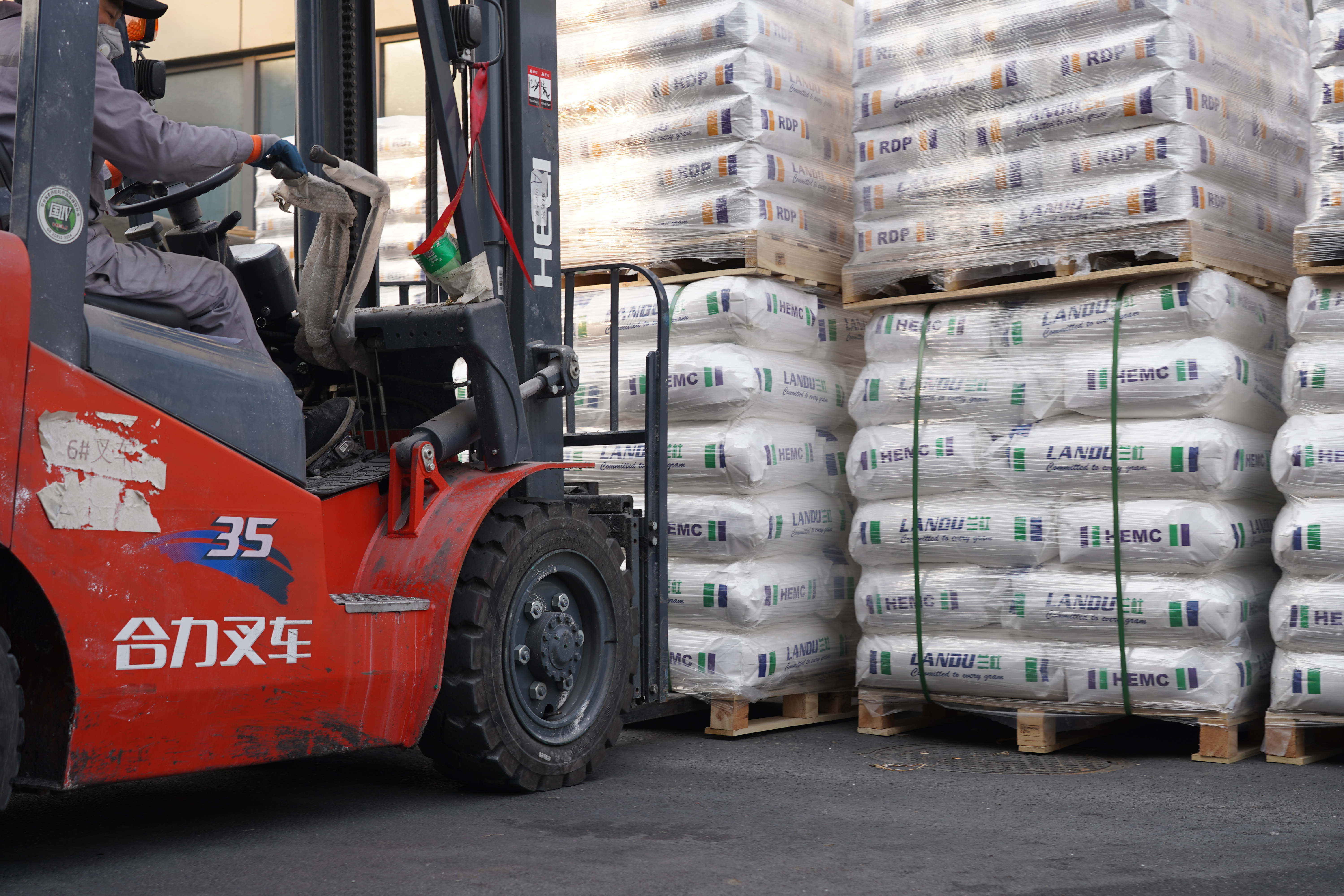 吸湿性あり・不使用時は密閉してください
LANDERCOLL provides product-related documents to support ceramic glaze formulation testing, purchasing review, quality evaluation, and internal approval — particularly important for international procurement teams managing multi-site ceramic manufacturing operations.
製品資料を請求するIf your ceramic glaze has settling, pigment separation, viscosity drift, poor adhesion before firing, uneven surface coverage, poor sprayability, cracking during drying, or inconsistent production performance — the cellulose ether grade, dosage, or system compatibility may need to be reviewed.
LANDERCOLL can evaluate suitable CMC and selected cellulose ether options based on your glaze composition, solids content, pigment system, dispersants, application method, drying conditions, and performance targets.
CMC grade selection for glaze type and application method
Suspension stability improvement discussion and dosage guidance
Viscosity and rheology adjustment for spraying, dipping, or bell glazing systems
Pigment and opacifier distribution support for colored and opaque glazes
Binding and surface adhesion support for unfired glaze layer integrity
Application stability evaluation for production consistency improvement
Dosage reference based on glaze composition and production conditions
評価および商業計画のためのサンプルと見積もりの連絡
CMC (Carboxymethyl Cellulose) is the most commonly used cellulose ether in ceramic glaze formulations, providing suspension stability, viscosity control, binding, water retention, and application consistency. HPMC may be considered in selected specialty glaze systems, and HEC may be used in selected glaze slurry systems where non-ionic viscosity control is needed.
CMC helps improve glaze slurry suspension stability, viscosity control, pigment and particle distribution, unfired glaze adhesion to the ceramic body, water retention during application and drying, and surface application consistency. It is the primary functional additive for glaze processing performance.
Yes. Suitable CMC grades can help improve suspension stability and significantly reduce particle settling in ceramic glaze slurries during storage and production — supporting more consistent application behavior and reducing the need for frequent re-mixing.
Cellulose ether can help improve viscosity control, flow behavior, and application consistency, which supports better and more uniform surface coverage. Final surface quality also depends on glaze composition, application equipment, drying conditions, and firing process.
A common reference dosage range is 0.03%–0.50%, depending on glaze type, solids content, application method, particle size distribution, and cellulose ether grade. Spray glaze systems typically use lower dosages (0.03%–0.25%) while specialty glazes may require higher levels (0.08%–0.50%).
Viscosity drift may be caused by dispersant interaction, changes in solids content, pH variation, electrolyte level, particle settling, poor mixing, temperature fluctuation, or an unsuitable cellulose ether grade. Reviewing grade compatibility and optimizing the dispersant-cellulose ether balance can help stabilize viscosity.
Cellulose ether is an organic additive that burns out during firing. At typical dosage levels, properly selected cellulose ether grades do not adversely affect fired glaze appearance. Final fired surface quality depends on glaze composition, application thickness, burnout behavior, firing schedule, and kiln conditions.
Start with glaze type, particle size distribution, solids content, application method, target viscosity, pigment and opacifier system, suspension requirement, drying behavior, and firing conditions. LANDERCOLL can recommend suitable CMC or selected cellulose ether grades for testing based on your specific glaze system parameters.
Yes. Share your ceramic glaze type, application method, solids content, pigment system, current production issues, and performance targets. LANDERCOLL can recommend suitable CMC, HPMC, or HEC options and provide samples, TDS, SDS, CoA, and dosage guidance for laboratory evaluation.
Whether you produce wall tile glaze, floor tile glaze, porcelain tile glaze, colored glaze, opaque glaze, spray glaze, dipping glaze, or specialty ceramic glaze — LANDERCOLL can help you choose the right cellulose ether grade for better suspension stability, viscosity control, binding, water retention, surface coverage, and processing consistency.
Our cellulose ether portfolio for ceramic glaze applications is supported by full technical documentation, application guidance, and dedicated technical support — helping your production team reduce defects, improve surface quality, and achieve more consistent glaze performance batch after batch.
CMC for Ceramic Glaze · HPMC for Specialty Glaze · HEC for Glaze Slurry · Suspension Stability · Viscosity Control · Binding · Surface Coverage · Ceramic Tile Body · Construction · Industrial · Pharmaceutical Applications.
