
TDS
技術データシート
Product specifications and performance data for formulation review.
LANDERCOLLセルロースエーテルは、スタイリング製品メーカーが粘度制御、ゲル形成、レオロジー調整、粒子懸濁、滑らかな質感、そしてヘアジェル、ムース、スタイリングクリーム、ポマード、ワックス、カラースタイリング製品、粒子含有処方全体にわたる一貫したホールド性を向上させるのに役立ちます。
ハードホールドのヘアジェルから軽やかなスタイリングムースまで、適切なHEC、HPMC、CMCグレードは、海外のヘアケアメーカーや処方開発チームに対し、予測可能なゲル構造、安定したフォーム性能、信頼性の高いスタイリング挙動を提供します。

ヘアジェル・ムース・スタイリングクリーム・ポマード・ワックス・カラード・スプレージェル・パーティクルジェル
 クイックアンサー
クイックアンサーセルロースエーテルは、主にレオロジー調整剤、増粘剤、安定剤としてヘアスタイリング製品に使用されています。HECはヘアジェルやムースにおいて最も一般的な選択肢であり、粘度調整とゲル構造を提供します。HPMCは特定のシステムにおいてレオロジー調整と皮膜形成挙動をサポートし、CMCは特殊なスタイリング処方において粒子、顔料、または添加剤の懸濁を助けます。
海外スタイリング製品メーカーおよびヘアケア処方者向けの主要な性能、互換性、供給リファレンス。
Looking for a cellulose ether recommendation for your styling product formulation?
スタイリング剤のおすすめを聞く 見積もりを依頼する


Styling products are hair care products designed to shape, hold, or add texture to hair. They include gels, mousses, creams, pomades, waxes, sprays, and foam products. Formulations vary in viscosity, gel strength, clarity, and styling hold, and may contain polymers, humectants, oils, conditioning agents, colorants, or fragrance.
LANDERCOLL provides cellulose ether products for styling product manufacturers, including HEC for viscosity control and gel formation, HPMC for rheology adjustment and film support, and CMC for particle or additive suspension in selected systems.
Without a suitable cellulose ether, styling formulations may separate, feel uneven, fail to provide consistent styling performance, or be difficult to apply evenly through hair. Cellulose ether helps control viscosity, improve texture, support hold, suspend additives, and maintain product stability.
LANDERCOLL provides HEC, HPMC, and CMC cellulose ether grades for styling product manufacturers who need dependable viscosity control, gel structure, particle suspension, smooth texture, and formulation consistency across hair gel, mousse, cream, and specialty styling formats.
Styling products must have controlled viscosity, smooth texture, and uniform hold. LANDERCOLL cellulose ethers help formulators control gel strength, improve application feel, suspend additives, and maintain stable, consistent styling performance.
LANDERCOLL offers HEC as the primary cellulose ether for hair gels and mousses, with HPMC for selected rheology and film support and CMC for particle-containing styling systems.
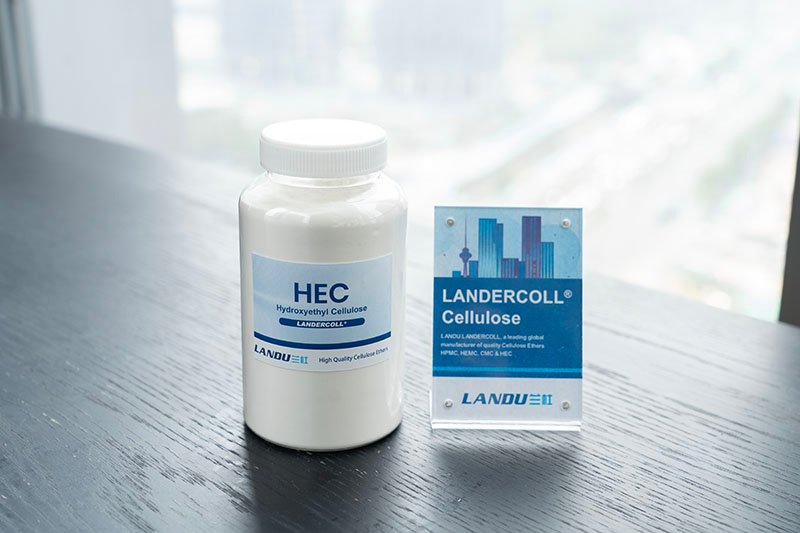
主要 · ノニオン性 · HEC
Non-ionic cellulose ether for viscosity, gel formation, and rheology control.
HEC (Hydroxyethyl Cellulose) is widely used in hair gels, mousses, and styling systems where viscosity, texture, and hold need to be carefully balanced. It helps create smooth, transparent gels, stable mousse foams, and consistent styling performance. As a non-ionic polymer, HEC offers broad compatibility with most styling system ingredients.
 Specialty · HPMC · Rheology
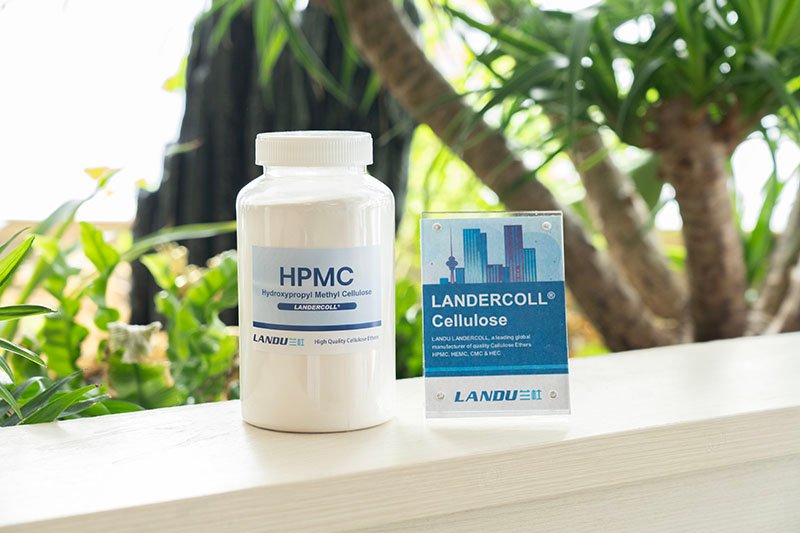
Specialty cellulose ether for rheology adjustment, film support, and texture control.
HPMC may be used in selected styling products — including gels, creams, and styling foams — where rheology modification, film-forming behavior, or texture enhancement is desired. HPMC can contribute to a smooth, non-sticky hair feel and may support film formation on the hair surface in selected formulations.
 Specialty · CMC · Suspension
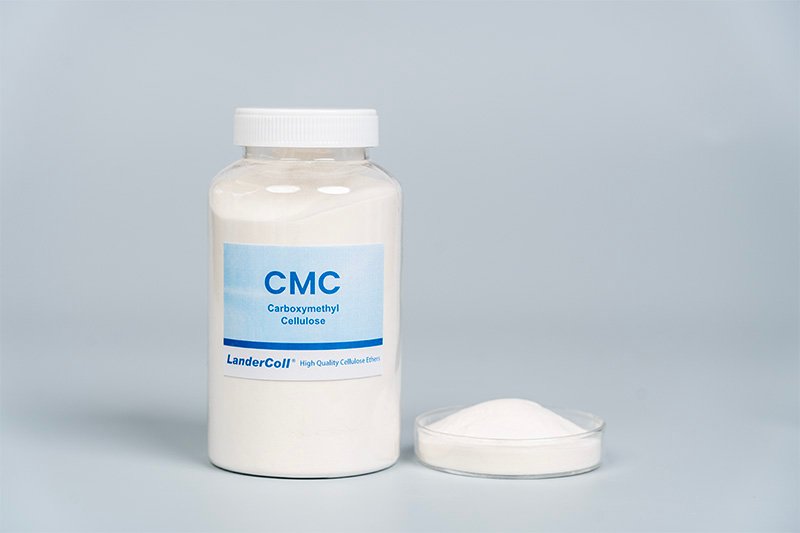
Cellulose ether for suspension and texture support in specialty styling formulations.
CMC may be used in styling products containing particles, beads, glitter, or pigments that require suspension and uniform distribution throughout the product. It helps maintain even particle distribution during storage and use, preventing settling and ensuring consistent product appearance.
Styling product formulations vary by polymer system, surfactant type, humectant level, and market positioning. The table below provides a general reference for common components.
| 成分 | Function in Styling Products |
|---|---|
| 水 | Solvent and carrier |
| Cellulose Ether (HEC / HPMC / CMC) | Viscosity control, rheology, gel formation, suspension |
| Polymers | Styling, hold, and texture |
| 保湿剤 | Moisturize and condition hair |
| Oils / Emollients | Hair shine and conditioning |
| Styling Aids | Hold and hair shaping |
| Fragrance | Product aroma |
| 保存料 | Product protection and shelf life |
| pH調整剤 | 製剤の安定性を維持する |
| Colorants / Additives | Aesthetic and functional performance |
| 用途タイプ | 推奨製品方向性 | 主な性能要件 |
|---|---|---|
| Hair Gel | HEC | Viscosity, gel structure, smooth texture, hold |
| Hair Mousse | HEC / selected HPMC | Foam stability, gel formation, consistent hold |
| Styling Cream | HPMC / HEC | Texture, rheology, spreadability, mild hold |
| Pomade / Wax | HPMC / selected cellulose ether | Rheology, smooth application, styling performance |
| Colored Styling Products | CMC / 選別されたセルロースエーテル | Suspension, colorant stability, smooth application |
| Hair Spray Gel | HEC / HPMC | Viscosity, sprayability, film formation |
| Styling Gel with Particles | CMC / HEC | Particle suspension, texture, consistency |
Dosage ranges are starting references only. Final formulation should be confirmed through testing for viscosity, rheology, foam behavior, particle suspension, texture, spreadability, hair feel, and storage stability.
| 用途タイプ | 標準的な参考添加量 |
|---|---|
| Hair Gel | 0.5% – 2.0% |
| Hair Mousse | 0.5% – 1.8% |
| Styling Cream | 0.3% – 1.5% |
| Pomade / Wax | 0.3% – 1.5% |
| Colored Styling Products | 0.4% – 1.8% |
| Hair Spray Gel | 0.3% – 1.5% |
| Particle-Containing Gel | 0.4% – 1.8% |
Cellulose ether influences viscosity and gel formation, rheology adjustment, suspension support, texture and spreadability, foam stability, and long-term storage performance in hair styling systems.
HEC is the primary cellulose ether for building viscosity and gel structure in hair gels and mousses. The right HEC grade and dosage allow formulators to target a wide range of viscosity levels — from light-hold gels to firm-structure styling products.
HEC and HPMC help adjust flow behavior, smoothness, and overall rheology profile. A well-adjusted rheology profile reduces drag, improves even distribution through hair, and enhances the consumer application experience.
CMC maintains suspension of particles, pigments, glitter, or active additives in specialty styling formulations, preventing settling and ensuring consistent product appearance and performance.
Cellulose ether improves smooth application, reduces stickiness, and enhances overall hair feel. The right grade contributes to even distribution without leaving hair heavy or tacky.
In mousse formulations, HEC and selected HPMC grades help stabilize foam structure, supporting consistent foam density, texture, and hold performance from first use to last.
A suitable cellulose ether grade helps maintain product viscosity, texture, and particle suspension during storage and throughout shelf life under expected storage conditions.
When a styling product fails viscosity, foam stability, suspension, or texture targets, cellulose ether grade, dosage, hydration, or compatibility is often the first variable to review.
Low polymer content or insufficient thickener.
HEC or HPMC to increase viscosity and gel structure.
Excessive polymer or wrong grade.
セルロースエーテルのグレードと添加量を調整。
Surfactant-polymer mismatch.
HEC or HPMC compatibility testing.
Inadequate suspension support.
CMC to maintain particle stability.
Incorrect rheology profile.
Adjust HPMC or HEC grade for texture improvement.
Excessive polymer or unsuitable grade.
Optimize grade, dosage, and formulation balance.
pH, temperature, or electrolyte changes.
Choose compatible grade and test stability.
Insufficient suspension.
CMC or selected cellulose ether for uniform distribution.
Styling product formulations combine polymers, surfactants, humectants, and conditioning agents in complex rheology systems. Multiple factors influence how cellulose ether performs and how stable the product remains over time.
Styling polymers such as PVP, acrylates, or other hold polymers interact with cellulose ether and affect final viscosity, gel strength, and texture. Compatibility testing is recommended when combining multiple polymer systems.
Surfactants affect foam behavior, wetting, viscosity, and compatibility with cellulose ether. In mousse formulations, surfactant-cellulose ether compatibility directly impacts foam quality and stability.
Glycerin, propylene glycol, and other humectants influence water retention, viscosity, and hair feel. Humectant level can affect cellulose ether hydration and final product consistency.
pH affects cellulose ether performance, preservative efficiency, and overall formulation stability. CMC is more sensitive to pH extremes than HEC or HPMC.
Conditioning agents, silicones, and oils may interact with cellulose ether and affect viscosity, clarity, and texture. Compatibility should be evaluated during formulation testing.
Dispersion sequence, hydration time, mixing speed, and temperature affect cellulose ether hydration quality and final product texture. Proper dispersion before hydration is important for a smooth, lump-free product.
Tube, jar, pump bottle, aerosol, or spray packaging affects the target viscosity, dispensing behavior, and required product structure. Different formats may require different cellulose ether grades or dosage levels.
Choosing the right cellulose ether requires balancing viscosity, gel strength, foam stability, particle suspension, spreadability, hair feel, and storage stability across the complete styling product formulation system.
 Grade Selection Guide
LANDERCOLL can review your styling product formulation direction and recommend suitable HEC, HPMC, CMC, or selected cellulose ether grades for testing.
Gel, mousse, cream, pomade, wax, or spray?
What target viscosity and gel strength are required?
Is foam stability important for mousse applications?
Do particles, pigments, or colorants need suspension?
What level of hold and styling performance is needed?
What spreadability and hair feel are desired?
What polymer system is used?
What surfactant type and level are included?
What pH range is required?
Tube, jar, pump, aerosol, or spray packaging?
What storage stability and shelf-life requirements apply?

LANDERCOLL provides product-related documentation to support styling product formulation testing, purchasing review, quality approval, and import compliance.
 Formulation & Performance Evaluation
Supporting styling product and personal care product development with complete technical documentation.
— LANDERCOLL R&D —Product specifications and performance data for formulation review.
Safety, handling, and regulatory information (SDS / MSDS).
Batch quality confirmation supplied per shipment.
Detailed product specification for quality and formulation review.
Formulation guidance and usage recommendations.
Grade recommendation for specific styling product applications.
取り扱い、保存期間、および保管条件の参考情報。
Quality-related documents for suitable grades and export-related documents where applicable for international orders.
All documents supplied upon request to support formulation review, quality approval, and import compliance.
製品資料を請求するIf your hair gel, mousse, styling cream, or particle-containing styling product shows gel that is too thin or too stiff, foam instability, poor particle suspension, difficult spreadability, sticky hair feel, or viscosity drift — the cellulose ether grade or dosage may need to be reviewed.
 Formulation Support
HEC grade selection, gel structure optimization, and rheology guidance for styling product manufacturers.
— LANDERCOLL Technical Team —HEC selection for gel and mousse structure
HPMC for rheology adjustment and texture improvement
CMC for particle and colorant suspension
Gel, mousse, cream, or wax stability evaluation
Spreadability and hair feel optimization
Compatibility testing guidance
Dosage reference and starting point recommendations
サンプルと見積もりの連絡
HEC is commonly used in hair gels and mousses for viscosity control and gel structure. HPMC is used in selected styling products for rheology adjustment, film support, and texture improvement. CMC may be used in particle-containing or colored styling products for suspension and uniform distribution.
HEC and HPMC help create consistent viscosity and gel structure that contribute to styling hold. However, primary hold performance in hair gels typically depends on the styling polymer system. Cellulose ether supports the structural consistency and texture that allow the hold polymer to perform effectively.
Yes. CMC is commonly used for particle and pigment suspension to maintain uniform distribution and stable product appearance. It helps prevent settling during storage and ensures consistent product performance from the first use to the last.
A common reference dosage is 0.3%–2.0%, depending on product type, desired viscosity, gel strength, foam requirements, and particle content. Final dosage should always be confirmed through formulation testing.
HEC is non-ionic and widely used for transparent gel formation and viscosity control in water-based styling systems. HPMC offers additional film-forming behavior and may be preferred in styling creams, foams, or systems where surface film properties are desired. Both should be evaluated through formulation testing.
Viscosity drift may be caused by pH changes, electrolyte interactions, temperature variation, or incompatibility between the cellulose ether and other formulation components. Selecting a compatible cellulose ether grade and confirming storage stability through accelerated testing is recommended.
For hair mousse, HEC is generally the first choice for foam stability and viscosity. HPMC may be considered in selected systems. Key factors include surfactant type, polymer system, target foam density, hold level, and processing method. LANDERCOLL can recommend suitable grades based on your specific mousse formulation.
Whether you produce hair gel, mousse, styling cream, pomade, wax, colored styling products, spray gel, or particle-containing styling formulations — LANDERCOLL cellulose ether can help you achieve better viscosity control, gel structure, particle suspension, smooth texture, and consistent styling performance.
Our team can review your formulation direction, recommend the most suitable HEC, HPMC, or CMC grade, and support your evaluation with technical data, samples, and documentation.
LANDERCOLL cellulose ether products are manufactured for industrial and commercial use. All formulation data, dosage references, and application guidance provided are for general reference only. Final product performance must be confirmed through testing under your specific formulation, process, and storage conditions.