セルロースエーテルの卓越性 — 世界中の1000以上の企業に信頼されています 無料サンプルを入手
LANDERCOLLセルロースエーテルは、壁用パテやスキムコートのメーカーが、施工の滑らかさ、保水性、レベリング性能、スクレイピング感触、表面仕上げ品質、および配合安定性を向上させるのに役立ちます。
内壁パテから外壁の薄塗り、セメント系・石膏系仕上げシステムまで、適切なセルロースエーテルグレードがあらゆる用途で信頼性の高い性能を発揮します。

内装 · 外装 · セメント · 石膏 · 装飾仕上げ
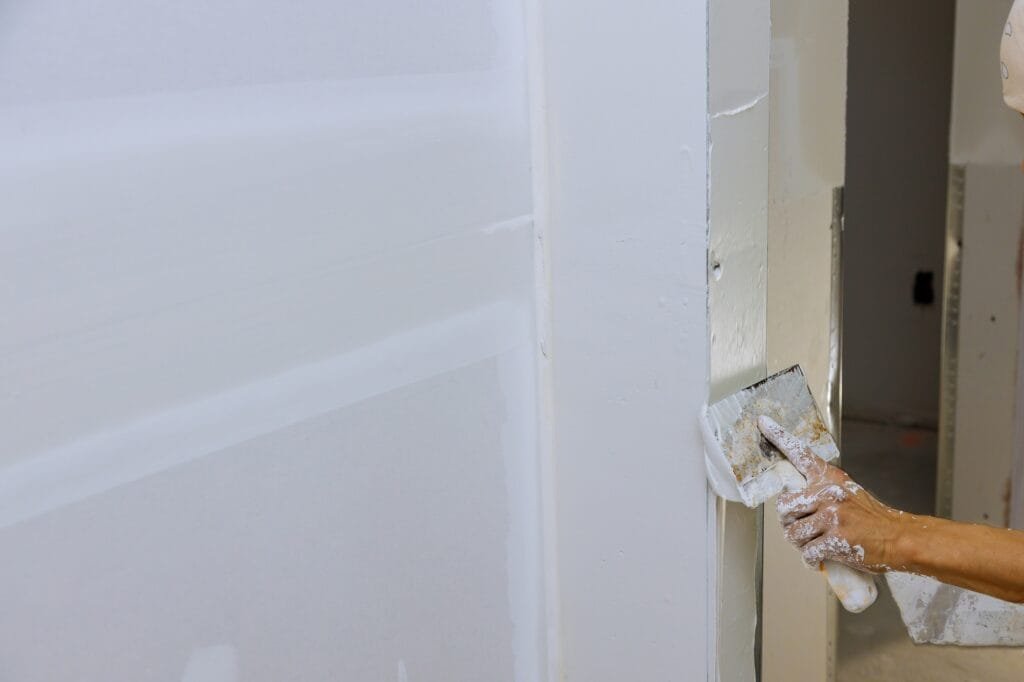
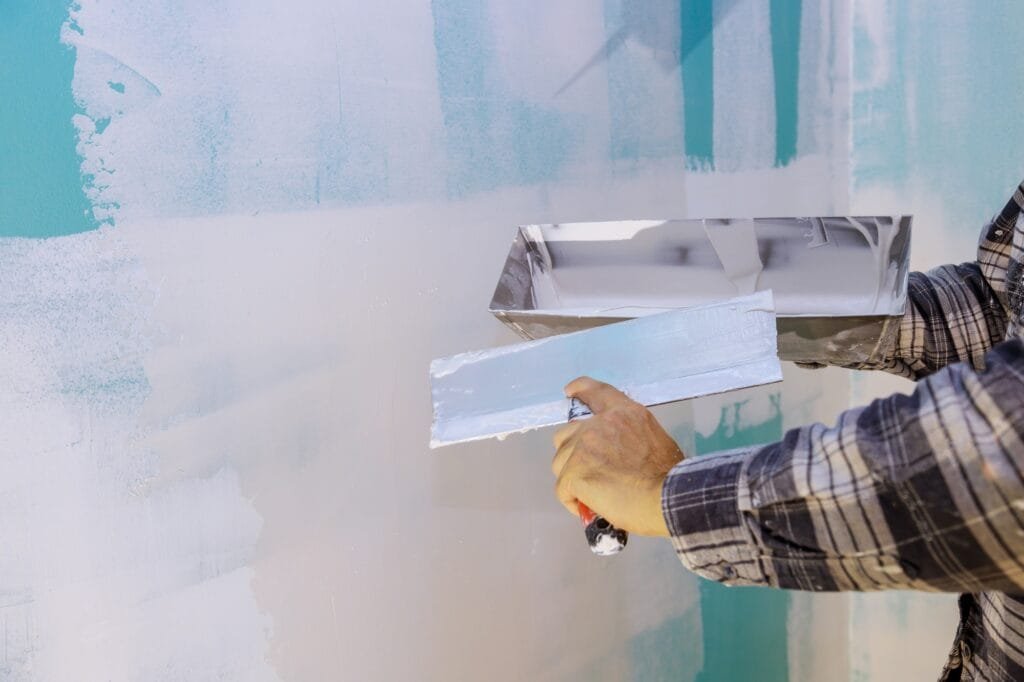

壁用パテとスキムコートは、建設現場で最も広く使用される仕上げ材の一つであり、毎年数百万平方メートルの屋内および屋外の壁面に適用されています。その性能は配合の品質に直接依存します。セメント系および石膏系の壁仕上げシステムにおいて、セルロースエーテルは保水性、作業性、こすり感触、ならし挙動、表面の滑らかさ、および施工安定性を制御する上で中心的な役割を果たします。
LANDERCOLLは供給します HPMC および HEMC / MHEC 屋内壁用パテ、屋外壁用パテ、セメント系スキムコート、石膏系スキムコート、装飾壁仕上げ材、およびレディーミックス乾式壁仕上げ製品全体で一貫した信頼性の高い性能を必要とする壁用パテおよびスキムコートメーカー向け。
メーカーにとって、これはより優れた製品の一貫性とより強力な市場受容性を意味します。施工者にとっては、細かい屋内用パテから要求の厳しい屋外用スキムコートシステムまで、あらゆる壁でより滑らかで制御された仕上げ体験を意味します。
壁用パテとスキムコートは、壁面に塗布される薄層仕上げ材であり、小さな欠陥を埋め、表面の滑らかさを向上させ、均一な下地を作り、塗装や装飾コーティングのために壁を準備します。通常、1層または複数の薄層をこすり、こて塗り、または広げて塗布します。標準的な配合には、セメント、石膏、石灰、鉱物フィラー、微粉末、再分散性ポリマーパウダー(RDP)、セルロースエーテル、スターチエーテル、および機能性添加剤が含まれる場合があります。
壁用パテやスキムコートは、異なる下地、バインダーシステム、施工厚さ、気候条件、作業者の技術において一貫した性能を発揮しなければなりません。LANDERCOLLセルロースエーテルは、メーカーが平滑性、保水性、作業性、レベリング性、垂れ防止性、表面仕上げ品質の適切なバランスを達成するのに役立ちます。
LANDERCOLLは、セメント系および石膏系の壁仕上げシステム向けに設計されたHPMCおよびHEMC/MHECセルロースエーテルグレードを提供しています。最終的なグレードの選定は、配合試験を通じて確認する必要があります。
 多用途・広く使用
多用途セルロースエーテル:スムーズな施工性、保水性、レベリング、表面仕上げのサポートを実現します。
ヒドロキシプロピルメチルセルロース(HPMC)は、セメント系および石膏系の壁用パテやスキムコートの配合に広く使用されています。信頼性の高い保水性、増粘性、作業性の向上、そして表面仕上げのサポートを提供し、幅広い内装および外装の壁仕上げ製品に適しています。
 レオロジー · オープンタイム
建築グレードのセルロースエーテル。滑らかな塗布、オープンワーキングタイム、耐タレ性、安定した壁仕上げ性能を実現。
ヒドロキシエチルメチルセルロース(HEMC / MHEC)は、滑らかな塗布感触、延長されたオープンワーキングタイム、保水性、耐タレ性、安定した粘稠性が主要な性能要件となる壁用パテやスキムコート処方に特に適しています。外壁用パテ、厚塗り用途、要求の厳しい仕上げシステムにとって特に重要です。
壁用パテやスキムコートの処方は、バインダーシステム、塗布厚、内装または外装用途、現地の原材料の入手可能性、目標とする性能基準によって大きく異なります。
| 成分 | Function in Wall Putty / Skim Coat |
|---|---|
| セメント/石膏/石灰 | 主要バインダーシステム — 種類は処方と用途に依存 |
| 鉱物フィラー | ボリューム、滑らかさ、テクスチャー、コストバランスを提供 |
| 微粉末 | 表面の滑らかさと仕上げ品質を向上 |
| 再分散性ポリマーパウダー(RDP) | 接着性、柔軟性、表面強度を向上 |
| セルロースエーテル(HPMC / HEMC) | 保水性、作業性、こて塗り感触、粘稠性を向上 |
| スターチエーテル | 耐タレ性とレオロジーの微調整をサポート |
| 撥水添加剤 | 特定の外装または耐湿性システムで使用 |
| その他の添加剤 | 硬化時間、表面硬度、研磨性、または特殊特性を調整 |
| 用途タイプ | 推奨製品 | 主要要件 |
|---|---|---|
| 屋内壁用パテ | 中粘度 HPMC / HEMC / MHEC | 滑らかなこて塗り、表面仕上げ、保水性 |
| 屋外壁用パテ | 中~高粘度 HPMC / HEMC / MHEC | 保水性、作業性、耐久性のサポート |
| セメント系スキムコート | HPMC / HEMC / MHEC | 作業性、レベリング、水分損失の制御 |
| 石膏系スキムコート | HPMC / HEMC / MHEC | 滑らかな塗布、水分管理、粘稠性 |
| 装飾壁仕上げ | HPMC / HEMC / MHEC | 表面の滑らかさ、安定した質感、塗布のコントロール |
| 薄層パテ(1~2 mm) | 中粘度 HPMC / HEMC / MHEC | 滑らかさ、良好な表面仕上げ、容易なスクレイピング |
| 厚層パテ(3~5 mm) | 中~高粘度 HPMC / HEMC / MHEC | ボディ、垂れ防止、凝集性、作業性 |
| レディーミックス乾式壁用パテ | HPMC / HEMC / MHEC | バッチの一貫性、安定したパフォーマンス、使いやすさ |
These dosage ranges are starting reference points only. Final dosage must be confirmed through laboratory testing, including scraping trials, water retention evaluation, leveling assessment, surface finish testing, sanding behavior evaluation, and job-site application review.
| 用途 | 標準的な参考添加量 |
|---|---|
| 屋内壁用パテ | 0.2% – 0.4% |
| 屋外壁用パテ | 0.25% – 0.5% |
| セメント系スキムコート | 0.2% – 0.5% |
| 石膏系スキムコート | 0.1% – 0.3% |
| Thin-Layer Putty | 0.2% – 0.4% |
| Thick-Layer Putty | 0.25% – 0.5% |
| 装飾壁仕上げ | 0.2% – 0.5% |
| レディーミックス乾式壁用パテ | Depends on product type and performance target |
Cellulose ether influences every stage of wall finishing — from the first scrape pass to the final surface quality. Each function below represents a distinct performance dimension that manufacturers and applicators evaluate in daily use.
Water retention is the most fundamental function of cellulose ether in wall putty and skim coat. It prevents the material from losing moisture too rapidly after mixing — supporting stable workability, controlled setting or drying behavior, and better surface finishing quality. Poor water retention leads to rapid surface drying, drag marks under the blade, rough texture, and increased cracking risk — especially on highly absorbent substrates such as unprimed concrete or AAC blocks.
Smooth scraping is one of the most commercially important performance attributes of wall putty. Applicators judge product quality largely by how the material feels under the scraper blade. Cellulose ether improves the feel under the blade by controlling viscosity, reducing internal friction, and supporting a more uniform, cohesive material body.
Good workability makes wall putty easier to mix, apply, scrape, level, and finish — reducing applicator fatigue and improving productivity on large wall areas. HPMC and HEMC / MHEC help create a more controlled, user-friendly application experience.
Wall finishing materials must level properly to create a flat, smooth surface. Cellulose ether helps control consistency and flow behavior so the material spreads evenly under the blade without becoming watery, sagging, or pulling unevenly.
A fine, uniform surface finish is the primary quality criterion for wall putty and skim coat — directly determining suitability for painting or decorative coating. Cellulose ether supports better surface quality by maintaining water retention and reducing surface drag.
In thicker application layers or on vertical wall surfaces, wall putty must remain stable after application without slumping or sagging. Medium to high-viscosity HEMC / MHEC and HPMC improve material structural body during the setting or drying period.
Cellulose ether improves the internal cohesion of wall putty after mixing, creating a more uniform, stable material body. This supports consistent scraping and leveling behavior, reduces separation or bleeding during application, and contributes to more reliable batch-to-batch performance in production.
When wall putty or skim coat performance fails on the job site, the cellulose ether grade, viscosity, or dosage is often the first variable to review.
Poor filler balance, low water retention, unsuitable viscosity grade.
Improve smoothness, workability, and blade feel.
Low water retention, absorbent substrate, hot or windy conditions.
Retain moisture and extend the workable application window.
Weak rheology, wrong water demand, unsuitable grade.
Improve consistency and flow balance.
Weak material structure, excess water, low viscosity.
Support anti-sag behavior and structural body.
Excessive dosage or unsuitable high-viscosity grade.
Adjust grade selection and dosage balance.
Rapid water loss, poor cohesion, thick application layer.
Improve water retention and internal cohesion.
Poor binder hydration, low water retention, weak formulation.
Support moisture control and surface quality.
Inconsistent mixing, poor water retention, unstable formulation.
Improve material uniformity and finishing behavior.
Excessive stickiness, wrong viscosity, unsuitable grade.
Adjust grade and dosage for better dry-film properties.
Understanding the variables that influence cellulose ether behavior in wall finishing systems helps manufacturers make better formulation decisions and select the most appropriate grade for their specific product.
Cement-based, gypsum-based, lime-based, and polymer-modified binder systems have significantly different water demand, setting behavior, and chemical interaction with cellulose ether. Grade selection should always be matched to the specific binder system in use.
Fine mineral fillers strongly influence surface smoothness, water demand, scraping feel, and surface finish quality. Finer filler systems generally require more careful cellulose ether grade selection to maintain balanced workability without excessive stickiness.
Thin-layer applications (1–2 mm) and thick-layer applications (3–5 mm) require different viscosity levels, structural body, and anti-sag performance. Thicker layers generally need higher viscosity grades and stronger material body.
Highly absorbent substrates — such as unprimed concrete, AAC blocks, or porous masonry — draw water rapidly from the applied material. Higher water retention performance helps compensate and maintain workability and surface quality.
Viscosity grade is a primary variable affecting water retention, workability, leveling, anti-sag behavior, and scraping feel. Higher viscosity improves water retention and body but may increase stickiness if overdosed.
Insufficient dosage leads to poor water retention, rough scraping, or short working time. Excessive dosage may cause stickiness, slow finishing, difficult sanding, or reduced surface hardness. Optimal dosage must be confirmed through testing.
RDP improves adhesion, flexibility, and surface strength, but also affects workability and rheology. Compatibility between RDP and cellulose ether should be evaluated during formulation development.
Water dosage strongly affects consistency, scraping feel, surface finish, leveling behavior, and drying performance. Consistent water measurement is essential for reliable batch-to-batch results.
Hot, dry, or windy conditions accelerate water evaporation and shorten the workable window. Cellulose ether grade and dosage may need adjustment for different climatic zones and seasonal conditions.
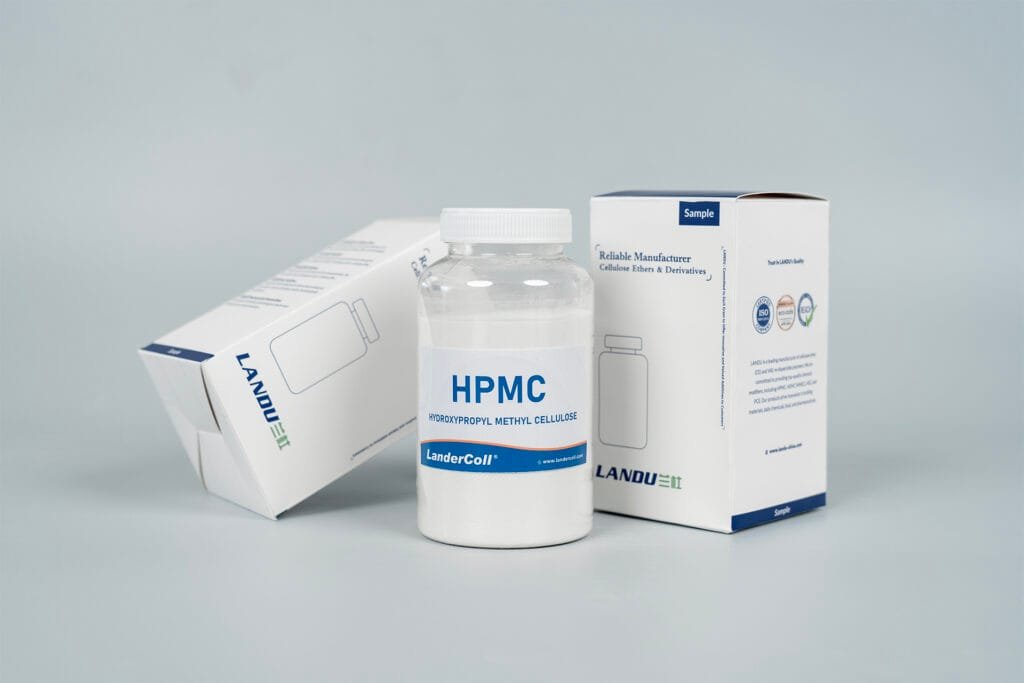
Selecting the right cellulose ether requires a systematic evaluation of water retention needs, target smoothness, scraping feel, leveling requirements, anti-sag behavior, surface finish expectations, sanding performance, and overall formulation balance.
What type of wall putty or skim coat are you producing — interior, exterior, thin-layer, or thick-layer?
Is the binder system cement-based, gypsum-based, lime-based, or polymer-modified?
What application thickness range does the product need to cover?
Is smooth scraping feel a primary market requirement in your target region?
Do you need better leveling, anti-sag behavior, or both?
What viscosity range is currently used in your formulation?
What filler particle size and binder system are you working with?
Is redispersible polymer powder included, and at what dosage?
What surface finish and sanding behavior does your market require?
What climate conditions — temperature, humidity, substrate absorption — must the product handle?
What dosage level are you targeting for cost and performance balance?
Do you require surface-treated or untreated cellulose ether for your production process?
Not sure which cellulose ether grade is most suitable for your wall putty? LANDERCOLL can recommend a practical grade for laboratory evaluation.
グレード推奨を依頼する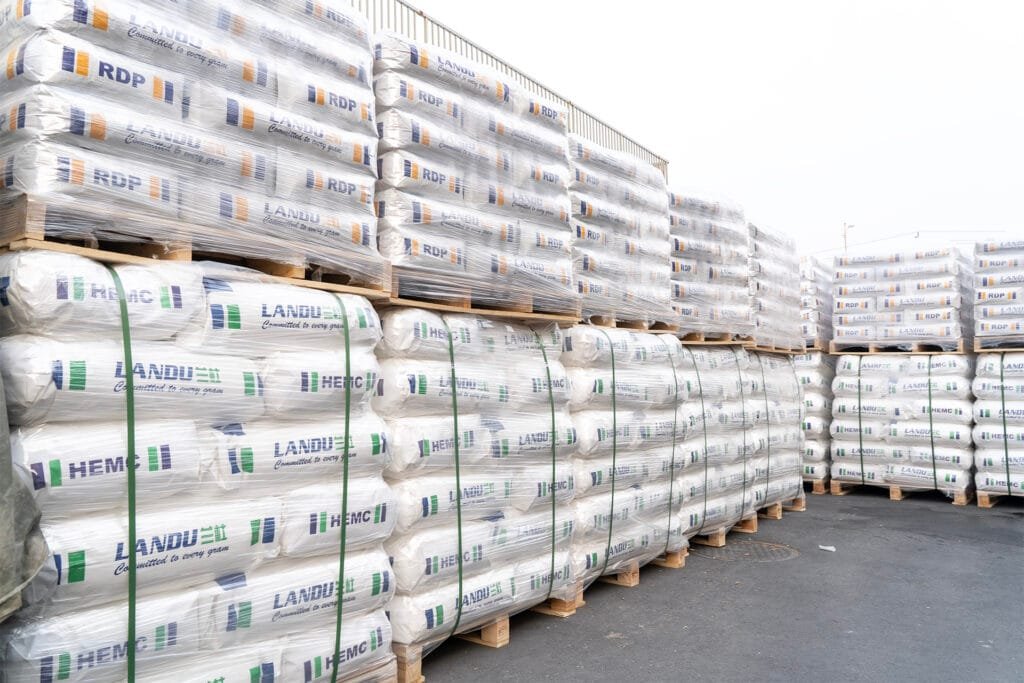


Supporting wall putty and skim coat development with complete technical documentation.
— LANDERCOLL R&D —LANDERCOLL provides a complete set of product documentation to support wall putty and skim coat formulation development, purchasing review, quality approval, and import compliance requirements.
All documents supplied upon request to support your formulation review, quality approval, and import compliance process.
HPMC and HEMC / MHEC grade selection for wall putty and skim coat
Water retention improvement and evaluation
Smooth scraping feel and workability support
Leveling behavior and surface finish quality discussion
Anti-sag performance for vertical and thick-layer applications
Viscosity direction and grade comparison
Dosage reference and adjustment guidance
Sample supply and technical documentation
Quotation and supply chain communication
If your wall putty or skim coat is experiencing rough scraping, rapid drying, poor leveling, sagging on vertical surfaces, sticky application, cracking during drying, powdering surface, or inconsistent finish quality — the cellulose ether grade or dosage may need to be reviewed.
LANDERCOLL provides technical support to help wall putty and skim coat manufacturers evaluate HPMC and HEMC / MHEC options based on binder system, filler quality, target smoothness, viscosity requirement, dosage level, and application conditions.
HPMC (hydroxypropyl methylcellulose) and HEMC / MHEC (hydroxyethyl methylcellulose) are the two main types of cellulose ether used in wall putty and skim coat formulations. Both improve water retention, smooth scraping behavior, workability, leveling performance, consistency, and surface finish quality.
HPMC improves water retention, smooth scraping feel, workability, leveling behavior, mortar consistency, and surface finishing quality in wall putty and skim coat formulations. It is widely used in both cement-based and gypsum-based wall finishing systems.
HEMC / MHEC improves water retention, smooth application feel, open working time, anti-sag behavior, mortar consistency, and surface finish quality in skim coat and wall putty systems. It is especially effective in exterior wall putty and thick-layer finishing applications.
Water retention prevents wall putty from losing moisture too quickly after mixing and during application. This maintains workability throughout the scraping and leveling window, supports stable setting or drying behavior, reduces cracking risk from rapid moisture loss, and helps achieve a smoother, more uniform surface finish — especially important on absorbent substrates or in hot, dry conditions.
A common reference dosage range is 0.2%–0.5% by weight of the dry formulation, depending on binder system, application type, target smoothness, viscosity grade, and raw material system. Gypsum-based systems typically use lower dosages (0.1%–0.3%), while cement-based and exterior systems may require higher dosages. Final dosage must always be confirmed through laboratory and application testing.
Yes. Suitable HPMC or HEMC / MHEC improves water retention, viscosity balance, workability, and scraping feel — all of which directly contribute to smoother application behavior and better surface finish quality. Filler fineness and binder system also play important roles in overall surface smoothness.
Stickiness in wall putty is typically caused by excessive cellulose ether dosage, unsuitable high-viscosity grade, high polymer powder dosage, excessive water addition, or an unbalanced filler system. Reviewing the cellulose ether grade and dosage is usually the first step in diagnosing stickiness problems.
Cellulose ether can help reduce cracking related to rapid water loss by improving water retention and internal cohesion. However, cracking performance depends on the complete formulation, application thickness, substrate condition, drying rate, and environmental conditions. Cellulose ether is one contributing factor, not the sole solution.
Both are effective, and the best choice depends on your specific formulation and application requirements. HPMC is versatile and widely used across interior wall putty, cement-based skim coat, and gypsum-based systems. HEMC / MHEC is preferred where extended open working time, anti-sag performance, and smooth application feel are primary requirements — particularly in exterior wall putty and thick-layer applications.
Start by defining your binder system, filler fineness, target smoothness, application thickness, water retention requirement, anti-sag need, and desired surface finish. Share these details with LANDERCOLL and our technical team can recommend suitable HPMC or HEMC / MHEC options for laboratory evaluation.
Whether you manufacture interior wall putty, exterior wall putty, cement-based skim coat, gypsum-based skim coat, decorative wall finishing materials, or ready-mix dry wall finishing products — LANDERCOLL can help you identify the right HPMC or HEMC / MHEC grade for better smoothness, water retention, workability, leveling performance, and surface finish quality.
Share your formulation requirements and let our technical team recommend the most suitable cellulose ether solution for your production needs and target market.
