
TDS
技術データシート
Product specifications and performance data for formulation review.
LANDERCOLL HEC セルロースエーテルは、多目的、キッチン、バスルーム、スプレー、増粘、ジェル、濃縮タイプの表面洗浄剤メーカーが、信頼性の高い粘度管理、安定したテクスチャー、スプレーと拭き取りのバランス、そして長期的な処方の一貫性を実現するのに役立ちます。
低粘度スプレークリーナーから増粘液体、プレミアムゲル表面クリーナーまで — 適切なHECグレードは、海外の製造業者や化学バイヤーに対して、予測可能なレオロジー、制御された流動性、一貫した消費者体験を提供します。

スプレー · 濃厚 · ジェル · キッチン · バスルーム · 濃縮 · 多目的
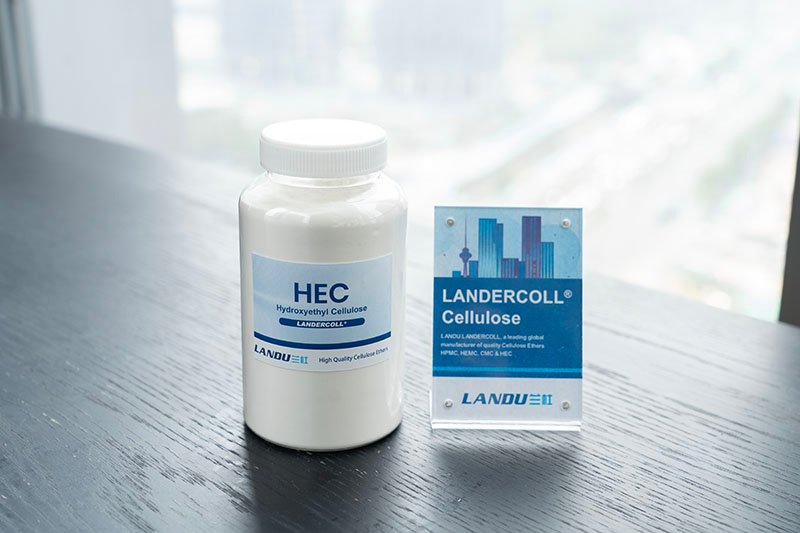 クイックアンサー
クイックアンサーヒドロキシエチルセルロース(HEC)は、表面洗浄剤の配合において主要なセルロースエーテルです。スプレー、増粘液、ジェル、濃縮タイプの表面洗浄システムにおいて、粘度制御、レオロジー調整、流動性の制御、懸濁安定性、スプレー&ワイプ塗布のバランス、および保存安定性を提供します。CMCおよびHPMCは、適合性試験を経た後、特定の特殊またはカスタマイズされた表面洗浄システムで検討される場合があります。
海外の表面洗浄剤メーカーおよび化学薬品購入者向けの主要な性能、互換性、供給参考情報。



表面クリーナーは、世界中で最も広く使用されている家庭用および業務用洗浄製品カテゴリーの一つです。キッチンカウンター、浴室表面、タイル、家電製品、床、テーブル、その他洗浄可能な表面から、ほこり、油汚れ、指紋、石鹸カス、軽いシミ、日常的な汚れを除去するために設計された製品が含まれます。
粘度とレオロジーは、あらゆる形態の表面クリーナーの性能において中心的な役割を果たします。 セルロースエーテル — 主に HEC(ヒドロキシエチルセルロース) — 粘度制御、安定したテクスチャー、懸濁支持、そして一貫した配合性能のための、信頼性の高い増粘・レオロジーシステムを提供します。
効果的な増粘がなければ、表面クリーナーは深刻な課題に直面します。一貫性のないスプレーパターン、水っぽい外観、垂直面でのジェルの急速な垂れ、乳白剤の沈降、バッチ間の粘度変動、表面接触時間の短縮による洗浄効果の低下などです。
LANDERCOLLは、様々なクリーナータイプや生産環境において、信頼性の高い粘度制御、安定したテクスチャー、懸濁支持、一貫した配合性能を必要とする表面クリーナーメーカー向けに、HECおよび厳選されたセルロースエーテルグレードを提供しています。
HECは、構造化された粘度とレオロジーネットワークを構築し、表面クリーナーが適切な粘度を維持し、塗布時にスムーズに流れ、表面に密着し、保管中に安定したボディを保ち、生産バッチ間で一貫したテクスチャーを提供することを可能にします。
LANDERCOLLは、表面クリーナー用途向けの主要なセルロースエーテル推奨品としてHECを提供し、特定の特殊システム向けにCMCおよびHPMCも取り揃えています。
主要 · ノニオン性 · HEC
粘度制御、テクスチャー改善、懸濁支持、安定したレオロジーのためのノニオン性セルロースエーテル。
HECは、水性表面クリーナー配合で広く使用されるノニオン性の水溶性セルロースエーテルです。水相で粘度を構築し、安定した製品ボディの形成を助け、塗布時の制御された流動性をサポートし、保管中および使用中の一貫したテクスチャーを維持します。増粘型表面クリーナー、多目的クリーナー、浴室用クリーナー、キッチン用クリーナー、および特定のスプレークリーナーシステムに適しています。
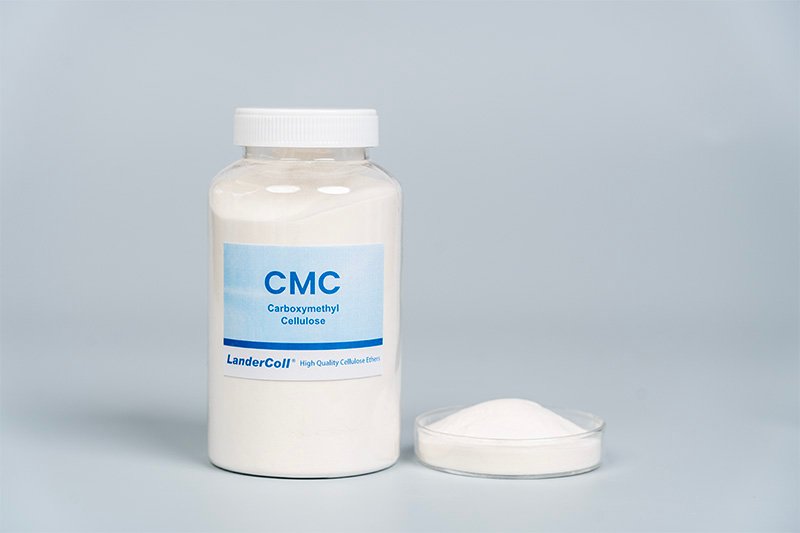 アニオン性 · CMC · 特定システム
特定の懸濁サポート、製品ボディ、および処方一貫性のニーズに対応するカルボキシメチルセルロース。
CMC may be considered in selected surface cleaner formulations where suspension support, viscosity contribution, or cost-performance balance is a priority. 重要: CMC is an anionic polymer; compatibility with acids, salts, high-electrolyte systems, and other active ingredients must be confirmed through testing before use.
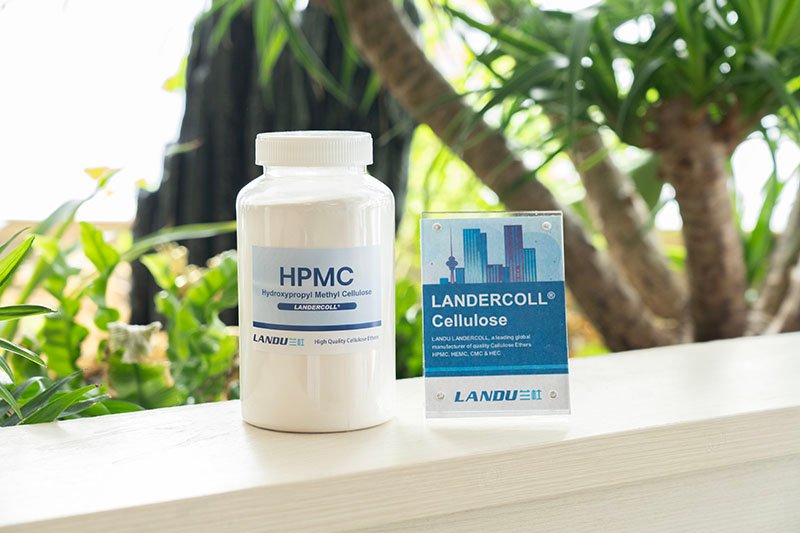 特化品 · HPMC · ゲルシステム
特殊増粘、制御されたレオロジー、およびカスタマイズされた洗浄剤の質感のためのヒドロキシプロピルメチルセルロース。
HPMC may be considered in specialty surface cleaners, gel cleaners, or customized household cleaning systems where specific rheology behavior, film-forming properties, or customized gel texture is required. Final performance must be confirmed through formulation testing, as surfactant type, solvent system, electrolyte level, pH, and production method can all influence HPMC performance.
Surface cleaner formulations vary significantly by product type, target surface, and cleaning performance requirement. The table below provides a general reference for common components.
| 成分 | Function in Surface Cleaner |
|---|---|
| 水 | 主溶媒およびキャリア相 |
| Surfactants | Provide wetting, cleaning, grease removal, and soil removal |
| 溶剤 | Support grease removal and quick-drying behavior in selected systems |
| セルロースエーテル(HEC / CMC / HPMC) | Improve viscosity, rheology, texture, suspension, and stability |
| Builders / Chelating Agents | Support cleaning efficiency and water hardness control |
| pH調整剤 | Adjust cleaning profile and formulation stability |
| 保存料 | Protect water-based formulations from microbial growth |
| Fragrance | Provide product scent |
| Colorants / Opacifiers | Improve appearance in selected products |
| Antibacterial Ingredients | Used in selected sanitizing or antibacterial surface cleaners |
| Surface Cleaner Type | 推奨製品 | 主な要件 |
|---|---|---|
| 多目的表面クリーナー | HEC / selected cellulose ether | Viscosity, flow control, formulation stability |
| キッチン用表面クリーナー | HEC | Degreasing compatibility, texture, application control |
| 浴室用表面クリーナー | HEC / selected cellulose ether | Cling, viscosity, stable spreading on ceramic |
| スプレー式表面用クリーナー | Low viscosity HEC / selected grade | Sprayability, stable viscosity, low residue feel |
| 増粘型表面クリーナー | HEC | Product body, controlled flow, surface contact time |
| ゲル表面クリーナー | HEC / selected HPMC | Gel texture, cling, stable appearance |
| 濃縮型表面クリーナー | HEC / selected cellulose ether | High-active compatibility, viscosity balance |
| 不透明または粒子入りクリーナー | HEC / selected CMC | Suspension support, stable opaque appearance |
These ranges are starting references only. Final dosage must be confirmed through viscosity testing, spray testing, wiping evaluation, surface residue assessment, compatibility testing, storage stability evaluation, and consumer-use trials.
| Surface Cleaner Application | 標準的な参考添加量 |
|---|---|
| 多目的表面クリーナー | 0.1% – 0.6% |
| キッチン用表面クリーナー | 0.1% – 0.6% |
| 浴室用表面クリーナー | 0.2% – 0.8% |
| スプレー式表面用クリーナー | 0.05% – 0.3% |
| 増粘型表面クリーナー | 0.2% – 0.9% |
| ゲル表面クリーナー | 0.3% – 1.2% |
| 濃縮型表面クリーナー | 0.2% – 0.8% |
| 不透明または粒子入りクリーナー | 0.2% – 0.8% |
Cellulose ether influences viscosity development, rheology adjustment, controlled flow, suspension stability, spray and wipe application balance, and long-term storage performance in water-based surface cleaner systems.
HEC helps adjust surface cleaner viscosity across a wide range — from low-viscosity spray formulations to thickened liquids and gel formats. Proper viscosity control ensures the product looks and performs appropriately for its intended application method and consumer expectations.
Cellulose ether helps control how the surface cleaner flows during use — spreading smoothly under wiping pressure while maintaining enough body during storage and dispensing. Good rheology balance is especially important on vertical surfaces or spray applications.
Surface cleaners applied to vertical tiles, bathroom walls, or inclined surfaces should not run too quickly before cleaning agents have time to act. A suitable cellulose ether grade helps improve flow control and supports longer surface contact time.
Many surface cleaners contain opacifiers, fragrance droplets, particles, colorants, or functional additives that need stable distribution throughout the product. Cellulose ether can support suspension stability when properly matched with the complete formulation system.
For spray cleaners, viscosity must remain low enough for consistent spray pattern and nozzle performance. For thickened cleaners, viscosity should support controlled spreading without excessive residue. Grade and dosage selection should match the final application method.
A suitable cellulose ether grade helps maintain stable texture, viscosity, and appearance during storage — reducing separation, viscosity loss, settling, and inconsistent performance across different temperatures and conditions.
When surface cleaner fails viscosity, spray, or stability targets, cellulose ether grade, dosage, hydration, or compatibility is often the first variable to review.
Low viscosity or weak thickening system.
HEC builds viscosity and improves product body.
Viscosity too high or wrong rheology profile.
Use lower viscosity grade and optimize dosage.
Insufficient body or weak flow control.
Improve viscosity and controlled flow behavior.
Poor suspension or formulation imbalance.
Support suspension stability through grade selection.
pH, solvent, surfactant, salt, or temperature interaction.
Test compatible grade with full formulation system.
Excessive dosage or unsuitable viscosity grade.
Adjust grade selection and dosage level.
Poor dispersion or hydration method.
Improve addition sequence and mixing process.
Excessive polymer or poor wiping balance.
Optimize dosage and complete formulation design.
Surface cleaner formulations vary widely in chemistry and complexity. Multiple factors influence how cellulose ether performs in the final product.
Spray cleaners, thickened liquids, gels, concentrates, and ready-to-use cleaners require different viscosity targets and rheology profiles. Grade selection must match the intended product format and application method.
Surfactant type, concentration, and combination affect wetting, cleaning performance, foam behavior, viscosity response, and compatibility with cellulose ether. Surfactant system should be evaluated during formulation testing.
Solvents can improve cleaning performance and quick-drying behavior but may influence cellulose ether hydration, product clarity, viscosity development, and long-term stability.
Neutral, acidic, and alkaline surface cleaners have different compatibility and stability requirements. Cellulose ether grade selection should match the final pH range of the formulation.
Salts, builders, and chelating agents may affect viscosity development, product clarity, and long-term stability. High-electrolyte systems require careful grade selection and testing.
Surface cleaner residue, wiping feel, and surface finish quality should be tested on all target surfaces including glass, ceramic, stainless steel, plastic, and painted surfaces.
Fragrance oils and preservatives can influence product clarity, viscosity stability, and long-term storage performance. Compatibility should be confirmed during formulation development.
Addition sequence, hydration time, mixing speed, and water temperature all affect cellulose ether dispersion quality and final viscosity development. Poor dispersion leads to lumps, fish eyes, and inconsistent viscosity across batches.
Choosing the right cellulose ether requires balancing viscosity target, sprayability, wiping behavior, surface contact time, suspension stability, product clarity, and storage performance.
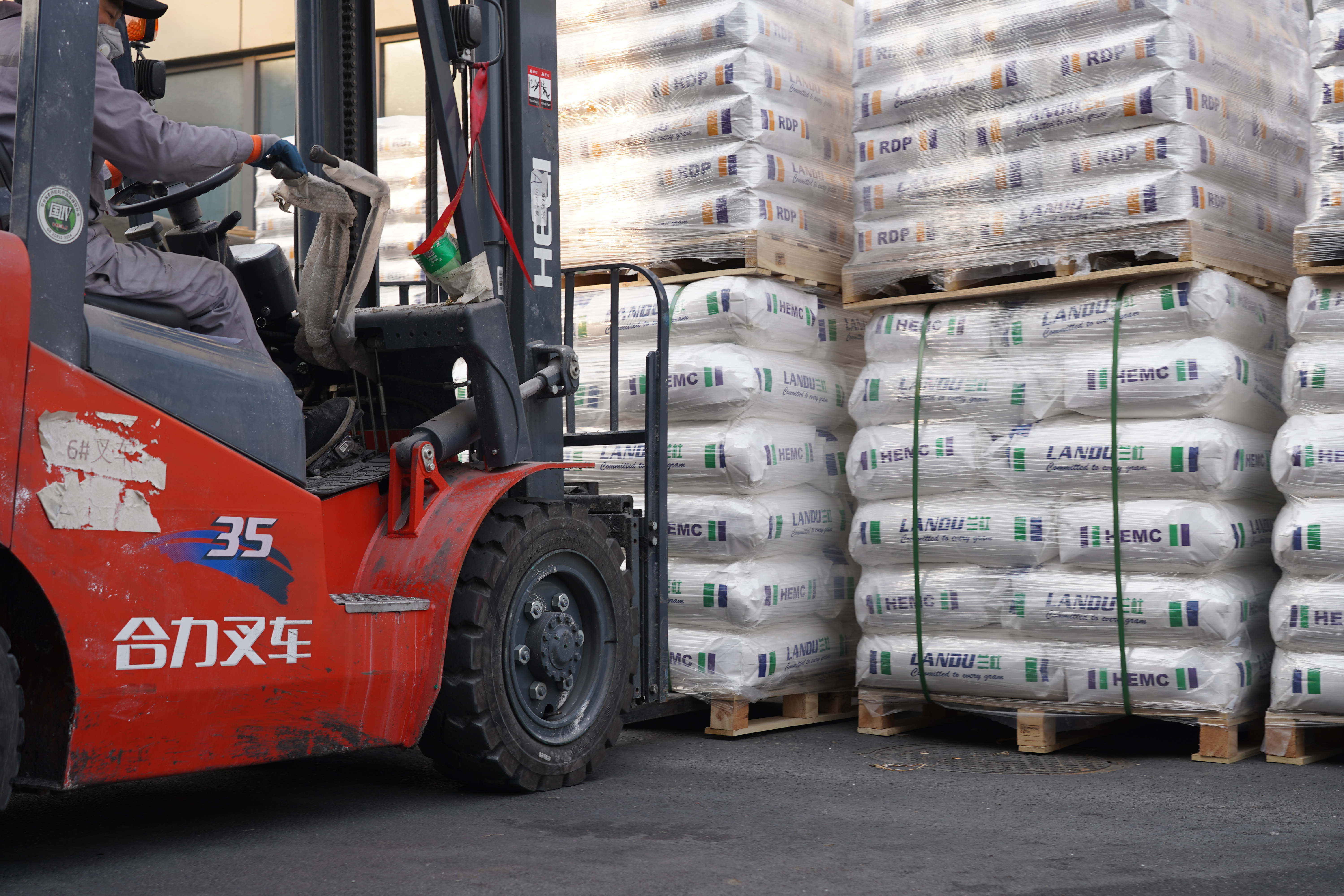 Grade Selection Guide
LANDERCOLL can review your surface cleaner formulation direction and recommend suitable HEC, CMC, or selected cellulose ether grades for testing.
Spray, thickened liquid, gel, concentrate, or ready-to-use?
Kitchen, bathroom, glass, floor, or multipurpose?
What surfactant system and loading level are used?
What pH range is required for the final formulation?
What solvent level and type are included?
Clear, opaque, or does it contain suspended particles?
What target viscosity is required for the application format?
Is sprayability, surface cling, or wiping behavior the primary priority?
What fragrance and preservative system is used?
What temperature range and shelf life are expected?
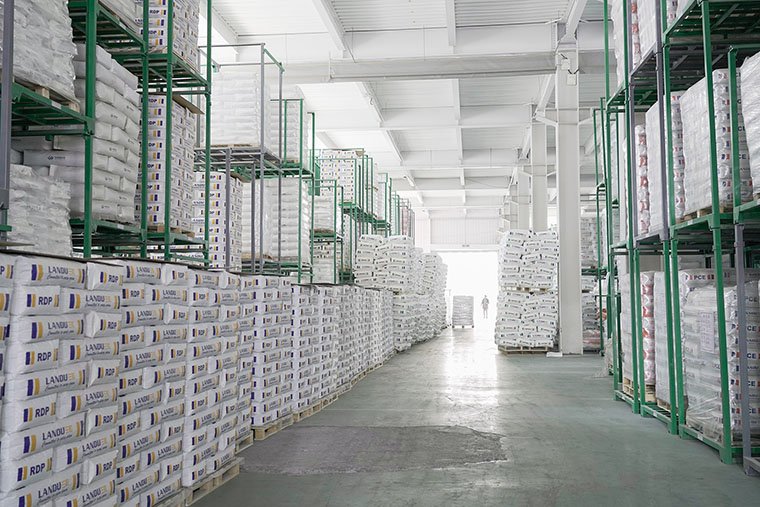
LANDERCOLL provides product-related documentation to support surface cleaner formulation testing, purchasing review, quality approval, and import compliance.
 Formulation & Performance Evaluation
Supporting surface cleaner development with complete technical documentation.
— LANDERCOLL R&D —Product specifications and performance data for formulation review.
Safety, handling, and regulatory information (SDS / MSDS).
Batch quality confirmation supplied per shipment.
Overview of cellulose ether range and application areas.
Formulation guidance and usage recommendations.
Grade recommendation for specific surface cleaner applications.
取り扱い、保存期間、および保管条件の参考情報。
Available where applicable for international orders and import compliance.
All documents supplied upon request to support formulation review, quality approval, and import compliance.
製品資料を請求するHEC grade selection for viscosity control and rheology adjustment
Sprayable or thickened cleaner formulation support
Gel texture and controlled flow optimization
Suspension stability discussion and testing direction
Surface contact and wiping behavior support
Compatibility review for different pH and surfactant systems
Dosage reference for different surface cleaner types
Sample provision and quotation communication
If your surface cleaner is too watery, too thick, difficult to spray, unstable during storage, separating, forming lumps, or leaving an undesirable wiping feel or surface residue, the cellulose ether grade or dosage may need to be reviewed.
LANDERCOLL can help evaluate suitable HEC, CMC, and selected cellulose ether options based on your product format, surfactant system, pH, solvent level, viscosity target, application method, and storage requirement.
HEC (Hydroxyethyl Cellulose) is the most commonly used cellulose ether in surface cleaner formulations. It provides viscosity control, rheology adjustment, smooth texture, suspension stability, and storage stability. CMC and HPMC may be considered in selected customized systems after compatibility testing.
HEC dissolves in the water phase and builds viscosity, product body, and a structured rheology network. In surface cleaner, this improves controlled flow, supports suspension of opacifiers and particles, helps balance spray and wipe application behavior, and maintains stable consistency during storage.
Yes. Low viscosity HEC or selected cellulose ether grades may be used in spray surface cleaners. Dosage must be carefully controlled — typically in the range of 0.05%–0.3% — to maintain good sprayability and avoid nozzle performance issues.
Cellulose ether primarily supports viscosity, texture, suspension, and application stability — not cleaning chemistry. Cleaning performance depends on surfactants, solvents, pH, builders, active ingredients, and application conditions. However, improved flow control can support longer surface contact time.
A common reference dosage range is approximately 0.05%–1.2% by formulation weight, depending on product format, target viscosity, surfactant system, solvent level, and cellulose ether grade. Spray cleaners typically use lower dosages, while gel and thickened cleaners use higher dosages. Final dosage must be confirmed through testing.
Separation may be caused by poor suspension system design, surfactant incompatibility, pH changes, solvent effects, high electrolyte levels, temperature fluctuations, or an unsuitable cellulose ether grade for the system. A full formulation compatibility review is recommended.
The viscosity may be too high, the cellulose ether grade may be unsuitable for spray applications, or the formulation may have poor rheology balance. A lower viscosity grade, reduced dosage, or different grade selection may be needed.
Start by defining your product format, target viscosity, spray or wipe application method, pH, surfactant system, solvent level, clarity or suspension requirement, storage conditions, and production process. LANDERCOLL can review your formulation direction and recommend suitable HEC or selected cellulose ether grades for evaluation and testing.
Whether you produce multipurpose surface cleaner, kitchen cleaner, bathroom cleaner, spray cleaner, thickened liquid cleaner, gel surface cleaner, concentrated cleaner, or opaque particle cleaner — LANDERCOLL can help you choose the right cellulose ether grade for better viscosity control, stable flow, suspension support, spray and wipe application balance, and formulation consistency.
Our team can provide grade recommendations, dosage references, technical data sheets, samples, and quotations to support your formulation development and purchasing process.
LANDERCOLL cellulose ether products are manufactured for industrial and commercial use. All formulation data, dosage references, and application guidance provided are for general reference only. Final product performance must be confirmed through testing under your specific formulation, process, and storage conditions.