セルロースエーテルの卓越性 — 世界中の1000以上の企業に信頼されています 無料サンプルを入手
LANDERCOLLは、錠剤結合剤、コーティング、放出制御システム、カプセル用途、口腔内フィルム、眼科用製剤、および賦形剤システムを開発する医薬品メーカー向けに、適切な適合性を持つHPMC、CMC、および厳選されたセルロースエーテルグレードを供給しています。
Pharmaceutical-grade cellulose ethers can function as binders, film formers, matrix formers, viscosity modifiers, and suspending agents — across solid, liquid, semi-solid, and film-based dosage forms when properly selected and qualified.

タブレット結合・フィルムコーティング・徐放性・口腔内フィルム





Pharmaceutical producers require excipients with consistent quality, suitable documentation, controlled performance, and compliance with relevant application requirements. In pharmaceutical formulations, cellulose ether can be used as a binder, film former, viscosity modifier, controlled release matrix former, stabilizer, suspending agent, and capsule-related material depending on grade and formulation design.
LANDERCOLL provides suitable compliant HPMC, CMC, and selected cellulose ether products for pharmaceutical producers developing tablet binders, tablet coatings, controlled release systems, capsule applications, oral films, ophthalmic formulations, and excipient systems.
Product selection must be based on intended use, regulatory requirements, pharmacopoeia expectations, quality documentation, viscosity grade, substitution type, purity requirements, and final formulation testing. Not every cellulose ether grade is suitable for pharmaceutical use.
Seven pharmaceutical application types · pharmaceutical-grade HPMC and selected CMC · 25 kg/bag or drum · TDS, SDS, COA, and specification available · application guides and export documents on request.
Cellulose ether is widely used in pharmaceutical formulation development because it offers water solubility, film-forming ability, viscosity control, binding performance, matrix-forming behavior, and suspension support. A suitable pharmaceutical grade can help improve formulation consistency, processability, dosage form performance, and product stability when properly selected and tested.
Binding · Film coating · Controlled release · Suspension · Formulation consistency
| 性能特性 | What It Means for the Pharmaceutical Formulation |
|---|---|
| Tablet binding | Improve powder cohesion, granule formation, and tablet integrity |
| Film coating | Provide smooth, uniform coating films on solid dosage forms |
| Controlled release matrix formation | Support hydrophilic matrix design for extended release |
| Capsule shell applications | Support vegetarian capsule systems and related formulations |
| Oral film formation | Support film structure, flexibility, and dissolution behavior |
| 粘度制御 | Adjust viscosity in liquid, semi-solid, and ophthalmic systems |
| 懸濁安定性 | Support particle suspension in liquid dosage forms |
| Ophthalmic formulation viscosity | Improve residence time and lubrication feel |
| Excipient performance consistency | Support reliable, reproducible formulation behavior |
| Formulation development flexibility | Useful across multiple dosage form types |
LANDERCOLL cellulose ether products are suitable for a range of pharmaceutical dosage forms and excipient applications — from tablet binding and coating to controlled release, oral films, and ophthalmic systems.
Improve powder cohesion, granule formation, tablet integrity, and manufacturing consistency.
Suitable HPMC / Selected CMCFilm-forming polymer for smooth, uniform coating films with good processability.
Suitable HPMCHydrophilic matrix formation for extended release tablet systems.
High Viscosity HPMCVegetarian capsule systems and capsule-related formulation support.
Suitable HPMCFilm formation, flexibility, texture, and dissolution behavior in oral film formats.
Suitable HPMCViscosity, lubrication feel, and formulation stability in ophthalmic systems.
Compliant HPMC / Selected CMCFunction-specific excipient performance across solid, liquid, and film-based systems.
Suitable HPMC / CMCNeed product documents for supplier qualification? Request Pharmaceutical Product Documents →
A practical selection overview for pharmaceutical producers and formulation scientists. Final product selection must be confirmed through formulation development, quality review, regulatory assessment, and stability testing.
| Pharmaceutical Application | 推奨製品方向性 | 主な性能目標 |
|---|---|---|
| タブレットバインダー | Suitable HPMC / Selected CMC | Binding, granulation support, tablet integrity |
| 錠剤コーティング | Suitable HPMC | Film formation, coating uniformity, processability |
| Controlled Release | Suitable high viscosity HPMC | Hydrophilic matrix formation, release control support |
| カプセル用途 | Suitable HPMC | Capsule shell or capsule-related formulation support |
| 口腔内溶解フィルム | Suitable HPMC | Film formation, flexibility, dissolution behavior |
| 眼科用製剤 | Suitable HPMC / Selected CMC | Viscosity, lubrication feel, formulation stability |
| 医薬品添加物 | Suitable HPMC / CMC | Function-specific excipient performance |
LANDERCOLL supplies pharmaceutical-grade HPMC and selected CMC cellulose ether for pharmaceutical producers. Each product line supports different excipient functions across solid, liquid, semi-solid, and film-based dosage forms.
Pharma Excipient
Multi-function cellulose ether excipient for solid and film dosage forms
ヒドロキシプロピルメチルセルロース(HPMC) is one of the most important cellulose ether excipients used in pharmaceutical formulation development. Suitable pharmaceutical grade HPMC can function as a binder, film former, controlled release matrix former, viscosity modifier, and capsule-related material depending on grade and application.
 Selected Systems
Functional cellulose derivative for viscosity and suspension support
Carboxymethyl Cellulose (CMC) is a functional cellulose derivative that may be used in selected pharmaceutical formulations where viscosity control, suspension stability, binding, or formulation support is required. For pharmaceutical use, suitable compliant grades must be selected according to intended application and quality requirements.
Looking for a specific pharmaceutical grade? Share your dosage form, intended excipient function, and documentation needs.
医薬品グレードの推奨を依頼するContinue below for dosage direction, formulation challenges, producer benefits, evaluation steps, documents, FAQ, and excipient support.
Dosage depends on dosage form, intended function, viscosity grade, active ingredient properties, process design, regulatory requirements, and target performance.
| Pharmaceutical Application | Typical Reference Direction |
|---|---|
| タブレットバインダー | Depends on formulation and granulation method |
| 錠剤コーティング | Depends on coating solids and film target |
| Controlled Release Matrix | Depends on release profile and tablet design |
| カプセル用途 | Depends on capsule system and process |
| 口腔内溶解フィルム | Depends on film thickness and dissolution target |
| 眼科用製剤 | Depends on viscosity and product requirements |
| Pharmaceutical Excipient Systems | Depends on intended excipient function |
When tablet binding, coating quality, release profile, suspension, or documentation gaps arise during development, cellulose ether grade selection, dosage direction, and supplier qualification are often the first areas to review.
| Common Challenge | 考えられる原因 | Cellulose Ether Support Direction |
|---|---|---|
| Weak tablet binding | Poor powder cohesion or unsuitable binder system | Suitable HPMC or selected CMC may improve binding support |
| Poor coating film quality | Wrong polymer grade, poor coating solids, process imbalance | HPMC can support film formation and coating uniformity |
| Unstable release profile | Incorrect viscosity grade, polymer level, or tablet design | HPMC grade and dosage can be adjusted for matrix behavior |
| Poor suspension stability | Low viscosity, particle settling, weak system structure | Selected cellulose ether can support viscosity and suspension |
| Poor oral film formation | Wrong film former, plasticizer imbalance, process issue | HPMC can support film structure in selected systems |
| Viscosity mismatch | Wrong grade or concentration | Adjust viscosity grade and dosage direction |
| Compatibility issue | Interaction with API or other excipients | Confirm through compatibility and stability testing |
| Documentation gap | Supplier qualification requirement | Request available technical and quality documents |
Practical advantages cellulose ether excipients bring to pharmaceutical formulation development, supplier qualification, and dosage form performance.
Cellulose ether can perform multiple excipient functions — binding, coating, film formation, viscosity control, and matrix formation — depending on product grade and formulation design.
Low viscosity grades are typically used for coating and binding; high viscosity grades for controlled release matrix applications. LANDERCOLL can support grade selection based on target function.
Cellulose ether can be used in solid, liquid, semi-solid, and film-based dosage forms when matched to formulation and regulatory requirements.
LANDERCOLL can provide available product documents upon request to support supplier evaluation and internal qualification processes.
Compare product directions for binding, coating, controlled release, oral film, ophthalmic, and general excipient applications.
LANDERCOLL can discuss dosage form, excipient function, viscosity requirement, and documentation needs for your pharmaceutical system.
医薬品グレードの推奨を依頼するBefore selecting cellulose ether for pharmaceutical production, producers should evaluate the product according to formulation, quality, and regulatory requirements.
Confirm the intended pharmaceutical application — define dosage form, function, and performance target.
Identify required excipient function — binder, film former, matrix former, viscosity modifier, or suspending agent.
Select suitable compliant HPMC or CMC grade direction — based on viscosity, substitution type, and purity specification.
Review available technical and quality documents — TDS, SDS, COA, and specification information.
Conduct compatibility testing with API and excipients — assess physical and chemical interactions.
Evaluate process performance and dosage form behavior — granulation, coating, dissolution, or film casting.
Conduct stability and performance testing — confirm behavior under storage and use conditions.
Complete regulatory and quality approval before commercial use — ensure compliance with applicable requirements.
Pharmaceutical producers often ask when to use HPMC and when to use CMC. HPMC is widely used for solid dosage functions such as binding, coating, and controlled release; CMC may support selected liquid, semi-solid, and excipient systems.
HPMC is commonly used where binding, film coating, controlled release matrix formation, capsule support, or oral film formation is required. Low viscosity grades are typically used for binding and coating; high viscosity grades for controlled release matrix applications.
CMC may be preferred in selected liquid, semi-solid, or excipient systems where viscosity control, suspension stability, or binding support is required. Suitable compliant grades must be selected and verified for pharmaceutical use.
Need help choosing between HPMC and CMC? Ask for a Pharmaceutical Grade Recommendation →
LANDERCOLL supports pharmaceutical producers with cellulose ether product selection, viscosity direction discussion, document communication, sample evaluation, and application matching based on intended dosage form.
Binder, coating, controlled release, capsule, oral film, and multi-function excipient applications.
Liquid, semi-solid, and selected solid applications requiring viscosity or suspension support.
Discussion of low and high viscosity directions for coating, binding, and matrix applications.
TDS, SDS, COA, specification information, and export documents for supplier qualification.
Sample arrangement and quotation communication for formulation evaluation.
Share your dosage form, intended excipient function, viscosity requirement, and documentation needs — we will suggest suitable grade directions.
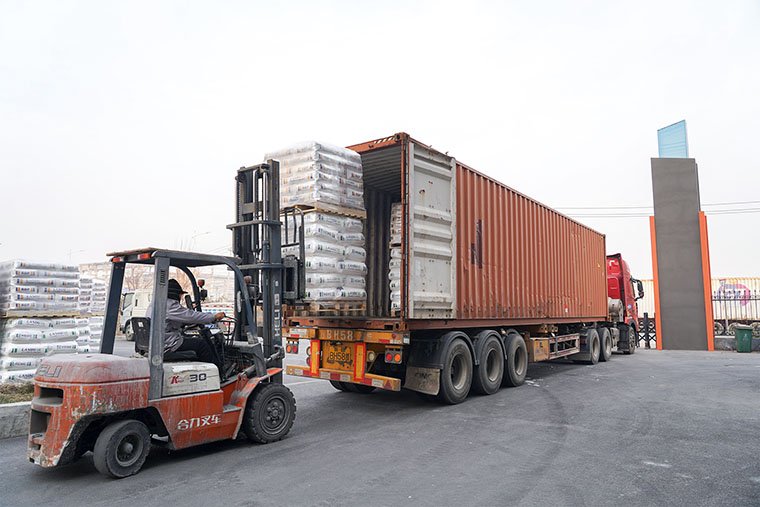
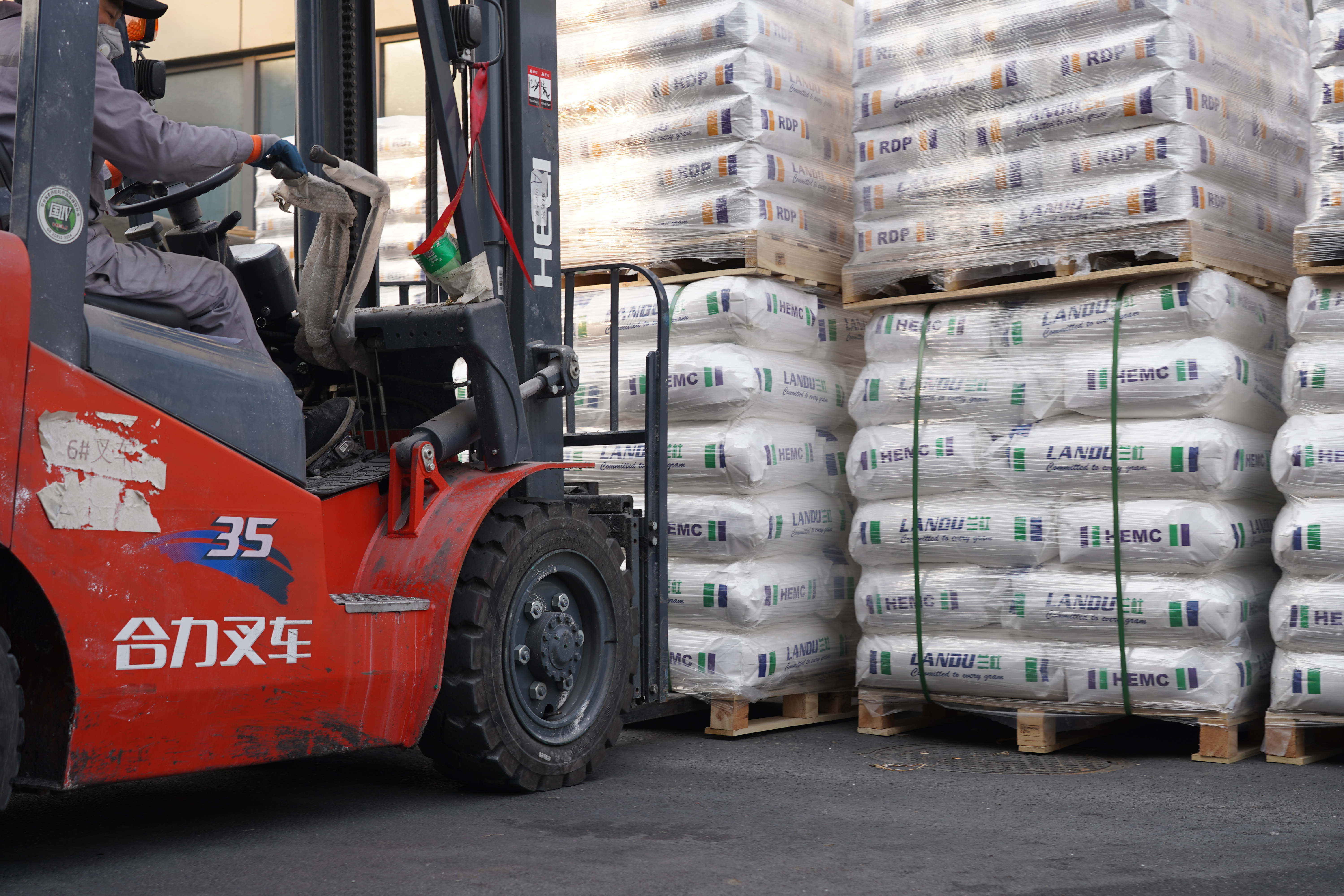
医薬品グレードの推奨を依頼するLANDERCOLL cellulose ether for pharmaceutical-related applications is supplied in industrial packaging suitable for transportation and controlled storage.
LANDERCOLL can provide available product-related documents to support pharmaceutical excipient evaluation, purchasing review, and internal approval processes.
Grade specifications, viscosity data, physical and chemical properties.
Handling, storage, and safety information.
Batch-specific quality confirmation.
Detailed grade parameters for qualification review.
Overview of product range and application areas.
Formulation and processing recommendations.
Container type, shelf life, and storage conditions.
Available on request for import and customs requirements.
Share your dosage form, intended excipient function, viscosity requirement, quality standards, and documentation needs. LANDERCOLL can recommend suitable HPMC or selected CMC grade directions for evaluation and arrange samples for formulation testing.
Suitable HPMC grade direction for your dosage form and function
Suitable CMC grade direction for liquid, semi-solid, or selected solid applications
Viscosity grade comparison and selection discussion
Binder and film-forming application support
Controlled release formulation direction and grade recommendation
Product document communication for supplier qualification
Sample and quotation support for formulation evaluation
Quality and specification discussion with your technical team
Suitable pharmaceutical grade HPMC and selected CMC products are the most commonly used cellulose ethers in pharmaceutical formulations. HPMC is used for tablet binding, film coating, controlled release matrix formation, capsule applications, and oral films. CMC may be used in selected liquid, semi-solid, and excipient systems.
HPMC can function as a binder, film former、または controlled release matrix former depending on grade, viscosity, dosage, and formulation design. Low viscosity grades are typically used for binding and coating; high viscosity grades for controlled release matrix applications.
Yes. Suitable pharmaceutical grade HPMC is widely used as a film-forming polymer in aqueous and selected solvent-based tablet coating systems. It can help create smooth, uniform coating films with good adhesion and processability.
Yes. Selected high viscosity HPMC grades can support hydrophilic matrix formation for controlled release tablet systems. Final release behavior must be confirmed through dissolution testing under relevant conditions.
Selected suitable CMC grades may be used for viscosity control, suspension stability, binding, or other excipient functions in liquid, semi-solid, or selected solid dosage forms. Suitable compliant grades must be verified for regulatory and quality requirements.
No. Only suitable compliant grades should be considered for pharmaceutical applications. Product selection must match intended use, regulatory requirements, pharmacopoeia specifications where applicable, and quality documentation.
Available documents may include TDS, SDS, COA, product specification information, product brochure, application guide, packaging and storage information, and export-related documents. Contact LANDERCOLL to request specific documents.
Define dosage form, intended excipient function, viscosity requirement, quality standards, regulatory expectations, API compatibility, process conditions, and performance target. LANDERCOLL can recommend suitable grade directions and support document communication for supplier qualification.
Whether you produce tablet binders, tablet coatings, controlled release tablets, capsule applications, oral films, ophthalmic formulations、または pharmaceutical excipient systems, LANDERCOLL can help you evaluate suitable compliant HPMC and selected CMC grades for formulation testing and supplier qualification.
Our team can support product selection, viscosity direction, application matching, document communication, and sample discussion — from initial inquiry through to formulation evaluation.
HPMC · CMC · For Tablet Binding · Film Coating · Controlled Release · Capsule Applications · Oral Film · Ophthalmic Formulations · Pharmaceutical Excipients.
All performance data, dosage references, and formulation guidance provided on this page are for reference only. Final suitability must be confirmed through testing in your specific pharmaceutical formulation, quality review, and regulatory assessment. LANDERCOLL reserves the right to update product information without prior notice.
