1. C2TEおよびC2TES規格の理解
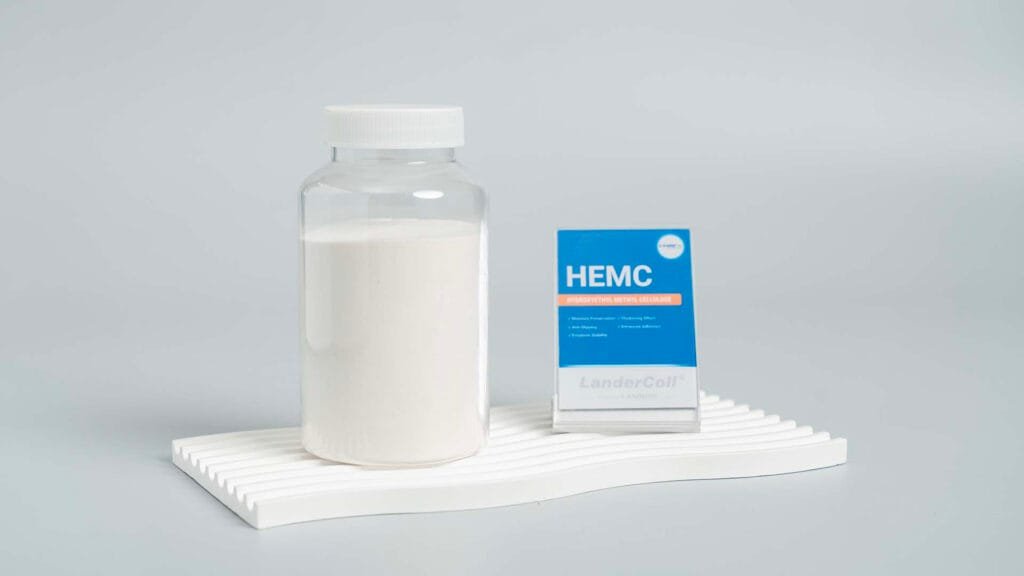
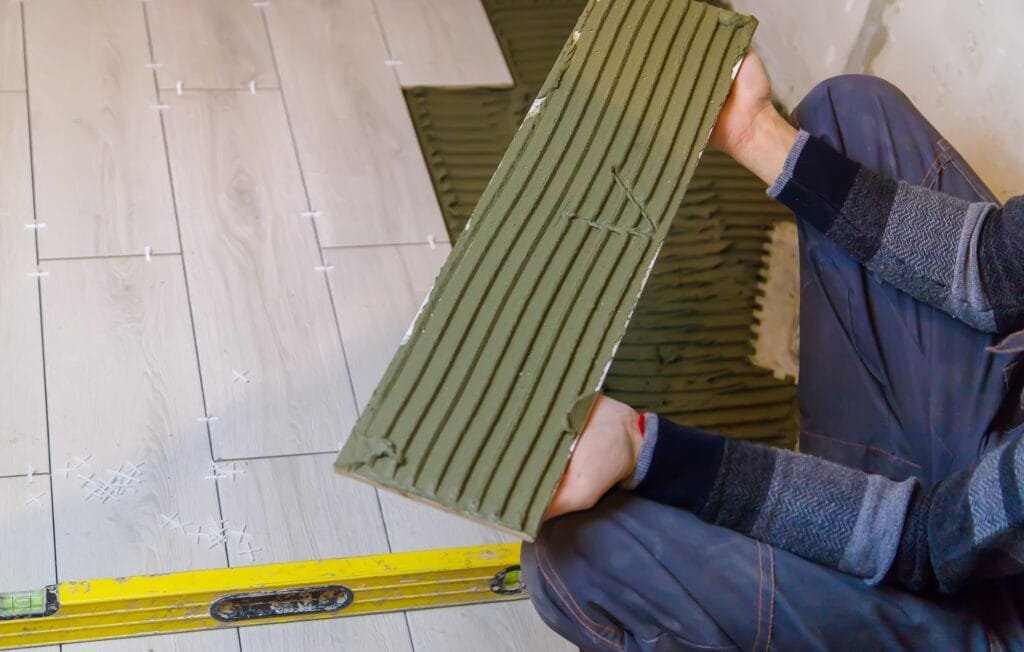
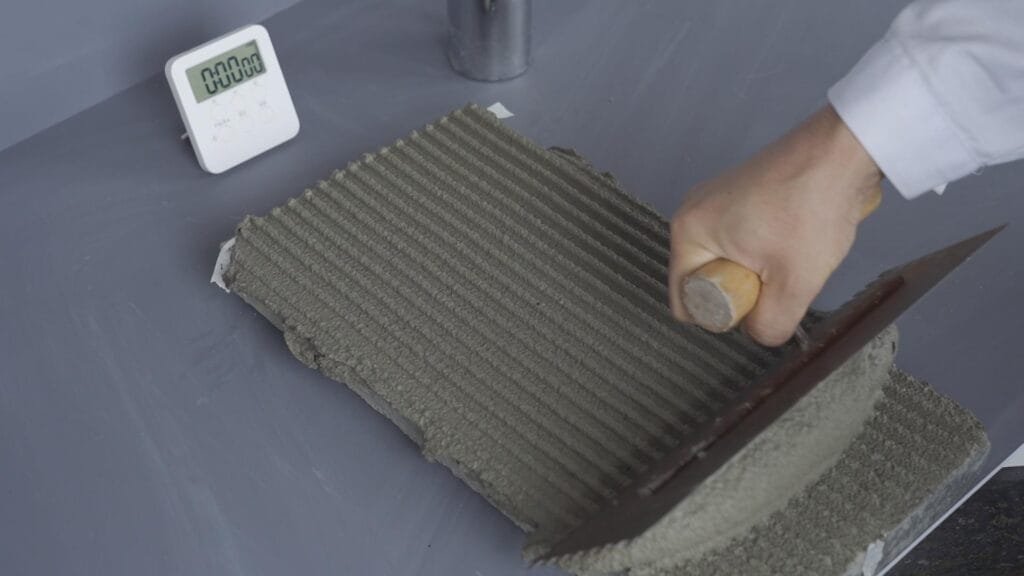
HPMCの EN 12004:2017 standard outlines performance requirements for tile adhesives. Let’s break down the key properties and differences between C2TE および C2TES classifications:
Classification | Key Properties | アプリケーション |
C2TE | High adhesion (≥1.0 MPa), extended open time (≥30 min), improved workability | Indoor floor and wall tiles |
C2TES | C2TE + slip resistance (S) and flexibility (F) | Large-format tiles, exterior walls, and substrates with movement |
Why These Standards Matter:
Adhering to these standards ensures tile adhesives perform optimally, reducing the risk of tile detachment or cracking. For exterior applications, C2TES adhesives are crucial to address challenges like temperature fluctuations and substrate movements.
2. Key Factors in HEMC Selection
2.1 Viscosity Range
HPMCの viscosity of HEMC plays a crucial role in regulating open time, workability, and overall performance. Here are the ideal viscosity ranges for C2TE and C2TES applications:
Classification | Viscosity Range (cP) | Function | Example Products |
C2TE | 4,000–8,000 | Balances open time and workability | HEMC 60M (Bayer) |
C2TES | 8,000–15,000 | Enhances slip resistance and flexibility | HEMC 100F (Ashland) |
Pro Tip: In high-temperature environments (≥35°C), opt for higher-viscosity HEMC to compensate for reduced open time.
2.2 Water Retention and Molecular Weight
HEMC helps form a hydration film, ensuring proper cement curing. Here’s the impact of molecular weight and water retention:
- Low Molecular Weight (Low Viscosity): Ideal for thin-bed applications with rapid film formation.
- High Molecular Weight (High Viscosity): Suitable for thick-bed and large-format tiles due to sustained water retention.
Experimental Data (Xu et al., 2021): HEMC with 8,000 cP viscosity retains over 95% water after 24 hours at 30°C, outperforming 4,000 cP (88% retention).
Practical Tip: In hot climates, high-viscosity HEMC (e.g., >10,000 cP) ensures optimal performance and prevents premature drying.
3. Synergistic Effects of HEMC and Additives

3.1 HEMC and Redispersible Polymer Powder (RDP)
- Recommended Ratio: HEMC 0.2–0.4% + RDP (VAE type) 1.5–3.0%
- Benefits: RDP improves flexibility, enhancing elongation by 30% and improving bond strength.
Case Study: A European manufacturer increased bond strength by 20% by optimizing the HEMC-RDP ratio in their C2TES formulation.

3.2 Enhancing Slip Resistance
To improve slip resistance, especially for large-format tiles, consider combining high-viscosity HEMC with Thixotropic Agents (e.g., fumed silica 0.1–0.3%).
- 目標: Achieve a thixotropic index (Tixoton) ≥2.5 for vertical applications.
重要性の理由: Slip resistance ensures precise tile placement, reducing labor costs and installation errors.
4. Environmental Adaptation and Troubleshooting
4.1 Adjusting for High-Temperature Conditions
To maintain optimal open time at higher temperatures, increase the viscosity of HEMC by 10% and add a Retarder (e.g., sodium gluconate 0.05%).
Case Study: In the Middle East, a formulation with HEMC 10,000 cP + 0.1% retarder maintained excellent open time at 35°C.
4.2 Common Issues and Solutions
- 問題: Excessive HEMC causes sticky mortar.
- ソリューション: Gradually reduce HEMC by 0.05% increments and increase superplasticizer by 0.1%.
FAQ:
- Q: Can I use the same HEMC for both C2TE and C2TES?
- A: While medium-viscosity HEMC works for C2TE, C2TES requires higher viscosity for enhanced slip resistance and flexibility.
5. Latest Trends in HEMC Technology
5.1 Nano-Modified HEMC
Recent studies show that SiO₂-grafted HEMC improves bond strength by 15% while reducing dosage by 20%, particularly useful in high-stress applications like exterior cladding.
5.2 Bio-Based HEMC
Lignin-derived HEMC offers a sustainable alternative, complying with EU REACH regulations, with performance comparable to synthetic HEMC and a reduced carbon footprint.
5.3 Smart HEMC Formulations
Innovative technologies, such as temperature-responsive HEMC, adapt to varying environmental conditions, ensuring consistent performance across different climates.
結論
Selecting the right HEMC for C2TE and C2TES tile adhesives is key to optimizing performance. For C2TE, medium-viscosity HEMC ensures balanced workability and open time, while C2TES formulations require high-viscosity HEMC to enhance slip resistance and flexibility. By leveraging synergistic effects with additives like RDP and thixotropic agents, you can achieve superior performance for a wide range of tile applications.
References:
- EN 12004:2017, Adhesives for ceramic tiles – Requirements, assessment and verification of constancy of performance.
- Xu et al. (2021), Nano-cellulose ethers in modern tile adhesives: Mechanisms and applications. Cement and Concrete Composites, 120, 104050.
- European Tile Adhesive Market Report 2023, Allied Market Research.
- Smith, J. (2023), Advances in Bio-Based Construction Materials. Journal of Sustainable Building, 15(2), 45-60.
Facebook
Twitter
LinkedIn