Excelencia en Éter de Celulosa — Confiado por más de 1000 empresas a nivel mundial Obtener muestra gratuita

HPMC, CMC, HEC y soluciones seleccionadas de éteres de celulosa para recubrimiento de comprimidos, liberación controlada, sistemas alimentarios, uniformidad superficial, aglutinación, protección y rendimiento funcional de películas.
Los productos de éter de celulosa LANDERCOLL favorecen la formación de película, la uniformidad superficial, la estabilidad del recubrimiento, la cohesión y la estructura del producto en formulaciones farmacéuticas, alimentarias, de recubrimientos, construcción, adhesivos, cerámicas y especialidades industriales.
El éter de celulosa filmógeno adecuado ayuda a los fabricantes a mejorar el aspecto superficial, la consistencia del recubrimiento, el rendimiento de unión y el comportamiento funcional, ya sea la aplicación un comprimido farmacéutico, un producto alimenticio, un recubrimiento a base de agua o un sistema de superficie industrial.
La formación de película es una propiedad funcional importante en formulaciones donde una capa fina y uniforme de polímero contribuye a la calidad superficial, protección, adhesión, rendimiento del recubrimiento, liberación controlada, textura o estabilidad estructural. En muchas aplicaciones, un aditivo filmógeno ayuda a mejorar la forma en que un producto se seca, recubre, adhiere, protege o se comporta después de la aplicación.
La éter de celulosa — especialmente la HPMC — es uno de los polímeros filmógenos más utilizados en el recubrimiento de comprimidos farmacéuticos, sistemas de liberación controlada de fármacos, aplicaciones de recubrimiento alimentario, recubrimientos especiales, adhesivos y formulaciones superficiales industriales seleccionadas. Cuando se disuelve o dispersa adecuadamente, los grados adecuados de éter de celulosa pueden formar una película transparente, flexible y uniforme tras la evaporación del agua o el secado.
La formación de película no solo consiste en crear una capa superficial visible: respalda la integridad del recubrimiento de comprimidos, la liberación controlada de fármacos, la textura de los alimentos y la gestión de la humedad, la cohesión de materiales de construcción, la resistencia de la película adhesiva y el rendimiento de productos industriales.
LANDERCOLL proporciona soluciones filmógenas de éter de celulosa basadas principalmente en HPMC, con CMC, HEC y HEMC/MHEC como soporte de la estructura de la película o superficie en aplicaciones seleccionadas de diferentes industrias.


Una película de éter de celulosa bien formada debe tener un espesor uniforme, un aspecto claro, ser lo suficientemente flexible para resistir el agrietamiento, adherirse bien al sustrato, ser mecánicamente estable para el uso previsto y, en sistemas farmacéuticos, estar diseñada para gestionar la humedad y la liberación del fármaco con precisión.
La formación de película se refiere a la capacidad de un polímero o aditivo para crear una capa continua o semicontinua después del secado, enfriamiento, recubrimiento o procesamiento. Esta capa puede cumplir uno o varios propósitos funcionales: proteger una superficie de la humedad o daños mecánicos, mejorar el aspecto visual y la uniformidad, unir partículas o sustratos, controlar la liberación de ingredientes activos, reducir la formación de polvo o la fragilidad superficial, mejorar la textura o el sabor, o apoyar la estabilidad estructural en el producto final.
En las aplicaciones de éter de celulosa, la formación de película está más estrechamente asociada con polímeros solubles en agua como la HPMC. Cuando un grado adecuado de HPMC se disuelve en agua y se aplica a una superficie, puede formar una película transparente o semitransparente a medida que el agua se evapora durante el secado, ya sea sobre un núcleo de comprimido, un producto alimenticio, un sustrato de papel o una superficie industrial.
Espesor y apariencia consistentes en toda la superficie recubierta — esencial para aplicaciones farmacéuticas y alimentarias.
Apariencia transparente o semitransparente sin turbidez ni opacidad — importante para la calidad del recubrimiento de comprimidos y superficies.
Resistencia al agrietamiento o fragilidad durante la manipulación o el uso — generalmente respaldada por la adición de plastificantes en sistemas farmacéuticos.
Buena unión a la superficie del sustrato — crítica para el recubrimiento de comprimidos, encolado de papel, cohesión superficial en construcción y rendimiento adhesivo.
Integridad suficiente para la aplicación prevista: afecta la manipulación, el embalaje, el transporte y el rendimiento en el uso final.
En los sistemas farmacéuticos, la capacidad de gestionar la entrada de humedad y la liberación del fármaco — un parámetro clave de diseño para formulaciones de liberación controlada.
El rendimiento final de la película depende del tipo y grado de éter de celulosa, la viscosidad, el grado de sustitución, la dosificación, el uso de plastificantes, las condiciones de secado, las características del sustrato y el sistema de formulación completo, incluidos otros aditivos y componentes.
Un sistema de formación de película bien diseñado puede mejorar significativamente tanto la apariencia como el rendimiento funcional de un producto. En comprimidos farmacéuticos, la formación de película crea una capa de recubrimiento protectora y lisa que mejora la manipulación, la apariencia, la facilidad para tragar y, en diseños de liberación controlada, el comportamiento de liberación del fármaco. En sistemas alimentarios, puede favorecer la textura, la apariencia superficial, la gestión de la humedad y la estabilidad durante el procesamiento. En recubrimientos y sistemas industriales, la formación de película contribuye a la calidad superficial, la cohesión, la protección y un rendimiento constante.
La mala formación de película crea problemas medibles: las películas irregulares o débiles pueden provocar un espesor de recubrimiento inconsistente, grietas o descamación en la superficie, mala adherencia al sustrato, formación de polvo o fragilidad durante la manipulación, apariencia inestable con el tiempo, o la incapacidad de lograr el rendimiento funcional previsto, como la liberación controlada o la protección contra la humedad.
Seleccionar el grado adecuado de éter de celulosa — con la viscosidad, el perfil de sustitución y la compatibilidad con la formulación apropiados — ayuda a lograr el equilibrio correcto entre resistencia de la película, flexibilidad, claridad, comportamiento de secado y compatibilidad con otros componentes de la formulación.
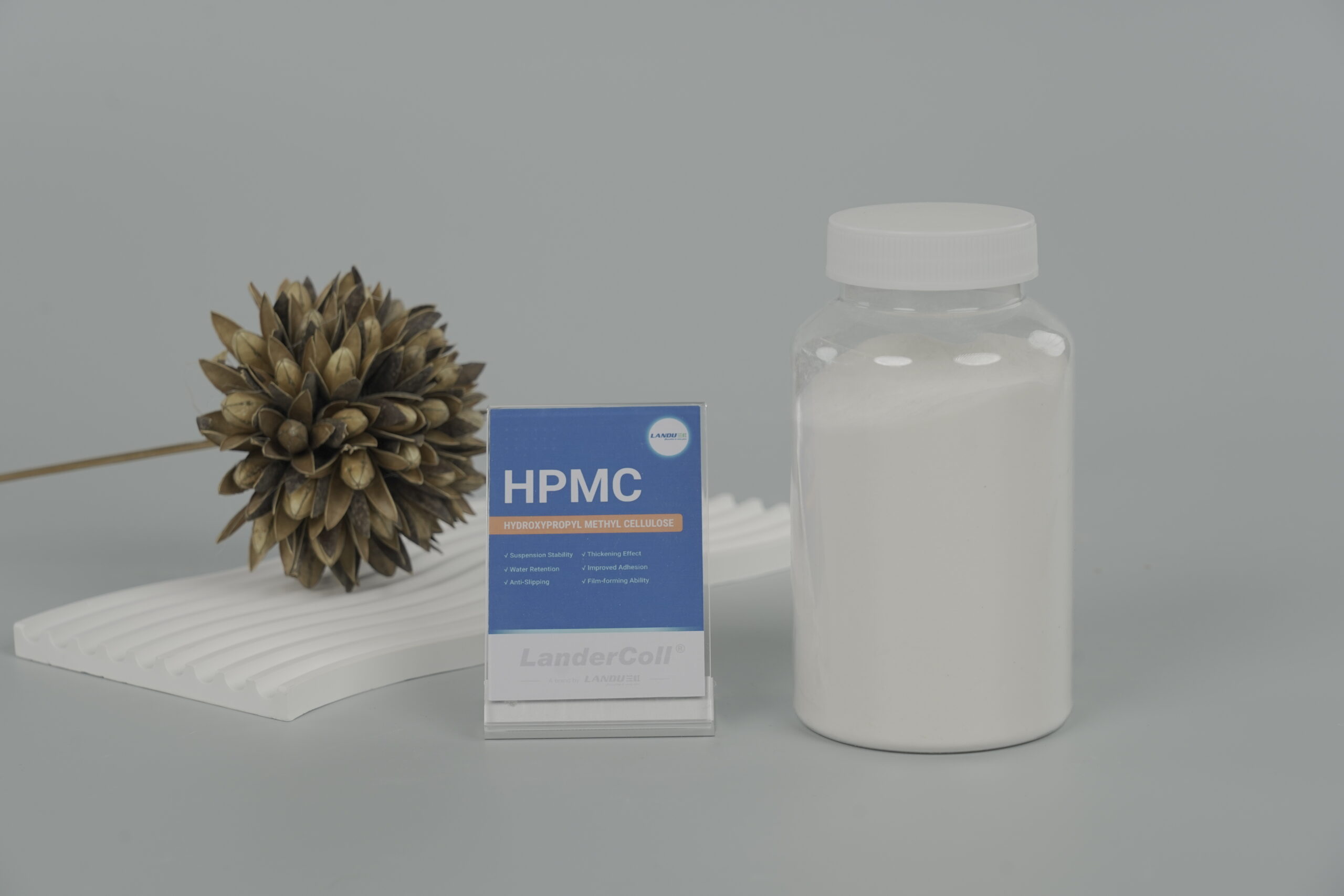
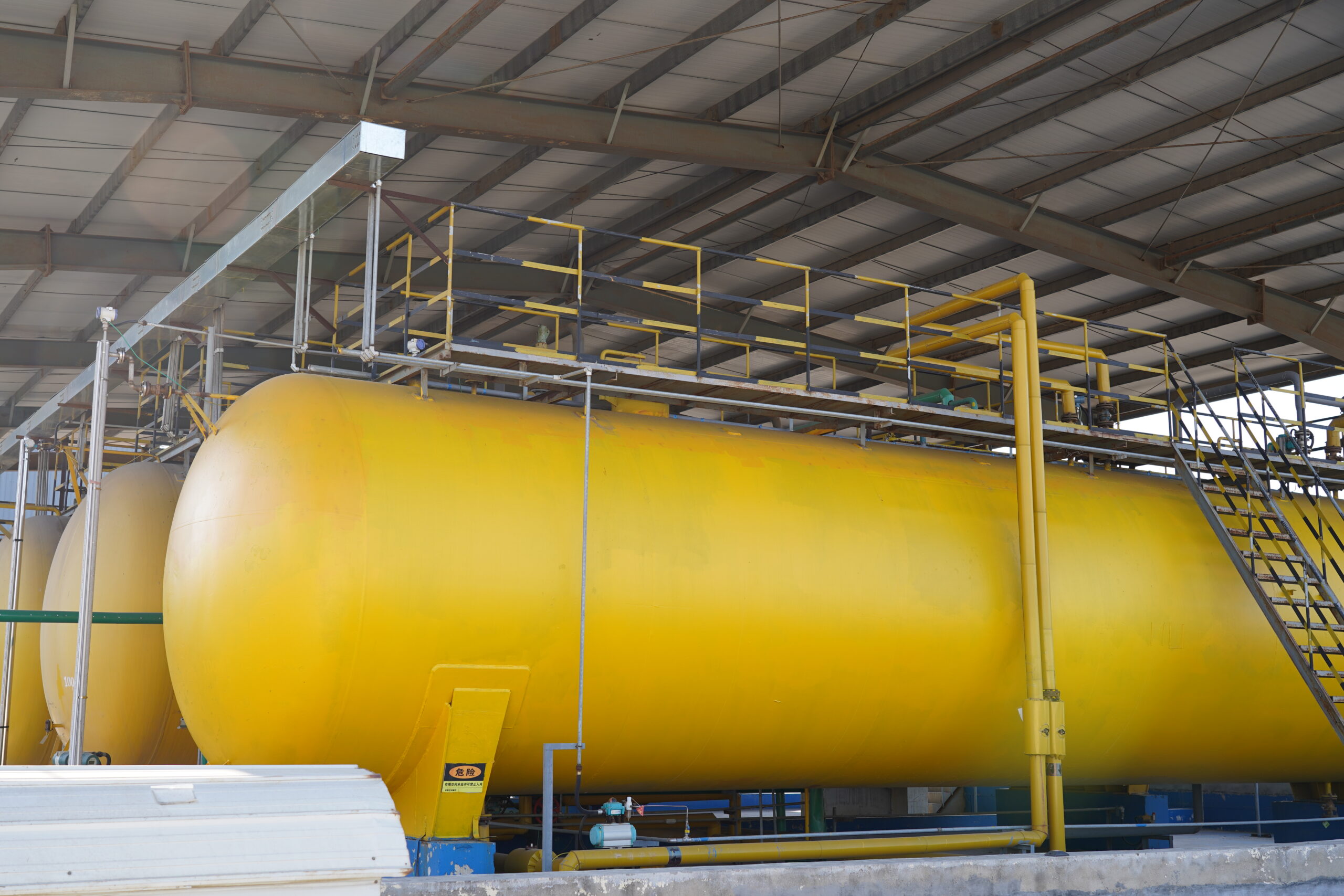
Diferentes productos de éter de celulosa favorecen el comportamiento de formación de película de distintas maneras y son adecuados para diferentes entornos de aplicación. La HPMC es el éter de celulosa principal para aplicaciones dedicadas a la formación de película. La CMC, HEC y HEMC/MHEC pueden favorecer la formación de película o estructura superficial en sistemas seleccionados donde la formación de película funciona junto con otros requisitos funcionales como la unión, el espesamiento o el control reológico.
 Formador de película principal
La hidroxipropilmetilcelulosa (HPMC) es el éter de celulosa más importante para aplicaciones de formación de película. Los grados adecuados de HPMC pueden formar películas claras, flexibles y mecánicamente estables, lo que las hace ampliamente utilizadas en recubrimiento de comprimidos farmacéuticos, sistemas de administración de fármacos de liberación controlada, formulaciones de películas orales, aplicaciones de recubrimiento de alimentos, recubrimientos especiales, adhesivos y sistemas de superficies industriales seleccionados.
En aplicaciones farmacéuticas, la HPMC es uno de los excipientes formadores de película más establecidos para el recubrimiento de comprimidos de liberación inmediata y sistemas de liberación modificada. Proporciona capas de recubrimiento lisas y uniformes, buena adherencia a los núcleos de los comprimidos y compatibilidad con una amplia gama de excipientes farmacéuticos y principios activos. La HPMC está disponible en una variedad de grados de viscosidad y tipos de sustitución; los grados de menor viscosidad son típicamente preferidos para la preparación de soluciones de recubrimiento; los grados de mayor viscosidad para sistemas que requieren más soporte estructural o formación de matriz de liberación controlada.
La CMC contribuye a la estructura superficial similar a una película, al soporte de recubrimiento y a la uniformidad de la superficie en aplicaciones seleccionadas. En la fabricación de papel, mejora la resistencia superficial y la imprimibilidad. En la estampación textil, forma una estructura de pasta estable que favorece la consistencia del color. En sistemas cerámicos, favorece la resistencia en verde, la suspensión del esmalte y la uniformidad de la superficie.
HEC is primarily used for thickening and rheology control. In selected coating, adhesive, ink, and industrial surface systems, HEC also supports film uniformity and surface consistency. Its contribution to flow control and leveling helps create a more uniform wet film that dries to a smoother, more consistent surface appearance.

HEMC / MHEC is primarily used in drymix construction applications for water retention and rheology control. In selected finishing systems, it also contributes to surface cohesion, film-like structure, and finishing quality after application and drying — helping create a more cohesive, smooth, and uniform finishing layer.
Film-forming requirements differ significantly by industry, application method, substrate type, and functional performance target. The table below provides a practical reference for selecting cellulose ether products based on target application and main film-forming goals.
| Aplicación | Producto Recomendado | Main Film Forming Goal |
|---|---|---|
| Recubrimiento de comprimidos | HPMC de grado farmacéutico | Smooth coating, uniform film, surface protection |
| Controlled-Release Systems | HPMC de grado farmacéutico | Controlled drug release, matrix or coating support |
| Oral Film Systems | HPMC de grado farmacéutico | Film integrity, flexibility, dissolution behavior |
| Food Coating Systems | Food-grade HPMC / CMC | Texture, coating uniformity, moisture management |
| Paper Coating / Surface Sizing | CMC | Surface strength, binding, coating stability |
| Impresión textil | CMC | Film structure, paste stability, printing definition |
| Recubrimientos a Base de Agua | HEC / HPMC | Surface uniformity, flow, coating consistency |
| Adhesivos | HPMC / CMC / HEC | Cohesion, film strength, process stability |
| Masilla para paredes | HPMC / HEMC / MHEC | Surface finish, cohesion, smooth application |
| Esmalte Cerámico | CMC | Binding, suspension, surface uniformity |
| Industrial Surface Formulations | HPMC / CMC / HEC | Film support, stability, uniform surface behavior |
This table is for general selection guidance only. Final product selection should always be confirmed through laboratory testing in your own formulation, because film formation is significantly affected by polymer grade, viscosity, dosage, plasticizer system, drying conditions, substrate type, pH, solids content, salt content, and other additives and processing variables.
The following table summarizes the film-forming strength, best-fit applications, and additional functional benefits of each cellulose ether product family offered by LANDERCOLL.
| Product Family | Film Forming Strength | Best-Fit Applications | Additional Benefits |
|---|---|---|---|
| HPMC | Excellent | Pharmaceutical coating, controlled release, food coating, specialty coatings | Binding, thickening, water retention, stability |
| CMC | Good in selected systems | Food, paper, textile, adhesives, ceramics | Binding, stabilization, water management |
| HEC | Selected support | Water-based coatings, inks, adhesives | Rheology control, leveling, suspension |
| HEMC / MHEC | Selected construction support | Wall putty, plaster, skim coat, finishing mortar | Water retention, cohesion, surface finish |
HPMC is the primary cellulose ether for dedicated film-forming applications, particularly in pharmaceutical tablet coating, controlled-release systems, and selected food or specialty coating uses. CMC supports film-like surface structure and binding in food, paper, textile, adhesive, and ceramic systems. HEC and HEMC / MHEC contribute to film appearance and surface quality as part of broader formulation systems where film formation works alongside rheology control, water retention, and other functional requirements.
Cellulose ether dosage for film-forming applications depends on the application type, target film thickness and properties, polymer grade and viscosity, formulation design, drying conditions, substrate characteristics, and end-use performance requirements. The following ranges are general starting points for laboratory evaluation and should not be treated as fixed usage standards.

Pharmaceutical and food applications require suitable compliant grades, appropriate technical documentation, and formulation validation according to the applicable regulatory requirements of the target market. Final dosage for all applications must be confirmed through laboratory testing, film evaluation, stability testing, and end-use performance assessment.
| Aplicación | Typical Reference Dosage |
|---|---|
| Recubrimiento de comprimidos | Depends on coating system and formulation design |
| Controlled-Release Systems | Depends on release profile and dosage form |
| Oral Film Systems | Depends on film structure and performance target |
| Food Coating / Texture Systems | 0.1% – 1.0% |
| Paper Coating / Surface Sizing | Depends on coating formula and substrate |
| Textile Printing Paste | Depends on paste viscosity and process requirements |
| Recubrimientos a Base de Agua | 0.1% – 0.8% |
| Adhesivos | Depends on formulation design and performance target |
| Masilla para paredes | 0.2% – 0.5% |
| Construction Finishing Materials | 0.15% – 0.5% |
| Ceramic Glaze / Slurry | 0.1% – 1.0% |
| Sistemas de superficies industriales | Depends on application and target film behavior |
Film formation quality depends on both the cellulose ether product selected and the complete formulation and processing environment. A film that performs well in one system may crack, haze, delaminate, or dry unevenly in another if key formulation conditions are different. Understanding the main factors that influence film formation helps formulators achieve more consistent results.
HPMC is generally the strongest choice for dedicated film-forming applications. Within the HPMC family, different substitution types and viscosity grades produce films with different characteristics in terms of clarity, flexibility, strength, and permeability.
Viscosity affects coating solution behavior, film thickness, flow, leveling, and drying characteristics. Lower viscosity grades allow higher polymer concentrations at manageable processing viscosity — often preferred for coating applications. Higher viscosity grades may provide more structural support.
Dosage affects film strength, coating uniformity, drying time, and final surface behavior. Insufficient polymer concentration may result in weak, incomplete, or non-uniform films. Excessive concentration may cause poor flow, uneven coating thickness, or processing difficulties.
In many film-forming applications — particularly pharmaceutical tablet coating — plasticizers improve film flexibility, reduce brittleness, and enhance coating performance. Common plasticizers include polyethylene glycol (PEG), propylene glycol, and triethyl citrate. Plasticizer choice significantly affects film mechanical properties.
Temperature, airflow, humidity, and drying speed all strongly affect film uniformity, surface appearance, and the risk of defects such as cracking, blistering, or uneven thickness. Controlled drying conditions are particularly important in pharmaceutical tablet coating and specialty industrial coating.
The surface being coated affects adhesion, spreading behavior, drying rate, and final film quality. Tablet cores, food surfaces, paper substrates, ceramic surfaces, and industrial substrates all have different surface energy, porosity, and chemical characteristics that influence how the film forms and adheres.
pH, dissolved salts, and other ionic components can influence polymer solution behavior, stability, and film quality. Some HPMC grades show pH-dependent solubility — deliberately used in enteric coating design. In other systems, pH should be maintained within a suitable range for stable film formation.
Pigments, fillers, opacifiers, preservatives, surfactants, binders, active pharmaceutical ingredients, and other additives can all interact with the cellulose ether polymer and affect film formation, surface appearance, and functional performance. Compatibility testing is important, particularly in pharmaceutical and food applications.
Application · i.
HPMC is one of the most widely used and well-established film-forming excipients in pharmaceutical manufacturing. Suitable pharmaceutical-grade HPMC grades are used in immediate-release tablet film coating to create smooth, uniform, and protective coating layers that improve tablet appearance, handling, swallowability, and stability.
In modified-release and controlled-release formulations, HPMC is used both as a coating polymer and as a matrix-forming excipient. As a coating polymer, it can be formulated to control the rate of drug release by adjusting film thickness, polymer grade, and plasticizer system. As a matrix former, HPMC creates a hydrophilic gel matrix that controls drug diffusion and release rate after ingestion. HPMC is also used in oral film and oral strip formulations, providing the primary film-forming structure that must dissolve or disintegrate rapidly in the oral cavity.
Recommended: Suitable Pharmaceutical-Grade HPMC
Suitable food-grade HPMC and CMC grades may support coating, texture, moisture management, and structural behavior in selected food applications. HPMC contributes to surface uniformity and moisture management in coated food products. Food-grade CMC supports coating stability, binding, and texture in sauces, dressings, dairy products, and other food systems.
In water-based architectural coatings, decorative finishes, and specialty surface formulations, cellulose ether contributes to coating consistency, flow behavior, leveling, and surface uniformity — directly influencing the quality and appearance of the dried film. HEC is the most commonly used cellulose ether in water-based coatings, where its contribution to flow control and leveling helps create a more uniform wet film.
In wall putty, skim coat, cement plaster, gypsum plaster, repair mortar, and other construction finishing materials, cellulose ether supports surface cohesion, finishing quality, and film-like surface structure. HPMC and HEMC / MHEC help create a more cohesive, smooth, and uniform finishing layer — easier to scrape, sand, or paint over.
CMC is widely used in paper manufacturing for surface sizing and coating, where it improves paper surface strength, printability, ink holdout, and surface uniformity. In textile printing, CMC forms a stable paste structure supporting printing definition, color consistency, and wash fastness. In adhesive formulations, HPMC, CMC, and HEC can all contribute to film strength and cohesion.
In ceramic manufacturing, film and surface structure influence green strength, handling behavior, glaze suspension, drying uniformity, and surface quality before and after firing. CMC is widely used in ceramic slurry and glaze systems — its film-forming contribution helps improve green strength, reduce handling defects, and support more uniform glaze application. In specialty industrial surface systems, HPMC, CMC, and HEC may each support film formation and surface uniformity.
Tell us your application, substrate, target film properties, and compliance requirements. LANDERCOLL can help recommend the right cellulose ether grade and grade direction for laboratory evaluation.
Ask for Film Forming RecommendationChoosing the right cellulose ether for film forming requires a clear understanding of the target application, the required film properties, the formulation system, the processing conditions, and any regulatory or compliance requirements. A product grade that performs well in pharmaceutical tablet coating may not be appropriate for food coating, construction finishing, or industrial surface treatment — and vice versa.
As a general starting point: HPMC is the primary choice for dedicated film-forming applications, particularly in pharmaceutical, food, and specialty coating systems. CMC is the preferred choice for paper, textile, ceramic, and selected food and industrial systems where film support works alongside binding and stabilization. HEC supports film appearance and surface uniformity in water-based coating systems. HEMC / MHEC contributes to surface cohesion and finishing quality in drymix construction applications.
If you are not sure which film-forming product direction is most suitable for your application, LANDERCOLL can help review your requirements and recommend a practical cellulose ether grade for laboratory evaluation.
If your formulation produces uneven coating, poor surface finish, weak cohesion, film cracking or peeling, inconsistent coating thickness, unstable coating behavior during processing, or poor surface appearance after drying, the film-forming system in your formulation may need to be reviewed.
Common signs that film-forming performance needs improvement include tablet coatings with uneven thickness or surface defects, food coatings that crack or peel during handling, wall putty surfaces that are difficult to sand or paint over, paper coatings with poor surface strength or printability, and industrial surface formulations with inconsistent film quality across batches.
LANDERCOLL can help you evaluate suitable HPMC, CMC, HEC, or HEMC / MHEC products based on your specific application, target film properties, processing method, substrate characteristics, and documentation requirements.
Product selection and grade recommendation based on your application type, target film properties, processing method, and substrate characteristics.
HPMC grade direction discussion for pharmaceutical, food-grade, or industrial-grade use — including viscosity selection and substitution type guidance.
Food-grade and pharmaceutical-grade product discussion, including documentation requirements and compliance information for your target market.
Coating and surface performance review to help identify root causes of film defects, uneven surfaces, poor adhesion, or inconsistent coating behavior.
Viscosity grade and dosage guidance to help achieve the right balance between film strength, flexibility, and processing behavior in your specific system.
Plasticizer compatibility discussion for pharmaceutical and specialty film coating systems — including common plasticizer options and their effect on film mechanical properties.
Technical document support including TDS, SDS, COA, and pharma documentation, plus sample arrangement and quotation communication from evaluation through commercial sourcing.
Film forming means the ability of a polymer or additive to create a continuous or semi-continuous layer after drying, cooling, coating, or processing. This layer can serve multiple functions including surface protection, improved appearance, binding of particles or substrates, controlled release of active ingredients, dust reduction, moisture management, or structural stability in the final product.
HPMC is the most important cellulose ether for film-forming applications. Suitable HPMC grades can form clear, flexible, and mechanically stable films, making them the standard choice for pharmaceutical tablet coating, controlled-release systems, food coating applications, and selected industrial surface formulations. CMC, HEC, and HEMC / MHEC support film or surface structure in selected applications where film formation works alongside other functional requirements.
Yes. Suitable pharmaceutical-grade HPMC is one of the most widely used and well-established excipients for tablet film coating and controlled-release drug delivery systems. It provides smooth, uniform coating layers with good adhesion and compatibility with a wide range of active ingredients and excipients. Pharmaceutical applications require suitable grade selection, regulatory documentation, and formulation validation.
In immediate-release tablet coating, HPMC forms a thin, rapidly dissolving film that protects the tablet, improves appearance, and facilitates swallowing without significantly affecting drug release. In controlled-release systems, HPMC is used either as a thicker coating membrane that controls drug permeation, or as a hydrophilic matrix former that creates a gel layer controlling drug diffusion. The specific HPMC grade, viscosity, film thickness, and formulation design determine the release profile.
CMC can support film-like surface structure, binding, and surface properties in selected applications including paper surface sizing, textile printing, food systems, ceramic glazes, and adhesives. However, HPMC is generally the stronger choice for dedicated film-forming applications where film clarity, flexibility, and mechanical integrity are the primary requirements.
HEC is primarily used for thickening, rheology control, suspension stability, and water-based formulation stability. While it is not typically selected as the primary film-forming polymer, HEC can support film appearance and surface uniformity in water-based coating, adhesive, and ink systems by improving flow, leveling, and coating consistency.
Suitable food-grade HPMC and food-grade CMC may be used in selected food coating and texture applications. Food use requires compliant grades with appropriate food safety documentation and regulatory approval for the target market. Applicable usage levels and regulatory status vary by country and product category.
HPMC and HEMC / MHEC support surface cohesion, finishing quality, and film-like surface structure in wall putty, skim coat, cement plaster, gypsum plaster, repair mortar, and other construction finishing materials. These products combine film support with water retention and rheology control functions within a single additive.
Film cracking or uneven appearance can result from several causes including unsuitable cellulose ether grade or viscosity, insufficient or excessive polymer dosage, poor dispersion or hydration of the polymer, excessively fast drying conditions, insufficient plasticizer in systems that require it, incompatible additives, pH outside the stable range, poor substrate adhesion, or inconsistency in raw material quality. Systematic evaluation of the formulation and drying conditions is needed to identify and resolve the root cause.
Common plasticizers used with HPMC in pharmaceutical film coating include polyethylene glycol (PEG), propylene glycol, and triethyl citrate. In food and industrial systems, the choice of plasticizer depends on regulatory requirements, compatibility, and the target film properties. The plasticizer type and level significantly affect film flexibility, mechanical strength, and coating performance.
Yes. Share your application type, target film properties, grade requirements, processing method, substrate characteristics, and any documentation or compliance requirements. LANDERCOLL can help recommend suitable HPMC, CMC, HEC, or HEMC / MHEC products and grades for laboratory evaluation and production trials.
Whether you need pharmaceutical tablet coating support, food-grade film formation, improved surface finish in construction materials, adhesive film strength, coating uniformity in water-based systems, or surface structure in paper, textile, or ceramic applications, LANDERCOLL can help you select the right cellulose ether solution for your specific formulation and performance requirements.
Our product range includes HPMC, CMC, HEC, and HEMC / MHEC grades optimized for a wide range of film-forming and surface performance applications. We provide technical support, product samples, grade comparison guidance, regulatory document support, and formulation discussion to help you find the most suitable solution.
