Excelencia en Éter de Celulosa — Confiado por más de 1000 empresas a nivel mundial Obtener muestra gratuita
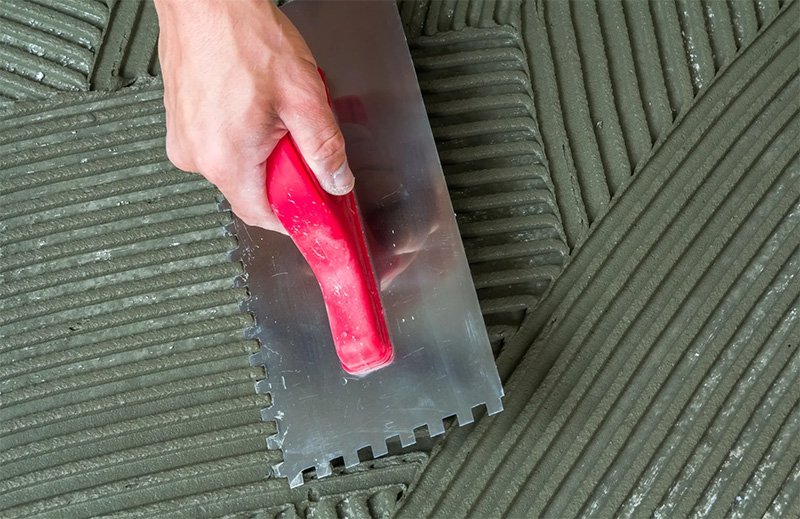
Grados de HPMC y HEMC/MHEC para tiempo abierto, retención de agua, comportamiento antideslizante, rendimiento de llaneado, estabilidad de crestas y rendimiento constante del adhesivo para baldosas a base de cemento tras la adición de agua.

¿Necesita una referencia de grado o dosificación inicial para su formulación de adhesivo para baldosas?
Solicitar Recomendación Solicitar un presupuesto Tiempo abierto · Antideslizante · Rendimiento de llaneado
HPMC and HEMC/MHEC cellulose ether are the primary functional additives used in cement-based tile adhesive to improve water retention, open time, workability, troweling feel, anti-slip behavior, ridge stability, and batch consistency. A correctly selected grade helps tile adhesive perform reliably after water addition — giving applicators the working time, troweling control, and tile-holding stability they need on site.
Tile adhesive factories need raw materials that deliver stable performance in production and predictable application behavior on construction sites. In cement-based tile adhesive, cellulose ether is one of the most critical additives in the formulation. Even at dosage levels of 0.20%–0.55%, the choice of grade and viscosity directly determines how the adhesive behaves from the moment it is mixed through to final tile set.
LANDERCOLL provides construction-grade HPMC y HEMC/MHEC for tile adhesive manufacturers producing standard cement-based tile adhesive, polymer-modified tile adhesive, wall tile adhesive, floor tile adhesive, large-format tile adhesive, porcelain tile adhesive, fast-setting tile adhesive, and high-performance tile adhesive systems.
For tile adhesive factories, choosing the right cellulose ether means matching the grade to the cement type, sand grading, polymer powder content, starch ether system, local temperature, substrate absorption, tile type, application thickness, and target performance standard.
Tile adhesive must remain workable after mixing, retain enough water to support cement hydration and adhesion development, maintain open time during tile positioning, and hold stable ridges on both horizontal and vertical surfaces. If the cellulose ether grade is not correctly matched to the formulation and application conditions, the consequences are immediate and visible — the adhesive dries too quickly, loses open time before tiles are set, shows poor troweling feel, sags on vertical walls, or becomes unpleasantly sticky during application. For tile adhesive factories, the right cellulose ether grade reduces these problems at the formulation level — before the product reaches the job site.
| Propiedad de rendimiento | What It Means on the Job Site |
|---|---|
| Retención de agua | Keeps moisture in the adhesive for cement hydration and bond development |
| Open time | Extends the working window for tile positioning and adjustment |
| Troweling performance | Smooth, controlled spreading under the notched trowel |
| Anti-slip behavior | Prevents tiles from sliding after placement on vertical surfaces |
| Ridge stability | Maintains trowel ridges after application for full tile contact |
| Trabajabilidad | Consistent, manageable adhesive body throughout the working period |
| Consistencia del mortero | Stable texture from first application to end of working time |
| Wet adhesive cohesion | Holds tile in position during adjustment and setting |
| Application smoothness | Reduces drag and effort during spreading |
| Estabilidad lote a lote | Rendimiento consistente en todos los lotes de producción |
LANDERCOLL HPMC and HEMC/MHEC grades are selected for specific cement-based tile adhesive types — matching open time, water retention, anti-slip behavior, troweling performance, ridge stability, and batch consistency requirements across standard, polymer-modified, and high-performance systems.
Requires balanced water retention, workability, and troweling performance across a range of substrates, tile types, and application conditions for general-purpose use.
HPMC / HEMC / MHECPolymer powder interacts with cellulose ether — grade selection and dosage balance are critical for open time, workability, and rheology stability.
HPMC / HEMC / MHECHeavy tiles demand strong anti-slip behavior, ridge stability, and wet mortar body throughout the full open time window.
HEMC / MHEC / HPMCMust resist tile slip immediately after placement and hold tiles in position without mechanical support throughout open time.
HEMC / MHEC / HPMCRequires smooth spreading, good substrate wetting, stable consistency, and practical working time for efficient floor tiling.
HPMC / HEMC / MHECLow-absorption porcelain tiles require effective water retention, open time, and adequate wetting of dense tile surfaces.
HPMC / HEMC / MHECGrade selection must balance water retention and workability with accelerated setting chemistry without excessive retardation.
Selected HPMC / HEMC / MHECC2 and C2TE systems require extended open time, strong anti-slip behavior, high polymer compatibility, and reliable performance under demanding conditions.
HEMC / MHEC / HPMCNot sure which grade fits your tile adhesive product? Ask for a Tile Adhesive Grade Recommendation →
The table below provides a practical selection reference for tile adhesive manufacturers and formulation engineers. Final product selection must be confirmed through formulation testing with your specific raw materials, tile types, and application conditions.

| Tile Adhesive Type | Recommended Direction | Main Performance Goal |
|---|---|---|
| Standard Tile Adhesive | HPMC / HEMC / MHEC | Water retention, workability, troweling |
| Polymer-Modified Tile Adhesive | HPMC / HEMC / MHEC | Open time, consistency, polymer compatibility |
| Wall Tile Adhesive | HEMC / MHEC / HPMC | Anti-slip, ridge stability, open time |
| Floor Tile Adhesive | HPMC / HEMC / MHEC | Spreadability, water retention, workability |
| Large-Format Tile Adhesive | HEMC / MHEC / HPMC | Anti-slip, body, stable ridges |
| Porcelain Tile Adhesive | HPMC / HEMC / MHEC | Open time, wetting support, consistency |
| Fast-Setting Tile Adhesive | Selected HPMC / HEMC / MHEC | Workability, water retention, setting balance |
| High-Performance Tile Adhesive | HEMC / MHEC / HPMC | Extended open time, anti-slip, stability |
The dosage of cellulose ether in tile adhesive depends on formulation design, viscosity grade, target open time, anti-slip requirement, polymer content, cement system, and application conditions. The ranges below are practical starting references for tile adhesive manufacturers.
These ranges are starting references only. Final dosage must be confirmed through laboratory testing, open time testing, slip resistance evaluation, troweling trials, water retention testing, tensile adhesion testing, and job-site application trials.
LANDERCOLL supports tile adhesive manufacturers with practical, formulation-focused technical support — from initial grade selection through sample evaluation and production-scale validation.
We help identify HPMC and HEMC/MHEC grade directions that match your tile adhesive type, raw material system, target performance, and local application conditions — including compatibility with polymer powder and starch ether.
A suitable cellulose ether grade helps retain water and maintain workable adhesive surface conditions throughout the tile installation window — giving applicators the time they need to position, adjust, and set tiles correctly.
For wall tile and large-format tile installation, HEMC/MHEC and selected HPMC grades help improve wet adhesive body and reduce tile sliding on vertical surfaces.
Tile adhesive should spread smoothly under the notched trowel while maintaining stable, well-defined ridges after application. Cellulose ether helps balance flow, body, and consistency.
A suitable cellulose ether grade helps tile adhesive factories produce drymix products with more stable application behavior after water addition — reducing batch-to-batch variation.
Share your tile adhesive type, formulation system, and performance targets — we’ll suggest a suitable starting grade and dosage direction.
Solicite una recomendación de grado de adhesivo para baldosas.When cement-based tile adhesive performance fails on site or in production, the cellulose ether grade, dosage, or formulation balance is often the first variable to review.

Rapid water loss, absorbent substrate, low water retention.
Improve water retention and workable time.
Weak wet mortar body, excessive water, low viscosity.
Improve anti-slip behavior and ridge stability.
Harsh sand, poor filler balance, wrong viscosity direction.
Improve workability and application smoothness.
Weak rheology, excessive water, insufficient structure.
Improve consistency and ridge stability.
Excessive dosage, unsuitable viscosity, high polymer content.
Adjust grade and dosage balance.
Low dosage or unsuitable cellulose ether grade.
Improve moisture control and working time.
Raw material variation, poor blending, wrong additive balance.
Improve formulation stability and consistency.
Low water retention, short open time, unbalanced formulation.
Support stable fresh adhesive surface behavior.
Rapid evaporation, hot substrate, low water retention.
Improve water retention and open time.
Unsuitable grade or viscosity level.
Review grade and dosage balance.
Before selecting a cellulose ether grade for production, tile adhesive factories should evaluate it in their own formulation and under their own local application conditions. Performance in a standard reference test may differ from performance in a specific production system with local cement, sand, and polymer powder.
Define the tile adhesive type and identify the primary performance targets — open time, anti-slip, water retention, troweling feel, or ridge stability.
Select a viscosity direction — HPMC or HEMC/MHEC — based on the application type and performance priority.
Prepare laboratory samples at different dosage levels within the reference range.
Test key fresh properties — water retention, open time, troweling feel, anti-slip behavior, and ridge stability.
Compare performance with the current formulation and identify improvements or adjustments needed.
Test with local tiles and substrates — including the specific tile types, substrate conditions, and climate conditions relevant to the target market.
Run production-scale trials to confirm performance under real mixing, batching, and application conditions before commercial rollout.
The choice between HPMC and HEMC/MHEC is one of the most common questions from tile adhesive factories. Both product types are used across tile adhesive applications, but their performance characteristics differ in ways that matter for specific requirements.
HPMC is widely used across standard tile adhesive, floor tile adhesive, polymer-modified tile adhesive, and general-purpose systems. It provides reliable water retention, workability, and consistent troweling behavior across a broad range of formulations and application conditions.
HEMC/MHEC is often preferred where open time, anti-slip behavior, vertical stability, and ridge integrity are the primary performance priorities — particularly in wall tile adhesive, large-format tile adhesive, and high-performance tile adhesive systems. HEMC/MHEC can offer improved open time and anti-slip performance compared to HPMC at equivalent viscosity levels in selected formulations.
In practice, both HPMC and HEMC/MHEC are evaluated for most tile adhesive types. Need help choosing? Ask for a Tile Adhesive Grade Recommendation →
LANDERCOLL cellulose ether for tile adhesive production is supplied in industrial packaging suitable for drymix mortar factories, transportation, and storage.
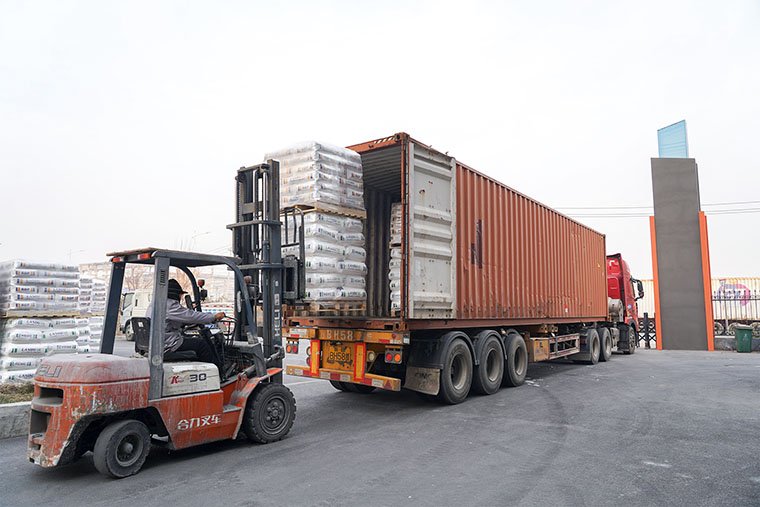 Hygroscopic · Seal When Not in Use · 25 kg Industrial Bags
LANDERCOLL can provide product-related documentation to support tile adhesive formulation testing, purchasing review, and internal approval processes.
Product specifications, viscosity, and performance data for grade evaluation.
Safety, handling, and regulatory information for site compliance.
Batch-specific quality confirmation for incoming inspection.
Detailed grade parameters and acceptance criteria.
Overview of product range and tile adhesive applications.
Formulation and processing reference for tile adhesive systems.
Grade selection support for your tile adhesive formulation.
Handling, shelf life, and storage condition reference.
Customs and import compliance documentation where applicable.
If your tile adhesive is experiencing short open time, poor water retention, tile slipping, ridge collapse, rough troweling feel, sticky application, or unstable batch performance, the cellulose ether grade may need to be reviewed.
LANDERCOLL can help evaluate suitable HPMC and HEMC/MHEC options based on your tile adhesive type, raw material system, viscosity target, dosage level, tile type, substrate conditions, and local application environment.
Construction-grade HPMC selection for tile adhesive systems
HEMC/MHEC grade comparison and application matching
Open time and water retention improvement guidance
Anti-slip performance and ridge stability discussion
Troweling feel and workability adjustment
Viscosity direction and dosage reference
Polymer powder and starch ether compatibility discussion
Sample arrangement and quotation communication
Technical document support for purchasing and quality review
HPMC and HEMC/MHEC are the most commonly used cellulose ethers in cement-based tile adhesive. Both improve water retention, open time, workability, anti-slip behavior, ridge stability, and consistency. The choice between them depends on the tile adhesive type and the primary performance requirement.
HPMC helps improve water retention, workability, troweling behavior, mortar consistency, and open working time in tile adhesive formulations. It is widely used across standard, polymer-modified, floor tile, and general-purpose tile adhesive systems.
HEMC/MHEC helps improve water retention, open time, anti-slip behavior, vertical stability, and ridge stability in tile adhesive systems. It is often preferred for wall tile adhesive, large-format tile adhesive, and high-performance tile adhesive where anti-slip and extended open time are the primary requirements.
A common reference dosage range is approximately 0.20%–0.55% by dry weight, depending on tile adhesive type, viscosity grade, polymer content, anti-slip target, and open time requirement. Large-format and high-performance systems typically use higher dosages. Final dosage must be confirmed through laboratory testing and job-site trials.
Large-format tile adhesive typically requires stronger anti-slip behavior and ridge stability. Selected HEMC/MHEC grades — or suitable HPMC grades — are commonly evaluated for this application. Final selection depends on the specific formulation, polymer system, and local application conditions.
Cellulose ether primarily improves fresh adhesive properties such as water retention, open time, consistency, and application stability. Final tensile adhesion strength depends on cement quality, polymer powder content, tile type, substrate condition, water dosage, curing conditions, and the complete formulation design.
Stickiness may be caused by excessive cellulose ether dosage, an unsuitable viscosity grade, high polymer powder content, excessive water addition, or an unbalanced filler and sand system. Reviewing the cellulose ether grade, dosage, and full formulation balance can help identify and resolve the issue.
Yes. Share your tile adhesive type, formulation direction, target open time, anti-slip requirement, viscosity target, dosage level, raw material system, tile type, and local climate conditions. LANDERCOLL can recommend suitable HPMC or HEMC/MHEC grades for evaluation and arrange samples for formulation testing.
Whether you produce standard tile adhesive, wall tile adhesive, floor tile adhesive, porcelain tile adhesive, large-format tile adhesive, polymer-modified tile adhesive, fast-setting tile adhesiveo high-performance tile adhesive systems, LANDERCOLL can help you select suitable HPMC and HEMC/MHEC grades for better water retention, open time, anti-slip behavior, troweling performance, ridge stability, and consistent production quality.
Our technical team is available to review your formulation, recommend suitable grades, provide dosage references, arrange samples, and support your evaluation from initial laboratory testing through to full production validation and job-site confirmation.
HPMC & HEMC/MHEC for Tile Adhesive · Open Time · Water Retention · Anti-Slip · Troweling · Ridge Stability · Wall Tile · Floor Tile · Large-Format · Porcelain · Polymer-Modified · High-Performance.
All performance data, dosage references, and formulation guidance provided on this page are for reference only. Final suitability must be confirmed through testing in your specific tile adhesive formulation and application conditions. LANDERCOLL reserves the right to update product information without prior notice.
