
TDS
Ficha técnica
Product specifications and performance data for formulation review.
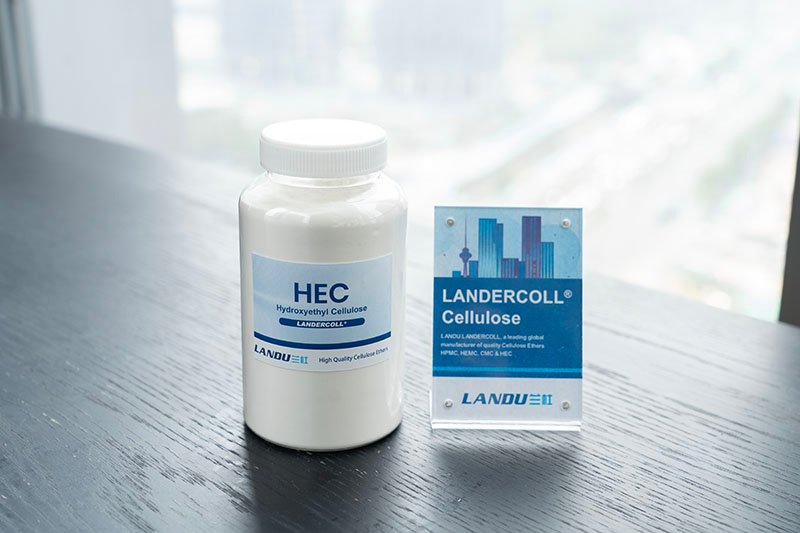
LANDERCOLL HEC éter de celulosa ayuda a los fabricantes de limpiadores en gel a lograr una textura de gel fiable, adherencia a superficies verticales y curvas, comportamiento de dosificación controlado y estabilidad de formulación a largo plazo en formatos de limpiadores en gel para inodoro, baño, cocina, superficies, desagües y gamas premium.
Desde los limpiadores en gel para inodoros hasta los geles multiusos para baño, cocina y superficies — el grado adecuado de HEC proporciona una reología predecible, una fuerte adherencia a la superficie y una experiencia de consumo consistente para fabricantes internacionales y compradores de productos químicos.

Inodoro · Baño · Cocina · Superficie · Ácido · Alcalino · Desagüe · Premium
 Respuesta rápida
Respuesta rápidaLa Hidroxietilcelulosa (HEC) es el éter de celulosa principal utilizado en formulaciones de limpiadores en gel. Proporciona textura de gel, control de viscosidad, adherencia a superficies, comportamiento de flujo controlado, estabilidad de suspensión y estabilidad en almacenamiento en limpiadores de inodoro en gel, limpiadores de baño en gel, limpiadores de cocina en gel, limpiadores de superficies en gel y sistemas de limpieza en gel ácidos o alcalinos. La HPMC y la CMC pueden considerarse en sistemas de limpiadores en gel especializados o personalizados seleccionados, tras realizar pruebas de compatibilidad.
Referencia clave de rendimiento, compatibilidad y suministro para fabricantes de limpiadores en gel y compradores de productos químicos en el extranjero.
¿Buscas una recomendación de éter de celulosa para tu formulación de limpiador en gel?
Pide una recomendación de limpiador en gel. Solicitar un presupuesto


Gel cleaners are thickened cleaning products designed to deliver controlled flow, extended surface contact, and easy application across household, bathroom, kitchen, and specialty cleaning tasks. They represent a premium product format within the household cleaning category — offering better surface cling, more attractive product appearance, and a more controlled application experience compared to thin liquid cleaners.
The gel format creates specific formulation demands. A gel cleaner must be thick enough to cling to vertical and curved surfaces, yet fluid enough to dispense cleanly from a bottle, nozzle, or cap. Éter de celulosa — particularly HEC (Hidroxietilcelulosa) — is the key ingredient that enables formulators to achieve this balance across production, storage, and consumer use.
Too little thickener and the product runs off surfaces before cleaning agents can act. Too much thickener and the product becomes stringy, difficult to dispense, or hard to rinse. Without reliable gel structure, products appear watery, separate during storage, or fail to cling on vertical and curved surfaces.
LANDERCOLL provides HEC and selected cellulose ether grades for gel cleaner manufacturers who need dependable gel texture, viscosity control, surface cling, and formulation stability across different cleaner types and production environments.
HEC dissolves in the water phase and builds a three-dimensional viscosity network that gives gel cleaners their gel character — holding product body in the bottle, controlling flow rate, supporting surface cling, and maintaining suspension stability across production batches.
LANDERCOLL offers HEC as the primary cellulose ether recommendation for gel cleaner applications, with HPMC and CMC available for selected specialty systems.
Primary · Non-Ionic · HEC
Non-ionic cellulose ether for smooth gel texture, viscosity control, surface cling, and formulation stability in gel cleaner systems.
HEC is a non-ionic, water-soluble cellulose ether widely used in gel cleaner formulations. Its non-ionic character provides broad compatibility with anionic, cationic, and non-ionic surfactant systems commonly used in household gel cleaners. HEC builds viscosity efficiently in the water phase, creates smooth and stable gel texture, supports surface cling on ceramic and hard surfaces, and maintains consistent product body during storage. Suitable for toilet, bathroom, kitchen, surface gel cleaners, and selected acidic or alkaline systems after testing.
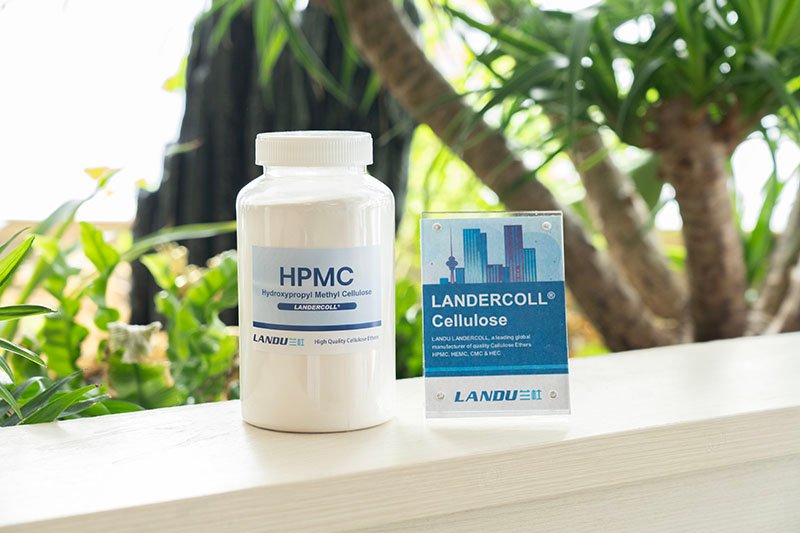 Specialty · HPMC · Gel Systems
Hydroxypropyl Methylcellulose for specialty thickening, rheology control, and customized gel body.
HPMC may be considered in specialty gel cleaners where specific rheology behavior, film-forming properties, or customized gel texture is required. HPMC has different solubility and rheology characteristics compared to HEC, which may be advantageous in selected specialty gel cleaner formats. Final performance must be confirmed through formulation testing, as surfactant type, solvent level, pH, electrolyte content, active ingredients, and production method can all influence HPMC performance.
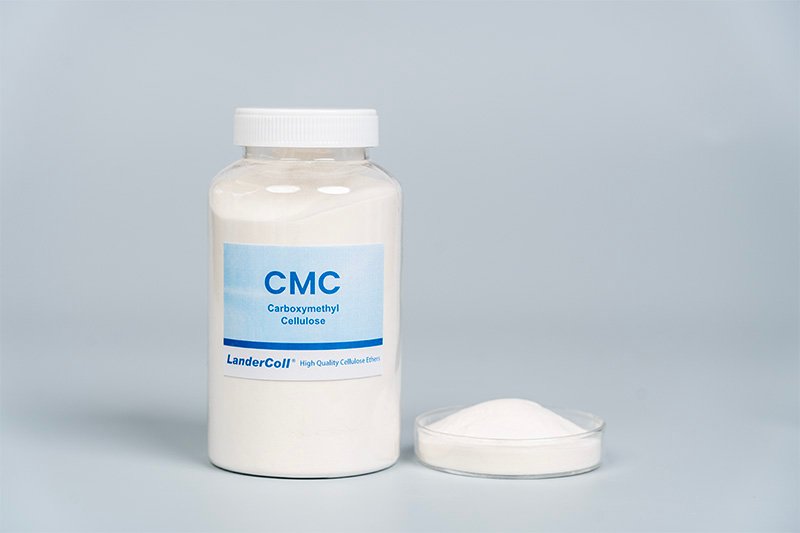 Anionic · CMC · Selected Systems
Carboxymethyl Cellulose for selected suspension support, product body, and formulation consistency needs.
CMC may be considered in selected gel cleaner or household cleaning formulations where suspension support, viscosity contribution, or formulation consistency is a priority. CMC is an anionic polymer sensitive to pH, electrolyte level, surfactant type, and active ingredient chemistry. Compatibility with acids, alkalis, high-electrolyte systems, oxidizing agents, and other active ingredients must be confirmed through testing before use.
Gel cleaner formulations vary by product type, target surface, cleaning chemistry, and market positioning. The table below provides a general reference for common components.
| Componente | Function in Gel Cleaners |
|---|---|
| Agua | Main solvent and carrier phase |
| Surfactants | Provide wetting, cleaning, foam, and soil removal |
| Cellulose Ether (HEC / HPMC / CMC) | Improve gel texture, viscosity, cling, and stability |
| Acids / Alkalis | Support limescale removal, degreasing, or stain removal in selected systems |
| Solvents / Hydrotropes | Support solubility, cleaning power, and clarity in selected formulas |
| Preservatives | Protect water-based formulations where applicable |
| Fragrance | Provide product scent |
| Colorants / Opacifiers | Improve product appearance and consumer appeal |
| Antibacterial Ingredients | Used in selected antibacterial gel cleaner systems |
| Otros Aditivos | Adjust foam, clarity, stability, surface feel, or special performance |
| Gel Cleaner Type | Recommended Product Direction | Principales Requisitos de Rendimiento |
|---|---|---|
| Limpiador en Gel para Inodoros | HEC / selected HPMC | Surface cling, gel body, controlled flow from nozzle |
| Limpiador en gel para baño | HEC | Surface contact, smooth texture, stable appearance |
| Limpiador en gel para cocina | HEC / selected cellulose ether | Degreasing system compatibility, flow control |
| Limpiador en gel para superficies | HEC | Product body, spreadability, stable appearance |
| Drain Gel Cleaner | Selected cellulose ether after testing | Chemical compatibility, viscosity stability |
| Acidic Gel Cleaner | HEC / selected grade after testing | Acid compatibility, cling, storage stability |
| Alkaline Gel Cleaner | HEC / selected grade after testing | Alkali compatibility, body, smooth flow |
| Premium Gel Cleaner | HEC / selected HPMC | Smooth gel texture, stable viscosity, enhanced user experience |
These ranges are starting references only. Final dosage must be confirmed through viscosity testing, gel texture evaluation, surface cling testing, dispensing behavior assessment, compatibility testing, storage stability evaluation, and consumer-use trials.
| Gel Cleaner Application | Typical Reference Dosage |
|---|---|
| Limpiador en Gel para Inodoros | 0.4% – 1.2% |
| Limpiador en gel para baño | 0.3% – 1.0% |
| Limpiador en gel para cocina | 0.3% – 0.9% |
| Limpiador en gel para superficies | 0.3% – 0.9% |
| Drain Gel Cleaner | Depends on chemical compatibility testing |
| Acidic Gel Cleaner | 0.3% – 1.0% |
| Alkaline Gel Cleaner | 0.3% – 1.0% |
| Premium Gel Cleaner | 0.4% – 1.2% |
Cellulose ether influences gel texture, surface cling, viscosity control, controlled flow, suspension stability, and long-term storage performance in water-based gel cleaner systems.
Cellulose ether helps create a smooth, uniform gel texture that improves product appearance in the bottle and application feel during use. A well-structured gel looks premium, flows predictably, and delivers a consistent consumer experience across different temperatures and storage conditions.
Gel cleaners are often applied to vertical toilet bowl surfaces, inclined bathroom tiles, and curved ceramic fixtures where gravity works against the product. A suitable cellulose ether grade helps improve surface cling, allowing cleaning agents to remain in contact with the surface long enough to act effectively.
HEC helps build the required viscosity for gel cleaners while maintaining workable dispensing and spreading behavior. The target viscosity must balance gel body with practical usability — thick enough to cling, fluid enough to dispense and spread.
Gel cleaners must flow from the bottle or nozzle under application pressure without running too quickly after being applied to the surface. Cellulose ether helps balance thickness and movement to achieve reliable, controlled dispensing behavior.
Many gel cleaners contain opacifiers, color systems, fragrance droplets, particles, or active ingredients that require stable distribution throughout the product. Cellulose ether supports suspension stability when properly matched with the complete formulation system.
A suitable cellulose ether grade helps maintain gel body, viscosity, and product appearance during storage. This reduces gel structure breakdown, viscosity loss, separation, and inconsistent performance after the product has been stored across different temperatures and conditions.
When gel cleaner fails texture, cling, flow, or stability targets, cellulose ether grade, dosage, hydration, or compatibility is often the first variable to review.
Low thickener level or weak viscosity response.
HEC builds viscosity and gel body.
Excessive dosage or unsuitable viscosity grade.
Adjust grade selection and dosage level.
Low product body or wrong rheology profile.
Improve gel texture and controlled flow behavior.
Unsuitable rheology or excessive polymer level.
Optimize cellulose ether grade and dosage.
Poor suspension or formulation imbalance.
Support suspension stability through grade selection.
pH, solvent, salt, surfactant, or active ingredient interaction.
Test compatible grade with full formulation system.
Poor dispersion or hydration method.
Improve addition sequence and mixing process.
Ingredient incompatibility or storage instability.
Review full formulation compatibility.
Gel cleaner formulations are often chemically complex. Multiple factors influence how cellulose ether performs and how stable the gel structure remains over time.
Acidic, alkaline, neutral, and oxidizing gel cleaners each have different compatibility requirements. Cellulose ether grade selection must match the final pH range and active ingredient system. High acid or high alkali concentrations require careful grade selection and accelerated stability testing.
Surfactant type, concentration, and combination affect cleaning performance, foam behavior, viscosity response, and compatibility with cellulose ether. Surfactant system should be evaluated during formulation testing.
Salts, builders, and other electrolytes can influence viscosity development, gel strength, product clarity, and long-term stability. High-electrolyte systems may require specific HEC grades with appropriate substitution levels.
Solvents may improve cleaning performance but can also affect cellulose ether hydration, viscosity development, product clarity, and long-term gel stability. Solvent type and concentration should be evaluated during formulation testing.
Disinfecting agents, acids, alkalis, bleach, or specialty active ingredients may affect polymer stability and final product performance. Compatibility testing with all active ingredients is essential before finalizing the formulation.
Bottle design, nozzle type, cap opening size, and required squeeze force all affect the target viscosity and flow profile needed from the cellulose ether system.
Addition sequence, hydration time, water temperature, and mixing speed affect cellulose ether dispersion quality and final gel texture. Poor dispersion leads to lumps, fish eyes, and inconsistent gel structure across production batches.
Temperature changes may influence viscosity, gel body, product clarity, and long-term stability. Stability testing across the expected storage temperature range is recommended for all gel cleaner formulations.
Choosing the right cellulose ether requires balancing gel body, viscosity target, surface cling requirement, dispensing behavior, formulation compatibility, and storage stability across the complete cleaning system.
 Grade Selection Guide
LANDERCOLL can review your gel cleaner formulation direction and recommend suitable HEC, HPMC, CMC, or selected cellulose ether grades for testing.
Acidic, alkaline, neutral, disinfecting, or bleach-based?
What target viscosity and gel texture profile are required?
Does the product need strong cling on vertical or curved surfaces?
What surfactant system and loading level are used?
Are solvents, salts, acids, alkalis, or oxidizing ingredients included?
Clear, opaque, colored, or pearlescent in appearance?
What bottle format, nozzle type, and dispensing method are used?
What storage temperature range must the product tolerate?
What mixing equipment and hydration method are available?
What dosage level and cost-performance balance are you targeting?
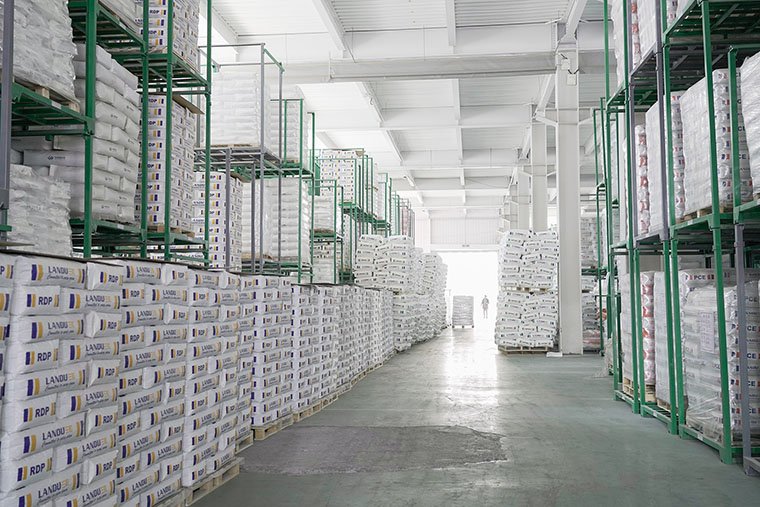
LANDERCOLL provides product-related documentation to support gel cleaner formulation testing, purchasing review, quality approval, and import compliance.
 Formulation & Performance Evaluation
Supporting gel cleaner development with complete technical documentation.
— LANDERCOLL R&D —Product specifications and performance data for formulation review.
Safety, handling, and regulatory information (SDS / MSDS).
Batch quality confirmation supplied per shipment.
Overview of cellulose ether range and application areas.
Formulation guidance and usage recommendations.
Grade recommendation for specific gel cleaner applications.
Handling, shelf life, and storage condition reference.
Available where applicable for international orders and import compliance.
All documents supplied upon request to support formulation review, quality approval, and import compliance.
Solicitar documentos del productoHEC grade selection for gel texture and viscosity control
Surface cling and controlled flow optimization
Dispensing behavior adjustment for different bottle and nozzle formats
Suspension stability discussion and testing direction
Compatibility review for acidic, alkaline, and disinfecting systems
Dosage reference for different gel cleaner types
Sample provision and quotation communication
If your gel cleaner is too thin, too thick, stringy, unstable during storage, separating in the bottle, forming lumps, difficult to dispense, or losing viscosity over time, the cellulose ether grade or dosage may need to be reviewed.
LANDERCOLL can help evaluate suitable HEC, HPMC, CMC, and selected cellulose ether options based on your pH system, surfactant system, active ingredients, viscosity target, surface cling requirement, packaging format, and production process.
HEC (Hydroxyethyl Cellulose) is the most commonly used cellulose ether in gel cleaner formulations. It provides gel texture, viscosity control, surface cling, controlled flow, and formulation stability. HPMC and CMC may be considered in selected specialty or customized systems after compatibility testing.
HEC dissolves in the water phase and builds a stable viscosity and gel structure network. In gel cleaners, this creates smooth gel texture, supports surface cling on vertical and curved surfaces, controls flow from the bottle, helps suspend opacifiers and particles, and maintains stable gel body during storage.
Cellulose ether primarily supports gel texture, viscosity, cling, and stability — not cleaning chemistry. Cleaning performance depends on surfactants, solvents, acids, alkalis, disinfecting ingredients, and application conditions. However, improved surface cling from cellulose ether supports longer surface contact time, which may indirectly improve cleaning effectiveness.
A common reference dosage range is approximately 0.3%–1.2% by formulation weight, depending on gel cleaner type, target viscosity, pH, surfactant system, active ingredient system, and cellulose ether grade. Final dosage must always be confirmed through formulation testing and stability evaluation.
Selected HEC grades may be used in acidic gel cleaners. However, acid type, acid concentration, pH level, surfactant system, and storage stability must all be tested before finalizing the formulation. Not all HEC grades perform equally in acidic conditions.
Viscosity loss in gel cleaners during storage may be caused by pH changes, acid or alkali concentration effects, oxidizing ingredient degradation, surfactant incompatibility, high electrolyte levels, temperature fluctuations, poor initial hydration, or an unsuitable cellulose ether grade for the system.
Stringy behavior typically results from excessive cellulose ether dosage, an unsuitable viscosity grade with high molecular weight, poor rheology balance, or incompatible formulation design. Optimizing grade selection and dosage level usually resolves this issue.
Start by defining your cleaner type, pH system, active ingredients, surfactant system, target gel texture and viscosity, surface cling requirement, dispensing format, storage temperature range, and production process. LANDERCOLL can review your formulation direction and recommend suitable HEC or selected cellulose ether grades for evaluation and testing.
Whether you produce toilet gel cleaner, bathroom gel cleaner, kitchen gel cleaner, surface gel cleaner, acidic gel cleaner, alkaline gel cleaner, drain gel cleaner, or premium household gel cleaner — LANDERCOLL can help you choose the right cellulose ether grade for better gel texture, viscosity control, surface cling, controlled flow, dispensing behavior, and formulation stability.
Our team can provide grade recommendations, dosage references, technical data sheets, samples, and quotations to support your formulation development and purchasing process.
LANDERCOLL cellulose ether products are manufactured for industrial and commercial use. All formulation data, dosage references, and application guidance provided are for general reference only. Final product performance must be confirmed through testing under your specific formulation, process, and storage conditions.