
01
cURL Too many subrequests by single Worker invocation. To configure this limit, refer to https://developers.cloudflare.com/workers/wrangler/configuration/#limits
Builds coating body and viscosity for proper in-can appearance and controlled flow.




Hydroxyethyl Cellulose (HEC) is the primary cellulose ether used in water-based industrial coatings. It provides viscosity building, rheology control, pigment and filler suspension, anti-sag support, and in-can storage stability across a wide range of industrial coating systems including primers, metal coatings, protective coatings, maintenance coatings, and anti-corrosion systems.
LANDERCOLL HEC helps industrial coating manufacturers achieve reliable thickening, controlled rheology, pigment and filler suspension, anti-sag behavior, and consistent application performance across water-based primers, protective coatings, metal coatings, maintenance systems, high-PVC formulations, and anti-corrosion coatings.
From industrial primers and metal coatings to protective maintenance systems and heavy-bodied specialty formulations — the right HEC grade delivers dependable viscosity control, stable suspension, and predictable brush, roller, and spray application performance.
— HEC · Viscosity Control · Rheology · Pigment Suspension · Anti-Sag · Industrial Coatings · Water-Based
 HEC · Industrial Coatings
Viscosity, rheology, and suspension performance for water-based industrial coatings.
HEC bridges in-can stability and demanding field application — from high-solids storage through spray, brush, and roller application to the finished protective film.
Industrial coatings cover a wide range of demanding applications — machinery, metal substrates, wood surfaces, containers, structural components, protective systems, primers, maintenance coatings, anti-corrosion systems, and high-solid formulations. These systems must deliver controlled viscosity, stable flow, reliable suspension of pigments and fillers, smooth application, and consistent in-can performance over extended storage periods.
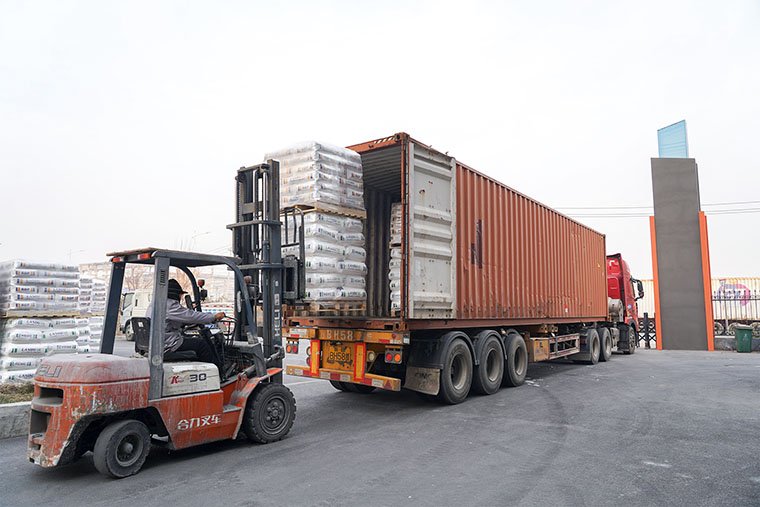
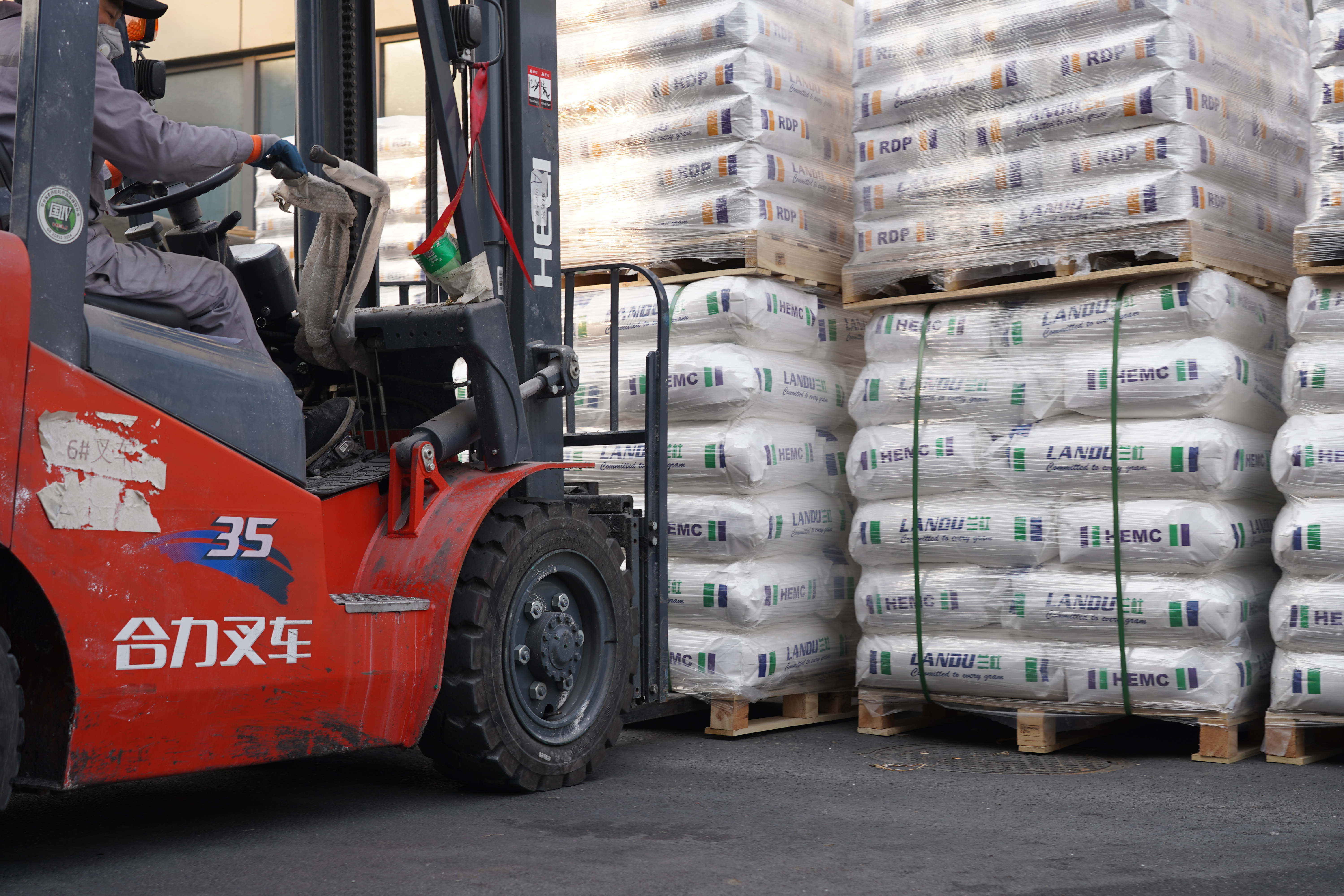
Industrial coatings operate under challenging conditions and must deliver controlled viscosity, stable flow, reliable pigment and filler suspension, smooth brush, roller, and spray application, and consistent in-can performance over extended storage periods.
LANDERCOLL provides HEC (Hydroxyethyl Cellulose) for industrial coating manufacturers who require reliable thickening, rheology control, pigment and filler suspension, and consistent application behavior across water-based industrial systems.
In select specialty high-solids formulations, certain HPMC grades may also be considered; however, HEC remains the primary and most widely adopted cellulose ether solution for water-based industrial coating systems.
Industrial coatings cURL Too many subrequests by single Worker invocation. To configure this limit, refer to https://developers.cloudflare.com/workers/wrangler/configuration/#limits
cURL Too many subrequests by single Worker invocation. To configure this limit, refer to https://developers.cloudflare.com/workers/wrangler/configuration/#limits
cURL Too many subrequests by single Worker invocation. To configure this limit, refer to https://developers.cloudflare.com/workers/wrangler/configuration/#limits

LANDERCOLL HEC helps industrial coatings achieve effective thickening, controlled rheology, pigment and filler suspension, anti-sag support, application consistency, storage stability, uniform coating body, and versatility across high-solid water-based systems.
Builds coating body and viscosity for proper in-can appearance and controlled flow.
Balanced flow behavior for brush, roller, or spray application.
Stabilizes pigments and fillers; reduces settling in high-PVC systems.
Improves vertical surface application; prevents dripping or sagging.
Uniform coating performance across different application methods.
Maintains viscosity and suspension; reduces phase separation or sedimentation.
Supports uniform film build and surface quality.
Suitable for high-solid, water-based, or specialty industrial systems.
Structured viscosity keeps pigments, fillers, and corrosion inhibitors suspended during storage and transport.
Controlled pseudoplastic flow supports brush, roller, and spray application with anti-sag recovery.
Industrial coating performance depends on balancing high-solids suspension, application method requirements, and storage stability across demanding end-use environments.
Low viscosity — poor body, dripping, and application defects
Pigment / filler settling — uneven color, texture, and performance
Sagging on vertical surfaces — runs and drips before film dries
Spray inconsistency — uneven atomization and film build
HEC (Hydroxyethyl Cellulose) is widely used in water-based industrial coatings to provide consistent viscosity, suspension of pigments and fillers, balanced flow, anti-sag behavior, and stable performance during both storage and application.
 HEC · Non-Ionic · Water-Soluble
HEC is a non-ionic, water-soluble polymer derived from cellulose. It is compatible with a broad range of coating additives, resins, and pigment systems. Its pseudoplastic rheology profile makes it particularly effective in industrial coatings where both in-can stability and smooth application are required simultaneously.
In industrial coatings, HEC helps build viscosity, stabilize pigments and fillers including corrosion inhibitors, support balanced flow during brush, roller, and spray application, and maintain consistent in-can performance throughout storage.
cURL Too many subrequests by single Worker invocation. To configure this limit, refer to https://developers.cloudflare.com/workers/wrangler/configuration/#limits
| Componente | Función |
|---|---|
| cURL Too many subrequests by single Worker invocation. To configure this limit, refer to https://developers.cloudflare.com/workers/wrangler/configuration/#limits | cURL Too many subrequests by single Worker invocation. To configure this limit, refer to https://developers.cloudflare.com/workers/wrangler/configuration/#limits |
| cURL Too many subrequests by single Worker invocation. To configure this limit, refer to https://developers.cloudflare.com/workers/wrangler/configuration/#limits | cURL Too many subrequests by single Worker invocation. To configure this limit, refer to https://developers.cloudflare.com/workers/wrangler/configuration/#limits |
| cURL Too many subrequests by single Worker invocation. To configure this limit, refer to https://developers.cloudflare.com/workers/wrangler/configuration/#limits | cURL Too many subrequests by single Worker invocation. To configure this limit, refer to https://developers.cloudflare.com/workers/wrangler/configuration/#limits |
| Agua | cURL Too many subrequests by single Worker invocation. To configure this limit, refer to https://developers.cloudflare.com/workers/wrangler/configuration/#limits |
| cURL Too many subrequests by single Worker invocation. To configure this limit, refer to https://developers.cloudflare.com/workers/wrangler/configuration/#limits | cURL Too many subrequests by single Worker invocation. To configure this limit, refer to https://developers.cloudflare.com/workers/wrangler/configuration/#limits |
| cURL Too many subrequests by single Worker invocation. To configure this limit, refer to https://developers.cloudflare.com/workers/wrangler/configuration/#limits | cURL Too many subrequests by single Worker invocation. To configure this limit, refer to https://developers.cloudflare.com/workers/wrangler/configuration/#limits |
| Antiespumantes | cURL Too many subrequests by single Worker invocation. To configure this limit, refer to https://developers.cloudflare.com/workers/wrangler/configuration/#limits |
| Conservantes | cURL Too many subrequests by single Worker invocation. To configure this limit, refer to https://developers.cloudflare.com/workers/wrangler/configuration/#limits |
| pH Modifiers | cURL Too many subrequests by single Worker invocation. To configure this limit, refer to https://developers.cloudflare.com/workers/wrangler/configuration/#limits |
| Coalescing Agents | Support film formation in selected systems. |
| Rheology Modifiers | Improve flow, leveling, and sag resistance. |
| Cellulose Ether (HEC) | Improves viscosity, rheology, suspension, and application consistency. |
| Otros aditivos | Leveling, wetting, anti-settling, corrosion protection, or special functions. |
Selecting the right HEC grade depends on coating type, target viscosity, solids loading, PVC level, application method, and storage requirements.
| Coating Type | Recommended HEC Direction | Requisitos principales de rendimiento |
|---|---|---|
| Water-Based Industrial Coatings | Medium viscosity HEC | Viscosity control, suspension stability, smooth application. |
| Industrial Primers | Low to medium viscosity HEC | Flow control, penetration, consistent viscosity. |
| Revestimientos protectores | Medium viscosity HEC | Body, pigment suspension, anti-sag, application stability. |
| cURL Too many subrequests by single Worker invocation. To configure this limit, refer to https://developers.cloudflare.com/workers/wrangler/configuration/#limits | Medium viscosity HEC | cURL Too many subrequests by single Worker invocation. To configure this limit, refer to https://developers.cloudflare.com/workers/wrangler/configuration/#limits |
| cURL Too many subrequests by single Worker invocation. To configure this limit, refer to https://developers.cloudflare.com/workers/wrangler/configuration/#limits | Medium to high viscosity HEC | cURL Too many subrequests by single Worker invocation. To configure this limit, refer to https://developers.cloudflare.com/workers/wrangler/configuration/#limits |
| High-PVC Industrial Coatings | Medium to high viscosity HEC | cURL Too many subrequests by single Worker invocation. To configure this limit, refer to https://developers.cloudflare.com/workers/wrangler/configuration/#limits |
| Water-Based Anti-Corrosion Coatings | Medium viscosity HEC | cURL Too many subrequests by single Worker invocation. To configure this limit, refer to https://developers.cloudflare.com/workers/wrangler/configuration/#limits |
| Industrial Texture / Heavy-Bodied | High viscosity HEC | cURL Too many subrequests by single Worker invocation. To configure this limit, refer to https://developers.cloudflare.com/workers/wrangler/configuration/#limits |
The following dosage ranges serve as general references for formulation starting points. Final dosage must be determined based on viscosity targets, pigment and filler loadings, binder type, PVC level, application method, and storage requirements.
HEC influences every stage of industrial coating performance — from thickening and pigment suspension to rheology control, anti-sag support, application consistency, and long-term storage stability.
HEC builds viscosity to provide proper coating body, in-can appearance, and controlled flow behavior. Adequate viscosity is essential for preventing dripping during application and maintaining a uniform film build on both horizontal and vertical surfaces.
HEC provides balanced pseudoplastic flow during brush, roller, or spray application. The coating flows smoothly under shear during application but recovers viscosity quickly at rest — preventing sagging and maintaining film integrity.
Industrial coatings often contain high levels of pigments, extender fillers, and corrosion-inhibitor pigments. HEC supports even dispersion and suspension, reducing settling during storage and ensuring consistent color, opacity, and performance.
On vertical or inclined surfaces, coatings must resist sagging and dripping after application. HEC improves yield value and structural viscosity, particularly important for thick-film industrial and protective coating systems.
HEC ensures uniform coating performance across brush, roller, and spray methods. Consistent viscosity and flow behavior reduce application defects and support a smooth, even finish.
HEC maintains viscosity and suspension stability during storage, reducing phase separation, sedimentation, or viscosity drift. This is particularly important for industrial coatings with high solids content and dense filler systems.
When water-based industrial coatings lack suitable thickening and rheology control, formulation and application performance failures become common across production and end-use.
cURL Too many subrequests by single Worker invocation. To configure this limit, refer to https://developers.cloudflare.com/workers/wrangler/configuration/#limits
cURL Too many subrequests by single Worker invocation. To configure this limit, refer to https://developers.cloudflare.com/workers/wrangler/configuration/#limits
cURL Too many subrequests by single Worker invocation. To configure this limit, refer to https://developers.cloudflare.com/workers/wrangler/configuration/#limits
cURL Too many subrequests by single Worker invocation. To configure this limit, refer to https://developers.cloudflare.com/workers/wrangler/configuration/#limits
cURL Too many subrequests by single Worker invocation. To configure this limit, refer to https://developers.cloudflare.com/workers/wrangler/configuration/#limits
cURL Too many subrequests by single Worker invocation. To configure this limit, refer to https://developers.cloudflare.com/workers/wrangler/configuration/#limits
cURL Too many subrequests by single Worker invocation. To configure this limit, refer to https://developers.cloudflare.com/workers/wrangler/configuration/#limits
cURL Too many subrequests by single Worker invocation. To configure this limit, refer to https://developers.cloudflare.com/workers/wrangler/configuration/#limits
cURL Too many subrequests by single Worker invocation. To configure this limit, refer to https://developers.cloudflare.com/workers/wrangler/configuration/#limits
cURL Too many subrequests by single Worker invocation. To configure this limit, refer to https://developers.cloudflare.com/workers/wrangler/configuration/#limits
cURL Too many subrequests by single Worker invocation. To configure this limit, refer to https://developers.cloudflare.com/workers/wrangler/configuration/#limits
cURL Too many subrequests by single Worker invocation. To configure this limit, refer to https://developers.cloudflare.com/workers/wrangler/configuration/#limits
cURL Too many subrequests by single Worker invocation. To configure this limit, refer to https://developers.cloudflare.com/workers/wrangler/configuration/#limits
cURL Too many subrequests by single Worker invocation. To configure this limit, refer to https://developers.cloudflare.com/workers/wrangler/configuration/#limits
The performance of HEC in any given industrial coating formulation is influenced by multiple interacting variables. Understanding these factors helps formulators optimize grade selection and dosage.
Different binders and resin concentrations affect compatibility and viscosity response in industrial coating systems.
Pigment and filler density and loading influence suspension requirements and HEC dosage.
Corrosion inhibitor pigments may interact with HEC hydration and performance in anti-corrosion systems.
Higher PVC typically requires higher HEC dosage or higher viscosity grades for adequate suspension.
Formulation pH affects HEC hydration rate and long-term stability.
May influence HEC solution viscosity and compatibility with the complete additive system.
Coalescing agents and solvents can affect HEC compatibility and rheology performance.
Proper dispersion and full hydration are essential for HEC to deliver target viscosity.
Spray, brush, and roller application each require different target viscosity and flow profiles.
Porosity and surface energy affect coating behavior and application requirements.
Must be optimized for each specific formulation to balance thickening, flow, and storage stability.
Selecting the correct HEC grade is not a one-size-fits-all decision. The right grade depends on target viscosity, coating type, solids loading, pigment and filler system, application method, PVC level, pH, and storage requirements.
Define KU, ICI, and low-shear viscosity requirements for your system.
Identify primer, topcoat, maintenance, anti-corrosion, texture, or heavy-bodied system.
Higher solids and PVC typically require higher viscosity or dosage.
Spray, brush, or roller application have different rheology needs.
Dense or heavy fillers require stronger suspension support.
Temperature range and shelf life requirements affect grade selection.
Laboratory evaluation under actual formulation conditions is always recommended.
LANDERCOLL can recommend suitable HEC grades for evaluation and testing based on your specific industrial coating requirements. Contact our technical team with your formulation parameters to receive a targeted product recommendation.
Request a Grade RecommendationLANDERCOLL HEC for industrial coatings is supplied in standard packaging suitable for industrial use, with full technical documentation available on request.


cURL Too many subrequests by single Worker invocation. To configure this limit, refer to https://developers.cloudflare.com/workers/wrangler/configuration/#limits
cURL Too many subrequests by single Worker invocation. To configure this limit, refer to https://developers.cloudflare.com/workers/wrangler/configuration/#limits
cURL Too many subrequests by single Worker invocation. To configure this limit, refer to https://developers.cloudflare.com/workers/wrangler/configuration/#limits
cURL Too many subrequests by single Worker invocation. To configure this limit, refer to https://developers.cloudflare.com/workers/wrangler/configuration/#limits
cURL Too many subrequests by single Worker invocation. To configure this limit, refer to https://developers.cloudflare.com/workers/wrangler/configuration/#limits
Flow and rheology improvement recommendations.
Storage stability and suspension performance guidance.
Troubleshooting for thickening and rheology-related defects.
Anti-corrosion and high-PVC formulation support.
Sample and quotation communication.
TDS, SDS, COA, and application guides on request.
HEC (Hydroxyethyl Cellulose) is the primary cellulose ether used in water-based industrial coatings. It provides viscosity control, rheology balance, pigment and filler suspension, anti-sag support, and storage stability across a wide range of industrial coating systems.
HEC builds viscosity, stabilizes pigments and fillers in suspension, supports balanced flow during application, improves anti-sag performance on vertical surfaces, and maintains in-can storage stability. It helps ensure consistent coating body and application performance across brush, roller, and spray methods.
Dosage typically ranges from 0.1% to 1.0% by weight depending on coating type, solids content, PVC level, and application requirements. Water-based industrial coatings typically use 0.1%–0.6%, while high-PVC or heavy-bodied systems may require 0.3%–1.0%. Final dosage should always be confirmed through laboratory testing.
Without adequate thickening and rheology control, water-based industrial coatings may experience pigment and filler settling, sagging on vertical surfaces, poor leveling, uneven application, and viscosity instability during storage. HEC addresses all of these issues by providing controlled viscosity, suspension stability, and balanced flow behavior.
Grade selection depends on your target viscosity, coating type, solids and PVC loading, pigment and filler system, application method, pH, and storage conditions. LANDERCOLL can provide grade recommendations and technical guidance based on your specific formulation requirements.
Yes. HEC is generally compatible with corrosion inhibitor pigments and is widely used in high-PVC industrial coating systems. However, compatibility and performance should always be confirmed through laboratory evaluation, as specific pigment types, pH levels, and additive combinations may affect HEC hydration and performance.
Whether you produce water-based industrial coatings, protective coatings, metal coatings, maintenance coatings, industrial primers, or anti-corrosion systems, LANDERCOLL HEC helps you achieve optimal viscosity control, pigment and filler suspension, anti-sag behavior, and consistent application performance.
Our team provides grade selection support, dosage guidance, and technical assistance to help industrial coating manufacturers develop reliable, high-performance water-based formulations. Contact us today to receive an HEC grade recommendation, request samples, or get a competitive quote.
 English English
  العربية
 Deutsch
 Українська
 Ελληνικά
 Español
 Español de Perú
 Français
 Magyar
 Bahasa Indonesia
 Italiano
 Português
 Türkçe
 Русский
 Nederlands
 Slovenčina
 Svenska
 Български
 Čeština
 Dansk
Dansk
 Eesti
Eesti
 Suomi
Suomi
 日本語
日本語
 한국어
한국어
 Lietuvių kalba
 Latviešu valoda
 Norsk bokmål
 Polski
 Português do Brasil
 Română
 Slovenščina