Excelencia en Éter de Celulosa — Confiado por más de 1000 empresas a nivel mundial Obtener muestra gratuita
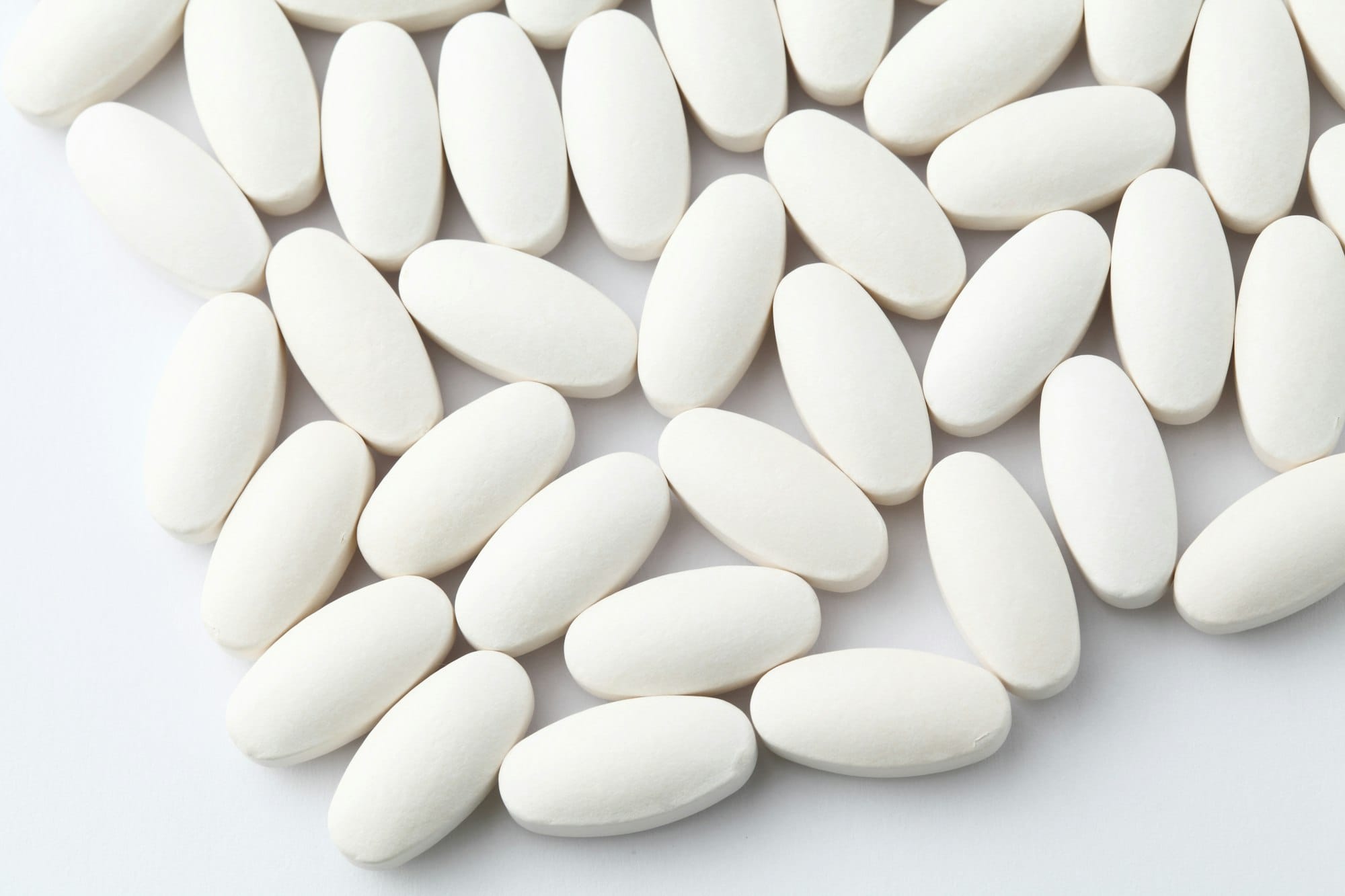


Los éteres de celulosa HPMC y HEC de grado farmacéutico LANDERCOLL mejoran la unión de los comprimidos, la resistencia mecánica, el control de la desintegración y la disolución, respaldando un rendimiento fiable desde el desarrollo hasta la producción comercial.
Tanto si desarrolla formulaciones de comprimidos de liberación inmediata, liberación modificada o con alta carga de API, la selección del grado adecuado de éter de celulosa como aglutinante afecta directamente a la cohesión del comprimido, la reproducibilidad del proceso y la confianza regulatoria.
— HPMC · HEC · Aglutinante para comprimidos · Compresión directa · Granulación húmeda · USP · EP · JP · Excipiente farmacéutico
 Compresión directa
 Granulación húmeda
 Liberación Inmediata
 Liberación modificada
HPMC (Hidroxipropil Metilcelulosa) y HEC (Hidroxietilcelulosa) son los éteres de celulosa principales utilizados como aglutinantes de comprimidos en la fabricación de formas farmacéuticas sólidas. La HPMC es el grado más utilizado, ya que proporciona una excelente eficiencia de unión, dureza constante del comprimido y desintegración controlada tanto en procesos de compresión directa como de granulación húmeda. La HEC se utiliza en formulaciones seleccionadas que requieren perfiles específicos de compresión o desintegración.


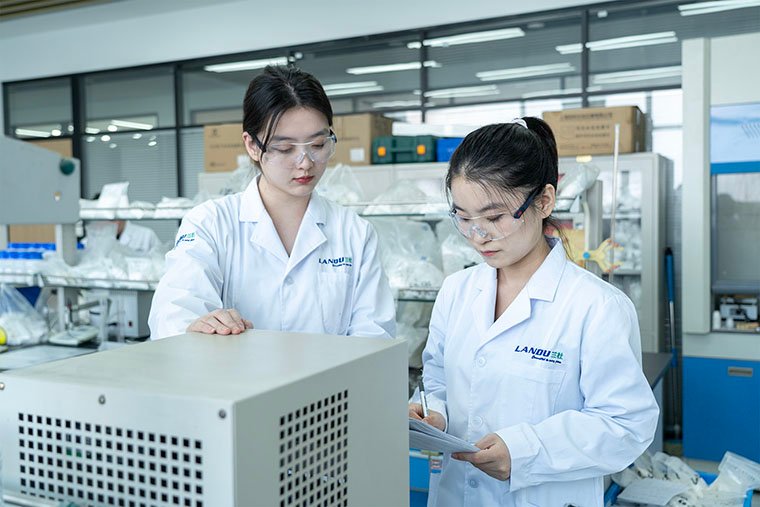 Encuadernación · Dureza · Desintegración
Los aglutinantes para comprimidos se encuentran entre los excipientes más críticos en la fabricación de formas farmacéuticas sólidas. Determinan la cohesión del comprimido, la integridad mecánica, el comportamiento de desintegración y, en última instancia, el perfil de disolución y liberación del principio activo farmacéutico (API). Seleccionar el aglutinante adecuado — y el grado correcto — afecta directamente la calidad del comprimido, la reproducibilidad del proceso y el cumplimiento normativo.
LANDERCOLL proporciona calidad farmacéutica HPMC (Hidroxipropil Metilcelulosa) y HEC (Hidroxietilcelulosa) para aplicaciones de aglutinante en tabletas. Nuestros grados de éter de celulosa son compatibles tanto con Compresión directa y Granulación húmeda procesos, proporcionando un comportamiento de compactación consistente, una cohesión fiable y una eficiencia del aglutinante en una amplia gama de formulaciones de comprimidos, desde sistemas de liberación inmediata hasta sistemas de liberación modificada.
¿Buscas el grado adecuado de éter de celulosa para tu formulación de comprimidos?
Pide una recomendación de carpeta para tabletas.Los éteres de celulosa — especialmente HPMC y HEC — se encuentran entre los aglutinantes más utilizados en la fabricación de comprimidos farmacéuticos. Su amplia adopción se debe a una combinación de rendimiento funcional, aceptación regulatoria y versatilidad en la formulación.
A standard tablet formulation contains multiple excipients, each serving a specific function. The binder system is central to achieving target hardness, disintegration, and dissolution performance.
| Componente | Function |
|---|---|
| Principio Activo Farmacéutico (API) | Efecto terapéutico |
| Cargas / Diluyentes | Volumen, tamaño del comprimido y compresibilidad |
| Aglutinante para comprimidos (HPMC / HEC) | Cohesión, resistencia mecánica, control de desintegración |
| Desintegrantes | Favorecen la rotura del comprimido tras la administración |
| Lubricantes | Reducen la fricción durante la compresión y la expulsión |
| Deslizantes | Mejoran el flujo del polvo y el llenado de la matriz |
| Agentes de recubrimiento | Protegen el comprimido, enmascaran el sabor o modifican la liberación |
| Otros excipientes | Sabor, color, estabilizantes o aditivos funcionales |
LANDERCOLL ofrece grados de éter de celulosa HPMC y HEC de calidad farmacéutica para aplicaciones como aglutinantes de comprimidos. La selección del grado debe confirmarse siempre mediante ensayos de formulación en laboratorio.

Excelente eficacia aglutinante para granulación húmeda y compresión directa
HPMC (Hidroxipropil Metilcelulosa) es el éter de celulosa aglutinante más utilizado en la fabricación farmacéutica de comprimidos. Disponible en múltiples grados de viscosidad, permite a los formuladores seleccionar la fuerza de unión y el control de desintegración adecuados. Los grados de baja viscosidad son preferidos para compresión directa y liberación inmediata; los de alta viscosidad para granulación húmeda y liberación modificada.

Low to medium viscosity grades for specialty tablet formulations
HEC (Hidroxietilcelulosa) is used in selected tablet formulations where specific compression characteristics, disintegration profiles, or compatibility requirements make it a suitable alternative or complement to HPMC. Low to medium viscosity HEC grades are typically considered for these applications.
Different formulation types and manufacturing processes require different cellulose ether viscosity directions and performance priorities.
| Formulation Type | Producto Recomendado | Viscosity Direction | Primary Performance Requirements |
|---|---|---|---|
| Direct Compression Tablets | HPMC | Low to medium viscosity | Powder flow, compactibility, consistent hardness |
| Wet Granulation Tablets | HPMC | Medium to high viscosity | Granule formation, cohesion, binding efficiency |
| Immediate Release Tablets | HPMC | Low to medium viscosity | Fast disintegration, good binding, dissolution support |
| Modified Release Tablets | HPMC | Medium to high viscosity | Controlled disintegration, sustained release support |
| High-API-Load Tablets | HPMC | Medium viscosity | Strong cohesion, consistent hardness, low friability |
| Selected Specialty Tablets | HEC | Low to medium viscosity | Specific disintegration or compression profile |
The appropriate dosage depends on tablet size, API properties, target hardness, disintegration requirements, process type, and the presence of other excipients.
These dosage ranges are general references only. Final dosage must be optimized through laboratory formulation and compression trials before scale-up.
HPMC and HEC support cohesion between API particles, fillers, and other powder components during both granulation and compression. Effective binding reduces friability, improves tablet integrity, and supports consistent tablet weight and dimensions across production batches.
Cellulose ether binders enhance tablet hardness and resistance to physical damage during handling, packaging, and transport. The right grade and concentration combination ensures tablets meet hardness specifications without compromising disintegration or dissolution.
The viscosity grade and concentration of HPMC or HEC directly influence how quickly a tablet disintegrates after administration. Lower viscosity grades support faster disintegration for immediate release; higher grades slow disintegration for modified or extended release.
In wet granulation, HPMC dissolved in the granulation liquid provides the binding solution that promotes granule nucleation and growth. Consistent binder solution concentration and addition rate are critical for uniform granule size distribution.
The binder system contributes to overall dissolution behavior. In immediate release, the binder should not significantly retard dissolution. In modified release, HPMC at higher concentrations creates a hydrophilic matrix controlling drug release through swelling and erosion.
LANDERCOLL HPMC and HEC grades are compatible with high-shear wet granulation, fluid bed granulation, roller compaction, and direct compression. Consistent particle size distribution supports reliable process performance.
When tablet quality issues arise during development or production, binder grade, viscosity, and concentration are often the first variables to review.
Low binder concentration or inadequate grade for the formulation system.
Increase HPMC or HEC content, or select a higher viscosity grade for improved cohesion.
Poor binding or insufficient cohesion during compression and elastic recovery.
Use an appropriate cellulose ether grade for improved inter-particle bonding and tablet integrity.
Variable binder efficiency or granulation inconsistency across batches.
Ensure consistent HPMC/HEC grade, concentration, and granulation process parameters.
Too high viscosity or excessive binder concentration retarding breakup.
Adjust grade or reduce concentration; consider lower viscosity HEC or HPMC.
Too low viscosity or insufficient binder level for the target release profile.
Adjust grade or concentration to achieve target disintegration time.
Insufficient binder solution concentration or inconsistent liquid addition.
Optimize binder concentration and granulation liquid addition rate for uniform granules.
Inappropriate binder grade or concentration relative to dissolution target.
Review grade selection and concentration relative to target dissolution profile.
Understanding the variables that influence binder performance helps formulators optimize grade selection and process parameters.
Particle size, density, compressibility, and hygroscopicity affect binder requirement and grade selection.
Different fillers have different compressibility and binder demand — influencing optimal HPMC or HEC level.
Directly affects hardness, disintegration, and dissolution. Must be balanced against other excipient levels.
Determines binding strength, dissolution behavior, and process compatibility across manufacturing methods.
Wet granulation vs. direct compression requires different grade and concentration selection strategies.
Affects granule size distribution and uniform binder distribution throughout the powder blend.
Interacts with binder level to determine final tablet hardness and physical integrity.
Interacts with binder to determine net disintegration behavior and release profile.
Excessive lubricant can reduce binding efficiency — balance is critical in final formulation.
Temperature and humidity can affect tablet hardness and disintegration over shelf life.
LANDERCOLL HPMC and HEC for tablet binder applications are produced to pharmaceutical-grade quality standards. Our cellulose ether grades are suitable for use in solid dosage form manufacturing and are supported by full regulatory documentation.
Proper storage and handling is important for maintaining product quality and ensuring consistent formulation performance in pharmaceutical manufacturing environments.
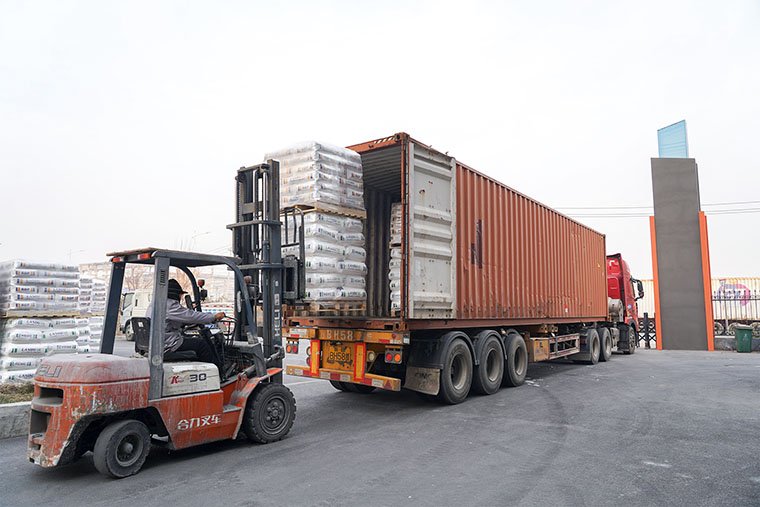
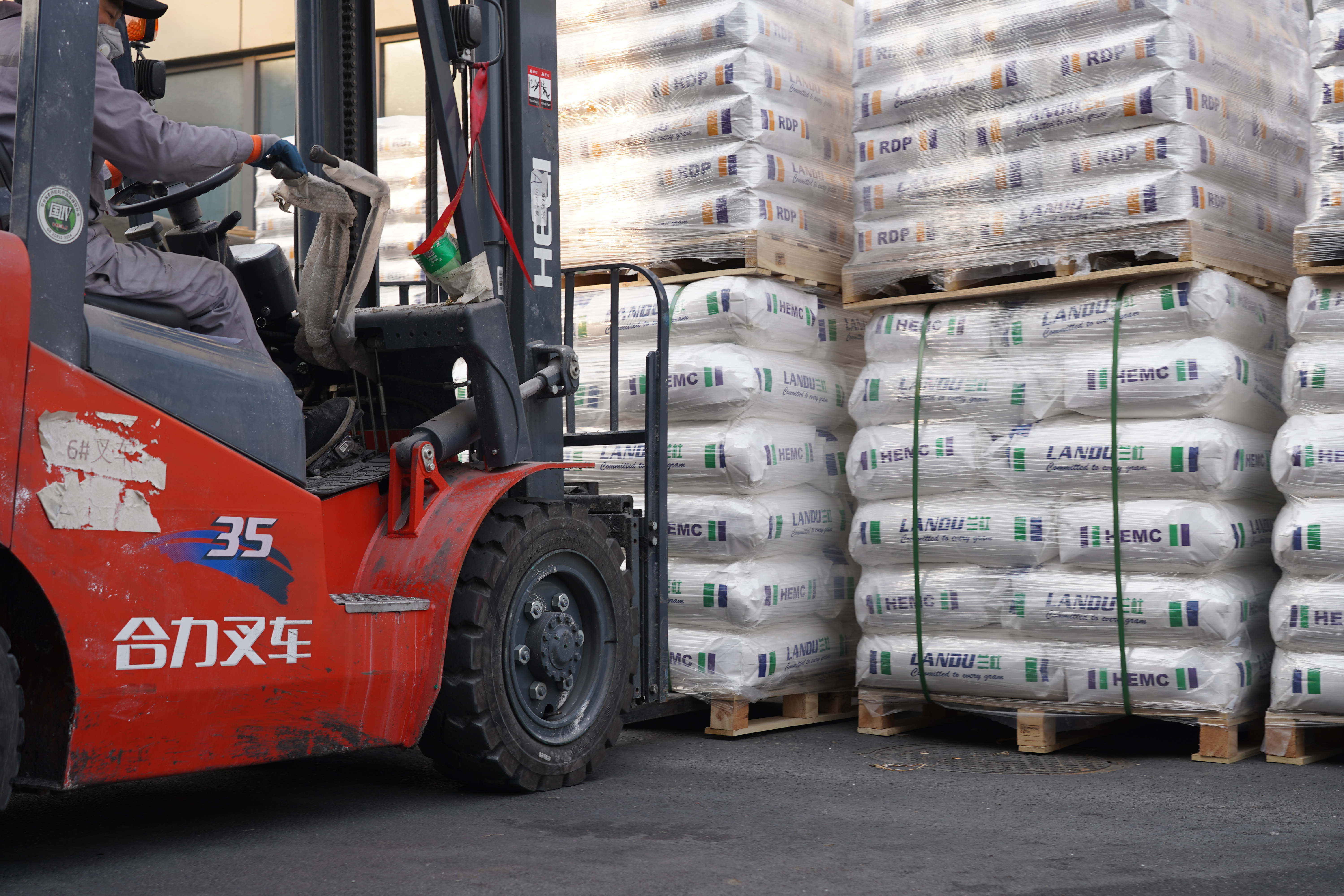 GMP · Cool · Dry · Sealed
LANDERCOLL provides formulation guidance and technical support for pharmaceutical manufacturers working with cellulose ether binders in solid dosage form development and production.
Whether you are troubleshooting capping, hardness variation, or dissolution issues — or selecting a grade for a new tablet formulation — our team can assist from laboratory trials through scale-up.
Grade selection based on formulation type, process, and release profile
Dosage optimization for target hardness, disintegration, and dissolution
Troubleshooting for capping, lamination, hardness variation, or dissolution issues
Process compatibility guidance for wet granulation and direct compression
Scale-up support from laboratory to production scale
Sample supply, TDS / SDS / COA, and quotation support
HPMC (Hydroxypropyl Methylcellulose) is the most widely used cellulose ether for tablet binder applications. It provides excellent binding efficiency, consistent hardness, and controlled disintegration in both direct compression and wet granulation processes. HEC (Hydroxyethyl Cellulose) is used in selected formulations requiring specific compression or disintegration profiles.
HPMC is the primary choice for tablet binding due to its broad applicability, strong binding efficiency, and well-established regulatory acceptance across immediate and modified release formulations. HEC is used in selected applications where specific compression characteristics or disintegration profiles are required. Both are listed in major pharmacopoeias.
Yes. The viscosity grade and concentration of HPMC or HEC directly influence disintegration time and dissolution behavior. Lower viscosity grades at lower concentrations generally support faster disintegration for immediate release tablets. Higher viscosity grades at higher concentrations can slow dissolution, useful for modified or extended release formulations.
Typical dosage ranges from 2% to 10% w/w depending on formulation type and process. Direct compression tablets typically use 2%–6%, wet granulation tablets 3%–8%, and modified release tablets 5%–10%. Final dosage should always be confirmed through laboratory formulation and compression trials.
Yes. HPMC and HEC are broadly compatible with most common tablet excipients including fillers such as microcrystalline cellulose and lactose, disintegrants such as croscarmellose sodium and sodium starch glycolate, lubricants such as magnesium stearate, and most APIs. Compatibility should always be confirmed through formulation testing.
Yes. HPMC is versatile enough to support both immediate release and modified release tablet formulations. In immediate release tablets, lower viscosity grades at lower concentrations are used primarily for binding without significantly retarding dissolution. In modified release tablets, higher viscosity grades at higher concentrations create a hydrophilic matrix that controls drug release through swelling and erosion.
Whether you are developing direct compression tablets, wet granulation formulations, immediate release systems, or modified release solid dosage forms, LANDERCOLL HPMC and HEC provide the binding efficiency, mechanical strength, and disintegration control your formulation requires.
Our pharmaceutical-grade cellulose ether grades are supported by full regulatory documentation, consistent quality, and dedicated technical support — helping tablet manufacturers achieve reliable performance from development through commercial production.
Pharmaceutical-Grade Cellulose Ether Solutions for Tablet Manufacturers. Technical Data Sheets, Safety Data Sheets, Certificates of Analysis, and Pharmacopoeial Compliance Information available on request.
