Целюлозні ефіри найвищої якості — довіра понад 1000 підприємств по всьому світу Отримати безкоштовний зразок

Розчини HEC, HPMC, HEMC / MHEC та CMC для регулювання текучості, контролю в'язкості, вирівнювання, стійкості до стікання, стабільності суспензії та сталості рецептури.
ПРОДУКТИ LANDERCOLL НА ОСНОВІ ЕФІРІВ ЦЕЛЮЛОЗИ допомагають контролювати, як рецептури течуть, розтікаються, вирівнюються, утримують частинки, зберігають форму та поводяться під час нанесення у водних покриттях, сухих будівельних сумішах, засобах особистої гігієни, миючих засобах, кераміці, нафтопромислових рідинах та промислових системах.
Правильне рішення щодо реології допомагає виробникам створювати продукти, які легше обробляти, стабільніші під час зберігання та надійніші в реальних умовах застосування — незалежно від того, чи наносяться вони пензлем, валиком, кельмою, шпателем, насосом або розпилювачем.
Контроль реології — здатність керувати тим, як склад тече, деформується та відновлюється за різних умов — є однією з найважливіших функціональних вимог у сучасному формулюванні продуктів. Він визначає, чи може продукт ефективно оброблятися, рівномірно наноситися та стабільно працювати в реальних умовах використання.
Продукти целюлозних ефірів LANDERCOLL підтримують контроль реології в широкому спектрі галузей промисловості та типів складів. Регулюючи в'язкість, поведінку потоку, реакцію на зсув, стабільність суспензії та структурне відновлення, целюлозний ефір допомагає виробникам створювати продукти, які легше використовувати та є більш надійними за різних методів нанесення та умов експлуатації.
Добре продумане реологічне рішення допомагає збалансувати конкуруючі вимоги до продуктивності в рамках одного складу — від фарби, яка тече під пензлем, але стійка до сповзання, до плиткового клею, який легко наноситься, але залишається на місці.
LANDERCOLL підтримує вибір продуктів для контролю реології серед ГЕЦ, ГПМЦ, ГЕМЦ/МГЕЦ та КМЦ, охоплюючи водні фарби, сухі будівельні суміші, засоби особистої гігієни, миючі засоби, харчові системи, керамічні шлікери, нафтопромислові рідини, клеї та інші промислові склади.



Реологія — це наука про те, як матеріали течуть і деформуються під дією прикладеної сили. У практичній роботі зі складами контроль реології означає цілеспрямоване регулювання поведінки продукту на кожному етапі — під час змішування, фасування, зберігання, транспортування та нанесення.
Склад із хорошою реологією не просто описується як густий або рідкий. Він має правильну поведінку в потрібний момент за відповідних умов — вільно тече під час змішування та фасування, залишається стабільним і однорідним під час зберігання, рівномірно розподіляється під тиском, стійкий до сповзання після нанесення та швидко відновлює структуру після зняття навантаження.
Опір течії під дією прикладеної сили — основний реологічний параметр у більшості систем складів.
Здатність розріджуватися під дією зсуву та відновлювати структуру в стані спокою — критично важлива для покриттів, будівельних розчинів та засобів особистої гігієни.
Здатність утримувати положення на вертикальних поверхнях після нанесення — необхідна для фарб, штукатурок та плиткового клею.
Здатність текти та самовирівнюватися після нанесення — важлива для якості поверхні покриттів та шпаклівок.
Здатність утримувати частинки рівномірно розподіленими без осідання — актуально для фарб, кераміки, харчової промисловості та нафтопромислових систем.
Як швидко рецептура відновлює свою мережу після зсуву — впливає на стійкість до провисання, час відкритого шару та консистентність продукту.
Ефір целюлози сприяє контролю реології шляхом створення в'язкості через переплетення полімерних ланцюгів та утворення гідратаційної сітки у водній фазі рецептури. Це робить його ефективним як у рідких системах, так і в сухих сумішах після додавання води.

Фарба повинна легко лягати під пензлем, але не стікати по стінах. Плитковий клей має розподілятися під шпателем, але не сповзати. Шампунь повинен легко виливатися, але мати насичену текстуру. Керамічна суспензія має залишатися технологічною без осідання. Контроль реології робить усе це можливим в одній рецептурі.
Погана реологія створює вимірювані проблеми на кожному етапі життєвого циклу продукту — від виробництва та фасування до зберігання, транспортування та кінцевого застосування. Склад із недостатнім контролем реології може бути важким для перекачування або наповнення, нестабільним під час зберігання, схильним до осідання частинок, важким для рівномірного нанесення, нездатним протистояти стіканню або непостійним за текстурою та зовнішнім виглядом.
Ці проблеми безпосередньо впливають на ефективність виробництва, якість продукції, задоволеність клієнтів та репутацію бренду. Для виробників правильна реологія — не другорядна проблема, а ключова вимога до рецептури.
Хороший контроль реології створює більш передбачуваний та надійний продукт. Він забезпечує кращу обробку під час виробництва, більш гладке та комфортне нанесення, стабільніший зовнішній вигляд і текстуру, а також більш узгоджену продуктивність за різних умов використання, температур та на різних поверхнях.


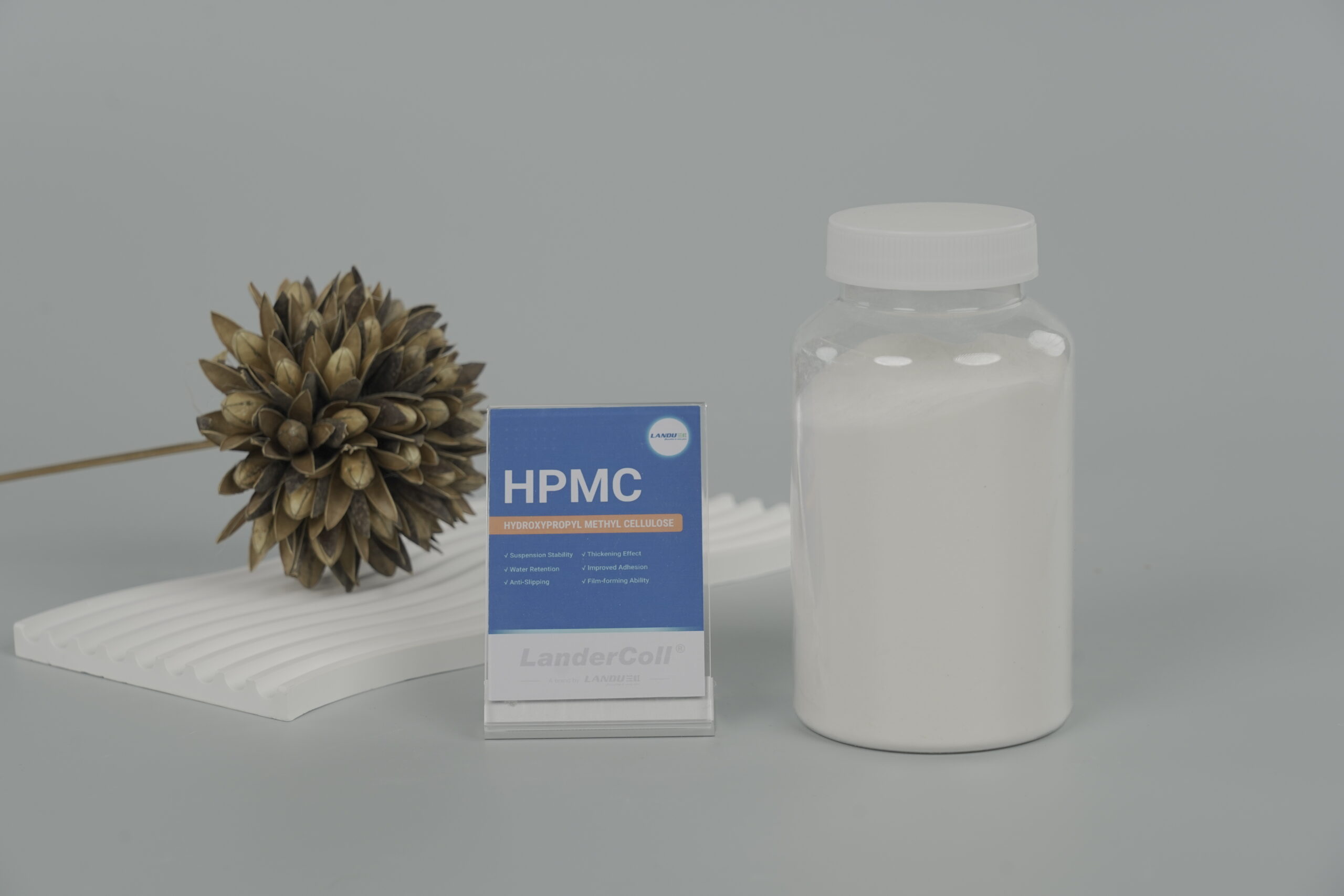
Rheology control can be achieved with different cellulose ether products depending on the formulation type, application method, target flow behavior, and performance requirements. LANDERCOLL supports product selection across HEC, HPMC, HEMC / MHEC, and CMC — each with a distinct rheology profile suited to different industries and systems.
Paints · Personal Care
Hydroxyethyl cellulose (HEC) is one of the most important cellulose ether products for rheology control in water-based liquid systems. It dissolves readily in cold water, builds viscosity efficiently, and provides stable, consistent rheological behavior across a wide range of formulation types.
In water-based paints and coatings, HEC supports pigment and filler suspension during storage, improves flow and leveling under brush or roller shear, and helps the coating resist sagging after application on vertical surfaces. In personal care and home care products, HEC provides smooth, non-tacky viscosity contributing to a pleasant sensory experience.
 Construction · Versatile
Hydroxypropyl methylcellulose (HPMC) provides rheology control together with water retention, thickening, film formation, and workability support. It is one of the most versatile cellulose ether products, used across drymix construction materials, detergents, pharmaceutical coatings, food systems, and selected industrial formulations.
In drymix construction materials, HPMC is widely used to control mortar consistency, troweling behavior, anti-sag performance, and application feel. It helps mortar spread smoothly under tool pressure while maintaining enough body and structure to resist slipping or sagging on vertical surfaces.

Hydroxyethyl methylcellulose (HEMC / MHEC) is especially well-suited for rheology control in cement-based and gypsum-based drymix construction formulations. It helps mortar spread smoothly while maintaining structural integrity to resist sagging, slipping, or deformation after application. Often preferred when stronger anti-sag behavior, smoother troweling feel, or specific open time performance is required.
Tile Adhesive · Wall Putty · Cement Plaster · Gypsum Plaster · EIFS / ETICS · Repair Mortar · Ready-Mix Dry Mortar Переглянути продукти HEMC / MHEC
Carboxymethyl cellulose (CMC) provides thickening, stabilization, suspension, water management, and binding support across a wide range of non-construction formulation systems. Especially useful in food products, toothpaste, detergents, ceramic slurries, oilfield fluids, paper coatings, and textile printing pastes. Available in food-grade and pharmaceutical-grade versions with appropriate documentation.
Food Sauces · Toothpaste · Ceramic Slurry · Oilfield Fluids · Detergents · Paper Coating · Textile Paste View CMC ProductsRheology requirements vary significantly by industry, application method, formulation type, and end-use conditions. The table below provides a practical reference for matching cellulose ether products with common rheology control needs across major application categories.
| Застосування | Рекомендований продукт | Main Rheology Goal |
|---|---|---|
| Фарба для внутрішніх стін | HEC | Flow control, leveling, pigment suspension |
| Фарба для зовнішніх стін | HEC | Sag resistance, storage stability, application consistency |
| Latex / Emulsion Paint | HEC | Brushability, roller application, in-can stability |
| Текстурні покриття | High-viscosity HEC | Strong body, anti-sag, filler suspension |
| Плитковий клей | HPMC / HEMC / MHEC | Troweling, anti-slip, open time, consistency |
| Шпаклівка для стін / Фінішне покриття | HPMC / HEMC / MHEC | Smooth scraping, leveling, stable body |
| Cement Plaster / Render | HPMC / HEMC / MHEC | Spreadability, workability, anti-sag |
| Гіпсова штукатурка | HPMC / HEMC / MHEC | Smooth spreading, water management, consistency |
| Рідкий миючий засіб | HEC / HPMC / CMC | Pouring behavior, product body, stable texture |
| Shampoo / Body Wash | HEC / HPMC | Smooth texture, viscosity, sensory feel |
| Зубна паста | CMC | Paste structure, extrusion behavior, particle suspension |
| Food Sauces / Dressings | CMC / food-grade HPMC | Flow behavior, texture, mouthfeel |
| Керамічний шлікер | CMC | Suspension, process flow, slurry stability |
| Нафтопромислові рідини | CMC / HEC | Fluid viscosity, suspension, flow behavior |
| Adhesives / Inks | HEC / CMC | Flow control, coating behavior, stability |
This table is for general selection guidance only. Final product selection should always be confirmed through laboratory testing in your own formulation, because pH, salt content, surfactants, pigments, fillers, solids loading, shear conditions, water quality, temperature, and processing method can all significantly affect rheology control performance in practice.
The following table summarizes the rheology control strengths, best-fit applications, and additional functional benefits of each cellulose ether product family offered by LANDERCOLL.
| Product Family | Rheology Control Strength | Best-Fit Applications | Additional Benefits |
|---|---|---|---|
| HEC | Excellent in water-based liquid systems | Paints, coatings, personal care, detergents | Leveling, pigment suspension, viscosity stability |
| HPMC | Excellent in construction and selected systems | Tile adhesive, wall putty, detergents, pharma, food | Water retention, film forming, workability |
| HEMC / MHEC | Excellent in drymix construction | Mortar, plaster, EIFS, tile adhesive | Open time, anti-sag, water retention, troweling |
| CMC | Excellent in food, ceramic, oilfield, industrial | Food, toothpaste, ceramics, oilfield, paper, textile | Binding, suspension, texture, stabilization |
Each cellulose ether family controls rheology through a different mechanism and is optimized for a different formulation environment. HEC is typically the first choice for water-based coatings and personal care. HPMC and HEMC / MHEC are the standard choices for drymix construction materials. CMC is widely used where thickening, suspension, binding, and structure control are needed together in food, industrial, and ceramic systems.
Cellulose ether dosage for rheology control depends on the formulation type, target viscosity, desired flow behavior, product grade, raw material system, processing conditions, and end-use performance requirements. The following ranges are general starting points for laboratory evaluation and should not be treated as fixed usage standards.

These dosage levels are starting references only. Final dosage must be confirmed through laboratory testing, viscosity measurement, rheology evaluation, stability testing, and production trials.
| Застосування | Typical Reference Dosage (% by weight) |
|---|---|
| Фарби та покриття | 0.1% – 0.8% |
| Текстурні покриття | 0.3% – 1.0% |
| Плитковий клей | 0.2% – 0.5% |
| Шпаклівка для стін / Фінішне покриття | 0.2% – 0.5% |
| Цементна штукатурка | 0.15% – 0.4% |
| Гіпсова штукатурка | 0.1% – 0.3% |
| Рідкий миючий засіб | 0.2% – 1.0% |
| Shampoo / Body Wash | 0.3% – 1.2% |
| Зубна паста | 0.5% – 2.0% |
| Food Sauces / Dressings | 0.2% – 1.0% |
| Керамічний шлікер | 0.1% – 1.0% |
| Нафтопромислові рідини | Depends on fluid system and target rheology |
| Adhesives / Inks | Depends on formulation design |
Rheology control performance is not determined by cellulose ether grade alone. It depends on the interaction between the cellulose ether and the complete formulation environment — including the solvent system, pH, ionic content, solids loading, shear conditions, and processing method. Understanding these factors helps formulators make better product selections and achieve more consistent results.
HEC, HPMC, HEMC / MHEC, and CMC each have distinct rheology profiles. Matching the product chemistry to the formulation environment — coating, mortar, detergent, food, ceramic, or oilfield — is the first step in effective rheology control.
Viscosity grade strongly affects flow behavior, body, stability, and application feel. Higher viscosity grades generally provide more structural support and sag resistance, but may reduce flow, leveling, pumpability, or application comfort.
Dosage directly influences viscosity, flow behavior, sag resistance, texture, and suspension stability. Insufficient dosage may fail to achieve the required rheology. Excessive dosage may cause overly thick or sticky behavior, poor leveling, or processing problems.
Cellulose ether must disperse and hydrate properly to develop its full rheological contribution. Poor dispersion can cause lumps, uneven viscosity, or inconsistent rheology. Surface-treated grades are available to improve dispersion in cold water systems.
pH, dissolved salts, and electrolytes can significantly affect viscosity development and stability — particularly in detergents, personal care products, food systems, and oilfield fluids. Some grades are more tolerant of high ionic environments than others.
Pigments, fillers, cement, gypsum, ceramic powders, and other solid components interact with the cellulose ether network and can strongly affect flow behavior, suspension stability, and overall rheology. Higher solids loading generally increases viscosity but may affect leveling.
Mixing, pumping, brushing, rolling, troweling, scraping, spraying, and extrusion all apply different levels and types of shear. Rheology should always be evaluated under conditions that closely reflect real processing and application shear, not just at rest.
Temperature affects viscosity development, hydration speed, storage stability, and application behavior. Most cellulose ether products show decreasing viscosity with increasing temperature. Formulations intended for hot or cold climates should be evaluated across the relevant temperature range.
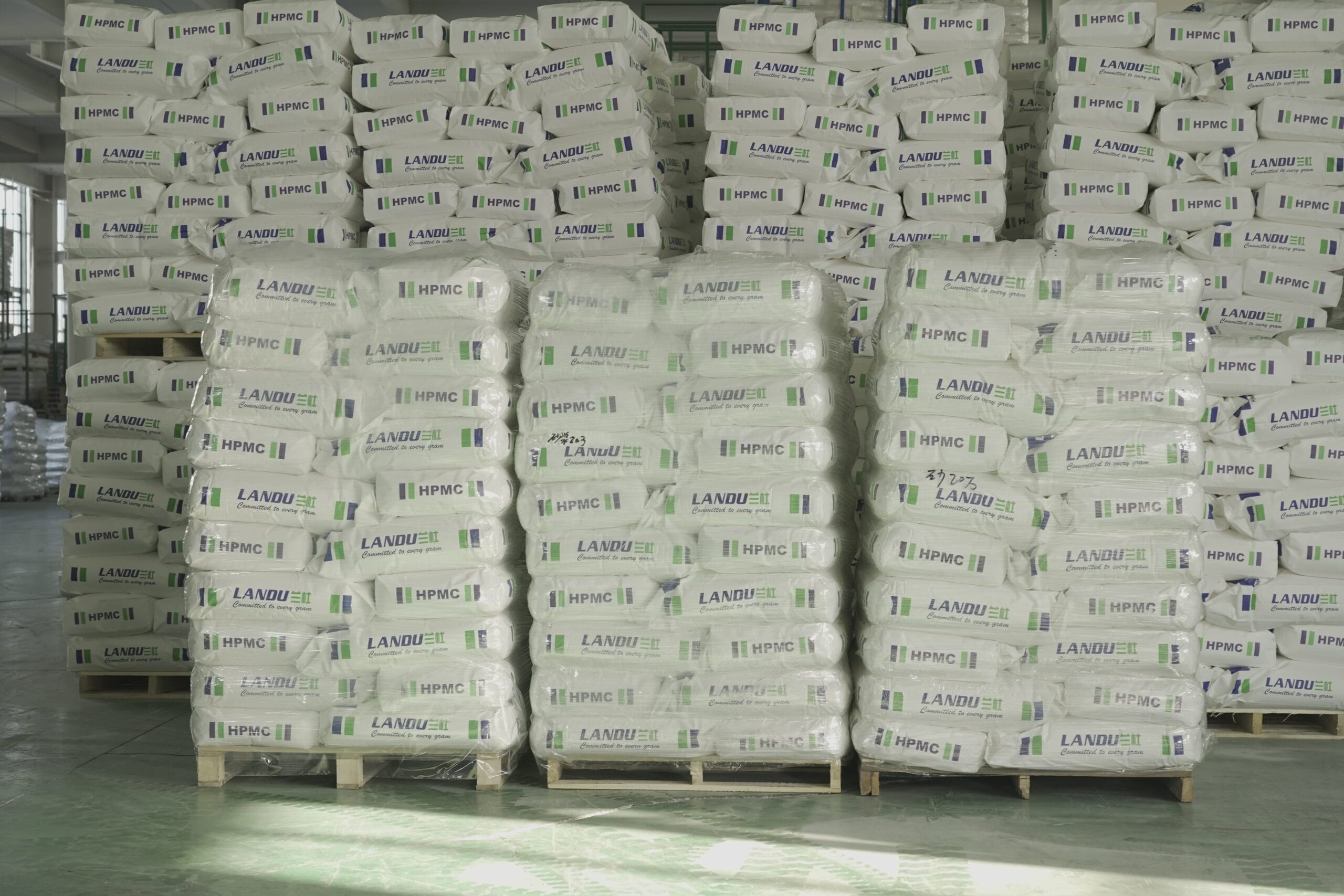
Water-based paints require carefully balanced rheology across multiple dimensions — stable suspension in the container, smooth application by brush or roller, proper leveling to eliminate marks, and sag resistance on vertical surfaces. HEC is the most widely used cellulose ether for this balance.

Drymix construction materials require a carefully managed balance between easy application and structural stability after placement. The mortar must spread smoothly under tool pressure while holding its position on vertical surfaces, resisting slipping under tile weight, and maintaining consistent body and texture throughout the job.

Liquid detergents and home care cleaners require controlled viscosity and suitable flow behavior to meet functional and consumer expectation requirements. The product must pour easily, maintain a stable and consistent appearance during storage, and deliver a texture that communicates quality and effectiveness.

Personal care products require smooth, stable texture and carefully controlled sensory behavior. Shampoo, body wash, facial cleanser, and hand soap each have specific viscosity and flow requirements that directly affect how the product feels during use and how it is perceived by the consumer. HEC is widely used for its smooth, non-tacky viscosity profile.
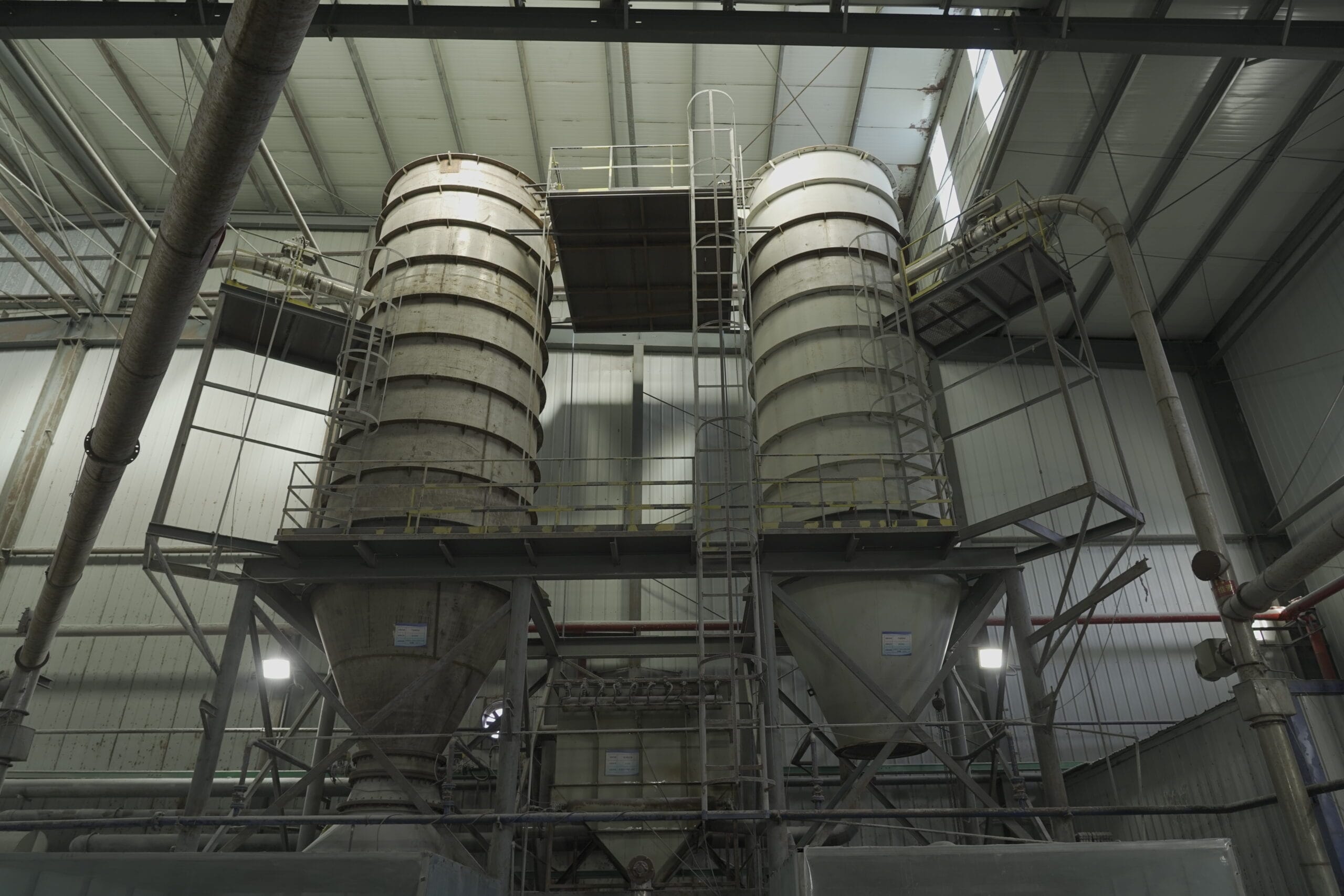
Food systems require precisely controlled flow behavior, texture, mouthfeel, and suspension stability. Sauces, dressings, beverages, dairy products, and ice cream all depend on rheology control to achieve the right consistency, processing behavior, and consumer eating experience. Food-grade CMC and HPMC support these functions subject to applicable regulations.
Ceramic slurry systems and oilfield fluids both require strong, reliable rheology control because processing stability is critical to product quality and operational performance. CMC is widely used in ceramic slurry and glaze for its suspension, binding, and flow control. CMC and HEC are both used in oilfield fluid systems depending on specific fluid design.
Choosing the right cellulose ether for rheology control requires a clear understanding of the target application, the formulation system, the processing conditions, and the end-use performance requirements. The goal is not simply to reach a target viscosity number — it is to create the right application behavior across the full range of conditions the product will face.
As a general starting point: HEC is the primary choice for water-based coatings and personal care systems. HPMC and HEMC / MHEC are the standard choices for drymix construction materials. CMC is the most common choice for food, ceramic, oilfield, and industrial systems where thickening, suspension, and binding need to work together.
Viscosity grade selection is equally important. A viscosity that is too high may cause processing difficulty or poor leveling. A viscosity that is too low may fail to provide the required sag resistance or suspension stability.
If you are not sure which rheology profile or product direction is most suitable for your formulation, LANDERCOLL can help review your application requirements and recommend a practical product and grade for laboratory evaluation.
If your formulation is too thin, too thick, too sticky, unstable during storage, difficult to spread or apply, poor in leveling, prone to sagging or running, or unable to suspend particles evenly, the rheology control system in your formulation may need to be reviewed.
Common signs that rheology control needs improvement include paint sagging on walls after application, mortar slipping on vertical surfaces, putty that is difficult to scrape smoothly, detergent that separates during storage, ceramic slurry that settles too quickly, or personal care products that feel inconsistent in texture.
LANDERCOLL can help you evaluate suitable HEC, HPMC, HEMC / MHEC, or CMC products based on your specific application, target viscosity, processing conditions, formulation system, and end-use performance requirements.
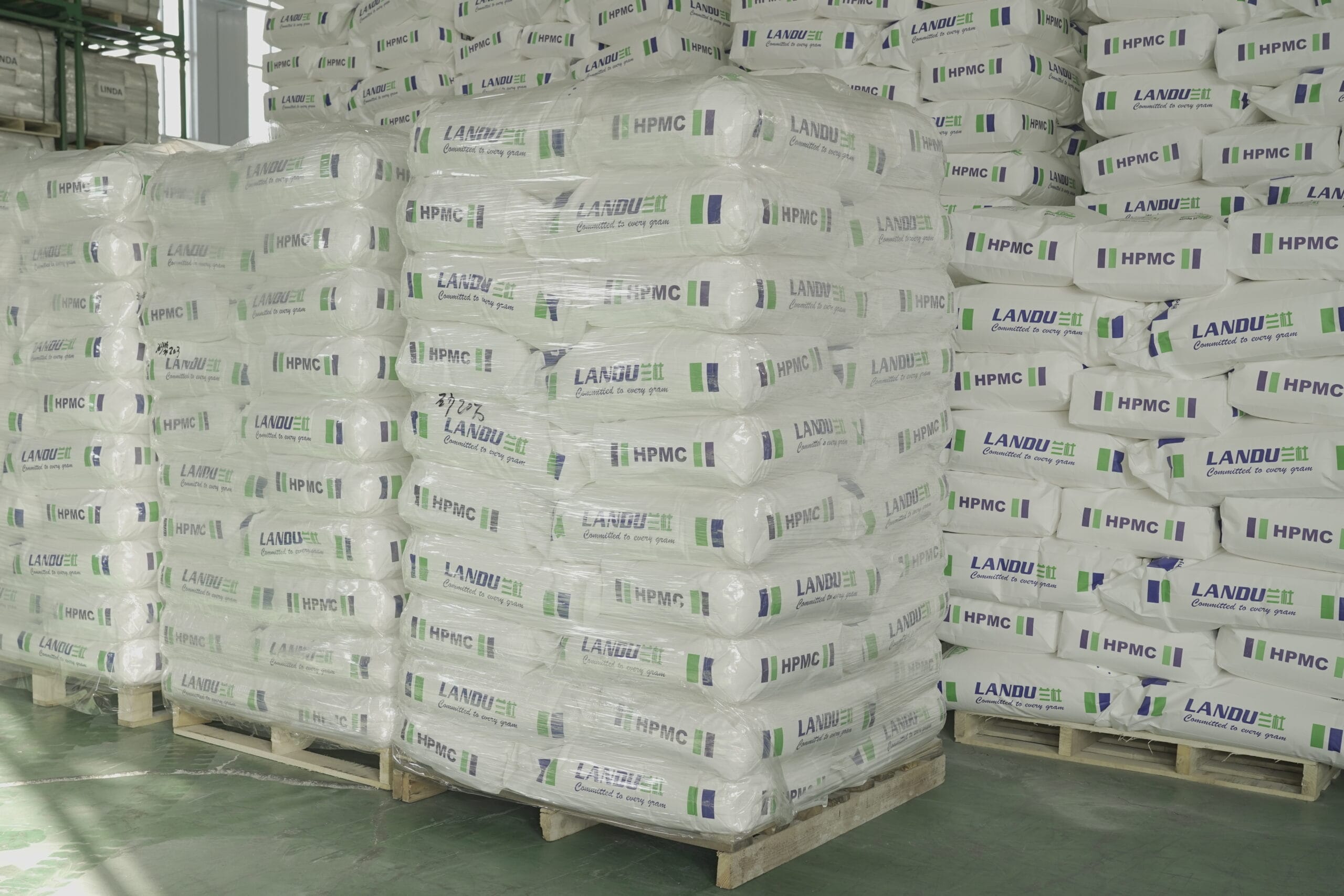
Product selection and grade recommendation based on your application type, formulation system, target viscosity, and performance requirements.
Viscosity grade direction and dosage discussion to help you achieve the right balance between body, flow, leveling, and application comfort.
Guidance for improving flow behavior, leveling performance, and surface finish quality in coatings, putty, and other surface-applied formulations.
Support for improving anti-sag behavior in paint and coatings, and anti-slip performance in tile adhesive and vertical construction applications.
Support for improving suspension stability of pigments, fillers, particles, and actives in paints, ceramics, food, oilfield, and personal care systems.
Grade comparison across HEC, HPMC, HEMC / MHEC, and CMC to help you identify the most suitable product family and viscosity grade for your system.
Technical document support including TDS, SDS, COA, plus sample arrangement and quotation communication from evaluation through commercial sourcing.
Rheology control means deliberately adjusting how a formulation flows, deforms, levels, holds shape, and responds to applied force during mixing, storage, and application. It involves managing viscosity, thixotropy, sag resistance, leveling, suspension stability, and structural recovery to create a product that behaves correctly at every stage of its use.
No. Viscosity is one component of rheology — it describes resistance to flow under applied force. Rheology is a broader concept that also includes flow behavior under different shear rates, thixotropic recovery, yield point, sag resistance, leveling behavior, suspension stability, and how the formulation responds to different application methods and conditions.
HEC is the most widely used cellulose ether for rheology control in water-based paints and coatings. It supports viscosity control, pigment and filler suspension, leveling, brushability, roller application comfort, and storage stability. It is compatible with a wide range of paint components and is available in multiple viscosity grades to match different formulation targets.
HPMC and HEMC / MHEC are the standard choices for rheology control in tile adhesive. Both products help improve troweling behavior, anti-slip performance, open time, water retention, and mortar consistency. HEMC / MHEC is often preferred when stronger anti-sag behavior or specific troweling feel is required.
HPMC and HEMC / MHEC are widely used for anti-sag performance in drymix construction materials such as tile adhesive, plaster, EIFS / ETICS mortar, and repair mortar. HEC provides anti-sag support in water-based coatings and texture finishes. CMC may support structure and sag resistance in ceramic, oilfield, and selected industrial systems.
HEC is the most commonly used cellulose ether in personal care systems such as shampoo, body wash, facial cleanser, and liquid soap. It provides smooth, non-tacky viscosity and is compatible with a wide range of surfactants. HPMC and CMC may also be used in selected personal care formulations depending on the specific requirements.
Unstable viscosity can result from several causes including poor cellulose ether dispersion or hydration, incorrect grade selection, insufficient dosage, incompatible additives, high salt or electrolyte content, pH effects outside the product's stable range, excessive shear during processing, temperature variation, or inconsistency in raw material quality.
Not always. Higher viscosity provides more body and structural support, but it may reduce flow, leveling performance, pumpability, or application comfort. Good rheology control requires the right balance between viscosity and the specific use behavior required — which varies significantly by application. The optimal viscosity grade must be matched to the formulation system and end-use conditions.
Thixotropy is the property of a material to thin under applied shear and then recover its structure when the shear force is removed. In practical terms, a thixotropic paint flows easily under a brush or roller but quickly rebuilds its viscosity after application to resist sagging. A thixotropic mortar spreads under a trowel but holds its position on a vertical wall. Cellulose ether contributes to thixotropic behavior in many formulation systems.
Yes. Share your application type, formulation system, target viscosity and flow requirements, processing method, current performance issues, and any compliance requirements. LANDERCOLL can help recommend suitable HEC, HPMC, HEMC / MHEC, or CMC products and viscosity grades for laboratory evaluation and production trials.
Whether you need better flow behavior, improved leveling, stronger anti-sag performance, anti-slip behavior in tile adhesive, suspension stability in coatings or ceramics, or more consistent texture in personal care and food products, LANDERCOLL can help you select the right cellulose ether for your specific formulation and application.
Our product range includes HEC, HPMC, HEMC / MHEC, and CMC grades optimized for a wide range of rheology control applications across coatings, construction, personal care, detergents, food, ceramics, oilfield, and industrial systems. We provide technical support, product samples, grade comparison guidance, and formulation discussion to help you find the most suitable solution.
