Целюлозні ефіри найвищої якості — довіра понад 1000 підприємств по всьому світу Отримати безкоштовний зразок




Контроль в'язкості, підтримка утримання, однорідність покриття, зв'язування волокон та стабільність рецептури для виробників паперу та целюлози.
LANDERCOLL целюлозні етери — включаючи КМЦ, ГЕЦ та ГПМЦ — допомагають виробникам паперу та целюлози покращити продуктивність мокрої частини, поверхневе проклеювання, реологію покриття, підтримку утримання волокна та стабільність рецептури у вибраних процесах обробки паперу та целюлози.
 Виробництво паперу
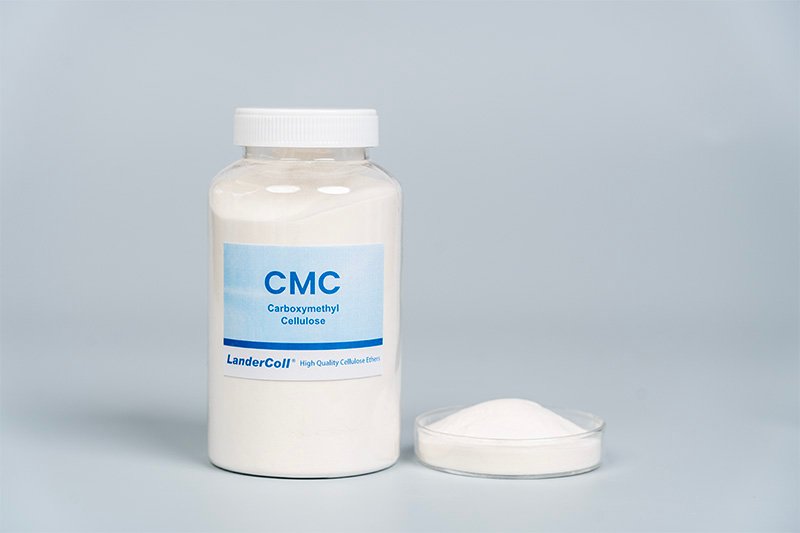 Целюлоза · Паперова фабрика
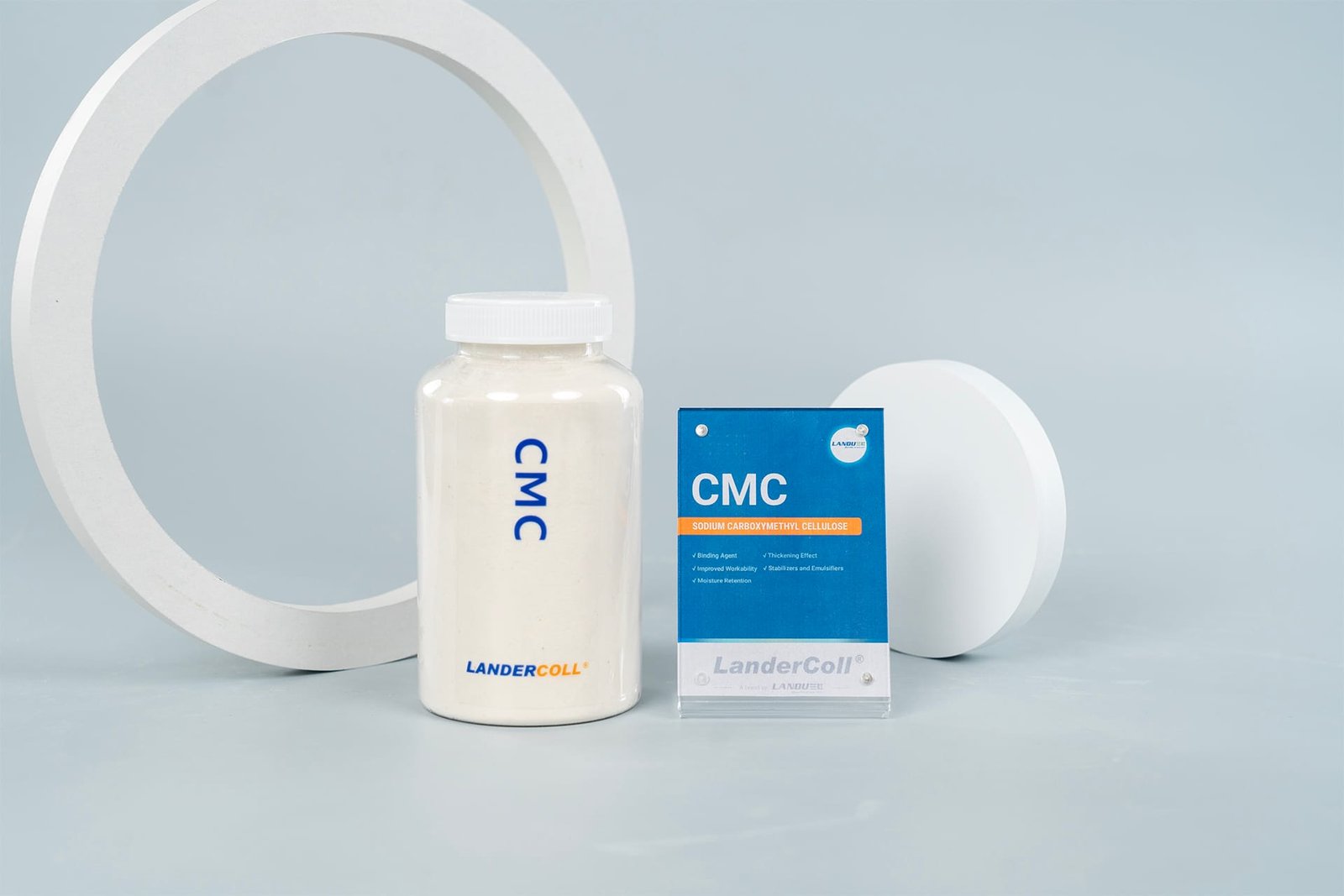 Лабораторія покриттів
 Проклеювання · Спеціальний папір

 Нанесення покриття · Проклеювання · Мокра частина
Виробництво паперу та целюлози включає кілька етапів обробки, де контроль реології, управління волокнами, обробка поверхні та якість покриття є критичними. Від хімії мокрої частини до поверхневого проклеювання та покриття паперу, правильна система добавок допомагає покращити якість паперу, ефективність виробництва та стабільність рецептури.
Відповідний сорт ефіру целюлози допомагає покращити формування паперу, якість поверхні, рівномірність покриття та стабільність виробництва в окремих процесах виготовлення паперу.
Виробництво паперу вимагає точного контролю в'язкості, утримання води, поведінки волокон, текучості покриття та властивостей поверхні на кожному етапі обробки. Ефір целюлози допомагає розробникам рецептур та інженерам-технологам регулювати реологію, підтримувати утримання води, покращувати однорідність покриття та забезпечувати стабільну поведінку рецептури під час виробництва.
| Function | Що це означає на практиці |
|---|---|
| Контроль в'язкості | Стабільна в'язкість покриття та проклеювання для рівномірного нанесення |
| Реологія покриття | Збалансована текучість і структура для ракельного, стрижневого або каскадного нанесення покриття |
| Утримання води | Контрольоване виділення води під час нанесення покриття та сушіння |
| Підтримка поверхневого проклеювання | Покращена міцність поверхні та здатність до друку |
| Підтримка утримання волокон | Покращене утримання волокна та наповнювача в системах мокрого кінця |
| Рівномірність покриття | Рівномірна товщина плівки та зовнішній вигляд на поверхні паперу |
| Стабільність при зберіганні | Зменшення дрейфу в'язкості та осадження у фарбувальному кольорі |
| Підтримка працездатності | Більш стабільна робота машини під час нанесення покриття |
| Суспензія пігменту | Збережено розподіл пігменту в кольорі покриття |
| Надійність від партії до партії | Стабільна продуктивність формуляції в процесі виробництва |
LANDERCOLL пропонує марки целюлозних ефірів CMC, HEC та HPMC для окремих застосувань у виробництві паперу та целюлози. Вибір продукту залежить від стадії процесу, марки паперу, методу покриття, системи пігментів та цільових показників ефективності.

Утримання в мокрій частині, поверхневе проклеювання та підтримка зв'язування волокон
CMC є одним з найпоширеніших типів ефірів целюлози, що використовуються у виробництві паперу. Вона може використовуватися в хімії мокрої частини для підтримки утримання та зневоднення, у поверхневому проклеюванні для покращення поверхневої міцності та друкарських властивостей, а також в окремих рецептурах покриття для в'язкості та стабільності. CMC може взаємодіяти з целюлозними волокнами та підтримувати поведінку зв'язування волокон в окремих системах мокрої частини. Кінцеве використання слід підтвердити шляхом технологічних випробувань.

Плавний контроль в'язкості та стабільність водних рецептур
HEC використовується в окремих системах покриття та проклеювання паперу, де потрібні плавний розвиток в'язкості, стабільна реологія та хороша сумісність рецептури. Як неіонний ефір целюлози, HEC пропонує широку сумісність з багатьма компонентами фарби для покриття, включаючи пігменти, сполучні та диспергатори. У рецептурах покриття для паперу HEC допомагає покращити наповненість, контроль текучості, рівномірність покриття та стабільність при зберіганні.

Спеціалізоване покриття, обробка поверхні та функціональні склади
HPMC може розглядатися для використання у спеціалізованому покритті паперу, поверхневій обробці або рецептурах функціонального паперу, де потрібні вибіркове загущення, плівкоутворювальна підтримка та контрольована реологія. Його застосування слід підтвердити шляхом тестування рецептури та процесу.
Не впевнені, який ґатунок підходить для вашого паперового процесу? Запитати про рекомендацію продукту →
Виробництво паперу та целюлози охоплює широкий спектр процесів: від приготування маси та хімії мокрої частини до поверхневого проклеювання, нанесення покриттів та виробництва спеціальних видів паперу. Прості ефіри целюлози можуть використовуватися на різних етапах залежно від марки паперу, типу машини, системи нанесення покриття та цільових показників продуктивності.
| Етап обробки | Опис |
|---|---|
| Хімія мокрої частини | Суспензія волокна, утримання, зневоднення та формування полотна |
| Поверхневе проклеювання | Поверхнева обробка для покращення міцності, друкарських властивостей та поверхневих характеристик |
| Покриття паперу | Нанесення покриття для якості поверхні, глянцю та друкарських властивостей |
| Виробництво плат | Важчі сорти, що потребують міцності, жорсткості та якості покриття |
| Спеціальний папір | Технічний, функціональний або декоративний папір, що потребує специфічних властивостей |
| Тканина та гігієна | М'які, вбираючі паперові вироби з певною вологостійкістю та текстурою |
| Пакування / Папір | Kraft, liner, and packaging grades requiring strength and surface performance |
| Industrial Paper | Technical grades for filtration, insulation, or specialty industrial use |
Different paper and pulp applications require different cellulose ether performance profiles. The table below provides a practical selection reference for paper mill engineers and coating formulators.
| Тип заявки | Рекомендований напрямок продукту | Основні вимоги до продуктивності |
|---|---|---|
| Хімія мокрої частини | CMC | Retention, drainage, fiber bonding support |
| Поверхневе проклеювання | КМЦ / обрана марка | Surface strength, printability, viscosity |
| Paper Coating Color | HEC / CMC | Rheology, viscosity, pigment suspension, stability |
| Board Coating | HEC / CMC | Coating uniformity, viscosity, flow control |
| Спеціальний папір | HPMC / HEC | Specialty rheology, film support, surface treatment |
| Tissue and Hygiene Paper | КМЦ / обрана марка | Wet strength support, fiber behavior |
| Пакування / Папір | CMC / HEC | Surface strength, coating consistency, stability |
| Industrial Paper | HEC / CMC / HPMC | Customized viscosity and formulation stability |
Reference dosage ranges for cellulose ether in paper and pulp applications. Actual dosage should be determined through laboratory and machine trials.
These dosage ranges are starting references only. Final dosage should be confirmed through viscosity testing, coating evaluation, retention testing, surface strength testing, runnability trials, and production-scale validation.
| Застосування | Типове референтне дозування |
|---|---|
| Хімія мокрої частини | 0.1% – 0.5% (on fiber) |
| Поверхневе проклеювання | 0.5% – 2.0% |
| Paper Coating Color | 0.1% – 0.8% |
| Board Coating | 0.1% – 0.8% |
| Спеціальний папір | 0.2% – 1.5% |
| Тканина та гігієна | 0.1% – 0.5% |
| Пакування / Папір | 0.2% – 1.0% |
| Industrial Paper | 0.2% – 1.5% |
Cellulose ether helps adjust coating color and sizing solution viscosity for stable, consistent application on the paper machine. Proper viscosity supports uniform coating weight and reduces application variation.
A suitable cellulose ether grade helps balance flow and structure in coating color, allowing smooth application under blade, rod, or curtain coating conditions while maintaining enough body to prevent penetration and sagging.
Cellulose ether helps retain water in coating color and sizing solutions, supporting controlled drying behavior and reducing over-penetration into the paper substrate. Water retention is important for coating holdout and surface quality.
CMC in surface sizing helps improve surface strength, reduce dusting, support ink receptivity, and improve printability. It can be used alone or in combination with starch in selected sizing systems.
CMC may support fiber and filler retention in wet-end systems by interacting with cellulose fibers and improving drainage behavior. Final retention performance depends on furnish composition, machine conditions, and retention aid system.
Cellulose ether supports stable rheology and consistent viscosity, helping improve coating weight uniformity and surface appearance across the paper width and machine direction.
A suitable cellulose ether grade helps maintain coating color viscosity, pigment distribution, and appearance during storage when compatible with the complete formulation including binders, pigments, and preservatives.
When paper coating or sizing performance fails, the cellulose ether grade, dosage, or formulation balance is often the first variable to review.
Low viscosity or weak thickening system.
HEC / CMC support viscosity control.
Excessive polymer or poor rheology balance.
Adjust cellulose ether grade and dosage.
Viscosity variation or poor flow control.
Improve rheology consistency.
Excessive water penetration into substrate.
Improve water retention with CMC or HEC.
Weak suspension or poor formulation structure.
CMC / HEC support pigment suspension.
Insufficient sizing or fiber bonding.
CMC supports surface sizing performance.
pH, electrolyte, binder, or temperature interaction.
Test compatible cellulose ether grade.
Insufficient surface treatment or coating quality.
Improve surface sizing with CMC.
Rheology imbalance or application inconsistency.
Adjust viscosity and flow profile.
Understanding the factors that influence cellulose ether behavior helps paper mill engineers and formulators select the right grade and dosage for their specific process.
Calcium carbonate, kaolin, talc, titanium dioxide, and other coating pigments influence viscosity demand, suspension stability, and coating flow. Pigment type and particle size distribution affect cellulose ether performance.
Latex, starch, PVA, and other binders influence cellulose ether compatibility and viscosity response in coating color. Compatibility testing is recommended before finalizing the formulation.
pH level, calcium ions, salts, and ionic additives affect cellulose ether hydration, viscosity stability, and compatibility with other coating components. CMC is particularly sensitive to pH and ionic conditions.
In surface sizing, CMC is often used with starch. The starch type, concentration, and cooking conditions affect CMC performance and final sizing results.
Blade coating, rod coating, air-knife coating, curtain coating, size press, and film press require different viscosity and flow profiles. The coating method should guide cellulose ether grade selection and target viscosity range.
Paper machine speed, nip pressure, drying capacity, and web tension affect coating application, water removal, and final paper properties.
Drying temperature, airflow, and infrared drying conditions influence water removal rate, coating consolidation, and final surface properties.
Coating color storage stability depends on preservative system, temperature control, microbial protection, and viscosity retention over time.
Choosing the right cellulose ether for paper and pulp applications requires balancing viscosity, coating rheology, water retention, surface sizing performance, fiber retention, storage stability, and machine runnability.
LANDERCOLL can help review your paper or pulp formulation and recommend suitable CMC, HEC, HPMC, or selected cellulose ether grades for testing.
What paper grade is being produced: printing, packaging, board, specialty, or tissue?
At which stage will cellulose ether be used: wet-end, surface sizing, or coating?
What coating method is used: blade, rod, curtain, size press, or film press?
What target viscosity and rheology are required?
What pigment and binder system is used in the coating color?
Is water retention or coating holdout a concern?
Are pH, electrolytes, calcium ions, or starch present?
What surface strength, printability, or coating quality targets are required?
What machine speed and drying conditions are expected?
What storage stability requirement is needed for the coating color?
Not sure which grade fits your paper process? Ask for a technical recommendation — our team will review your requirements and suggest suitable options.
Ask for Technical RecommendationLANDERCOLL cellulose ether for paper and pulp applications is supplied in industrial packaging suitable for paper coating, surface sizing, wet-end chemistry, and specialty paper formulation use.
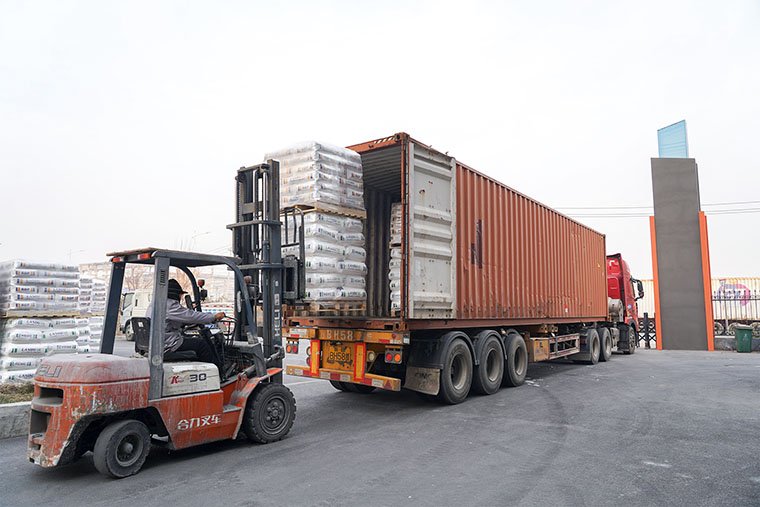
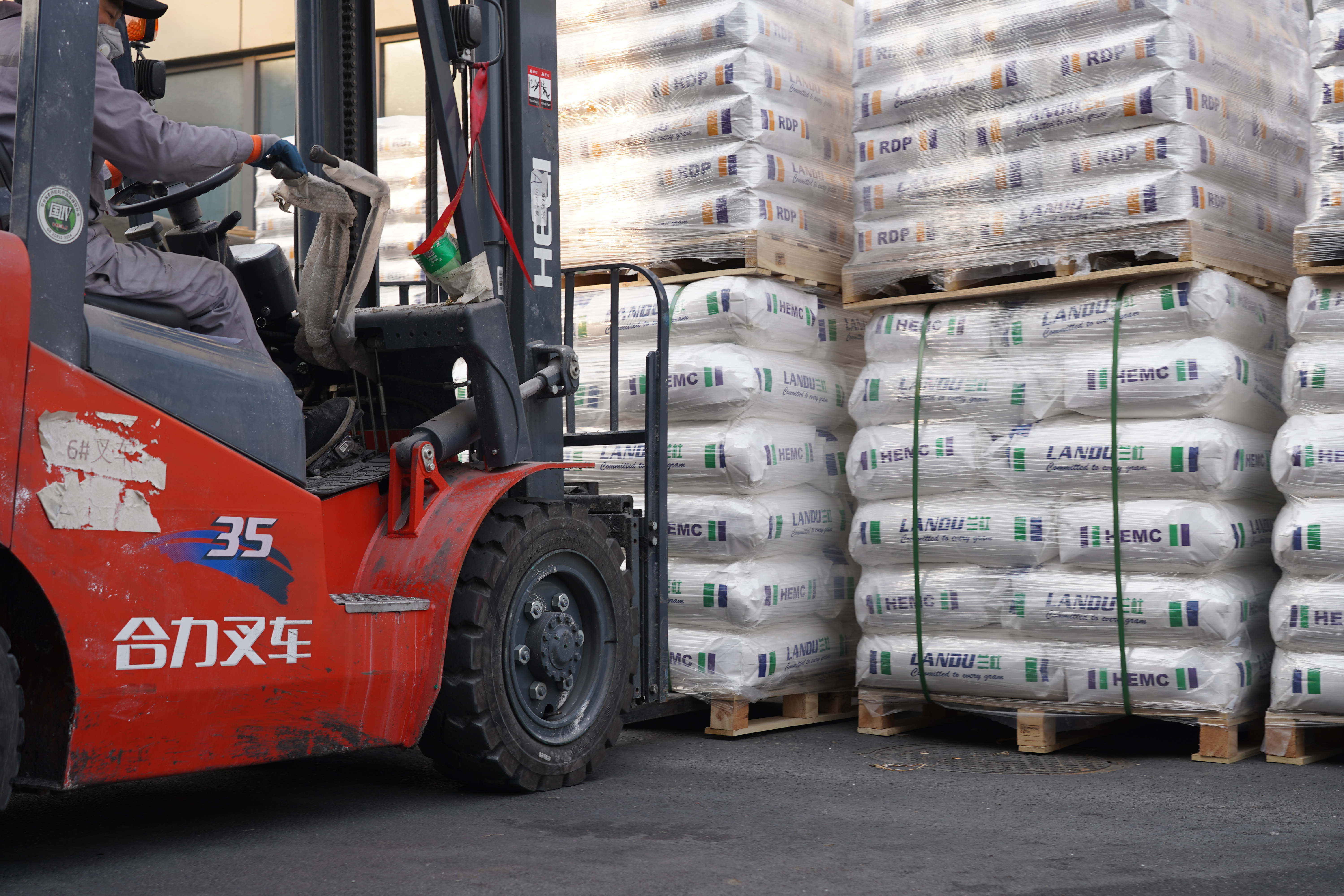 Hygroscopic · Seal When Not in Use
LANDERCOLL can provide product-related documents to support paper and pulp formulation testing, purchasing review, quality evaluation, and internal approval.
Product specifications, viscosity, and performance data for grade evaluation.
Safety, handling, and regulatory information for site compliance.
Batch-specific quality confirmation for incoming inspection.
Detailed grade parameters and acceptance criteria.
Overview of product range and paper & pulp applications.
Formulation and processing reference for paper coating and sizing.
Selection support tailored to your paper or pulp process.
Handling, shelf life, and storage condition reference.
Customs and import compliance documentation where applicable.
If your coating color is too thin, too thick, showing poor flow, uneven coating weight, pigment settling, viscosity drift, poor surface strength, or inconsistent runnability, the cellulose ether grade may need to be reviewed.
LANDERCOLL can help evaluate suitable CMC, HEC, HPMC, or selected cellulose ether options based on your paper grade, process stage, coating method, pigment system, binder system, viscosity target, and machine conditions.
CMC selection for wet-end retention and surface sizing
HEC selection for coating rheology and viscosity control
HPMC selection for specialty paper and coating applications
Coating color rheology and flow behavior discussion
Surface sizing performance evaluation
Pigment suspension and storage stability support
Compatibility testing direction
Dosage reference
Sample and quotation communication
CMC, HEC, and HPMC may be used in selected paper and pulp applications. CMC is commonly used in wet-end chemistry, surface sizing, and coating. HEC is used for smooth coating viscosity and rheology. HPMC is used in selected specialty paper and coating formulations.
CMC helps support wet-end fiber retention, surface sizing performance, surface strength improvement, ink receptivity, and coating viscosity in selected paper manufacturing applications. It can interact with cellulose fibers and support bonding behavior in wet-end systems.
HEC helps provide smooth, consistent viscosity in paper coating color, supports coating rheology adjustment, improves coating uniformity, and helps maintain storage stability. As a non-ionic cellulose ether, it offers broad compatibility with coating color components.
CMC in surface sizing can help improve surface strength, reduce dusting, and support printability. Final surface strength depends on sizing concentration, starch system, machine conditions, and paper furnish.
A common reference dosage for paper coating is around 0.1%–0.8%, depending on coating type, pigment content, viscosity target, coating method, and cellulose ether grade. Dosage for surface sizing is typically higher, around 0.5%–2.0%.
Viscosity drift in coating color may be caused by pH changes, calcium ion interaction, binder compatibility issues, microbial activity, temperature changes, or incomplete cellulose ether hydration during preparation.
CMC may support fiber and filler retention in selected wet-end systems. Final retention performance depends on furnish composition, machine conditions, pH, electrolyte content, and the complete retention aid system.
Start with paper grade, process stage, coating method, pigment and binder system, target viscosity, surface performance requirements, machine conditions, and storage stability target. LANDERCOLL can recommend suitable CMC, HEC, or HPMC grades for testing.
Whether you produce printing paper, packaging paper, board, specialty paper, tissue, or industrial paper grades, and whether you need support for wet-end chemistry, surface sizing, or paper coating, LANDERCOLL can help you choose the right cellulose ether grade for better viscosity control, coating rheology, water retention, surface sizing performance, pigment suspension, and formulation consistency.
Our team can review your process requirements, recommend suitable CMC, HEC, or HPMC grades, provide dosage references, and support your testing process from sample to production scale.
CMC for Wet-End & Sizing · HEC for Coating Rheology · HPMC for Specialty Paper · Wet-End · Surface Sizing · Paper Coating · Board · Tissue · Packaging · Industrial Paper · Viscosity Control · Retention · Coating Uniformity.
LANDERCOLL — Cellulose Ether for Industrial Applications. For technical inquiries, product samples, or formulation support, contact our team directly. All performance data, dosage references, and formulation guidance provided on this page are for reference only. Final suitability must be confirmed through testing under your specific paper or pulp process and production conditions.
