Целюлозні ефіри найвищої якості — довіра понад 1000 підприємств по всьому світу Отримати безкоштовний зразок



Розчини целюлозних етерів CMC та HEC для контролю фільтрації, регулювання в'язкості, суспендування вибуреної породи та підтримки фільтраційної кірки в системах бурових розчинів на водній основі.
CMC є основним ефіром целюлози, який використовується у водних бурових розчинах для контролю фільтрації, регулювання в'язкості, суспендування вибуреної породи та підтримки фільтраційної кірки — що допомагає підтримувати стабільну реологію бурового розчину та стабільну продуктивність у складних вибійних умовах.
Від прісноводних і солоноводних глинистих розчинів до полімерних систем із низьким вмістом твердої фази, бентонітових розчинів, обважнених розчинів і бурових рідин для водяних свердловин — LANDERCOLL пропонує марки ефірів целюлози, підібрані для застосувань у бурових рідинах на водній основі по всьому світу.
— CMC · HEC · Контроль фільтрації · В'язкість · Суспензія вибуреної породи · Фільтраційна кірка · Буровий розчин на водній основі · Бурові рідини
 Нафта та газ
 Mud Lab
 Водний розчин
 Видобуток · Водяна свердловина


 Втрата рідини · В'язкість · Суспензія шламу
CMC є основним ефіром целюлози, що використовується у водних бурових розчинах. для контролю втрат рідини, регулювання в'язкості, утримання вибуреної породи та підтримки фільтраційної кірки. HEC та окремі марки ефірів целюлози також можуть розглядатися в спеціалізованих водних бурових розчинах, де потрібне неіонне загущення або специфічна реологічна поведінка.
Бурові розчини є невід’ємною частиною операцій з буріння на нафту, газ, геотермальні ресурси, у гірничій справі та при бурінні водяних свердловин. Буровий розчин повинен транспортувати вибурену породу на поверхню, охолоджувати та змащувати бурове долото, допомагати контролювати пластовий тиск, зменшувати проникнення фільтрату та підтримувати стійкість стовбура свердловини — і все це одночасно, у складних вибійних умовах температури, тиску, солоності та забруднення.
LANDERCOLL пропонує марки ефірів целюлози, підібрані для застосувань у водних бурових розчинах. CMC is recommended for fluid-loss control, viscosity adjustment, and solids suspension. HEC and selected cellulose ether grades may be considered in specialized systems where non-ionic behavior, salt tolerance, or customized rheology is required.
A correctly selected grade helps maintain stable mud rheology, reduce filtration loss, support cuttings transport, and deliver consistent drilling fluid performance across the full operational window.
A drilling fluid that lacks adequate filtration control, viscosity, or suspension performance creates serious operational risks — excessive fluid loss into permeable formations, poor cuttings transport, unstable boreholes, differential sticking, and inefficient drilling progress. Cellulose ether helps build a stable, functional water-based mud system that performs reliably across changing downhole conditions.
| Function | Що це означає на практиці |
|---|---|
| Fluid-loss control | Reduces filtrate invasion into permeable formations |
| Контроль в'язкості | Adjusts mud flow behavior and carrying capacity |
| Cuttings suspension | Supports transport of drill cuttings to surface |
| Суспендування твердих частинок | Helps keep weighting agents and solids in suspension |
| Filter cake support | Contributes to thinner, more controlled filter cake formation |
| Rheology stability | Supports consistent mud properties under shear and temperature |
| Wellbore stability support | Reduces filtrate invasion that can weaken borehole walls |
| Saltwater mud performance | Selected grades offer useful performance in brine systems |
| Operational consistency | Supports batch-to-batch mud stability during mixing and circulation |
LANDERCOLL offers CMC, HEC, and selected cellulose ether grades for water-based drilling fluid systems. Product selection depends on mud type, water quality, salinity, temperature, filtration target, and whether fluid-loss control, viscosity, or suspension is the primary performance requirement.

Fluid-loss control, viscosity adjustment, and solids suspension
Carboxymethyl Cellulose (CMC) is the most widely used cellulose ether in water-based drilling fluids. It functions primarily as a filtration control agent and rheology modifier — reducing fluid loss into permeable formations, supporting filter cake formation, and contributing to viscosity and suspension performance. Different CMC grades may be selected depending on the drilling fluid design: low-viscosity grades for filtration control with minimal viscosity contribution, medium-viscosity grades for a balance of filtration and rheology, and higher-viscosity grades for enhanced suspension support.

Non-ionic viscosity control and rheology support
Hydroxyethyl Cellulose (HEC) may be used in selected drilling fluid systems where non-ionic thickening, smooth viscosity development, or specialty water-based rheology behavior is needed. Its non-ionic character provides broader compatibility with electrolytes and divalent ions compared to anionic polymers such as CMC. HEC performance in drilling fluids should be evaluated through testing, as behavior depends on salinity, temperature, clay content, pH, and other mud additives.

Enhanced filtration control and specialized mud performance
In some drilling fluid systems — including high-salinity brines, high-temperature wells, or specialty polymer mud programs — selected cellulose ether grades or cellulose-derived polymer options may be considered to improve filtration control, salt tolerance, and rheology balance. Final grade selection should be based on mud type, water quality, salinity, temperature, formation conditions, and required filtration and rheology performance targets.
Not sure which grade fits your mud system? Запитати про рекомендацію продукту →
Water-based drilling fluid formulations typically include water or brine, clay or bentonite, cellulose ether, weighting agents, shale inhibitors, and other functional additives designed to meet specific well conditions.
| Компонент | Function in Drilling Fluids |
|---|---|
| Water / Brine | Base fluid and circulation medium |
| Bentonite / Clay | Viscosity, suspension, and filter cake support |
| Ефір целюлози | Fluid-loss control, viscosity, suspension, and rheology support |
| Weighting Agents | Increase mud density and formation pressure control |
| Shale Inhibitors | Help reduce shale swelling and dispersion |
| Мастильні речовини | Reduce friction and torque in selected operations |
| Регулятори pH | Maintain alkalinity and additive performance |
| Deflocculants / Dispersants | Control rheology and solids interaction |
| Піногасники | Reduce foam in selected systems |
| Інші добавки | Adjust filtration, stability, lubrication, or downhole performance |
Different water-based mud systems require different cellulose ether performance profiles. The table below provides a practical selection reference for mud engineers and fluid formulation specialists.
| Тип заявки | Рекомендований напрямок | Основні вимоги до продуктивності |
|---|---|---|
| Freshwater Drilling Mud | CMC | Fluid-loss control, viscosity, suspension |
| Saltwater Drilling Mud | Selected CMC / cellulose ether | Salt tolerance, filtration control, rheology stability |
| Low-Solids Polymer Mud | CMC / HEC | Viscosity, fluid-loss control, low-solids stability |
| Bentonite Mud | CMC | Filtration control, mud body, filter cake quality |
| Weighted Mud | КМЦ / обрана марка | Solids suspension, viscosity, filtration control |
| Shale Formation Drilling | CMC / selected polymer system | Fluid-loss reduction, wellbore stability support |
| Mining Drilling Fluid | CMC / HEC | Suspension, viscosity, stable circulation |
| Water Well Drilling Fluid | КМЦ / обрана марка | Viscosity, filtration control, borehole support |
Reference dosage ranges for cellulose ether in drilling fluid applications (% by mud volume). Actual dosage should be determined through mud lab testing and field performance validation.
These ranges are starting references only. Final dosage must be confirmed through API filtration testing, rheology testing, hot rolling aging, salt tolerance testing, contamination evaluation, and field performance review.
| Застосування | Typical Reference Dosage (% by mud volume) |
|---|---|
| Freshwater Drilling Mud | 0.1% – 0.6% |
| Saltwater Drilling Mud | 0.2% – 1.0% |
| Low-Solids Polymer Mud | 0.1% – 0.8% |
| Bentonite Mud | 0.1% – 0.6% |
| Weighted Mud | 0.2% – 0.8% |
| Shale Formation Drilling | 0.2% – 1.0% |
| Mining Drilling Fluid | 0.1% – 0.8% |
| Water Well Drilling Fluid | 0.1% – 0.6% |
CMC is one of the most established filtration control additives in water-based drilling fluids. It reduces the rate at which filtrate invades permeable formations by improving the sealing quality of the filter cake. Effective fluid-loss control helps protect the formation, maintain borehole stability, and reduce the risk of differential sticking and formation damage.
Cellulose ether helps adjust drilling fluid viscosity and flow behavior, supporting cuttings transport and solids suspension under circulation conditions. The viscosity contribution depends on the grade selected, dosage, salinity, temperature, and the overall mud system composition.
A suitable cellulose ether grade helps suspend drill cuttings and weighting materials, reducing the risk of settling during circulation interruptions, low-flow conditions, or connections. Adequate suspension is critical for wellbore cleanliness and preventing stuck pipe incidents.
CMC can contribute to the formation of a thinner and more controlled filter cake in selected mud systems. A thin, low-permeability filter cake reduces filtrate invasion, supports wellbore stability, and can improve drilling efficiency. Final filter cake quality depends on clay type, solids content, polymer balance, and filtration conditions.
Cellulose ether supports more stable rheology in water-based drilling fluids when compatible with the salinity, temperature, pH, solids loading, and other additives in the mud system. Stable rheology is essential for consistent pump pressure, cuttings transport, and wellbore management throughout the drilling operation.
A properly selected cellulose ether grade helps maintain consistent mud properties during mixing, circulation, aging, and downhole exposure — reducing the need for frequent mud adjustments and supporting more predictable drilling operations.
When drilling fluid performance fails, the cellulose ether grade, dosage, or mud system balance is often the first variable to review. The guide below maps typical symptoms to likely causes and practical support strategies.
Weak filtration control or poor filter cake.
CMC supports fluid-loss reduction and filter cake quality.
Insufficient polymer or weak hydration.
Improve viscosity and carrying capacity with suitable grade and dosage.
Low viscosity or weak suspension.
Support cuttings suspension and rheology with CMC or HEC grade.
Poor rheology or low gel strength.
Improve suspension support with higher-viscosity CMC grade.
Salinity, temperature, pH, or contamination effects.
Test compatible grade and dosage for the specific conditions.
Unbalanced polymer and solids system.
Optimize CMC, clay, and solids balance.
Unsuitable polymer grade or high ion concentration.
Select a grade evaluated for brine conditions.
Poor dispersion or incorrect addition sequence.
Improve addition method and mixing procedure.
Thermal degradation or unsuitable grade.
Evaluate thermally stable grade options.
Cement, salt, or formation water intrusion.
Review grade compatibility and adjust treatment.
Understanding what influences cellulose ether behavior in a drilling fluid system helps with grade selection, dosage optimization, and troubleshooting under field conditions.
Freshwater, seawater, saturated brine, and contaminated water can significantly affect cellulose ether hydration, viscosity response, and filtration performance. Anionic grades such as CMC are more sensitive to high salinity and divalent ions than non-ionic grades such as HEC.
Downhole temperature and thermal aging can reduce polymer performance, lower viscosity, and weaken filtration control. Grade selection should account for the expected downhole temperature range and hot-rolling aging requirements.
Bentonite, drilled solids, weighting agents, and formation fines interact with cellulose ether and affect rheology, filter cake quality, and polymer demand. The clay system and solids loading must be considered when selecting grade and dosage.
pH conditions influence polymer hydration rate, mud stability, and compatibility with other additives. Most CMC grades perform well in the alkaline pH range typical of water-based drilling fluids.
Calcium, magnesium, and other divalent ions can reduce viscosity, weaken filtration control, and lower polymer efficiency — particularly for anionic grades. Contamination from cement or hard water should be evaluated during formulation testing.
High-shear mixing, circulation shear, and downhole shear can influence mud viscosity and polymer structure. Cellulose ether grades should be evaluated under representative shear conditions.
Cement, salt influx, formation water, acid gases, or other contaminants can alter drilling fluid performance and polymer behavior. Contamination tolerance should be evaluated during mud program development.
Lubricants, shale inhibitors, dispersants, defoamers, and other mud additives should be tested for compatibility with the selected cellulose ether grade to avoid unexpected interactions.
Choosing the right cellulose ether for drilling fluids requires balancing fluid-loss control, viscosity, suspension, salt tolerance, temperature stability, filter cake quality, and full mud system compatibility.
LANDERCOLL can help review your drilling fluid system and recommend suitable CMC, HEC, or selected cellulose ether grades for mud lab testing and field evaluation.
Is the drilling fluid freshwater-based, saltwater-based, brine-based, or polymer-based?
What filtration control target is required — API fluid loss, HPHT fluid loss, or both?
What viscosity and rheology profile are needed for the well conditions?
What formation type, permeability, and drilling conditions are expected?
What temperature and salinity range must the fluid tolerate?
Are bentonite, weighting agents, or significant drilled solids present?
What pH range and contamination risks are expected?
Is cuttings suspension, fluid-loss control, or rheology stability the primary concern?
What lab testing standards are used — API, ISO, or internal specifications?
What field performance and operational consistency requirements apply?
Not sure which cellulose ether grade fits your mud system? LANDERCOLL can recommend a practical starting grade for mud lab testing.
Запит на рекомендацію щодо класу бурового розчину
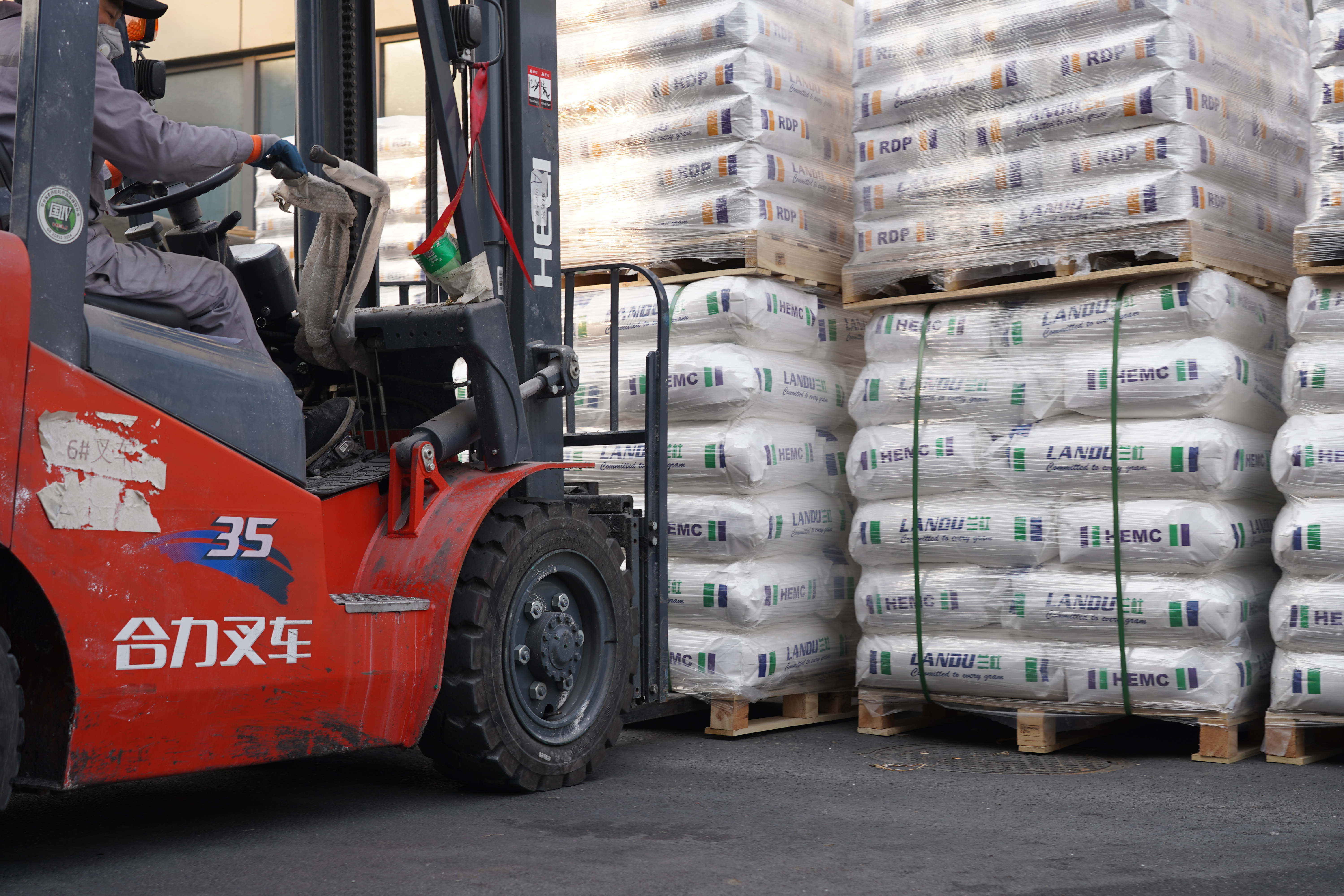 Hygroscopic · Seal When Not in Use
LANDERCOLL provides product-related documentation to support drilling fluid formulation testing, purchasing review, quality evaluation, and project approval processes.
Запит документів продуктуIf your drilling fluid is experiencing excessive fluid loss, low viscosity, poor cuttings transport, solids settling, unstable mud properties, poor saltwater performance, filter cake problems, or mixing difficulties — the cellulose ether grade or dosage may need to be reviewed.
LANDERCOLL can help evaluate suitable CMC, HEC, or selected cellulose ether options based on your mud type, water quality, salinity, temperature range, clay content, solids loading, filtration target, rheology target, and field operating conditions.
CMC grade selection for fluid-loss control and filtration management
HEC or selected grade evaluation for specialty mud systems
Viscosity and rheology adjustment discussion
Cuttings and solids suspension support
Saltwater and brine mud performance evaluation
Filter cake quality improvement guidance
Contamination tolerance and compatibility testing direction
Dosage reference and starting point recommendations
Sample arrangement and quotation communication
Technical documentation for project review and approval
CMC (Carboxymethyl Cellulose) is the most commonly used cellulose ether in water-based drilling fluids. It is used primarily for fluid-loss control, viscosity adjustment, solids suspension, and filter cake support. HEC (Hydroxyethyl Cellulose) may be considered in selected specialty water-based systems where non-ionic thickening or broader electrolyte compatibility is needed.
CMC reduces fluid loss into permeable formations, improves filtration control, adjusts mud viscosity, suspends drill cuttings and weighting materials, and supports filter cake formation. It is one of the most established functional additives in water-based drilling mud design and is used across freshwater, saltwater, and polymer mud systems.
Yes. CMC is widely used as a filtration control additive in water-based drilling fluids and can effectively reduce API and HPHT filtrate loss when properly selected and dosed. Performance depends on the mud system, salinity, temperature, clay content, and the specific CMC grade used.
Cellulose ether can help improve mud viscosity and suspension behavior, which supports cuttings transport from the bottom of the hole to surface. Final carrying capacity depends on the complete mud rheology, annular flow rate, hole angle, solids loading, and drilling conditions.
A common reference dosage range is approximately 0.1%–1.0% by mud volume, depending on mud type, salinity, temperature, viscosity target, filtration target, and cellulose ether grade. Saltwater and shale formation systems typically require higher dosages. Final dosage must be confirmed through API filtration testing and rheology evaluation.
Selected CMC grades and cellulose ether options may perform usefully in saltwater muds, but salt tolerance varies by grade. Performance in brine systems should be confirmed through compatibility testing, viscosity measurement, and filtration testing under representative salinity and temperature conditions.
Viscosity loss in water-based drilling fluids may be caused by high salinity, elevated temperature, pH changes, divalent ion contamination (calcium, magnesium), cement contamination, shear degradation, insufficient polymer concentration, poor hydration, or an unsuitable polymer grade for the mud conditions.
Start by defining the mud type, water quality, salinity, temperature range, solids content, clay system, target viscosity, filtration control requirement, contamination risk, and field performance expectations. LANDERCOLL can recommend suitable CMC, HEC, or selected cellulose ether grades for your specific drilling fluid system and arrange samples for mud lab evaluation.
Whether you formulate freshwater drilling mud, saltwater drilling mud, low-solids polymer mud, bentonite mud, weighted mud, shale formation drilling fluids, mining drilling fluids, or water well drilling fluids — LANDERCOLL can help you identify the right cellulose ether grade for better fluid-loss control, viscosity, cuttings suspension, filter cake quality, and consistent drilling fluid performance.
Our technical team is available to review your mud system, recommend suitable CMC, HEC, or selected cellulose ether grades, provide dosage references, arrange samples, and support your evaluation from initial mud lab testing through to field application.
CMC for Fluid-Loss Control · HEC for Specialty Systems · Selected Grades for Brine & High-Temperature · Viscosity · Cuttings Suspension · Filter Cake · Freshwater · Saltwater · Bentonite · Weighted · Mining · Water Well.
All performance data, dosage references, and formulation guidance provided on this page are for reference only. Final suitability must be confirmed through testing under your specific mud system and field conditions. LANDERCOLL reserves the right to update product information without prior notice.
