Целюлозні ефіри найвищої якості — довіра понад 1000 підприємств по всьому світу Отримати безкоштовний зразок
LANDERCOLL HEC, CMC та HPMC ефіри целюлози допомагають виробникам рідких мийних засобів досягати надійного контролю в'язкості, гладкої текстури, суспензії частинок та довгострокової стабільності рецептури в рідких засобах для прання, рідких засобах для миття посуду, універсальних мийних засобах та концентрованих форматах.
Від готового до використання рідкого прального засобу до концентрованих гелеподібних мийних засобів та нейтральних побутових очищувачів — правильний сорт ефіру целюлози забезпечує прогнозовану реологію, преміальну консистенцію продукту та стабільну поведінку при виливанні для закордонних виробників і покупців хімічної продукції.
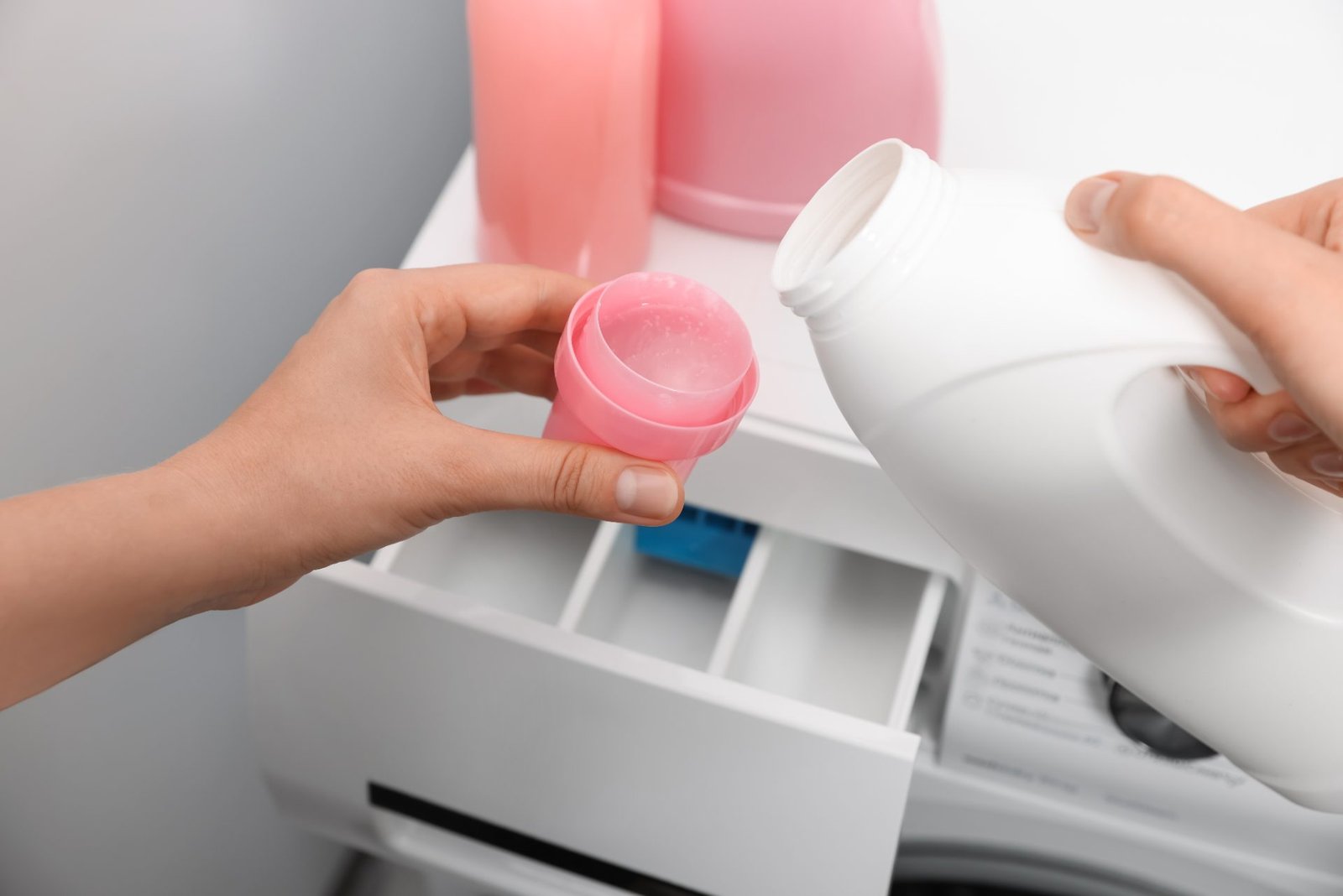
Рідкий засіб для прання · Засіб для миття посуду · Універсальний · Концентрований · Гелеподібний · Нейтральний очищувач
 Швидка відповідь
Швидка відповідьЦелюлозний етер — переважно HEC — використовується в рідкому миючому засобі як неіонний загусник і модифікатор реології, який контролює в'язкість, підтримує суспензію частинок, покращує поведінку при виливанні та забезпечує стабільність рецептури під час зберігання. CMC використовується в окремих системах рідкого прання для суспензії забруднень та підтримки антиресорбції.
Ключові показники ефективності, сумісності та довідкові дані щодо постачання для закордонних виробників рідких мийних засобів і покупців хімікатів.
Хочете покращити в'язкість або стабільність вашого рідкого миючого засобу?
Запитайте рекомендацію щодо рідкого миючого засобу Запит на ціну


Рідкий мийний засіб — це водний очищувальний продукт, виготовлений з поверхнево-активних речовин, наповнювачів, розчинників, ароматизаторів, консервантів, модифікаторів в'язкості, стабілізаторів та функціональних добавок. Він використовується для прання тканин, миття посуду, чищення твердих поверхонь, прибирання ванної кімнати, нейтрального чищення та загального домашнього прибирання.
Ефір целюлози використовується як функціональна полімерна добавка для забезпечення загущення, контролю реології, стабільності суспензії, текстури продукту та загального досвіду користувача. Серед доступних типів, HEC (Гідроксиетилцелюлоза) є найбільш широко використовуваним сортом у системах рідких мийних засобів завдяки своєму неіонному характеру та широкій сумісності з поверхнево-активними речовинами.
Два поширені режими відмови безпосередньо пов'язані з управлінням в'язкістю: занадто низька в'язкість — рідкий, водянистий вигляд, розшарування фаз, погана суспензія; занадто висока в'язкість — складне перекачування, важко наливати, неточне дозування. Ефір целюлози надає розробникам надійний інструмент для регулювання в'язкості та реології, забезпечуючи при цьому суспензію та гладку текстуру.
LANDERCOLL постачає HEC, CMC та окремі марки ефірів целюлози виробникам рідких мийних засобів і формулювачам побутових чистячих продуктів по всьому світу — за підтримки технічних паспортів, паспортів безпеки, сертифікатів аналізу та рекомендацій щодо застосування.
Рідкий мийний засіб повинен залишатися стабільним від виробництва до розповсюдження, протягом терміну зберігання в роздрібній торгівлі та під час використання споживачем. Ефір целюлози допомагає виробникам рідких мийних засобів досягати цільових показників в'язкості, текстури та стабільності, які визначають якість продукту та сприйняття його споживачем.
HEC є основним вибором для в'язкості та текстури рідкого миючого засобу. CMC підтримує окремі системи рідкого прання. HPMC може розглядатися для спеціалізованих та гелевих формул.
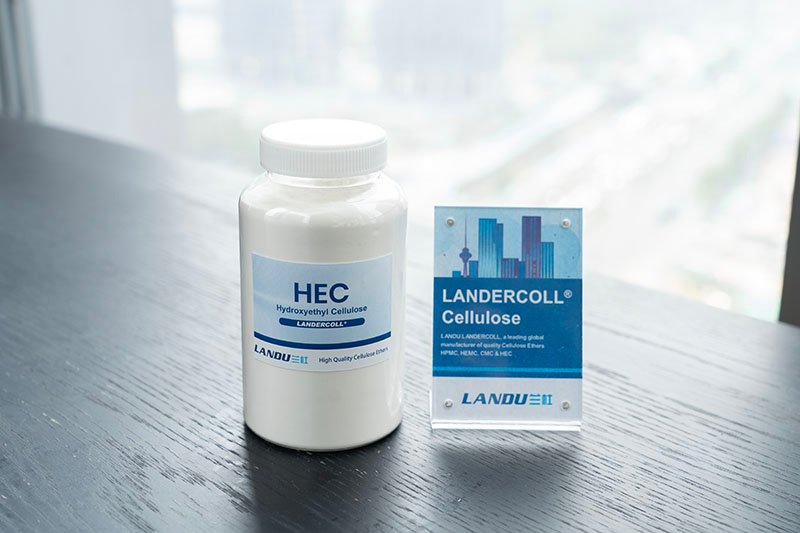
Основний · Неіонний · HEC
Неіонний ефір целюлози для загущення, контролю в'язкості та стабільності рідких рецептур.
HEC є найбільш широко використовуваним ефіром целюлози в рідких миючих засобах та системах побутової хімії. Як неіоногенний, водорозчинний полімер, HEC сумісний із широким спектром аніонних, неіоногенних та амфотерних поверхнево-активних речовин. Він легко гідратується у воді та ефективно підвищує в'язкість при низьких дозуваннях.
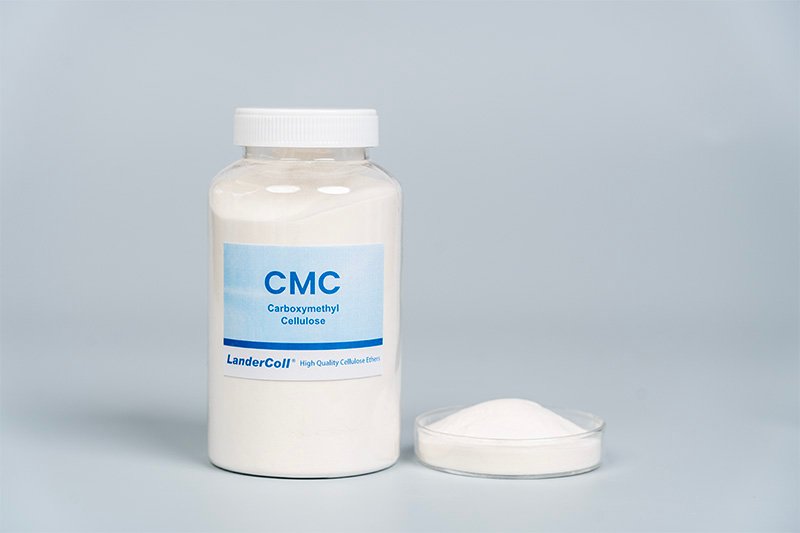 Аніонна · КМЦ · Рідкий засіб для прання
Аніонний ефір целюлози для підтримки суспензії та окремих застосувань рідких миючих засобів.
КМЦ використовується в окремих системах рідких мийних засобів — особливо в рідких пральних порошках — де потрібне утримання забруднень у суспензії, запобігання повторному осіданню та стабільність рецептури. Важливо: КМЦ є аніонною; сумісність із системами поверхнево-активних речовин, вмістом електролітів, рівнем pH та активною речовиною необхідно підтвердити шляхом тестування перед масштабуванням.
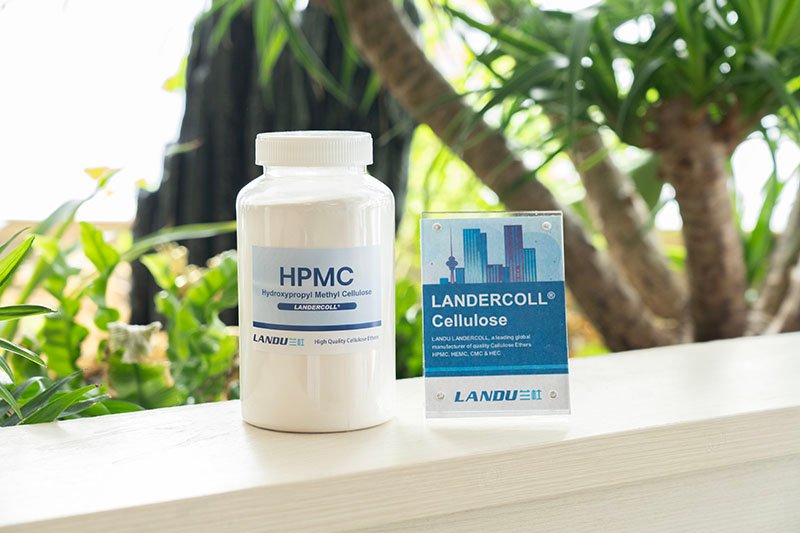 Спеціалізовані · ГПМЦ · Гелеві системи
Спеціалізований ефір целюлози для окремих вимог до реології та гелевих рецептур.
ГПМЦ може розглядатися в окремих системах рідких мийних засобів або побутових очищувачів, де потрібна спеціальна згущувальна поведінка, характеристики водорозчинного полімеру або регулювання реології. Його використання є більш специфічним для застосування і має бути підтверджене тестуванням рецептури з урахуванням типу ПАР, системи розчинників, pH, електролітів, ароматизаторів і консервантів.
Таблиця нижче надає загальну довідку щодо типових компонентів рідкого мийного засобу та ролі ефіру целюлози в системі.
| Компонент | Function in Liquid Detergent |
|---|---|
| Вода | Основний розчинник та носій |
| Поверхнево-активні речовини (ПАР) | Властивості очищення, змочування, емульгування та піноутворення |
| Ефір целюлози | Покращує в'язкість, текстуру, суспензію та стабільність |
| Білдери / Хелатуючі агенти | Ефективність очищення та контроль жорсткості води |
| Розчинники | Розчинність, прозорість та ефективність очищення |
| Консерванти | Мікробіологічний захист для рецептур на водній основі |
| Ароматизатор | Запах продукту |
| Регулятори pH | pH control and formulation stability |
| Colorants / Opacifiers | Product appearance in selected formulas |
| Інші добавки | Foam, clarity, viscosity, stability, or special performance |
| Тип заявки | Рекомендований продукт | Main Requirements |
|---|---|---|
| Рідкий пральний порошок | HEC / CMC | Viscosity control, soil suspension, stability |
| Liquid Dishwashing Detergent | HEC | Thickening, smooth flow, stable appearance |
| Multipurpose Liquid Cleaner | HEC / selected CMC | Viscosity, stability, easy application |
| Concentrated Liquid Detergent | HEC / selected cellulose ether | Rheology balance, high-active compatibility |
| Neutral Liquid Cleaner | HEC | Mild viscosity, clarity, smooth texture |
| Gel-Type Liquid Detergent | HEC / selected HPMC | Gel body, suspension, controlled flow |
| Рідкий побутовий очищувач | HEC / CMC / HPMC | Custom viscosity, stability, texture |
| Промисловий рідкий миючий засіб | HEC / selected cellulose ether | Process stability, viscosity, compatibility |
These dosage ranges are starting references only. Final dosage must be confirmed through viscosity testing, compatibility testing, storage stability testing, clarity evaluation, suspension testing, pouring behavior evaluation, and consumer-use trials.
| Застосування | Типове референтне дозування |
|---|---|
| Рідкий пральний порошок | 0.2% – 1.0% |
| Liquid Dishwashing Detergent | 0.2% – 0.8% |
| Multipurpose Liquid Cleaner | 0.1% – 0.8% |
| Concentrated Liquid Detergent | 0.2% – 0.8% |
| Neutral Liquid Cleaner | 0.1% – 0.6% |
| Gel-Type Liquid Detergent | 0.3% – 1.2% |
| Рідкий побутовий очищувач | 0.1% – 1.0% |
| Промисловий рідкий миючий засіб | Depends on viscosity target |
Cellulose ether influences viscosity development, product texture, suspension behavior, pouring performance, and long-term storage stability in water-based liquid detergent systems.
HEC and selected cellulose ether grades help adjust liquid detergent viscosity to a defined target range. Proper viscosity control supports better product body, improved dosing behavior, and a more premium consumer experience. Without adequate control, liquid detergent may appear thin, separate during storage, or fail to meet quality specifications.
Cellulose ether provides water-based thickening and helps eliminate the watery appearance that can reduce perceived product quality. Even at 0.2%–0.5%, HEC can significantly improve product body in surfactant-rich liquid systems.
Liquid detergents may contain insoluble particles, opacifiers, fragrance droplets, or functional additives requiring suspension support. Cellulose ether helps maintain uniform distribution and reduces settling or phase separation during storage.
A smooth and uniform texture improves consumer acceptance and perceived quality — creating more consistent liquid structure, better flow behavior, and a more pleasant tactile experience during dispensing.
Good rheology allows liquid detergent to pour cleanly without being too thin (dripping, splashing) or too stringy (slow, difficult to dose). The right grade and dosage balance viscosity and flow for optimal pouring performance.
Cellulose ether supports stable appearance and viscosity during storage when matched with surfactant system, electrolyte level, pH, and processing method — critical for long shelf-life and temperature-variable distribution.
When liquid detergent fails viscosity, stability, or production quality targets, cellulose ether grade, dosage, hydration, or compatibility is often the first variable to review.
Low thickener level or unsuitable viscosity system.
HEC supports viscosity control and product body.
Weak rheology or particle settling.
Cellulose ether supports suspension stability.
Surfactant, electrolyte, or polymer incompatibility.
Optimize grade selection and formulation balance.
pH, salt, temperature, or surfactant interaction.
Test suitable grade and confirm dosage.
Excessive viscosity or poor rheology profile.
Adjust viscosity grade and dosage.
Poor dispersion or insufficient hydration.
Improve addition process and mixing sequence.
Incompatibility with surfactants, fragrance, or salts.
Confirm compatibility through systematic testing.
Excessive polymer dosage or unsuitable grade.
Reduce dosage or select different viscosity grade.
Understanding these variables helps formulators make better grade selections and avoid common compatibility and stability problems in liquid detergent production.
Anionic, non-ionic, amphoteric, and mixed surfactant systems affect hydration rate, compatibility, clarity, and final viscosity. Non-ionic HEC generally shows broader compatibility than anionic CMC in mixed systems.
Salt, builders, and other electrolytes can significantly influence viscosity response and long-term stability — particularly for anionic CMC. High electrolyte levels may require grade adjustment.
Liquid detergent pH affects polymer performance, preservative function, and overall stability. Most cellulose ether grades perform across a broad pH range, but extreme values should be confirmed through testing.
High-active concentrated formats may require special rheology balancing. Cellulose ether dosage and grade selection may need adjustment for high-active systems.
Solvents affect hydration rate, clarity, viscosity development, and product feel. Solvent type and level should be considered during grade selection.
Fragrance oils and preservatives may affect clarity, viscosity, and stability in sensitive formulations. These interactions should be evaluated during development.
Addition sequence, hydration time, mixing speed, and water temperature affect dispersion and viscosity development. Proper addition method is critical to avoiding lumps and achieving consistent batch quality.
Temperature changes — including freeze-thaw cycles and high-temperature warehousing — may affect viscosity, appearance, and stability. Storage stability testing under relevant conditions is recommended.
Choosing the right cellulose ether requires balancing viscosity target, flow behavior, storage stability, clarity requirements, suspension needs, surfactant compatibility, and processing method.
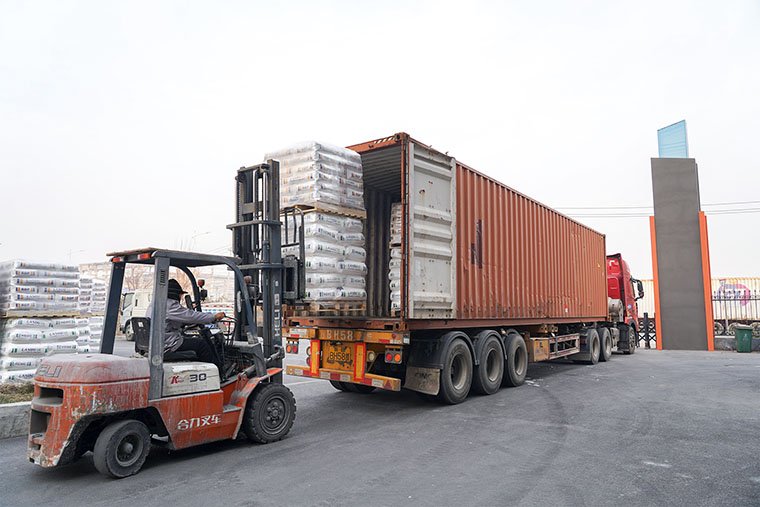 Grade Selection Guide
LANDERCOLL can review your liquid detergent formulation direction and recommend suitable HEC, CMC, or selected cellulose ether grades for testing.
What type of liquid detergent are you producing?
Is the formulation clear, opaque, pearlescent, or gel-like?
Anionic, non-ionic, amphoteric, or mixed?
What is the target pH range of the formulation?
What electrolyte or salt level is included?
What viscosity (mPa·s or cP) at what shear rate?
Do you need particle suspension or anti-redeposition?
Is the formula concentrated or ready-to-use?
What mixing process and equipment are available?
What temperature range and shelf life are required?
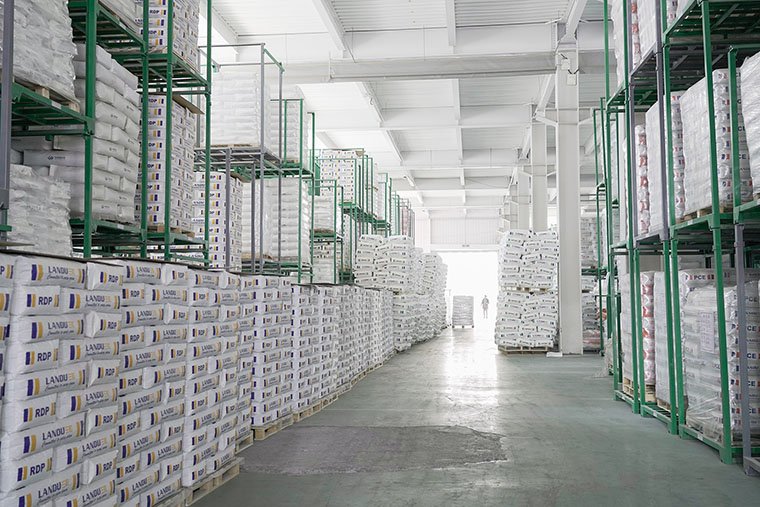
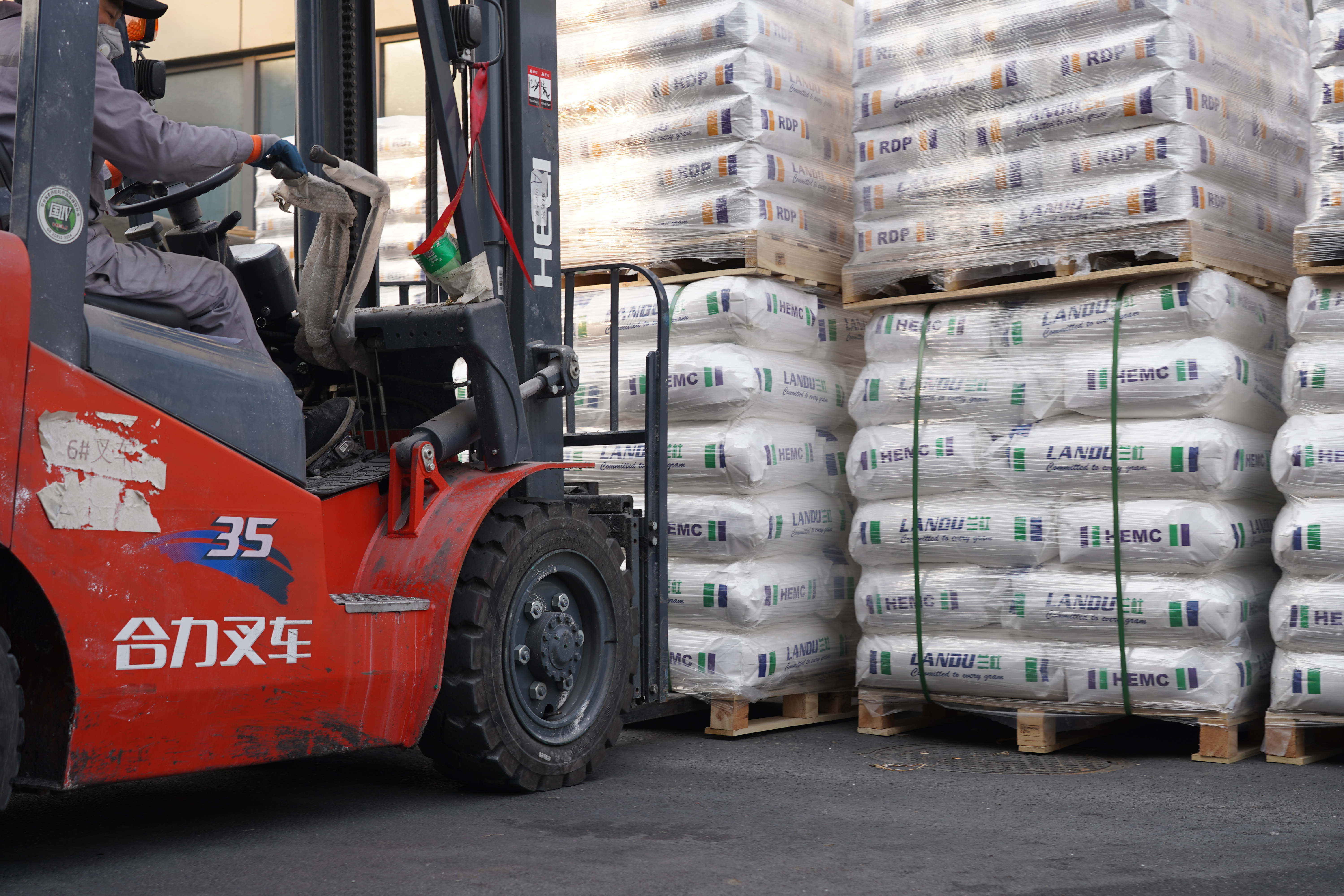

Supporting liquid detergent development with complete technical documentation.
— LANDERCOLL R&D —LANDERCOLL provides product-related documentation to support liquid detergent formulation testing, purchasing review, quality approval, and import compliance.
All documents supplied upon request to support formulation review, quality approval, and import compliance.
HEC selection for viscosity control and thickening
CMC selection for suspension and laundry-related support
Thickening and rheology adjustment guidance
Storage stability discussion and testing direction
Compatibility testing direction with surfactants and electrolytes
Dosage reference and starting point recommendations
Sample supply and technical documentation (TDS, SDS, COA)
Quotation and export supply chain communication
If your liquid detergent is too thin, separates during storage, loses viscosity over time, forms lumps during production, shows poor suspension, becomes difficult to pour, or has unstable appearance — the cellulose ether grade or dosage may need to be reviewed.
LANDERCOLL can help evaluate suitable HEC, CMC, and selected cellulose ether options based on your surfactant system, pH, electrolyte level, active matter content, viscosity target, and processing method.
HEC (Hydroxyethyl Cellulose) is the most commonly used cellulose ether in liquid detergent for viscosity control, thickening, suspension stability, and smooth texture. CMC may be used in selected liquid laundry systems for soil suspension and anti-redeposition. HPMC may be considered in specialty or gel-type formats.
HEC improves viscosity, creates smooth product texture, supports suspension of particles and opacifiers, improves pouring and dosing behavior, and helps maintain formulation appearance during storage. As a non-ionic polymer, HEC is compatible with a broad range of surfactant systems.
Yes. CMC can be used in selected liquid detergent systems, particularly liquid laundry detergent, where soil suspension and anti-redeposition support are required. Because CMC is anionic, compatibility with surfactant system, electrolyte level, and pH must be confirmed through testing before scale-up.
A common reference dosage range is 0.1%–1.2% by weight, depending on detergent type, viscosity target, grade, surfactant system, and electrolyte level. Gel-type systems may use up to 1.2%; neutral cleaners may require 0.1%–0.6%. Final dosage must be confirmed through testing.
Viscosity loss may be caused by surfactant incompatibility, elevated electrolyte levels, pH changes, temperature fluctuations, poor initial hydration, microbial degradation, or unsuitable cellulose ether grade. Systematic storage stability testing under relevant temperature conditions is recommended.
Cellulose ether selection may support clarity in some formulations, but final clarity depends on surfactant type, solvents, fragrance, salt level, polymer grade, and processing. HEC is generally more compatible with clear targets than CMC in many systems, but this must be confirmed through testing.
Lumps or fish eyes typically occur when cellulose ether is added too quickly, poorly dispersed before hydration, or not given sufficient mixing time. Optimize addition method — pre-dispersing in compatible solvent or adding slowly under agitation helps prevent lump formation.
Define your detergent type, surfactant system, pH range, electrolyte level, clarity target, viscosity target, storage requirements, and mixing process. Contact LANDERCOLL with these parameters — our technical team can recommend suitable HEC, CMC, or selected grades and provide samples for testing.
Whether you produce liquid laundry detergent, liquid dishwashing detergent, multipurpose liquid cleaner, concentrated detergent, neutral cleaner, gel-type detergent, or customized household cleaning liquids — LANDERCOLL cellulose ether helps you achieve better viscosity control, suspension stability, smooth texture, and formulation consistency.
Contact LANDERCOLL today to receive a product recommendation, request samples, or get a competitive quote for your liquid detergent formulation project.
