Целюлозні ефіри найвищої якості — довіра понад 1000 підприємств по всьому світу Отримати безкоштовний зразок
Харчові розчини КМЦ, ГПМЦ та вибраних ефірів целюлози для контролю в'язкості, стабільності суспензій, управління водою, підтримки емульсій, однорідності текстури та стабільності терміну зберігання в харчових системах.
LANDERCOLL харчовий ефір целюлози допомагає виробникам харчових продуктів покращити стабільність рецептур, зменшити розшарування, зберегти структуру продукту, стабілізувати частинки, контролювати міграцію води та підтримувати однорідну текстуру в напоях, молочних продуктах, соусах, заправках, випічці, заморожених продуктах і системах перероблених харчових продуктів.
 Напої
Напої Молочні продукти
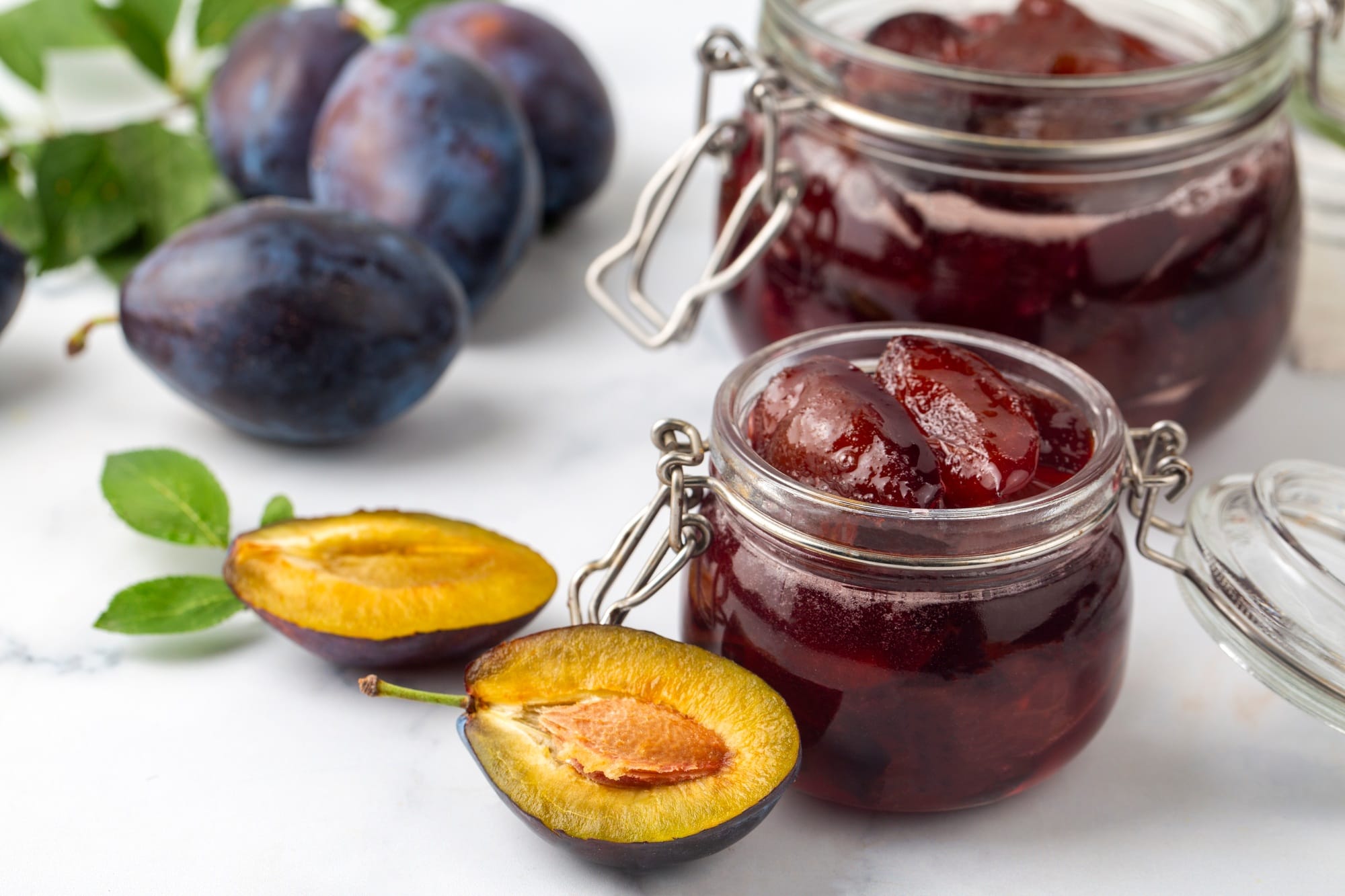 Соуси
Соуси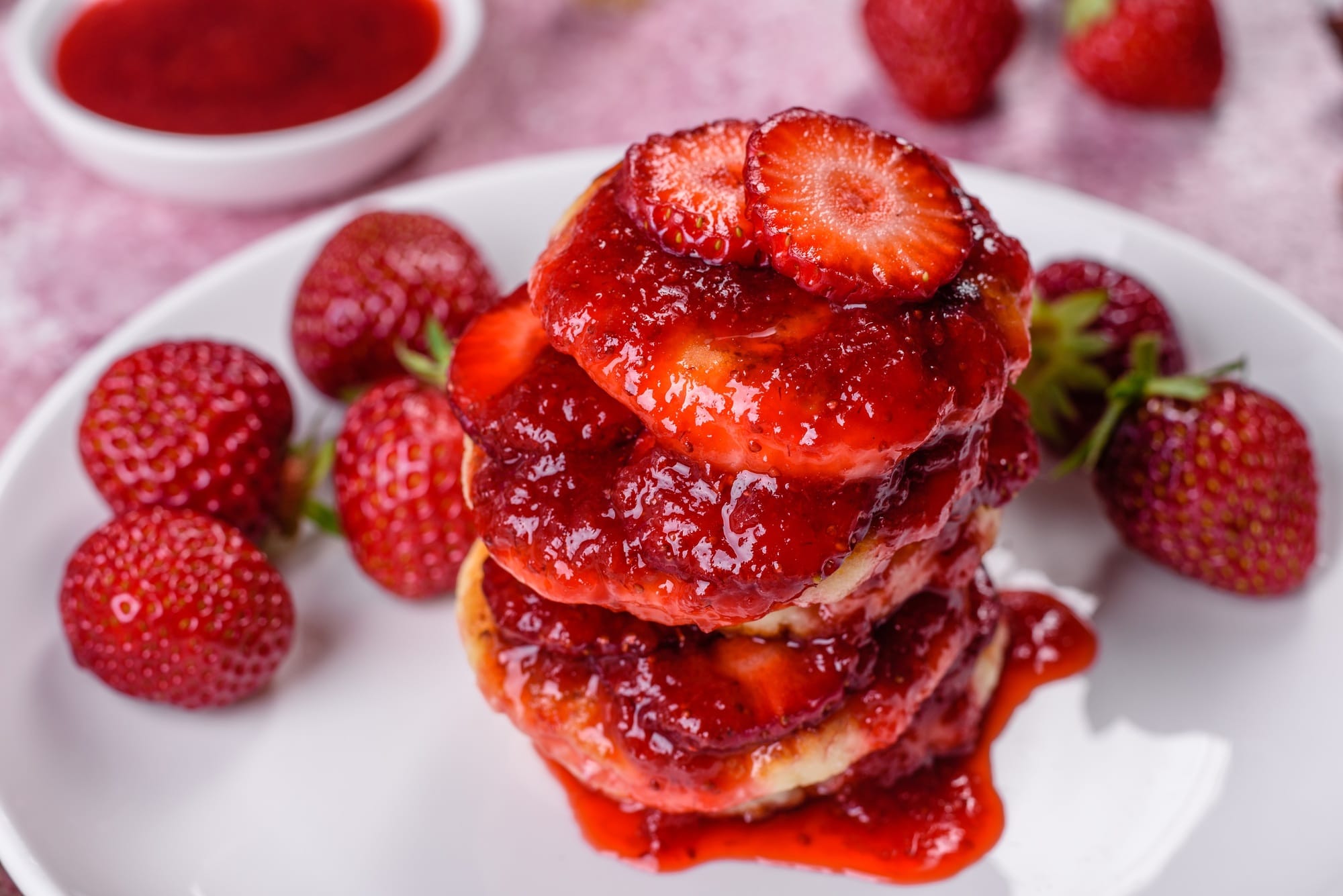 Заморожений
Харчовий ефір целюлози для контролю в'язкості, стабільності суспензії, управління водою, підтримки емульсії, однорідності текстури та стабільності терміну зберігання в напоях, молочних продуктах, соусах, хлібобулочних виробах, заморожених продуктах, начинках, рослинних та перероблених харчових системах.
Харчова КМЦ є найбільш широко використовуваним ефіром целюлози для стабілізації харчових продуктів — забезпечуючи контроль в'язкості, стабільність суспензії, управління вологою, зменшення синерезису та стабілізацію текстури в напоях, молочних продуктах, соусах, заправках і перероблених харчових продуктах. HPMC є особливо цінним у хлібобулочних, безглютенових, заморожених, зі зниженим вмістом жиру та рослинних системах, де потрібне утримання вологи та структурна підтримка. Типові початкові дозування коливаються від 0.05%–2.0%, depending on food category and stability function.

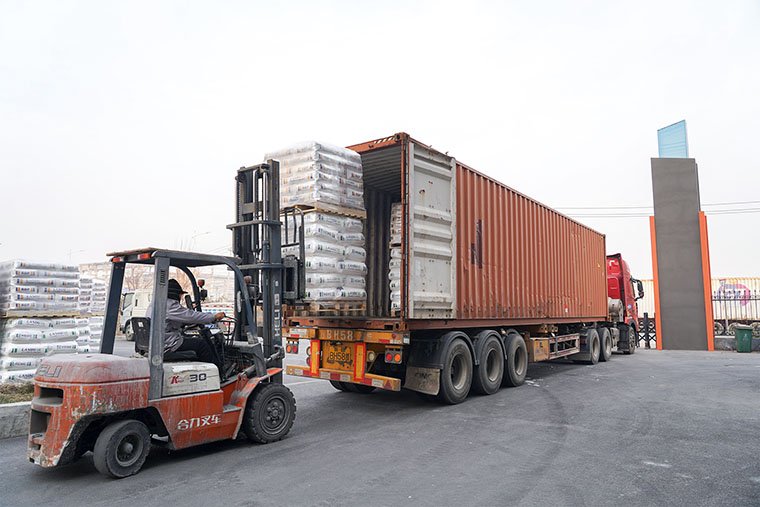 В'язкість · Суспензія · Стабільність
Стабілізація харчових продуктів є важливою для підтримки зовнішнього вигляду, текстури, в'язкості, відчуття в роті та консистенції протягом усього процесу обробки, пакування, транспортування, зберігання та споживання. Багато харчових систем містять воду, олію, білки, крохмалі, частинки, мінерали, волокна та ароматизатори, які повинні залишатися рівномірно розподіленими та фізично стабільними — від виробничої лінії до столу споживача.
LANDERCOLL забезпечує відповідну харчову CMC, HPMCта окремі марки ефірів целюлози для застосувань зі стабілізації харчових продуктів. Ці ефіри целюлози допомагають покращити структуру водної фази, в'язкість, стабільність суспензії, утримання вологи, контроль текстури та консистенцію обробки в широкому спектрі категорій харчових продуктів.
Відповідна марка ефіру целюлози може допомогти зменшити відділення води, осадження, розділення фаз, синерезис, дрейф в'язкості, руйнування текстури та нестабільність, спричинені нагріванням, охолодженням, заморожуванням, розморожуванням, зсувом або тривалим зберіганням. Кінцева ефективність залежить від типу продукту, pH, рівня води, вмісту солі, цукру, жиру, білкової системи, крохмальної системи, методу обробки та умов зберігання.
Потрібна консультація щодо ефіру целюлози для вирішення проблеми зі стабільністю харчових продуктів?
Запитати про рекомендацію товаруЕфективна стабілізація харчових продуктів вирішує проблеми фізичної якості, які впливають на зовнішній вигляд, текстуру та консистенцію протягом усього запланованого терміну придатності продукту — актуально практично для кожної категорії харчових продуктів та методу обробки.
| Проблема стабільності | Опис | Уражені категорії харчових продуктів |
|---|---|---|
| Осадження | Осадження частинок, м'якоті, какао або мінералів | Напої, соуси, молочні напої |
| Відділення води | Вільна вода, що мігрує з харчової матриці | Молочні продукти, соуси, заправки, начинки |
| Відділення олії | Відділення олійної фази від водної фази | Заправки, соуси, емульговані продукти |
| Синерезис | Виділення сироватки або рідини з гелю або молочної матриці | Йогурт, сир, гелі, начинки |
| Дрейф в'язкості | Неконтрольована зміна густини продукту | Соуси, напої, молочні продукти, начинки |
| Руйнування текстури | Втрата тіла, твердості або структурної цілісності | Хлібобулочні вироби, заморожені продукти, молочні продукти, начинки |
| Пошкодження від заморожування-розморожування | Ріст кристалів льоду та структурні пошкодження | Заморожені продукти, заморожені десерти |
| Втрата вологи | Висихання під час зберігання або випікання | Хлібобулочні вироби, начинки, перероблені харчові продукти |
| Розділення фаз | Розділення незмішуваних компонентів | Заправки, напої, молочні продукти |
Багато харчових продуктів є складними багатофазними системами, які за своєю природою схильні до фізичної нестабільності. Харчові ефіри целюлози допомагають контролювати ці механізми нестабільності, підвищуючи в'язкість водної фази, зв'язуючи воду, підтримуючи структурну цілісність, стабілізуючи зважені частинки та зберігаючи однорідність текстури під час переробки та зберігання.
LANDERCOLL надає харчові CMC, HPMC та вибрані марки целюлозних ефірів для стабілізації харчових продуктів у різних категоріях. Усі вибори марок повинні бути підтверджені через пробні рецептури, тестування стабільності, сенсорну оцінку та кваліфікацію безпечності харчових продуктів замовника.
Харчова карбоксиметилцелюлоза для управління в'язкістю та водою
CMC є найбільш широко використовуваним целюлозним ефіром для стабілізації харчових продуктів. Він забезпечує надійне підвищення в'язкості, здатність зв'язувати воду, внесок у гладку текстуру та підтримку суспензії в напоях, молочних напоях, соусах, заправках, заморожених десертах, начинках і перероблених харчових системах — ефективний при низьких дозуваннях з чистим функціональним внеском.

Харчова гідроксипропілметилцелюлоза для утримання вологи та структури
HPMC може використовуватися в окремих харчових системах, де потрібне утримання води, підтримка структури, термічна поведінка або покращення текстури — особливо корисний у хлібобулочних, безглютенових, заморожених, зі зниженим вмістом жиру, рослинних та перероблених харчових продуктах, де неіонний характер і термічна гелеутворення забезпечують чіткі переваги стабілізації.
Практичний довідник вибору за ключовими категоріями харчових продуктів. Остаточний вибір продукту слід підтвердити шляхом формулювальних випробувань.
Суспензія, відчуття в роті, зменшене осідання
Текстурна стабільність, управління вологою, гладке тіло
В'язкість, прилипання, суспензія, зменшене розшарування
Стійкість до заморожування-відтавання, контроль вологи, текстура
Утримання вологи, м’якість, підтримка структури
Структурна підтримка, утримання газу, стабільність крихти
В'язкість, розтікання, контроль води
Відчуття в роті, тіло, текстурна підтримка
Суспензія, управління водою, однорідність текстури
Стабільність, тіло, однорідність обробки
Системи стабілізації харчових продуктів варіюються залежно від категорії продукту, pH, вмісту сухих речовин, методу обробки та цільового терміну придатності. Ефір целюлози є одним із компонентів у комплексній стратегії стабілізаційного формулювання.
| Компонент | Function in Food Stabilization |
|---|---|
| Вода | Основна фаза; впливає на гідратацію, в'язкість та поведінку розділення |
| Білок | Підтримує структуру, харчову цінність, емульсію або гелеву поведінку |
| Жир / Олія | Забезпечує відчуття в роті, насиченість та емульсійну структуру |
| Крохмаль / Борошно | Забезпечує густоту, гелеву структуру та тіло |
| Цукор / Підсолоджувачі | Додає сухі речовини, солодкість та впливає на активність води |
| Сіль / Мінерали | Вплив на смак, іонну силу, харчову цінність та стабільність |
| Емульгатори | Підтримка систем диспергування «олія у воді» або жирових систем |
| Стабілізатори / Гідроколоїди | Покращує в'язкість, зв'язування води, текстуру та стабільність терміну зберігання |
| Целюлозний ефір (КМЦ / ГПМЦ) | В'язкість, суспензія, управління водою, стабільність текстури |
| Волокна / Целюлоза / Частинки | Додайте текстуру, поживність або зовнішній вигляд; може потребувати підтримки суспензії |
| Кислоти / Регулятори pH | Регулювання pH, смаку, консервації та стабільності системи |
| Смаки / Кольори | Provide sensory identity |
| Консерванти | Support microbiological shelf life where applicable |
| Other Functional Ingredients | Adjust nutrition, structure, processing, or stability |
Cellulose ether dosage for food stabilization depends on product type, target viscosity, water level, solids content, pH, processing conditions, and desired stability performance.
These dosage ranges are starting references only. Final dosage should be confirmed through viscosity testing, suspension testing, processing trials, freeze-thaw evaluation where applicable, sensory evaluation, storage stability testing, and customer validation.
Cellulose ether helps adjust and stabilize viscosity in liquids, semi-solids, sauces, fillings, batters, beverages, and dairy-style systems — the foundation of effective food stabilization in most liquid and semi-liquid categories.
Products containing cocoa, fruit pulp, spices, herbs, fibers, minerals, proteins, or insoluble particles require effective suspension support. CMC helps reduce settling by increasing water-phase viscosity and supporting the structural environment around suspended particles.
Cellulose ether binds and manages water — reducing water separation, syneresis, and moisture migration critical in yogurt, cheese, sauces, fillings, and frozen food systems.
In sauces, dressings, dairy-style systems, and plant-based products, cellulose ether supports water-phase structure and helps improve emulsion stability when used with suitable emulsifiers — reducing oil droplet coalescence and phase separation.
Cellulose ether helps maintain consistent body, smoothness, spreadability, pourability, spoonability, and eating texture during processing and storage — reducing degradation from moisture migration, protein aggregation, or starch retrogradation.
In frozen foods, CMC and selected HPMC grades support water control and texture stability through freezing, storage, thawing, and reheating — binding water and limiting ice crystal growth.
In bakery products, frozen dough, gluten-free foods, and fillings, cellulose ether — particularly HPMC — helps retain moisture and support softer, more stable texture during shelf life.
Suitable cellulose ether grades help maintain predictable behavior during mixing, heating, cooling, homogenization, filling, baking, and freezing — reducing batch-to-batch variation across production runs.
Cellulose ether can help improve many food stability problems, but final product quality depends on the complete formulation, processing conditions, packaging system, storage environment, regulatory requirements, and sensory validation.
Heavy particles, low viscosity, weak stabilizer system.
Supports suspension and uniform particle distribution.
Poor water binding, weak structure, storage stress.
Supports water management and reduces syneresis.
Weak emulsion, poor emulsifier balance, low water-phase viscosity.
Supports water-phase structure and emulsion stability.
Low solids, insufficient stabilizer, high dilution.
Improves viscosity and product body.
Ice crystal growth, water migration, weak stabilizer.
Supports freeze-thaw texture stability.
Moisture loss, weak water retention, process stress.
Supports moisture retention in bakery and fillings.
Надмірне дозування або невідповідна марка.
Optimize cellulose ether type, grade, and dosage.
pH, salt, heat, shear, or hydration variation.
Review grade compatibility and processing conditions.
Poor dispersion, raw material changes, process variation.
Supports predictable viscosity when properly hydrated.
Understanding the key variables that influence cellulose ether behavior across food systems is essential for designing effective stabilization solutions.
Beverages, dairy, sauces, bakery, and frozen foods all require different stabilization profiles.
Acidic, neutral, fermented, and heat-processed systems affect CMC hydration, viscosity, and stability.
High-water systems need stronger viscosity and water management support.
Electrolytes and minerals can influence hydration, viscosity, and stability.
Dissolved solids affect water activity, viscosity, and storage behavior.
Fat level affects emulsion stability, mouthfeel, and texture support requirements.
Dairy, plant, and egg proteins interact differently with cellulose ether.
Interactions with other thickeners affect final texture — test in complete formulation.
Heating, cooling, freezing, shear, homogenization, and filling affect stabilization performance.
Ambient, refrigerated, frozen, or temperature-cycling storage affects viscosity, separation, and texture.
Choosing cellulose ether for food stabilization requires matching the product type, stability challenge, processing method, storage conditions, and food-grade requirements. The following questions guide early-stage selection.
What food product are you producing and what stability problem needs to be solved?
Is the primary challenge sedimentation, water separation, oil separation, texture breakdown, viscosity drift, or moisture loss?
Is the product liquid, semi-solid, baked, frozen, filled, fermented, or heat-processed?
What pH range, water level, salt level, sugar level, fat level, and solids level are involved?
Does the product contain proteins, starches, fibers, pulp, cocoa, spices, or suspended particles?
Does the system require emulsion stability support, suspension stability, or both?
Will the product be pasteurized, UHT processed, baked, frozen, thawed, or reheated?
What processing steps are involved — mixing, homogenization, filling, cooling, freezing?
What target texture, body, and sensory profile are required throughout shelf life?
What food-grade documentation is required for the target market?
LANDERCOLL can help review your food stabilization application and recommend suitable food-grade CMC or HPMC grade options for evaluation.
Ask for Grade RecommendationLANDERCOLL food-grade cellulose ether for food stabilization applications is supplied in packaging suitable for protected transportation, storage, and food production handling.
| Параметр | Reference |
|---|---|
| Standard Pack Size | 25 kg per bag or drum (depending on grade) |
| Inner Liner | Moisture-protective inner liner |
| Palletized Packaging | Available upon request |
| Custom Packaging | Available for qualified supply cooperation |
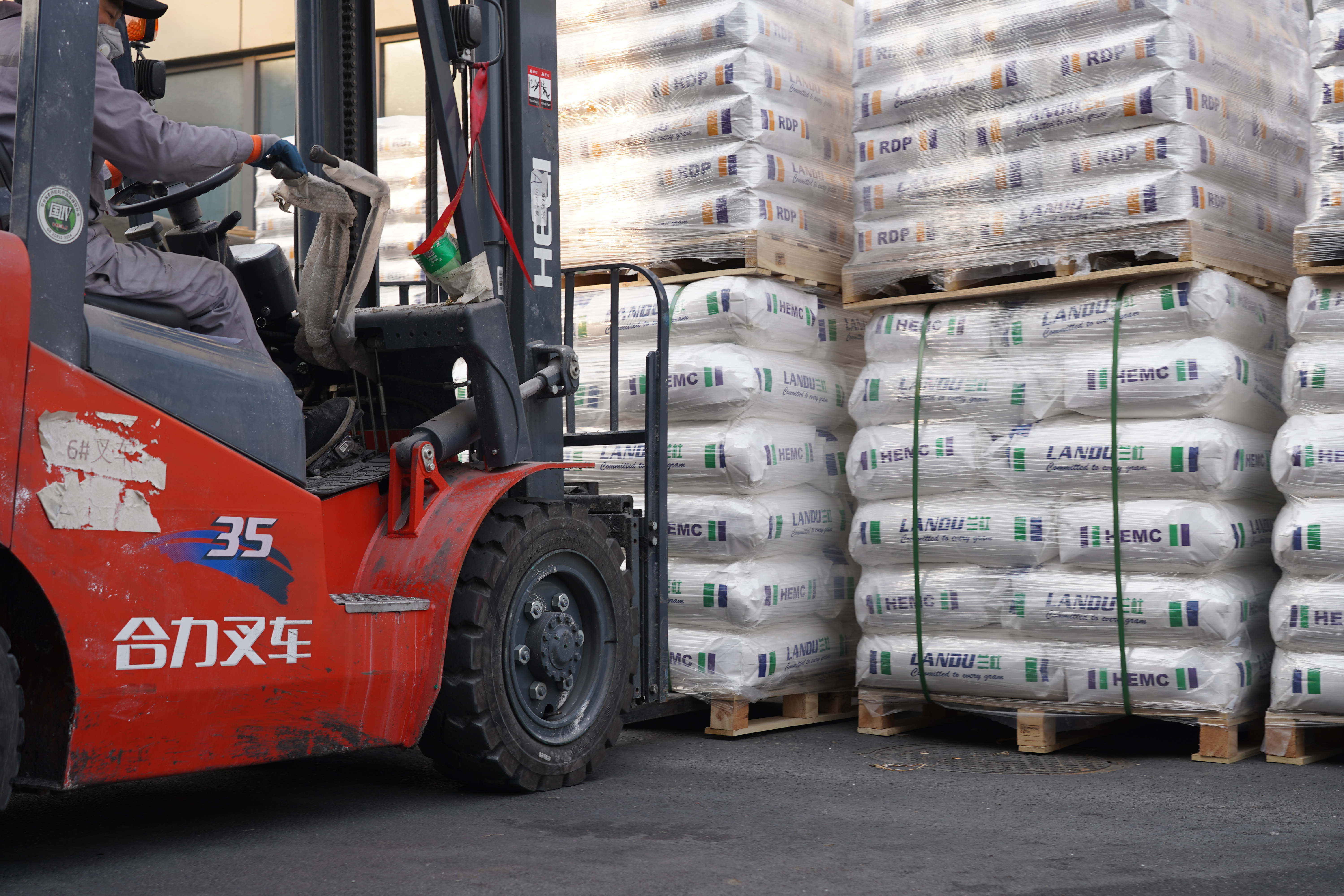 25 kg · Sealed · Food Grade
If your food product has sedimentation, water separation, oil separation, thin texture, freeze-thaw breakdown, dry texture, gummy texture, viscosity drift, or inconsistent batches, the cellulose ether type, grade, and dosage — and the broader formulation approach — may need to be reviewed.
LANDERCOLL can help evaluate suitable food-grade CMC, HPMC, and selected cellulose ether options based on your product type, pH, water level, solids content, protein system, fat level, processing method, storage conditions, and target texture.
Food-grade CMC and HPMC grade selection for your specific food stabilization application
Viscosity direction recommendation based on product type and target stability
Suspension stability support for particle-containing beverages, sauces, and dairy systems
Water management and syneresis reduction support for dairy, fillings, and sauce systems
Emulsion stability discussion for dressings, sauces, and plant-based food systems
Freeze-thaw stability discussion for frozen food applications
Texture and mouthfeel improvement for reduced-fat and specialty food systems
Documentation support including TDS, SDS, CoA, and food-grade compliance information
Sample and quotation communication for evaluation and commercial planning
LANDERCOLL provides comprehensive food-grade documentation to support food stabilization formulation testing, supplier approval, quality review, and regulatory assessment.
| Document | Availability |
|---|---|
| Технічний паспорт (TDS) | Available |
| Safety Data Sheet (SDS) | Available |
| Certificate of Analysis (CoA) | Available |
| Product Specification | Available |
| Food-Grade Statement | Where applicable |
| Allergen Statement | Where applicable |
| GMO Statement | Where applicable |
| Halal / Kosher Information | Where applicable |
| Heavy Metals Information | Where applicable |
| Microbiological Data | Where applicable |
| Packaging and Storage Information | Available |
| Export-Related Documents | Where applicable |
Food-grade CMC and HPMC are the primary cellulose ethers used for food stabilization. CMC is widely used for viscosity control, suspension stability, water management, syneresis reduction, and texture stabilization across beverages, dairy products, sauces, dressings, frozen foods, and processed food systems. HPMC is especially valuable in bakery, gluten-free, frozen food, reduced-fat, and plant-based applications where moisture retention, thermal gelation behavior, and structural support are required.
CMC helps improve viscosity, product body, suspension stability, water management, reduced sedimentation, and smooth texture in selected food and beverage systems. It is effective at low dosage levels and provides a clean functional contribution without significantly altering the flavor or appearance of the food product.
HPMC supports moisture retention, structure, texture stability, and selected thermal behavior in bakery, gluten-free, frozen, reduced-fat, and processed food systems. Its non-ionic character makes it less sensitive to salt and acid interactions compared to CMC, which can be advantageous in certain food stabilization applications.
Yes. Cellulose ether can help improve water management and reduce syneresis or water separation in selected formulations by binding water within the food matrix and supporting the structural integrity of the food system. Final results depend on the complete formulation, pH, ionic strength, processing conditions, and storage environment.
Yes. Food-grade CMC can help suspend pulp, cocoa, spices, herbs, fibers, minerals, and other particles by improving water-phase viscosity and structure — reducing sedimentation and maintaining more uniform ingredient distribution throughout the product’s shelf life.
Cellulose ether can support water-phase viscosity and structure in emulsion systems, helping to slow oil droplet coalescence and phase separation. However, final emulsion stability also depends on emulsifier selection, oil level, homogenization conditions, pH, and the complete formulation design.
Yes. CMC and selected HPMC grades can support water control and texture stability in selected frozen food systems by binding water and limiting ice crystal growth. Final freeze-thaw performance depends on freezing rate, storage temperature, solids balance, and the complete formulation design.
Typical starting reference ranges are 0.05%–2.0%, depending on food category, target stability function, cellulose ether grade, water level, and processing method. Gluten-free bakery systems may require higher levels (0.5%–2.0%), while beverages typically use lower levels (0.05%–0.6%). Final dosage should always be confirmed through product trials and sensory evaluation.
No. Food applications require suitable food-grade cellulose ether with appropriate food safety documentation, regulatory compliance information, and customer qualification. Industrial-grade materials do not meet the purity, safety, and documentation requirements for food use.
Start with product type, primary stability challenge, pH, water level, salt and sugar level, fat content, protein system, starch system, processing method, storage conditions, target sensory profile, and food-grade documentation needs. LANDERCOLL can help recommend suitable CMC or HPMC grade directions for evaluation based on your specific food stabilization application.
Whether you produce напої, dairy products, sauces and dressings, bakery products, frozen foods, fillings and toppings, plant-based foods, reduced-fat products, або processed food systems — LANDERCOLL can help you choose suitable food-grade CMC or HPMC for viscosity control, suspension stability, water management, texture consistency, and shelf-life stability support.
Our food-grade cellulose ether portfolio is supported by full technical documentation, food safety compliance information, and dedicated application support — helping your food development and quality team achieve more consistent product stability from formulation trial to commercial production and throughout the full supply chain.
Food-Grade Cellulose Ethers for Food Stabilization, Texture Control, Fat Reduction, Bakery, Dairy, Sauces & Dressings, Frozen Foods, and Beverage Systems.
