Целюлозні ефіри найвищої якості — довіра понад 1000 підприємств по всьому світу Отримати безкоштовний зразок
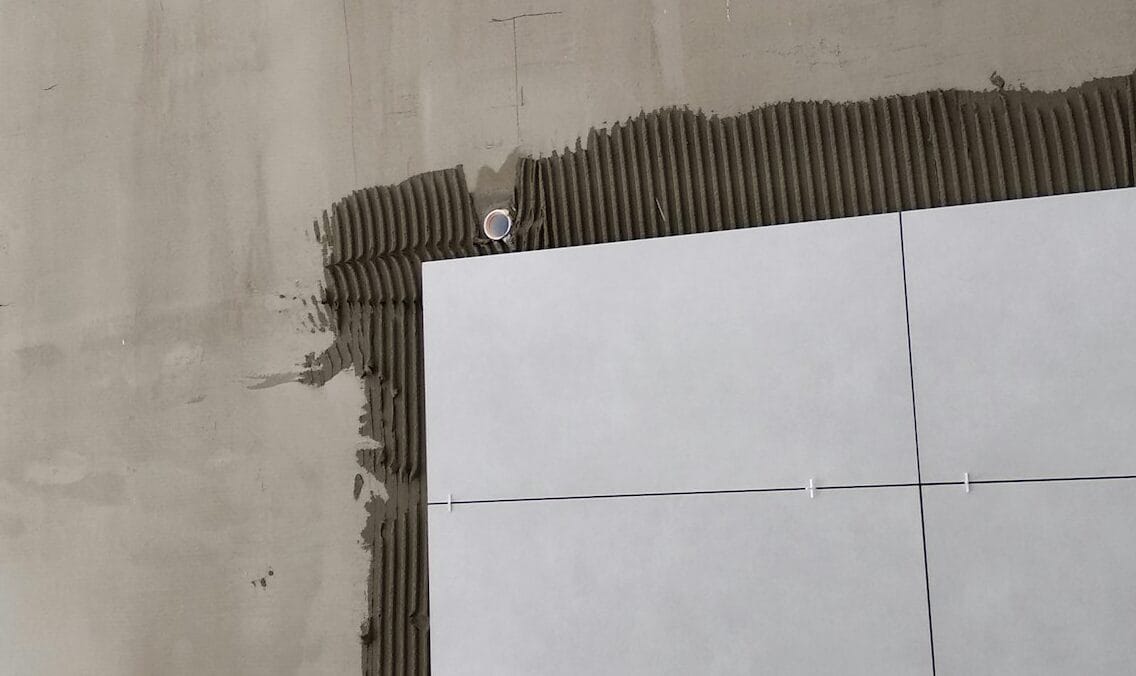
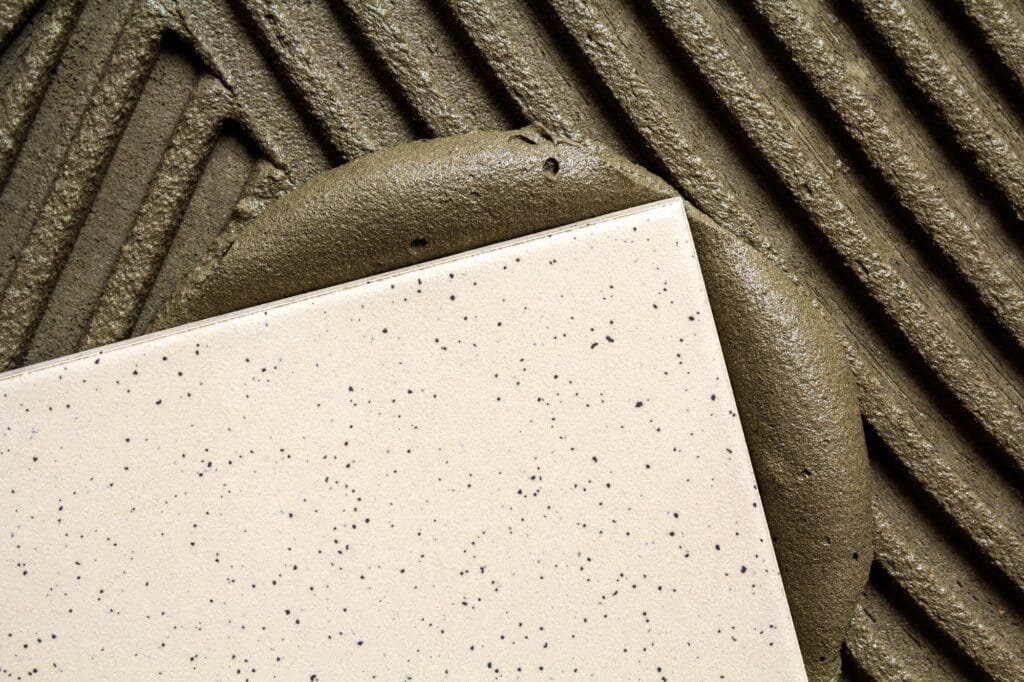

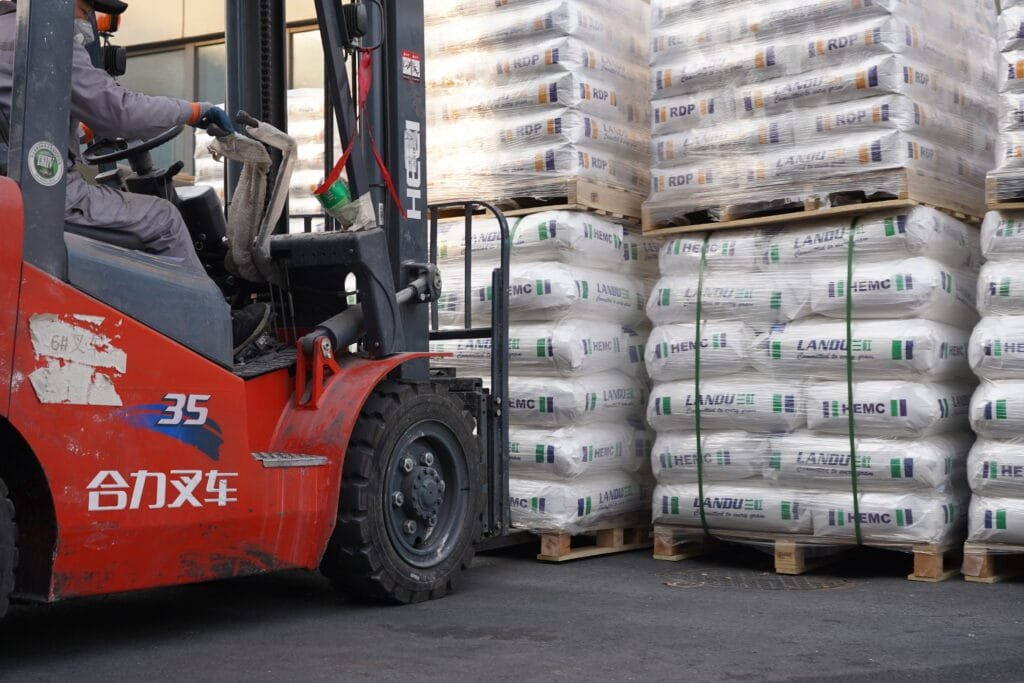
LANDERCOLL целюлозний етер допомагає виробникам плиткового клею по всьому світу покращувати оброблюваність, водоутримання, відкритий час, стійкість до сповзання, стабільність розчину та продуктивність нанесення на будівельному майданчику.
Від стандартних систем настінної плитки до великоформатних і гнучких марок клею — цементні склади плиткового клею покладаються на правильний тип ефіру целюлози, щоб забезпечити надійну роботу на кожному будівельному майданчику.
— HPMC · HEMC / MHEC · Водоутримання · Відкритий час · Антиковзання · Нанесення кельмою · Цементний плитковий клей · Суха будівельна суміш
 Плитка для стін
Плитка для підлоги
Плитка для стін
Плитка для підлоги
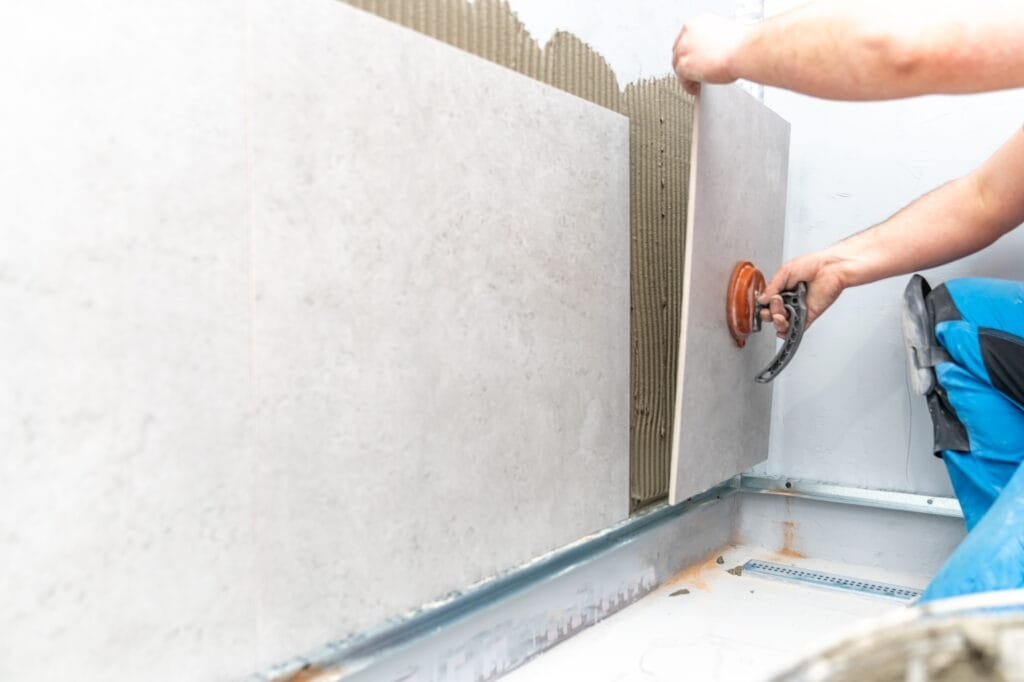 Великий формат
 Гнучка система
Утримання · Час відкриття · Протиковзання
Гнучка система
Утримання · Час відкриття · Протиковзання
Плитковий клей є одним із найбільш технічно вимогливих застосувань для будівельних ефірів целюлози. У рецептурах плиткового клею на цементній основі ефір целюлози безпосередньо контролює водоутримання, відкритий час, поведінку при нанесенні шпателем, стійкість до сповзання, консистенцію розчину та загальну стабільність нанесення — що робить вибір марки критичним для якості продукту.
LANDERCOLL постачає HPMC і HEMC / MHEC to tile adhesive manufacturers who require reliable, consistent performance across standard tile adhesive, wall tile adhesive, floor tile adhesive, large-format tile adhesive, flexible adhesive systems, and industrial drymix mortar production.
The right cellulose ether grade keeps tile adhesive workable longer, spreads smoothly under the trowel, reduces tile slip on vertical surfaces, and delivers stable mortar consistency after water mixing. For manufacturers, this translates to better formulation quality and stronger customer satisfaction. For applicators, it means a smoother, more reliable installation experience on every job site.
Tile adhesive must perform reliably across different substrates, tile formats, temperatures, humidity levels, and application methods. Without proper water retention and rheology control, adhesive may dry too quickly, lose open time prematurely, become difficult to spread, allow tiles to slip on vertical surfaces, or produce inconsistent bonding results.
LANDERCOLL provides HPMC and HEMC / MHEC cellulose ether grades designed for cement-based tile adhesive systems. Final grade selection should be confirmed through formulation testing based on your target open time, anti-slip requirements, and raw material system.
Versatile cellulose ether for water retention, open time, troweling performance, and mortar consistency
Hydroxypropyl methylcellulose (HPMC) is the most widely used cellulose ether in cement-based tile adhesive globally. It provides a strong balance of water retention, thickening, workability improvement, film-forming support, and mortar stability — suitable for a broad range of standard and specialty tile adhesive formulations.
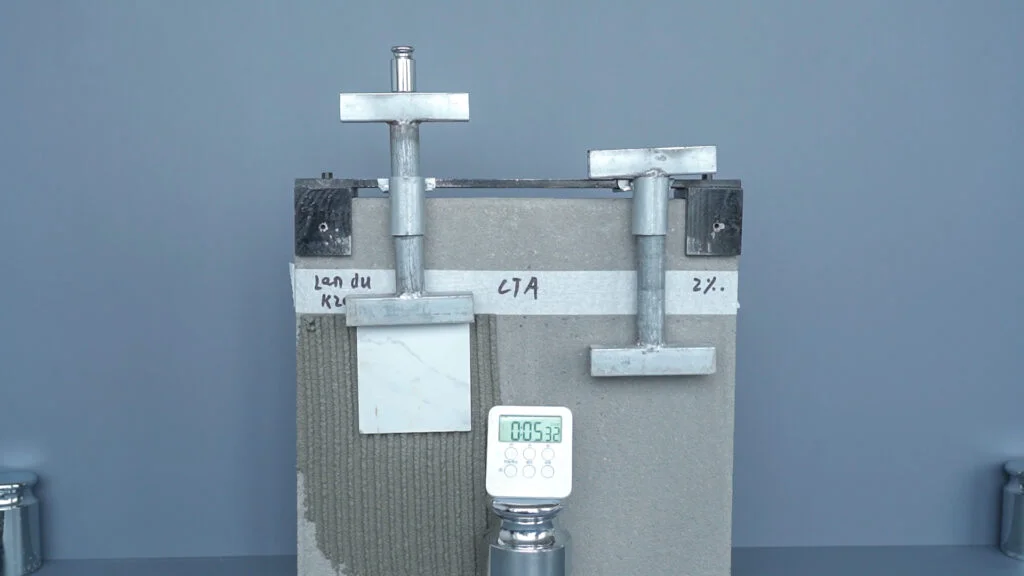
Construction-grade cellulose ether optimized for open time, anti-slip behavior, and vertical tile installation
Hydroxyethyl methylcellulose (HEMC / MHEC) is especially well-suited for tile adhesive formulations where open time, anti-sag behavior, anti-slip performance, smooth troweling, and stable mortar structure are primary performance requirements. Preferred for wall tile and large-format tile adhesive systems.
Tile adhesive formulations vary significantly by product grade, local raw material availability, target performance standard, tile type, and regional market requirements. The table below provides a general reference for common components.
| Компонент | Function in Tile Adhesive |
|---|---|
| Портландцемент | Primary hydraulic binder; provides strength and bonding |
| Graded Sand | Provides structure, volume, and mechanical support |
| Mineral Fillers | Adjust consistency, cost balance, and formulation density |
| Редиспергований полімерний порошок (RDP) | Improves adhesion, flexibility, and long-term durability |
| Ефір целюлози (HPMC / HEMC) | Improves water retention, open time, workability, and anti-slip behavior |
| Starch Ether | Supports anti-sag behavior and rheology fine-tuning |
| Інші добавки | Adjust setting time, special performance, or regional requirements |
Different tile adhesive systems have different cellulose ether performance priorities. The table below provides a practical selection reference to help manufacturers identify the most suitable product direction.
| Tile Adhesive Type | Рекомендований продукт | Основні вимоги до продуктивності |
|---|---|---|
| Standard Tile Adhesive | HPMC / HEMC / MHEC | Water retention, workability, open time |
| Клей для настінної плитки | HEMC / MHEC / HPMC | Anti-slip, open time, troweling, ridge stability |
| Клей для підлогової плитки | HPMC / HEMC / MHEC | Workability, consistency, water retention |
| Клей для великоформатної плитки | High-viscosity HEMC / MHEC / HPMC | Anti-slip, extended open time, stable mortar structure |
| Flexible Tile Adhesive | HPMC / HEMC / MHEC with polymer system | Workability, open time, consistency, polymer compatibility |
| Швидкотверднучий плитковий клей | Вибрані HPMC / HEMC / MHEC | Controlled workability, water retention, setting balance |
| Premium Tile Adhesive | High-performance HEMC / MHEC / HPMC | Long open time, anti-slip, smooth application, stability |
The optimal dosage depends on formulation design, target open time, viscosity grade, water retention requirement, tile size, substrate absorption, local climate, and applicable performance standard.
These dosage ranges are starting reference points only. Final dosage must be confirmed through laboratory testing, including open time evaluation, slip resistance testing, tensile adhesion testing, application trials, and job-site performance assessment.
| Tile Adhesive Application | Типове референтне дозування |
|---|---|
| Standard Tile Adhesive | 0.2% – 0.4% |
| Клей для настінної плитки | 0.25% – 0.5% |
| Клей для підлогової плитки | 0.2% – 0.4% |
| Клей для великоформатної плитки | 0.3% – 0.5% |
| Flexible Tile Adhesive | 0.25% – 0.5% |
| Premium Tile Adhesive | 0.3% – 0.5% |
Water retention is the most fundamental function of cellulose ether in tile adhesive. It prevents the adhesive from losing moisture too quickly after mixing — supporting cement hydration, maintaining open time, and ensuring stable application behavior across different substrates. Poor water retention leads to rapid drying, shortened open time, surface skin formation, and difficulty adjusting tiles after placement.
Open time is the working window during which tile adhesive remains bondable after being applied to the substrate. A suitable cellulose ether grade extends open time by slowing water evaporation and maintaining workable mortar consistency — giving applicators more flexibility during tile positioning and reducing waste from premature skinning.
Anti-slip performance is critical for wall tile adhesive and large-format tile installation. Cellulose ether improves mortar rheology and structural body, helping the adhesive hold tiles firmly in position on vertical surfaces. HEMC / MHEC and high-performance HPMC grades are particularly effective for vertical application stability.
Tile adhesive must spread smoothly and evenly under the trowel while maintaining clean ridge shape after notch trowel application. Cellulose ether improves troweling feel, reduces drag and harshness, and helps create a more controlled, consistent application experience — reducing applicator fatigue and improving coverage quality.
Cellulose ether stabilizes mortar consistency after water addition, producing a uniform, predictable body that handles, spreads, and forms ridges reliably. Consistent mortar behavior is essential for both production quality control and repeatable job-site performance across different operators and conditions.
Proper water retention and workability help tile adhesive maintain active wetting behavior during tile placement. This supports easier tile adjustment within the open time window and produces more stable, reliable bonding results — especially important when working with low-porosity tiles such as large-format porcelain.
When fresh mortar performance fails on the job site, the cellulose ether grade, viscosity, or dosage is often the first variable to review. The guide below maps common symptoms to likely causes and practical cellulose ether adjustments.
Rapid water loss, high temperature, or highly absorbent substrate drawing moisture from the mortar too quickly.
Improve water retention with a higher-viscosity HPMC or HEMC / MHEC grade; maintain workable consistency longer on the substrate.
Weak mortar structure, poor rheology control, or heavy tiles exceeding the adhesive’s vertical hold capacity.
Improve anti-slip behavior and ridge stability — HEMC / MHEC or high-viscosity HPMC grades are preferred for wall tile systems.
Poor mortar consistency, harsh formulation balance, wrong cellulose ether viscosity grade, or insufficient mixing time.
Adjust viscosity direction and dosage to improve workability, reduce drag, and deliver a smoother, more controlled troweling feel.
Low cellulose ether viscosity, weak mortar body, or insufficient rheology structure after notch trowel application.
Support rheology control and structural body with a grade that maintains clean trowel ridge shape during tile placement.
Low water retention performance, highly absorbent substrate, or hot and dry job-site conditions accelerating evaporation.
Reduce water loss and support cement hydration with a grade offering stronger water retention across varied substrates.
Poor cellulose ether dispersion, unstable mortar consistency, or inconsistent mixing across production batches.
Improve mortar uniformity and spreading behavior through grade optimization and consistent dispersion in the drymix process.
Excessive cellulose ether dosage, unsuitable viscosity grade, or unbalanced formulation with too much thickening additive.
Adjust viscosity direction and dosage balance — reduce level or switch to a lower-viscosity grade while maintaining water retention targets.
Understanding the variables that influence cellulose ether behavior helps manufacturers make better formulation decisions and select the most suitable grade for their specific system.
Different cement sources vary in hydration rate, water demand, and chemical interaction with cellulose ether — affecting open time, setting behavior, and overall mortar performance.
Particle size distribution directly influences water demand, workability, troweling behavior, and mortar consistency. Coarser or poorly graded sand increases water demand and may affect cellulose ether efficiency.
RDP affects adhesion, flexibility, and mortar rheology. Compatibility between RDP and cellulose ether should be evaluated during formulation development.
Viscosity grade is a primary variable affecting water retention, mortar body, anti-slip behavior, troweling feel, and open time. Higher viscosity generally improves water retention and anti-slip but may increase stickiness if overdosed.
Insufficient dosage leads to poor water retention or short open time. Excessive dosage may cause sticky feel, reduced spreadability, or perceived setting delay. Optimal dosage must be confirmed through testing.
Highly absorbent substrates draw water rapidly from the adhesive. Higher water retention performance helps compensate and maintain open time on porous surfaces.
Large-format or heavy tiles require stronger anti-slip performance and more stable mortar structure to prevent movement after placement.
Hot, dry, or windy conditions accelerate water evaporation and shorten open time. Cellulose ether selection and dosage may need adjustment for different climatic zones.
Mixing time, water addition sequence, rest time after initial mixing, and remixing all affect cellulose ether hydration quality and final adhesive behavior on the job site.
Selecting the right cellulose ether for tile adhesive requires a systematic evaluation of water retention needs, target open time, anti-slip requirements, troweling feel, viscosity range, polymer compatibility, and overall mortar consistency goals.
LANDERCOLL can review your tile adhesive formulation direction and recommend a suitable HPMC or HEMC / MHEC grade for laboratory evaluation and testing.
Standard, wall, floor, large-format, flexible, or premium?
What open time performance is required by your target standard or market?
Is anti-slip a primary requirement for wall or large-format applications?
What viscosity range is currently used in your formulation?
What cement type, sand grading, and filler system are you working with?
Is redispersible polymer powder included, and at what dosage?
What tile sizes and substrate types are most common in your target market?
What temperature, humidity, and wind conditions must the adhesive handle?
What dosage level are you targeting for cost and performance balance?
Do you require surface-treated or untreated cellulose ether?
Not sure which cellulose ether grade is most suitable for your tile adhesive? LANDERCOLL can recommend a practical grade for laboratory evaluation.
Ask for Grade Recommendation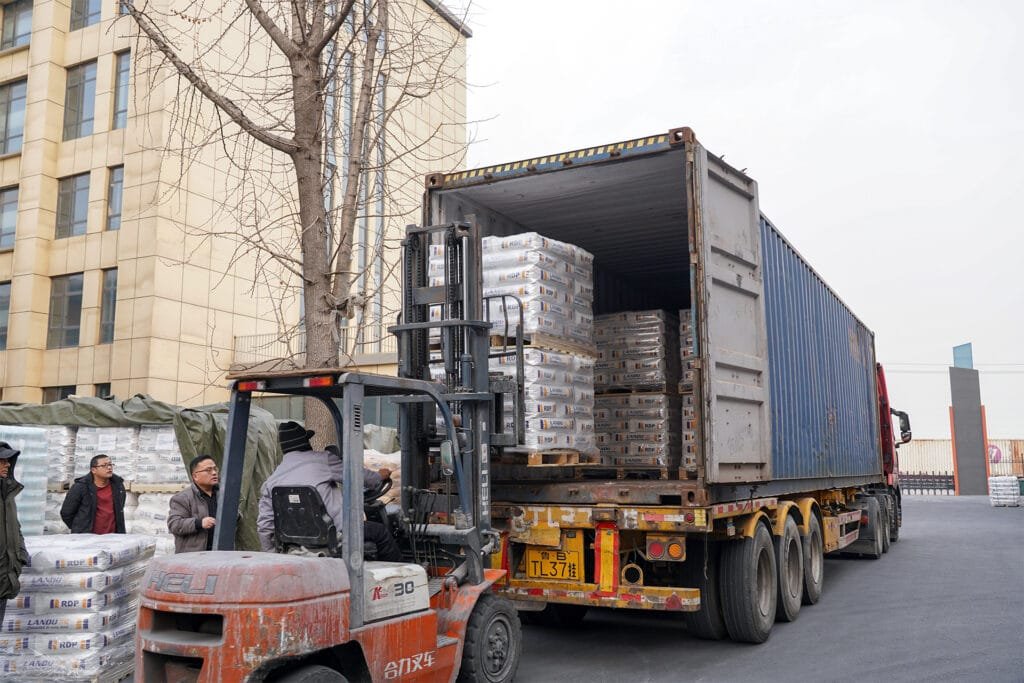
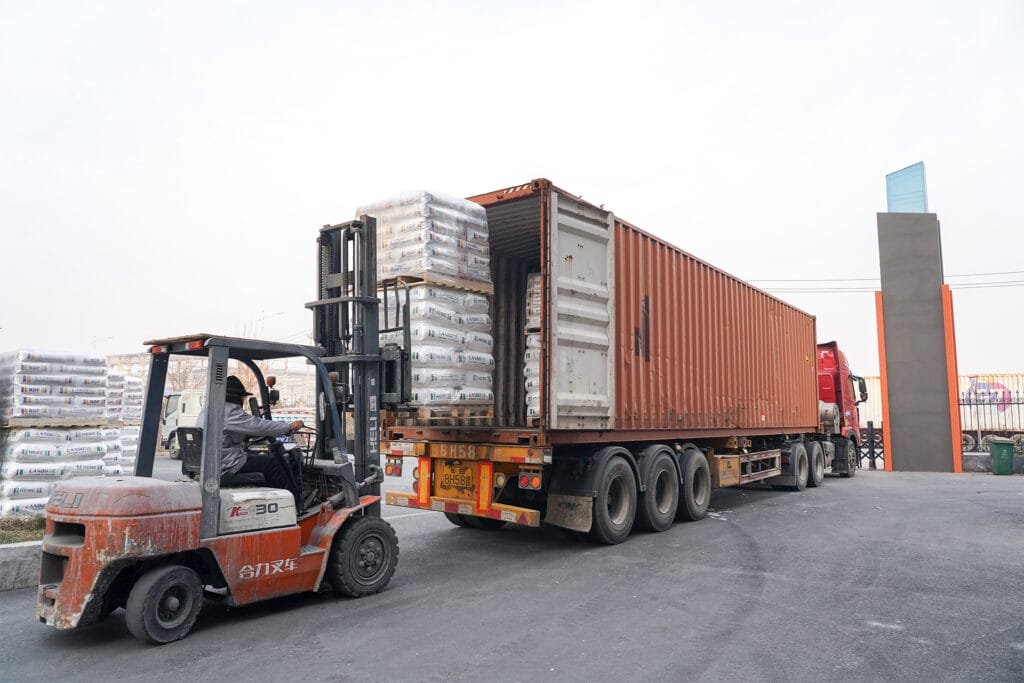 Hygroscopic · Seal When Not in Use
LANDERCOLL provides a full set of product documentation to support tile adhesive formulation development, purchasing review, quality approval, and import compliance.
Запит документів продуктуIf your tile adhesive is experiencing short open time, difficult troweling, tile slip on vertical surfaces, rapid drying, inconsistent mortar consistency, weak ridge stability, or unreliable job-site performance — the cellulose ether grade or dosage may need to be reviewed.
LANDERCOLL provides technical support to help tile adhesive manufacturers evaluate HPMC and HEMC / MHEC options based on formulation design, target performance, raw material system, dosage level, and local application conditions.
HPMC and HEMC / MHEC grade selection for tile adhesive
Open time improvement and extension
Anti-slip performance optimization for wall and large-format tile systems
Water retention evaluation and improvement
Viscosity direction and grade comparison
Dosage reference and adjustment guidance
Sample supply and technical documentation
Quotation and supply chain communication
HPMC (hydroxypropyl methylcellulose) and HEMC / MHEC (hydroxyethyl methylcellulose) are the two main types of cellulose ether used in cement-based tile adhesive. Both improve water retention, open time, troweling performance, anti-slip behavior, and mortar consistency.
HPMC improves water retention, workability, open time, troweling feel, mortar consistency, and application stability in tile adhesive formulations. It is the most widely used cellulose ether in standard cement-based tile adhesive globally.
HEMC / MHEC improves water retention, open time, anti-slip performance, anti-sag behavior, troweling feel, and mortar structural body. It is especially effective in wall tile adhesive and large-format tile adhesive systems.
Both are effective, and the best choice depends on your formulation requirements. HPMC is versatile and widely used across many tile adhesive types. HEMC / MHEC is preferred where extended open time, anti-slip performance, and vertical application stability are primary requirements. Many manufacturers test both to identify the optimal grade.
A common reference dosage range is 0.2%–0.5% by weight of the dry formulation, depending on tile adhesive type, target open time, viscosity grade, and raw material system. Final dosage must always be confirmed through laboratory and application testing.
Water retention prevents the adhesive from losing moisture too quickly after mixing. This is essential for maintaining open time, supporting cement hydration, ensuring proper tile-to-adhesive wetting, and delivering stable application behavior — especially on absorbent substrates or in hot, dry conditions.
Cellulose ether improves mortar rheology and structural body, increasing the resistance of the adhesive to flow or deformation under tile weight. This helps tiles remain stable on vertical surfaces immediately after placement, reducing slip and the need for repositioning.
Difficult troweling is typically caused by an unsuitable cellulose ether grade, incorrect dosage, poor sand grading, high water demand, insufficient mixing time, or an unbalanced formulation. Reviewing the cellulose ether viscosity grade and dosage is usually the first step in diagnosing troweling problems.
Yes. Share your tile adhesive type, formulation direction, target open time, anti-slip requirements, current viscosity grade or dosage, and raw material system. LANDERCOLL can recommend suitable HPMC or HEMC / MHEC options and provide samples for laboratory evaluation.
Whether you manufacture standard tile adhesive, wall tile adhesive, floor tile adhesive, large-format tile adhesive, flexible adhesive systems, or premium drymix mortar products — LANDERCOLL can help you identify the right HPMC or HEMC / MHEC grade for better water retention, extended open time, reliable anti-slip performance, and consistent application stability.
Share your formulation requirements and let our technical team recommend the most suitable cellulose ether solution for your production and market needs.
HPMC for Tile Adhesive · HEMC / MHEC for Wall Tile · Water Retention · Open Time · Anti-Slip · Troweling Performance · Cement-Based Drymix Mortar · Construction Cellulose Ether Supplier.
