Целюлозні ефіри найвищої якості — довіра понад 1000 підприємств по всьому світу Отримати безкоштовний зразок
LANDERCOLL HEC допомагає виробникам водних покриттів покращити ефективність загущення, стабільність в'язкості, суспензію пігментів і наповнювачів, експлуатаційні характеристики та стабільність при зберіганні у рецептурах інтер'єрних, екстер'єрних, ґрунтувальних та декоративних покриттів.
HEC (гідроксиетилцелюлоза) є основним простим ефіром целюлози, що використовується у водних покриттях. Вона виконує функцію загусника водної фази та модифікатора реології, який контролює в'язкість, забезпечує суспендування пігментів і наповнювачів, покращує нанесення пензлем і валиком, допомагає зменшити стікання та підтримує стабільну консистенцію в банці протягом усього зберігання.
 Водорозчинні покриття · HEC

Контроль в'язкості та суспензія пігменту для рівномірного нанесення пензлем і валиком.
Емульсія · Пігмент · РеологіяВодні покриття — це системи покриттів, у яких вода є основною рідкою фазою та дисперсійним середовищем. Вони включають полімерні емульсії, пігменти, наповнювачі, добавки та функціональні модифікатори для забезпечення декорування, захисту поверхні, кольору, гладкості або спеціалізованих характеристик на широкому спектрі основ та в різних умовах.

Типові продукти водних покриттів включають фарби для внутрішніх стін, фарби для зовнішніх стін, латексні фарби, емульсійні фарби, ґрунтовки, фактурні покриття, фасадні покриття, гідроізоляційні покриття, захисні покриття та окремі промислові покриття. Перехід до водних систем продовжує зростати, оскільки розробники прагнуть до зниження вмісту ЛОС та покращення екологічної відповідності.
Типова рецептура водного покриття включає полімерну емульсію, діоксид титану, пігменти, наповнювачі, воду, диспергатори, змочувачі, піногасники, консерванти, модифікатори pH, коалесценти, модифікатори реології та ефір целюлози.
Ефір целюлози — зокрема HEC (Гідроксиетилцелюлоза) — використовується як основний загусник водної фази та модифікатор реології. Він контролює в'язкість, підтримує суспендування пігментів та наповнювачів, покращує поведінку при нанесенні пензлем та валиком, допомагає зменшити стікання на вертикальних поверхнях та підтримує стабільну консистенцію в банці під час зберігання та транспортування.
Без належного загущення та контролю реології водні покриття стикаються з проблемами продуктивності та стабільності, що впливають як на якість виробництва, так і на досвід кінцевого користувача. Занадто низька в'язкість спричиняє осідання пігменту, розбризкування та стікання. Занадто висока в'язкість або погана реологія збільшують опір пензля та сліди від валика. Нестабільне зберігання призводить до утворення твердих шарів осаду, які важко повторно диспергувати.
LANDERCOLL HEC допомагає створювати в'язкість у водній фазі та підтримує збалансовану структуру покриття. Він утримує пігменти та наповнювачі в суспензії, дозволяючи покриттю рівномірно розтікатися під дією сили нанесення — а потім відновлювати достатню густину, щоб запобігти стіканню після нанесення.
Ефіри целюлози допомагають водно-дисперсійним покриттям досягти ефективності загущення, контролю в'язкості, реологічної поведінки, суспендування пігментів, стабільності наповнювачів, нанесення пензлем і валиком, підтримки вирівнювання, запобігання стіканню, стабільності при зберіганні та однорідності покриття.
Водні покриття повинні зберігати стабільну консистенцію в банці, утримувати пігменти та наповнювачі під час зберігання, а також забезпечувати рівномірне нанесення пензлем і валиком із контрольованим вирівнюванням та стійкістю до стікання. LANDERCOLL HEC допомагає виробникам створювати продукти, які стабільно працюють від виробництва до кінцевого використання.
ГЕЦ підвищує в'язкість у водній фазі, покращуючи зовнішній вигляд у ємності, контроль нанесення та стабільність суспензії при типових дозуваннях 0,2%–1,0%.
Забезпечує структуру водної фази, яка плавно тече під дією пензля або валика та відновлює консистенцію, щоб запобігти стіканню на вертикальних поверхнях.
HEC є основним продуктом целюлозного ефіру LANDERCOLL для водних покриттів, що забезпечує надійне загущення, стабільність в'язкості, суспензію пігменту та контроль текучості в системах полімерних емульсій.
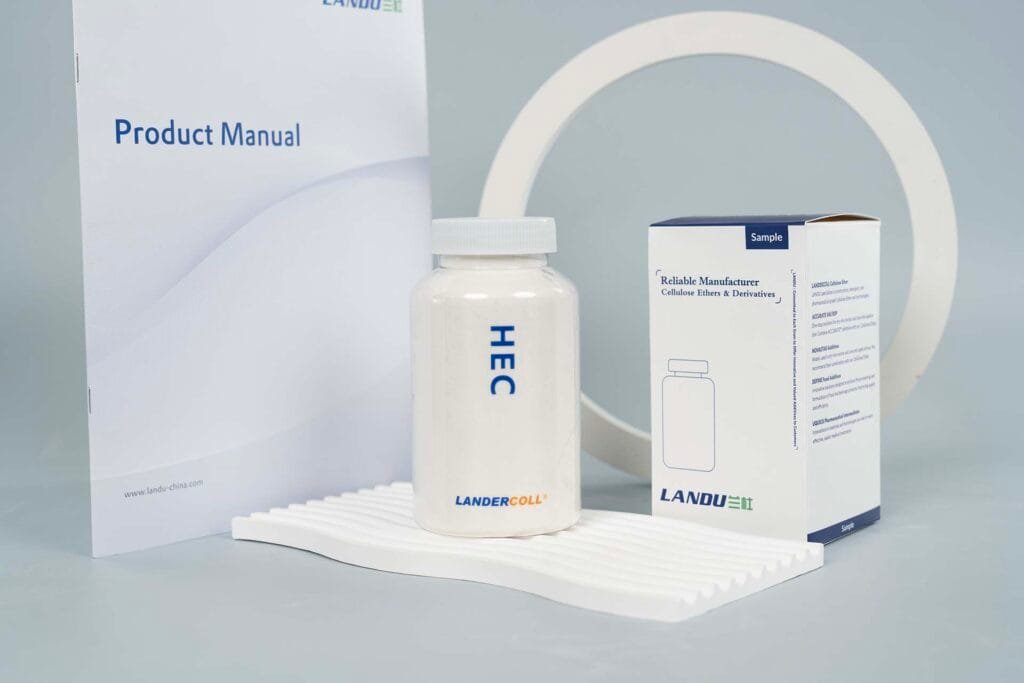
HEC широко використовується у фарбах для внутрішніх стін, фарбах для зовнішніх стін, латексних фарбах, емульсійних фарбах, ґрунтовках, декоративних покриттях та окремих промислових водорозчинних покриттях. Це неіонний, водорозчинний ефір целюлози з широкою сумісністю з аніонними диспергаторами, поверхнево-активними речовинами та полімерними емульсіями, які зазвичай використовуються у водних системах.
HEC легко гідратується у воді та ефективно підвищує в'язкість, забезпечуючи стабільну загущувальну дію для різних типів покриттів і концентрацій пігменту.
Склад водних покриттів варіюється залежно від типу зв’язувальної речовини, вмісту пігменту та наповнювача, цільової в’язкості, методу нанесення, підкладки та вимог до експлуатаційних характеристик на ринку.
| Компонент | Function in Water-Based Coatings |
|---|---|
| Полімерна емульсія | Основний плівкоутворювальний зв'язувальний компонент. |
| Діоксид титану | Забезпечує білизну та укривну здатність у вибраних покриттях. |
| Пігменти | Забезпечують колір та декоративний вигляд. |
| Наповнювачі | Регулюйте непрозорість, текстуру, тіло, баланс вартості та властивості покриття. |
| Вода | Основне дисперсійне середовище. |
| Диспергатори | Допомагає рівномірно диспергувати пігменти та наповнювачі. |
| Змочувачі | Покращте змочування поверхні та дисперсію пігменту. |
| Піногасники | Зменшуйте піноутворення під час виробництва та нанесення. |
| Консерванти | Підтримка стабільності в банці та захист від мікроорганізмів. |
| Коректори pH | Відкоригуйте pH та стабільність формули. |
| Коалесцентні агенти | Підтримка формування плівки у вибраних системах. |
| Целюлозний етер (HEC) | Покращує в'язкість, реологію, суспензію та експлуатаційні характеристики. |
| Інші добавки | Налаштуйте вирівнювання, час відкриття, відчуття поверхні, довговічність або спеціальні функції. |
Different water-based coating systems require different HEC viscosity profiles, suspension support, and rheology behavior. This table provides a practical starting reference.
| Water-Based Coating Type | Рекомендований продукт | Основні вимоги до продуктивності |
|---|---|---|
| Interior Water-Based Coatings | HEC | Контроль в'язкості, плавне нанесення, суспендування пігменту. |
| Exterior Water-Based Coatings | HEC | Запобігання стіканню, тіло покриття, стабільність при зберіганні. |
| Water-Based Wall Coatings | Medium viscosity HEC | Зручність нанесення пензлем, валиком, вирівнювання. |
| Water-Based Primers | Low to medium viscosity HEC | Контроль текучості, баланс проникнення, стабільна в'язкість. |
| Water-Based Undercoats | Medium viscosity HEC | Тіло, підтримка покриття, стабільність суспензії. |
| Decorative Water-Based Coatings | Medium to high viscosity HEC | Контроль текстури, консистенція, стабільність нанесення. |
| High-PVC Water-Based Coatings | Medium to high viscosity HEC | Суспендування наповнювача, тіло, запобігання осадженню. |
| Промислові водно-дисперсійні покриття | Selected HEC grade | Стабільність в'язкості, сумісність, контрольована текучість. |
The dosage of HEC in water-based coatings depends on coating type, target viscosity, pigment and filler loading, PVC level, HEC viscosity grade, binder system, and application method.
In water-based coating formulations, HEC supports thickening, rheology control, pigment and filler suspension, brush and roller application, leveling, anti-sag behavior, and storage stability — the properties formulators and end users evaluate most directly.
HEC builds viscosity in the water phase of coating formulations. Proper thickening improves in-can appearance, application control, coating body, suspension stability, and overall formulation consistency. At typical dosage levels of 0.2%–1.0%, HEC can build a wide range of target viscosities depending on grade selection and formulation conditions.
Water-based coatings require carefully balanced flow behavior. They must remain stable in the container, flow smoothly during brush or roller application, and recover sufficient body to resist sagging on vertical surfaces. HEC contributes to this rheological balance by providing water-phase structure that responds appropriately to shear forces during application.
Titanium dioxide, calcium carbonate, kaolin, talc, silica, and colored pigments must remain evenly distributed during storage. HEC increases water-phase viscosity and structure, reducing the rate of pigment and filler settling and supporting more consistent color, opacity, and texture.
HEC supports smoother application by improving coating consistency, transfer efficiency, spreading behavior, and application feel during brushing and rolling. A well-thickened coating picks up and releases from the brush or roller more consistently, reducing uneven application.
Good leveling helps reduce visible brush marks, roller marks, and uneven film appearance in the dried coating. HEC supports flow balance when properly selected and dosed within the complete formulation system.
For vertical wall coatings and thicker applications, HEC helps improve coating body and structural recovery after application, reducing the risk of sagging or running on vertical surfaces before the film dries.
HEC helps maintain viscosity and suspension stability during storage. This reduces pigment and filler settling, prevents hard sediment formation, and supports more consistent coating performance after extended shelf aging or temperature variation during distribution.
Many water-based coating stability and application problems are related to viscosity, rheology, and suspension — areas where HEC grade and dosage selection directly affect performance.
Insufficient thickener, poor hydration, unsuitable grade.
Improve viscosity build and coating body.
Weak suspension, low viscosity, heavy pigments or fillers.
Support pigment and filler suspension.
Poor suspension system, low viscosity, additive incompatibility.
Improve formulation stability.
Unbalanced rheology, wrong viscosity, incompatible additives.
Support flow and leveling balance.
Low viscosity, poor rheology, excessive water content.
Support controlled application behavior.
Weak structural recovery, low thickener efficiency, high film build.
Improve body and anti-sag support.
Poor filler dispersion, unsuitable viscosity, unstable formulation.
Support smoother application consistency.
Poor hydration, pH effects, surfactant or preservative impact.
Improve viscosity stability through grade selection.
Understanding the variables that influence HEC behavior in water-based coatings helps formulators make better grade selections, optimize dosage, and avoid common production and stability problems.
Different polymer emulsions — acrylic, VAE, styrene-acrylic, pure acrylic — affect viscosity response, compatibility, and film formation. HEC grade selection should be evaluated with the specific binder system.
TiO₂, calcium carbonate, kaolin, talc, silica, and colored pigments influence viscosity demand, suspension stability, and opacity. Higher filler loading increases thickening demand on HEC.
High pigment volume concentration systems typically require stronger suspension support and greater coating body control, often benefiting from medium to high viscosity HEC at upper dosage ranges.
Formulation pH and the timing of pH adjustment during production can influence HEC hydration rate, viscosity development, and long-term stability.
Dispersants and surfactants affect pigment dispersion quality, foam behavior, viscosity development, and compatibility with HEC.
Defoamers and preservatives may influence coating stability, viscosity, and application behavior. Compatibility with HEC should be evaluated during formulation testing.
HEC must be properly dispersed and fully hydrated to deliver target viscosity. Poor hydration may cause lumps, delayed viscosity development, or unstable viscosity.
Mixing speed, addition sequence, hydration time, temperature, and shear conditions can all affect final viscosity and coating stability.
Too little HEC may not provide sufficient thickening or suspension. Too much may reduce leveling, increase brush drag, or produce excessive application resistance.
Choosing the right HEC grade requires balancing viscosity target, rheology profile, pigment suspension needs, application method, leveling requirements, anti-sag support, and storage stability.
What type of water-based coating are you producing? (interior, exterior, primer, decorative, industrial)
What target viscosity range (mPa·s or KU) do you need?
What polymer emulsion system is used?
What pigment and filler system is included, and at what loading level?
What pigment volume concentration does the formulation have?
Do you need stronger suspension, better leveling, or anti-sag support?
What application method is used: brush, roller, spray, or trowel?
What pH range and additive system are used?
What production process and hydration time are available?
What storage stability requirement is needed? (temperature range, shelf life)
LANDERCOLL can help review your water-based coating formulation direction and recommend a suitable HEC grade for testing.
Запит на технічну підтримкуLANDERCOLL HEC for water-based coatings is supplied in industrial packaging suitable for coating production, transportation, and storage. Full product documentation is available on request.
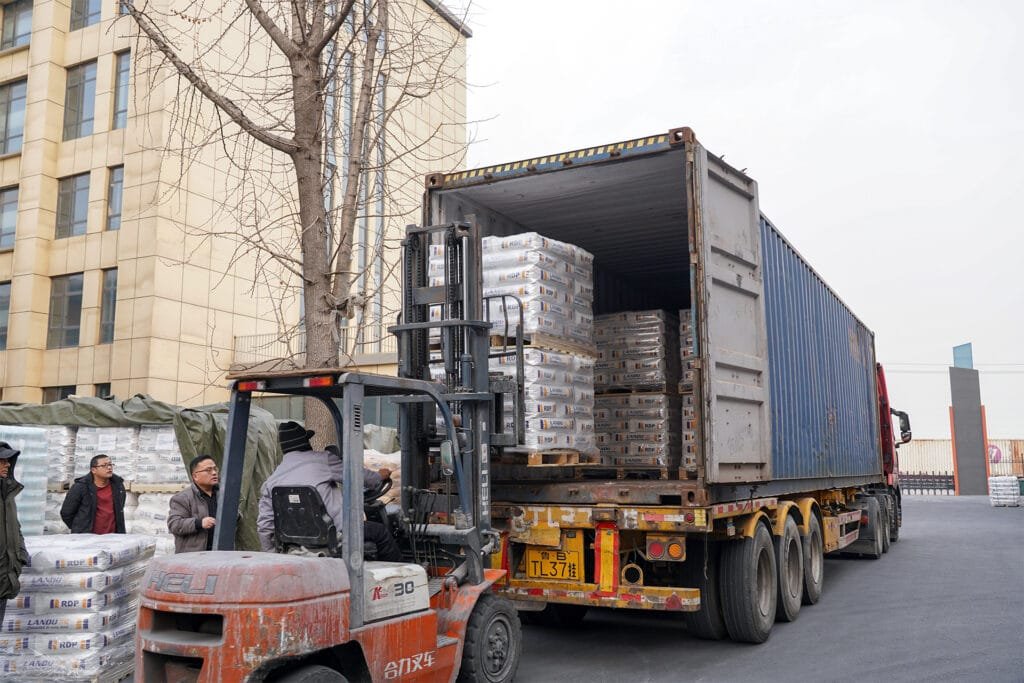
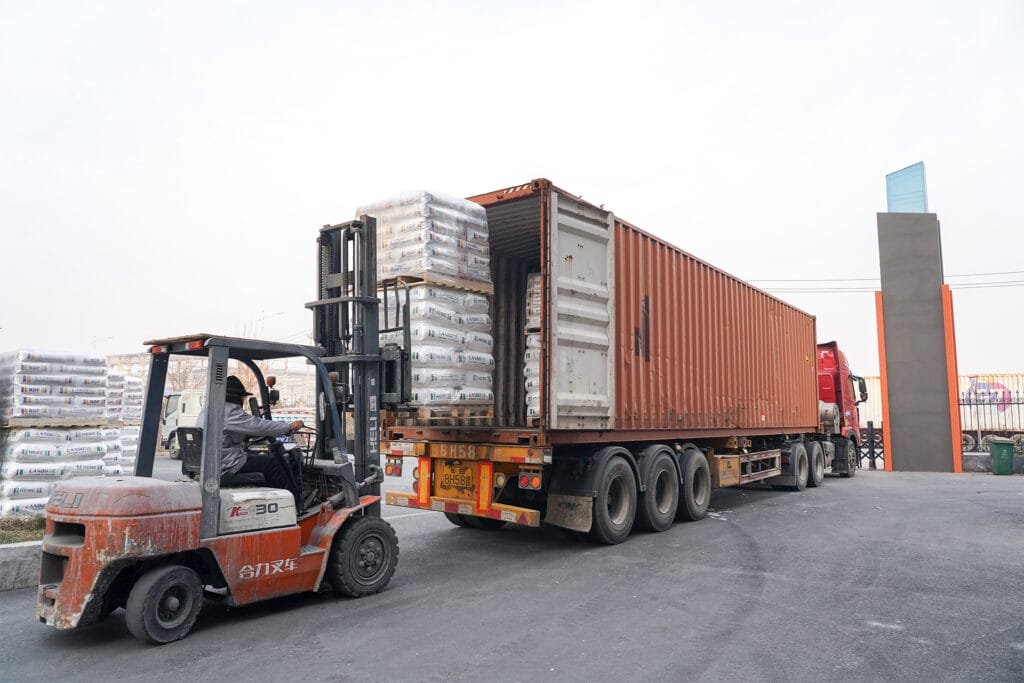
LANDERCOLL provides product-related documentation to support water-based coating formulation testing, purchasing review, and internal approval processes.
If your water-based coating has low viscosity, pigment or filler settling, storage separation, poor leveling, roller spatter, sagging on vertical surfaces, rough application feel, or unstable viscosity during storage, the HEC grade or dosage may need to be reviewed.
LANDERCOLL can help evaluate suitable HEC options based on your binder system, pigment and filler system, PVC level, target viscosity, application method, and storage stability requirement.
HEC grade selection for target viscosity and rheology.
Pigment and filler suspension support.
Flow and leveling discussion.
Anti-sag support guidance.
Brush, roller, and spray application performance.
Storage stability support.
Dosage reference and starting point recommendations.
Sample and quotation communication.
HEC (Hydroxyethyl Cellulose) is the most widely used cellulose ether in water-based coatings. It improves thickening, viscosity control, pigment and filler suspension, rheology behavior, brush and roller application performance, and storage stability across interior wall coatings, exterior wall coatings, latex paints, emulsion paints, primers, and decorative coatings.
HEC builds viscosity in the water phase, stabilizes pigments and fillers against settling, improves brush and roller application consistency, supports leveling, helps reduce sagging on vertical surfaces, and maintains stable in-can viscosity during storage. It is a non-ionic thickener compatible with anionic dispersants and polymer emulsions.
Thickening helps coatings maintain product body, reduce pigment and filler settling during storage, improve application control during brushing and rolling, reduce sagging on vertical surfaces, and support uniform coating appearance in the dried film. Without adequate thickening, coatings become watery, unstable, and difficult to apply consistently.
A common reference dosage range is 0.1%–1.0% by weight, depending on coating type, target viscosity, pigment and filler loading, PVC level, and formulation design. Interior coatings typically use 0.2%–0.7%, while high-PVC decorative coatings may require up to 1.0%. Final dosage must be confirmed through viscosity testing and stability evaluation.
Yes. HEC increases water-phase viscosity and structural support, which helps slow the rate of pigment and filler settling during storage. This supports more consistent color, opacity, and texture from the first use to the last. However, the complete suspension system — including dispersants, filler particle size, and formulation balance — also plays an important role.
HEC can support leveling by helping control the rheology profile of the coating. A properly selected HEC grade contributes to balanced flow behavior during and after application. However, final leveling performance also depends on binder type, surfactants, dispersants, defoamers, and viscosity balance across the full shear rate range.
HEC primarily improves fresh coating properties such as viscosity, suspension, rheology, and application stability. Final coating durability — including scrub resistance, weather resistance, adhesion, and film integrity — depends primarily on binder type, pigment system, additives, film formation conditions, substrate preparation, and curing.
Viscosity loss may be caused by poor HEC hydration during production, unsuitable grade selection, pH effects, surfactant or dispersant incompatibility, preservative interactions, high electrolyte content, temperature changes during storage, or excessive shear during mixing. Systematic storage stability testing and grade review can help identify and resolve the root cause.
Start by defining your coating type, target viscosity, binder system, pigment and filler loading, PVC level, pH range, additive system, application method, and storage stability requirement. Then contact LANDERCOLL with these parameters — our technical team can recommend suitable HEC grades and provide samples for formulation evaluation.
Whether you produce interior water-based coatings, exterior wall coatings, latex paint, emulsion paint, primers, undercoats, decorative coatings, high-PVC coatings, or selected industrial water-based coatings, LANDERCOLL HEC helps you achieve better viscosity control, pigment and filler suspension, smooth application performance, leveling support, and reliable storage stability.
LANDERCOLL supplies HEC cellulose ether to water-based coating manufacturers and paint formulators worldwide. Contact us today to receive an HEC grade recommendation, request samples, or get a competitive quote for your formulation project.
