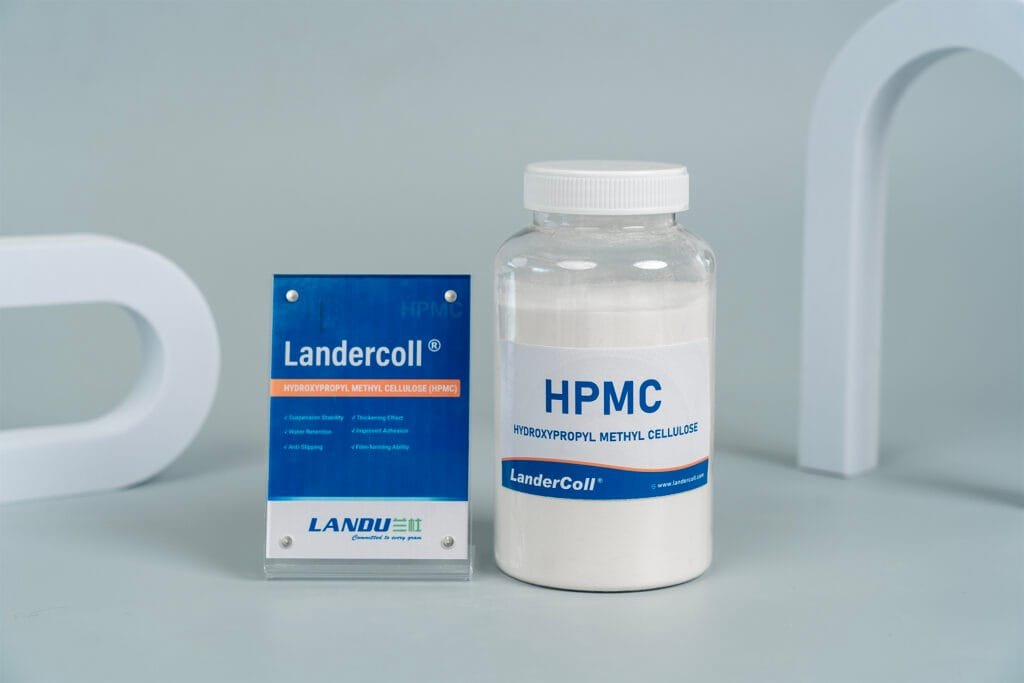
HPMC tutvustus ja selle peamised rakendused
Hüdroksüpropüülmetüültselluloos (HPMC), laialt kasutatav Tselluloos eeter, omab mitmekülgseid rakendusi ehitus-, farmaatsia-, toidu- ja isikuhooldustööstuses. Üks olulisi kvaliteedimõõdikuid HPMC kas see on tuhasisaldus, mis on otseselt seotud anorgaanilise jäägiga, mis jääb alles pärast aine põletamist kõrgel temperatuuril. See mõõdik määrab lisandite olemasolu ja võib oluliselt mõjutada HPMC erinevates koostistes.
Selles artiklis uurime HPMC tuhasisalduse test, kuidas mõõta tuhasisaldusja kuidas erinevad tasemed tuhasisaldus mõjutama HPMC’i jõudlus erinevates tööstusharudes.
Mis on HPMC tuhasisaldus ja miks see on oluline?
Tuhasisaldus (also referred to as grayness) is the inorganic residue remaining after HPMC is heated at high temperatures. This residue usually consists of salts, minerals, and other impurities from raw materials or production processes. The tuhasisaldus value is an important indicator of purity and quality, which can impact the viscosity, solubility, and overall performance of the final product.
Why Ash Content Is Important in HPMC:
- Low Ash Content: Ensures high purity, better solubility, and more consistent performance in sensitive applications, especially for Hüdroksüpropüülmetüültselluloos (HPMC)used in pharmaceuticals and food.
- High Ash Content: May result in slower dissolution, lower stability, and less optimal performance, particularly in critical industries like pharmaceuticals, food, and personal care.
Step-by-Step Guide to the HPMC Ash Content Test
The HPMC tuhasisalduse test is essential for determining the quality of HPMC, especially for applications where purity is paramount. Below are the key steps for conducting this test:

1. Sample Preparation
- Weigh the Sample: Accurately weigh about 1-2 grams of HPMC, ensuring that it is representative of the batch and free from visible contaminants.
- Dry the Sample: The sample should be dried to remove moisture. This is typically done by placing it in an oven set at 105°C for 1-2 hours until a constant weight is achieved.

2. Ash Content Measurement
- Weigh the Empty Crucible: First, weigh the empty crucible and record its weight.
- Add HPMC Sample: Transfer the dried sample into the crucible, ensuring even distribution.
- Incineration: Place the crucible into a furnace set to 550°C. During this process, the organic components of HPMCburn away, leaving behind only inorganic ash.
- Cooling and Re-Weighing: After the sample has burned completely, remove the crucible from the furnace, let it cool, and then weigh it again.

3. Calculation of Ash Content
The tuhasisaldus is calculated using the following formula:
A low percentage indicates high purity, while a high percentage suggests the presence of impurities.
4. Documenting Results
Finally, document the tuhasisaldus, sample details, and experimental conditions to ensure compliance with industry standards and for future reference.
How HPMC’s Ash Content Affects Its Applications
The tuhasisaldus __________. HPMC plays a significant role in determining its performance in various industrial applications. Here’s how tuhasisaldus impacts the suitability of Hüdroksüpropüülmetüültselluloos (HPMC) for specific uses:
1. Construction Industry: Improving Adhesion and Workability
In construction, HPMC is commonly used as a thickening and binding agent in tile adhesives, mortar, plaster, ja other cement-based products. High tuhasisaldus can lead to impurities that may reduce the bonding strength and overall workability of these materials.
- Low Ash Content HPMC: Ensures stable viscosity, improved adhesion, and smoother application in products like tile adhesives and plasters.
- High Ash Content HPMC: May result in compromised performance, reducing the ease of application and bonding strength.

2. Pharmaceutical Industry: Ensuring Consistency and Stability
In the pharmaceutical industry, Hüdroksüpropüülmetüültselluloos (HPMC) is used in drug formulations as a binder, film-forming agent, and controlled-release agent. Impurities from high tuhasisaldus can affect solubility and bioavailability, especially in controlled-release tablets or capsules.
- Low Ash Content HPMC: Ensures consistent drug release and stability, making it ideal for controlled-release formulations.
- High Ash Content HPMC: Can cause inconsistencies in drug release rates and affect the overall quality of pharmaceutical products.

3. Personal Care Industry: Achieving Smooth Texture and Clarity
HPMC is widely used in personal care products like shampoos, lotions, body washes, and facial creams due to its thickening and emulsifying properties. High tuhasisaldus can lead to cloudiness, affecting the appearance and texture of the product.
- Low Ash Content HPMC: Offers a smoother, clearer product with a refined texture, enhancing the sensory experience for consumers.
- High Ash Content HPMC: Can cause a cloudy or gritty appearance, detracting from the product’s appeal.

4. Food Industry: Improving Texture and Consistency
HPMC is also used in the food industry as a stabilizer and thickener in products like sauces, dressings, and ice cream. The presence of ash in the HPMC can alter the texture and consistency, leading to inconsistent results.
- Low Ash Content HPMC: Ensures a smoother, more stable product with consistent texture and flavor, ideal for food applications.
- High Ash Content HPMC: Can lead to undesirable changes in texture, affecting the overall quality of the food product.

Choosing the Right HPMC Based on Ash Content
When selecting HPMC for specific applications, understanding its tuhasisaldus is crucial. Low tuhasisaldus indicates higher purity and better performance, particularly in sensitive industries like pharmaceuticals ja personal care. On the other hand, high tuhasisaldus may be more acceptable in less sensitive applications such as construction, where small amounts of inorganic impurities do not significantly affect performance.
Factors to Consider When Choosing the Right HPMC:
- Purity Requirements: If your application demands high purity, such as in pharmaceuticals or personal care, opt for HPMC with low ash content.
- Application Type: For construction or industrial applications, the tuhasisaldusmay be less critical, and slightly higher tuhasisaldus might be acceptable.
- Performance Needs: Choose HPMC with low ash contentfor smoother, more consistent products in food, personal care, and pharmaceutical industries.
Optimize Performance with Low-Ash Content HPMC
Understanding HPMC ash content is essential for ensuring the quality and performance of your product. Whether you’re working in pharmaceuticals, construction, or food applications, knowing how tuhasisaldus affects performance can help you select the right HPMC grade for your needs.
If you’re looking for high-quality, tailored HPMC solutions, Landercoll offers low-ash content products to meet a wide range of industry requirements. Whether you need pure, high-performance HPMC for pharmaceuticals or cost-effective options for construction, we have the perfect solution for you.
Contact Landercoll today to learn more about how our HPMC products can optimize your formulations and ensure the best results in your industry.