
TDS
Tehniline andmeleht
Product specifications and performance data for formulation review.
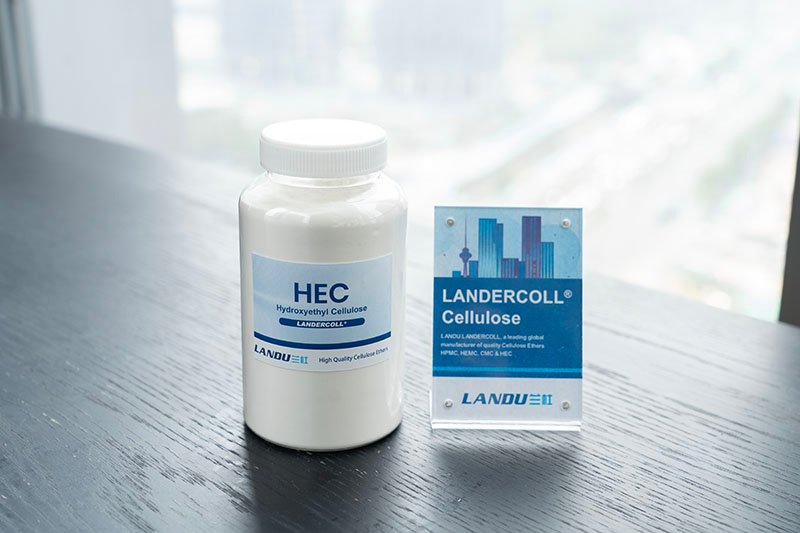
LANDERCOLL HEC tselluloos eeter aitab neutraalsete puhastusvahendite tootjatel saavutada usaldusväärset pehmet viskoossuse kontrolli, sujuvat toote tekstuuri, stabiilset voolavuskäitumist ja pikaajalist koostise järjepidevust põranda-, pinna-, köögi-, vannitoa-, pihustus-, paksendatud ja kontsentraadi vormingutes.
Alates madala viskoossusega pihustus- ja puhastusvahenditest kuni paksendatud neutraalsete vedelike ja kontsentreeritud lahjendussüsteemideni – õige HEC-klass tagab prognoositava reoloogia, kasutajasõbraliku pealekandmise ja ühtlase tarbijakogemuse välismaistele tootjatele ja kemikaaliostjatele.

Põrand · Pind · Köök · Vannituba · Pihusti · Paksendatud · Kontsentraat
 Kiire vastus
Kiire vastusHüdroksüetüültselluloos (HEC) on peamine tselluloosi eeter, mida kasutatakse neutraalsete puhastusvahendite koostistes. See tagab mõõduka viskoossuse kontrolli, sileda tootetekstuuri, kontrollitud voolamiskäitumise, suspensiooni stabiilsuse ja säilitusstabiilsuse põrandapuhastusvahendites, pinnapuhastusvahendites, pihustuspuhastusvahendites, paksendatud puhastusvahendites ja kontsentreeritud neutraalsetes puhastussüsteemides. CMC ja HPMC võib kaaluda valitud eri- või kohandatud neutraalsetes puhastussüsteemides pärast ühilduvuse testimist.
Võtmejõudlus, ühilduvus ja tarneviited välismaistele neutraalsete puhastusvahendite tootjatele ja kemikaaliostjatele.
Otsite tsellulooseetri soovitust oma neutraalse puhastusvahendi koostise jaoks?
Küsi neutraalse puhastusvahendi soovitust Küsi hinnapakkumist


Neutraalsed puhastusvahendid on puhastustooted, mis on valmistatud neutraalse või sellele lähedase pH-ga – tavaliselt pH vahemikus 6–8 – ja mis on mõeldud igapäevaseks puhastamiseks, kus peamisteks nõueteks on õrnus, pinnasobivus ja kasutajasõbralikkus. Neid kasutatakse põrandatel, plaatidel, tihendatud pindadel, plastikul, värvitud seintel, mööblil ja tööpindadel, kus tugevad happelised või aluselised puhastusvahendid võivad kahjustusi tekitada.
Viskoossuse ja reoloogia juhtimine on neutraalsete puhastusvahendite kvaliteedi keskne osa. Tselluloos eeter — peamiselt HEC (hüdroksüetüültselluloos) — tagab usaldusväärse madala viskoossuse kontrolli, sileda tekstuuri, stabiilse voolamiskäitumise ja ühtlase koostise toimivuse, mõjutamata puhastuskemikaali.
Ilma tõhusa paksendamiseta seisavad neutraalsed puhastusvahendid silmitsi kriitiliste väljakutsetega: vesine välimus pudelis, ebaühtlane pihustusmuster, raske valamiskontroll, opakifikaatori settimine, partiidevaheline viskoossuse varieeruvus ja tarbija jaoks vähenenud toote tajutav väärtus.
LANDERCOLL pakub HEC-d ja valitud tsellulooseetrite klasse neutraalsete puhastusvahendite tootjatele, kes vajavad usaldusväärset õrna viskoossuse kontrolli, siledat tekstuuri, stabiilset voolukäitumist ja järjepidevat koostise toimivust erinevates puhastusvahendite vormingutes ja tootmiskeskkondades.
HEC loob maheda, stabiilse viskoossuse ja reoloogiavõrgustiku, mis võimaldab neutraalsel puhastusvahendil säilitada sobivat viskoossust, voolata sujuvalt pealekandmisel, omada stabiilset keha pudelis ning tagada ühtlane tekstuur tootmispartiide lõikes.
LANDERCOLL pakub HEC-d peamise tsellulooseetri soovitusena neutraalsete puhastusvahendite jaoks, kusjuures CMC ja HPMC on saadaval valitud spetsiaalsüsteemide jaoks.
Primaarne · Mitteioonne · HEC
Mitteioonne tselluloosieeter kerge viskoossuse kontrolliks, sileda tekstuuri ja stabiilse neutraalse puhastusvahendi reoloogia jaoks.
HEC on mitteioonne, vees lahustuv tsellulooseeter, mida kasutatakse laialdaselt vesialuselistes neutraalsetes puhastusvahendites. See loob veefaasis kerge viskoossuse, aitab luua stabiilse ja ühtlase toote struktuuri, toetab kontrollitud voolamist kasutamise ajal ning säilitab ühtlase tekstuuri ladustamise ja kasutamise vältel. Sobib neutraalsetele põrandapuhastusvahenditele, pinnapuhastusvahenditele, köögipuhastusvahenditele, vannitoapuhastusvahenditele ja valitud pihustuspuhastussüsteemidele.
 Anioonne · CMC · Valitud süsteemid
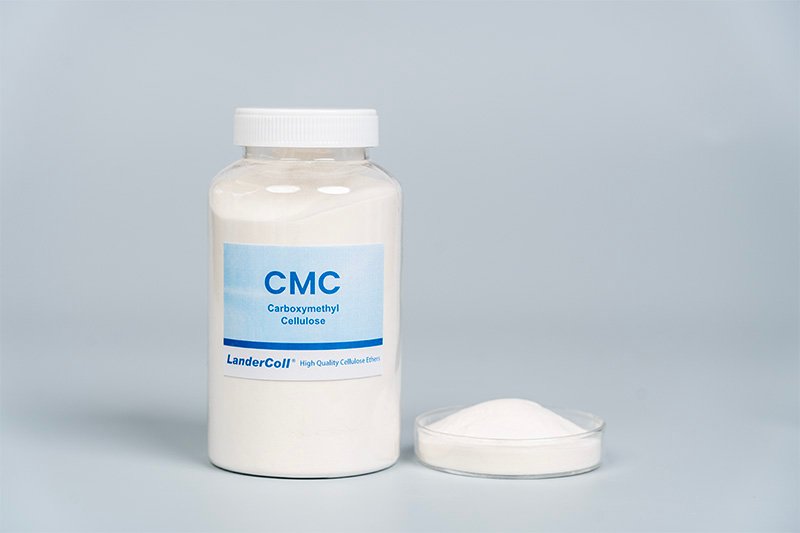
Karboksümetüültselluloos valitud suspensioonitoe, toote keha ja koostise konsistentsi vajaduste jaoks.
CMC-d võib kaaluda valitud neutraalsetes puhastusvahendi koostistes, kus suspensiooni toetamine, viskoossuse panus või kulude ja jõudluse tasakaal on prioriteet. Oluline: CMC on anioonne polümeer; ühilduvust elektrolüütide, soolade, pindaktiivsete ainete ja teiste koostisosadega tuleb enne kasutamist katseliselt kinnitada.
 Spetsiifika · HPMC · Geelsüsteemid
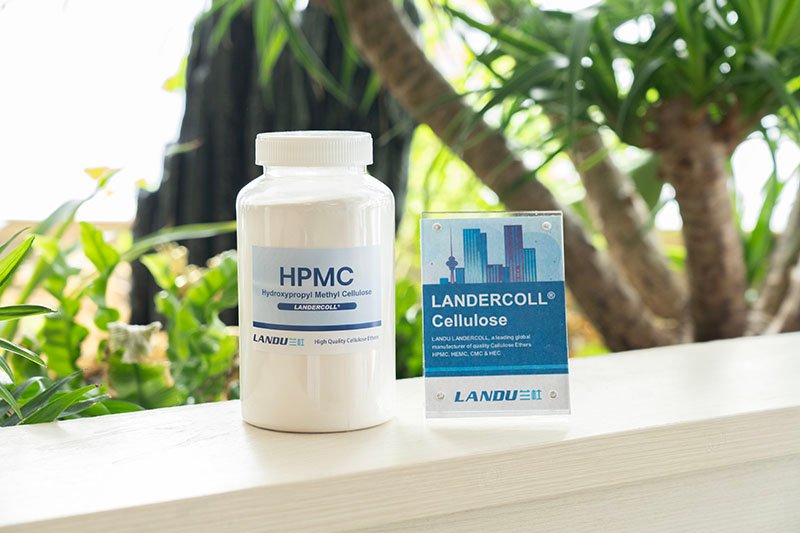
Hüdroksüpropüülmetüültselluloos spetsiifiliseks paksendamiseks, kontrollitud reoloogiaks ja kohandatud puhtama tekstuuri jaoks.
HPMC-d võib kaaluda spetsiaalsetes neutraalsetes puhastusvahendites või geel-tüüpi kodupuhastustoodetes, kus on vajalik spetsiifiline reoloogiline käitumine, kilet moodustavad omadused või kohandatud geeli tekstuur. Lõplik jõudlus tuleb kinnitada koostise testimise kaudu, kuna pindaktiivse aine tüüp, lahusti tase, elektrolüütide sisaldus ja tootmismeetod võivad kõik mõjutada HPMC jõudlust.
Neutraalsed puhastusvahendi koostised varieeruvad sõltuvalt tootevormingust, sihtpinnast ja puhastusnõudest. Allolev tabel annab üldise ülevaate tavalistest komponentidest.
| Komponent | Function in Neutral Cleaners |
|---|---|
| Vesi | Peamine lahusti ja kandjafaas |
| Õrnad pindaktiivsed ained | Tagage niisutamine, puhastamine ja mustuse eemaldamine |
| Tselluloosi eeter (HEC / CMC / HPMC) | Paranda viskoossust, tekstuuri, voolavust, suspensiooni ja stabiilsust. |
| Lahustid | Toeta rasva eemaldamise ja kuivamiskäitumist valitud süsteemides |
| Kelaatuvad ained | Toeta vee kareduse kontrolli ja puhastustõhusust |
| pH regulaatorid | Säilitada peaaegu neutraalne pH ja koostise stabiilsus |
| Säilitusained | Kaitse vesipõhiseid koostisi mikroobide kasvu eest. |
| Lõhn | Paku toote lõhna |
| Värvained / Opakatsiooniained | Paranda välimust valitud toodetes |
| Muud lisandid | Kohanda vahtu, läbipaistvust, pühkimistunnet või erilist jõudlust |
| Neutraalse puhastusvahendi tüüp | Soovitatav toode | Peamised nõuded |
|---|---|---|
| Neutraalne põrandapuhastusvahend | HEC | Mild viscosity, dilution stability, smooth flow |
| Neutraalne pinnapuhastusvahend | HEC / selected cellulose ether | Product body, wiping feel, formulation consistency |
| Neutraalne köögipuhastusvahend | HEC | Texture, grease-cleaning system compatibility |
| Neutraalne vannitoapuhastusvahend | HEC / selected cellulose ether | Controlled flow, stable appearance |
| Pihustatav neutraalne puhastusvahend | Low viscosity HEC | Sprayability, low residue feel, stable viscosity |
| Paksendatud neutraalne puhastusvahend | HEC | Product body, controlled flow, surface contact time |
| Kontsentreeritud neutraalne puhastusvahend | HEC / selected cellulose ether | High-active compatibility, viscosity balance |
| Opaque Neutral Cleaner | HEC / selected CMC | Suspension support, stable opaque appearance |
These ranges are starting references only. Final dosage must be confirmed through viscosity testing, spray testing, dilution stability testing, surface wiping evaluation, compatibility testing, storage stability evaluation, and consumer-use trials.
| Neutral Cleaner Application | Typical Reference Dosage |
|---|---|
| Neutraalne põrandapuhastusvahend | 0.05% – 0.4% |
| Neutraalne pinnapuhastusvahend | 0.1% – 0.6% |
| Neutraalne köögipuhastusvahend | 0.1% – 0.6% |
| Neutraalne vannitoapuhastusvahend | 0.1% – 0.7% |
| Pihustatav neutraalne puhastusvahend | 0.05% – 0.3% |
| Paksendatud neutraalne puhastusvahend | 0.2% – 0.9% |
| Kontsentreeritud neutraalne puhastusvahend | 0.2% – 0.8% |
| Opaque Neutral Cleaner | 0.2% – 0.8% |
Cellulose ether influences mild viscosity development, smooth texture, controlled flow, suspension stability, wiping performance support, and long-term storage performance in water-based neutral cleaner systems.
HEC helps adjust neutral cleaner viscosity to create a stable, user-friendly product body without making the cleaner too heavy, stringy, or difficult to apply. This is especially important where the mild surfactant system may not contribute significantly to product viscosity on its own.
A smooth and uniform texture improves product appearance in the bottle and consumer acceptance during use. Cellulose ether helps reduce the watery feel of low-surfactant formulations and supports consistent, pleasant flow behavior across different temperatures.
Neutral cleaners may be poured, sprayed, wiped, or diluted before use. Cellulose ether helps create flow behavior that matches the intended application method — fluid enough for spraying or pouring, yet stable enough to maintain body during storage.
Some neutral cleaners contain opacifiers, fragrance droplets, particles, colorants, or functional additives that require stable distribution throughout the product. Cellulose ether can support suspension stability when properly matched with the complete formulation system.
Cellulose ether helps improve product handling during wiping or spreading on surfaces. Final residue behavior, streaking tendency, and surface feel depend on the complete formulation design, dosage level, and the specific surfaces being cleaned.
A suitable cellulose ether grade helps maintain stable appearance, viscosity, and suspension during storage — reducing separation, viscosity drift, settling, and inconsistent performance across different temperatures and conditions.
When neutral cleaner fails viscosity, flow, or stability targets, cellulose ether grade, dosage, hydration, or compatibility is often the first variable to review.
Low viscosity or weak thickening system.
HEC supports mild viscosity control and product body.
Unsuitable rheology or excessive thickening.
Adjust grade selection and dosage level.
Poor suspension or formulation imbalance.
Support suspension stability through grade selection.
Viscosity too high or wrong rheology profile.
Use lower viscosity grade and optimize dosage.
Excessive polymer dosage or unsuitable grade.
Adjust dosage and full formulation balance.
Surfactant, solvent, electrolyte, or temperature interaction.
Test compatible grade with full formulation system.
Poor dispersion or hydration method.
Improve addition sequence and mixing process.
Ingredient incompatibility or poor storage stability.
Review full formulation compatibility.
Neutral cleaner formulations, while milder than acidic or alkaline cleaners, still contain multiple ingredients that can influence cellulose ether performance.
Neutral cleaners are typically formulated in the pH 6–8 range. While generally favorable for cellulose ether stability, the exact pH, buffering system, and pH adjuster type can still affect viscosity development and long-term product stability.
Surfactant type, concentration, and combination affect cleaning performance, foam behavior, product clarity, viscosity response, and cellulose ether compatibility. Mild surfactant systems common in neutral cleaners may require careful grade selection to achieve the desired viscosity profile.
Solvents may support cleaning performance and quick-drying behavior but can also influence cellulose ether hydration, product clarity, viscosity development, and long-term stability. Solvent type and concentration should be evaluated during formulation testing.
Salts, chelating agents, and builders can influence viscosity response, product clarity, and long-term stability. High-electrolyte systems may require specific HEC grades with appropriate substitution levels.
Sprayable, pourable, concentrated, thickened, and ready-to-use neutral cleaners each require different viscosity targets and flow profiles. Grade selection must match the intended product format and application method.
Neutral cleaners are often used on multiple surface types. Wiping feel, residue behavior, streaking tendency, and surface finish quality should all be tested on the target surfaces before finalizing the formulation.
Fragrance oils and preservatives can influence product clarity, viscosity stability, and long-term storage performance. Compatibility should be confirmed during formulation development.
Addition sequence, dispersion quality, hydration time, mixing speed, and water temperature all affect cellulose ether dispersion and final viscosity development. Poor dispersion leads to lumps, fish eyes, and inconsistent viscosity across production batches.
Choosing the right cellulose ether requires balancing viscosity target, application method, surface compatibility, wiping feel, sprayability, suspension stability, product clarity, and storage performance.
 Grade Selection Guide
LANDERCOLL can review your neutral cleaner formulation direction and recommend suitable HEC, CMC, or selected cellulose ether grades for testing.
Sprayable, pourable, thickened, concentrated, or ready-to-use?
What target viscosity is required for the intended format?
What surfactant system and loading level are used?
What is the final pH range of the formulation?
Are solvents, chelating agents, or salts included?
Clear, opaque, or does it contain suspended particles?
Is low residue or streak-free wiping important?
What surface types will the cleaner be used on?
What fragrance and preservative system is used?
What temperature range and shelf life are expected?
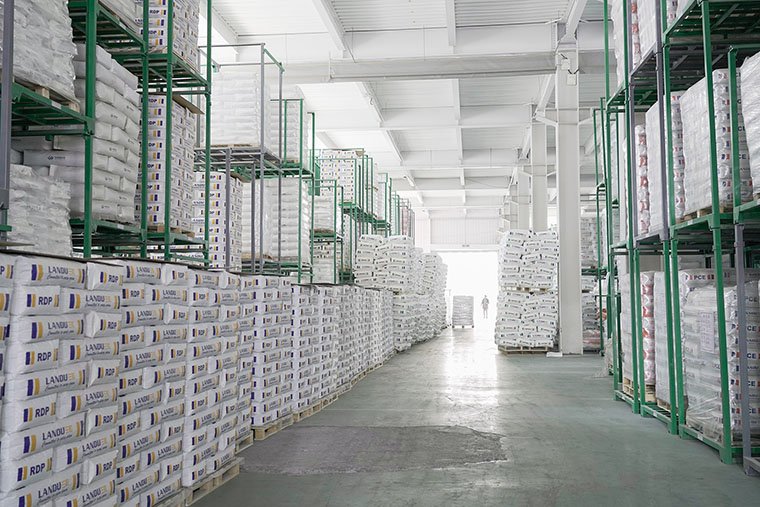
LANDERCOLL provides product-related documentation to support neutral cleaner formulation testing, purchasing review, quality approval, and import compliance.
 Formulation & Performance Evaluation
Supporting neutral cleaner development with complete technical documentation.
— LANDERCOLL R&D —Product specifications and performance data for formulation review.
Safety, handling, and regulatory information (SDS / MSDS).
Batch quality confirmation supplied per shipment.
Overview of cellulose ether range and application areas.
Formulation guidance and usage recommendations.
Grade recommendation for specific neutral cleaner applications.
Handling, shelf life, and storage condition reference.
Available where applicable for international orders and import compliance.
All documents supplied upon request to support formulation review, quality approval, and import compliance.
Taotle tootedokumenteHEC grade selection for mild viscosity control and smooth texture
Sprayable or thickened neutral cleaner rheology adjustment
Suspension stability discussion and testing direction
Wiping feel, flow control, and surface contact support
Compatibility review for different surfactant and pH systems
Dosage reference for different neutral cleaner types
Sample provision and quotation communication
If your neutral cleaner is too thin, unstable during storage, difficult to spray, sticky during wiping, separating in the bottle, forming lumps, or showing viscosity drift between batches or over time, the cellulose ether grade or dosage may need to be reviewed.
LANDERCOLL can help evaluate suitable HEC, CMC, and selected cellulose ether options based on your product format, surfactant system, pH, solvent level, viscosity target, surface requirement, and storage condition.
HEC (Hydroxyethyl Cellulose) is the most commonly used cellulose ether in neutral cleaner formulations. It provides mild viscosity control, smooth texture, rheology adjustment, and formulation stability. CMC and HPMC may be considered in selected customized systems after compatibility testing.
HEC dissolves in the water phase and builds mild viscosity, product body, and a stable rheology profile. In neutral cleaners, this improves smooth texture, supports controlled flow during spraying or wiping, helps suspend opacifiers and particles, and maintains stable consistency during storage.
Yes. Low viscosity HEC or selected cellulose ether grades may be used in sprayable neutral cleaners. Dosage must be carefully controlled — typically in the range of 0.05%–0.3% — to maintain good sprayability and avoid nozzle performance issues.
Cellulose ether primarily supports viscosity, texture, suspension, and application stability — not cleaning chemistry. Cleaning performance depends on surfactants, solvents, chelating agents, pH, water quality, and application conditions. However, improved flow control may support longer surface contact time during cleaning.
A common reference dosage range is approximately 0.05%–0.9% by formulation weight, depending on product format, target viscosity, surfactant system, solvent level, and cellulose ether grade. Spray and floor cleaners typically use lower dosages; thickened and concentrated formats use higher dosages. Final dosage must be confirmed through testing.
Separation may be caused by poor suspension system design, surfactant incompatibility, solvent effects, electrolyte level, temperature fluctuations, preservative interaction, or an unsuitable cellulose ether grade. A full formulation compatibility review is recommended.
Sticky feel may be caused by excessive cellulose ether dosage, an unsuitable viscosity grade, poor surfactant balance, high polymer solids, or insufficient wiping performance optimization in the formulation design.
Start by defining your product format, target viscosity, application method, pH, surfactant system, solvent level, clarity or suspension requirement, surface compatibility, storage conditions, and production process. LANDERCOLL can review your formulation direction and recommend suitable HEC or selected cellulose ether grades for evaluation and testing.
Whether you produce neutral floor cleaner, neutral surface cleaner, neutral kitchen cleaner, neutral bathroom cleaner, sprayable neutral cleaner, thickened neutral cleaner, concentrated neutral cleaner, or opaque neutral cleaner — LANDERCOLL can help you choose the right cellulose ether grade for better mild viscosity control, smooth texture, controlled flow, suspension stability, and formulation consistency.
Our team can provide grade recommendations, dosage references, technical data sheets, samples, and quotations to support your formulation development and purchasing process.
LANDERCOLL cellulose ether products are manufactured for industrial and commercial use. All formulation data, dosage references, and application guidance provided are for general reference only. Final product performance must be confirmed through testing under your specific formulation, process, and storage conditions.