Tselluloos eetri tipptase — usaldatud enam kui 1000 ettevõtte poolt üle maailma Hangi tasuta proovi
CAS 9004-65-3 · E464 EINECS 618-389-1

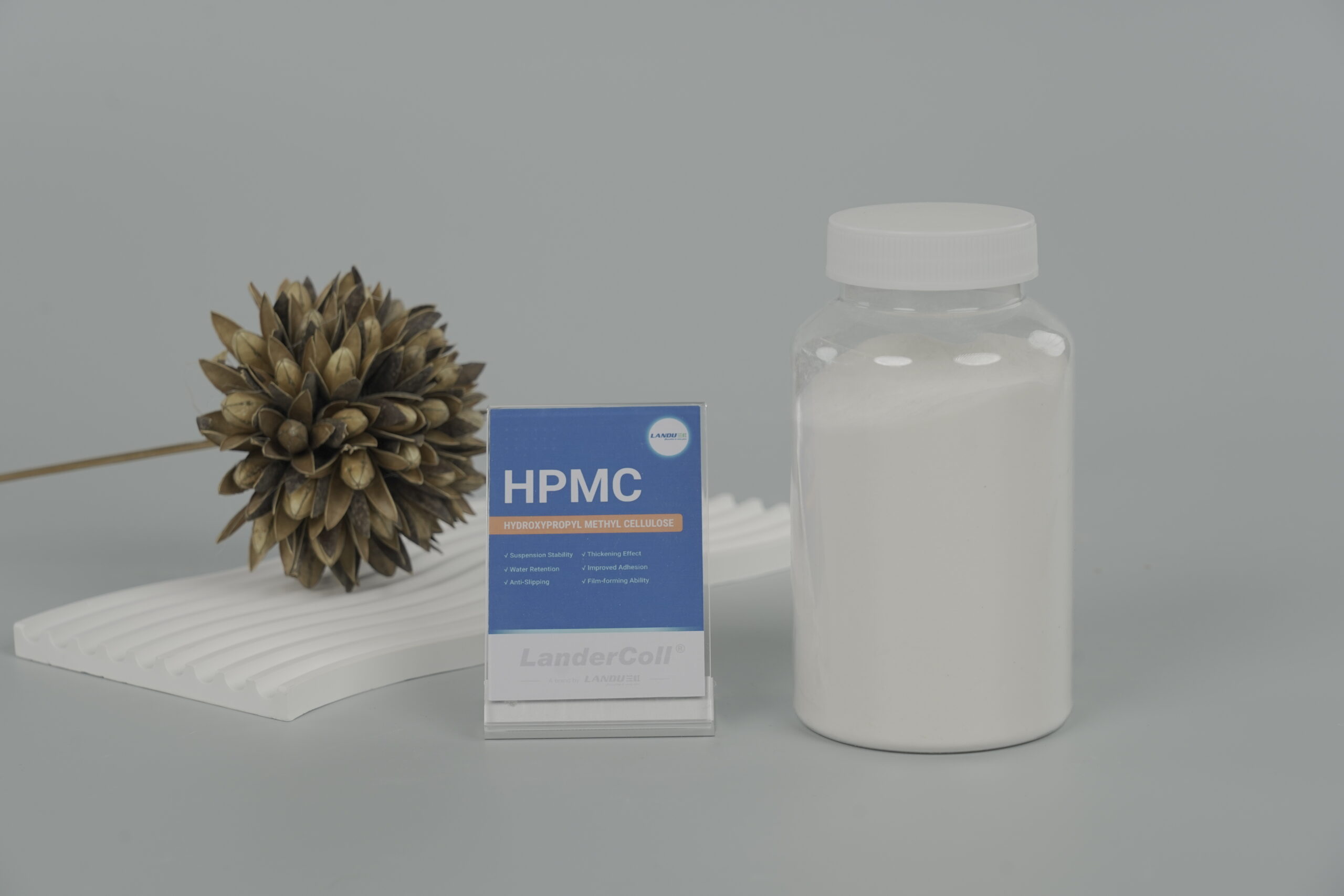
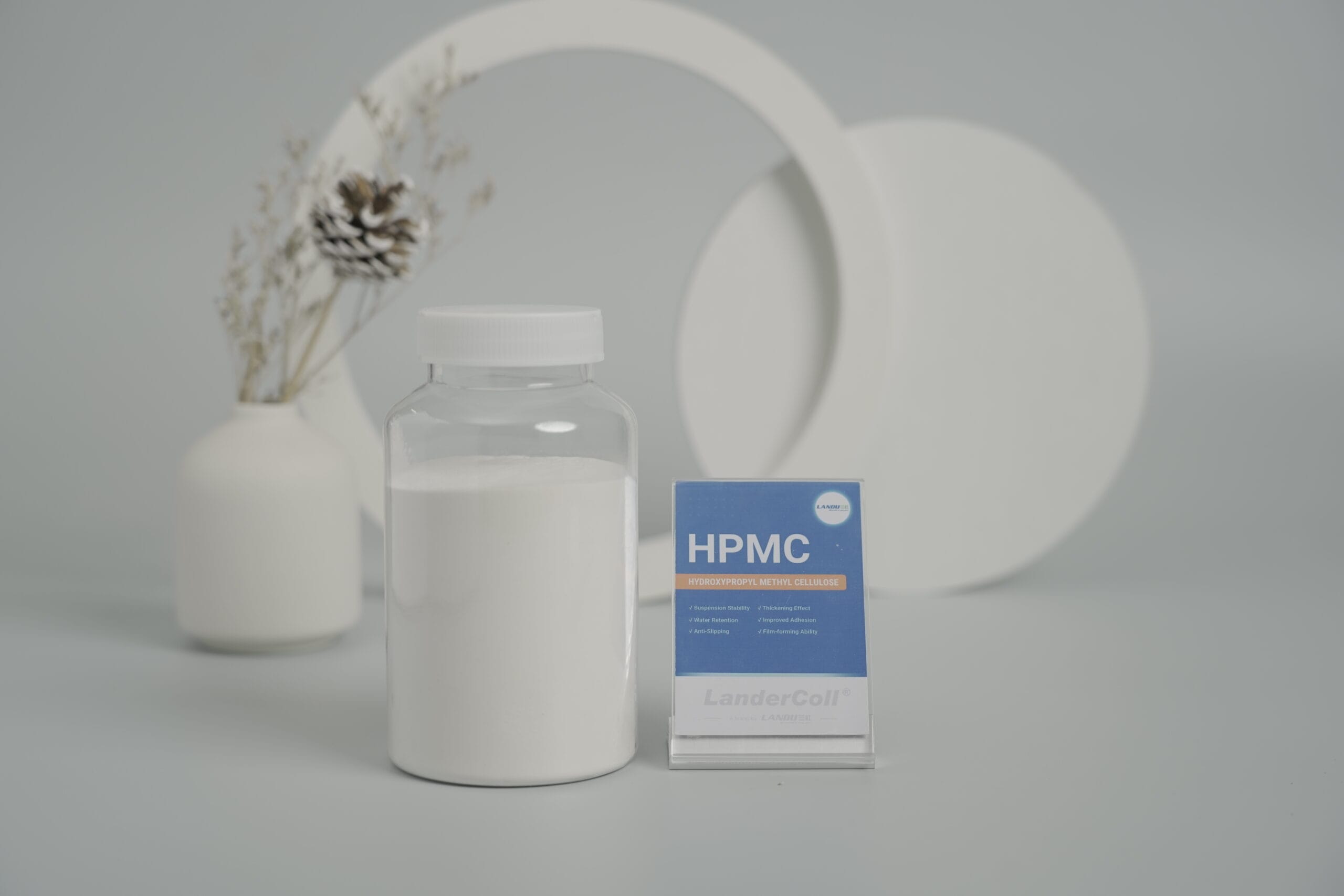
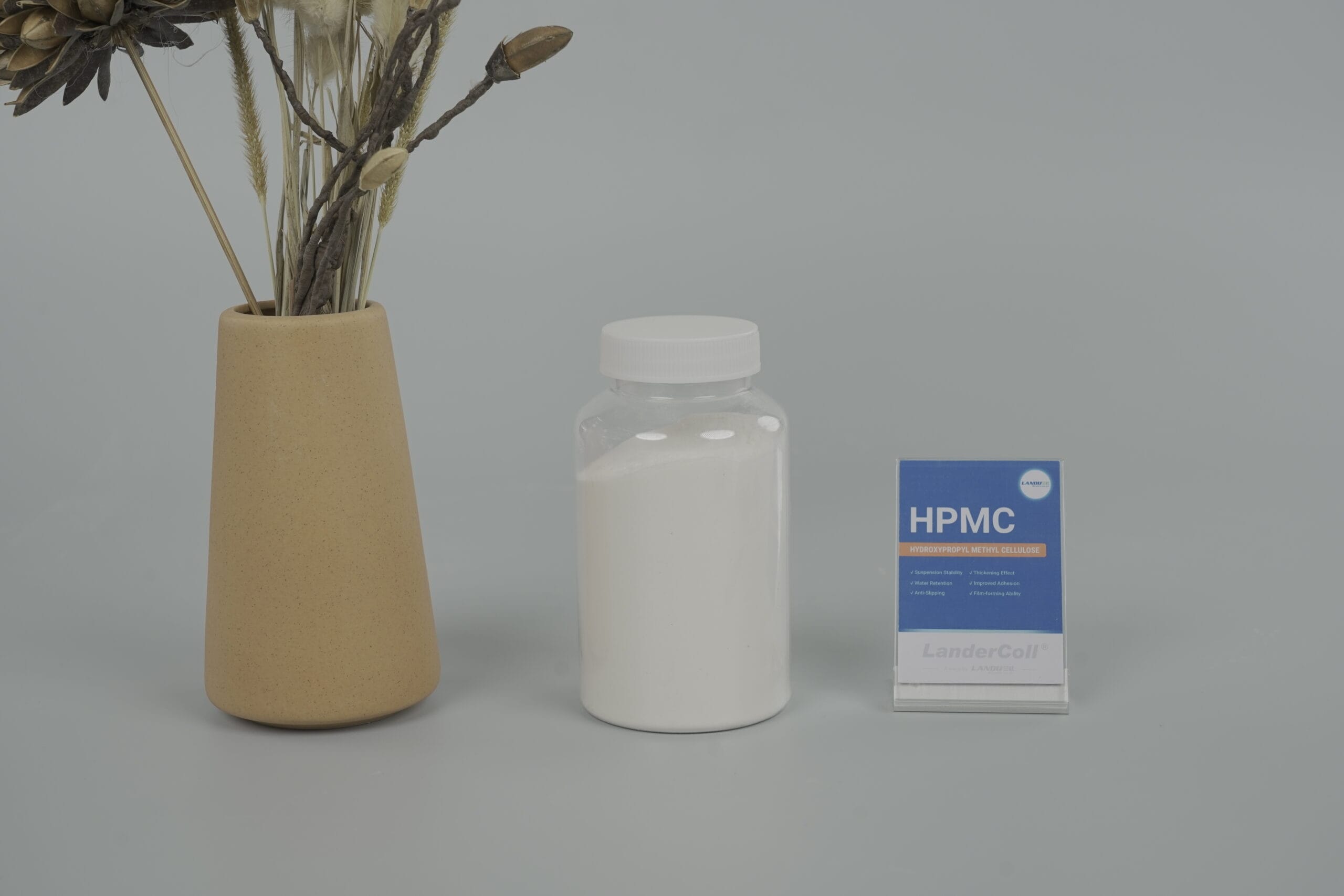
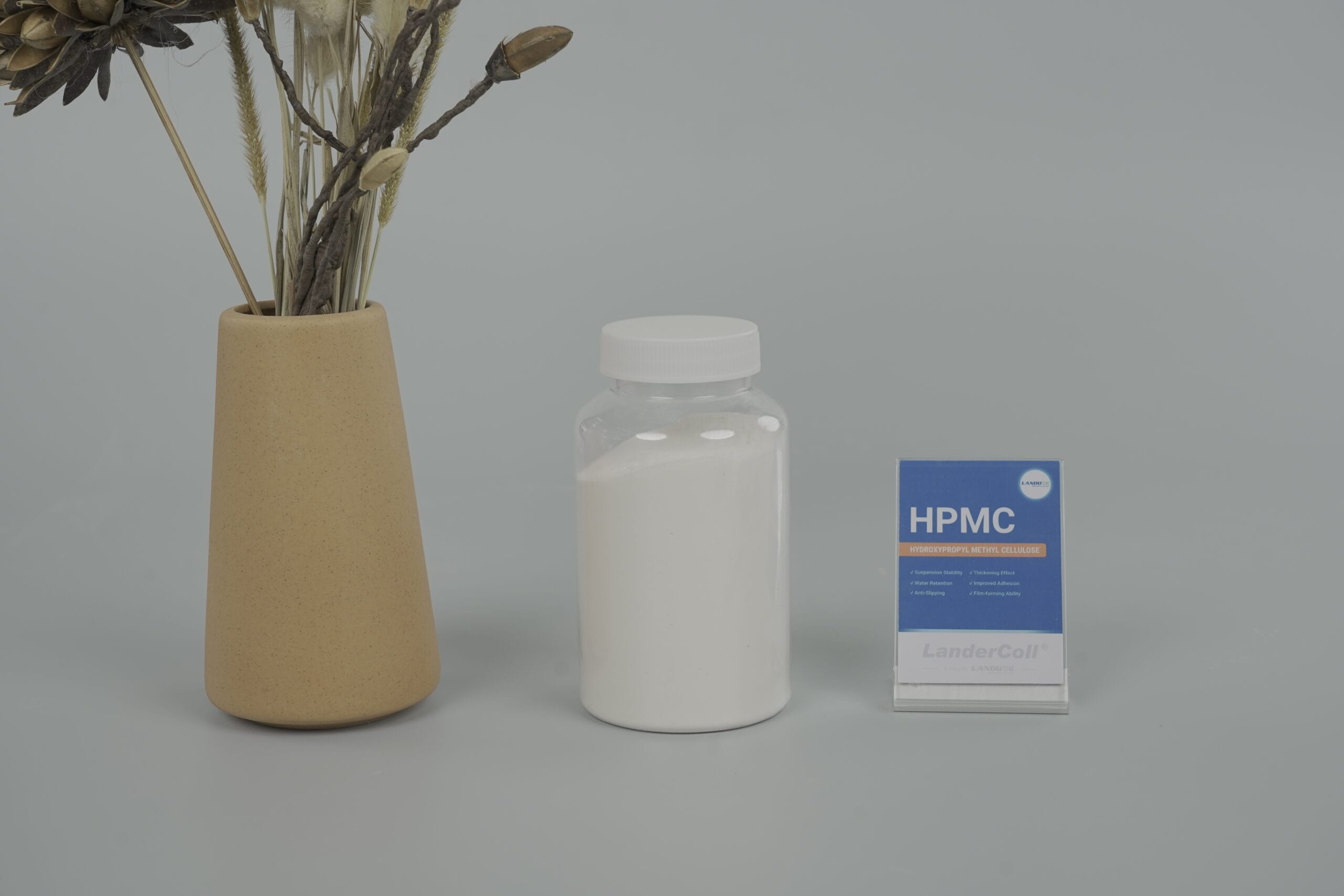
HPMC Hüdroksüpropüülmetüültselluloos

Definitsioon, keemia ja tööstuslik roll — täielik juhendmaterjal koostajatele ehitus-, farmaatsia-, toidu-, isikuhooldus- ja tööstussektoris.

HPMC on vees lahustuv, mitteioonne tselluloosi eeter, mis on toodetud puidumassist või puuvillalinterist saadud loodusliku tselluloosi keemilise modifitseerimise teel. See pakub mitmeid funktsionaalseid eeliseid – vee kinnipidamine, paksendamine, kile moodustamine, sidumine ja töödeldavuse parandamine – ühes mitmekülgses koostisosas.

~ Kiirviide ~
Täisnimi Hüdroksüpropüülmetüültselluloos
CAS nr. 9004-65-3
Toidukoodeks E464
Iooniline tüüp Mitteioonne
Lahustuvus Külmas vees lahustuv
Farma Nimi Hüpromelloos
Välimus Valge kuni kreemikas pulber
Keemia
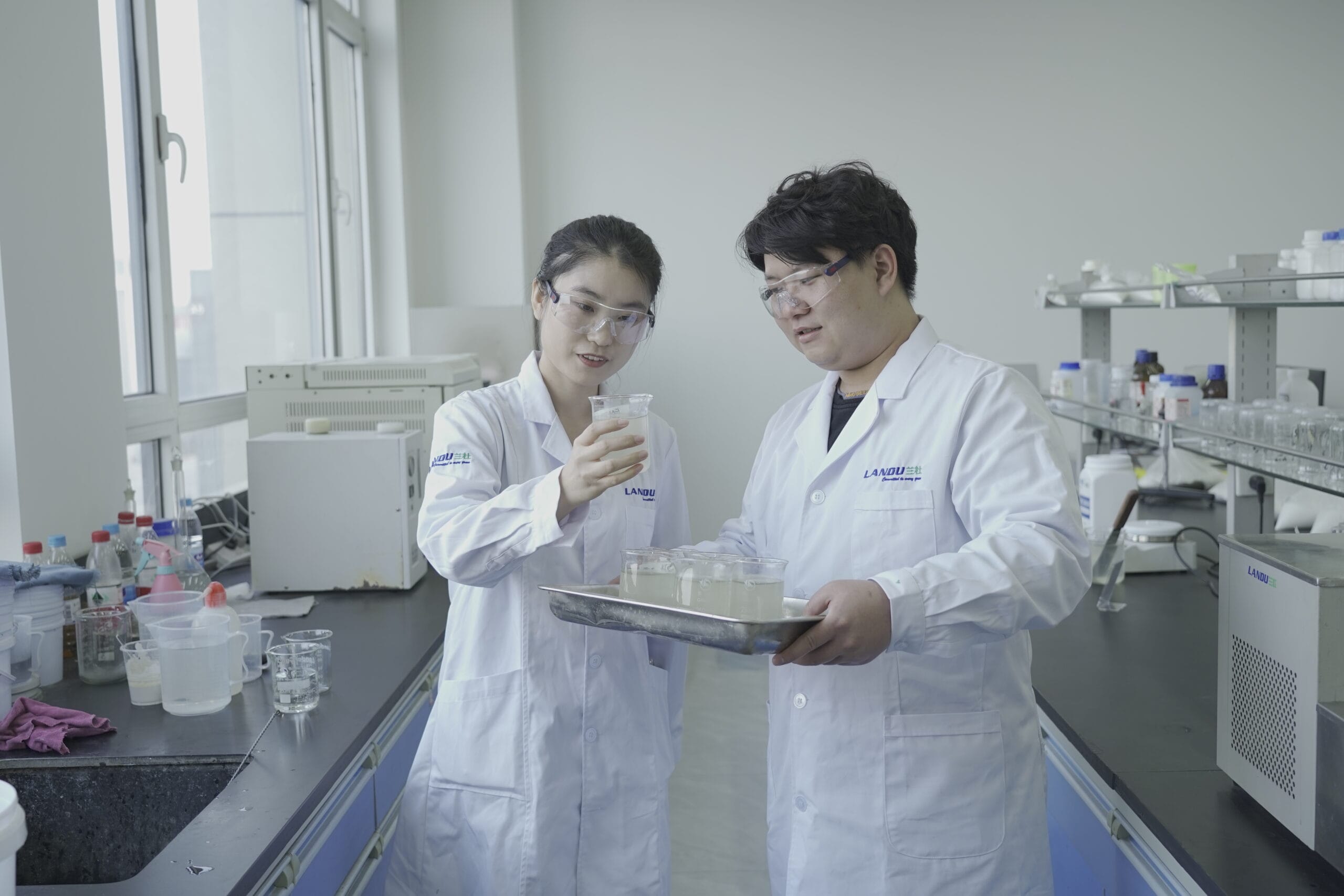
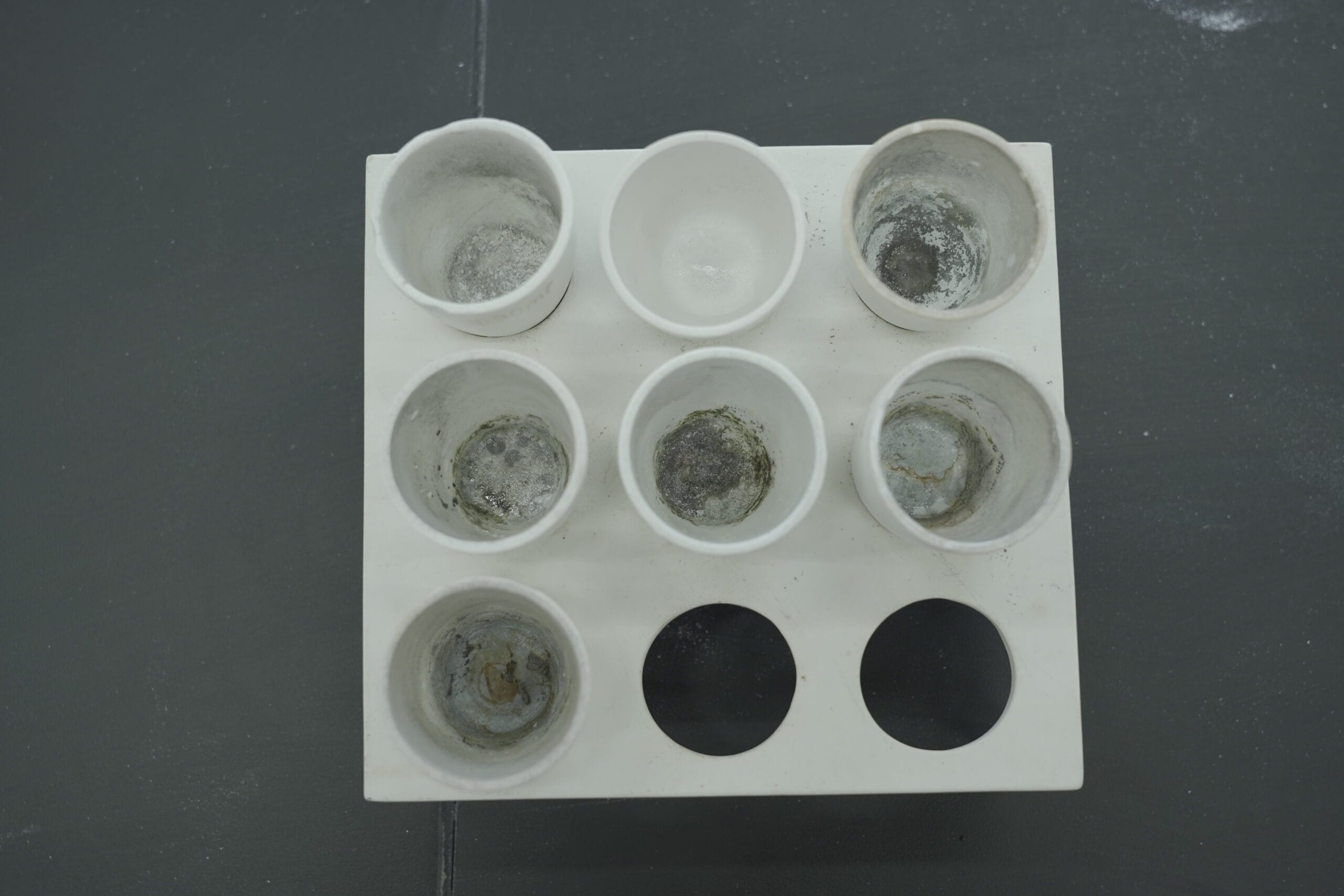
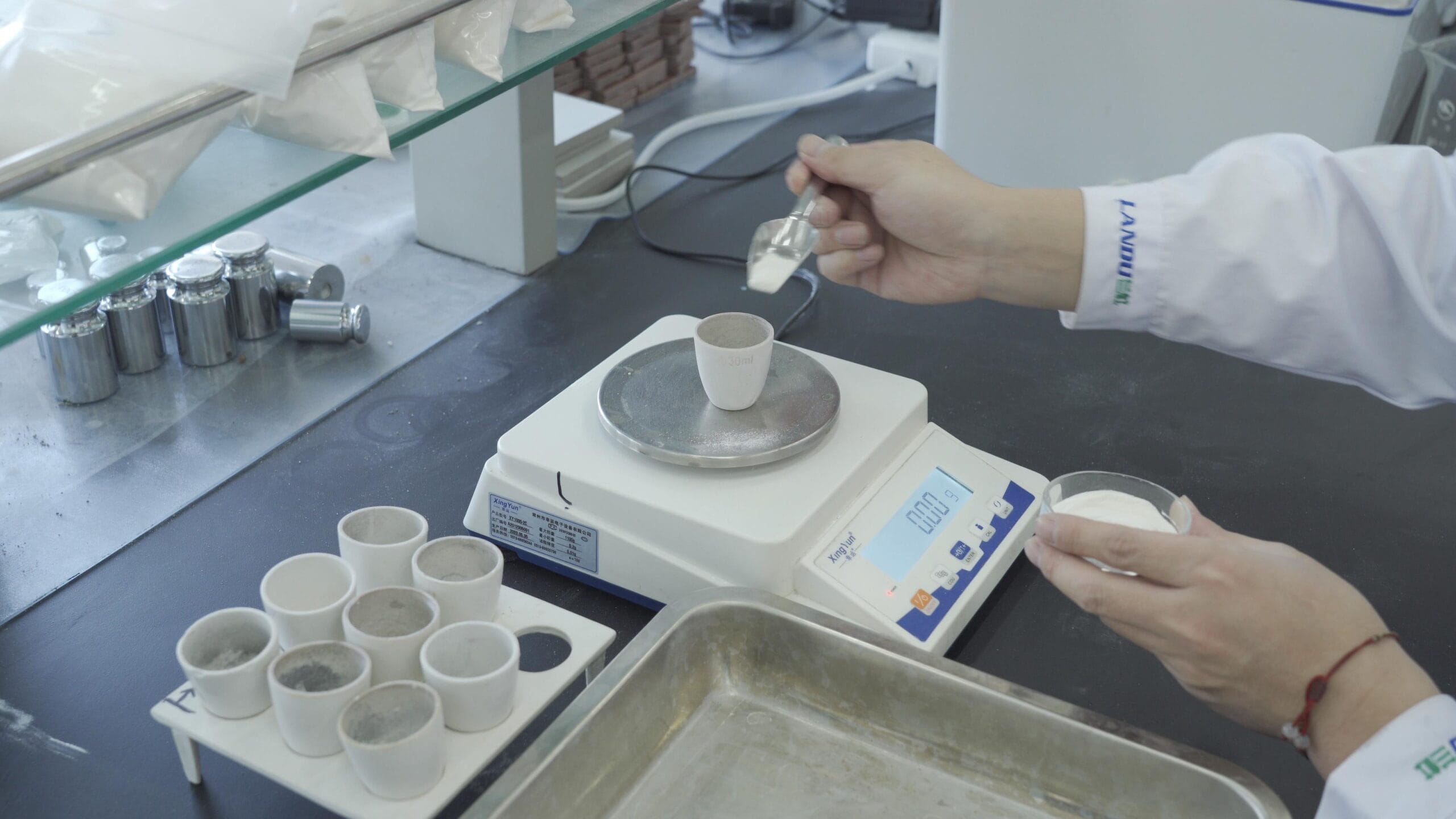
Cellulose ether chemistry lab
DS·MS Asendamine
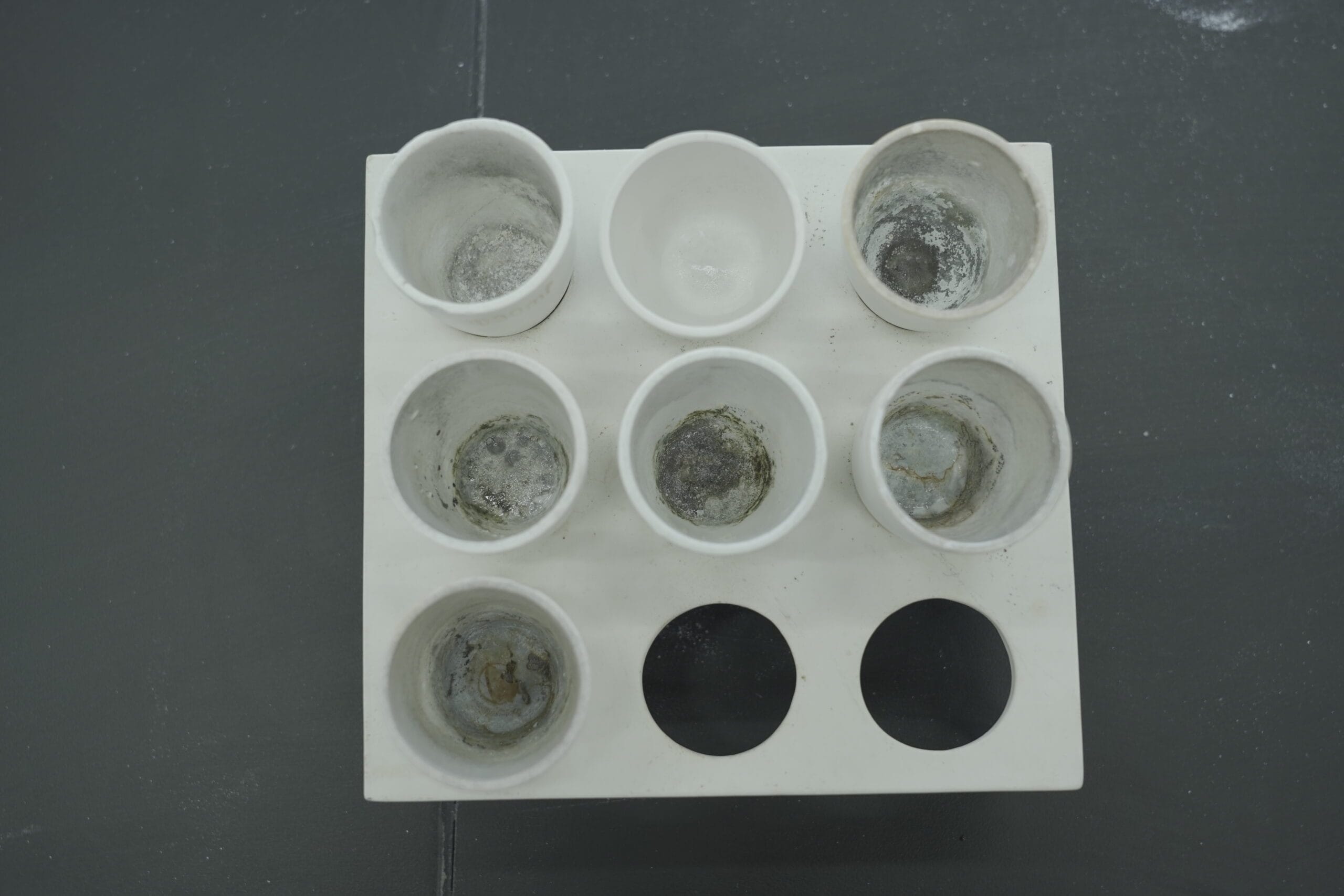
Lab analysis Chemical structure
Mis on HPMC?

Definitsioon, keemia,
ja Tööstuslik roll

HPMC toodetakse puhastatud tselluloosi reageerimisel metüülkloriidi ja propüleenoksiidiga kontrollitud aluselistes tingimustes. See protsess lisab tselluloosi põhiahelasse kahte tüüpi asendusrühmi, millest igaüks mõjutab lõpptoote jõudlusprofiili erineval viisil.

Metoksüülrühmad (–OCH₃)

Kontrollige tsellulooseetri lahustuvust, termilist geelistumiskäitumist ja pindaktiivsust.

Hüdroksüpropoksüülrühmad

Mõjutavad vee sidumisvõimet, viskoossuse teket ja sobivust teiste koostisosadega.

Nende kahe asendusrühma kombinatsioon ja suhe – väljendatuna metüülasenduse astmena (DS) ja hüdroksüpropüüli molaarse asendusena (MS) – määravad klassi toimivusprofiili. Viskoossus, mida mõõdetakse 2% vesilahuses Brookfieldi või Ubbelohde meetoditega, on kõige sagedamini viidatud parameeter klassi valikul, ulatudes sõltuvalt klassist alla 100 mPa·s kuni üle 200 000 mPa·s.

Miks HPMC-d laialdaselt kasutatakse

HPMC on mitteioonne – ühildub paljude lisandite, pindaktiivsete ainete, soolade ja pH-tingimustega. See on ka biolagunev, lõhnatu, maitsetu ning vaba loomsetest toorainetest, muutes selle sobivaks reguleeritud ja tundlikeks rakendusteks alates kuivsegumörtidest kuni farmaatsia abiainete ja toidusüsteemideni.

Tehnilised andmed

HPMC tehniline
Viiteandmed

Järgmine tabel annab üldise tehnilise viite hüdroksüpropüülmetüültselluloosi kohta. Täpsed väärtused varieeruvad sõltuvalt toote klassist, viskoossuse tasemest, asendustüübist, osakeste suurusest, pinnatöötlusest ja testimismeetodist. See teave on mõeldud koostise viite lähtepunktina, mitte lõpliku toote spetsifikatsioonina.

KirjeTüüpiline viide
Toote nimetusHüdroksüpropüülmetüültselluloos
LühendHPMC
CAS nr.9004-65-3
Toidu lisaaine koodE464
VälimusValge kuni kreemikas pulber
Iooniline tüüpMitteioonne
Molekulaarne alusTselluloosi eeter (modifitseeritud looduslik tselluloos)
Tooraine allikasPuidumass või puuvillalinter
LahustuvusLahustub külmas vees; ei lahustu kuumas vees üle geelistumistemperatuuri; moodustab viskoosse lahuse
Termaalne geelistumineGeelistub kuumutamisel; lahustub uuesti jahutamisel (termiliselt pöörduv)
Viskoossuse vahemikMitu klassi: madal / keskmine / kõrge / väga kõrge viskoossus
Viskoossuse mõõtmineTavaliselt 2% vesilahuses (Brookfield või Ubbelohde)
PinnatöötlusTöödeldud (viivitatud hüdratatsioon) või töötlemata valikud saadaval
PH stabiilsusStabiilne ligikaudu pH 3–11 juures
Iooniline ühilduvusÜhilduv mitteioonsete, anioonsete ja paljude katioonsete süsteemidega
Peamised funktsioonidPaksendamine, vee kinnipidamine, kile moodustamine, sidumine, töödeldavus, stabiliseerimine
RakendussüsteemidKuivsegud, vedelad, pooltahked, farmaatsia, toit, tööstus
Saadaolevad dokumendidTDS, SDS, COA, tootesoovitused saadaval nõudmisel.

Tähtis: See tabel on ainult üldine viide. Täpse viskoossuse, pH, niiskusesisalduse, tuhasisalduse, osakeste suuruse jaotuse, metoksüülisisalduse, hüdroksüpropoksüülisisalduse ja klassispetsiifiliste väärtuste saamiseks paluge LANDERCOLLilt ametlikku TDS-i või COA-d.

Klassid
Hinde viide

HPMC tooteklassid —
Viskoossus ja pealekandmise viide

LANDERCOLL HPMC on saadaval mitmes viskoossustaseme, pinnatöötluse, lahustumiskäitumise ja sihtrakenduse põhises klassi suunas. Allolev teave on mõeldud toote valiku juhendina. Lõplik klassi valik tuleb alati kinnitada koostise testimise ja otsese tehnilise arutelu kaudu meie meeskonnaga.

i.
Madala viskoossusega HPMC
Tavaliselt alla 5 000 mPa·s
Katted, farmatseutiliste tablettide katmine, toidusüsteemid, valitud vedelad preparaadid.
Kile moodustumine · Kerge paksenemine · Voolu kontroll
ii.
Keskmise viskoossusega HPMC
Tavaliselt 5 000–50 000 mPa·s
Seinapahtel, silumiskiht, pesuaine, isikuhooldus, üldised tööstussüsteemid.
Tekstuur · Viskoossuse suurendamine · Sile töödeldavus
iii.
Kõrge viskoossusega HPMC
Tavaliselt 50 000–150 000 mPa·s
Plaadiliim, tsementkrohv, kipskrohv, kuivsegumördisegud.
Veepeetus · Avatud aeg · Töödeldavus
iv.
Eriti kõrge viskoossusega HPMC
Tavaliselt üle 150 000 mPa·s
Kõrge jõudlusega plaatide liim, paksukihiline mört, vertikaalsed paigaldussüsteemid.
Tugev veepeetus · Vajumisvastane · Pikendatud avatud aeg
v.
Pinnatöötluse järgi hinded
Töödeldud või töötlemata valikud
Pinnatöödeldud

Hiline hüdratatsioon — lihtsam dispersioon, vähem tükke, kontrollitud lahustumine. Eelistatud kuivsegusüsteemides.

Mitte-pinnatöödeldud

Kiirem viskoossuse areng — kiire hüdratatsioon, sobib kiiresti lahustuvateks ja otsese hüdratatsiooniga preparaatideks.

Märkus: Ülaltoodud viskoossusvahemikud on ligikaudsed viited. Tegelikud LANDERCOLL HPMC klassid tuleks valida vastavalt teie koostisele, testimismeetodile, kasutuskeskkonnale ja nõutavale dokumentatsioonile. Konkreetsete klasside soovituste saamiseks võtke ühendust meie meeskonnaga.

Põhifunktsioonid

Võtmefunktsioonid
HPMC koostises

HPMC on multifunktsionaalne tselluloosueeter. Enamikes rakendustes pakub see korraga mitut funktsionaalset eelist. Allpool on struktureeritud ülevaade selle peamistest funktsioonidest erinevates süsteemitüüpides.

Water Retention
i.
Veepeetus

Tsemendi- ja kipsipõhistes süsteemides moodustab HPMC polümeervõrgustiku, mis füüsiliselt piirab vee liikumist. Kõrgema viskoossusega klassid ja suuremad annustasemed tagavad tugevama veepeetuse – vältides kiiret vee kadu, mittetäielikku hüdratatsiooni ja pinnapragunemist.

Thickening
ii.
Paksendamine ja viskoossuse reguleerimine

HPMC lahustub külmas vees, moodustades viskoosse, pseudoplastilise (nihketihenduva) lahuse. Viskoossus väheneb segamise ajal nihke mõjul ja taastub puhkeolekus – toetades nii töödeldavust kui ka paigalseisu stabiilsust kuivsegumörtides, detergentides, isikuhooldustoodetes ja kattekihtides.

Workability
iii.
Töödeldavuse parandamine

Kuivsegude ehitusmaterjalides muudab HPMC mördi siledamaks, sidusamaks ning kergemini laotatavaks, kellutavaks, kaabitsetavaks ja viimistletavaks. See on vee kinnipidamise, viskoossuse suurendamise ja määrimise koosmõju tulemus – eriti hinnatud plaadiliimides, seinapahtlites ja kipskrohvides.

iv.
Reoloogia kontroll

Toetab voolu reguleerimist, longuskindlust, tasanduskäitumist ja pealekandmise stabiilsust. Hoiab ära mördi libisemise vertikaalsetel pindadel, aitab kaasa kontrollitud voolule isetasanduvates segudes ning säilitab stabiilse viskoossuse kattekihtides ja pesuvahendites.

v.
Kile teke

HPMC moodustab pärast vee aurustumist pideva ja painduva kile – kasutatakse farmaatsiatablettide katmiseks, söödavates kiledesüsteemides, ehituskonstruktsioonide terviklikkuse tagamiseks ja valitud veepõhistes kattekihtides sideainekomponendina.

vi.
Sidumine, kohesioon ja suspensioon

Toetab struktuurset terviklikkust tablettide tootmisel, rohelist tugevust keraamikas ja kohesiooni kuivsegumörtides. Aitab säilitada pigmentide, täiteainete, mineraalpulbrite ja toimeainete ühtlast suspensiooni kattekihtides, detergentides ja farmaatsiasüsteemides.

Kasutusjuhend

HPMC rakendus
Valiku juhend

HPMC klassi valik peaks alati algama rakendusest. Plaadiliimi jaoks optimeeritud klass ei pruugi tingimata hästi toimida detergentides, isikliku hügieeni toodetes ega farmaatsiasüsteemides. Allolev tabel annab struktureeritud viite tavaliste rakenduste ja klasside sobitamiseks.

RakendusSoovitatav klassi suundPeamised jõudlusnõuded
PlaadiliimKõrge kuni eriti kõrge viskoossusVeepeetus, avatud aeg, libisemiskindlus, kellutustunne
Seinalahendus / SilumiskihtKeskmine kuni kõrge viskoossusSile kaapimine, veepeetus, pinnaviimistlus
TsementkrohvKeskmine kuni kõrge viskoossusTöödeldavus, laotatavus, veepeetus
KipsKeskmine kuni kõrge viskoossusSile pealekandmine, veemajandus, konsistents
Isetasanduvad segudMadal kuni keskmine viskoossusVoolu kontroll, stabiilsus, kontrollitud veepeetus
EIFS / ETICS mörtKõrge viskoossusAvatud aeg, vajumiskindlus, nakkumist toetav
HüdroisolatsioonimörtKeskmine kuni kõrge viskoossusTöödeldavus, ühtlane kate, stabiilne konsistents
MüürimörtKeskmine kuni kõrge viskoossusVeepeetus, töödeldavus, sideme tugi
RemondimörtKeskmine kuni kõrge viskoossusNakkumine, töödeldavus, veepeetus
Vedel pesuvahendKeskmine viskoossusTekstuur, viskoossus, säilitusstabiilsus
Isiklik hügieenMadal kuni keskmine viskoossusSmooth texture, viscosity control, stability
Pharmaceutical ApplicationsSuitable pharmaceutical gradeFilm coating, binding, controlled release, excipient
Food ApplicationsSuitable food grade (E464)Thickening, stabilization, texture control
KeraamikaKeskmine kuni kõrge viskoossusBinding, green strength, suspension
Veepõhised kattedMadal kuni keskmine viskoossusThickening, film formation, particle suspension
Industrial AdhesivesKeskmine kuni kõrge viskoossusBinding, cohesion, process stability

Grade direction is a starting reference. Final selection should be confirmed through laboratory testing under your specific formulation conditions, water quality, temperature range, and application method.

Dosage Guide

HPMC Dosage Reference
by Application

HPMC dosage depends on formulation design, raw material quality, target performance, ambient temperature, water quality, substrate type, and production process. The following ranges are general starting points for laboratory evaluation — not fixed usage standards.

For tile adhesive: 0.2%–0.5% is a widely referenced industry starting range. However, final dosage must be confirmed through laboratory testing and on-site performance evaluation, as substrate porosity, tile size, ambient temperature, and cement type all affect the optimal dosage.

Mortar application dosage
RakendusTypical Reference Dosage (% by weight)
Plaadiliim0.2% – 0.5%
Seinalahendus / Silumiskiht0.2% – 0.5%
Tsementkrohv0.15% – 0.4%
Kips0.1% – 0.3%
Müürimört0.1% – 0.3%
Isetasanduvad segud0.05% – 0.2%
EIFS / ETICS mört0.2% – 0.5%
Hüdroisolatsioonimört0.15% – 0.4%
Remondimört0.15% – 0.4%
Vedel pesuvahend0.2% – 1.0%
Isiklik hügieen0.1% – 1.0%
Veepõhised katted0.1% – 0.8%
Food / Pharma / SpecialtyDepends on grade, regulation, and formulation design

These dosage ranges are general starting points. Adjust based on testing results under your specific formulation, raw materials, and application conditions.

Rakendused

Construction &Kuivsegumört

Construction is the largest and most established application area for HPMC globally — a critical additive for water retention, workability, open time, and anti-sag performance.

In drymix mortar systems, HPMC functions simultaneously as a water-retaining agent, rheology modifier, and workability enhancer. Without HPMC, cement-based and gypsum-based mortars tend to lose water too quickly to the substrate, resulting in poor hydration, weak bond strength, surface cracking, and difficult application.

Plaadiliim

Water retention, open time extension, anti-slip behavior, and troweling feel. High to extra-high viscosity grades, 0.2%–0.5% dosage. Surface-treated grades commonly preferred.

Seinapahtel ja peitskihid

Scraping smoothness, water retention, surface finish quality. Medium to high viscosity, 0.2%–0.5% dosage.

Gypsum-Based Products

Controlled water retention without over-retarding set time. Smooth spreading, consistent texture, reduced surface defects. Medium to high viscosity grades.

Other Mortar Systems

Cement render, masonry mortar, self-leveling compounds, EIFS/ETICS, waterproof mortar, repair mortar, insulation mortar, joint fillers.

All Construction Applications
  • Tile adhesive
  • Wall putty & skim coat
  • Cement render & plaster
  • Kipskrohv
  • Self-leveling compounds
  • EIFS / ETICS mortar
  • Veekindel mört
  • Masonry mortar
  • Repair mortar
  • Soojustusmört
  • Joint fillers
  • Ready-mix dry mortar systems
Rakendused

Home Care & Personal Care Koostised

Home care detergents Koduhooldus ja pesuvahendid

HPMC for Home Care
& Detergent Formulations

As a non-ionic polymer, HPMC is compatible with anionic and non-ionic surfactant systems commonly used in cleaning products. It builds smooth, stable viscosity that improves product appearance, pourability, and consumer perception — while helping maintain uniform suspension of insoluble components.

Typical Applications

Laundry liquid Dishwashing liquid Toilet bowl cleaner Surface cleaner Gel cleaner Multi-purpose cleaner
  • Controlled viscosity and product body
  • Stable texture and appearance over shelf life
  • Improved pourability and handling feel
  • Suspension support for insoluble components
  • Compatible with common surfactant systems
Personal care products Isiklik hügieen

HPMC for Personal
Care Formulations

In personal care systems, HPMC functions as a viscosity modifier, texture enhancer, and formulation stabilizer. It is water-soluble, non-ionic, and free from animal-derived raw materials — making it suitable for a wide range of rinse-off and leave-on products where smooth, consistent texture and formulation stability across temperature and storage conditions are required.

Typical Applications

Shampoo & conditioner Body wash Facial cleanser Käteseep Body lotion & cream Hambapasta Hair styling Intimate care
  • Smooth, uniform texture and sensory feel
  • Controlled viscosity across temperature ranges
  • Stable formulation structure over shelf life
  • Non-ionic — does not interfere with charged ingredients
Pharmaceutical

HPMC for Pharmaceutical Applications

Suitable pharmaceutical grades of HPMC — referred to as Hypromellose in pharmacopoeial standards — are widely used as functional excipients in solid dosage forms, film coatings, and controlled-release systems. HPMC is recognized in the USP/NF, Ph. Eur., and JP pharmacopoeias.

Only grades manufactured and tested to pharmacopoeial standards should be used. Grade selection is based on viscosity grade, substitution type, regulatory compliance, and documentation requirements.

Typical Applications

  • Tablet binder (wet granulation & direct compression)
  • Film coating for immediate-release tablets
  • Matrix former for controlled-release tablets
  • HPMC capsule shell material (vegetarian alternative)
  • Oral film systems
  • Ophthalmic solutions & artificial tear formulations
  • Topical and semi-solid pharmaceutical systems

Pharmaceutical applications require suitable grade selection, pharmacopoeial compliance, and relevant documentation. Contact LANDERCOLL to discuss pharmaceutical grade availability.

Discuss Pharma Grades
Food · E464

HPMC for Food Applications (E464)

Hydroxypropyl Methyl Cellulose is approved as a food additive under E464 in the European Union and is recognized in food regulations in many other markets. Suitable food-grade HPMC may be used as a thickener, stabilizer, emulsifier, film former, and texture modifier.

Food applications require HPMC grades meeting relevant food safety standards including purity specifications, heavy metal limits, and microbiological requirements. Compliance with the specific food regulations of the target market is required.

Typical Applications

  • Bakery products including gluten-free formulations
  • Sauces, dressings, and condiments
  • Frozen food systems (ice cream, frozen desserts)
  • Beverage systems
  • Edible film and coating applications
  • Vegetarian & vegan food products (gelatin alternative)
  • Thermal gelation: gels when heated, re-dissolves when cooled
  • Improved freeze-thaw stability
  • Suitable for vegetarian, vegan, and halal-compliant formulations

Food applications require suitable grade selection and compliance with applicable food regulations in the target market.

Discuss Food Grades
Coatings & Industrial

HPMC for Coatings and
Industrial Applications

HPMC can be used in selected water-based coatings and specialty industrial systems where thickening, film formation, binding, suspension control, and process stability are required. In architectural coatings, HEC is more commonly used as the primary cellulose ether thickener; however, HPMC can be suitable in specific coating formulations and industrial systems.

Key performance benefits include viscosity control and thickening, film formation and surface integrity, binding and cohesion in ceramic and industrial systems, suspension stability for pigments and fillers, and process consistency in extrusion and forming operations.

Industrial coatings application
Veepõhised katted

Selected architectural and decorative systems where HPMC's film-forming or thermal gelation properties offer a formulation advantage.

Tekstuurkatted

Decorative and texture coatings requiring stable viscosity, film formation, and consistent application behavior.

Construction Adhesives & Sealants

Binding, cohesion support, and process stability in adhesive and sealant formulations.

Ceramic Processing

Green body forming, extrusion, pressing — binding, green strength, and suspension support before firing.

Textile Printing Pastes

Viscosity control and rheology management in textile printing formulations.

Paper Coating & Sizing

Film formation, binding, and surface integrity in paper coating and sizing applications.

Specialty Industrial Fluids

Thickening, process control, and stability in specialty fluid formulations across various industrial sectors.

Agricultural Formulations

Viscosity building, suspension stability, and film formation in selected agricultural product systems.

Product Comparison

HPMC vs Other
Tselluloosieetrid

Cellulose ethers are a family of water-soluble polymers, each with distinct chemical structures and performance profiles. LANDERCOLL supplies HPMC, HEMC/MHEC, HEC, and CMC — the four most widely used in industrial formulation. Understanding the differences helps formulators select the most appropriate product.

HPMC
Hüdroksüpropüülmetüültselluloos
Mitteioonne

Versatile water retention, thickening, film forming, workability, broad application compatibility.

Construction · Pharma · Food · Personal care · Detergents · Industrial
HEMC
Hydroxyethyl Methyl Cellulose (MHEC)
Mitteioonne

Strong construction performance, excellent water retention, good anti-sag in drymix mortar.

Tile adhesive · Wall putty · Cement plaster · Gypsum · EIFS/ETICS
HEC
Hüdroksüetüültselluloos
Mitteioonne

Excellent rheology control in aqueous systems, strong latex compatibility for coatings.

Water-based paints · Coatings · Cleaners · Personal care
CMC
Karboksümetüültselluloos
Anioonne

Thickening, binding, stabilization, texture control; cost-effective across many systems.

Food · Detergents · Ceramics · Pharma · Oilfield · Paper

HPMC vs HEMC/MHEC for Construction

Both are non-ionic cellulose ethers for drymix construction materials and can deliver similar core functions. The choice depends on specific performance targets, regional market preferences, formulation system, and cost considerations. In many markets, HEMC/MHEC is preferred for high-performance tile adhesive and plaster due to its water retention profile. HPMC remains widely used globally across a broader range of industries.

HPMC vs HEC for Coatings

For water-based architectural coatings and latex paint systems, HEC is generally the preferred cellulose ether due to its strong compatibility with latex polymers and its well-established use in paint formulation. HPMC may be considered in specific coating systems, texture coatings, or where its film-forming or thermal gelation properties offer a formulation advantage.

Tööstusharu järgi

HPMC Grade Directions
by Industry

Construction grade
Grade Direction · i.
Ehitusklass

Designed for drymix construction materials requiring water retention, workability improvement, open time extension, anti-sag performance, and application consistency. Surface-treated grades commonly used.

Tile adhesive · Wall putty · Cement plaster · Gypsum plaster · Masonry mortar · Self-leveling · EIFS/ETICS · Waterproof mortar · Repair mortar · Insulation mortar
Detergent grade
Grade Direction · ii.
Pesuaine klass

Designed for home care and cleaning systems where viscosity building, texture stability, product body, and storage stability are important. Compatible with common anionic and non-ionic surfactant systems.

Laundry liquid · Dishwashing liquid · Toilet cleaner · Surface cleaner · Gel cleaner
Personal care grade
Grade Direction · iii.
Isikuhoolduse klass

Designed for personal care products where smooth texture, stable viscosity, and user-friendly application feel are required. Non-ionic and compatible with a wide range of personal care actives.

Shampoo · Body wash · Facial cleanser · Lotion · Cream · Toothpaste · Styling products
Pharmaceutical grade
Grade Direction · iv.
Pharmaceutical Grade (Hypromellose)

Manufactured and tested to pharmacopoeial standards (USP/NF, Ph. Eur., JP). For pharmaceutical excipient applications where binding, coating, controlled release, or film performance may be required.

Tablet binder · Film coating · Controlled-release matrix · HPMC capsule shells · Oral film systems · Ophthalmic applications
Food grade E464
Grade Direction · v.
Food Grade (E464)

Compliant with applicable food additive regulations. Designed for food systems where texture control, water management, stabilization, and formulation consistency are required.

Bakery products · Sauces & dressings · Frozen food · Edible films · Texture-modified food · Vegan & halal applications
Industrial grade
Grade Direction · vi.
Industrial Grade

Designed for specialty industrial systems requiring thickening, binding, suspension stability, and process control across various non-food, non-pharma applications.

Ceramics processing · Construction adhesives · Textile printing · Paper-related systems · Specialty industrial fluids
Logistics & Documentation

Packaging, Storage & Saadaolevad dokumendid

Pakendamine ja ladustamine

Packaging and Storage

LANDERCOLL HPMC is supplied in industrial packaging suitable for transportation, storage, and production handling. Cellulose ether powders are hygroscopic — proper storage conditions help maintain powder flowability, dissolution performance, and application effectiveness throughout product shelf life.

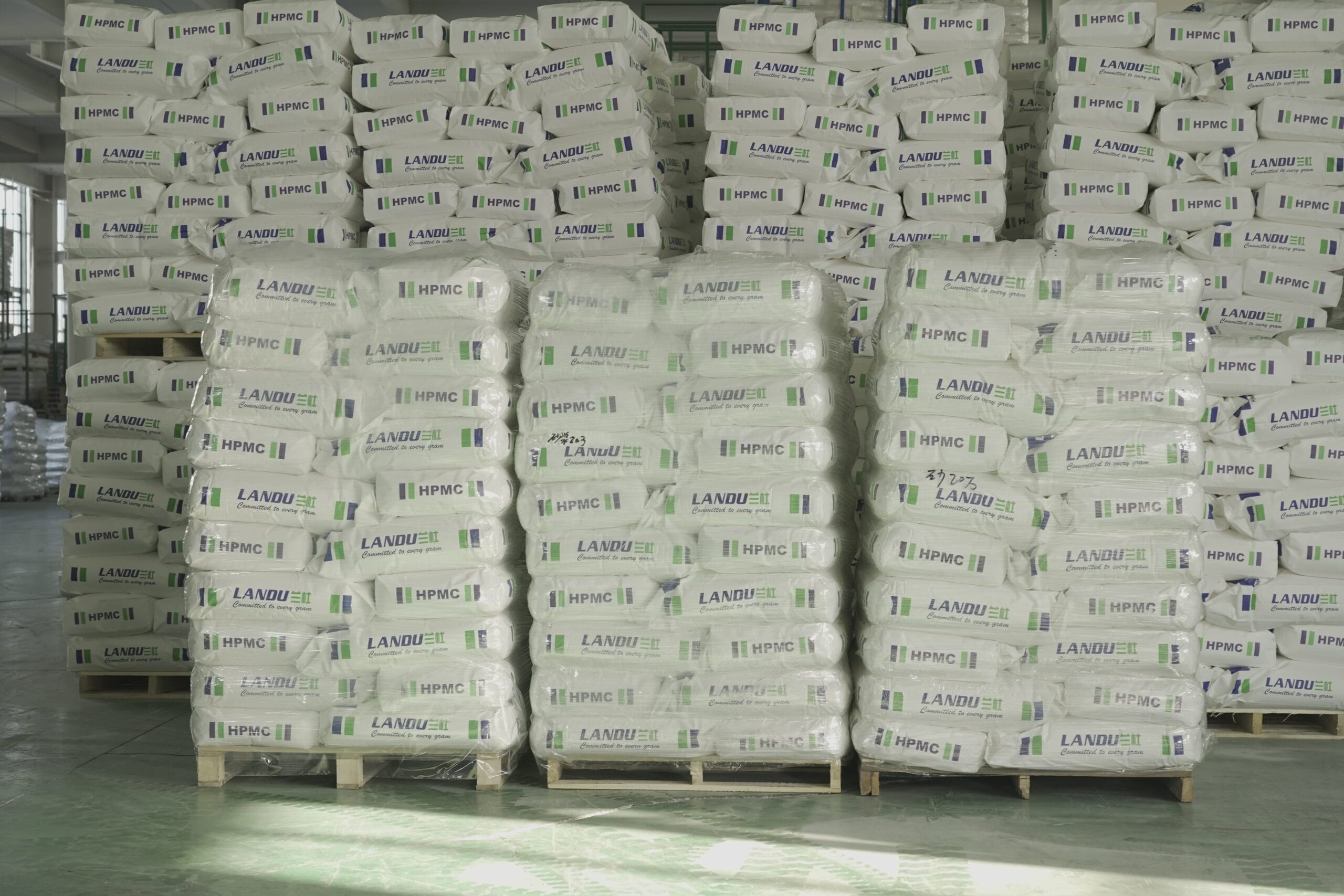
Standard Packaging

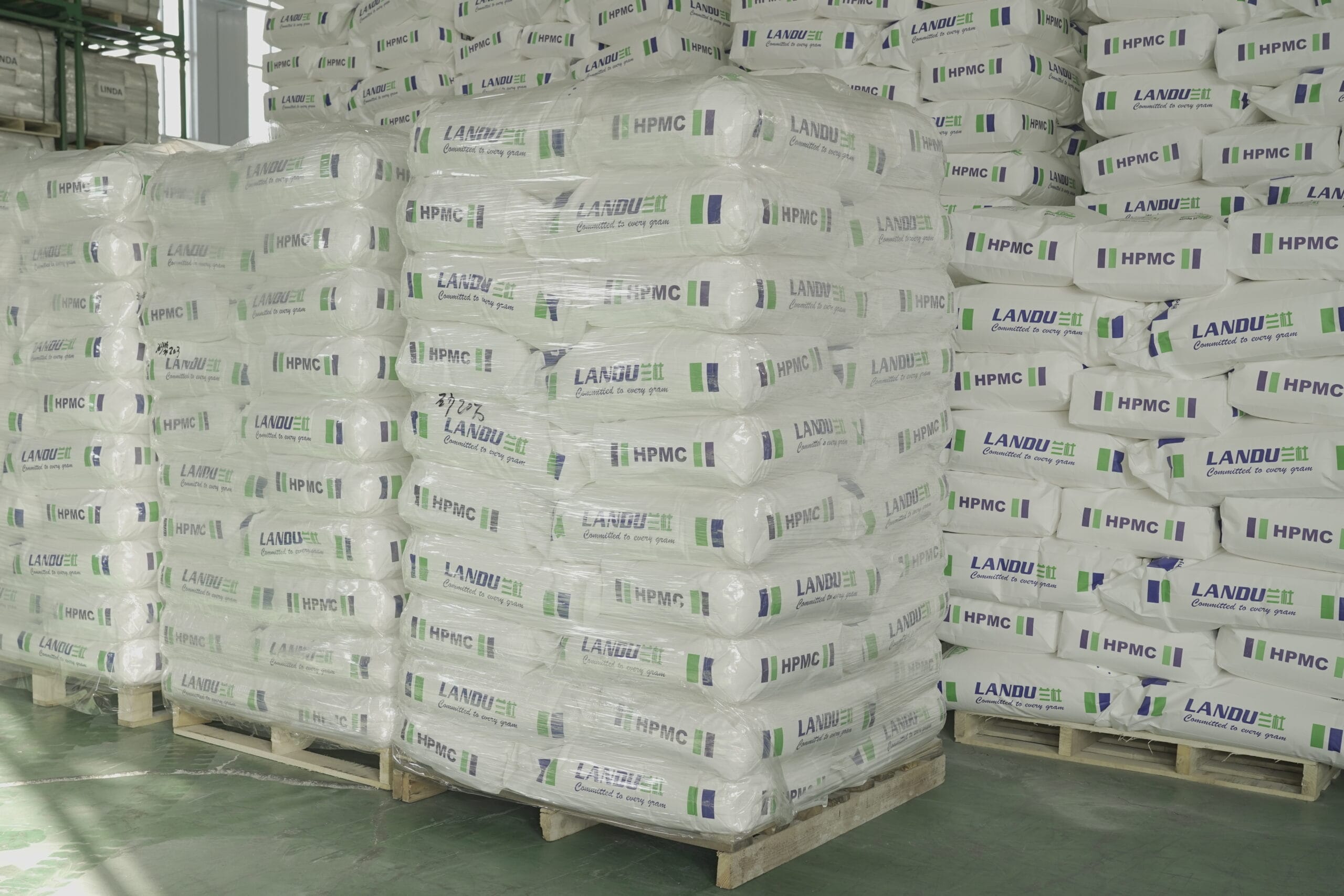
  • 25 kg per bag
  • Paper bag with inner moisture-protective polyethylene liner
  • Palletized packaging available upon request
  • Customized packaging options can be discussed for long-term supply cooperation

Ladustamissoovitused

  • Store in a cool, dry, and well-ventilated environment
  • Keep away from moisture, direct sunlight, and heat sources
  • Keep packaging sealed when not in use
  • Avoid contamination during handling and transfer
  • Use within the recommended shelf life stated in product documentation
  • Do not store near strong oxidizing agents or reactive chemicals
Industrial packaging warehouse
Dokumentatsioon

Product Documentation
Saadaval nõudmisel

LANDERCOLL can provide product-related documentation to support formulation evaluation, purchasing review, technical communication, regulatory submission, and internal approval processes.

Saadaolevad dokumendid

  • Tehniline andmeleht (TDS)
  • Ohutuskaart (SDS / MSDS)
  • Analüüsisertifikaat (COA)
  • Product brochure and application guide
  • Grade recommendation document
  • Packaging and storage specification
  • Export-related documentation, where applicable

All documentation is provided to help customers complete their internal evaluation, purchasing approval, and regulatory review processes efficiently. Contact our team to request specific documents for your application or market requirements.

Taotle tootedokumente
Inquiry Guide

How to Request the
Right HPMC Grade

To help our team recommend the most suitable HPMC grade for your application, please include as much of the following information as possible when contacting us. A detailed inquiry allows us to provide a more accurate grade recommendation and support your evaluation more efficiently.

i.
Application & Formulation System

Product application (e.g., tile adhesive, wall putty, shampoo, tablet coating) and formulation system type (cement-based, gypsum-based, liquid, semi-solid, other).

ii.
Current Grade or Viscosity Reference

Current HPMC grade or reference viscosity, if available. Main performance target — e.g., water retention, open time, viscosity level, texture, stability.

iii.
Testing Method & Quantity

Testing method or standard used, if applicable. Required quantity — sample, trial, or commercial volume.

iv.
Market & Documentation

Destination country or target market. Documentation requirements (TDS, SDS, COA, food/pharma compliance documents). Timeline for evaluation or sourcing decision.

FAQ

Frequently Asked Questions
About HPMC

What is HPMC used for?

HPMC (CAS 9004-65-3) is used as a multifunctional cellulose ether additive across many industries. Its primary functions include water retention, thickening, workability improvement, film formation, binding, and formulation stabilization. Most widely used in drymix construction materials, and also in detergents, personal care, pharmaceutical excipients, food systems (E464), coatings, ceramics, and specialty industrial applications.

What does HPMC do in tile adhesive?

In tile adhesive, HPMC improves water retention to support cement hydration, extends open time to give installers more working time, provides anti-slip behavior to prevent tiles from sliding on vertical surfaces, and improves troweling feel and application consistency. High to extra-high viscosity grades are typically used, at dosages of 0.2%–0.5% of the dry mix weight.

What viscosity of HPMC is used for tile adhesive?

Tile adhesive commonly uses high to extra-high viscosity HPMC, typically in the range of 50,000–200,000 mPa·s (measured at 2% aqueous solution). The exact viscosity grade depends on the formulation type, tile size and weight, required open time, anti-slip performance target, and application conditions. Final grade selection should be confirmed through formulation testing.

What is the typical dosage of HPMC in tile adhesive?

The typical reference dosage for HPMC in tile adhesive is 0.2%–0.5% by weight of the dry mix. This range is widely referenced in the drymix mortar industry as a starting point. However, the optimal dosage depends on the specific formulation, cement type, filler quality, target open time, water retention requirement, and application conditions. Final dosage must be confirmed through laboratory and field testing.

What does HPMC do in wall putty?

In wall putty and skim coat, HPMC improves water retention to prevent rapid drying, enhances scraping smoothness and surface finish quality, improves spreading behavior and workability, and helps maintain consistent product texture during application. Medium to high viscosity grades are typically used at dosages of 0.2%–0.5%.

What is the difference between HPMC and HEMC?

HPMC uses hydroxypropyl groups while HEMC uses hydroxyethyl groups on the cellulose backbone, affecting water retention profile, dissolution behavior, and performance in specific applications. Both are used in tile adhesive, wall putty, and plaster. HPMC is more widely used across multiple industries including pharma, food, and personal care, while HEMC/MHEC is particularly established in European drymix construction markets.

Is HPMC the same as Hypromellose?

Yes. Hypromellose is the International Nonproprietary Name (INN) and pharmacopoeial name for HPMC. It is used in pharmaceutical and food regulatory contexts. HPMC and Hypromellose refer to the same chemical substance (CAS 9004-65-3).

Is HPMC a food additive?

Yes. HPMC is approved as a food additive under the code E464 in the European Union and is recognized in food regulations in many other markets. Food applications require suitable food-grade HPMC that meets applicable purity and safety standards, and compliance with the specific food regulations of the target market is required.

Is HPMC used in pharmaceuticals?

Yes. Suitable pharmaceutical grades — referred to as Hypromellose — are widely used as excipients in tablet manufacturing, film coating, controlled-release systems, HPMC capsule shells, and ophthalmic formulations. HPMC is listed in the USP/NF, Ph. Eur., and JP pharmacopoeias. Pharmaceutical applications require grades manufactured and tested to pharmacopoeial standards.

What is the difference between surface-treated and non-surface-treated HPMC?

Surface-treated HPMC delays hydration when it contacts water, preventing premature lump formation and allowing the powder to disperse evenly before viscosity develops — commonly preferred in drymix mortar systems. Non-surface-treated HPMC dissolves more quickly and is preferred in systems where fast viscosity development is required.

How do I choose the right HPMC grade?

The right HPMC grade depends on your application, required viscosity level, formulation system type (cement-based, gypsum-based, liquid, semi-solid), processing conditions, dissolution behavior requirement, and final performance targets. Contact LANDERCOLL with your application details, and our team can recommend suitable grade directions and support your formulation evaluation.

Can HPMC be used in multiple industries?

Yes. HPMC is one of the most versatile cellulose ethers, used across construction, home care, personal care, pharmaceuticals, food, coatings, ceramics, and specialty industrial sectors. Different industries require different grade selections — contact LANDERCOLL to identify the most suitable grade direction for your specific application and market.


Why LANDERCOLL

Why Choose LANDERCOLL HPMC

i.

Focused Cellulose Ether Expertise

LANDERCOLL focuses on cellulose ether products — HPMC, HEMC/MHEC, HEC, and CMC. This product focus allows us to develop deeper application knowledge and provide more relevant technical support compared to general chemical distributors.

ii.

Application-Oriented Grade Matching

We help customers select HPMC based on real performance requirements — water retention, viscosity level, workability, open time, texture, stability, and processing behavior — rather than simply offering a product catalog.

iii.

Broad Industry Coverage

LANDERCOLL HPMC supports customers in construction materials, detergents, personal care, pharmaceuticals, food, coatings, ceramics, and specialty industrial sectors across multiple global markets.

iv.

Technical Documentation Support

We provide TDS, SDS, COA, product recommendation documents, and application guides to support your evaluation, purchasing review, and internal approval processes.

v.

Long-Term Supply Partnership

We aim to support customers from initial product inquiry through formulation testing, sourcing decisions, and long-term supply cooperation — with consistent product quality and responsive communication.

Võtke ühendust

Find the Right HPMC Grade
parema Your Application

LANDERCOLL HPMC supports manufacturers across construction materials, detergents, personal care, pharmaceuticals, food, coatings, ceramics, and specialty industrial applications. Whether you are developing a new formulation, optimizing an existing product, or evaluating a new cellulose ether supplier, our team can help you identify the most suitable grade and provide the documentation and technical support you need.

~ Your Inquiry · MMXXV ~
Toode HPMC · CAS 9004-65-3
Rakendus Your target formulation
Hinde Suund Low · Medium · High · XH
Pinnatöötlus Treated or non-treated
Dokumendid TDS · SDS · COA
Market Country & segment
Tööstusharud Construction · Pharma · Food · Care