Tselluloosi eeteri suurepärasus — usaldusväärne üle 1000 ettevõtte poolt kogu maailmas Saada tasuta proovi
LANDERCOLL cellulose ether helps masonry mortar manufacturers improve water retention, board life, smooth handling, mortar cohesion, spreadability, and job-site application stability.
Trusted by drymix mortar producers supplying brick laying, block laying, and ready-mix masonry mortar systems across multiple markets.
 Masonry Mortar · Brick & Block

Consistent bed joint formation with stable mortar body throughout the laying operation.
Cement · Lime · DrymixMasonry mortar is one of the most widely used construction materials in building projects worldwide. It is applied for laying bricks, concrete blocks, lightweight blocks, autoclaved aerated concrete (AAC) blocks, stone units, and other masonry materials.


A well-performing masonry mortar must remain workable on the board, spread smoothly on masonry units, retain water properly against substrate absorption, and provide stable, consistent behavior throughout the laying process.
LANDERCOLL supplies HPMC and HEMC / MHEC cellulose ether products to masonry mortar manufacturers who need better water retention, extended board life, improved workability, smoother spreadability, stronger cohesion, and reliable application consistency.
A suitable cellulose ether grade helps masonry mortar stay usable for longer on the job site, reduces rapid water loss into absorbent bricks or blocks, improves application feel for the mason, and supports more consistent laying performance across different masonry unit types and climate conditions.
Masonry mortar is a cement-based or lime-cement-based bonding material used to join masonry units — including bricks, concrete blocks, lightweight blocks, AAC blocks, and natural or cut stone — into structural or non-structural masonry walls.
It fills the bed joints and perpend joints between masonry units, transfers structural loads, seals gaps against air and moisture infiltration, and contributes to the overall performance and durability of the masonry assembly.
A typical masonry mortar formulation includes cement, lime, sand, fillers, cellulose ether, air-entraining additives, water-retention agents, and other functional additives depending on the product type, strength class, and local building practice.
After mixing with water, masonry mortar must provide good workability, adequate board life, reliable water retention, plasticity, mortar cohesion, and stable consistency throughout the laying operation. Cellulose ether improves fresh mortar properties and supports more reliable, consistent job-site performance.

cURL Too many subrequests by single Worker invocation. To configure this limit, refer to https://developers.cloudflare.com/workers/wrangler/configuration/#limits
cURL Too many subrequests by single Worker invocation. To configure this limit, refer to https://developers.cloudflare.com/workers/wrangler/configuration/#limits
cURL Too many subrequests by single Worker invocation. To configure this limit, refer to https://developers.cloudflare.com/workers/wrangler/configuration/#limits
Masonry mortar systems typically use medium viscosity cellulose ether grades at controlled dosage levels to improve water retention, board life, and workability without creating excessively sticky or heavy mortar.
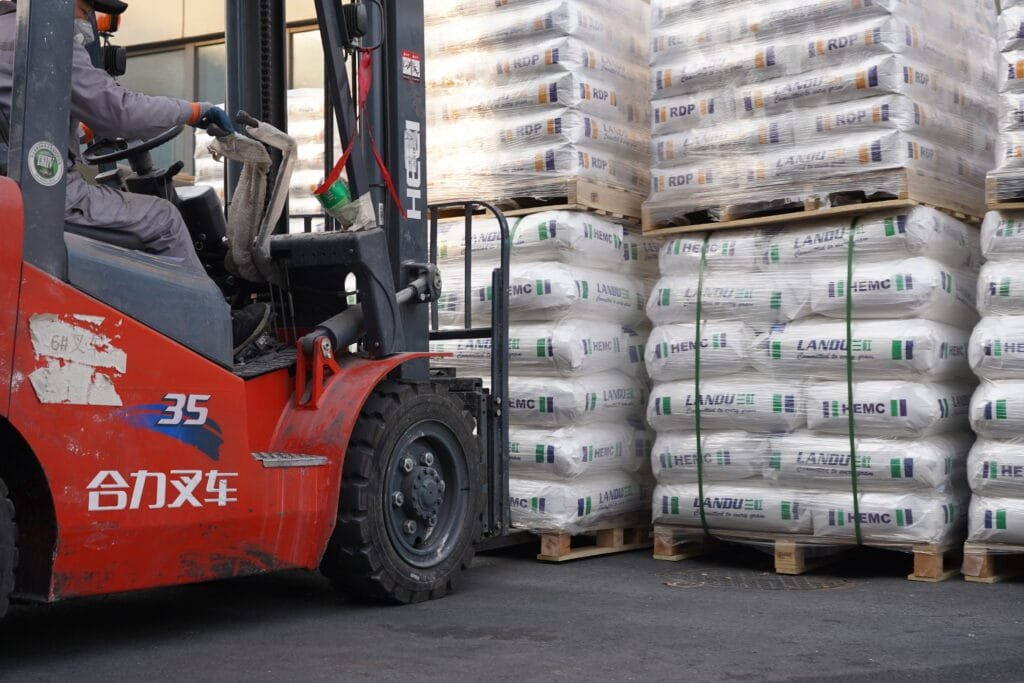
HPMC is one of the most widely used cellulose ethers in masonry mortar formulations. It provides strong water retention, controlled thickening, workability improvement, and consistency stabilization.
In drymix masonry mortar systems, HPMC improves spreadability, reduces mortar harshness, and supports more stable, predictable handling behavior on the mortar board.
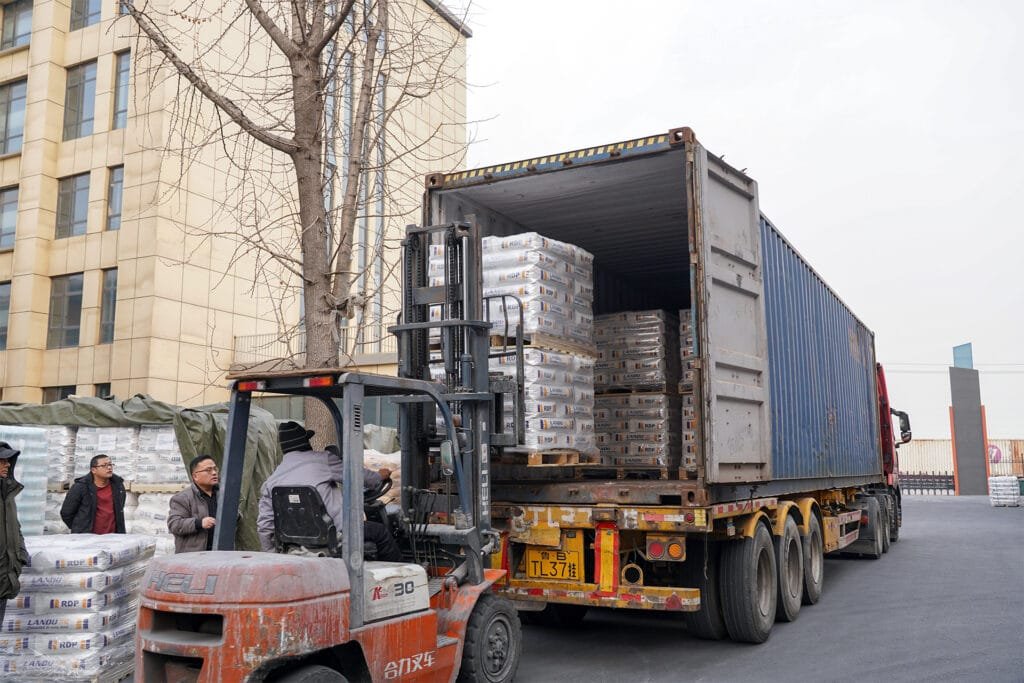
HEMC / MHEC is well-suited for masonry mortar systems where water retention, extended board life, smooth spreadability, mortar cohesion, and stable application behavior are important.
In vertical joint applications and lightweight block laying, HEMC / MHEC can help improve mortar body, reduce uneven application behavior, and support more consistent joint formation.
Masonry mortar formulations vary by local building standards, masonry unit type, required strength class, application method, and locally available raw materials.
| Komponent | Function in Masonry Mortar |
|---|---|
| Cement | Main hydraulic binder; provides structural strength and setting. |
| Lime | Improves plasticity, workability, and application feel in selected systems. |
| Liiv | Provides structure, volume, and mechanical support in the joint. |
| Fillers | Adjust consistency, density, and formulation balance. |
| cURL Too many subrequests by single Worker invocation. To configure this limit, refer to https://developers.cloudflare.com/workers/wrangler/configuration/#limits | Improves water retention, board life, workability, and consistency. |
| cURL Too many subrequests by single Worker invocation. To configure this limit, refer to https://developers.cloudflare.com/workers/wrangler/configuration/#limits | cURL Too many subrequests by single Worker invocation. To configure this limit, refer to https://developers.cloudflare.com/workers/wrangler/configuration/#limits |
| cURL Too many subrequests by single Worker invocation. To configure this limit, refer to https://developers.cloudflare.com/workers/wrangler/configuration/#limits | cURL Too many subrequests by single Worker invocation. To configure this limit, refer to https://developers.cloudflare.com/workers/wrangler/configuration/#limits |
| cURL Too many subrequests by single Worker invocation. To configure this limit, refer to https://developers.cloudflare.com/workers/wrangler/configuration/#limits | cURL Too many subrequests by single Worker invocation. To configure this limit, refer to https://developers.cloudflare.com/workers/wrangler/configuration/#limits |
cURL Too many subrequests by single Worker invocation. To configure this limit, refer to https://developers.cloudflare.com/workers/wrangler/configuration/#limits
| Rakenduse tüüp | Soovitatav toode | Peamised jõudlusnõuded |
|---|---|---|
| cURL Too many subrequests by single Worker invocation. To configure this limit, refer to https://developers.cloudflare.com/workers/wrangler/configuration/#limits | HPMC or HEMC / MHEC | cURL Too many subrequests by single Worker invocation. To configure this limit, refer to https://developers.cloudflare.com/workers/wrangler/configuration/#limits |
| cURL Too many subrequests by single Worker invocation. To configure this limit, refer to https://developers.cloudflare.com/workers/wrangler/configuration/#limits | HPMC or HEMC / MHEC | cURL Too many subrequests by single Worker invocation. To configure this limit, refer to https://developers.cloudflare.com/workers/wrangler/configuration/#limits |
| cURL Too many subrequests by single Worker invocation. To configure this limit, refer to https://developers.cloudflare.com/workers/wrangler/configuration/#limits | cURL Too many subrequests by single Worker invocation. To configure this limit, refer to https://developers.cloudflare.com/workers/wrangler/configuration/#limits | cURL Too many subrequests by single Worker invocation. To configure this limit, refer to https://developers.cloudflare.com/workers/wrangler/configuration/#limits |
| cURL Too many subrequests by single Worker invocation. To configure this limit, refer to https://developers.cloudflare.com/workers/wrangler/configuration/#limits | HPMC or HEMC / MHEC | cURL Too many subrequests by single Worker invocation. To configure this limit, refer to https://developers.cloudflare.com/workers/wrangler/configuration/#limits |
| cURL Too many subrequests by single Worker invocation. To configure this limit, refer to https://developers.cloudflare.com/workers/wrangler/configuration/#limits | HPMC or HEMC / MHEC | cURL Too many subrequests by single Worker invocation. To configure this limit, refer to https://developers.cloudflare.com/workers/wrangler/configuration/#limits |
| cURL Too many subrequests by single Worker invocation. To configure this limit, refer to https://developers.cloudflare.com/workers/wrangler/configuration/#limits | HPMC or HEMC / MHEC | cURL Too many subrequests by single Worker invocation. To configure this limit, refer to https://developers.cloudflare.com/workers/wrangler/configuration/#limits |
| cURL Too many subrequests by single Worker invocation. To configure this limit, refer to https://developers.cloudflare.com/workers/wrangler/configuration/#limits | cURL Too many subrequests by single Worker invocation. To configure this limit, refer to https://developers.cloudflare.com/workers/wrangler/configuration/#limits | Workability, water retention, application control. |
The appropriate cellulose ether dosage depends on formulation design, masonry unit absorption rate, target board life, viscosity grade, water retention requirement, sand grading, and job-site conditions.
In masonry mortar formulations, cellulose ether supports water retention, board life, and workability so mortar remains usable and performs consistently during brick and block laying.
Water retention is the most critical function of cellulose ether in masonry mortar. It helps the mortar keep enough moisture during application and early cement hydration — particularly when working with highly absorbent clay bricks, lightweight AAC blocks, or other porous masonry units.
Board life is the time that mixed mortar remains workable and usable after placement on the mortar board. Cellulose ether helps extend board life by reducing the rate of water loss from the mortar.
Good workability allows masonry mortar to spread easily under trowel pressure, hold its shape in the joint, and respond predictably during unit placement and adjustment.
Masonry mortar must spread smoothly and evenly on brick or block surfaces to create full, consistent bed joints. Cellulose ether helps create a more controlled consistency that spreads readily under tool pressure.
Cellulose ether improves the internal cohesion of fresh masonry mortar, helping it remain uniform and stable during use and supporting complete joint filling.
Plasticity is important for smooth, efficient masonry laying and for allowing fine adjustment of unit position after placement. Cellulose ether supports better plastic behavior by improving water management and rheology.
Cellulose ether helps maintain stable mortar consistency after mixing with water, supporting more predictable and uniform performance across different batches, job sites, and application conditions.
Many fresh masonry mortar problems are related to water retention, workability, and consistency — areas where cellulose ether grade and dosage selection directly affect performance.
Rapid water loss, absorbent masonry units, hot or windy conditions.
Improve water retention and extend workable window.
Poor sand grading, low water retention, unsuitable viscosity grade.
Improve workability and application smoothness.
Weak plasticity, incorrect water dosage, unbalanced formulation.
Improve consistency and spreading behavior.
Low water retention, high unit absorption, fast hydration.
Maintain moisture and workability for longer.
Weak cohesion, poor consistency, low workability.
Improve mortar body and joint filling behavior.
Excessive cellulose ether dosage or unsuitable viscosity grade.
Adjust grade and dosage balance.
Poor rheology, excess water, unstable formulation.
Improve consistency and slurry stability.
cURL Too many subrequests by single Worker invocation. To configure this limit, refer to https://developers.cloudflare.com/workers/wrangler/configuration/#limits
cURL Too many subrequests by single Worker invocation. To configure this limit, refer to https://developers.cloudflare.com/workers/wrangler/configuration/#limits
cURL Too many subrequests by single Worker invocation. To configure this limit, refer to https://developers.cloudflare.com/workers/wrangler/configuration/#limits
cURL Too many subrequests by single Worker invocation. To configure this limit, refer to https://developers.cloudflare.com/workers/wrangler/configuration/#limits
cURL Too many subrequests by single Worker invocation. To configure this limit, refer to https://developers.cloudflare.com/workers/wrangler/configuration/#limits
cURL Too many subrequests by single Worker invocation. To configure this limit, refer to https://developers.cloudflare.com/workers/wrangler/configuration/#limits
cURL Too many subrequests by single Worker invocation. To configure this limit, refer to https://developers.cloudflare.com/workers/wrangler/configuration/#limits
cURL Too many subrequests by single Worker invocation. To configure this limit, refer to https://developers.cloudflare.com/workers/wrangler/configuration/#limits
cURL Too many subrequests by single Worker invocation. To configure this limit, refer to https://developers.cloudflare.com/workers/wrangler/configuration/#limits
cURL Too many subrequests by single Worker invocation. To configure this limit, refer to https://developers.cloudflare.com/workers/wrangler/configuration/#limits
cURL Too many subrequests by single Worker invocation. To configure this limit, refer to https://developers.cloudflare.com/workers/wrangler/configuration/#limits
cURL Too many subrequests by single Worker invocation. To configure this limit, refer to https://developers.cloudflare.com/workers/wrangler/configuration/#limits
cURL Too many subrequests by single Worker invocation. To configure this limit, refer to https://developers.cloudflare.com/workers/wrangler/configuration/#limits
Hand laying, machine application, and different troweling techniques create different shear and flow conditions in the mortar.
Local building standards and required mortar strength class influence binder ratio, additive selection, and cellulose ether dosage targets.
Selecting the right cellulose ether requires balancing water retention, board life, workability, spreadability, plasticity, and joint filling performance based on masonry unit type and job-site conditions.
Brick laying, block laying, stone masonry, or lime-cement mortar?
Clay brick, concrete block, lightweight AAC block, or stone?
How absorbent are the masonry units in your target market?
Longer board life, smoother spreading, or better joint filling?
What cement, lime, sand, and filler system is used?
What grade are you using, and is it delivering required performance?
What temperature, humidity, and wind are typical during application?
What water dosage and mixing method are used on the job site?
What dosage level balances cost and performance?
Are there local strength class or building standard requirements?
LANDERCOLL can help review your masonry mortar formulation direction and recommend a suitable HPMC or HEMC / MHEC grade for laboratory testing and evaluation.
Ask for Grade RecommendationLANDERCOLL cellulose ether for masonry mortar applications is supplied in industrial packaging designed for drymix mortar production environments, international shipping, and warehouse storage.
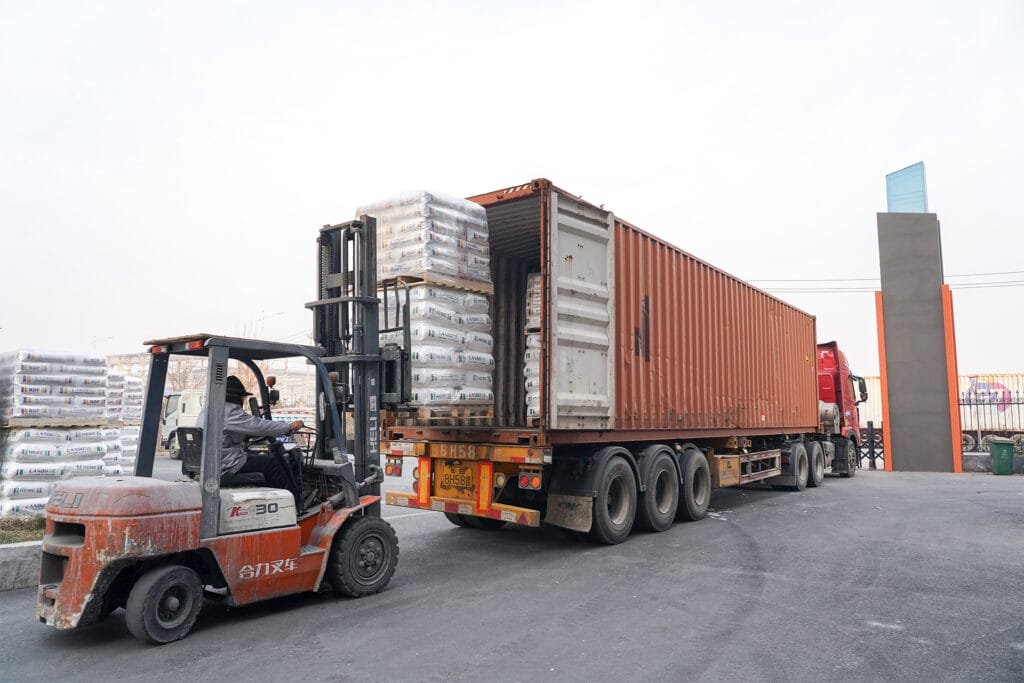
LANDERCOLL can provide a full set of product documentation to support masonry mortar formulation development, purchasing review, quality approval, and import compliance.
If your masonry mortar stiffens too quickly on the board, dries too fast against absorbent bricks or blocks, spreads poorly, feels harsh under the trowel, fills joints unevenly, separates after mixing, or performs inconsistently across batches or job sites, the cellulose ether grade or dosage may need to be reviewed.
LANDERCOLL provides technical support to help drymix masonry mortar manufacturers evaluate suitable HPMC and HEMC / MHEC options based on masonry unit type, raw material system, target board life, water retention requirement, and job-site application conditions.
HPMC and HEMC / MHEC product selection for masonry mortar.
Water retention improvement strategy.
Board life extension support.
Workability and spreadability improvement discussion.
Mortar cohesion and plasticity improvement.
Viscosity grade direction and dosage recommendation.
Sample arrangement and technical evaluation support.
Quotation and supply communication.
cURL Too many subrequests by single Worker invocation. To configure this limit, refer to https://developers.cloudflare.com/workers/wrangler/configuration/#limits
cURL Too many subrequests by single Worker invocation. To configure this limit, refer to https://developers.cloudflare.com/workers/wrangler/configuration/#limits
cURL Too many subrequests by single Worker invocation. To configure this limit, refer to https://developers.cloudflare.com/workers/wrangler/configuration/#limits
cURL Too many subrequests by single Worker invocation. To configure this limit, refer to https://developers.cloudflare.com/workers/wrangler/configuration/#limits
cURL Too many subrequests by single Worker invocation. To configure this limit, refer to https://developers.cloudflare.com/workers/wrangler/configuration/#limits
cURL Too many subrequests by single Worker invocation. To configure this limit, refer to https://developers.cloudflare.com/workers/wrangler/configuration/#limits
cURL Too many subrequests by single Worker invocation. To configure this limit, refer to https://developers.cloudflare.com/workers/wrangler/configuration/#limits
cURL Too many subrequests by single Worker invocation. To configure this limit, refer to https://developers.cloudflare.com/workers/wrangler/configuration/#limits
cURL Too many subrequests by single Worker invocation. To configure this limit, refer to https://developers.cloudflare.com/workers/wrangler/configuration/#limits
cURL Too many subrequests by single Worker invocation. To configure this limit, refer to https://developers.cloudflare.com/workers/wrangler/configuration/#limits
cURL Too many subrequests by single Worker invocation. To configure this limit, refer to https://developers.cloudflare.com/workers/wrangler/configuration/#limits
Whether you produce brick laying mortar, concrete block mortar, lightweight AAC block mortar, stone masonry mortar, lime-cement mortar, ready-mix dry masonry mortar, or drymix block laying systems, LANDERCOLL can help you identify the right HPMC or HEMC / MHEC grade for better water retention, extended board life, improved workability, and reliable application consistency.
Our team works with drymix mortar manufacturers across multiple markets to support formulation development, product selection, sample evaluation, and supply communication for masonry mortar cellulose ether applications.
 English English
  العربية
 Deutsch
 Українська
 Ελληνικά
 Español
 Español de Perú
 Français
 Magyar
 Bahasa Indonesia
 Italiano
 Português
 Türkçe
 Русский
 Nederlands
 Slovenčina
 Svenska
 Български
 Čeština
 Dansk
Dansk
 Eesti
Eesti
 Suomi
Suomi
 日本語
日本語
 한국어
한국어
 Lietuvių kalba
 Latviešu valoda
 Norsk bokmål
 Polski
 Português do Brasil
 Română
 Slovenščina
