Tselluloosi eeteri suurepärasus — usaldusväärne üle 1000 ettevõtte poolt kogu maailmas Saada tasuta proovi

HEC, CMC, and HPMC grades for viscosity control, coating uniformity, binder stability, and suspension in non-woven coating, binder, and treatment formulations.

Need a starting grade or dosage reference for your non-woven formulation?
Küsi soovitust Paluge pakkumist
Coating · Binder · Treatment · Rheology
HEC, CMC, and HPMC cellulose ether are used in selected non-woven coating, binder, and treatment formulations to improve viscosity control, rheology adjustment, coating uniformity, additive suspension, binder stability, and processing consistency. A correctly selected grade helps the treatment bath or coating formulation remain stable during preparation, storage, pumping, and application — delivering more consistent wet pickup, surface coverage, and product quality across production runs.
Non-woven materials are widely used in hygiene products, wipes, filtration media, medical materials, industrial fabrics, packaging, automotive interiors, construction membranes, and specialty technical textiles. Many non-woven manufacturing and finishing processes rely on water-based binders, functional coatings, surface treatments, or impregnation formulations — all of which require stable viscosity and consistent application behavior.
LANDERCOLL provides cellulose ether grades selected for non-woven applications. HEC is recommended for smooth viscosity control and rheology adjustment in water-based coating and treatment systems. CMC is recommended for suspension support, filler distribution, and formulation consistency. HPMC may be considered in specialty systems where water retention, selected film-forming behavior, or controlled coating rheology is required.
Non-woven coating and treatment formulations must remain stable during preparation, storage, pumping, and application. If the viscosity is too low, too high, or unstable — or if particles and additives settle during the treatment bath — the result is uneven surface treatment, inconsistent binder distribution, poor coating weight control, and variable product quality. Cellulose ether helps build a stable, controlled water-based formulation structure.
| Funktsioon | cURL Too many subrequests by single Worker invocation. To configure this limit, refer to https://developers.cloudflare.com/workers/wrangler/configuration/#limits |
|---|---|
| Viskoossuse kontroll | Adjusts treatment bath body for the application method |
| cURL Too many subrequests by single Worker invocation. To configure this limit, refer to https://developers.cloudflare.com/workers/wrangler/configuration/#limits | Balances flow and structure for spraying, dipping, or coating |
| Binder formulation stability | Supports stable binder distribution during mixing and storage |
| cURL Too many subrequests by single Worker invocation. To configure this limit, refer to https://developers.cloudflare.com/workers/wrangler/configuration/#limits | Helps deliver consistent surface coverage and appearance |
| Additive suspension | cURL Too many subrequests by single Worker invocation. To configure this limit, refer to https://developers.cloudflare.com/workers/wrangler/configuration/#limits |
| cURL Too many subrequests by single Worker invocation. To configure this limit, refer to https://developers.cloudflare.com/workers/wrangler/configuration/#limits | Supports uniform distribution of solid components |
| cURL Too many subrequests by single Worker invocation. To configure this limit, refer to https://developers.cloudflare.com/workers/wrangler/configuration/#limits | cURL Too many subrequests by single Worker invocation. To configure this limit, refer to https://developers.cloudflare.com/workers/wrangler/configuration/#limits |
| cURL Too many subrequests by single Worker invocation. To configure this limit, refer to https://developers.cloudflare.com/workers/wrangler/configuration/#limits | cURL Too many subrequests by single Worker invocation. To configure this limit, refer to https://developers.cloudflare.com/workers/wrangler/configuration/#limits |
| cURL Too many subrequests by single Worker invocation. To configure this limit, refer to https://developers.cloudflare.com/workers/wrangler/configuration/#limits | cURL Too many subrequests by single Worker invocation. To configure this limit, refer to https://developers.cloudflare.com/workers/wrangler/configuration/#limits |
| Batch-to-batch reliability | cURL Too many subrequests by single Worker invocation. To configure this limit, refer to https://developers.cloudflare.com/workers/wrangler/configuration/#limits |
cURL Too many subrequests by single Worker invocation. To configure this limit, refer to https://developers.cloudflare.com/workers/wrangler/configuration/#limits

cURL Too many subrequests by single Worker invocation. To configure this limit, refer to https://developers.cloudflare.com/workers/wrangler/configuration/#limits
cURL Too many subrequests by single Worker invocation. To configure this limit, refer to https://developers.cloudflare.com/workers/wrangler/configuration/#limits

cURL Too many subrequests by single Worker invocation. To configure this limit, refer to https://developers.cloudflare.com/workers/wrangler/configuration/#limits
cURL Too many subrequests by single Worker invocation. To configure this limit, refer to https://developers.cloudflare.com/workers/wrangler/configuration/#limits

Water retention, coating behavior, and specialty rheology
Hydroxypropyl Methylcellulose (HPMC) may be considered in specialty non-woven coating, finishing, or functional treatment systems where water retention, selected film-forming behavior, or controlled coating rheology is required. Its water-retention properties can support more uniform drying behavior and help maintain coating integrity during the transition from wet application to dried film. HPMC use should be validated through formulation testing with substrate fiber type, binder system, drying conditions, application method, pH, and additive compatibility.
Not sure which grade fits your non-woven system? cURL Too many subrequests by single Worker invocation. To configure this limit, refer to https://developers.cloudflare.com/workers/wrangler/configuration/#limits
Non-woven treatment formulations typically include water, polymer binder, cellulose ether, fillers, surfactants, dispersants, and functional additives designed to meet specific coating, bonding, and finishing requirements.

| Komponent | Function in Non-Woven Systems |
|---|---|
| Vesi | Main carrier and processing medium |
| Polymer Binder | Supports fiber bonding, coating, and finish durability |
| Tselluloosi eeter | Viscosity, rheology, suspension, and coating stability |
| Fillers / Pigments | Adjust appearance, cost, opacity, or functional properties |
| Surfactants / Wetting Agents | Improve wetting and penetration into non-woven substrates |
| Dispersants | Improve particle distribution and formulation uniformity |
| Softeners | Adjust hand feel in selected systems |
| Crosslinkers | Improve durability in selected binder systems |
| Säilitusained | Protect selected water-based formulations during storage |
| Functional Additives | Add absorbency, repellency, flame resistance, or filtration properties |
| Vahendi | cURL Too many subrequests by single Worker invocation. To configure this limit, refer to https://developers.cloudflare.com/workers/wrangler/configuration/#limits |
Different non-woven treatment systems require different cellulose ether performance profiles. The table below provides a practical selection reference for formulation engineers and non-woven finishing specialists.
| Rakenduse tüüp | cURL Too many subrequests by single Worker invocation. To configure this limit, refer to https://developers.cloudflare.com/workers/wrangler/configuration/#limits | Peamised jõudlusnõuded |
|---|---|---|
| Non-Woven Binder Formulation | HEC / CMC | Viscosity, binder stability, application consistency |
| Non-Woven Coating | cURL Too many subrequests by single Worker invocation. To configure this limit, refer to https://developers.cloudflare.com/workers/wrangler/configuration/#limits | Coating uniformity, flow control, surface finish |
| Wipe Treatment Formulation | HEC / selected cellulose ether | cURL Too many subrequests by single Worker invocation. To configure this limit, refer to https://developers.cloudflare.com/workers/wrangler/configuration/#limits |
| cURL Too many subrequests by single Worker invocation. To configure this limit, refer to https://developers.cloudflare.com/workers/wrangler/configuration/#limits | HEC / CMC | cURL Too many subrequests by single Worker invocation. To configure this limit, refer to https://developers.cloudflare.com/workers/wrangler/configuration/#limits |
| cURL Too many subrequests by single Worker invocation. To configure this limit, refer to https://developers.cloudflare.com/workers/wrangler/configuration/#limits | cURL Too many subrequests by single Worker invocation. To configure this limit, refer to https://developers.cloudflare.com/workers/wrangler/configuration/#limits | cURL Too many subrequests by single Worker invocation. To configure this limit, refer to https://developers.cloudflare.com/workers/wrangler/configuration/#limits |
| cURL Too many subrequests by single Worker invocation. To configure this limit, refer to https://developers.cloudflare.com/workers/wrangler/configuration/#limits | HEC / selected grade | cURL Too many subrequests by single Worker invocation. To configure this limit, refer to https://developers.cloudflare.com/workers/wrangler/configuration/#limits |
| cURL Too many subrequests by single Worker invocation. To configure this limit, refer to https://developers.cloudflare.com/workers/wrangler/configuration/#limits | CMC / HEC / HPMC | cURL Too many subrequests by single Worker invocation. To configure this limit, refer to https://developers.cloudflare.com/workers/wrangler/configuration/#limits |
| cURL Too many subrequests by single Worker invocation. To configure this limit, refer to https://developers.cloudflare.com/workers/wrangler/configuration/#limits | HPMC / HEC / CMC | cURL Too many subrequests by single Worker invocation. To configure this limit, refer to https://developers.cloudflare.com/workers/wrangler/configuration/#limits |
cURL Too many subrequests by single Worker invocation. To configure this limit, refer to https://developers.cloudflare.com/workers/wrangler/configuration/#limits
cURL Too many subrequests by single Worker invocation. To configure this limit, refer to https://developers.cloudflare.com/workers/wrangler/configuration/#limits
| Taotlus | cURL Too many subrequests by single Worker invocation. To configure this limit, refer to https://developers.cloudflare.com/workers/wrangler/configuration/#limits |
|---|---|
| Non-Woven Binder Formulation | 0.1% – 0.8% |
| Non-Woven Coating | 0.2% – 1.2% |
| Wipe Treatment Formulation | 0.05% – 0.5% |
| cURL Too many subrequests by single Worker invocation. To configure this limit, refer to https://developers.cloudflare.com/workers/wrangler/configuration/#limits | 0.1% – 1.0% |
| cURL Too many subrequests by single Worker invocation. To configure this limit, refer to https://developers.cloudflare.com/workers/wrangler/configuration/#limits | cURL Too many subrequests by single Worker invocation. To configure this limit, refer to https://developers.cloudflare.com/workers/wrangler/configuration/#limits |
| cURL Too many subrequests by single Worker invocation. To configure this limit, refer to https://developers.cloudflare.com/workers/wrangler/configuration/#limits | cURL Too many subrequests by single Worker invocation. To configure this limit, refer to https://developers.cloudflare.com/workers/wrangler/configuration/#limits |
| cURL Too many subrequests by single Worker invocation. To configure this limit, refer to https://developers.cloudflare.com/workers/wrangler/configuration/#limits | 0.2% – 1.2% |
| cURL Too many subrequests by single Worker invocation. To configure this limit, refer to https://developers.cloudflare.com/workers/wrangler/configuration/#limits | 0.2% – 1.5% |
cURL Too many subrequests by single Worker invocation. To configure this limit, refer to https://developers.cloudflare.com/workers/wrangler/configuration/#limits
cURL Too many subrequests by single Worker invocation. To configure this limit, refer to https://developers.cloudflare.com/workers/wrangler/configuration/#limits
cURL Too many subrequests by single Worker invocation. To configure this limit, refer to https://developers.cloudflare.com/workers/wrangler/configuration/#limits
cURL Too many subrequests by single Worker invocation. To configure this limit, refer to https://developers.cloudflare.com/workers/wrangler/configuration/#limits
Cellulose ether helps stabilize binder formulations and may support more uniform distribution of the polymer binder on or within the non-woven fiber structure. Final bonding performance and durability depend on the binder system, crosslinker, and curing process — cellulose ether contributes to the physical formulation stability that enables consistent binder delivery.
A suitable cellulose ether grade helps maintain viscosity, suspension, and formulation appearance during storage when compatible with the complete formulation system — including binders, preservatives, surfactants, and functional additives.
When non-woven treatment performance fails, the cellulose ether grade, dosage, or formulation balance is often the first variable to review. The guide below maps typical symptoms to likely causes and practical support strategies.
cURL Too many subrequests by single Worker invocation. To configure this limit, refer to https://developers.cloudflare.com/workers/wrangler/configuration/#limits
HEC / CMC support viscosity control.
Excessive polymer or poor rheology balance.
Adjust cellulose ether grade and dosage.
Poor viscosity control or substrate wetting imbalance.
Improve rheology and coating consistency.
Weak suspension or poor particle dispersion.
cURL Too many subrequests by single Worker invocation. To configure this limit, refer to https://developers.cloudflare.com/workers/wrangler/configuration/#limits
Incompatible polymer, pH, or preservative system.
Test compatible cellulose ether grade.
Wrong viscosity or application condition.
Adjust viscosity and flow behavior.
Excessive binder, coating weight, or polymer.
Optimize dosage and full formulation balance.
pH, electrolytes, temperature, or binder interaction.
Review grade compatibility and formulation balance.
Surfactant and polymer interaction.
Optimize defoamer and mixing conditions.
Raw material variation or poor hydration.
Improve mixing procedure and hydration control.
Understanding what influences cellulose ether behavior in a non-woven formulation helps with grade selection, dosage optimization, and troubleshooting during production.
Polypropylene, polyester, viscose, cellulose fiber, glass fiber, and blended fibers have different surface energy, wetting behavior, absorption capacity, and interaction with water-based formulations. The fiber type influences how the treatment penetrates, distributes, and bonds to the substrate.
Acrylic, styrene-acrylic, VAE, polyurethane, latex, starch, and other binders can influence cellulose ether compatibility, viscosity response, and formulation stability. Compatibility between the cellulose ether grade and the binder system must be confirmed through testing.
Spraying, dipping, padding, knife coating, roll coating, impregnation, printing, and foam application each require different viscosity profiles and flow behavior. The target viscosity range depends directly on the application method and equipment design.
Surfactants, wetting agents, substrate porosity, fiber surface treatment, and bath viscosity all affect how deeply and uniformly the treatment penetrates the non-woven structure. Viscosity must be balanced with wetting to achieve the target penetration depth.
Flame retardants, pigments, mineral powders, absorbency modifiers, repellency agents, and filtration additives can affect suspension requirements, viscosity behavior, and overall formulation stability. Cellulose ether grade and dosage should be evaluated with the full additive package.
cURL Too many subrequests by single Worker invocation. To configure this limit, refer to https://developers.cloudflare.com/workers/wrangler/configuration/#limits
cURL Too many subrequests by single Worker invocation. To configure this limit, refer to https://developers.cloudflare.com/workers/wrangler/configuration/#limits
cURL Too many subrequests by single Worker invocation. To configure this limit, refer to https://developers.cloudflare.com/workers/wrangler/configuration/#limits
cURL Too many subrequests by single Worker invocation. To configure this limit, refer to https://developers.cloudflare.com/workers/wrangler/configuration/#limits
cURL Too many subrequests by single Worker invocation. To configure this limit, refer to https://developers.cloudflare.com/workers/wrangler/configuration/#limits
cURL Too many subrequests by single Worker invocation. To configure this limit, refer to https://developers.cloudflare.com/workers/wrangler/configuration/#limits
cURL Too many subrequests by single Worker invocation. To configure this limit, refer to https://developers.cloudflare.com/workers/wrangler/configuration/#limits
cURL Too many subrequests by single Worker invocation. To configure this limit, refer to https://developers.cloudflare.com/workers/wrangler/configuration/#limits
cURL Too many subrequests by single Worker invocation. To configure this limit, refer to https://developers.cloudflare.com/workers/wrangler/configuration/#limits
cURL Too many subrequests by single Worker invocation. To configure this limit, refer to https://developers.cloudflare.com/workers/wrangler/configuration/#limits
cURL Too many subrequests by single Worker invocation. To configure this limit, refer to https://developers.cloudflare.com/workers/wrangler/configuration/#limits
cURL Too many subrequests by single Worker invocation. To configure this limit, refer to https://developers.cloudflare.com/workers/wrangler/configuration/#limits
cURL Too many subrequests by single Worker invocation. To configure this limit, refer to https://developers.cloudflare.com/workers/wrangler/configuration/#limits
cURL Too many subrequests by single Worker invocation. To configure this limit, refer to https://developers.cloudflare.com/workers/wrangler/configuration/#limits
cURL Too many subrequests by single Worker invocation. To configure this limit, refer to https://developers.cloudflare.com/workers/wrangler/configuration/#limits
cURL Too many subrequests by single Worker invocation. To configure this limit, refer to https://developers.cloudflare.com/workers/wrangler/configuration/#limits
Ask for Non-Woven Application RecommendationcURL Too many subrequests by single Worker invocation. To configure this limit, refer to https://developers.cloudflare.com/workers/wrangler/configuration/#limits
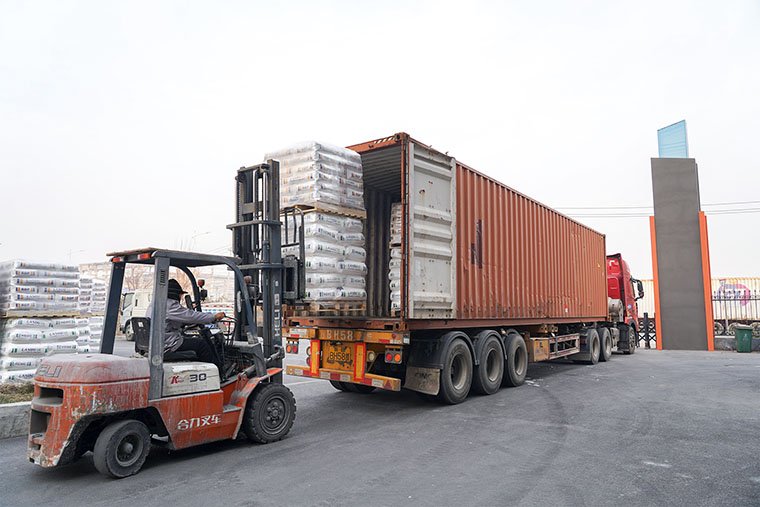 Hygroscopic · Seal When Not in Use · 25 kg Industrial Bags
cURL Too many subrequests by single Worker invocation. To configure this limit, refer to https://developers.cloudflare.com/workers/wrangler/configuration/#limits
cURL Too many subrequests by single Worker invocation. To configure this limit, refer to https://developers.cloudflare.com/workers/wrangler/configuration/#limits
cURL Too many subrequests by single Worker invocation. To configure this limit, refer to https://developers.cloudflare.com/workers/wrangler/configuration/#limits
cURL Too many subrequests by single Worker invocation. To configure this limit, refer to https://developers.cloudflare.com/workers/wrangler/configuration/#limits
cURL Too many subrequests by single Worker invocation. To configure this limit, refer to https://developers.cloudflare.com/workers/wrangler/configuration/#limits
Overview of product range and non-woven applications.
Formulation and processing reference for non-woven applications.
Grade selection support for your non-woven system.
Handling, shelf life, and storage condition reference.
Customs and import compliance documentation where applicable.
If your non-woven treatment formulation is too thin, too thick, settling, showing uneven coating, poor wet pickup control, binder instability, poor hand feel, foam problems, or viscosity drift during production — the cellulose ether grade or dosage may need to be reviewed.
LANDERCOLL can help evaluate suitable HEC, CMC, HPMC, or selected cellulose ether options based on your fiber type, binder system, application method, target viscosity, additive content, drying process, storage requirement, and final product performance target.
HEC grade selection for smooth viscosity control and treatment bath stability
CMC grade selection for suspension support and formulation consistency
HPMC grade evaluation for specialty coating and water-retention needs
Coating uniformity and wet pickup discussion
Binder and additive compatibility evaluation direction
Suspension stability and particle distribution support
cURL Too many subrequests by single Worker invocation. To configure this limit, refer to https://developers.cloudflare.com/workers/wrangler/configuration/#limits
Sample arrangement and quotation communication
Technical documentation for internal review and approval
HEC, CMC, and HPMC may each be used in selected non-woven coating, binder, and treatment formulations. HEC is the most commonly used grade for smooth viscosity control and broad binder compatibility. CMC is used for suspension support and formulation consistency. HPMC may be considered in specialty systems requiring water retention or controlled coating behavior.
HEC provides smooth, consistent viscosity control, rheology adjustment, coating body, and treatment bath stability in selected water-based non-woven systems. Its non-ionic character gives it broad compatibility with polymer dispersions, binders, surfactants, and functional additives commonly used in non-woven treatment formulations.
CMC helps support suspension of fillers, pigments, functional particles, and solid additives in selected non-woven treatment formulations. It also contributes to viscosity adjustment and formulation consistency, helping maintain uniform treatment appearance and reducing settling during production.
Yes. Cellulose ether can help control viscosity and rheology, which supports more uniform coating or treatment application across the non-woven substrate. Final coating uniformity depends on the substrate structure, application method, binder system, wet pickup level, and drying conditions.
Selected cellulose ether grades may be used in wipe or hygiene-related treatment systems. Final suitability depends on the specific product grade, formulation design, safety documentation, and market-specific regulatory requirements. Grade selection for hygiene and medical applications should include a full compliance review.
A common reference dosage range is approximately 0.05%–1.5% by formulation weight, depending on the formulation type, target viscosity, application method, binder system, and cellulose ether grade. Wipe and hygiene treatments typically use lower dosages, while specialty functional coatings and industrial finishes may require higher dosages. Final dosage must be confirmed through formulation testing.
Viscosity loss in non-woven treatment formulations may be caused by pH changes, electrolyte content, binder incompatibility, preservative interaction, temperature variation, shear during pumping, poor initial hydration, or an unsuitable cellulose ether grade for the specific formulation system. A full formulation review including pH, ionic content, and binder compatibility can help identify the cause.
Start by defining the fiber type, binder system, application method, target viscosity, wet pickup requirement, additive suspension needs, drying conditions, final product performance requirements, and storage stability target. LANDERCOLL can recommend suitable HEC, CMC, HPMC, or selected cellulose ether grades for your specific non-woven formulation system and arrange samples for testing.
Whether you develop non-woven binder formulations, coating systems, wipe treatment formulations, filtration media treatments, hygiene non-woven treatments, medical non-woven treatments, industrial non-woven finishes, või cURL Too many subrequests by single Worker invocation. To configure this limit, refer to https://developers.cloudflare.com/workers/wrangler/configuration/#limitscURL Too many subrequests by single Worker invocation. To configure this limit, refer to https://developers.cloudflare.com/workers/wrangler/configuration/#limits
cURL Too many subrequests by single Worker invocation. To configure this limit, refer to https://developers.cloudflare.com/workers/wrangler/configuration/#limits
cURL Too many subrequests by single Worker invocation. To configure this limit, refer to https://developers.cloudflare.com/workers/wrangler/configuration/#limits
cURL Too many subrequests by single Worker invocation. To configure this limit, refer to https://developers.cloudflare.com/workers/wrangler/configuration/#limits
 English English
  العربية
 Deutsch
 Українська
 Ελληνικά
 Español
 Español de Perú
 Français
 Magyar
 Bahasa Indonesia
 Italiano
 Português
 Türkçe
 Русский
 Nederlands
 Slovenčina
 Svenska
 Български
 Čeština
 Dansk
Dansk
 Eesti
Eesti
 Suomi
Suomi
 日本語
日本語
 한국어
한국어
 Lietuvių kalba
 Latviešu valoda
 Norsk bokmål
 Polski
 Português do Brasil
 Română
 Slovenščina
