Tselluloos eetri tipptase — usaldatud enam kui 1000 ettevõtte poolt üle maailma Hangi tasuta proovi


Viskoossuse kontroll, suspensiooni stabiilsus, sideainetugi, veepeetus, katte ühtlus ja koostise järjepidevus põllumajandustoodete tootjatele.
LANDERCOLL tselluloosi eeter — sealhulgas CMC, HEC ja HPMC — aitab põllumajanduslike preparaatide tootjatel parandada suspensiooni käitumist, katte ühtlust, viskoossuse stabiilsust, graanulite sidumist, veemajandust ja töötlemise järjepidevust valitud vesipõhistes ja tahketes põllumajandussüsteemides.
 Seemne · kate
 Väetis · Graanul
 Koostelabor
 Pestitsiid · Geel

 Viskoossus · Suspensioon · Sideaine
Põllumajanduslikud koostised nõuavad sageli stabiilset dispergeerimist, kontrollitud viskoossust, toimeainete või osakeste head suspensiooni, usaldusväärset kattekäitumist ja ühtlast kasutusjõudlust. Tselluloos eetrit saab kasutada funktsionaalse lisandina valitud seemnekatte-, väetisekatte-, pestitsiidsuspensiooni-, graanulite sidumis-, mullaparandus- ning põllumajanduslike kilede või geelisüsteemide puhul.
Sobiv tselluloos eetri klass aitab parandada põllumajandusliku koostise ühtlust, vähendada settimist, toetada katte ühtlust ning parandada käsitsemist tootmise ja kasutamise ajal.
Põllumajanduslikud koostised peavad jääma stabiilseks ladustamise, transportimise, segamise, lahjendamise, katmise, pihustamise või põllul kasutamise ajal. Tselluloos eeter aitab luua stabiilsema koostise struktuuri, toetades viskoossuse kontrolli, suspensiooni stabiilsust, veepeetust, sidumist, katte ühtlust ja kontrollitud kasutuskäitumist.
| Function | Mida see praktikas tähendab |
|---|---|
| Viskoossuse kontroll | Stabiilne, ühtlane konsistents käsitsemiseks, katmiseks ja kasutamiseks |
| Suspensiooni stabiilsus | Vähenenud osakeste settimine ja parem jaotumine |
| Toimeaine jaotumine | Ühtlasem koostis ladustamise ja kasutamise ajal |
| Seemnekatte ühtlus | Ühtlane kile ja kate seemne pinnal |
| Graanulite sidumise tugi | Parem graanulite terviklikkus ja vähenenud tolmamine |
| Veepeetusvõime | Kontrollitud niiskus geeli-, katte- ja graanulisüsteemides |
| Kile moodustamise tugi | Valitud seemnekatte- ja väetisekattesüsteemides |
| Settimisvastane käitumine | Säilitatud osakeste jaotumine ladustamise ajal |
| Töötlemise järjepidevus | Usaldusväärne käitumine tootmise ja kasutamise ajal |
| Ladustamise stabiilsus | Vähenenud viskoossuse triiv ja koostise eraldumine |
LANDERCOLL pakub CMC, HEC ja HPMC tselluloos eetri klasse valitud põllumajanduslikeks rakendusteks. Toote valik sõltub koostise tüübist, toimeainesüsteemist, viskoossuse eesmärgist, katte nõudest ja ladustamise stabiilsuse vajadustest.

Suspensiooni stabiilsus, sidumine, veepeetus ja katte toetamine
CMC-d võib kasutada valitud põllumajanduslikes preparaatides, kus on vajalik suspensiooni toetamine, sidumine ja veepeetus. See võib aidata stabiliseerida osakesi, parandada graanulite tugevust, toetada seemnekatte ühtlust ja parandada veepõhiste süsteemide konsistentsi. CMC-d võib kaaluda seemnekatte, väetise granuleerimise, pestitsiidide suspensioonisüsteemide, mullaparandussegude ja valitud taimekaitsevahendite puhul pärast ühilduvuse testimist.

Smooth viscosity control, rheology adjustment, and liquid stability
HEC may be used in selected agricultural liquid formulations where smooth viscosity development, stable rheology, and suspension support are needed. As a non-ionic cellulose ether, HEC can be suitable for many water-based agricultural systems after compatibility testing. HEC helps improve product body, reduce settling risk, and support stable handling during mixing, dilution, spraying, or coating in selected applications.

Film support, coating behavior, water retention, and rheology control
HPMC may be considered in selected agricultural systems where film-forming behavior, coating uniformity, water retention, or controlled rheology is required. It may be useful in specialty seed coating, fertilizer coating, agricultural gels, and other customized systems. Final use should be validated because agricultural formulation performance depends on active ingredient type, salts, pH, solvents, dispersants, surfactants, temperature, water quality, and application method.
Not sure which grade fits your agricultural system? Küsi tootesoovitust →
In agriculture, cellulose ether may be used in selected formulations where thickening, binding, suspension, coating stability, or water retention is required. These applications may include seed coating, fertilizer granulation, pesticide suspension concentrates, agricultural gels, soil-conditioning systems, biological formulation carriers, and specialty crop-care products.
| Komponent | Function in Agricultural Formulations |
|---|---|
| Vesi | Carrier and processing medium |
| Active Ingredients | Provide crop-care, soil, seed, or fertilizer function |
| Tselluloosi eeter | Viscosity, suspension, binding, water retention, and coating support |
| Fertilizers / Nutrients | Provide plant nutrition in selected systems |
| Minerals / Fillers | Adjust body, structure, density, or cost |
| Dispersants | Improve particle distribution |
| Wetting Agents | Support wetting and application behavior |
| Film-Forming Agents | Support coating integrity in selected systems |
| Säilitusained | Protect selected water-based formulations |
| Pigmendid / Värvained | Support identification and appearance |
| Muud lisandid | Adjust stability, release behavior, spreading, or processing performance |
Different agricultural applications require different cellulose ether performance profiles. The table below provides a practical selection reference for agricultural formulation developers and production engineers.
| Application Type | Recommended Product Direction | Peamised jõudlusnõuded |
|---|---|---|
| Seemne katmine | CMC / HPMC | Coating uniformity, binding, film support |
| Väetise granuleerimine | CMC | Granule binding, water retention, dust reduction support |
| Fertilizer Coating | HPMC / CMC | Film support, coating consistency, water management |
| Pesticide Suspension Concentrate | HEC / CMC | Viscosity, suspension, anti-settling behavior |
| Agricultural Gel | HPMC / HEC | Gel structure, water retention, rheology control |
| Soil Conditioner Formulation | CMC / HPMC | Water retention, binding, handling stability |
| Biological Formulation Carrier | CMC / HEC | Suspension, stability, mild rheology |
| Specialty Crop-Care Formulation | CMC / HEC / HPMC | Customized rheology and formulation consistency |
Reference dosage ranges for cellulose ether in agricultural applications. Actual dosage should be determined through laboratory and field trials.
These dosage ranges are starting references only. Final dosage should be confirmed through viscosity testing, suspension testing, coating trials, granule strength evaluation, dilution stability testing, storage stability testing, crop or seed safety evaluation, and field or greenhouse trials where required.
| Rakendus | Typical Reference Dosage |
|---|---|
| Seemne katmine | 0.2% – 2.0% |
| Väetise granuleerimine | 0.2% – 1.5% |
| Fertilizer Coating | 0.3% – 2.0% |
| Pesticide Suspension Concentrate | 0.1% – 1.0% |
| Agricultural Gel | 0.3% – 2.5% |
| Soil Conditioner Formulation | 0.2% – 2.0% |
| Biological Formulation Carrier | 0.1% – 1.0% |
| Specialty Crop-Care Formulation | 0.1% – 2.5% |
Cellulose ether helps adjust viscosity in selected agricultural liquid or gel formulations, supporting stable handling, mixing, coating, spraying, or application behavior. Proper viscosity reduces settling risk and improves formulation uniformity.
Agricultural formulations may contain active particles, minerals, pigments, nutrients, or biological carriers. CMC and HEC can support suspension stability and reduce settling in selected systems, helping maintain uniform distribution during storage and application.
CMC helps improve binding in selected seed coating, fertilizer granulation, and solid agricultural formulations. This may support granule integrity, reduce dusting risk, and improve coating adhesion to seed surfaces.
Cellulose ether helps manage water in selected agricultural formulations, supporting coating hydration, gel behavior, granule processing, or soil-related systems. Water retention is particularly relevant in seed coating and fertilizer granulation where moisture balance affects product quality.
Seed and fertilizer coatings require stable film or coating layers. HPMC, CMC, and selected cellulose ether grades can support more uniform coating application in compatible systems, improving appearance, identification, and functional coating performance.
A suitable cellulose ether grade helps maintain viscosity, suspension, appearance, and handling properties during storage when compatible with the complete formulation including active ingredients, salts, preservatives, and surfactants.
When formulation performance fails, the cellulose ether grade, dosage, or formulation balance is often the first variable to review.
Weak suspension or low viscosity.
CMC / HEC support suspension stability.
Poor viscosity, wetting, or film structure.
CMC / HPMC support coating uniformity.
Low binder strength or poor moisture balance.
CMC supports binding and granule strength.
Weak granule or coating structure.
Improve binding and coating consistency.
Incompatible additives or unstable rheology.
Test suitable grade and dosage.
Insufficient thickener or low solids structure.
HEC / CMC support viscosity control.
Excessive polymer or poor dispersion.
Adjust grade, dosage, and mixing process.
pH, salts, fertilizers, surfactants, or temperature effects.
Test compatible cellulose ether grade.
Understanding the factors that influence cellulose ether behavior in agricultural systems helps formulators select the right grade and dosage for their specific application.
Pesticides, fertilizers, biological agents, minerals, or specialty active ingredients may influence cellulose ether compatibility, viscosity response, and formulation stability. Compatibility testing with the specific active ingredient is always recommended.
High salt or fertilizer concentration can affect cellulose ether hydration, viscosity response, and long-term formulation stability. CMC is particularly sensitive to ionic conditions and should be tested in high-salt environments.
pH can influence cellulose ether performance, preservative efficiency, active ingredient stability, and formulation compatibility. Most cellulose ether grades perform best within a moderate pH range.
Hard water, minerals, salts, and impurities may affect dispersion, hydration, and viscosity development. Using deionized or softened water during formulation development is recommended for consistent results.
Wetting agents, dispersants, emulsifiers, and surfactants can influence suspension, foam, compatibility, and coating behavior. Interactions between these components and cellulose ether should be evaluated during formulation development.
Mixing order, hydration time, shear level, water temperature, coating process, and drying method affect final formulation performance. Proper hydration of cellulose ether before combining with active ingredients is important.
Spraying, seed coating, granulation, soil application, dipping, or coating require different viscosity and flow profiles. The application method should guide cellulose ether grade selection and target viscosity range.
Temperature, humidity, microbial protection, container type, and storage time affect formulation stability and usability. Testing storage stability under expected conditions is recommended before commercial production.
Choosing the right cellulose ether for agricultural formulations requires balancing viscosity, suspension stability, binding strength, coating uniformity, water retention, dilution behavior, storage stability, and compatibility with active ingredients.
LANDERCOLL can help review your agricultural formulation direction and recommend suitable CMC, HEC, HPMC, or selected cellulose ether grades for testing.
What agricultural formulation are you developing: seed coating, fertilizer, suspension concentrate, gel, or other?
What active ingredients, nutrients, minerals, or particles are included?
What target viscosity and application method are required?
Is suspension, binding, coating, or water retention the main requirement?
What pH, salt level, and water quality are used?
Are surfactants, dispersants, preservatives, or solvents included?
What storage stability target is required?
Does the formulation require dilution before use?
What crop, seed, soil, or regulatory testing is required?
Are there specific market or regulatory requirements for the target region?
Not sure which grade fits your agricultural system? Ask for a technical recommendation — our team will review your requirements and suggest suitable options.
Ask for Technical RecommendationLANDERCOLL cellulose ether for agricultural applications is supplied in industrial packaging suitable for seed coating, fertilizer, pesticide formulation, agricultural gels, and specialty crop-care product manufacturing.
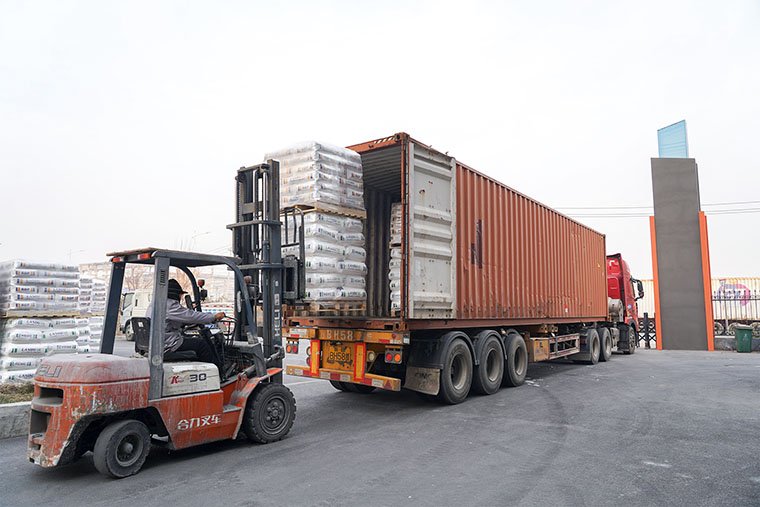
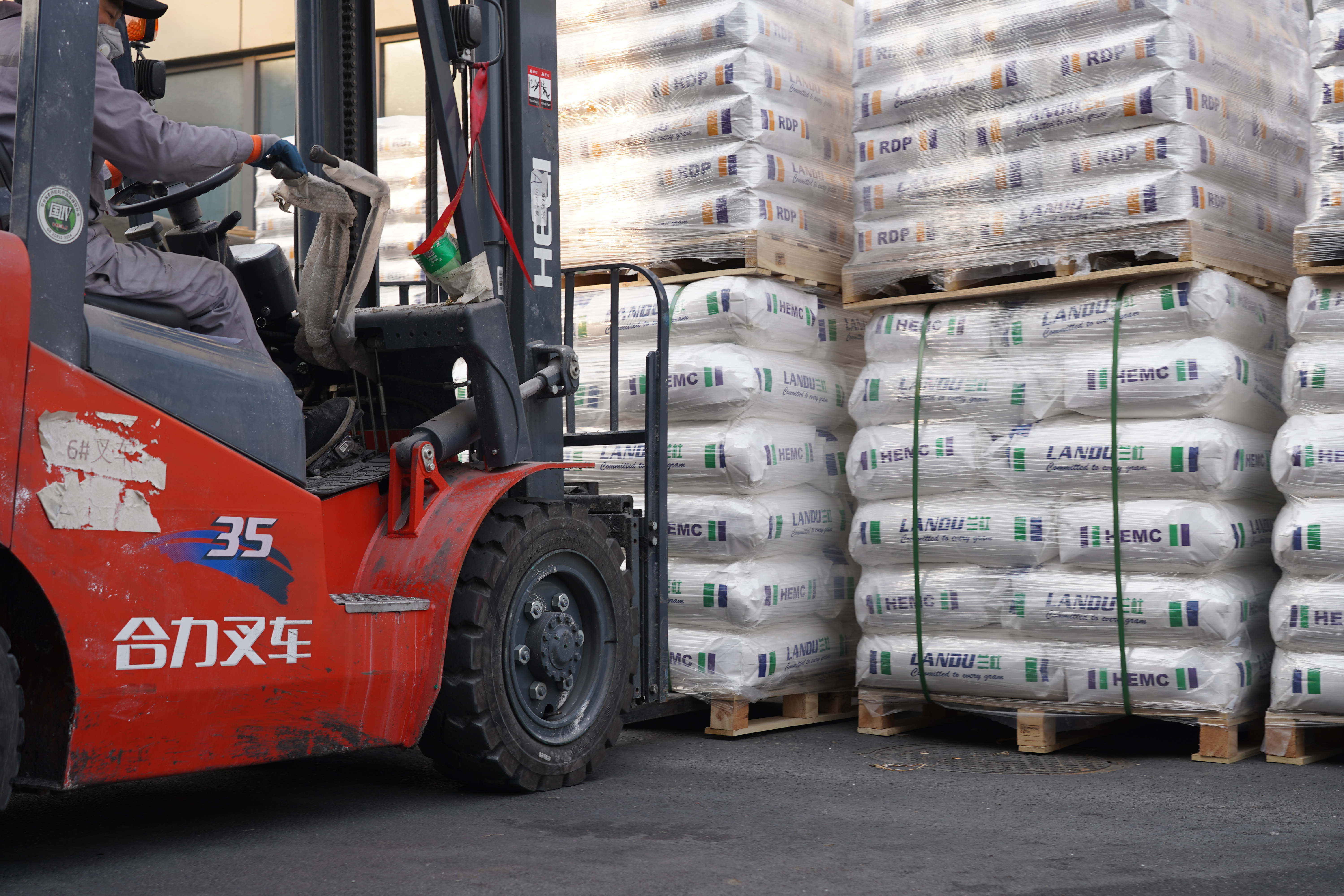 Hygroscopic · Seal When Not in Use
LANDERCOLL can provide product-related documents to support agricultural formulation testing, purchasing review, quality evaluation, and internal approval.
Product specifications, viscosity, and performance data for grade evaluation.
Safety, handling, and regulatory information for site compliance.
Batch-specific quality confirmation for incoming inspection.
Detailed grade parameters and acceptance criteria.
Overview of product range and agricultural applications.
Formulation and processing reference for agricultural systems.
Selection support tailored to your agricultural formulation system.
Handling, shelf life, and storage condition reference.
Customs and import compliance documentation where applicable.
If your agricultural formulation has particle settling, uneven seed coating, weak granules, excessive dusting, poor dilution stability, watery texture, excessive viscosity, or viscosity drift, the cellulose ether grade may need to be reviewed.
LANDERCOLL can help evaluate suitable CMC, HEC, HPMC, or selected cellulose ether options based on your application type, active ingredient system, salt level, pH, water quality, viscosity target, coating process, and storage requirement.
CMC selection for suspension, binding, and water retention
HEC selection for smooth viscosity and rheology
HPMC selection for coating, film support, and gel systems
Seed coating and fertilizer coating discussion
Granule strength and dust reduction support
Compatibility testing direction
Dosage reference
Sample and quotation communication
CMC, HEC, and HPMC may be used in selected agricultural formulations. CMC supports suspension, binding, and water retention; HEC supports smooth viscosity control and liquid formulation stability; and HPMC supports selected coating, film-forming, and rheology needs.
CMC helps support particle suspension, binding, water retention, coating uniformity, granule strength, and formulation consistency in selected agricultural systems. It is commonly considered for seed coating, fertilizer granulation, and pesticide suspension applications.
Yes. CMC, HPMC, and selected cellulose ether grades may be used in seed coating systems to support binding, coating uniformity, film behavior, and stable application. Final suitability must be confirmed through seed safety and germination testing.
Yes. CMC may support granule binding, water retention, and dust reduction in selected fertilizer granulation systems. Final performance depends on fertilizer composition, moisture level, granulation process, and drying conditions.
Selected CMC or HEC grades can support viscosity and suspension stability in compatible pesticide suspension systems. Final performance depends on active ingredient type, particle size, dispersant system, pH, salt content, and storage conditions.
A common reference dosage is around 0.1%–2.5%, depending on formulation type, active ingredient system, viscosity target, coating requirement, and cellulose ether grade. Final dosage should always be confirmed through testing.
No. Cellulose ether is generally used as a formulation aid, thickener, binder, stabilizer, or coating support. It does not replace active ingredients, nutrients, or crop-protection components.
Start with application type, active ingredient system, salt level, pH, target viscosity, suspension requirement, binding requirement, coating process, dilution behavior, and storage stability target. LANDERCOLL can recommend suitable CMC, HEC, HPMC, or selected cellulose ether grades for testing.
Whether you develop seed coatings, fertilizer granules, fertilizer coatings, pesticide suspension concentrates, agricultural gels, soil conditioner formulations, biological formulation carriers, or specialty crop-care systems, LANDERCOLL can help you choose the right cellulose ether grade for better viscosity control, suspension stability, binding support, water retention, coating uniformity, and formulation consistency.
Our team can review your formulation requirements, recommend suitable CMC, HEC, or HPMC grades, provide dosage references, and support your testing process from sample to production scale.
CMC for Suspension · HEC for Viscosity · HPMC for Coating · Seed Coating · Fertilizer Granulation · Pesticide Suspension · Agricultural Gel · Soil Conditioner · Binding · Water Retention · Coating Uniformity.
LANDERCOLL — Cellulose Ether for Industrial Applications. For technical inquiries, product samples, or formulation support, contact our team directly. All performance data, dosage references, and formulation guidance provided on this page are for reference only. Final suitability must be confirmed through testing under your specific agricultural formulation system and production conditions.
