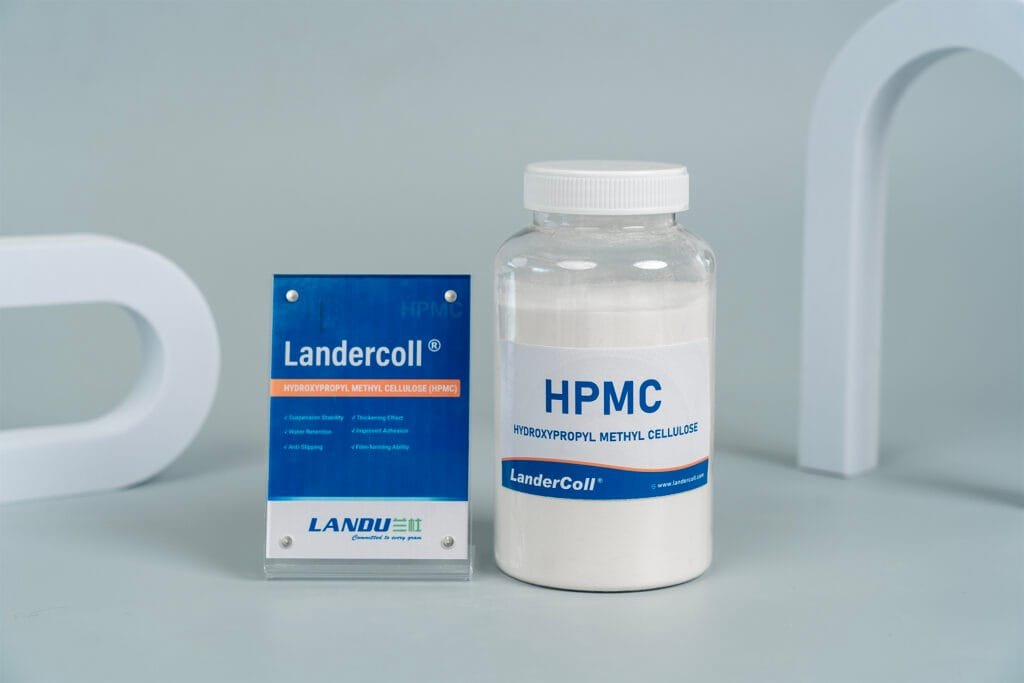
Kuidas toodetakse hüdroksüpropüülmetüültselluloosi (HPMC)
Mis on hüdroksüpropüülmetüültselluloos (HPMC)?
Hüdroksüpropüülmetüültselluloos (HPMC) on mittetoksiline, biolagunev polümeer, mis on saadud tselluloosist. Laialdaselt kasutatav sellistes tööstusharudes nagu farmaatsia, ehitus ja toiduainetööstus, toimib HPMC sideainena, stabilisaatorina, paksendajana ja emulgaatorina tänu oma ainulaadsetele omadustele, sealhulgas vees lahustuvusele ja termilisele geelistumisele.
HPMC peamine tooraine on tselluloos, mida saadakse puidumassist või puuvillalinteritest. Need materjalid valitakse nende kõrge puhtuse ja struktuurse stabiilsuse tõttu.
Miks tselluloos?
Tselluloos on süsivesikute polümeer, mida leidub taimede rakuseintes. Selle pikad glükoosiühikute ahelad pakuvad suurepärast alust keemiliseks modifitseerimiseks HPMC loomiseks.
2. Leelistamine
Tootmisprotsessi esimene samm on leelistamine.
•Tselluloosi töödeldakse naatriumhüdroksiid (NaOH), tavaliselt 50% kontsentratsioonis.
•See samm häirib tselluloosi vesiniksidemeid, põhjustades paisumist ja kristallilisuse kadu. Saadud materjali nimetatakse alkali cellulose.
3. Etherification
In the etherification stage, chemical groups are introduced to modify the cellulose structure. This is a critical step where the unique properties of HPMC are achieved.
•Reagents Used: Methyl chloride (CH3Cl) and propylene oxide (C3H6O).
•The alkali cellulose reacts with methyl chloride to form methyl cellulose (MC). Propylene oxide is then added to introduce hydroxypropyl groups, resulting in Hydroxypropyl Methylcellulose (HPMC).
This process is typically performed under carefully controlled conditions of temperature and pressure to ensure the desired substitution levels.
4. Washing
After the etherification reaction, the product contains impurities such as salts and unreacted chemicals. These are removed by thoroughly washing the HPMC with water and organic solvents like isopropyl alcohol.
5. Drying
The washed HPMC is dried to remove residual moisture. Advanced drying techniques like fluidized bed drying or vacuum drying are used to maintain product quality while ensuring efficiency.
6. Pulverization and Sieving
The dried material is then pulverized into a fine powder to achieve the desired particle size. This is followed by sieving to ensure consistency in the product’s texture.
7. Packaging
The final HPMC powder is packed in moisture-proof containers to maintain its quality during storage and transportation.
7. Packaging
The final HPMC powder is packed in moisture-proof containers to maintain its quality during storage and transportation.
While HPMC production relies on renewable cellulose resources, the use of chemicals such as sodium hydroxide, methyl chloride, and propylene oxide can pose environmental challenges.
•Effluent Treatment: Manufacturers must treat effluents to minimize water pollution.
•Sustainability Initiatives: Many producers now focus on sourcing cellulose from sustainable forestry practices and reducing the use of hazardous solvents.
Hüdroksüpropüülmetüültselluloos (HPMC) is a versatile polymer with applications spanning various industries. Its production process, involving alkalinization and etherification of cellulose, creates a product with exceptional functional properties. However, careful management of raw materials and byproducts is essential to ensure both high-quality production and environmental sustainability.