تميز الإيثير السليلوز — موثوق به من قبل أكثر من 1000 شركة حول العالم احصل على عينة مجانية

HPMC and HEMC / MHEC solutions for tile adhesive, wall putty, plaster, mortar, EIFS / ETICS, and drymix building materials.
LANDERCOLL cellulose ether products help improve water retention, open time, workability, mortar consistency, surface finish, and application stability in cement-based and gypsum-based construction materials.
Whether you are formulating tile adhesive, wall putty, skim coat, cement plaster, gypsum plaster, masonry mortar, or EIFS / ETICS mortar, the right cellulose ether grade can make a measurable difference in job-site performance and product reliability.
Cellulose ether — primarily HPMC and HEMC / MHEC — is the most widely used water retention additive in drymix construction materials, helping cement-based and gypsum-based formulations maintain workability, extend open time, and support stable hydration after mixing.
Water retention is one of the most critical functional properties of cellulose ether in construction applications. In cement-based and gypsum-based formulations, water is not only used for mixing — it also controls workability, hydration quality, setting behavior, open time, surface finish, and overall application performance on the job site.
In products such as tile adhesive, wall putty, skim coat, cement plaster, gypsum plaster, masonry mortar, EIFS / ETICS mortar, and ready-mix dry mortar — good water retention is often the difference between a product that is difficult to use and one that performs consistently every time.
LANDERCOLL provides cellulose ether water retention solutions based on HPMC and HEMC / MHEC. These products help drymix manufacturers reduce rapid water loss, extend working time, improve mortar consistency, and create more stable, reliable application behavior across a wide range of substrates and site conditions.


Cellulose ether forms a three-dimensional polymer network within the water phase of the mortar. This network physically slows the movement of water out of the system, helping the mortar maintain working consistency, support hydration or setting reactions, and deliver more stable performance during application.
Water retention in drymix mortar refers to the ability of a mixed formulation — such as tile adhesive, plaster, or wall putty — to keep water within the system during and after application, rather than losing it rapidly to substrate absorption or evaporation.
When a mortar retains water effectively, it stays workable for a longer period, supports more complete cement hydration or gypsum setting, and delivers more consistent performance across different substrates and environmental conditions.
Cellulose ether — when dispersed and hydrated in a drymix formulation — forms a three-dimensional polymer network within the water phase of the mortar. This network physically slows the movement of water out of the system, helping the mortar maintain its working consistency, support hydration or setting reactions, and deliver more stable performance during application.
The effectiveness of this mechanism depends on the cellulose ether type, viscosity grade, dosage level, and compatibility with other formulation components such as cement, gypsum, fillers, redispersible polymer powder, and starch ether.
In construction materials, water retention directly affects both production quality and job-site usability. A formulation with poor water retention may dry too quickly, become difficult to spread, lose open time, or fail to achieve the expected bonding, finishing, or setting performance.
Good water retention helps mortar remain workable during application, improves application comfort for the installer, and supports more consistent results across different substrates, temperatures, and site conditions.
For drymix manufacturers, water retention performance is also a key factor in product differentiation. A mortar that is easy to use, stays open longer, and finishes smoothly is more likely to earn repeat business from contractors and applicators.
For water retention in drymix construction materials, HPMC and HEMC / MHEC are the primary product families. Both improve moisture control, workability, and mortar performance, but the best choice depends on the formulation system, application type, and target performance profile.
Primary Choice
Hydroxypropyl methylcellulose (HPMC) is the most widely used cellulose ether in drymix construction materials. It provides strong water retention, thickening, workability improvement, film-forming support, and formulation stability across a broad range of cement-based and gypsum-based systems.
In tile adhesive, wall putty, skim coat, plaster, and masonry mortar, HPMC helps the material retain water after mixing, remain workable during application, and achieve a more consistent and reliable performance profile. Available in a range of viscosity grades and surface treatment options.
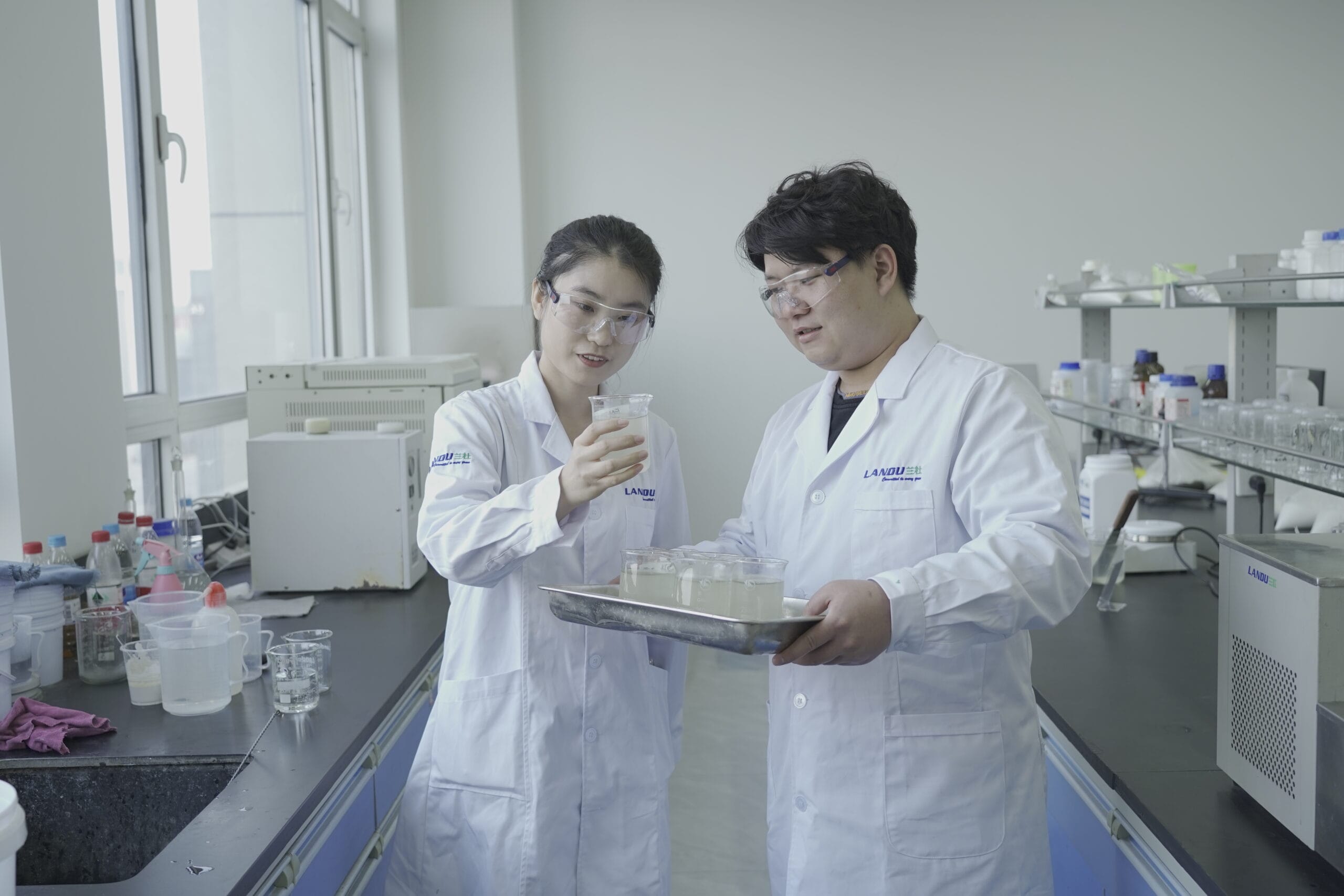 مقاومة الترهل · وقت الفتح
Hydroxyethyl methylcellulose (HEMC), also known as MHEC, is a cellulose ether specifically well-suited for drymix construction systems where water retention must work together with open time, anti-sag behavior, troweling feel, and mortar consistency.
Compared to HPMC, HEMC / MHEC is often selected when anti-sag performance, smoother troweling, or specific open time behavior is a priority — particularly in tile adhesive, EIFS / ETICS mortar, wall putty, and vertical application systems.
Hydroxyethyl cellulose (HEC) is primarily used for thickening and rheology control in water-based paints, coatings, personal care products, detergents, and industrial systems. In selected construction or industrial formulations, HEC may also support water retention and consistency control. For mainstream drymix construction materials, HPMC and HEMC / MHEC remain the preferred families.
Selected mortar systems · Floor screeds · Water-based paints · Industrial systems · Oilfield fluidsCarboxymethyl cellulose (CMC) is not typically the primary choice for drymix construction water retention. However, CMC can support water management and moisture control in food, toothpaste, ceramics, detergents, paper, textile, and selected industrial systems. For construction water retention, HPMC and HEMC / MHEC remain the recommended product families.
Food systems · Toothpaste · Ceramic slurry · Detergents · Paper & textile · Industrial suspensionsDifferent construction materials require different water retention behavior, viscosity levels, and cellulose ether chemistry. The table below provides a practical reference for selecting cellulose ether products by application type.
| تطبيق | المنتج الموصى به | Main Water Retention Goal |
|---|---|---|
| لاصق البلاط | HPMC / HEMC / MHEC | Open time, anti-slip, troweling, bonding support |
| جص البلاط | HEMC / MHEC / HPMC | Smooth filling, consistency, stable curing behavior |
| معجون الحائط / معجون الحائط | HPMC / HEMC / MHEC | Smooth scraping, surface finish, reduced rapid drying |
| درابزين أسمنتي/جص أسمنتي | HPMC / HEMC / MHEC | Workability, spreading, controlled moisture loss |
| جص جبسي جبس | HPMC / HEMC / MHEC | Smooth application, water management, setting support |
| ملاط البناء | HPMC / HEMC / MHEC | Board life, workability, brick and block laying performance |
| مركبات التسوية الذاتية | Low to medium viscosity HPMC / HEMC | Flow balance, stability, controlled water behavior |
| ملاط أنظمة العزل الحراري الخارجي (EIFS/ETICS) | HEMC / MHEC / HPMC | Open time, anti-sag, insulation system application |
| هاون مقاوم للماء | HPMC / HEMC / MHEC | Uniform coating, workability, stable consistency |
| مونة الإصلاح | HPMC / HEMC / MHEC | Anti-sag, repair workability, controlled finishing |
| مونة جافة جاهزة | Depends on system | Batch consistency, application reliability |
This table is for general selection guidance only. Final product selection should always be confirmed through laboratory testing and application trials, because cement type, gypsum quality, sand grading, filler system, redispersible polymer powder, starch ether, water quality, temperature, substrate absorption, and application method can all significantly affect water retention performance in practice.
The following table summarizes the water retention strength, best-fit applications, and additional functional benefits of each cellulose ether product family offered by LANDERCOLL.
| عائلة المنتج | Water Retention Strength | Best-Fit Applications | Additional Benefits |
|---|---|---|---|
| HPMC | ممتاز | Tile adhesive, wall putty, plaster, mortar, drymix systems | Workability, thickening, film forming, batch consistency |
| HEMC / MHEC | ممتاز | Tile adhesive, EIFS, wall putty, plaster, repair mortar | Open time, anti-sag, troweling comfort, mortar stability |
| HEC | Moderate / selected use | Selected construction, coatings, industrial systems | Thickening, rheology control, water-based stability |
| CMC | Selected water management | Food, toothpaste, ceramics, detergents, industry | Water binding, texture improvement, stabilization |
For mainstream drymix construction water retention, HPMC and HEMC / MHEC are the most important and most widely used product families. HEC and CMC may support water management in selected systems, but they are not the primary choice for tile adhesive, wall putty, plaster, and drymix mortar water retention applications.
Cellulose ether dosage for water retention depends on the application type, formulation design, raw material quality, target water retention level, viscosity grade selected, local climate conditions, substrate absorption characteristics, and job-site requirements.
The following ranges are general starting points for laboratory evaluation. They are not fixed usage standards and should always be confirmed through testing.
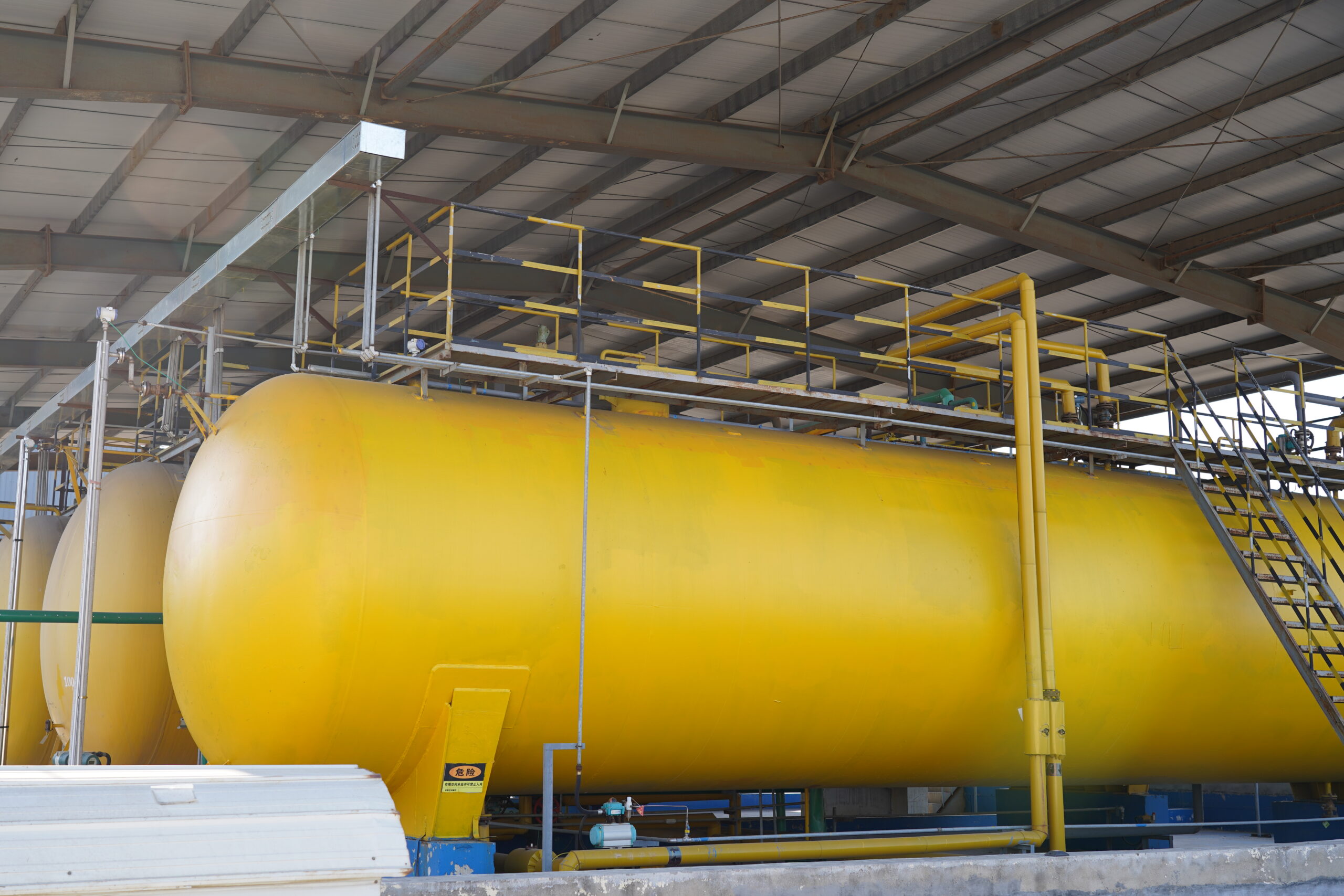
These dosage levels are starting references only. Final dosage must be confirmed through laboratory testing, production trials, water retention testing, application performance evaluation, and job-site assessment.
| تطبيق | Typical Reference Dosage (% by weight) |
|---|---|
| لاصق البلاط | 0.2% – 0.5% |
| جص البلاط | 0.1% – 0.3% |
| معجون الحائط / معجون الحائط | 0.2% – 0.5% |
| درابزين أسمنتي/جص أسمنتي | 0.15% – 0.4% |
| جص جبسي جبس | 0.1% – 0.3% |
| ملاط البناء | 0.1% – 0.3% |
| مركبات التسوية الذاتية | 0.05% – 0.2% |
| ملاط أنظمة العزل الحراري الخارجي (EIFS/ETICS) | 0.2% – 0.5% |
| هاون مقاوم للماء | 0.15% – 0.4% |
| مونة الإصلاح | 0.15% – 0.4% |
| مونة جافة جاهزة | يعتمد على نوع المنتج وهدف الأداء. |
Water retention performance is not determined by cellulose ether alone. It depends on the interaction between the cellulose ether product and the complete drymix formulation system. Understanding the main factors that influence water retention helps formulators make better product selections and achieve more consistent results.
HPMC and HEMC / MHEC are the most common choices for drymix construction water retention. Product chemistry, degree of substitution, viscosity grade, and surface treatment all affect how the cellulose ether performs in a given formulation.
Higher viscosity grades generally improve water retention and mortar consistency, but they may also affect workability, flow behavior, anti-sag performance, and application feel. The right viscosity grade must be matched to the specific application.
Increasing cellulose ether dosage can improve water retention, but excessive dosage may result in overly sticky mortar, poor spreadability, delayed setting behavior, or difficult application. The optimal dosage balances water retention with workability and open time.
Different cement types and gypsum sources vary in their water demand, hydration behavior, and reactivity. These differences affect how cellulose ether interacts with the binder system and how effectively water retention is achieved in practice.
Particle size distribution, filler type, and sand grading influence water demand, mortar consistency, and water retention behavior. A finer filler system generally increases water demand and may require higher dosage.
Highly absorbent substrates — such as AAC panels, lightweight concrete blocks, or old brick walls — can draw water rapidly from applied mortar. Better water retention helps reduce performance loss under these demanding conditions.
Hot, dry, or windy job-site conditions accelerate water evaporation and substrate absorption. Selecting a cellulose ether grade with suitable water retention performance helps improve job-site tolerance in challenging climates.
Redispersible polymer powder, starch ether, air-entraining agents, retarders, and accelerators can all interact with cellulose ether. Mixing time, water addition sequence, and hydration time also affect water retention benefit delivery.

Tile adhesive requires sufficient water retention to maintain open time, support troweling performance, reduce tile slip, and ensure stable installation quality. When water is lost too quickly, the adhesive surface may skin over, the open time window shortens, and tiles become difficult to position or adjust.

Wall putty and skim coat require smooth scraping behavior, stable consistency, and good surface finishing quality. Water retention helps the product stay workable during application, reduces rapid moisture loss into the substrate, and supports a more uniform and smooth final surface.
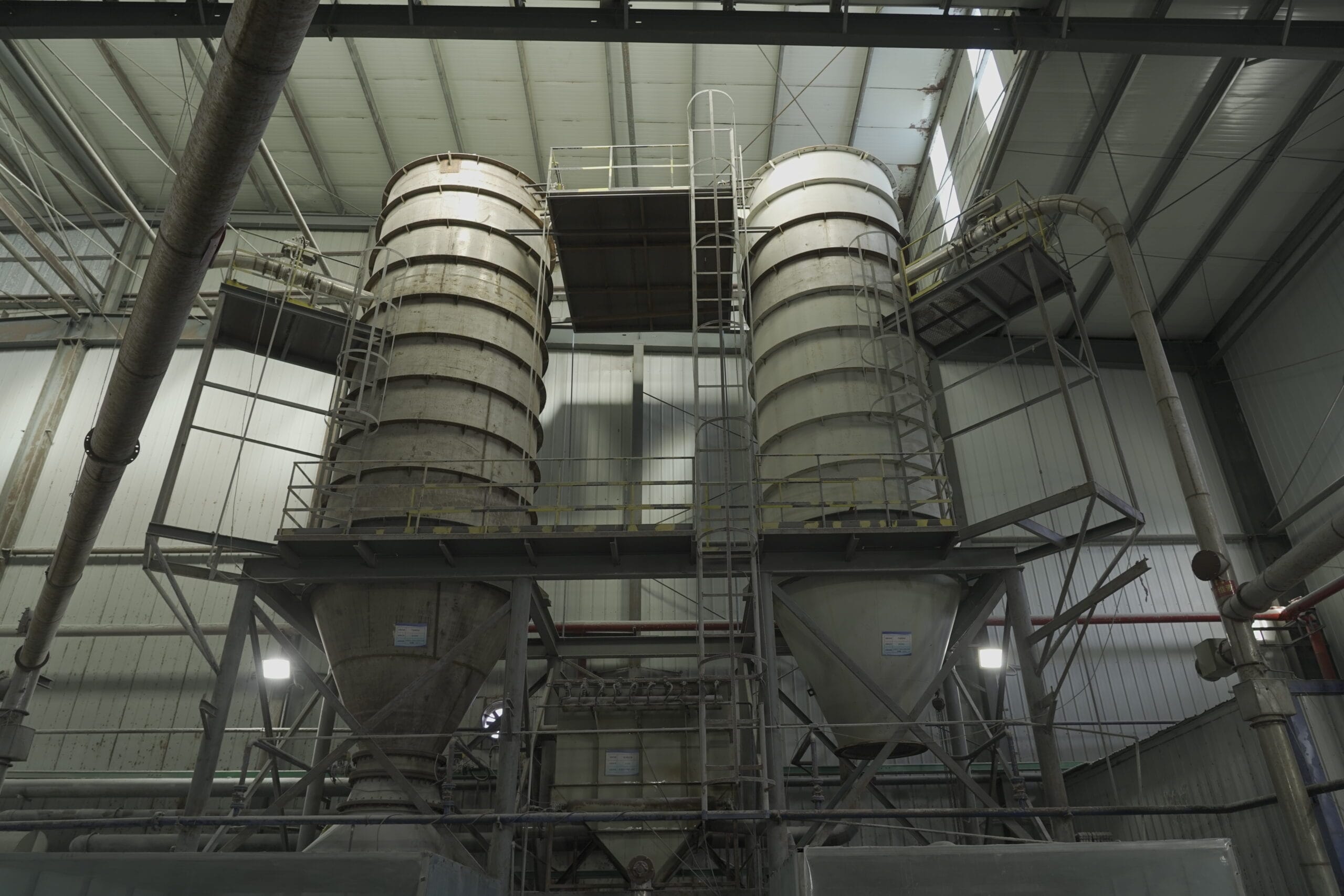
Cement plaster and render require controlled water loss to maintain workability, support cement hydration, and achieve consistent surface quality. Good water retention supports better spreading, finishing, and more reliable application performance on different substrates including concrete, brick, block, and AAC panels.
Gypsum plaster requires stable water management to support smooth application, controlled setting behavior, and consistent surface quality. Unlike cement-based systems, gypsum sets through a crystallization process that is sensitive to water availability. HPMC and HEMC / MHEC help balance water retention with the setting time requirements of the specific gypsum formulation.
EIFS and ETICS mortar systems require open time, anti-sag behavior, and stable application performance during insulation board bonding, mesh embedding, and finishing coat installation. Water retention helps maintain workable consistency throughout the process. HEMC / MHEC is often the preferred choice due to its combination of water retention, anti-sag behavior, and troweling performance.
Repair mortar and waterproof mortar require stable consistency, controlled water loss, and reliable application thickness on vertical and uneven surfaces. For waterproof mortar, consistent water retention also supports more uniform film formation and coating integrity across the treated surface.
Choosing the right water retention cellulose ether requires a clear understanding of the drymix system, the target application, job-site conditions, and the performance balance required. The goal is not simply to retain as much water as possible — it is to achieve the right balance between water retention, workability, open time, consistency, anti-sag behavior, surface finish, and overall application quality.
HPMC is a strong starting point for most cement-based and gypsum-based drymix applications. HEMC / MHEC is often preferred when anti-sag performance, specific troweling feel, or demanding open time requirements are important alongside water retention.
Viscosity grade selection is also critical. Higher viscosity grades generally improve water retention but may affect workability and flow. The right grade must be matched to the application and the complete formulation system.
If you are not sure which product direction is most suitable for your formulation, LANDERCOLL can help review your application requirements and recommend a practical grade for laboratory evaluation.
If your mortar dries too quickly, loses open time, becomes difficult to spread, develops surface cracks, skins over prematurely, or performs inconsistently across different substrates or job-site conditions, the water retention system in your formulation may need to be reviewed.
Common signs that water retention needs improvement include short open time in tile adhesive, difficult scraping in wall putty, surface cracking in plaster, inconsistent workability in masonry mortar, and poor application stability in EIFS / ETICS systems.
LANDERCOLL can help you evaluate suitable HPMC and HEMC / MHEC options for your specific application and formulation system. We work with drymix manufacturers across tile adhesive, wall putty, plaster, gypsum products, EIFS / ETICS, waterproof mortar, repair mortar, and ready-mix dry mortar.
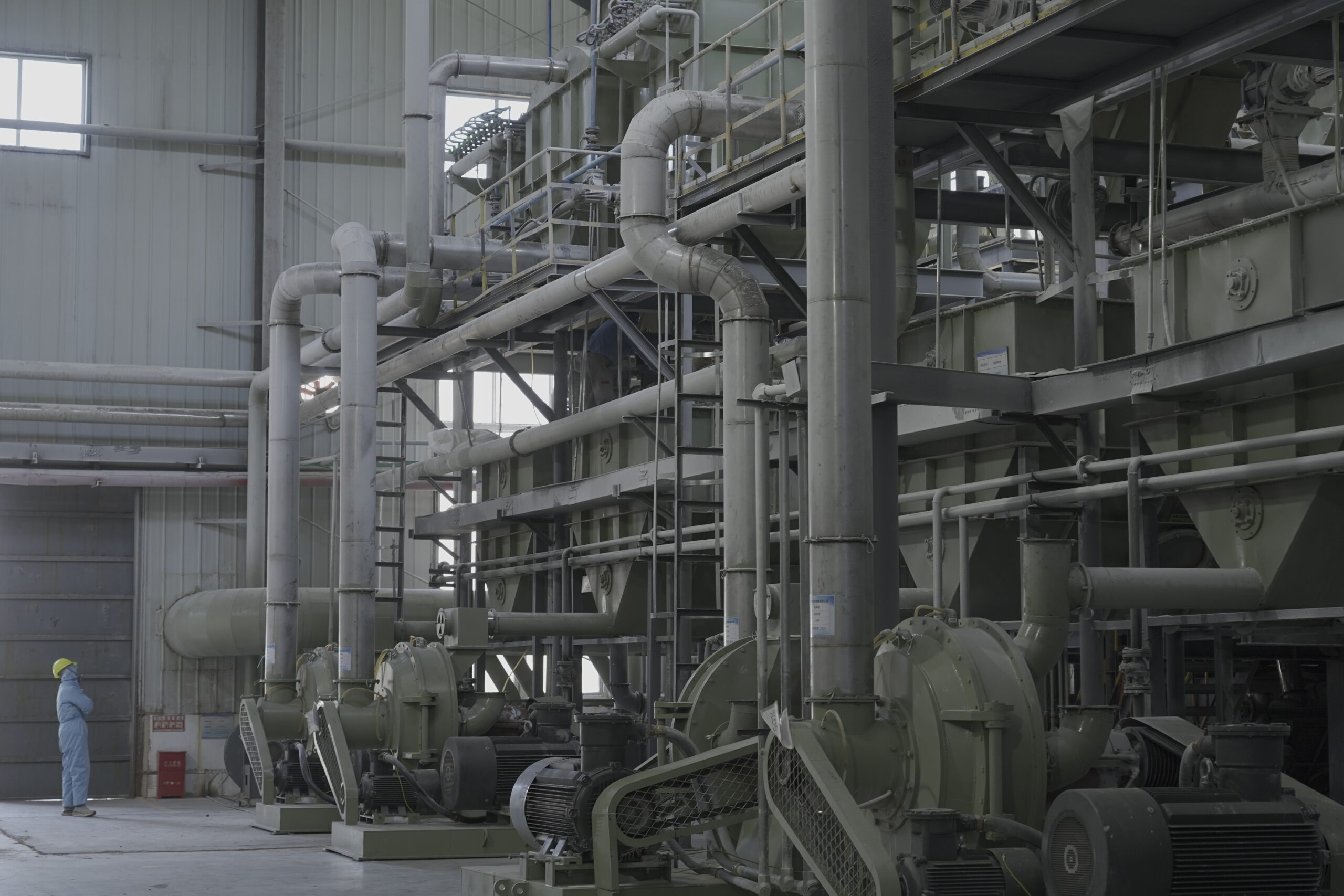
Water retention product selection and grade recommendation for your specific application and formulation system.
HPMC and HEMC / MHEC comparison for your specific application — helping you understand which product family is better suited to your performance requirements.
Viscosity grade direction and dosage discussion based on your formulation type, performance target, and current reference grade if available.
Application matching and formulation compatibility review to help identify potential interactions and improve overall formulation balance.
Technical document support and product data sheets including TDS, SDS, COA, and grade comparison documents.
Sample arrangement and quotation communication — from initial evaluation sample to commercial sourcing discussion.
Laboratory evaluation support and test method guidance to help you evaluate water retention performance systematically.
Water retention in drymix mortar is the ability of a mixed formulation to keep water within the system after mixing and during application, rather than losing it rapidly through substrate absorption or evaporation. Good water retention helps maintain workability, extend open time, support cement hydration or gypsum setting, and deliver more consistent application performance on the job site.
HPMC and HEMC / MHEC are the most widely used cellulose ethers for water retention in drymix construction materials. Both product families provide strong water retention performance in tile adhesive, wall putty, skim coat, cement plaster, gypsum plaster, masonry mortar, EIFS / ETICS mortar, waterproof mortar, and repair mortar. The best choice depends on the specific application, binder system, and performance requirements.
HPMC forms a hydrated polymer network in the mortar system that slows the movement of water out of the formulation. This helps retain water after mixing, maintains workable consistency during application, extends open time, supports cement hydration or gypsum setting, and improves surface finishing quality. HPMC is used across a wide range of cement-based and gypsum-based drymix applications.
HEMC / MHEC improves water retention in drymix construction systems while also providing strong anti-sag behavior, smooth troweling performance, extended open time, and stable mortar consistency. It is particularly well-suited for tile adhesive, EIFS / ETICS mortar, wall putty, and vertical application systems where water retention must work together with anti-sag and application control.
Tile adhesive needs water retention to maintain open time, keep the adhesive workable during tile placement, reduce rapid surface drying and skinning, and support stable bonding performance. Without adequate water retention, tile adhesive may lose its open time window quickly, making tile positioning and adjustment difficult and reducing the reliability of the installation.
HPMC and HEMC / MHEC are both commonly used in wall putty and skim coat formulations to improve water retention, smooth scraping behavior, surface finish quality, and application stability. The choice between HPMC and HEMC / MHEC depends on the specific formulation requirements, substrate conditions, and target performance profile.
Higher viscosity grades often improve water retention in drymix systems, but viscosity is not the only factor. Product chemistry, degree of substitution, dosage level, dispersion quality, and formulation design also significantly affect water retention performance. Selecting a viscosity that is too high can negatively affect workability, spreadability, and application comfort, so the right balance must be found for each application.
For most drymix construction materials, cellulose ether dosage for water retention typically starts in the range of 0.1% to 0.5% by weight, depending on the application type, viscosity grade, target performance level, and formulation system. Self-leveling compounds generally use lower dosages, while tile adhesive, wall putty, and EIFS mortar may use higher dosages. Final dosage should always be confirmed through laboratory testing and application trials.
HEC and CMC can support water management in selected systems, but HPMC and HEMC / MHEC are the standard choices for water retention in mainstream drymix construction materials. HEC is more commonly used in water-based coatings and industrial systems. CMC is more commonly used in food, ceramics, detergents, and industrial applications rather than construction mortar water retention.
Highly absorbent substrates such as AAC panels, lightweight concrete blocks, or old brick walls can draw water rapidly from applied mortar, reducing workability and open time. A cellulose ether with strong water retention performance helps slow this water loss, giving the mortar more time to remain workable and supporting more consistent bonding or finishing performance on demanding substrates.
Yes. Share your application type, binder system, target performance requirements, current cellulose ether grade or dosage if available, and market or climate conditions. LANDERCOLL can help recommend suitable HPMC or HEMC / MHEC products and viscosity grades for laboratory evaluation and production trials.
Whether you produce tile adhesive, wall putty, skim coat, cement plaster, gypsum plaster, EIFS / ETICS mortar, waterproof mortar, repair mortar, or ready-mix dry mortar, LANDERCOLL can help you select the right cellulose ether for better water retention, improved workability, extended open time, and more reliable application performance.
Our product range includes HPMC and HEMC / MHEC grades optimized for a wide range of drymix construction applications. We provide technical support, product samples, grade comparison guidance, and formulation discussion to help you find the most suitable solution for your specific system and market.
