تميز الإيثير السليلوز — موثوق به من قبل أكثر من 1000 شركة حول العالم احصل على عينة مجانية
تورد شركة LANDERCOLL درجات مناسبة ومتوافقة من HPMC و CMC وإيثرات السليلوز المختارة لمنتجي الأدوية الذين يطورون روابط الأقراص، والطلاءات، وأنظمة الإطلاق المتحكم فيه، وتطبيقات الكبسولات، والأفلام الفموية، والتركيبات العينية، وأنظمة السواغات.
Pharmaceutical-grade cellulose ethers can function as binders, film formers, matrix formers, viscosity modifiers, and suspending agents — across solid, liquid, semi-solid, and film-based dosage forms when properly selected and qualified.

أقراص الربط · طلاء الفيلم · الإطلاق المتحكم · الفيلم الفموي





يحتاج المنتجون الصيدلانيون إلى سواغات ذات جودة متسقة، ووثائق مناسبة، وأداء متحكم به، والامتثال لمتطلبات التطبيق ذات الصلة. في التركيبات الصيدلانية، يمكن استخدام إيثر السليلوز كرابط، ومكون للفيلم، ومعدل للزوجة، ومكون لمصفوفة الإطلاق المتحكم به، ومثبت، وعامل تعليق، ومادة متعلقة بالكبسولات اعتمادًا على الدرجة وتصميم التركيبة.
توفر LANDERCOLL سواغات مناسبة ومتوافقة HPMC, CMCومنتجات إيثر السليلوز المختارة للمنتجين الصيدلانيين الذين يطورون روابط الأقراص، وطلاءات الأقراص، وأنظمة الإطلاق المتحكم به، وتطبيقات الكبسولات، والأفلام الفموية، والتركيبات العينية، وأنظمة السواغ.
يجب أن يعتمد اختيار المنتج على الاستخدام المقصود، والمتطلبات التنظيمية، وتوقعات دساتير الأدوية، ووثائق الجودة، ودرجة اللزوجة، ونوع الاستبدال، ومتطلبات النقاء، واختبار التركيبة النهائية. ليست كل درجة من إيثر السليلوز مناسبة للاستخدام الصيدلاني.
سبعة أنواع من التطبيقات الصيدلانية · HPMC بدرجة صيدلانية و CMC مختارة · 25 كجم/كيس أو برميل · تتوفر صحيفة بيانات تقنية (TDS)، وصحيفة بيانات سلامة (SDS)، وشهادة تحليل (COA)، والمواصفات · أدلة التطبيق ووثائق التصدير عند الطلب.
يستخدم إيثر السليلوز على نطاق واسع في تطوير التركيبات الصيدلانية لأنه يوفر قابلية الذوبان في الماء، والقدرة على تكوين الفيلم، والتحكم في اللزوجة، وأداء الربط، وسلوك تكوين المصفوفة، ودعم التعليق. يمكن للدرجة الصيدلانية المناسبة أن تساعد في تحسين تناسق التركيبة، وقابلية المعالجة، وأداء شكل الجرعة، واستقرار المنتج عند اختيارها واختبارها بشكل صحيح.
الربط · الطلاء الفيلمي · الإطلاق المتحكم به · المعلق · اتساق التركيبة
| خصائص الأداء | ما يعنيه ذلك لتركيبة الأدوية |
|---|---|
| ربط الأقراص | تحسين تماسك المسحوق، وتكوين الحبيبات، وسلامة الأقراص |
| الطلاء بالفيلم | توفير طبقات طلاء ناعمة وموحدة على أشكال الجرعات الصلبة |
| تشكيل مصفوفة الإطلاق المتحكم به | دعم تصميم المصفوفة المحبة للماء للإطلاق الممتد |
| تطبيقات غلاف الكبسولة | دعم أنظمة الكبسولات النباتية والتركيبات ذات الصلة |
| تشكيل الفيلم الفموي | دعم بنية الفيلم ومرونته وسلوك الذوبان |
| التحكم في اللزوجة | ضبط اللزوجة في الأنظمة السائلة وشبه الصلبة والعينية |
| ثبات التعليق | دعم تعليق الجسيمات في الأشكال الصيدلانية السائلة |
| لزوجة التركيبات العينية | تحسين زمن المكوث والإحساس بالتزليق |
| ثبات أداء السواغ | دعم سلوك تركيبي موثوق وقابل للتكرار |
| مرونة تطوير التركيبات | مفيد عبر أنواع متعددة من الأشكال الصيدلانية |
منتجات LANDERCOLL من إيثرات السليلوز مناسبة لمجموعة من الأشكال الصيدلانية وتطبيقات السواغات — من ربط الأقراص وطلائها إلى الإطلاق المتحكم به والأفلام الفموية والأنظمة العينية.
تحسين تماسك المسحوق وتكوين الحبيبات وسلامة الأقراص وثبات التصنيع.
HPMC مناسب / CMC محددبوليمر مكون للفيلم لأغشية طلاء ناعمة وموحدة مع قابلية تصنيع جيدة.
HPMC مناسبتشكيل مصفوفة محبة للماء لأنظمة الأقراص ممتدة الإطلاق.
HPMC ذو لزوجة عاليةأنظمة الكبسولات النباتية ودعم التركيبات المتعلقة بالكبسولات.
HPMC مناسبتكوين الفيلم ومرونته وملمسه وسلوك الذوبان في تنسيقات الأفلام الفموية.
HPMC مناسباللزوجة والإحساس بالتزليق وثبات التركيبة في الأنظمة العينية.
HPMC متوافق / CMC محددFunction-specific excipient performance across solid, liquid, and film-based systems.
HPMC / CMC المناسبهل تحتاج إلى مستندات المنتج لتأهيل الموردين؟ طلب مستندات المنتجات الصيدلانية ←
نظرة عامة عملية على الاختيار لمنتجي الأدوية وعلماء تطوير التركيبات. يجب تأكيد اختيار المنتج النهائي من خلال تطوير التركيبة والمراجعة النوعية والتقييم التنظيمي واختبارات الثبات.
| التطبيق الصيدلاني | اتجاه المنتج الموصى به | هدف الأداء الرئيسي |
|---|---|---|
| مربّي الأقراص | HPMC مناسب / CMC محدد | الربط، دعم التحبيب، سلامة الأقراص |
| طلاء الأقراص | HPMC مناسب | تكوين الفيلم، تجانس الطلاء، قابلية التصنيع |
| إطلاق محكم | HPMC عالي اللزوجة مناسب | تشكيل مصفوفة محبة للماء، دعم التحكم في الإطلاق |
| تطبيقات الكبسولات | HPMC مناسب | دعم غلاف الكبسولة أو التركيبات المتعلقة بالكبسولات |
| فيلم فموي | HPMC مناسب | تكوين الفيلم، المرونة، سلوك الذوبان |
| تركيبات العين | HPMC مناسب / CMC محدد | اللزوجة، الإحساس بالتزليق، ثبات التركيبة |
| السواغات الصيدلانية | HPMC / CMC المناسب | Function-specific excipient performance |
توفر LANDERCOLL إيثرات السليلوز من نوع HPMC بدرجة نقاء صيدلانية و CMC محدد لمنتجي الأدوية. يدعم كل خط إنتاج وظائف سواغات مختلفة عبر الأشكال الصيدلانية الصلبة والسائلة وشبه الصلبة والقائمة على الفيلم.
سواغ صيدلاني
Multi-function cellulose ether excipient for solid and film dosage forms
هيدروكسي بروبيل ميثيل سيلولوز (HPMC) is one of the most important cellulose ether excipients used in pharmaceutical formulation development. Suitable pharmaceutical grade HPMC can function as a binder, film former, controlled release matrix former, viscosity modifier, and capsule-related material depending on grade and application.
 الأنظمة المحددة
مشتق السليلوز الوظيفي لدعم اللزوجة والتعليق
كربوكسي ميثيل سليلوز (CMC) هو مشتق سيلولوزي وظيفي يمكن استخدامه في تركيبات صيدلانية مختارة حيث تكون هناك حاجة للتحكم في اللزوجة، أو استقرار المعلق، أو الربط، أو دعم التركيبة. للاستخدام الصيدلاني، يجب اختيار درجات مطابقة مناسبة وفقًا للتطبيق المقصود ومتطلبات الجودة.
Looking for a specific pharmaceutical grade? Share your dosage form, intended excipient function, and documentation needs.
اطلب توصية بدرجة صيدلانيةContinue below for dosage direction, formulation challenges, producer benefits, evaluation steps, documents, FAQ, and excipient support.
Dosage depends on dosage form, intended function, viscosity grade, active ingredient properties, process design, regulatory requirements, and target performance.
| التطبيق الصيدلاني | Typical Reference Direction |
|---|---|
| مربّي الأقراص | Depends on formulation and granulation method |
| طلاء الأقراص | Depends on coating solids and film target |
| Controlled Release Matrix | Depends on release profile and tablet design |
| تطبيقات الكبسولات | Depends on capsule system and process |
| فيلم فموي | Depends on film thickness and dissolution target |
| تركيبات العين | Depends on viscosity and product requirements |
| Pharmaceutical Excipient Systems | Depends on intended excipient function |
When tablet binding, coating quality, release profile, suspension, or documentation gaps arise during development, cellulose ether grade selection, dosage direction, and supplier qualification are often the first areas to review.
| Common Challenge | السبب المحتمل | Cellulose Ether Support Direction |
|---|---|---|
| Weak tablet binding | Poor powder cohesion or unsuitable binder system | Suitable HPMC or selected CMC may improve binding support |
| Poor coating film quality | Wrong polymer grade, poor coating solids, process imbalance | HPMC can support film formation and coating uniformity |
| Unstable release profile | Incorrect viscosity grade, polymer level, or tablet design | HPMC grade and dosage can be adjusted for matrix behavior |
| Poor suspension stability | Low viscosity, particle settling, weak system structure | Selected cellulose ether can support viscosity and suspension |
| Poor oral film formation | Wrong film former, plasticizer imbalance, process issue | HPMC can support film structure in selected systems |
| Viscosity mismatch | Wrong grade or concentration | Adjust viscosity grade and dosage direction |
| Compatibility issue | Interaction with API or other excipients | Confirm through compatibility and stability testing |
| Documentation gap | Supplier qualification requirement | Request available technical and quality documents |
Practical advantages cellulose ether excipients bring to pharmaceutical formulation development, supplier qualification, and dosage form performance.
Cellulose ether can perform multiple excipient functions — binding, coating, film formation, viscosity control, and matrix formation — depending on product grade and formulation design.
Low viscosity grades are typically used for coating and binding; high viscosity grades for controlled release matrix applications. LANDERCOLL can support grade selection based on target function.
Cellulose ether can be used in solid, liquid, semi-solid, and film-based dosage forms when matched to formulation and regulatory requirements.
LANDERCOLL can provide available product documents upon request to support supplier evaluation and internal qualification processes.
Compare product directions for binding, coating, controlled release, oral film, ophthalmic, and general excipient applications.
LANDERCOLL can discuss dosage form, excipient function, viscosity requirement, and documentation needs for your pharmaceutical system.
اطلب توصية بدرجة صيدلانيةBefore selecting cellulose ether for pharmaceutical production, producers should evaluate the product according to formulation, quality, and regulatory requirements.
Confirm the intended pharmaceutical application — define dosage form, function, and performance target.
Identify required excipient function — binder, film former, matrix former, viscosity modifier, or suspending agent.
Select suitable compliant HPMC or CMC grade direction — based on viscosity, substitution type, and purity specification.
Review available technical and quality documents — TDS, SDS, COA, and specification information.
Conduct compatibility testing with API and excipients — assess physical and chemical interactions.
Evaluate process performance and dosage form behavior — granulation, coating, dissolution, or film casting.
Conduct stability and performance testing — confirm behavior under storage and use conditions.
Complete regulatory and quality approval before commercial use — ensure compliance with applicable requirements.
Pharmaceutical producers often ask when to use HPMC and when to use CMC. HPMC is widely used for solid dosage functions such as binding, coating, and controlled release; CMC may support selected liquid, semi-solid, and excipient systems.
HPMC is commonly used where binding, film coating, controlled release matrix formation, capsule support, or oral film formation is required. Low viscosity grades are typically used for binding and coating; high viscosity grades for controlled release matrix applications.
CMC may be preferred in selected liquid, semi-solid, or excipient systems where viscosity control, suspension stability, or binding support is required. Suitable compliant grades must be selected and verified for pharmaceutical use.
Need help choosing between HPMC and CMC? Ask for a Pharmaceutical Grade Recommendation →
LANDERCOLL supports pharmaceutical producers with cellulose ether product selection, viscosity direction discussion, document communication, sample evaluation, and application matching based on intended dosage form.
Binder, coating, controlled release, capsule, oral film, and multi-function excipient applications.
Liquid, semi-solid, and selected solid applications requiring viscosity or suspension support.
Discussion of low and high viscosity directions for coating, binding, and matrix applications.
TDS, SDS, COA, specification information, and export documents for supplier qualification.
Sample arrangement and quotation communication for formulation evaluation.
Share your dosage form, intended excipient function, viscosity requirement, and documentation needs — we will suggest suitable grade directions.
اطلب توصية بدرجة صيدلانيةLANDERCOLL cellulose ether for pharmaceutical-related applications is supplied in industrial packaging suitable for transportation and controlled storage.
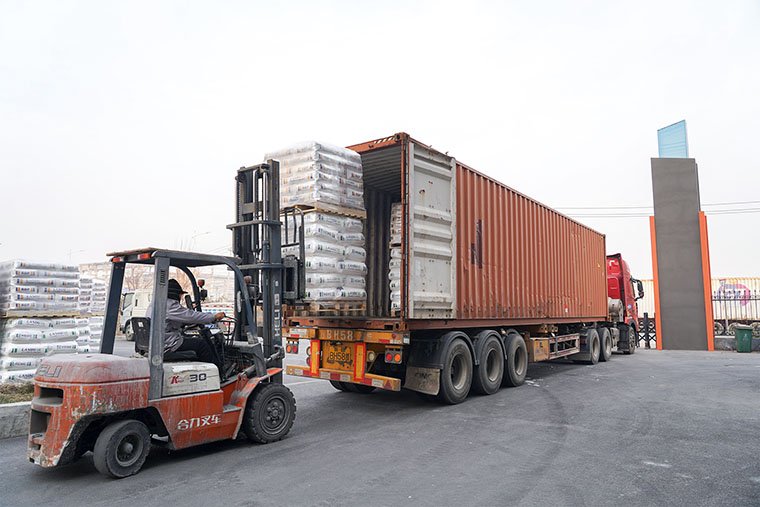
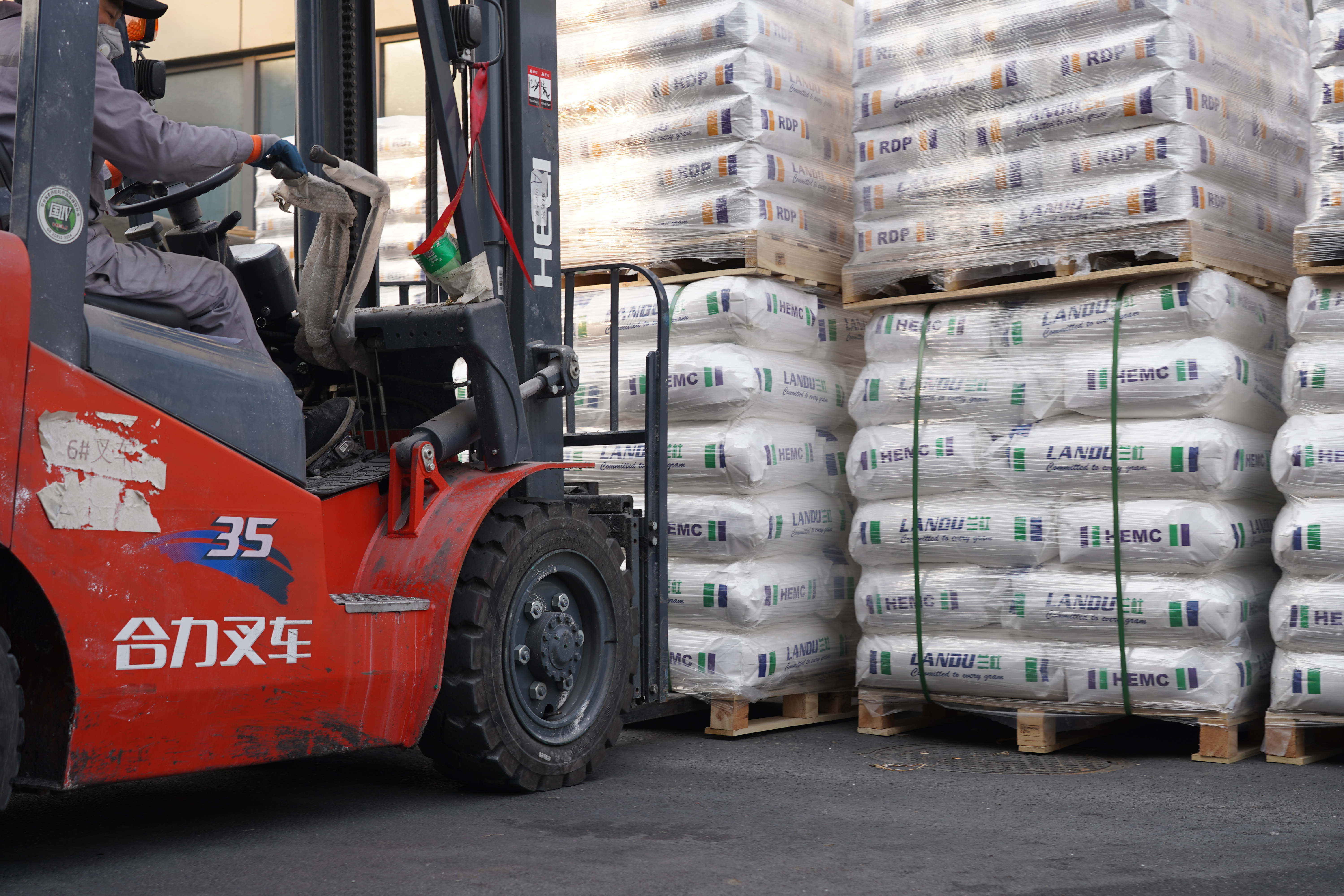
LANDERCOLL can provide available product-related documents to support pharmaceutical excipient evaluation, purchasing review, and internal approval processes.
Grade specifications, viscosity data, physical and chemical properties.
Handling, storage, and safety information.
Batch-specific quality confirmation.
Detailed grade parameters for qualification review.
Overview of product range and application areas.
Formulation and processing recommendations.
Container type, shelf life, and storage conditions.
Available on request for import and customs requirements.
Share your dosage form, intended excipient function, viscosity requirement, quality standards, and documentation needs. LANDERCOLL can recommend suitable HPMC or selected CMC grade directions for evaluation and arrange samples for formulation testing.
Suitable HPMC grade direction for your dosage form and function
Suitable CMC grade direction for liquid, semi-solid, or selected solid applications
Viscosity grade comparison and selection discussion
Binder and film-forming application support
Controlled release formulation direction and grade recommendation
Product document communication for supplier qualification
Sample and quotation support for formulation evaluation
Quality and specification discussion with your technical team
Suitable pharmaceutical grade HPMC and selected CMC products are the most commonly used cellulose ethers in pharmaceutical formulations. HPMC is used for tablet binding, film coating, controlled release matrix formation, capsule applications, and oral films. CMC may be used in selected liquid, semi-solid, and excipient systems.
HPMC can function as a binder, film former، أو controlled release matrix former depending on grade, viscosity, dosage, and formulation design. Low viscosity grades are typically used for binding and coating; high viscosity grades for controlled release matrix applications.
Yes. Suitable pharmaceutical grade HPMC is widely used as a film-forming polymer in aqueous and selected solvent-based tablet coating systems. It can help create smooth, uniform coating films with good adhesion and processability.
Yes. Selected high viscosity HPMC grades can support hydrophilic matrix formation for controlled release tablet systems. Final release behavior must be confirmed through dissolution testing under relevant conditions.
Selected suitable CMC grades may be used for viscosity control, suspension stability, binding, or other excipient functions in liquid, semi-solid, or selected solid dosage forms. Suitable compliant grades must be verified for regulatory and quality requirements.
No. Only suitable compliant grades should be considered for pharmaceutical applications. Product selection must match intended use, regulatory requirements, pharmacopoeia specifications where applicable, and quality documentation.
Available documents may include TDS, SDS, COA, product specification information, product brochure, application guide, packaging and storage information, and export-related documents. Contact LANDERCOLL to request specific documents.
Define dosage form, intended excipient function, viscosity requirement, quality standards, regulatory expectations, API compatibility, process conditions, and performance target. LANDERCOLL can recommend suitable grade directions and support document communication for supplier qualification.
Whether you produce tablet binders, tablet coatings, controlled release tablets, capsule applications, oral films, ophthalmic formulations، أو pharmaceutical excipient systems, LANDERCOLL can help you evaluate suitable compliant HPMC and selected CMC grades for formulation testing and supplier qualification.
Our team can support product selection, viscosity direction, application matching, document communication, and sample discussion — from initial inquiry through to formulation evaluation.
HPMC · CMC · For Tablet Binding · Film Coating · Controlled Release · Capsule Applications · Oral Film · Ophthalmic Formulations · Pharmaceutical Excipients.
All performance data, dosage references, and formulation guidance provided on this page are for reference only. Final suitability must be confirmed through testing in your specific pharmaceutical formulation, quality review, and regulatory assessment. LANDERCOLL reserves the right to update product information without prior notice.
