تميز الإيثير السليلوز — موثوق به من قبل أكثر من 1000 شركة حول العالم احصل على عينة مجانية
يساعد إيثر السليلوز LANDERCOLL HEC مصنعي دهانات الجدران الداخلية على تحسين التحكم في اللزوجة، وتعليق الصبغات والحشوات، وشعور التطبيق، وأداء التسوية، والثبات داخل العلبة عبر درجات الدهانات الاقتصادية، القياسية، الفاخرة، والزخرفية.
من مستحلب داخلي اقتصادي إلى الدهانات المطفية الفاخرة، والساتان، وعالية الـPVC، وطلاءات الجدران الزخرفية — توفر درجة HEC المناسبة تكثيفًا موثوقًا، وريولوجيا مستقرة، وأداء تطبيق يمكن التنبؤ به.

اقتصاد · ستاندرد · بريميوم · مات · ساتان · عالي-PVC · ديكور



دهان الجدران الداخلية هو طلاء زخرفي وواقٍ ذو أساس مائي يُطبق على الجدران والأسقف الداخلية — وهو أحد أكثر أنواع الطلاء إنتاجًا على مستوى العالم. يجب أن يظل الدهان الداخلي عالي الأداء ثابتًا في العبوة، ويُطبق بسلاسة باستخدام الفرشاة أو الأسطوانة، ويتساوى بشكل منتظم بعد التطبيق، وينتج مظهرًا سطحيًا متسقًا بعد الجفاف. ضمن نظام الإضافات، يلعب إيثر السليلوز دورًا محوريًا في الطور المائي.
LANDERCOLL HEC مصمم لمصنعي الدهانات الداخلية المائية الذين يحتاجون إلى تكثيف موثوق، وريولوجيا مستقرة، وتعليق موثوق للأصباغ، وأداء تطبيق يمكن التنبؤ به عبر درجات الدهانات الداخلية الاقتصادية، القياسية، الفاخرة، المطفية، الساتان، عالية الـ PVC، والزخرفية.
بالنسبة لمصنعي الدهانات، يعني هذا اتساقًا أفضل في اللزوجة، وتعليقًا أقوى للأصباغ، واستقرارًا أكثر موثوقية داخل العبوة. وبالنسبة للمطبقين والمستخدمين النهائيين، يعني ذلك تطبيقًا أكثر سلاسة بالفرشاة والأسطوانة، وتغطية أنظف، وسطح جدار أكثر تجانسًا بعد الجفاف.
تعتمد تركيبات دهانات الجدران الداخلية على نظام إضافات متوازن بعناية. يعمل إيثر السليلوز على بناء اللزوجة في الطور المائي، ويدعم تعليق الصبغات والحشوات، ويتحكم في سلوك التدفق، ويساعد الدهان في الحفاظ على أداء ثابت من الإنتاج وحتى التخزين والتطبيق النهائي. يذوب HEC بسلاسة في الماء، ويثخن الطور المائي المستمر، ويتوافق مع مجموعة واسعة من المواد الرابطة والصبغات والمشتتات والمواد الخافضة للتوتر السطحي والمواد الحافظة المستخدمة عادة في دهانات الجدران الداخلية.
Without suitable thickening and rheology control, interior wall paint faces stability and application problems that directly affect product quality, applicator satisfaction, and end-user experience. HEC helps interior wall paint manufacturers address these issues across economy through premium formulation grades.
HEC (Hydroxyethyl Cellulose) is the primary LANDERCOLL cellulose ether product for interior wall paint. Unlike associative thickeners, HEC is a non-ionic, water-soluble polymer that thickens the continuous water phase and is compatible with a broad range of water-based paint formulation components.
 Primary · Non-Ionic · Water-Soluble
Primary cellulose ether for interior water-based wall paint thickening, pigment suspension, and application performance.
HEC is widely used in water-based paints and coatings because it dissolves cleanly in water, builds stable viscosity, supports pigment and filler suspension, and provides reliable application performance across economy interior wall paint, standard interior paint, premium wall coatings, matt paint, satin paint, high-PVC interior paint, decorative wall paint, and water-based architectural coating systems.
Interior wall paint formulations vary by quality level, market requirement, binder system, pigment volume concentration (PVC), application method, and target performance. The table below provides a general reference for common formulation components and the role HEC plays within the system.
| مكون | Function in Interior Wall Paint |
|---|---|
| مستحلب البوليمر | Main film-forming binder; provides adhesion, durability, and film integrity |
| ثاني أكسيد التيتانيوم | Provides whiteness, opacity, and hiding power |
| Fillers (CaCO₃, Kaolin, Talc) | Adjust hiding power, texture, cost balance, and coating properties |
| الماء | Main dispersion medium for the water-based system |
| المشتتات | Help disperse and stabilize pigments and fillers |
| مزيلات الرغوة | Reduce foam during production and application |
| المواد الحافظة | Support in-can microbial stability and shelf life |
| معدّلات الأس الهيدروجيني | Adjust formulation pH for stability and compatibility |
| HEC (Cellulose Ether) | Controls viscosity, rheology, suspension, and application performance |
| Coalescing Agents | Support film formation at lower temperatures |
| عوامل التبلل | Improve substrate wetting and surface coverage |
| إضافات أخرى | Adjust leveling, open time, durability, or special surface properties |
| Interior Paint Type | المنتج الموصى به | Main Requirements |
|---|---|---|
| Economy Interior Wall Paint | Medium viscosity HEC | Basic thickening, suspension, stable appearance |
| Standard Interior Wall Paint | Medium viscosity HEC | Viscosity control, brushability, leveling |
| Premium Interior Wall Paint | Medium to high performance HEC | Smooth application, stable viscosity, uniform finish |
| Matt Interior Paint | HEC | Pigment suspension, smooth rolling, surface uniformity |
| Silk / Satin Interior Paint | HEC | Flow control, leveling, smooth finish |
| دهان داخلي عالي البلاستيك | Medium to high viscosity HEC | Filler suspension, body, anti-settling support |
| Low-VOC Water-Based Paint | Selected HEC grade | Compatibility, stable viscosity, application feel |
| دهان حائط زخرفي | HEC | Texture control, smooth application, consistency |
These dosage ranges are starting references only. Final dosage must be confirmed through laboratory testing, viscosity measurement (KU, ICI, Brookfield), storage stability evaluation, brush and roller application trials, leveling assessment, and coating appearance review.
| Interior Paint Application | Typical Reference Dosage |
|---|---|
| Economy Interior Wall Paint | 0.2% – 0.5% |
| Standard Interior Wall Paint | 0.3% – 0.7% |
| Premium Interior Wall Paint | 0.3% – 0.8% |
| Matt Interior Paint | 0.2% – 0.7% |
| Silk / Satin Interior Paint | 0.2% – 0.6% |
| دهان داخلي عالي البلاستيك | 0.4% – 0.9% |
| Decorative Interior Paint | 0.3% – 1.0% |
HEC influences every stage of interior wall paint performance — from in-can viscosity and pigment suspension to brush and roller application, leveling behavior, and long-term storage stability.
HEC builds and controls viscosity in the water phase of interior wall paint. Proper viscosity gives the paint body, improves in-can handling, supports application control, and contributes to a more consistent coating appearance. Without adequate thickening, paint may feel too thin, run during application, or produce uneven coverage.
Interior wall paint requires carefully balanced rheology — stable and structured in the container, flowing freely under brush or roller pressure, leveling smoothly after application, and resisting sagging on vertical surfaces. HEC controls this pseudoplastic flow behavior essential for professional-quality performance.
Interior wall paint contains titanium dioxide, calcium carbonate, kaolin, talc, and other pigments and fillers with varying particle sizes and densities. HEC increases structural viscosity in the water phase, helping keep pigments and fillers evenly distributed and reducing hard sediment during storage.
A suitable HEC grade improves the way paint moves and spreads under brush force — creating smoother application, better directional control, and more comfortable handling while reducing drag, streaking, and uneven film deposition.
During roller application, paint must transfer evenly from the roller to the wall, spread smoothly without excessive resistance, and minimize spatter. HEC supports stable viscosity and controlled flow during rolling for cleaner application and better surface coverage.
Good leveling reduces visible brush marks, roller texture, and uneven film appearance after application. HEC supports flow and leveling when properly selected and dosed within the complete formulation system.
HEC helps maintain stable viscosity and pigment suspension during storage, transport, and temperature variation. This reduces the risk of hard settling, phase separation, syneresis, and inconsistent application performance after extended storage periods.
When interior wall paint performance fails in production or application, the HEC grade, hydration, or dosage is often the first variable to review within the complete formulation system.
Insufficient thickener dosage, poor hydration, unsuitable grade.
Improve viscosity build and paint body.
Weak suspension, low viscosity, high-density fillers.
Support pigment and filler suspension stability.
Unbalanced rheology, wrong viscosity, incompatible additives.
Improve flow behavior and leveling balance.
Low viscosity, poor rheology, unsuitable formulation balance.
Support controlled application behavior during rolling.
Weak structure, excessive water, low thickener efficiency.
Improve body and sag resistance.
Poor hydration, pH effects, surfactant or preservative incompatibility.
Improve viscosity stability through grade selection.
Poor filler dispersion, unbalanced rheology, wrong HEC grade.
Support smoother and more comfortable application.
Poor suspension system, low viscosity, incompatible additives.
Improve formulation stability and in-can consistency.
Understanding the variables that influence HEC behavior helps paint formulators make better selection decisions and avoid common performance problems in production and storage.
Different emulsion systems — acrylic, vinyl-acrylic, styrene-acrylic, PVA — affect viscosity development, compatibility, film formation, and application behavior. HEC grade selection should be evaluated against the specific emulsion used.
Titanium dioxide, calcium carbonate, kaolin, talc, and other fillers vary in particle size, density, and surface chemistry. Higher filler loadings and denser particles generally require stronger suspension support from the HEC system.
High-PVC interior paint systems typically require stronger body and suspension control. Higher viscosity HEC grades or higher dosages may be needed to maintain stability and application performance.
HEC performance can be influenced by formulation pH and the timing of pH adjustment during production. Most HEC grades perform well across a broad pH range, but compatibility should be confirmed during formulation development.
Dispersants and surfactants affect pigment dispersion quality, viscosity development, foam behavior, and compatibility with HEC. Some surfactant systems may reduce HEC viscosity efficiency and require dosage adjustment.
Certain preservatives — particularly isothiazolinone-based biocides — may affect HEC viscosity stability over time. Compatibility testing during formulation development is recommended.
HEC must be properly dispersed and fully hydrated to develop its target viscosity. Poor hydration — caused by incorrect addition sequence, insufficient mixing time, or temperature extremes — may cause lumps, delayed viscosity development, or unstable performance.
Mixing speed, addition sequence, hydration time, water temperature, and shear history all affect final viscosity development and paint stability. HEC is typically added to water before pigments and fillers to ensure proper hydration.
Too little HEC may not provide sufficient thickening or suspension. Too much may reduce leveling performance, create stringiness during application, or make the paint feel heavy and difficult to spread.
Temperature changes during storage and transport can affect viscosity stability. HEC-thickened paints should be stored within the recommended temperature range and protected from freezing.
Selecting the correct HEC grade requires balancing viscosity target, rheology profile, pigment suspension, application feel, leveling performance, and storage stability. Use the checklist below to define your formulation direction before requesting a grade recommendation.
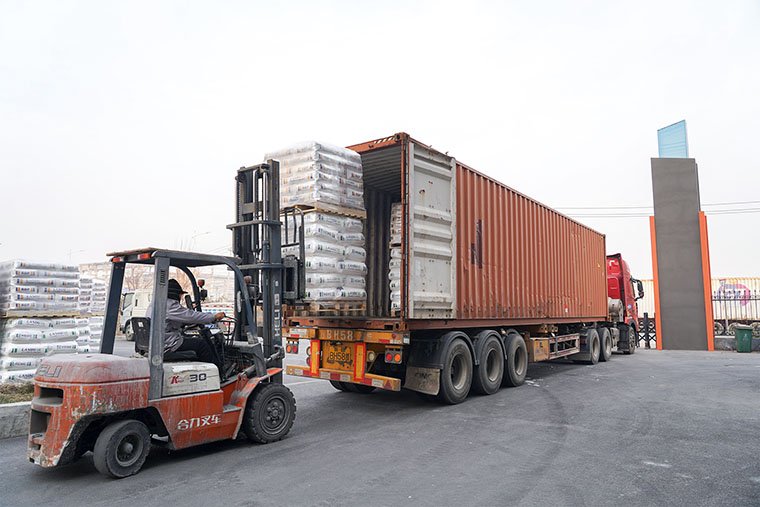 Grade Selection Guide
LANDERCOLL can review your interior wall paint formulation direction and recommend a suitable HEC grade for laboratory evaluation and testing.
What type of interior wall paint are you producing?
What is the target viscosity (KU, ICI, Brookfield)?
Is the paint economy, standard, or premium grade?
What polymer emulsion system is used?
What pigment and filler system is included?
Is the formulation high-PVC or low-PVC?
Do you need better brushability or roller performance?
Is leveling or anti-sag behavior the higher priority?
What pH range does the formulation operate at?
What dispersants, surfactants, and preservatives are included?
What mixing equipment and hydration time are available?
What shelf-life period and temperature range are required?

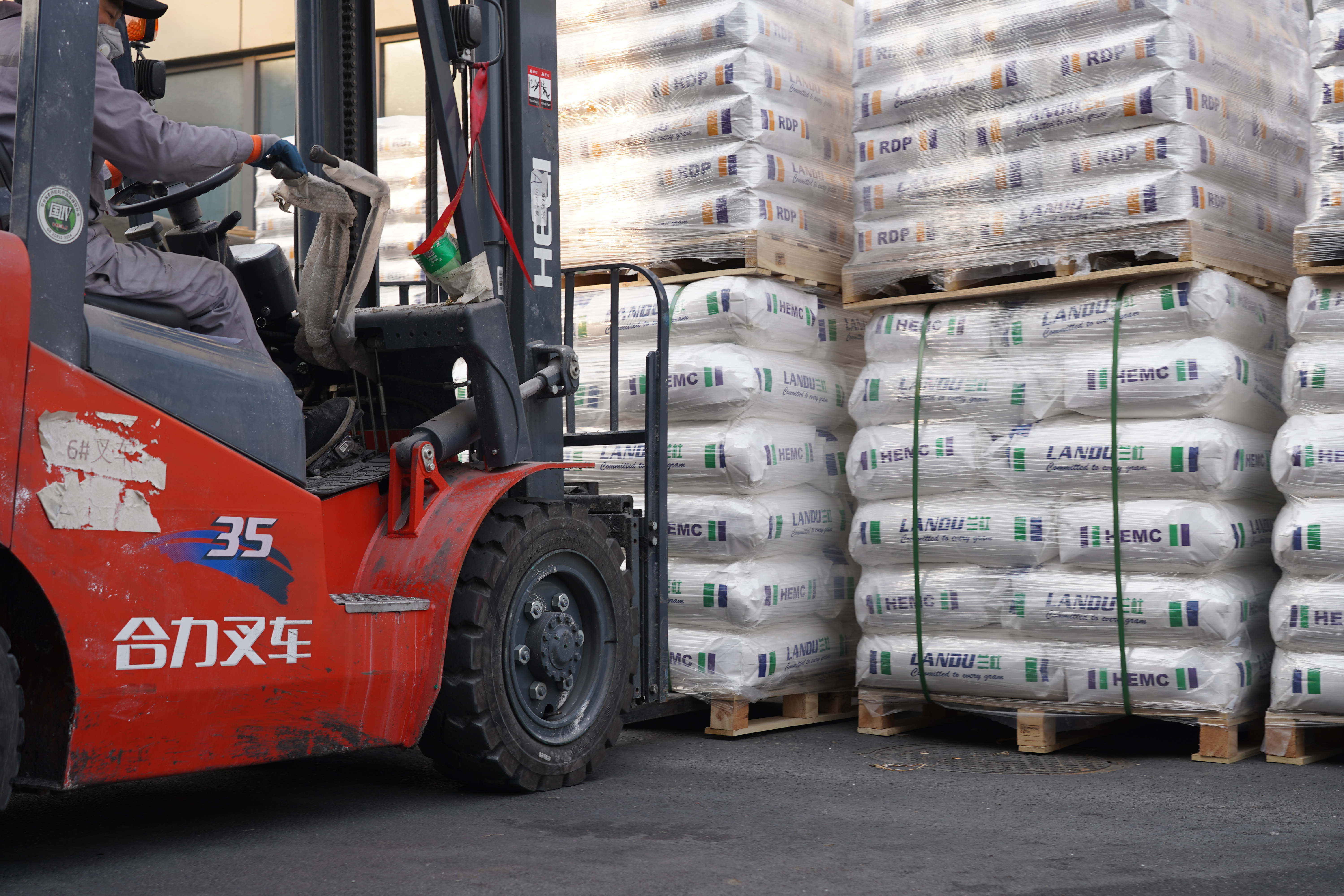

Supporting interior wall paint development with complete technical documentation.
— LANDERCOLL R&D —LANDERCOLL provides product-related documentation to support interior paint formulation testing, purchasing review, quality approval, and import compliance requirements.
All documents supplied upon request to support your formulation review, quality approval, and import compliance process.
HEC grade selection for interior wall paint formulations
Viscosity control and rheology profile optimization
Pigment and filler suspension improvement
Brushability and roller application performance support
Leveling behavior and storage stability discussion
HEC grade comparison and viscosity direction
Dosage reference and adjustment guidance
Sample supply and technical documentation (TDS, SDS, COA)
Quotation and export supply chain communication
If your interior wall paint is experiencing low viscosity, pigment settling, poor leveling, excessive roller spatter, sagging on vertical surfaces, unstable viscosity during storage, or inconsistent batch performance — the HEC grade or dosage may need to be reviewed.
LANDERCOLL provides technical support to help interior wall paint manufacturers evaluate HEC options based on binder system, pigment and filler loading, target viscosity, PVC level, application method, and storage stability requirements.
HEC (Hydroxyethyl Cellulose) is the most commonly used cellulose ether in interior water-based wall paint. It improves thickening, viscosity control, pigment suspension, rheology, leveling, and storage stability in water-based coating systems.
HEC builds viscosity in the water phase, stabilizes pigments and fillers against settling, improves brushability and roller application feel, supports leveling, and helps maintain consistent paint stability during storage and transport.
Thickening gives paint body and handling stability. Without adequate thickening, paint may be too thin to control during application, allow pigments and fillers to settle during storage, produce excessive roller spatter, sag on vertical surfaces, and deliver inconsistent coverage and appearance.
Yes. HEC increases the structural viscosity of the water phase, which helps keep pigments and fillers — including dense materials like titanium dioxide and calcium carbonate — evenly distributed during storage and reduces hard settling.
A common reference dosage range is 0.2%–1.0% by weight, depending on paint grade, target viscosity, pigment and filler loading, and formulation design. Economy grades typically use 0.2%–0.5%, while high-PVC or decorative systems may use up to 0.9%–1.0%. Final dosage must be confirmed through testing.
HEC can support leveling by helping control rheology and flow behavior, but final leveling performance depends on the complete formulation — including binder type, dispersant, surfactant, defoamer, and overall viscosity balance. Associative thickeners are sometimes used alongside HEC to optimize leveling in premium paint systems.
Viscosity loss during storage may be caused by poor HEC hydration, unsuitable grade selection, pH effects, surfactant or preservative incompatibility, high electrolyte or salt content, enzymatic degradation from microbial contamination, or temperature-related changes. Reviewing the HEC grade, preservative system, and production process typically helps identify the cause.
Start by defining your target viscosity, paint grade, binder type, pigment and filler system, PVC level, application method, pH range, and storage stability requirement. Share these details with LANDERCOLL and we can recommend suitable HEC grades for laboratory evaluation.
Yes. LANDERCOLL supplies HEC in export-ready industrial packaging with full documentation support including TDS, SDS, COA, and export-related documents where applicable. Contact our team to discuss your requirements.
Whether you produce economy interior wall paint, standard interior paint, premium wall coatings, matt paint, satin paint, high-PVC interior paint, decorative wall paint, or other water-based architectural coatings — LANDERCOLL can help you identify the right HEC grade for better viscosity control, pigment suspension, application feel, leveling performance, and storage stability.
Share your paint type, target viscosity, binder system, pigment and filler loading, and application requirements — LANDERCOLL will respond with a suitable HEC grade recommendation and supporting documentation.
