تميز الإيثير السليلوز — موثوق به من قبل أكثر من 1000 شركة حول العالم احصل على عينة مجانية
تساعد إيثرات السليلوز من لانديركول HEC وCMC وHPMC مصنعي المنظفات السائلة في تحقيق تحكم موثوق في اللزوجة، وملمس ناعم، وتعليق الجسيمات، واستقرار طويل الأمد للتركيبة عبر منظفات الغسيل السائلة، وسائل غسل الأطباق، والمنظفات متعددة الأغراض، والتركيبات المركزة.
من سائل الغسيل الجاهز للاستخدام إلى المنظفات الجيلاتينية المركزة ومنظفات المنزل المحايدة — توفر الدرجة المناسبة من إيثر السليلوز ريولوجيا متوقعة، وجودة منتج فائقة، وسلوك صب ثابت للمصنعين والمشترين الكيميائيين في الخارج.
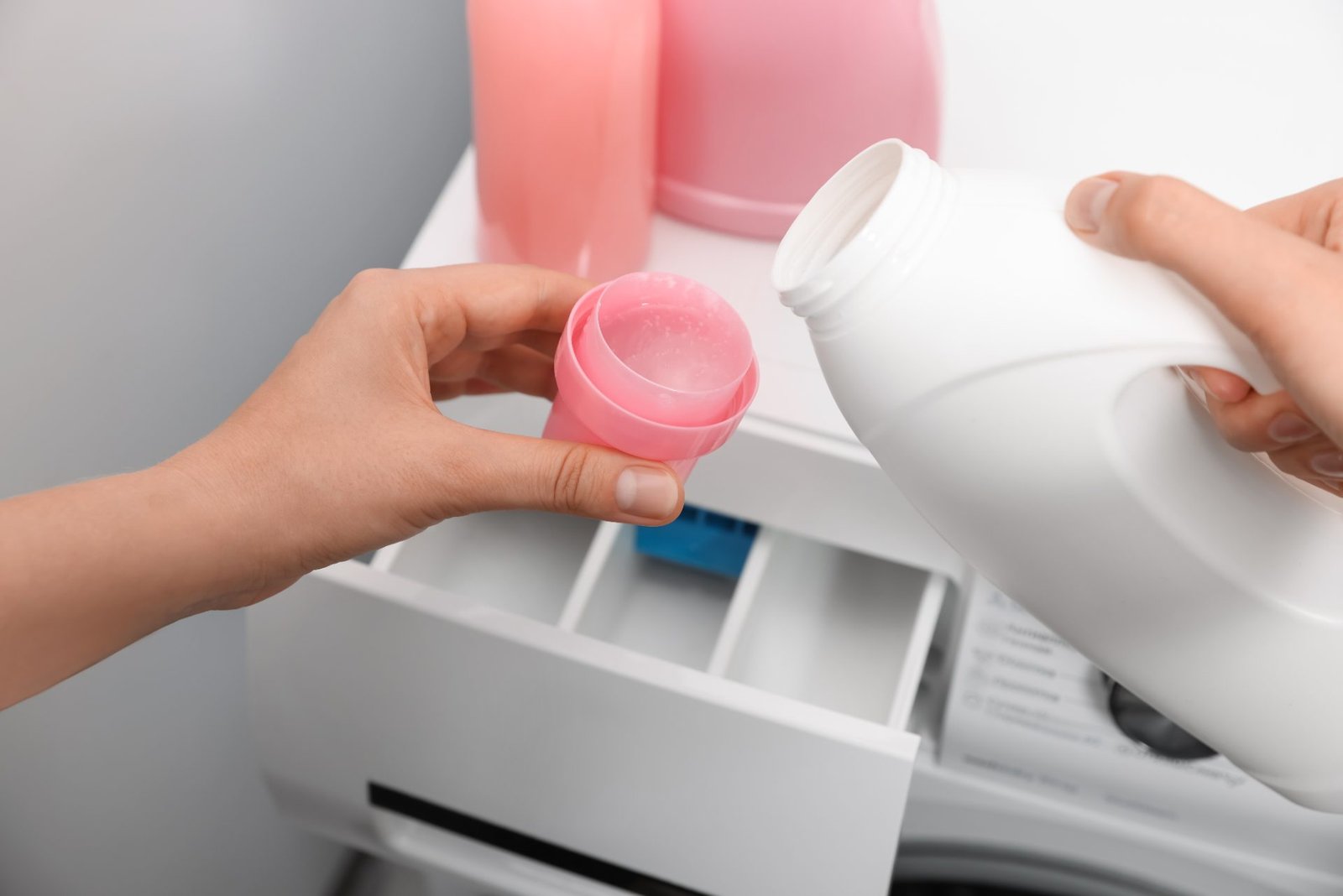
سائل غسيل الملابس · غسيل الأطباق · متعدد الأغراض · مركز · من النوع الجيلاتيني · منظف محايد
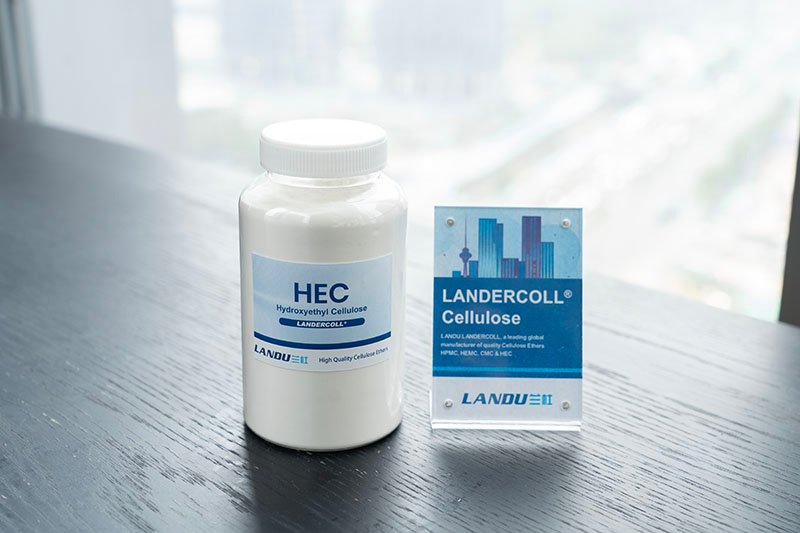 إجابة سريعة
إجابة سريعةCellulose ether — primarily HEC — is used in liquid detergent as a non-ionic thickener and rheology modifier that controls viscosity, supports particle suspension, improves pouring behavior, and maintains formulation stability throughout storage. CMC is used in selected laundry liquid systems for soil suspension and anti-redeposition support.
Key performance, compatibility, and supply reference for overseas liquid detergent manufacturers and chemical buyers.
Looking to improve your liquid detergent viscosity or stability?
Ask for a Liquid Detergent Recommendation طلب عرض سعر


Liquid detergent is a water-based cleaning product formulated with surfactants, builders, solvents, fragrance, preservatives, viscosity modifiers, stabilizers, and functional additives. It is used across fabric washing, dishwashing, hard surface cleaning, bathroom cleaning, neutral cleaning, and general household cleaning.
إيثر السليلوز is used as a functional polymer additive to support thickening, rheology control, suspension stability, product texture, and overall user experience. Among available types, HEC (هيدروكسي إيثيل السليلوز) is the most widely used grade in liquid detergent systems due to its non-ionic character and broad surfactant compatibility.
Two common failure modes are directly linked to viscosity management: too low viscosity — thin, watery appearance, phase separation, poor suspension; and too high viscosity — difficult pumping, hard to pour, inaccurate dosing. Cellulose ether gives formulators a reliable tool to adjust viscosity and rheology while supporting suspension and smooth texture.
LANDERCOLL supplies HEC, CMC, and selected cellulose ether grades to liquid detergent manufacturers and household cleaning product formulators worldwide — supported by technical data sheets, safety data sheets, certificates of analysis, and application guidance.
Liquid detergent must remain stable from production through distribution, retail shelf life, and consumer use. Cellulose ether helps liquid detergent manufacturers achieve the viscosity, texture, and stability targets that define product quality and consumer acceptance.
HEC is the primary choice for liquid detergent viscosity and texture. CMC supports selected laundry liquid systems. HPMC may be considered for specialty and gel-type formulations.
أساسي · غير أيوني · HEC
Non-ionic cellulose ether for thickening, viscosity control, and liquid formulation stability.
HEC is the most widely used cellulose ether in liquid detergent and household cleaning systems. As a non-ionic, water-soluble polymer, HEC is compatible with a broad range of anionic, non-ionic, and amphoteric surfactant systems. It hydrates readily in water and builds viscosity efficiently at low dosage levels.
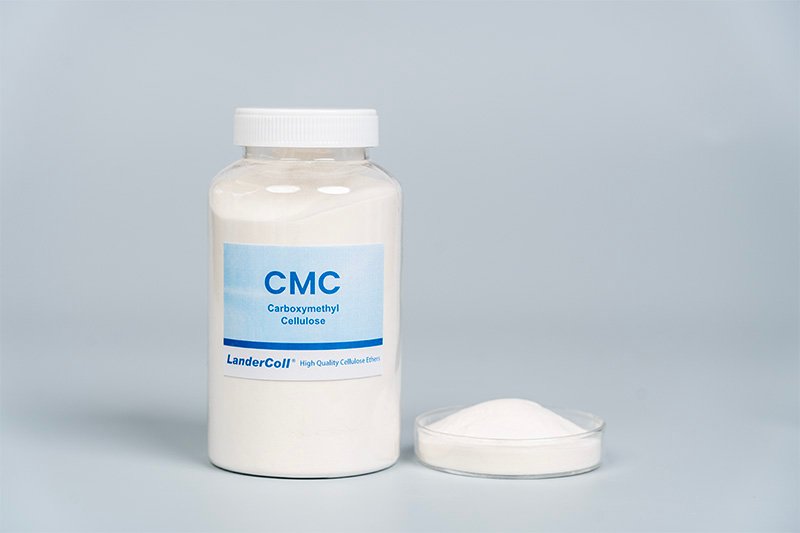 Anionic · CMC · Laundry Liquid
Anionic cellulose ether for suspension support and selected liquid detergent applications.
CMC is used in selected liquid detergent systems — particularly liquid laundry detergent — where soil suspension, anti-redeposition support, and formulation consistency are required. Important: CMC is anionic; compatibility with surfactant systems, electrolyte content, pH, and active matter must be confirmed through testing before scale-up.
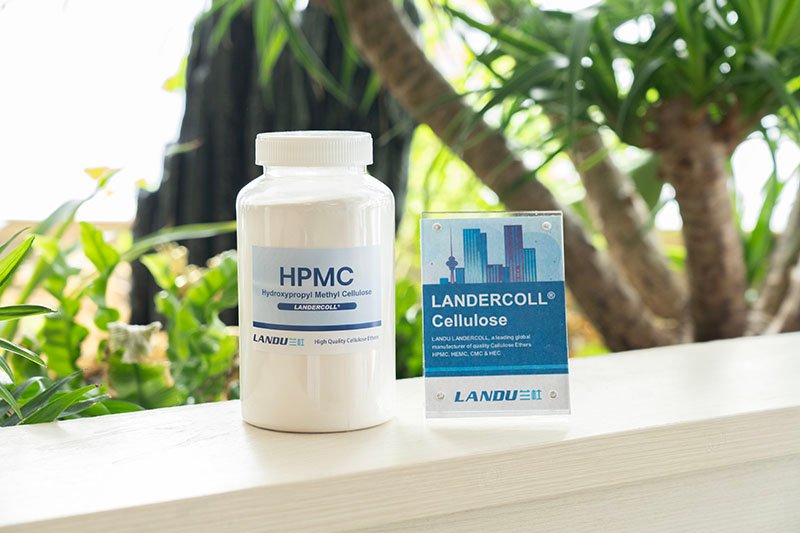 Specialty · HPMC · Gel Systems
Specialty cellulose ether for selected rheology and gel-type formulation requirements.
HPMC may be considered in selected liquid detergent or household cleaning systems where special thickening behavior, water-soluble polymer characteristics, or rheology adjustment is required. Its use is more application-specific and should be confirmed through formulation testing with surfactant type, solvent system, pH, electrolytes, fragrance, and preservatives.
The table below provides a general reference for common liquid detergent components and the role cellulose ether plays within the system.
| مكون | Function in Liquid Detergent |
|---|---|
| الماء | Main solvent and carrier |
| Surfactants | Cleaning, wetting, emulsifying, and foam properties |
| أثير السليلوز السليولوز | Improves viscosity, texture, suspension, and stability |
| Builders / Chelating Agents | Cleaning efficiency and water hardness control |
| Solvents | Solubility, clarity, and cleaning performance |
| المواد الحافظة | Microbial protection for water-based formulas |
| عطر | Product scent |
| ضبط درجة الحموضة | pH control and formulation stability |
| Colorants / Opacifiers | Product appearance in selected formulas |
| إضافات أخرى | Foam, clarity, viscosity, stability, or special performance |
| نوع التطبيق | المنتج الموصى به | Main Requirements |
|---|---|---|
| منظف غسيل سائل | HEC / CMC | Viscosity control, soil suspension, stability |
| Liquid Dishwashing Detergent | HEC | Thickening, smooth flow, stable appearance |
| Multipurpose Liquid Cleaner | HEC / selected CMC | Viscosity, stability, easy application |
| Concentrated Liquid Detergent | HEC / إيثر سليلوزي محدد | Rheology balance, high-active compatibility |
| Neutral Liquid Cleaner | HEC | Mild viscosity, clarity, smooth texture |
| Gel-Type Liquid Detergent | HEC / selected HPMC | Gel body, suspension, controlled flow |
| Household Cleaning Liquid | HEC / CMC / HPMC | Custom viscosity, stability, texture |
| Industrial Liquid Detergent | HEC / إيثر سليلوزي محدد | Process stability, viscosity, compatibility |
These dosage ranges are starting references only. Final dosage must be confirmed through viscosity testing, compatibility testing, storage stability testing, clarity evaluation, suspension testing, pouring behavior evaluation, and consumer-use trials.
| تطبيق | Typical Reference Dosage |
|---|---|
| منظف غسيل سائل | 0.2% – 1.0% |
| Liquid Dishwashing Detergent | 0.2% – 0.8% |
| Multipurpose Liquid Cleaner | 0.1% – 0.8% |
| Concentrated Liquid Detergent | 0.2% – 0.8% |
| Neutral Liquid Cleaner | 0.1% – 0.6% |
| Gel-Type Liquid Detergent | 0.3% – 1.2% |
| Household Cleaning Liquid | 0.1% – 1.0% |
| Industrial Liquid Detergent | Depends on viscosity target |
Cellulose ether influences viscosity development, product texture, suspension behavior, pouring performance, and long-term storage stability in water-based liquid detergent systems.
HEC and selected cellulose ether grades help adjust liquid detergent viscosity to a defined target range. Proper viscosity control supports better product body, improved dosing behavior, and a more premium consumer experience. Without adequate control, liquid detergent may appear thin, separate during storage, or fail to meet quality specifications.
Cellulose ether provides water-based thickening and helps eliminate the watery appearance that can reduce perceived product quality. Even at 0.2%–0.5%, HEC can significantly improve product body in surfactant-rich liquid systems.
Liquid detergents may contain insoluble particles, opacifiers, fragrance droplets, or functional additives requiring suspension support. Cellulose ether helps maintain uniform distribution and reduces settling or phase separation during storage.
A smooth and uniform texture improves consumer acceptance and perceived quality — creating more consistent liquid structure, better flow behavior, and a more pleasant tactile experience during dispensing.
Good rheology allows liquid detergent to pour cleanly without being too thin (dripping, splashing) or too stringy (slow, difficult to dose). The right grade and dosage balance viscosity and flow for optimal pouring performance.
Cellulose ether supports stable appearance and viscosity during storage when matched with surfactant system, electrolyte level, pH, and processing method — critical for long shelf-life and temperature-variable distribution.
When liquid detergent fails viscosity, stability, or production quality targets, cellulose ether grade, dosage, hydration, or compatibility is often the first variable to review.
Low thickener level or unsuitable viscosity system.
HEC supports viscosity control and product body.
Weak rheology or particle settling.
Cellulose ether supports suspension stability.
Surfactant, electrolyte, or polymer incompatibility.
Optimize grade selection and formulation balance.
pH, salt, temperature, or surfactant interaction.
Test suitable grade and confirm dosage.
Excessive viscosity or poor rheology profile.
Adjust viscosity grade and dosage.
Poor dispersion or insufficient hydration.
Improve addition process and mixing sequence.
Incompatibility with surfactants, fragrance, or salts.
Confirm compatibility through systematic testing.
Excessive polymer dosage or unsuitable grade.
Reduce dosage or select different viscosity grade.
Understanding these variables helps formulators make better grade selections and avoid common compatibility and stability problems in liquid detergent production.
Anionic, non-ionic, amphoteric, and mixed surfactant systems affect hydration rate, compatibility, clarity, and final viscosity. Non-ionic HEC generally shows broader compatibility than anionic CMC in mixed systems.
Salt, builders, and other electrolytes can significantly influence viscosity response and long-term stability — particularly for anionic CMC. High electrolyte levels may require grade adjustment.
Liquid detergent pH affects polymer performance, preservative function, and overall stability. Most cellulose ether grades perform across a broad pH range, but extreme values should be confirmed through testing.
High-active concentrated formats may require special rheology balancing. Cellulose ether dosage and grade selection may need adjustment for high-active systems.
Solvents affect hydration rate, clarity, viscosity development, and product feel. Solvent type and level should be considered during grade selection.
Fragrance oils and preservatives may affect clarity, viscosity, and stability in sensitive formulations. These interactions should be evaluated during development.
Addition sequence, hydration time, mixing speed, and water temperature affect dispersion and viscosity development. Proper addition method is critical to avoiding lumps and achieving consistent batch quality.
Temperature changes — including freeze-thaw cycles and high-temperature warehousing — may affect viscosity, appearance, and stability. Storage stability testing under relevant conditions is recommended.
Choosing the right cellulose ether requires balancing viscosity target, flow behavior, storage stability, clarity requirements, suspension needs, surfactant compatibility, and processing method.
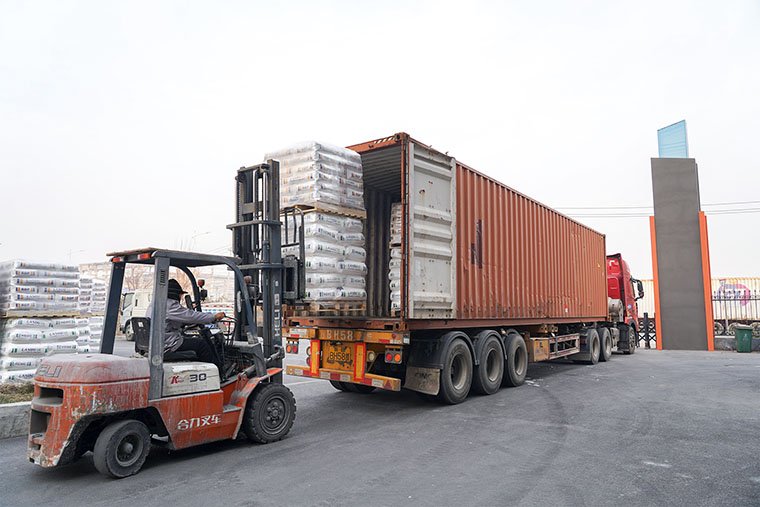 Grade Selection Guide
LANDERCOLL can review your liquid detergent formulation direction and recommend suitable HEC, CMC, or selected cellulose ether grades for testing.
What type of liquid detergent are you producing?
Is the formulation clear, opaque, pearlescent, or gel-like?
Anionic, non-ionic, amphoteric, or mixed?
What is the target pH range of the formulation?
What electrolyte or salt level is included?
What viscosity (mPa·s or cP) at what shear rate?
Do you need particle suspension or anti-redeposition?
Is the formula concentrated or ready-to-use?
What mixing process and equipment are available?
What temperature range and shelf life are required?
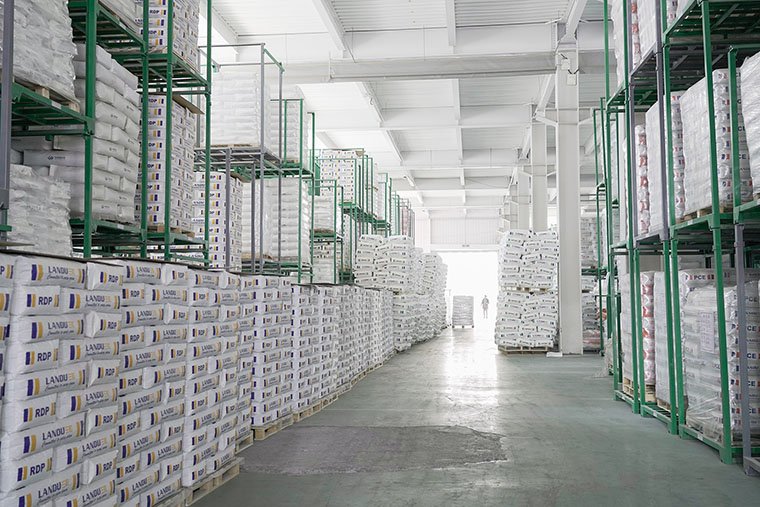
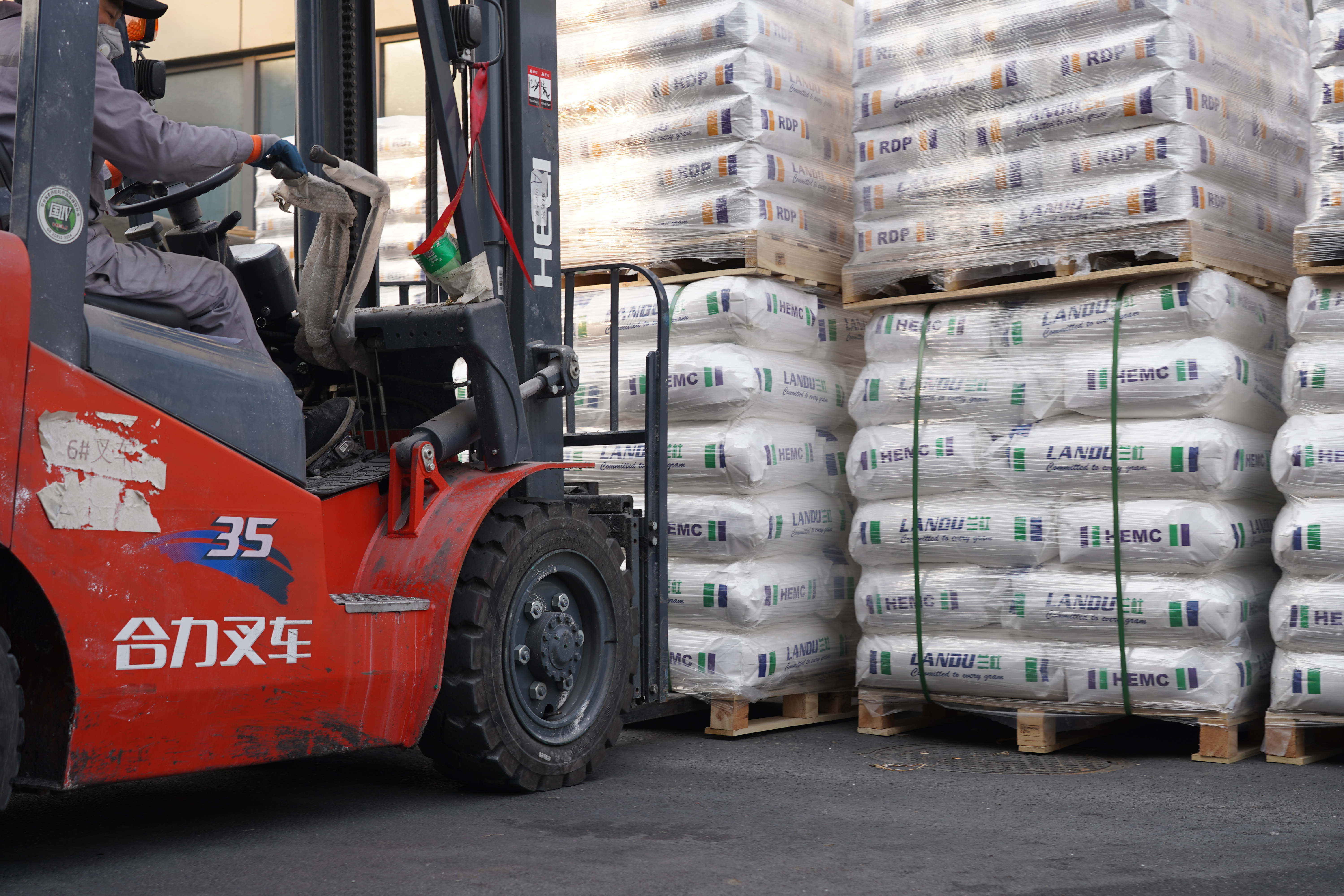

Supporting liquid detergent development with complete technical documentation.
— LANDERCOLL R&D —LANDERCOLL provides product-related documentation to support liquid detergent formulation testing, purchasing review, quality approval, and import compliance.
All documents supplied upon request to support formulation review, quality approval, and import compliance.
HEC selection for viscosity control and thickening
CMC selection for suspension and laundry-related support
Thickening and rheology adjustment guidance
Storage stability discussion and testing direction
Compatibility testing direction with surfactants and electrolytes
Dosage reference and starting point recommendations
Sample supply and technical documentation (TDS, SDS, COA)
Quotation and export supply chain communication
If your liquid detergent is too thin, separates during storage, loses viscosity over time, forms lumps during production, shows poor suspension, becomes difficult to pour, or has unstable appearance — the cellulose ether grade or dosage may need to be reviewed.
LANDERCOLL can help evaluate suitable HEC, CMC, and selected cellulose ether options based on your surfactant system, pH, electrolyte level, active matter content, viscosity target, and processing method.
HEC (Hydroxyethyl Cellulose) is the most commonly used cellulose ether in liquid detergent for viscosity control, thickening, suspension stability, and smooth texture. CMC may be used in selected liquid laundry systems for soil suspension and anti-redeposition. HPMC may be considered in specialty or gel-type formats.
HEC improves viscosity, creates smooth product texture, supports suspension of particles and opacifiers, improves pouring and dosing behavior, and helps maintain formulation appearance during storage. As a non-ionic polymer, HEC is compatible with a broad range of surfactant systems.
Yes. CMC can be used in selected liquid detergent systems, particularly liquid laundry detergent, where soil suspension and anti-redeposition support are required. Because CMC is anionic, compatibility with surfactant system, electrolyte level, and pH must be confirmed through testing before scale-up.
A common reference dosage range is 0.1%–1.2% by weight, depending on detergent type, viscosity target, grade, surfactant system, and electrolyte level. Gel-type systems may use up to 1.2%; neutral cleaners may require 0.1%–0.6%. Final dosage must be confirmed through testing.
Viscosity loss may be caused by surfactant incompatibility, elevated electrolyte levels, pH changes, temperature fluctuations, poor initial hydration, microbial degradation, or unsuitable cellulose ether grade. Systematic storage stability testing under relevant temperature conditions is recommended.
Cellulose ether selection may support clarity in some formulations, but final clarity depends on surfactant type, solvents, fragrance, salt level, polymer grade, and processing. HEC is generally more compatible with clear targets than CMC in many systems, but this must be confirmed through testing.
Lumps or fish eyes typically occur when cellulose ether is added too quickly, poorly dispersed before hydration, or not given sufficient mixing time. Optimize addition method — pre-dispersing in compatible solvent or adding slowly under agitation helps prevent lump formation.
Define your detergent type, surfactant system, pH range, electrolyte level, clarity target, viscosity target, storage requirements, and mixing process. Contact LANDERCOLL with these parameters — our technical team can recommend suitable HEC, CMC, or selected grades and provide samples for testing.
Whether you produce liquid laundry detergent, liquid dishwashing detergent, multipurpose liquid cleaner, concentrated detergent, neutral cleaner, gel-type detergent, or customized household cleaning liquids — LANDERCOLL cellulose ether helps you achieve better viscosity control, suspension stability, smooth texture, and formulation consistency.
Contact LANDERCOLL today to receive a product recommendation, request samples, or get a competitive quote for your liquid detergent formulation project.
