تميز الإيثير السليلوز — موثوق به من قبل أكثر من 1000 شركة حول العالم احصل على عينة مجانية
يساعد إيثر السليلوز من LANDERCOLL مصنعي ملاط البناء على تحسين الاحتفاظ بالمياه، وعمر اللوحة، وسهولة التعامل، وتماسك الملاط، وقابلية الانتشار، وثبات التطبيق في موقع العمل.
موثوق به من قبل منتجي المونة الجافة الذين يوردون أنظمة مونة الطوب والبلوك والمونة الجاهزة للبناء عبر أسواق متعددة.
 ملاط البناء · الطوب والبلوك

تشكيل ثابت لمفاصل السرير مع جسم ملاط مستقر طوال عملية الرصف.
أسمنت · جير · مونة جافةملاط البناء هو أحد أكثر مواد البناء استخدامًا في مشاريع البناء حول العالم. يُستخدم في وضع الطوب، والكتل الخرسانية، والكتل خفيفة الوزن، وكتل الخرسانة الخلوية المعقمة (AAC)، ووحدات الحجر، ومواد البناء الأخرى.


يجب أن تظل الملاط البنائي عالي الأداء قابلاً للتشغيل على اللوحة، وينتشر بسلاسة على وحدات البناء، ويحتفظ بالماء بشكل مناسب ضد امتصاص الركيزة، ويوفر سلوكًا ثابتًا ومتسقًا طوال عملية البناء.
تقوم شركة LANDERCOLL بتوريد منتجات الإيثر السليولوزي HPMC و HEMC / MHEC لمصنعي ملاط البناء الذين يحتاجون إلى احتفاظ أفضل بالمياه، وعمر لوحي ممتد، وقابلية تشغيل محسّنة، وانتشار أكثر سلاسة، وتماسك أقوى، وثبات تطبيق موثوق.
يساعد اختيار درجة مناسبة من إيثر السليلوز في الحفاظ على قابلية استخدام ملاط البناء لفترة أطول في موقع العمل، ويقلل من فقدان الماء السريع في الطوب أو الكتل الماصة، ويحسن الشعور بالتطبيق لدى البناء، ويدعم أداء تثبيت أكثر اتساقًا عبر أنواع مختلفة من وحدات البناء والظروف المناخية.
ملاط البناء هو مادة رابطة قائمة على الأسمنت أو الأسمنت الجيري تستخدم لربط وحدات البناء — بما في ذلك الطوب والكتل الخرسانية والكتل خفيفة الوزن وكتل AAC والحجر الطبيعي أو المقطوع — في جدران بناء هيكلية أو غير هيكلية.
يملأ فواصل الفراش والفواصل الرأسية بين وحدات البناء، وينقل الأحمال الهيكلية، ويسد الفجوات لمنع تسرب الهواء والرطوبة، ويساهم في الأداء العام والمتانة لتجميع البناء.
تتضمن تركيبة الملاط البنائي النموذجية الأسمنت، والجير، والرمل، والمواد المالئة، وإيثر السليلوز، والمواد المضافة لحبس الهواء، وعوامل الاحتفاظ بالماء، وغيرها من الإضافات الوظيفية حسب نوع المنتج، وفئة القوة، والممارسة البنائية المحلية.
بعد الخلط مع الماء، يجب أن توفر ملاط البناء قابلية تشغيل جيدة، وعمر لوح كافٍ، واحتفاظ موثوق بالماء، ومرونة، وتماسك الملاط، وثبات القوام طوال عملية التمديد. يعمل إيثر السليلوز على تحسين خصائص الملاط الطازج ويدعم أداءً أكثر موثوقية وثباتًا في موقع العمل.

وحدات البناء مثل الطوب الطيني، والكتل الخرسانية، وكتل الخرسانة الخلوية المعقمة خفيفة الوزن، والحجر الطبيعي يمكنها امتصاص الماء بسرعة من الملاط المطبق حديثًا. يؤدي ضعف الاحتفاظ بالماء إلى ملاط جاف وصلب، وقصر عمر اللوحة، وتكوين فواصل غير متناسق. يساعد إيثر السليلوز من LANDERCOLL في تحسين الاحتفاظ بالماء وقابلية التشغيل لتحقيق وضع أكثر اتساقًا للطوب والكتل.
يقلل من فقدان الرطوبة السريع للطوب الماص، والكتل، والركائز الحجرية أثناء التركيب.
Extends the workable window after mixing and placement on the mortar board.
تستخدم أنظمة ملاط البناء عادةً درجات إيثر السليلوز متوسطة اللزوجة بمستويات جرعات محكومة لتحسين احتباس الماء وعمر اللوحة وقابلية التشغيل دون إنشاء ملاط لزج أو ثقيل بشكل مفرط.
HPMC is one of the most widely used cellulose ethers in masonry mortar formulations. It provides strong water retention, controlled thickening, workability improvement, and consistency stabilization.
In drymix masonry mortar systems, HPMC improves spreadability, reduces mortar harshness, and supports more stable, predictable handling behavior on the mortar board.
HEMC / MHEC is well-suited for masonry mortar systems where water retention, extended board life, smooth spreadability, mortar cohesion, and stable application behavior are important.
In vertical joint applications and lightweight block laying, HEMC / MHEC can help improve mortar body, reduce uneven application behavior, and support more consistent joint formation.
Masonry mortar formulations vary by local building standards, masonry unit type, required strength class, application method, and locally available raw materials.
| مكون | Function in Masonry Mortar |
|---|---|
| أسمنت | الموثق الهيدروليكي الرئيسي؛ يوفر القوة الهيكلية والتصلب. |
| Lime | Improves plasticity, workability, and application feel in selected systems. |
| الرمل | Provides structure, volume, and mechanical support in the joint. |
| الحشوات | Adjust consistency, density, and formulation balance. |
| إيثر السليلوز (HPMC / HEMC) | Improves water retention, board life, workability, and consistency. |
| إضافات إدخال الهواء | Improve workability and freeze-thaw resistance in selected systems. |
| Water-Repellent Additives | Support moisture resistance in selected exterior applications. |
| إضافات أداء أخرى | Adjust setting time, strength, plasticity, or special requirements. |
Different masonry mortar systems have different water retention, workability, and consistency requirements. This table provides a practical starting reference.
| نوع التطبيق | المنتج الموصى به | متطلبات الأداء الرئيسية |
|---|---|---|
| Brick Laying Mortar | HPMC أو HEMC / MHEC | Board life, water retention, spreadability. |
| Concrete Block Mortar | HPMC أو HEMC / MHEC | Workability, consistency, joint filling. |
| Lightweight Block Mortar (AAC) | Medium viscosity HPMC or HEMC / MHEC | Strong water retention, open time, stability. |
| Stone Masonry Mortar | HPMC أو HEMC / MHEC | Cohesion, plasticity, stable application. |
| Lime-Cement Masonry Mortar | HPMC أو HEMC / MHEC | Plasticity, board life, smooth handling. |
| Ready-Mix Masonry Mortar | HPMC أو HEMC / MHEC | Batch consistency, usability, stable performance. |
| Drymix Block Laying Mortar | Medium viscosity HPMC or HEMC / MHEC | Workability, water retention, application control. |
The appropriate cellulose ether dosage depends on formulation design, masonry unit absorption rate, target board life, viscosity grade, water retention requirement, sand grading, and job-site conditions.
In masonry mortar formulations, cellulose ether supports water retention, board life, and workability so mortar remains usable and performs consistently during brick and block laying.
Water retention is the most critical function of cellulose ether in masonry mortar. It helps the mortar keep enough moisture during application and early cement hydration — particularly when working with highly absorbent clay bricks, lightweight AAC blocks, or other porous masonry units.
Board life is the time that mixed mortar remains workable and usable after placement on the mortar board. Cellulose ether helps extend board life by reducing the rate of water loss from the mortar.
Good workability allows masonry mortar to spread easily under trowel pressure, hold its shape in the joint, and respond predictably during unit placement and adjustment.
Masonry mortar must spread smoothly and evenly on brick or block surfaces to create full, consistent bed joints. Cellulose ether helps create a more controlled consistency that spreads readily under tool pressure.
Cellulose ether improves the internal cohesion of fresh masonry mortar, helping it remain uniform and stable during use and supporting complete joint filling.
Plasticity is important for smooth, efficient masonry laying and for allowing fine adjustment of unit position after placement. Cellulose ether supports better plastic behavior by improving water management and rheology.
Cellulose ether helps maintain stable mortar consistency after mixing with water, supporting more predictable and uniform performance across different batches, job sites, and application conditions.
Many fresh masonry mortar problems are related to water retention, workability, and consistency — areas where cellulose ether grade and dosage selection directly affect performance.
Rapid water loss, absorbent masonry units, hot or windy conditions.
Improve water retention and extend workable window.
Poor sand grading, low water retention, unsuitable viscosity grade.
Improve workability and application smoothness.
Weak plasticity, incorrect water dosage, unbalanced formulation.
Improve consistency and spreading behavior.
Low water retention, high unit absorption, fast hydration.
Maintain moisture and workability for longer.
Weak cohesion, poor consistency, low workability.
Improve mortar body and joint filling behavior.
Excessive cellulose ether dosage or unsuitable viscosity grade.
Adjust grade and dosage balance.
Poor rheology, excess water, unstable formulation.
Improve consistency and slurry stability.
Raw material variation, poor mixing, wrong grade.
Improve formulation uniformity and handling behavior.
Rapid drying, poor water retention, shrinkage.
Support water retention and stable hydration.
Understanding the key variables that influence cellulose ether behavior in masonry mortar helps formulators make better product selection and dosage decisions.
Clay bricks, concrete blocks, AAC blocks, and stone have different water absorption rates. Highly absorbent units require stronger water retention performance.
Cement source, fineness, and chemical composition affect hydration rate, water demand, setting behavior, and interaction with cellulose ether.
Lime improves plasticity and workability but also influences water demand, rheology, and setting behavior in masonry mortar.
Sand particle size distribution, shape, and cleanliness directly affect workability, spreadability, joint filling, and water demand.
Medium viscosity grades are commonly used in masonry mortar. Higher grades provide stronger water retention but may increase stickiness if overdosed.
Insufficient dosage leads to short board life or harsh mortar feel. Excessive dosage may create sticky, difficult-to-spread mortar.
Water dosage strongly affects consistency, board life, and joint filling. Mixing time and rest time affect cellulose ether hydration and mortar behavior.
Hot, dry, or windy conditions accelerate water evaporation from fresh mortar, shortening board life and reducing workability.
Hand laying, machine application, and different troweling techniques create different shear and flow conditions in the mortar.
Local building standards and required mortar strength class influence binder ratio, additive selection, and cellulose ether dosage targets.
Selecting the right cellulose ether requires balancing water retention, board life, workability, spreadability, plasticity, and joint filling performance based on masonry unit type and job-site conditions.
Brick laying, block laying, stone masonry, or lime-cement mortar?
Clay brick, concrete block, lightweight AAC block, or stone?
How absorbent are the masonry units in your target market?
Longer board life, smoother spreading, or better joint filling?
What cement, lime, sand, and filler system is used?
What grade are you using, and is it delivering required performance?
What temperature, humidity, and wind are typical during application?
What water dosage and mixing method are used on the job site?
ما هو مستوى الجرعة الذي يوازن بين التكلفة والأداء؟
Are there local strength class or building standard requirements?
LANDERCOLL can help review your masonry mortar formulation direction and recommend a suitable HPMC or HEMC / MHEC grade for laboratory testing and evaluation.
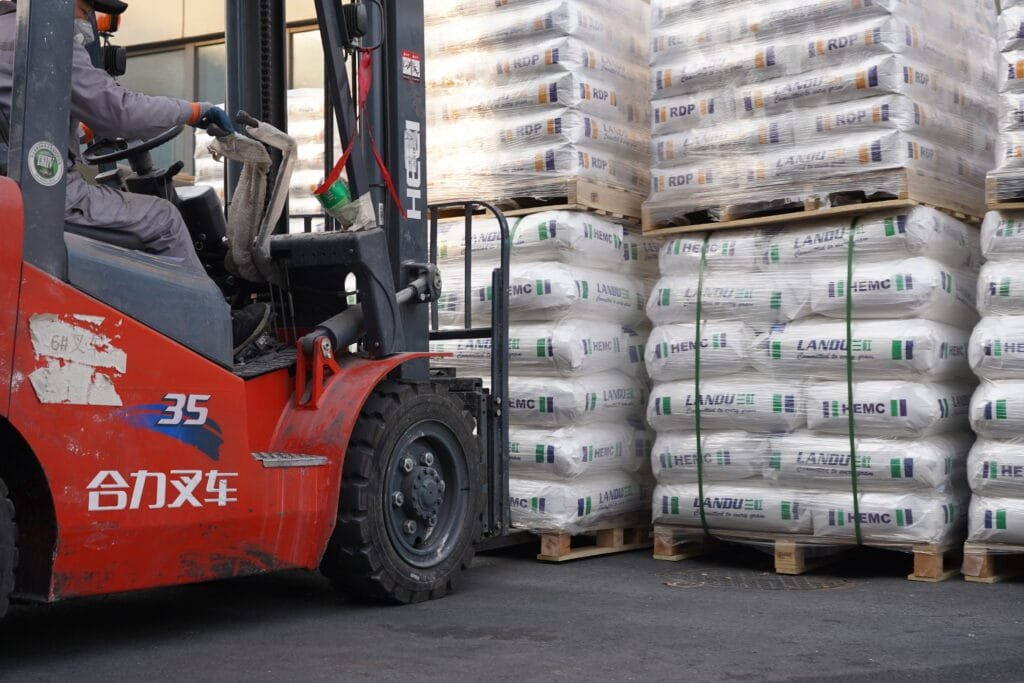
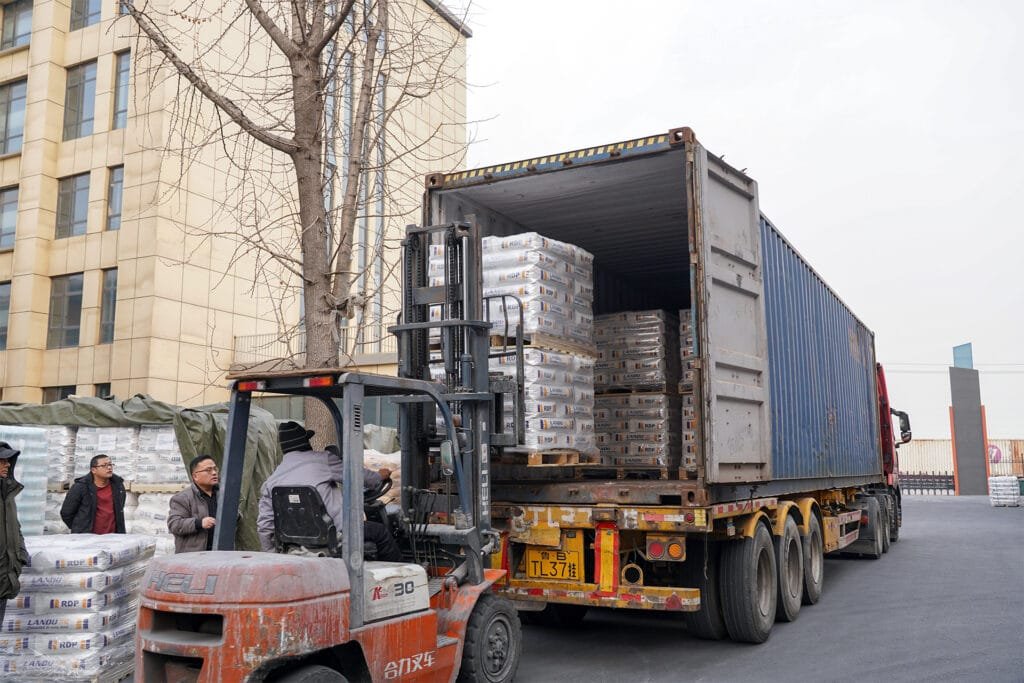
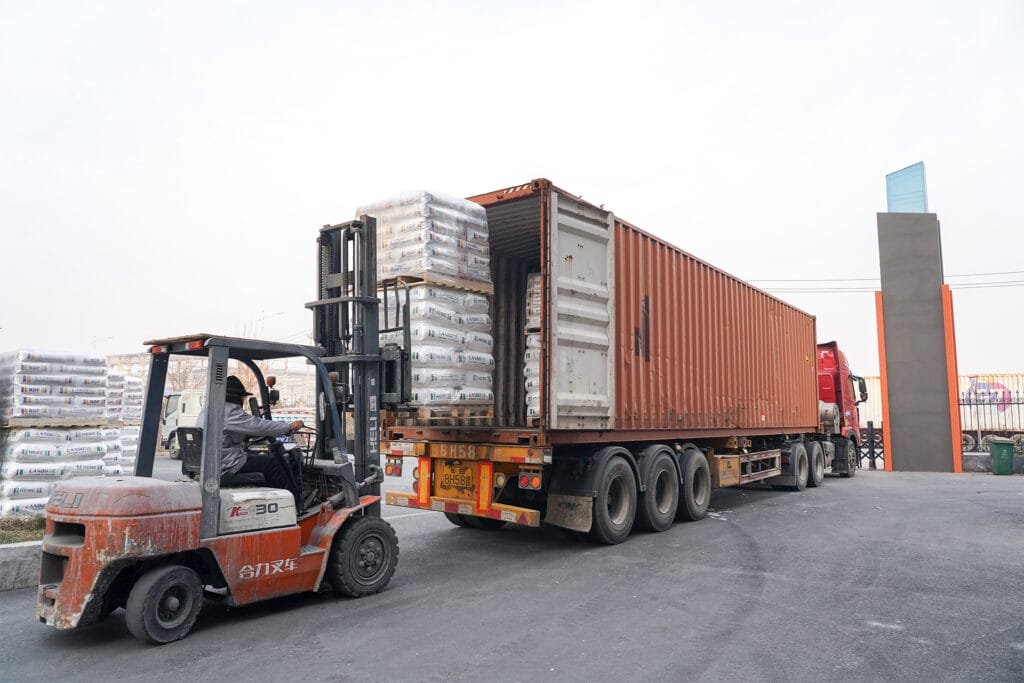
اطلب توصية بالدرجةLANDERCOLL cellulose ether for masonry mortar applications is supplied in industrial packaging designed for drymix mortar production environments, international shipping, and warehouse storage.
LANDERCOLL can provide a full set of product documentation to support masonry mortar formulation development, purchasing review, quality approval, and import compliance.
If your masonry mortar stiffens too quickly on the board, dries too fast against absorbent bricks or blocks, spreads poorly, feels harsh under the trowel, fills joints unevenly, separates after mixing, or performs inconsistently across batches or job sites, the cellulose ether grade or dosage may need to be reviewed.
LANDERCOLL provides technical support to help drymix masonry mortar manufacturers evaluate suitable HPMC and HEMC / MHEC options based on masonry unit type, raw material system, target board life, water retention requirement, and job-site application conditions.
HPMC and HEMC / MHEC product selection for masonry mortar.
استراتيجية تحسين الاحتفاظ بالماء.
Board life extension support.
Workability and spreadability improvement discussion.
Mortar cohesion and plasticity improvement.
توجيه درجة اللزوجة وتوصية الجرعة.
Sample arrangement and technical evaluation support.
Quotation and supply communication.
HPMC and HEMC / MHEC are commonly used in masonry mortar to improve water retention, board life, workability, spreadability, mortar cohesion, and consistency.
Cellulose ether improves water retention, board life, workability, and mortar consistency, helping prevent rapid drying, short workable time, and inconsistent joint formation during brick and block laying.
HPMC supports water retention, workability, spreadability, mortar consistency, and board life in masonry mortar formulations for brick and block laying applications.
HEMC / MHEC supports water retention, extended board life, smooth application, mortar cohesion, and stable consistency in masonry mortar systems.
A common reference dosage range is 0.10%–0.30% by dry weight, depending on masonry unit type, viscosity grade, water retention requirement, and board life target. Final dosage must be confirmed through testing.
Cellulose ether reduces the rate of water loss from fresh mortar, helping it remain workable and usable on the mortar board for a longer period after mixing.
Rapid drying is often caused by low water retention, highly absorbent masonry units, insufficient cellulose ether dosage, unsuitable viscosity grade, or hot and windy job-site conditions.
Yes. Suitable HPMC or HEMC / MHEC grades can improve workability, spreadability, and application smoothness by supporting better water management and mortar consistency.
Both can be effective depending on the formulation. The best choice depends on masonry unit type, cement and lime system, sand grading, water retention requirement, and board life target.
Start with masonry unit type, mortar application, water retention requirement, board life target, cement and lime system, sand grading, climate conditions, and viscosity grade direction.
Yes. LANDERCOLL can arrange HPMC and HEMC / MHEC samples for masonry mortar formulation testing and evaluation based on masonry unit type, water retention requirement, and performance targets.
Whether you produce brick laying mortar, concrete block mortar, lightweight AAC block mortar, stone masonry mortar, lime-cement mortar, ready-mix dry masonry mortar, or drymix block laying systems, LANDERCOLL can help you identify the right HPMC or HEMC / MHEC grade for better water retention, extended board life, improved workability, and reliable application consistency.
Our team works with drymix mortar manufacturers across multiple markets to support formulation development, product selection, sample evaluation, and supply communication for masonry mortar cellulose ether applications.
